
Saamuri
Tbilisi
Bar in Tbilisi, Georgia
 Book with Pearl
Why go
Saamuri is worth considering for a wine-led date night in Tbilisi, especially if the goal is a relaxed two-person stop rather than a full dinner production. Star Wine List recognition gives it a useful trust signal, but the lack of confirmed menu and pricing details makes it better for flexible plans than tightly scripted celebrations.
About Saamuri
Saamuri is a Tbilisi venue with evening and late-night hours, a casual dress code, and Star Wine List recognition in 2026. It opens at 5 PM Monday through Friday, at 2 PM on Saturday and Sunday, and stays open until midnight most nights, with 1 AM closing on Friday and Saturday. For many visitors, that operating pattern is the most practical information, because it places Saamuri clearly in the evening and late-night part of a Tbilisi itinerary rather than in the daytime restaurant category.
Because the record does not include a cuisine, signature dish, menu format, price range, seating details, or service style, it is best to plan around the facts that are confirmed rather than assume a full dinner format. Saamuri is a venue with late availability and a wine-related credential, not a place where every element of the experience can be predicted from the published record. For readers building a broader night out, use our full Tbilisi restaurants guide for meal planning and our full Tbilisi bars guide for the wider bar shortlist.
A Tbilisi option with confirmed late hours and wine recognition
Saamuri is easiest to evaluate on its basics: casual dress, late operating hours, and Star Wine List recognition. Those details give it a clear role in the planning process, even though they do not describe the full on-site experience. The casual dress code keeps the commitment low, while the late closing times make it viable after earlier plans elsewhere in the city. That makes it a relevant option for guests who want a Tbilisi stop with a wine-related signal, but the available information does not support more specific claims about the room, food, cocktails, seating, or atmosphere.
The main caution is expectation-setting. There is no price range, menu detail, booking policy, or seating information in the record, so it is not possible to say how it works for a large group, a date-night table, a solo visit, or a tightly timed dinner plan. Saamuri is therefore a stronger fit for flexible plans than for an evening where every detail needs to be fixed in advance. If the night can adapt around availability, timing, and what is confirmed on the ground, it is easier to include. For hotels in the city, use our full Tbilisi hotels guide; for a wine-focused wider plan, check current Tbilisi resources directly.
Who should consider it, and who should cross-shop
Saamuri makes sense to consider if the plan calls for a casual Tbilisi venue with evening hours and Star Wine List recognition. It is especially straightforward to place in an itinerary when the key requirement is a venue that is open later, rather than a venue selected for a known cuisine, a specific dish, or a published format. If the decision depends on a defined food program, specific seating needs, live entertainment, rooftop views, or a lounge format, compare the available details with Amber Bar, Tatuza Jazz Club, Rolling Stone Rooftop Bar, Pink Bar, and Chinari Bar & Lounge before committing.
The broader Tbilisi decision is direct: choose Saamuri when its hours, casual dress code, and wine recognition fit the plan; look elsewhere if you need details about food, format, pricing, or setting. In practical terms, it is a better candidate for a flexible late stop than for a fully specified booking chosen weeks in advance. For non-bar planning around the city, use current Tbilisi resources to fill the rest of the itinerary.
Planning details
- Location
- 8 Egnate Ninoshvili St, Tbilisi 0112, Georgia
- Website
- facebook.com/SAAMURIWINES
- Phone
- +995 599 01 55 85
The take
The Take
The Vibe
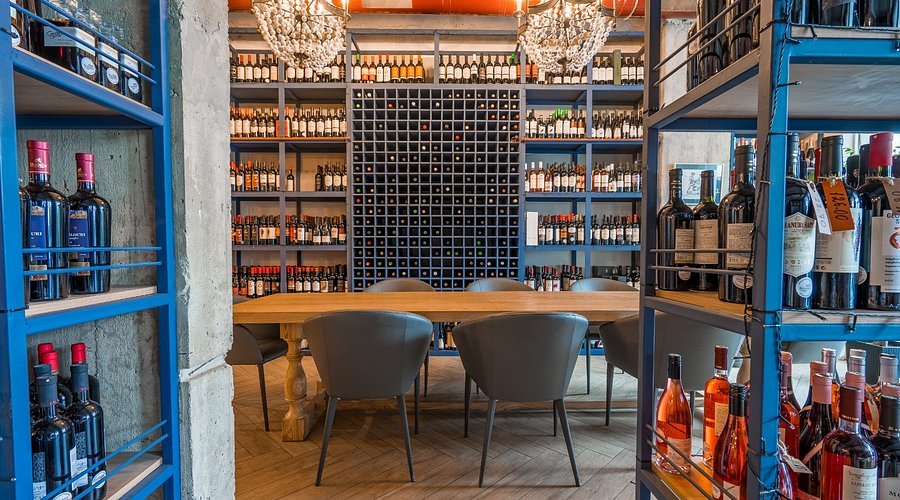
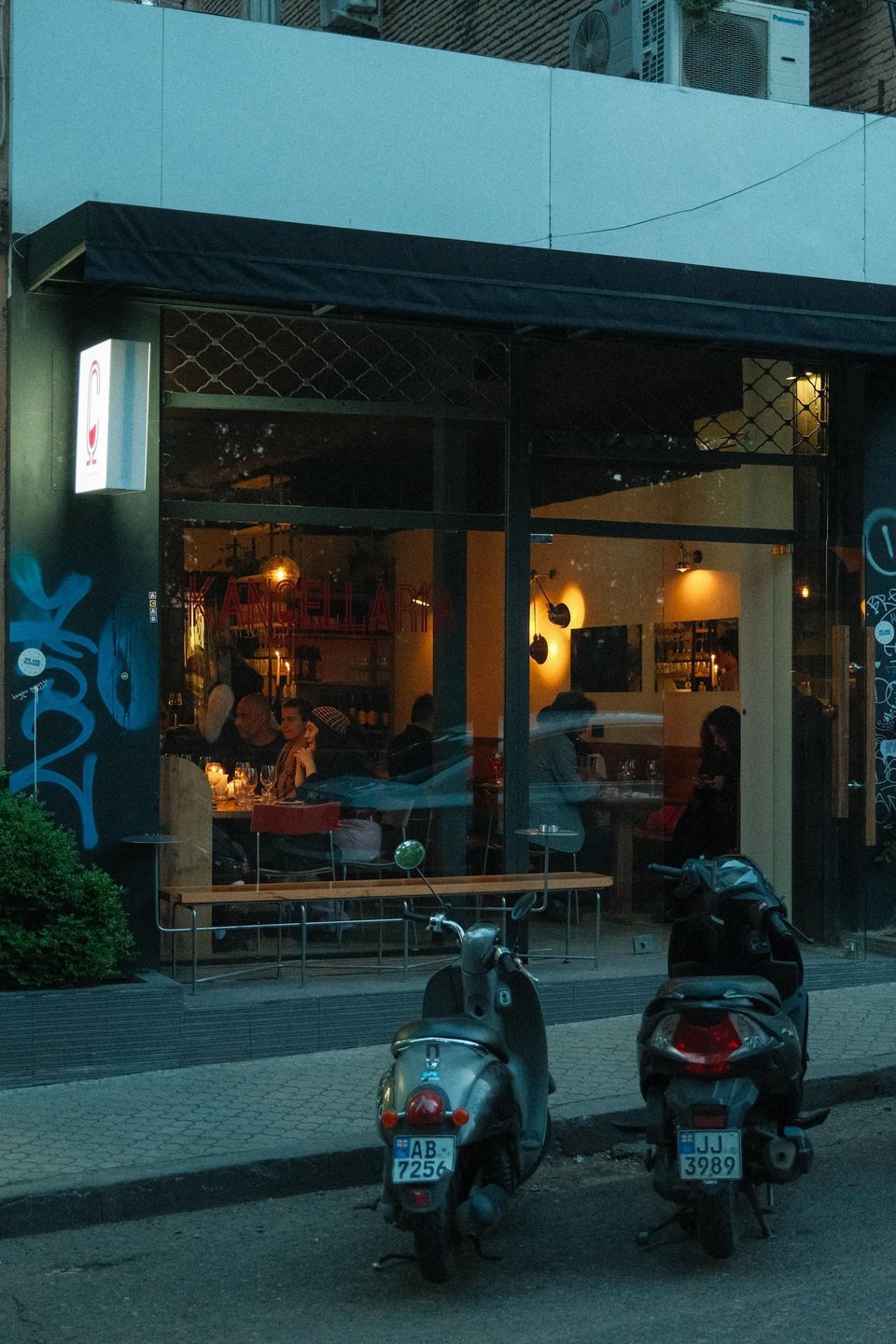
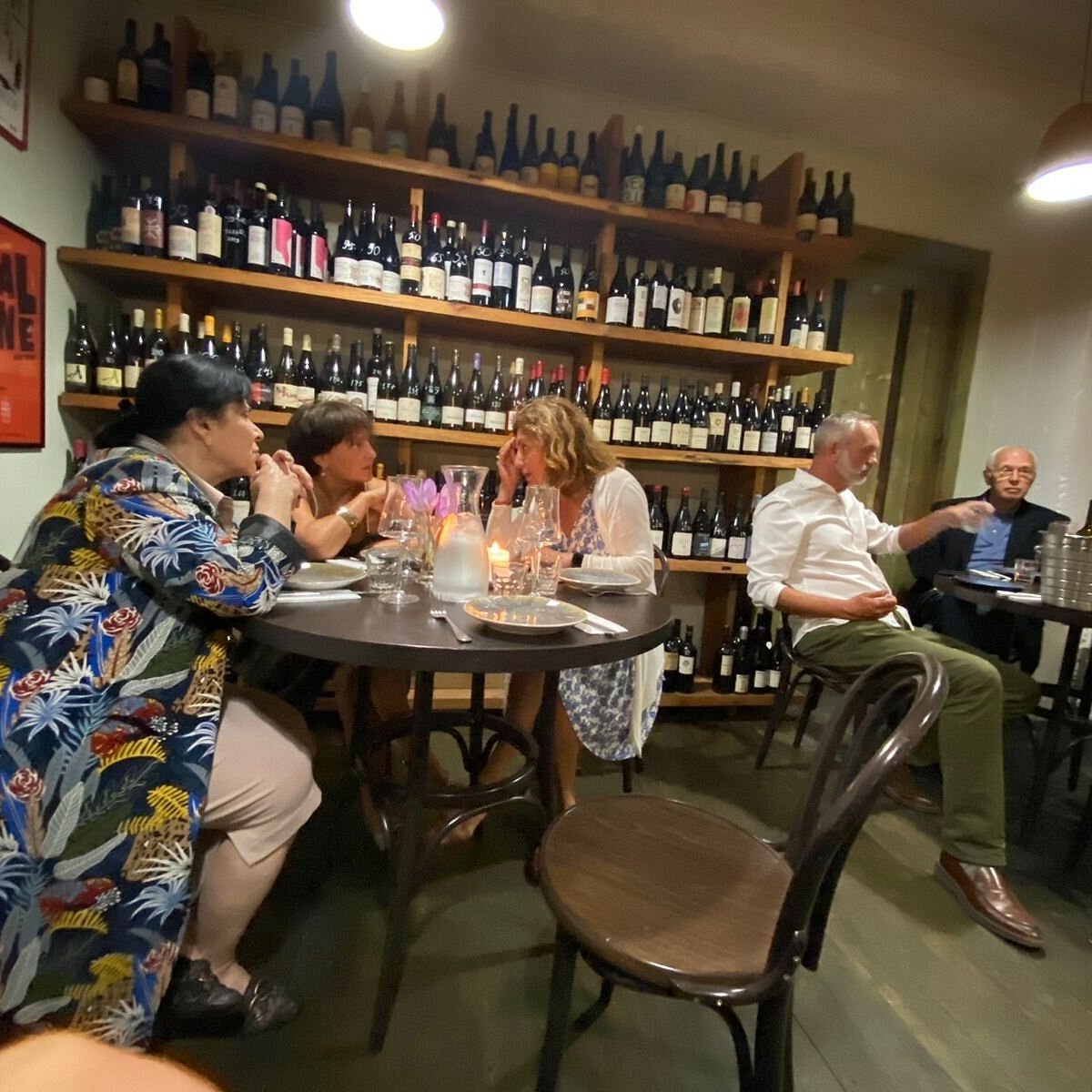
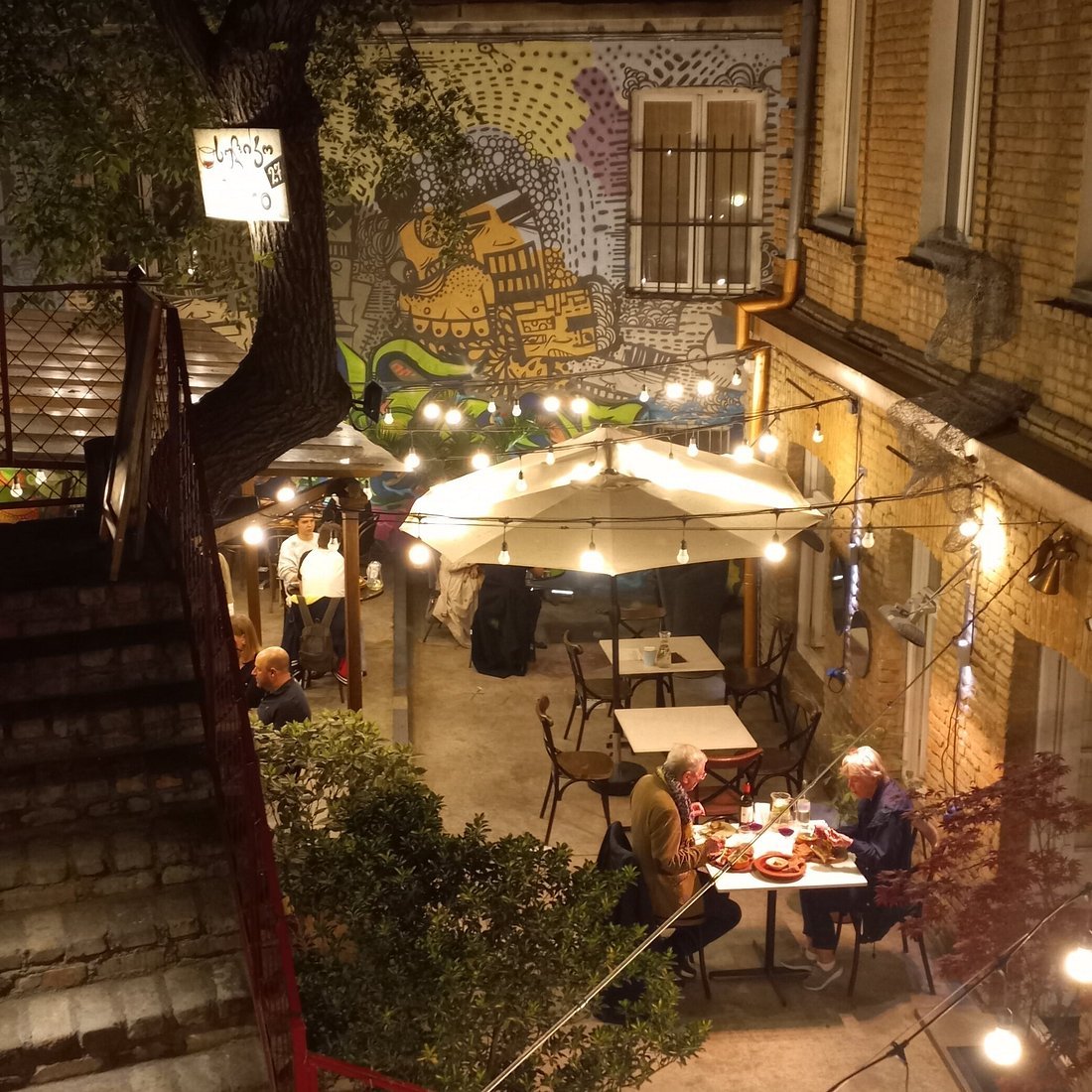
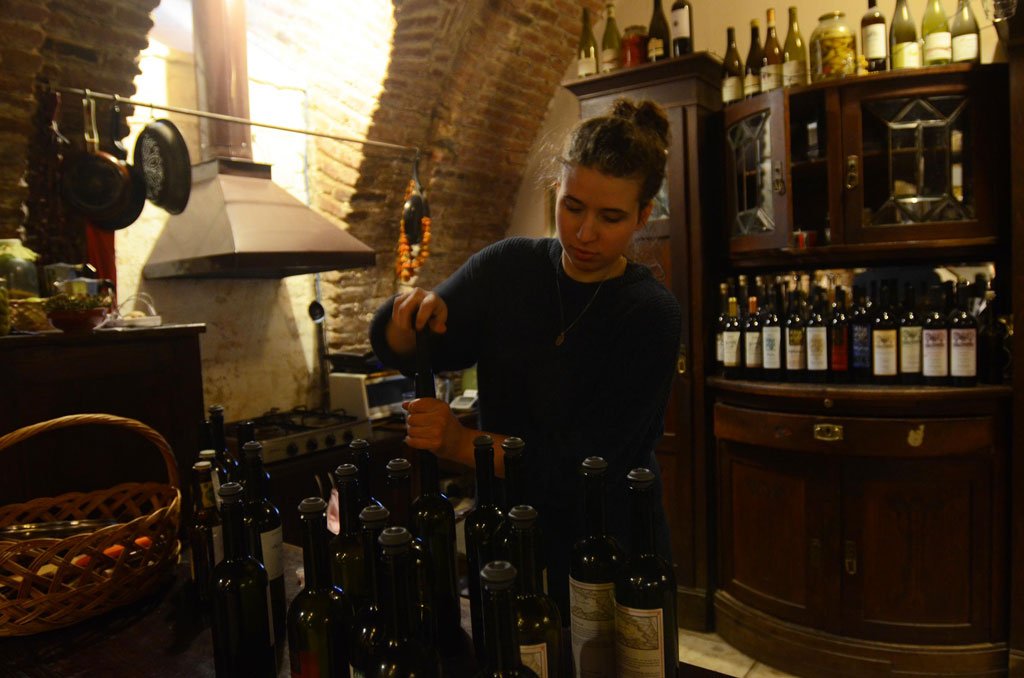
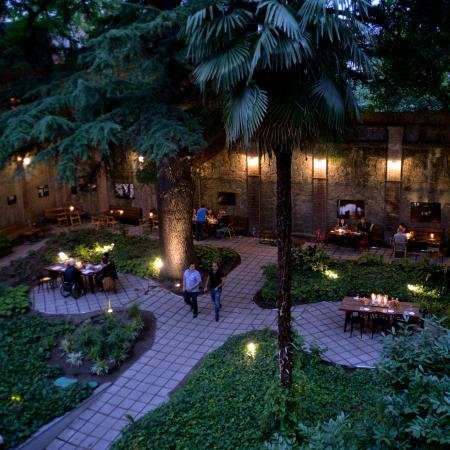
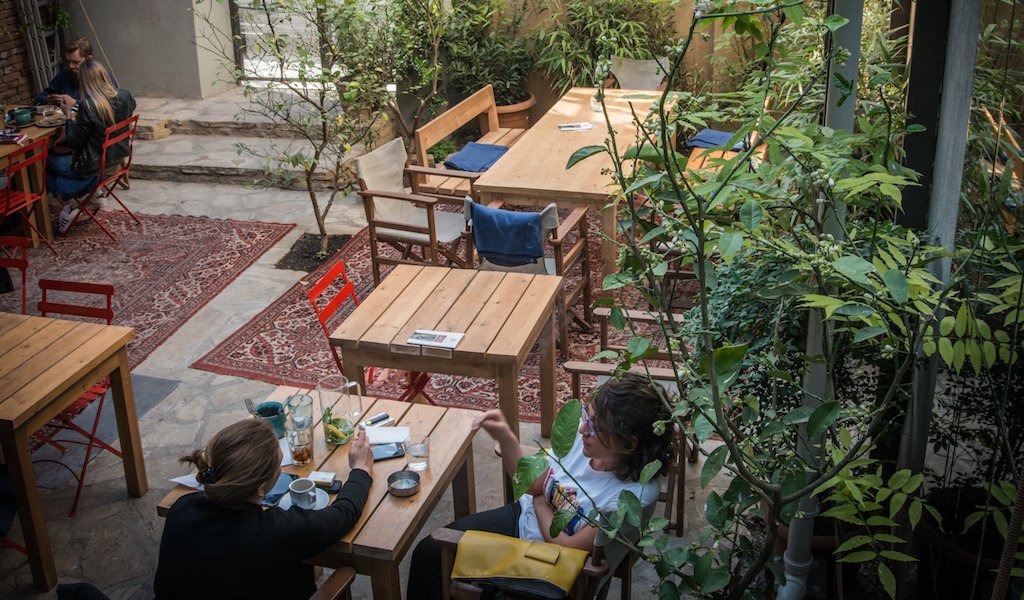
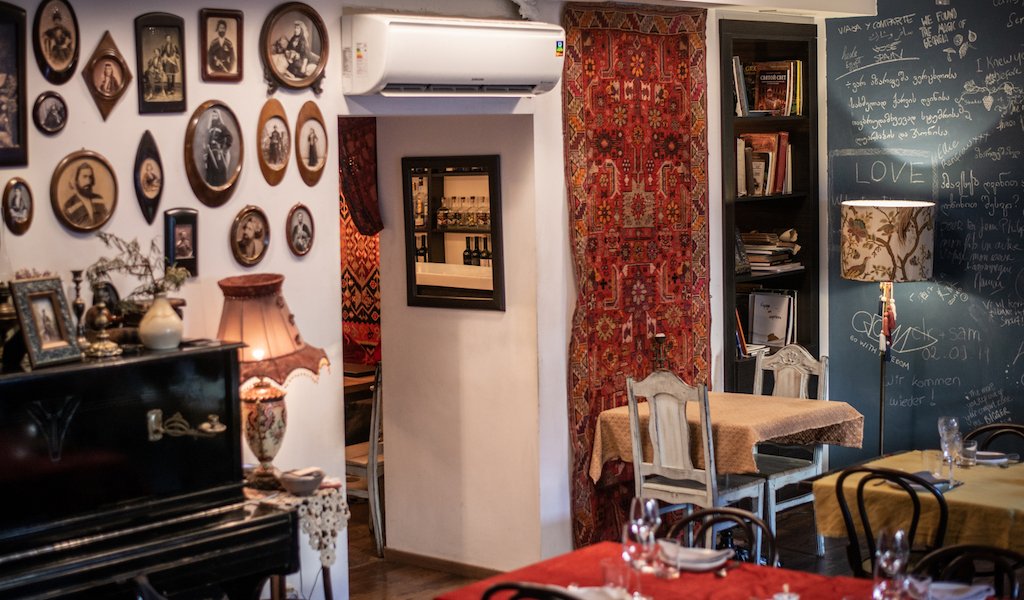
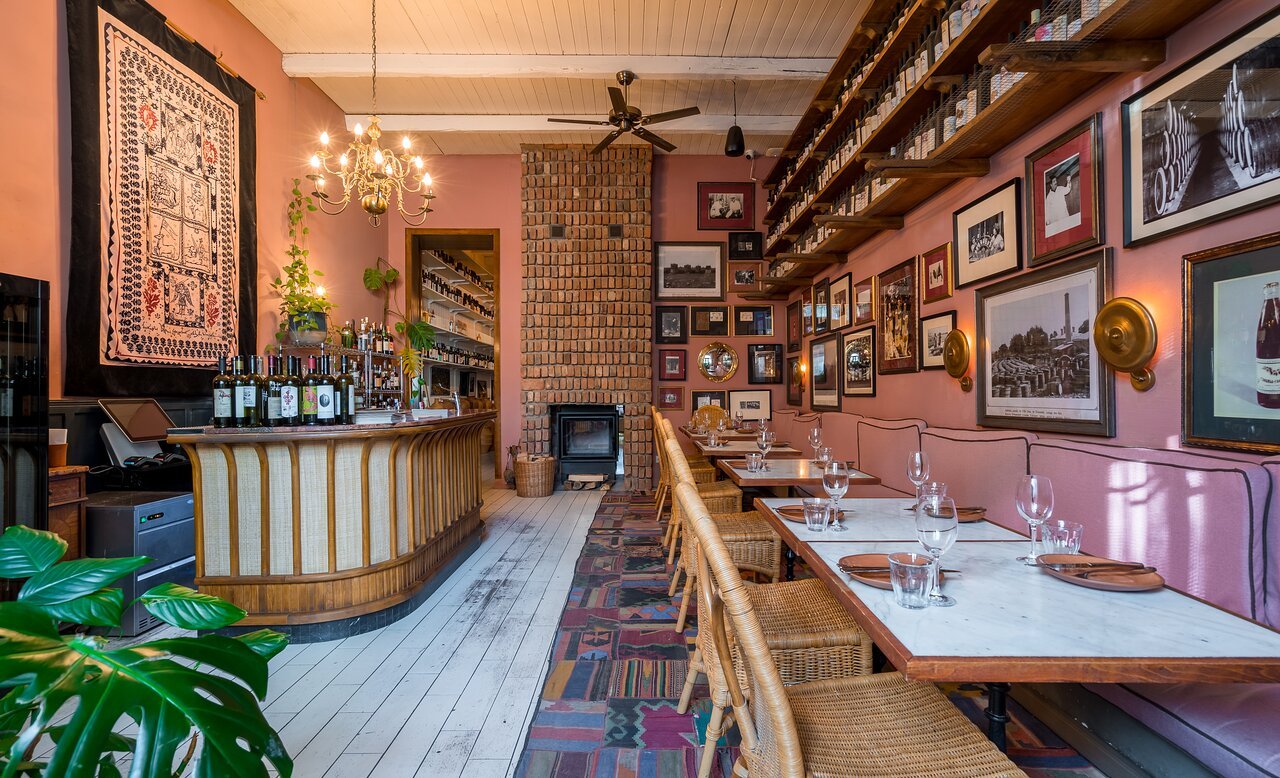
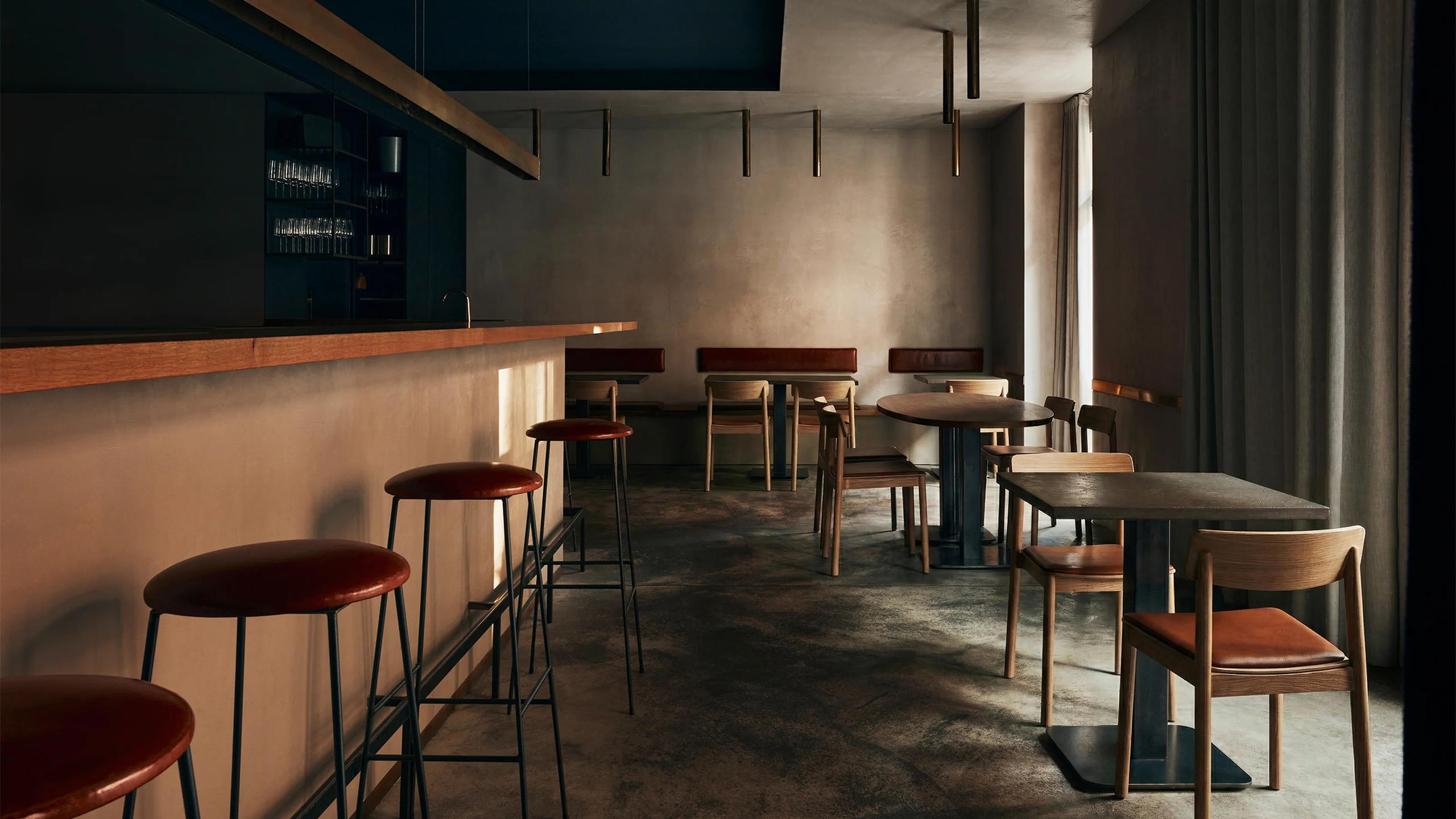
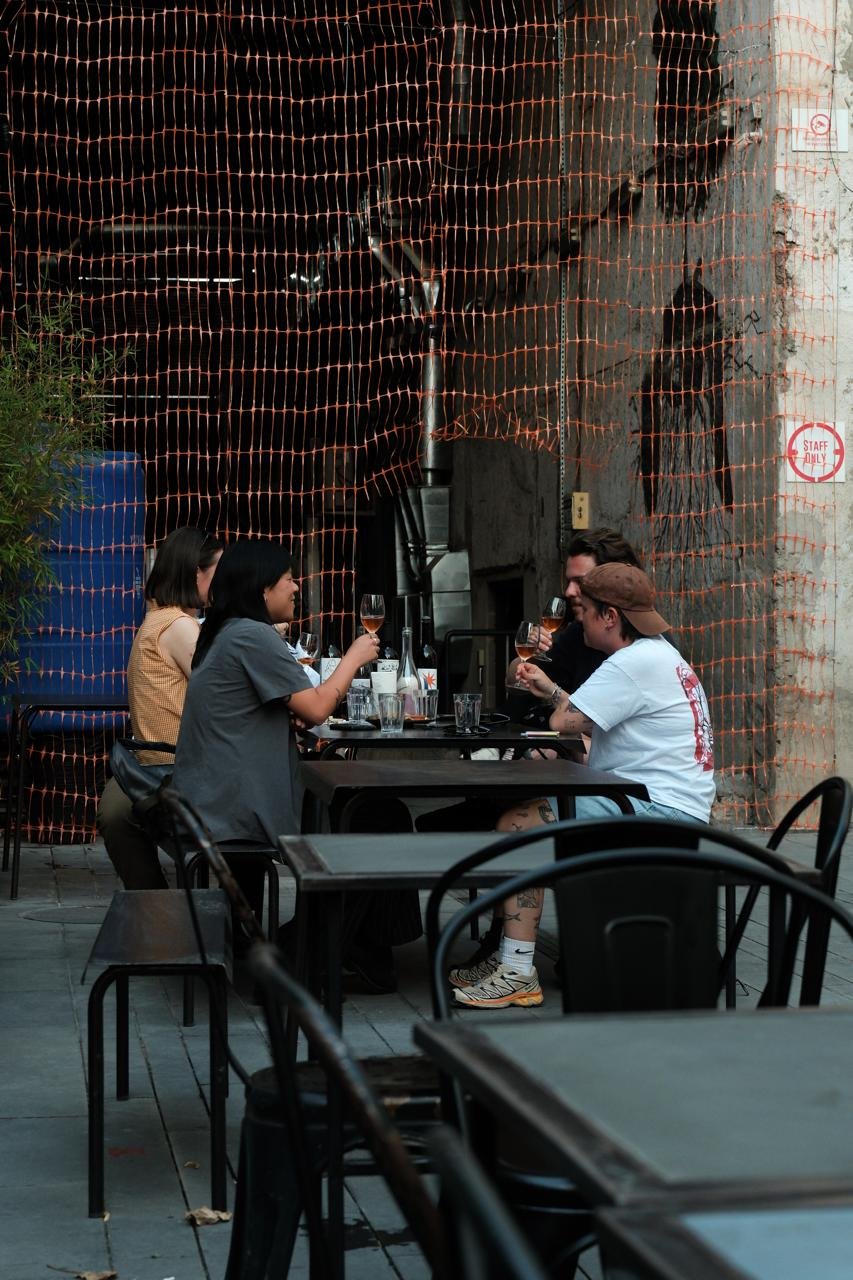
Saamuri sits inside Fabrika’s repurposed sewing-factory complex and leans into the site’s industrial bones. The space keeps the Soviet-era concrete and wide freight corridors, and an open courtyard becomes part of the bar’s personality. Rather than a polished, standalone concept, Saamuri functions as a neighbourhood anchor within a lively mixed-use compound—drawing creatives, students, expats and regulars. The feel is robust and unpretentious: industrial textures meet a lived-in sociality, where the courtyard and communal flow through Fabrika shape the atmosphere as much as the bar itself.
Best For
This is a place to fold into an evening at Fabrika rather than a single stop on a map. Saamuri suits people who want a relaxed, social night—after-work groups, visitors exploring beyond the old town and locals who treat the courtyard like an extra living room. It’s particularly good for those who enjoy places with steady foot traffic and mixed crowds: creatives, students, long-stay expats and regulars. Expect to treat your visit as part of a longer Fabrika outing rather than a brief pit stop.
Venue details
Ambiance
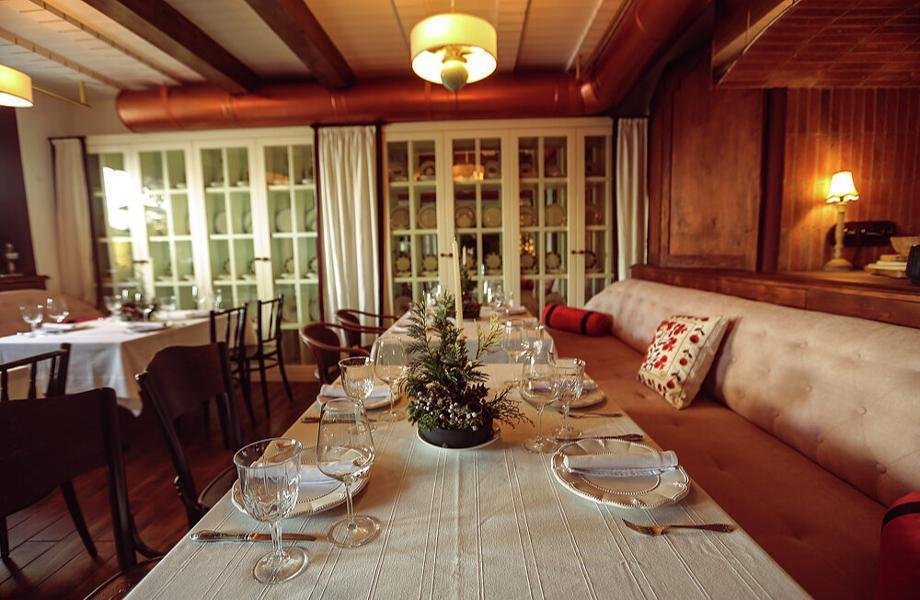
Laid-back yet sophisticated atmosphere with cool, hip decor and a big window overlooking the courtyard.
Tags
Vibe
Best For
Experience
Format
At the Bar
- Bar Category
- Wine Bar
- Late Night
- Open Until 2am
Know before you go
Know Before You Go
- Getting there
- 8 Egnate Ninoshvili St, Tbilisi 0112, Georgia
Planning details
Location
8 Egnate Ninoshvili St, Tbilisi 0112, Georgia · Directions
Recognition and awards

Also consider
Also Consider
- Amber Bar, Notable alternative
- Tatuza Jazz Club, Notable alternative
- Rolling Stone Rooftop Bar, Notable alternative
- Pink Bar, Notable alternative
- Chinari Bar & Lounge, Notable alternative
Bar context
How Saamuri compares in Tbilisi
Choose Saamuri when the priority is wine credibility and an easier date-night rhythm. Against Amber Bar and Chinari Bar & Lounge, it reads as the more wine-led decision rather than a general lounge choice. That makes it stronger for two people who want conversation and a bottle-focused evening, while Amber Bar and Chinari Bar & Lounge are safer cross-shops when the group wants a broader bar feel.
Tatuza Jazz Club is the better fit if live music is the point of the night, while Rolling Stone Rooftop Bar is the clearer pick when the view and setting need to do more of the work. Saamuri is less about spectacle and more about a quieter wine decision, so it suits a date better than a group looking for obvious energy.
Pink Bar is the cross-shop for a more social, bar-forward mood. Saamuri is the pick when the evening should feel measured and low-friction; Pink Bar is more useful when the plan needs a livelier second stop. With booking difficulty marked easy, Saamuri also has the advantage for a less stressful plan, assuming the group is small and flexible.
Around this place
Discover more on Pearl
Unlock the full Saamuri guide in Pearl, including awards, comparisons, FAQs, planning details, and nearby places.
Compare Saamuri
| Venue | Location | Awards |
|---|---|---|
| Saamuri | Tbilisi | Star Wine Lists 2026 |
| Amber Bar | Tbilisi | No published awards |
| Tatuza Jazz Club | Tbilisi | No published awards |
| Rolling Stone Rooftop Bar | Tbilisi | No published awards |
| Pink Bar | Tbilisi | No published awards |
| Chinari Bar & Lounge | Tbilisi | No published awards |
How Saamuri Tbilisi compares with similar nearby venues.
FAQ
Frequently Asked Questions
What's the crowd like at Saamuri?
Saamuri is in Tbilisi, has a casual dress code, and holds Star Wine List recognition for 2026. Amber Bar and Chinari Bar & Lounge are natural comparison points if you are weighing other bar options.
What's the best time to go to Saamuri?
Use the confirmed hours to plan: Saamuri opens at 5 PM Monday through Friday and at 2 PM on Saturday and Sunday. It closes at midnight Monday through Thursday and Sunday, and at 1 AM on Friday and Saturday. Tatuza Jazz Club is another comparison if you are considering a later evening plan.
Is the food good at Saamuri?
Saamuri's menu and kitchen format are not specified, so it is not possible to make a grounded claim about the food. Saamuri's confirmed recognition is from Star Wine List, and food-focused planning should be checked directly before booking. Rolling Stone Rooftop Bar and Amber Bar are other venues to compare depending on the rest of the night.
Is Saamuri good for a date?
Saamuri can be a sensible date option if the confirmed facts fit your plan: casual dress, evening hours, late closes on Friday and Saturday, and Star Wine List recognition. Check current details if atmosphere, seating, or menu matter. Pink Bar is another option to compare for a more flexible night out.
Is Saamuri open late?
Yes. Saamuri is open until midnight Monday through Thursday and Sunday, and until 1 AM on Friday and Saturday. It opens at 5 PM on weekdays and at 2 PM on Saturday and Sunday. Chinari Bar & Lounge is another venue to compare if you are planning a late evening.