
Poliphonia
Tbilisi
Bar in Tbilisi, Georgia
 Book with Pearl
Why go
Poliphonia is worth considering if the plan is a wine-led night in Tbilisi, especially for a small group that wants conversation over spectacle. Star Wine List recognition is the main trust signal; book it for the bottle-list angle, not for a confirmed chef-driven dinner format.
About Poliphonia
One outside credential is the useful starting point: Star Wine List recognition in 2026 positions Poliphonia as a wine-related destination in Tbilisi. Beyond that, public details are limited, so the safest way to plan around it is to treat the venue as an evening option rather than assume a specific cuisine, chef, menu format, or service style.
Consider this when the group is comfortable making a decision from the basics: Poliphonia is in Tbilisi, has a casual dress code, and is open daily from 5 PM to 12 AM. If the group needs a private-room setup, a published tasting menu, or a clearly defined food program, use our full Tbilisi restaurants guide before making this the anchor choice.
Better as an evening wine-recognized stop than a full dinner bet
Star Wine List recognition supports considering Poliphonia for a wine-minded evening, but it does not feature a specific cuisine type, chef, signature dish, price point, or menu structure. For a date or a group plan, that means the venue is easier to justify when the goal is an evening stop in Tbilisi rather than a fully mapped dinner.
For groups, the key question is not about room layout or seat count. Choose this when the available facts are enough for the plan: Tbilisi location, casual dress, daily evening hours, and Star Wine List recognition. For a broader scan, our full Tbilisi bars guide is the better planning tool.
Who should consider it, and who should choose another lane
Say yes if the group wants an evening venue in Tbilisi with a Star Wine List credential and a casual dress code. Say no if someone in the party needs specific details on cuisine, pricing, seating, service format, or a specific atmosphere. In that case, compare against Chinari Bar & Lounge or Eary before committing.
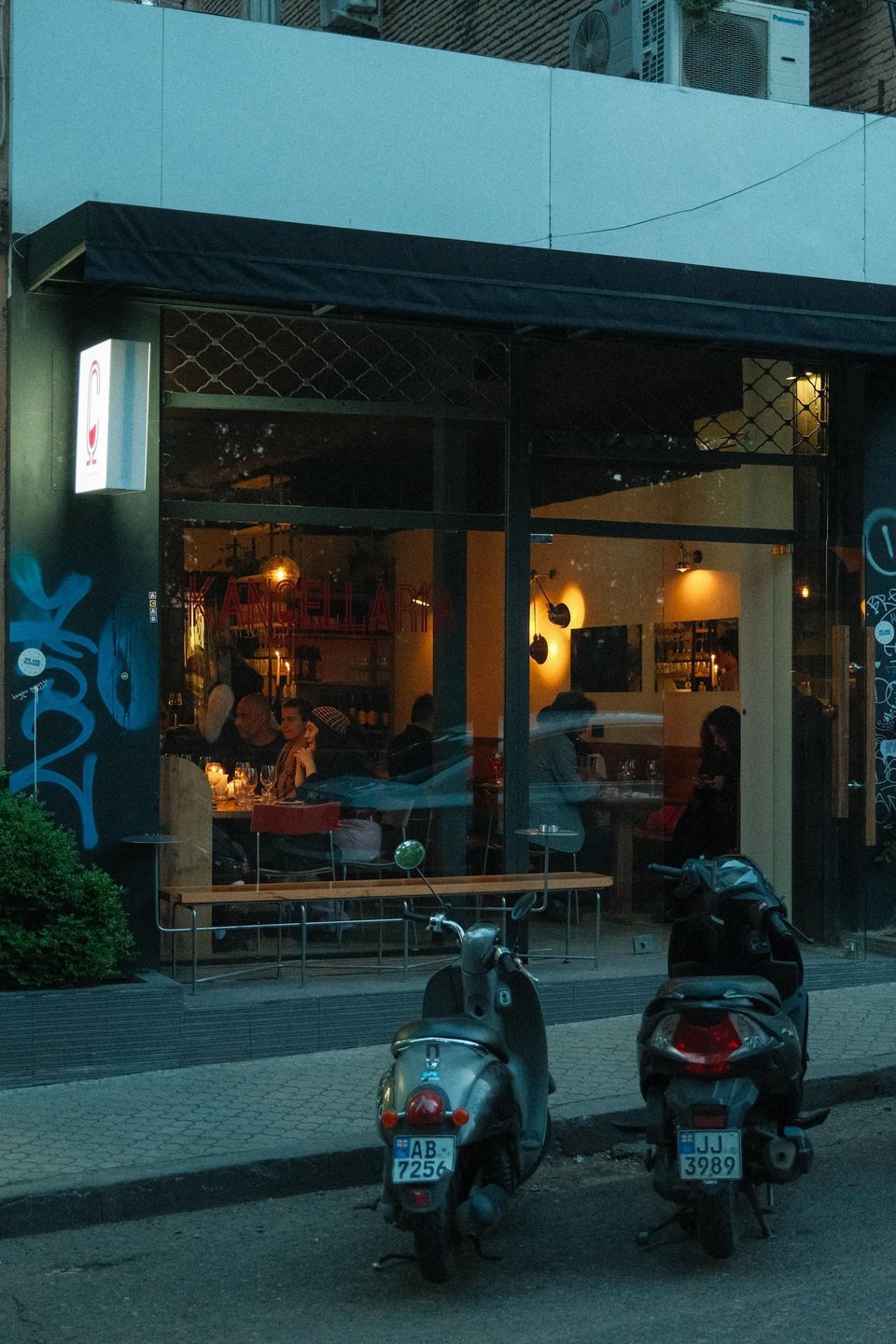
For trip planning around it, treat this as one piece of a Tbilisi itinerary, not the whole evening. Use our full Tbilisi hotels guide if location convenience matters, broader Tbilisi guides if wine is the main reason for the trip, and local experience resources if the group wants something structured before the evening plan. For more context, compare Poliphonia with other Tbilisi options such as Kancellaria, Rolling Stone Rooftop Bar, or Talani.
Planning details
- Location
- ჭონქაძის 29/29 Chonkadze str, Tbilisi, Georgia
- Website
- nakadi.cc/poliphonia
- Phone
- +995 577 78 62 68
The take
The Take
The Vibe
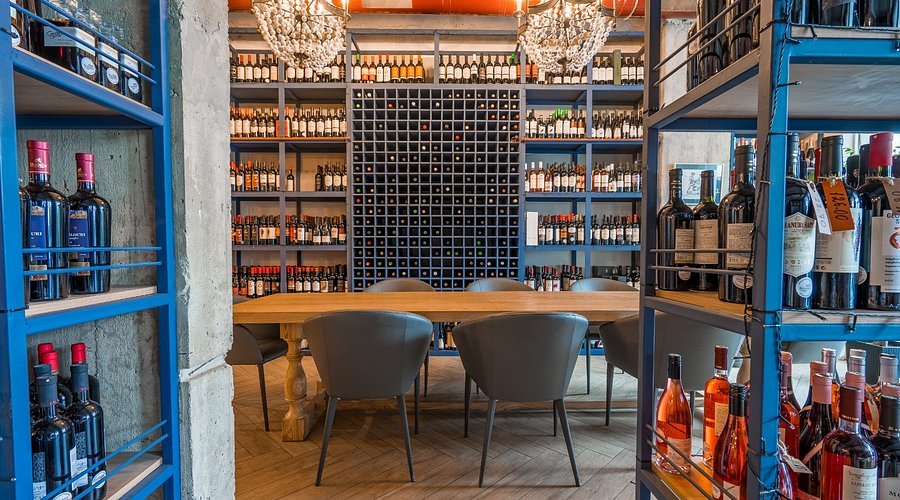
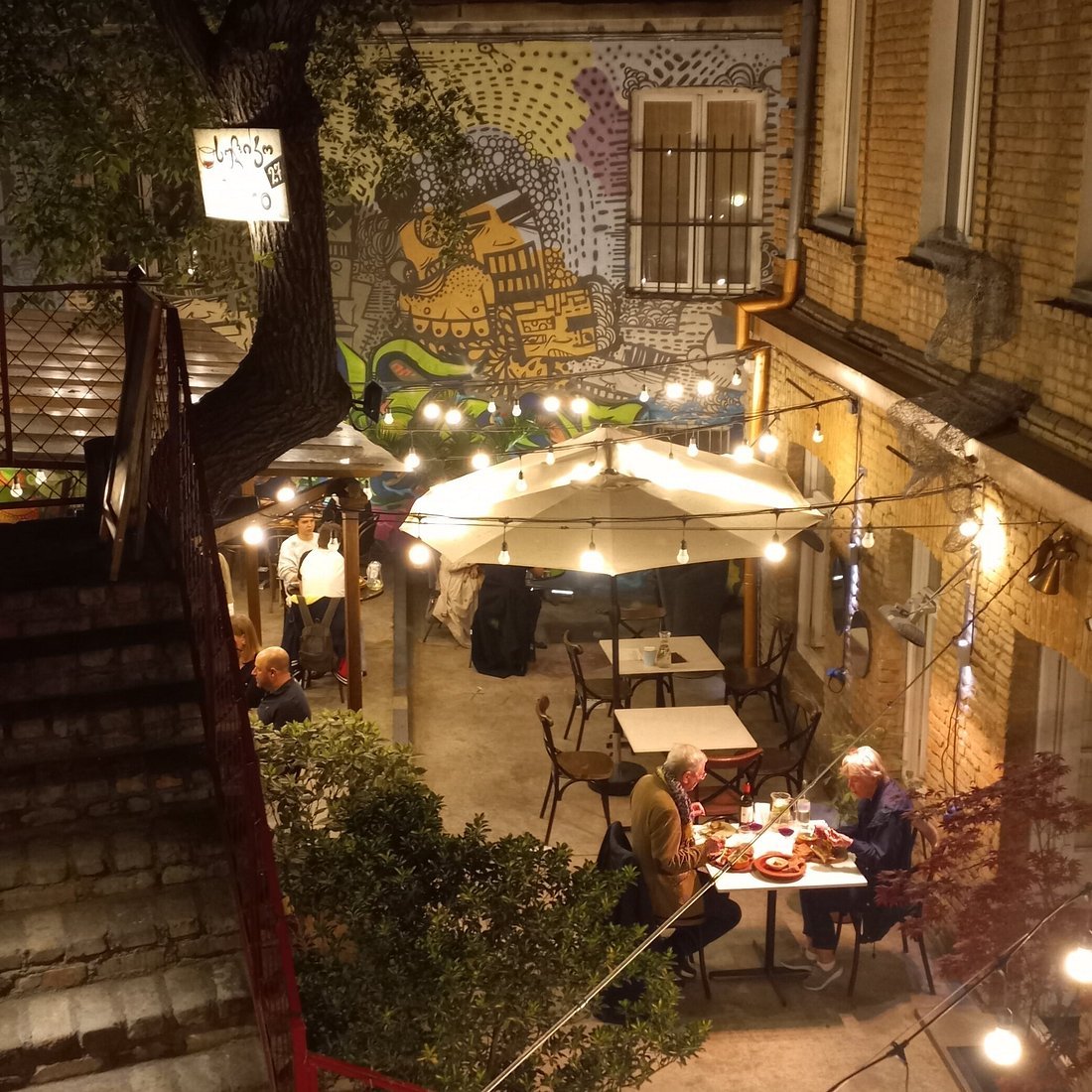
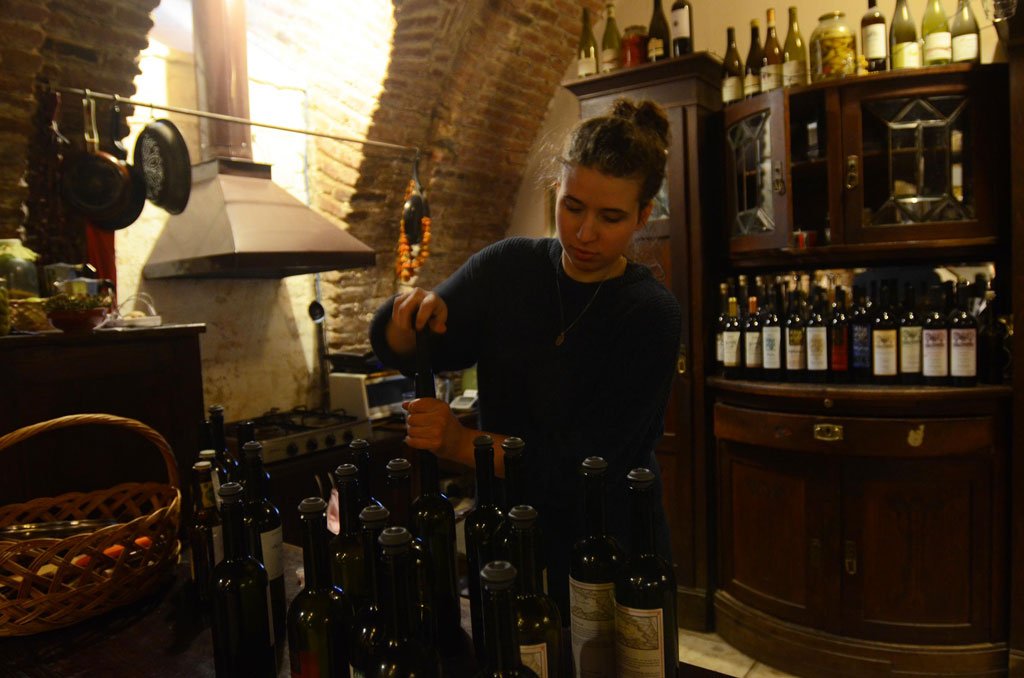
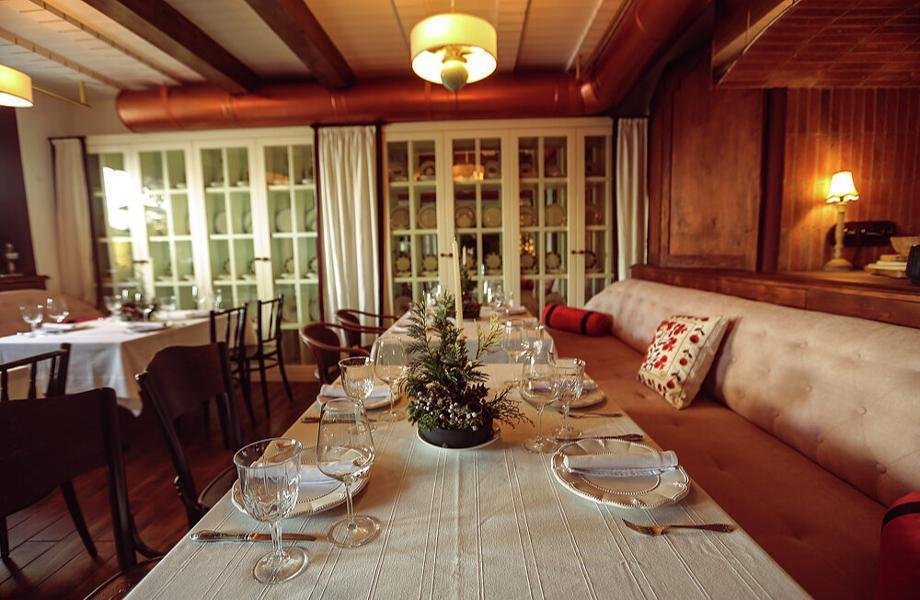
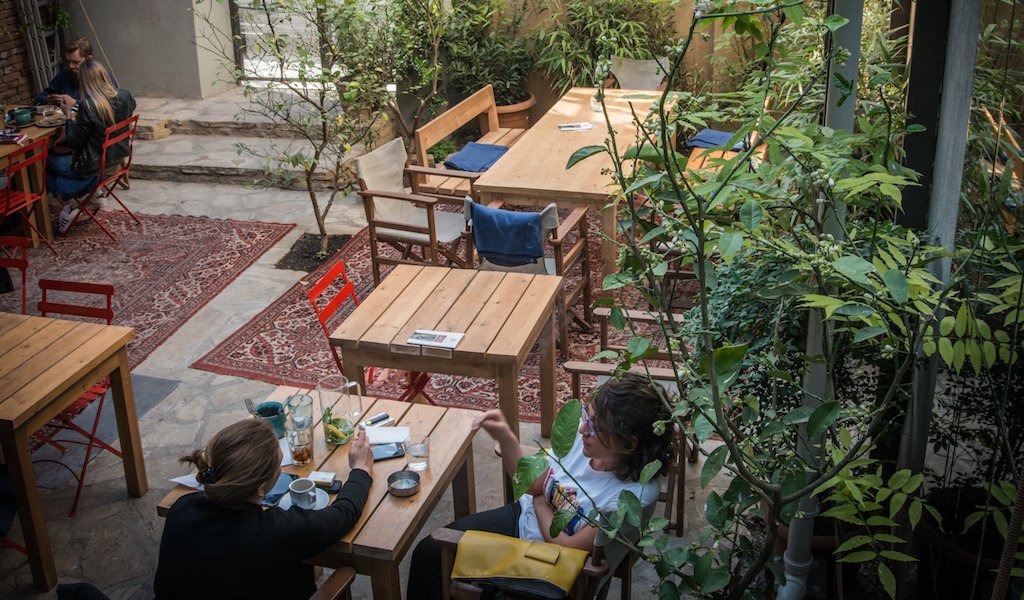
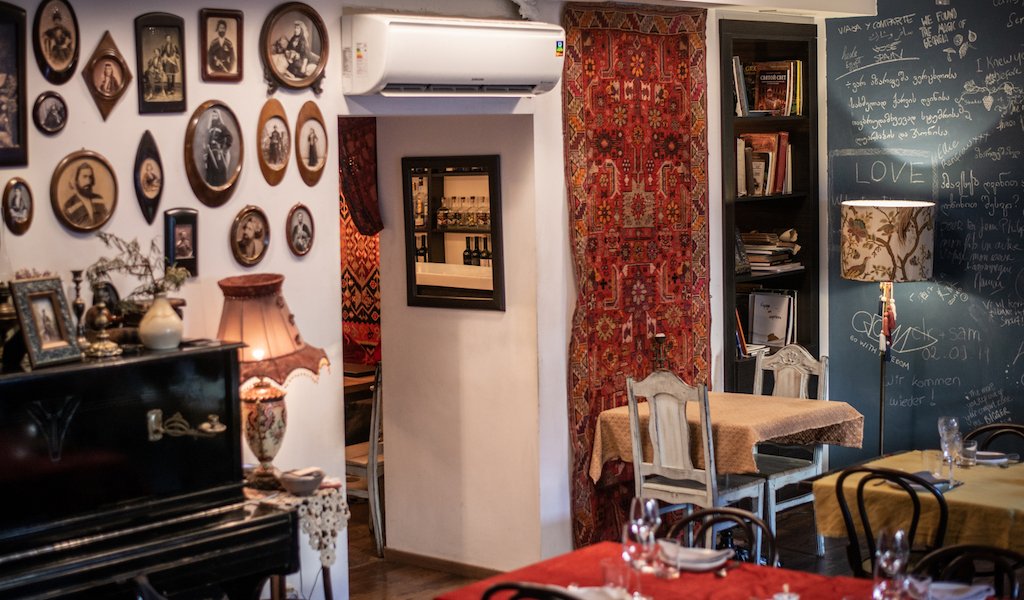
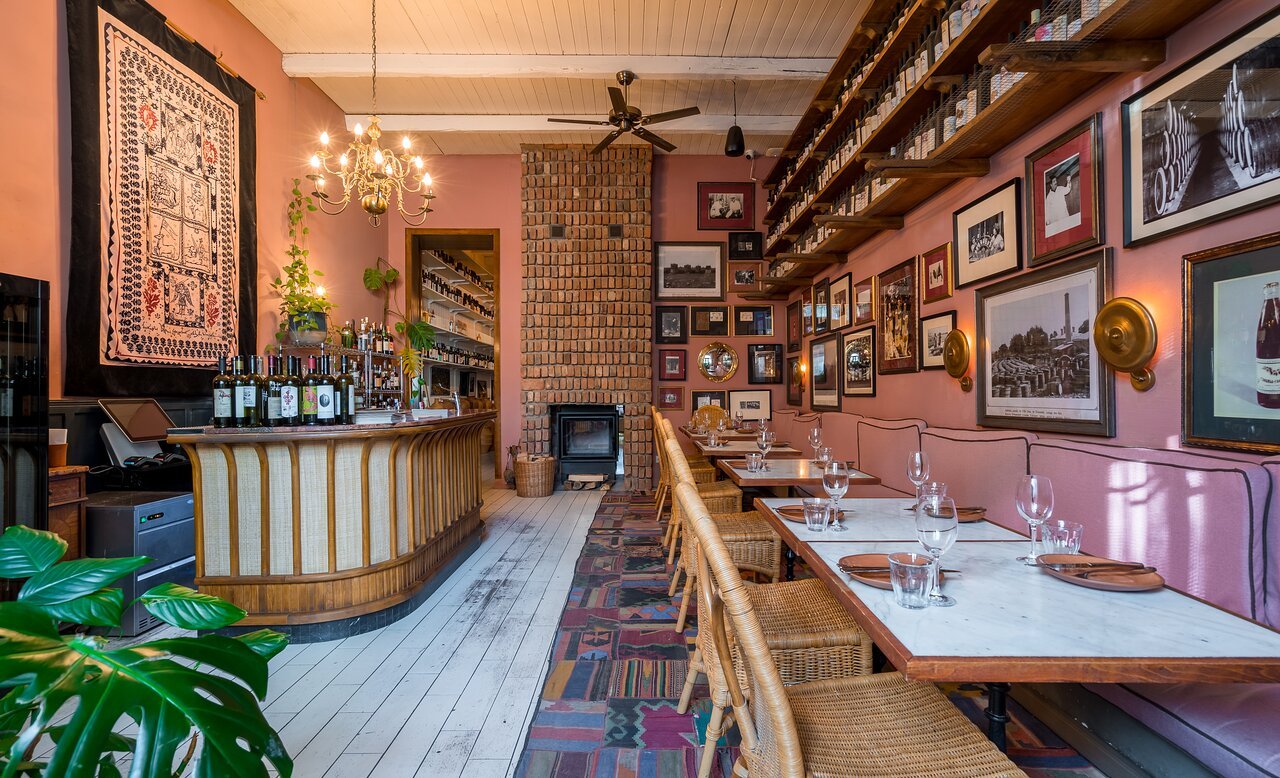
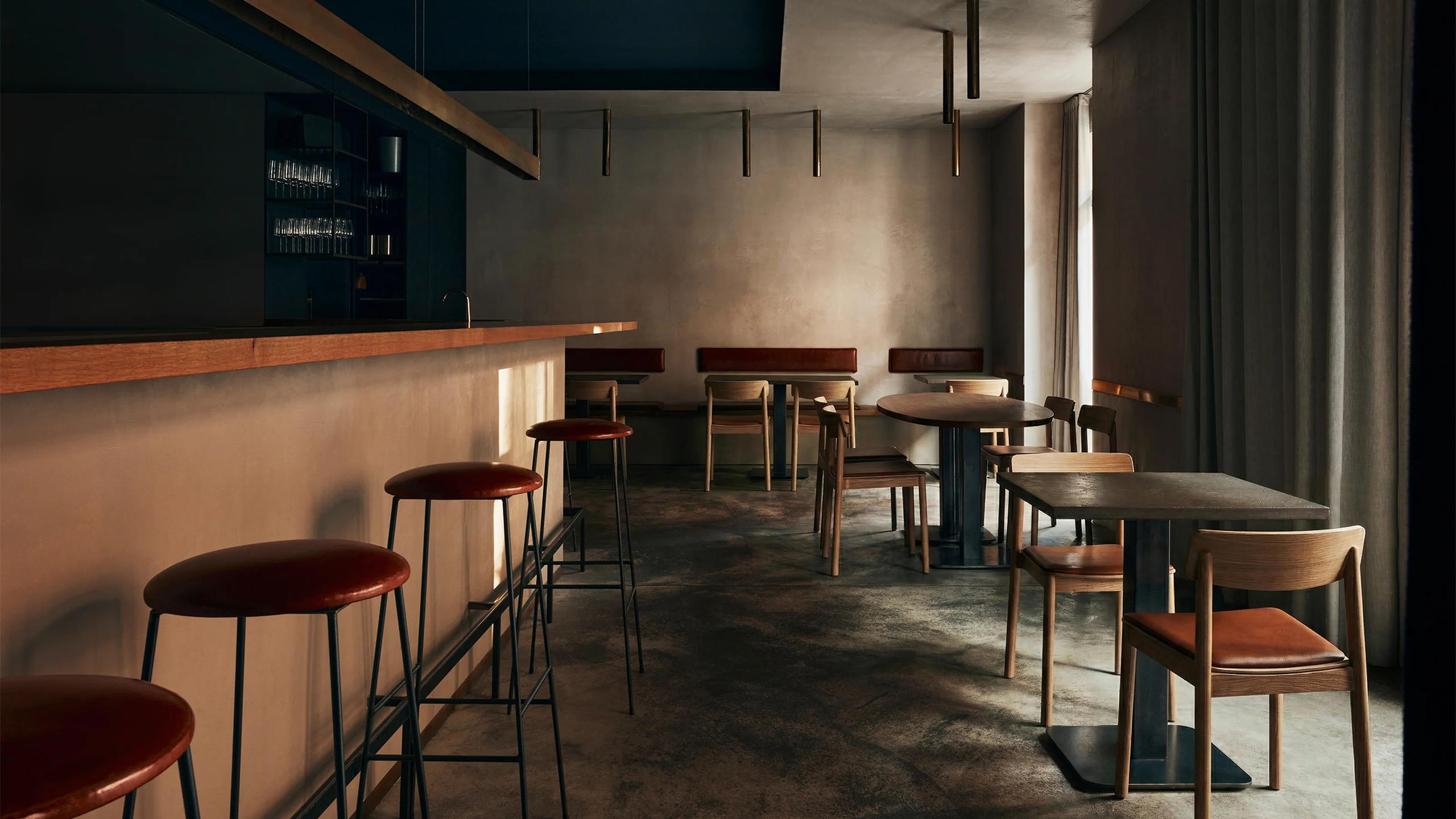
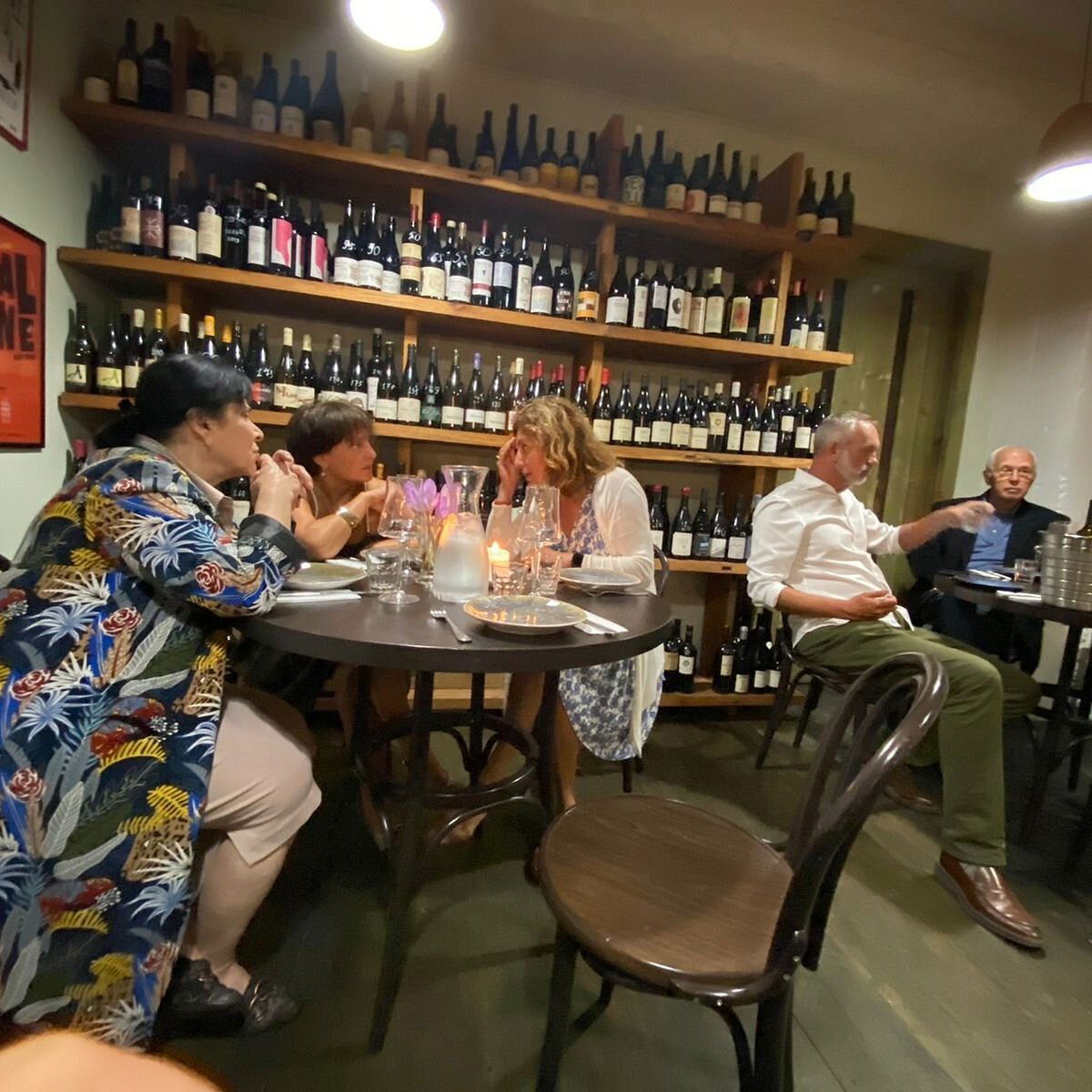
Poliphonia occupies a brick-vaulted sous-terrain that feels more like a discovered room than a designed one. The low arched ceiling and wall-mounted lighting trap candlelight and render the old brick in a warm, flattering glow; the result is welcoming rather than theatrical. Sound behaves differently here—voices carry without harsh echoes—so conversations feel contained and private. The place reads as quietly refined: historic character is the chief ornament, and an emphasis on comfort over contrivance keeps the room approachable and lingering-friendly. It presents a slow-Tbilisi alternative to the city’s more frenetic dining spots.
Best For
Poliphonia suits evenings when conversation is the point. Its subterranean setting and contained acoustics make it an easy choice for date nights and relaxed evening gatherings where you want to linger rather than rush. Being a bit off the main tourist corridors, the room attracts people who seek an intentionally quieter, more considered pace; tables don’t turn quickly, and the environment encourages a second drink or carafe. If you value atmosphere, privacy and a historic setting over bright lights and bustle, this is the sort of spot to plan a slower, more intimate evening.
Ordering Tips
Treat the visit as an evening to stretch out: the writing on the wall encourages lingering and ordering a second carafe, so plan for unhurried service and conversation. The lighting and acoustics reward low-key choices—drinks and shared plates or a slow-paced menu work well here—so favor items that facilitate conversation and tasting rather than rushed, single-course meals. Because the venue sits off busier tourist routes, arrive ready to enjoy the room itself as much as what’s on the plate or in the glass.
Venue details
Ambiance
Unpretentious brick-vaulted cellar with a casual, cozy Brooklyn-urban vibe.
Tags
Vibe
Best For
Experience
Format
At the Bar
- Bar Category
- Wine Bar
- Late Night
- Closes by Midnight
Know before you go
Know Before You Go
- Getting there
- ჭონქაძის 29/29 Chonkadze str, Tbilisi, Georgia
Planning details
Location
Recognition and awards

Also consider
Also Consider
- Kancellaria, Notable alternative
- Chinari Bar & Lounge, Notable alternative
- Eary, Notable alternative
- Talani, Notable alternative
- Rolling Stone Rooftop Bar, Notable alternative
Bar context
How Poliphonia compares in Tbilisi
Choose Poliphonia when wine quality is the priority and the group wants a focused, lower-friction evening. Compared with Kancellaria and Eary, it is the clearer pick for drinkers who want the list to drive the decision rather than treating drinks as a backdrop.
Chinari Bar & Lounge is the better cross-shop if the group wants more lounge energy and a broader night-out feel. Talani is the one to compare if the priority is a simpler casual bar decision rather than a wine-recognized stop.
For atmosphere-led plans, Rolling Stone Rooftop Bar is the easier recommendation when views and group energy matter more than the wine list. For value, Poliphonia makes the most sense when the group will actually use the wine focus; otherwise, pick the peer that better matches the setting you want.
Around this place
Discover more on Pearl
Unlock the full Poliphonia guide in Pearl, including awards, comparisons, FAQs, planning details, and nearby places.
Compare Poliphonia
| Venue | Location | Awards |
|---|---|---|
| Poliphonia | Tbilisi | Star Wine Lists 2026 |
| Kancellaria | Tbilisi | No published awards |
| Chinari Bar & Lounge | Tbilisi | No published awards |
| Eary | Tbilisi | No published awards |
| Talani | Tbilisi | No published awards |
| Rolling Stone Rooftop Bar | Tbilisi | No published awards |
How Poliphonia Tbilisi compares with similar nearby venues.
FAQ
Frequently Asked Questions
What's the crowd like at Poliphonia?
Details on the crowd are not specified. Poliphonia is in Tbilisi, has a casual dress code, is open daily from 5 PM to 12 AM, and has Star Wine List recognition for 2026.
Is Poliphonia good for a date?
It can be considered for an evening date if the basics fit your plan: Tbilisi location, casual dress, daily 5 PM to 12 AM hours, and Star Wine List recognition. It does not feature a specific cuisine, menu format, or seating setup, so check directly if those details matter.
Is Poliphonia open late?
Poliphonia is open daily from 5 PM to 12 AM. That makes it an evening option in Tbilisi.