
Gebangsikdang
Gejang · 압구정동, Seoul
Restaurant in Seoul, South Korea
 Book with Pearl
The Read
Soy-Cured Raw Crab Specialist
Price
$30–50per person
Dress
Casual
Why go
Gebangsikdang is a Michelin Bib Gourmand gejang specialist in Gangnam, recognised by the guide in both 2024 and 2025. At the ₩ price tier, it is one of Seoul's most credible and affordable entries into raw marinated crab — best visited in spring or autumn when blue crab quality peaks. Easy to book, hard to fault for the price.
About Gebangsikdang
A Michelin Bib Gourmand gejang specialist in Gangnam — worth booking at the ₩ price point
At the lowest price tier in Seoul's dining spectrum, Gebangsikdang delivers something that costs far more to replicate at home: properly made gejang, the centuries-old Korean practice of curing raw crab in soy or chili-based marinades. Two consecutive Michelin Bib Gourmand awards (2024 and 2025) confirm this is not a casual local lunch spot that happened to get noticed — it is a focused specialist that the guide's inspectors returned to. For a first-timer, the core question is simple: if you want to eat gejang in Seoul without spending ₩₩₩₩, this is the address to know.
What the space is like
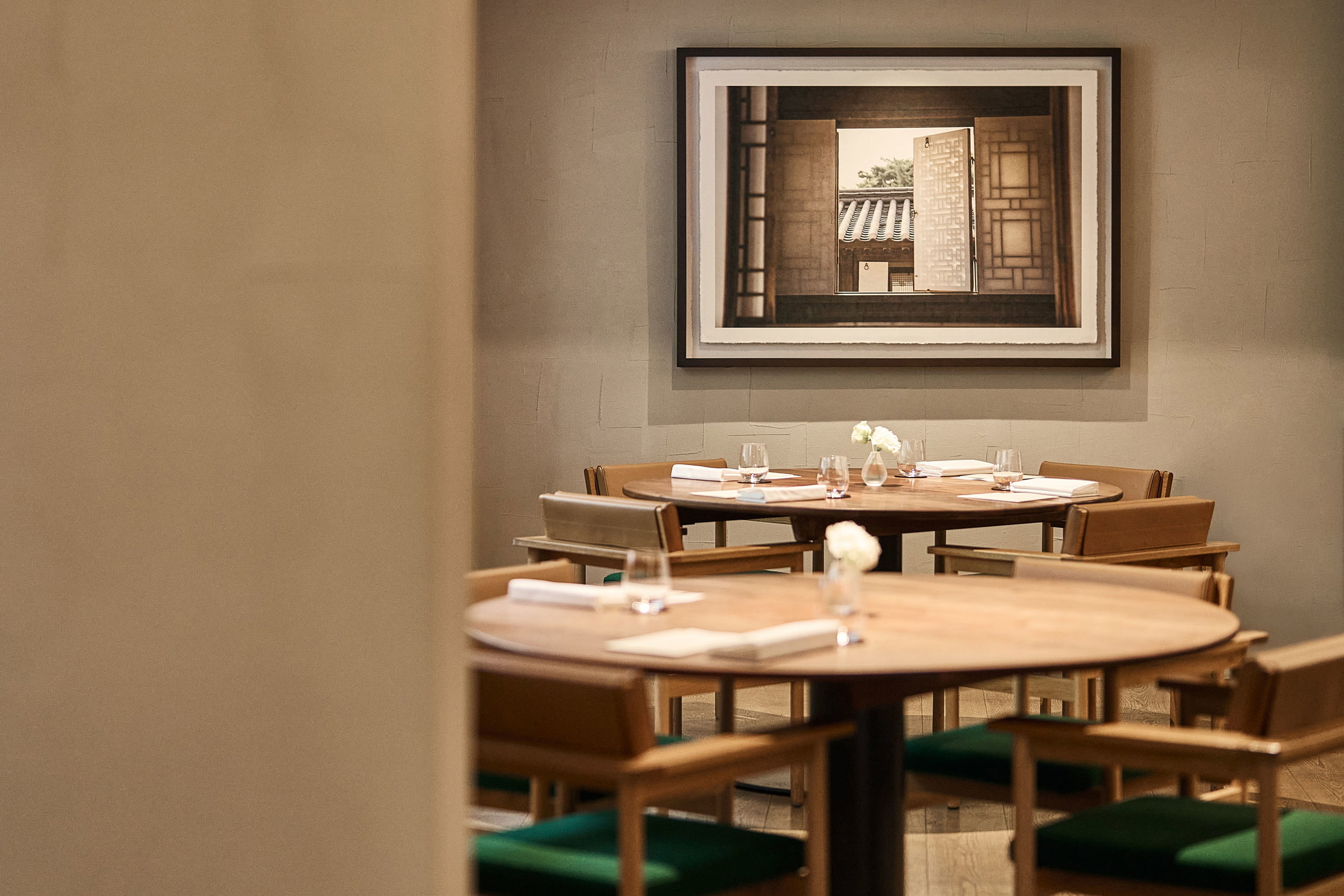
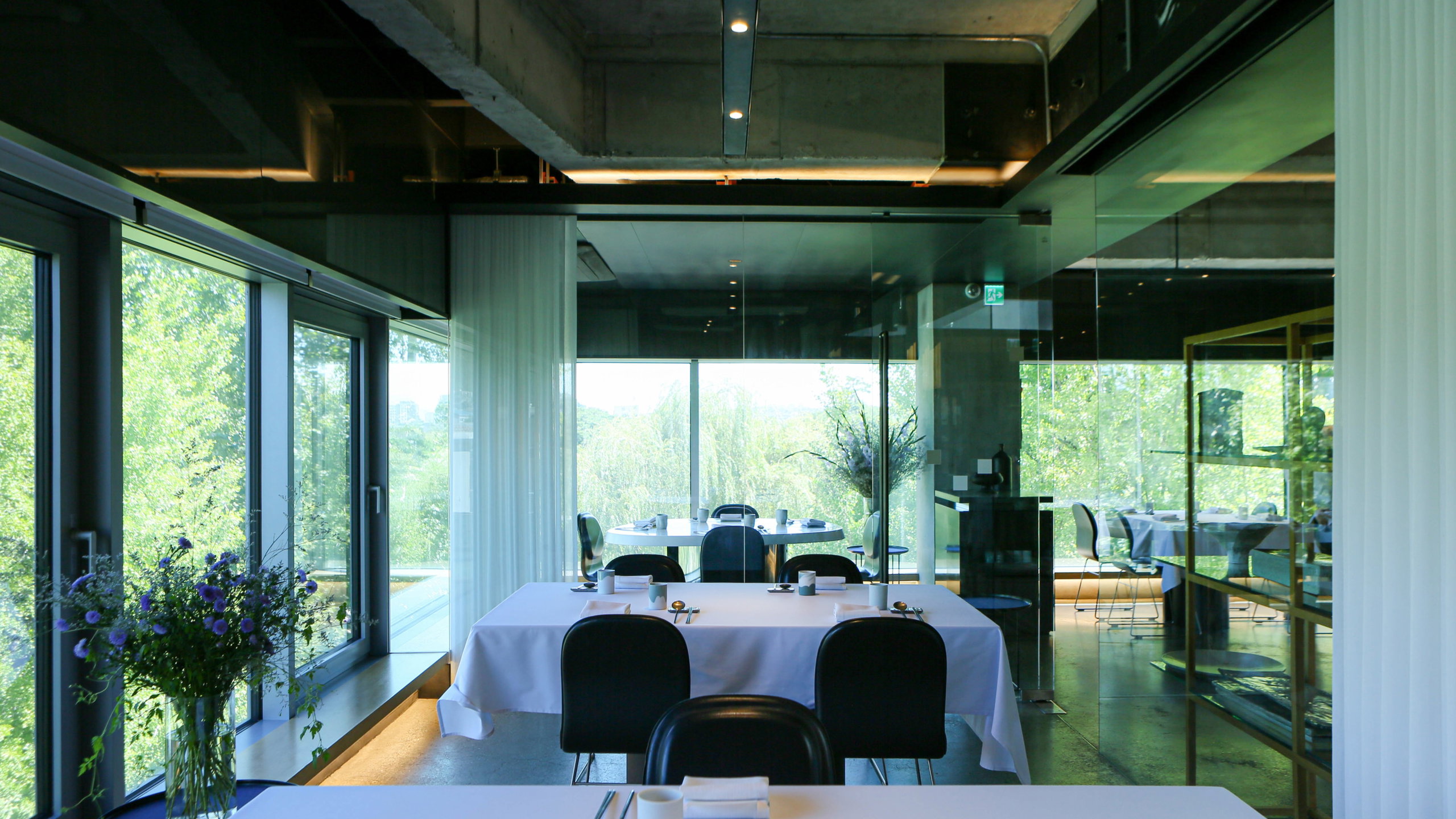
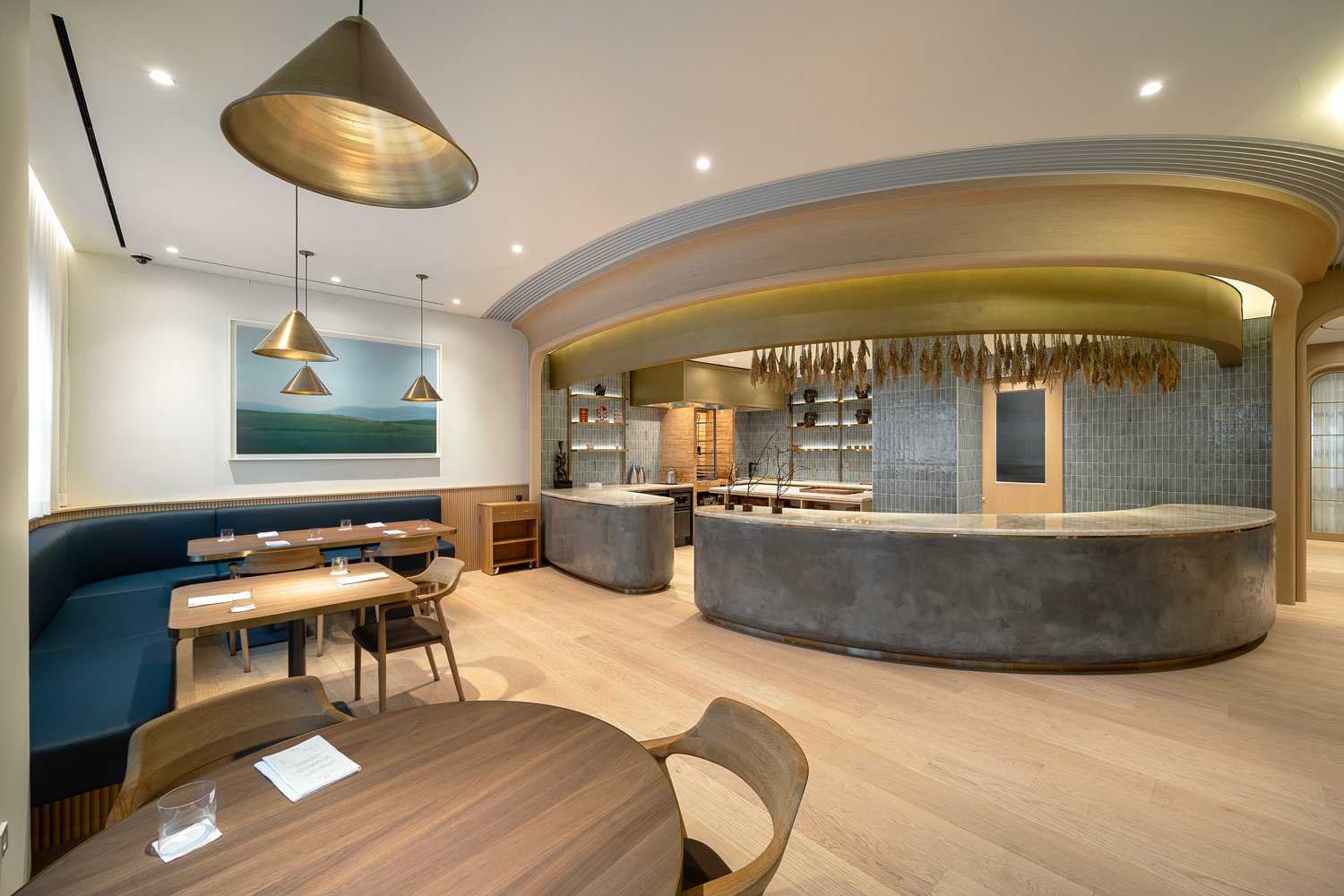
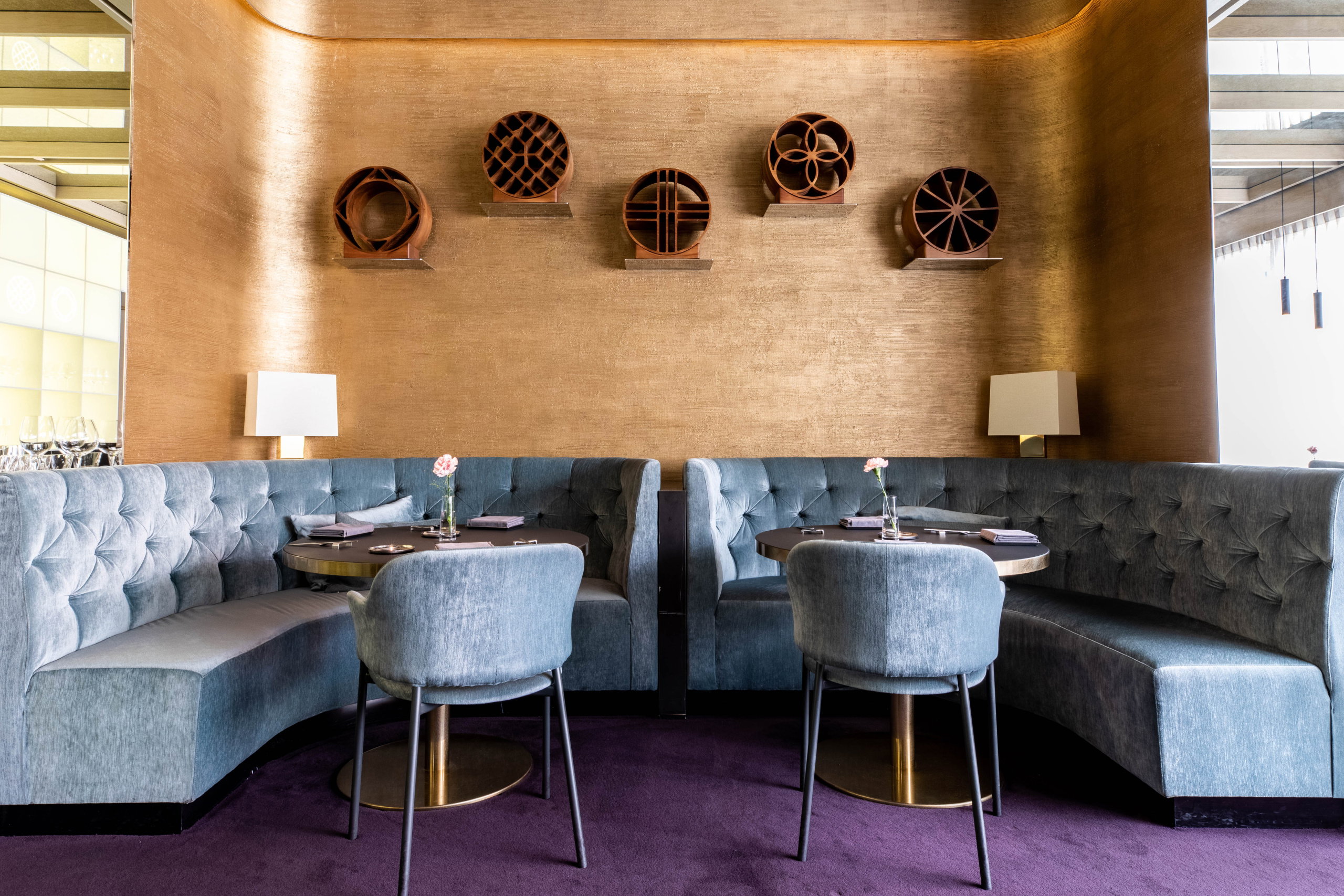
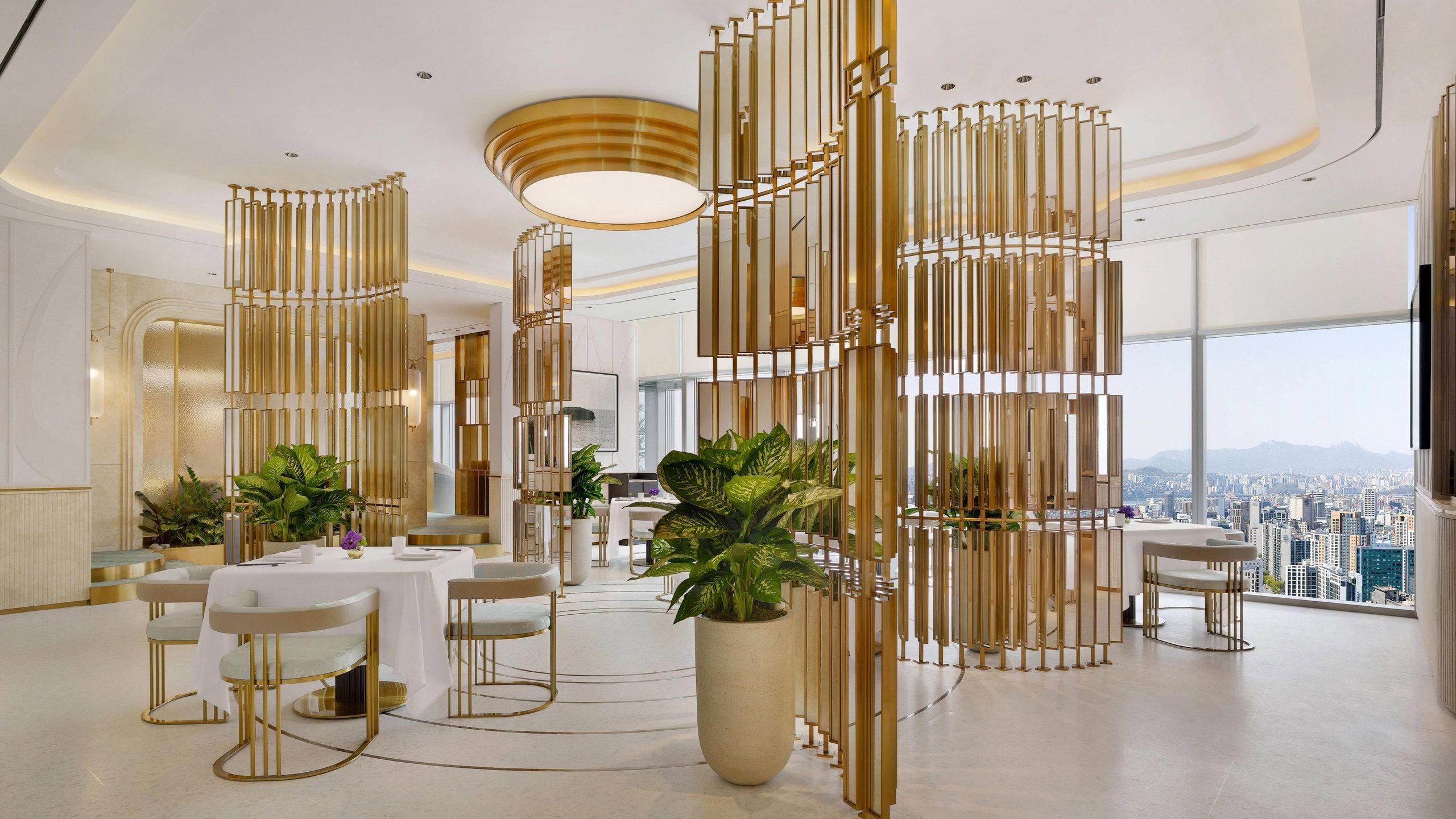
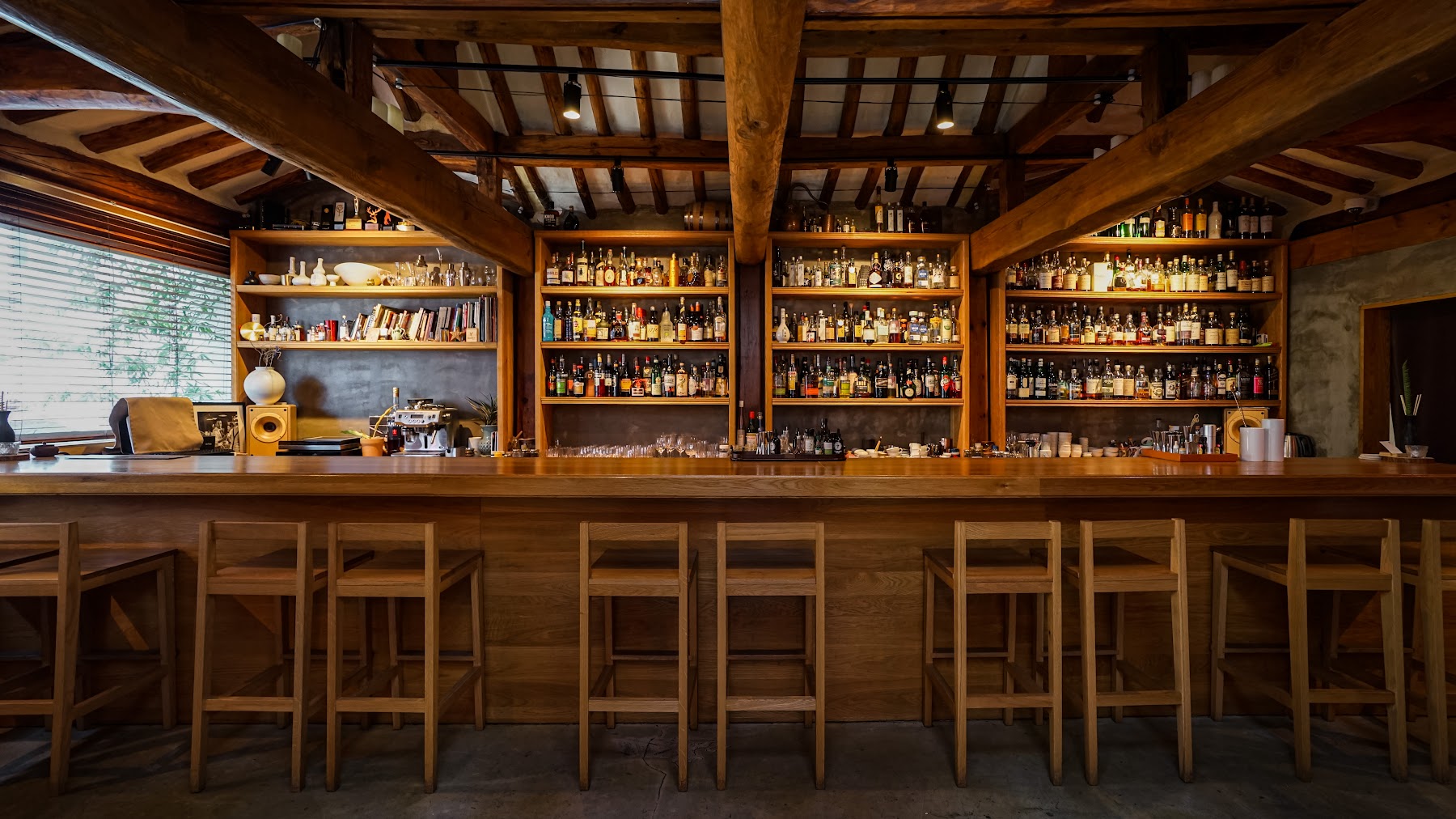
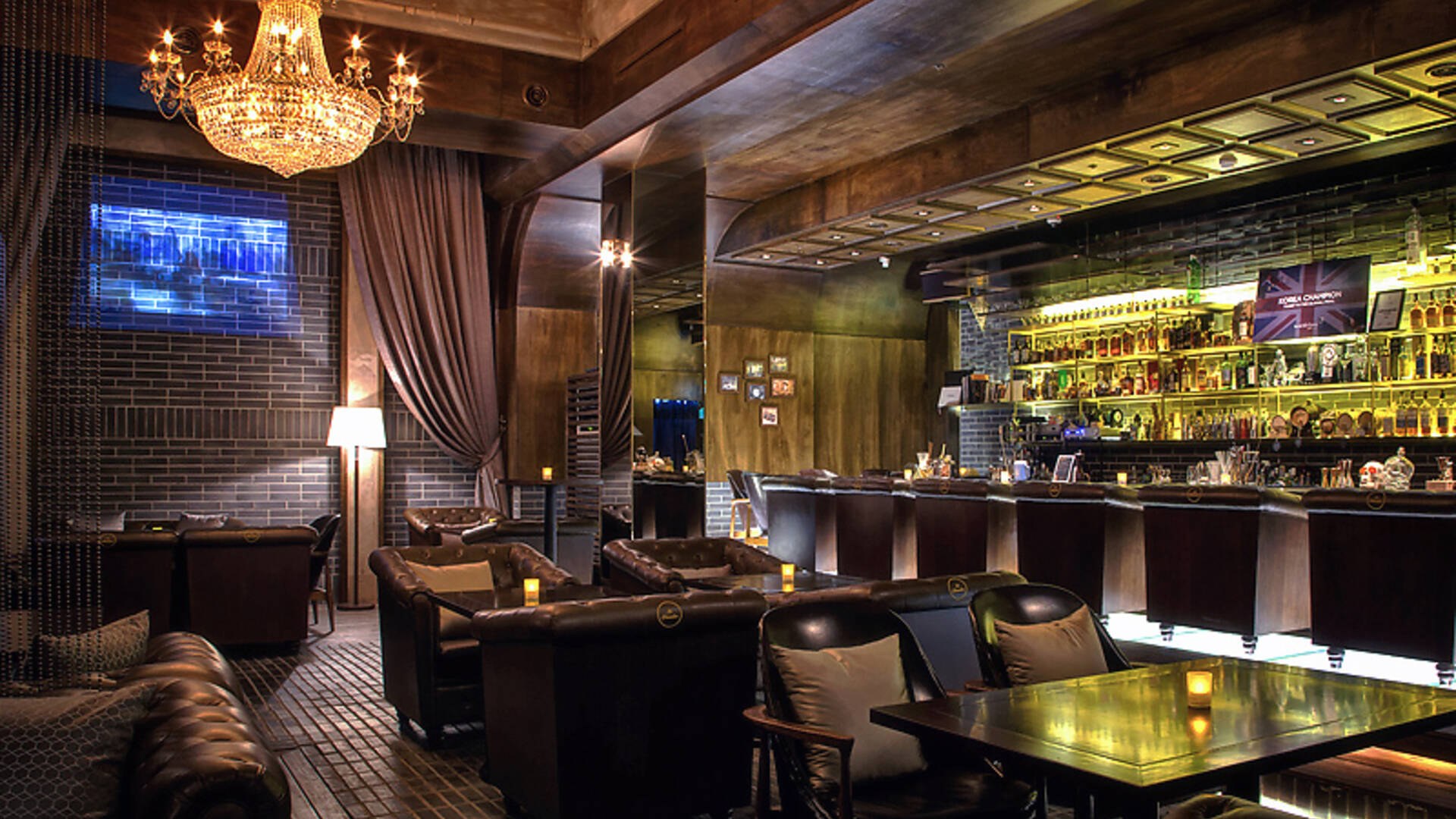
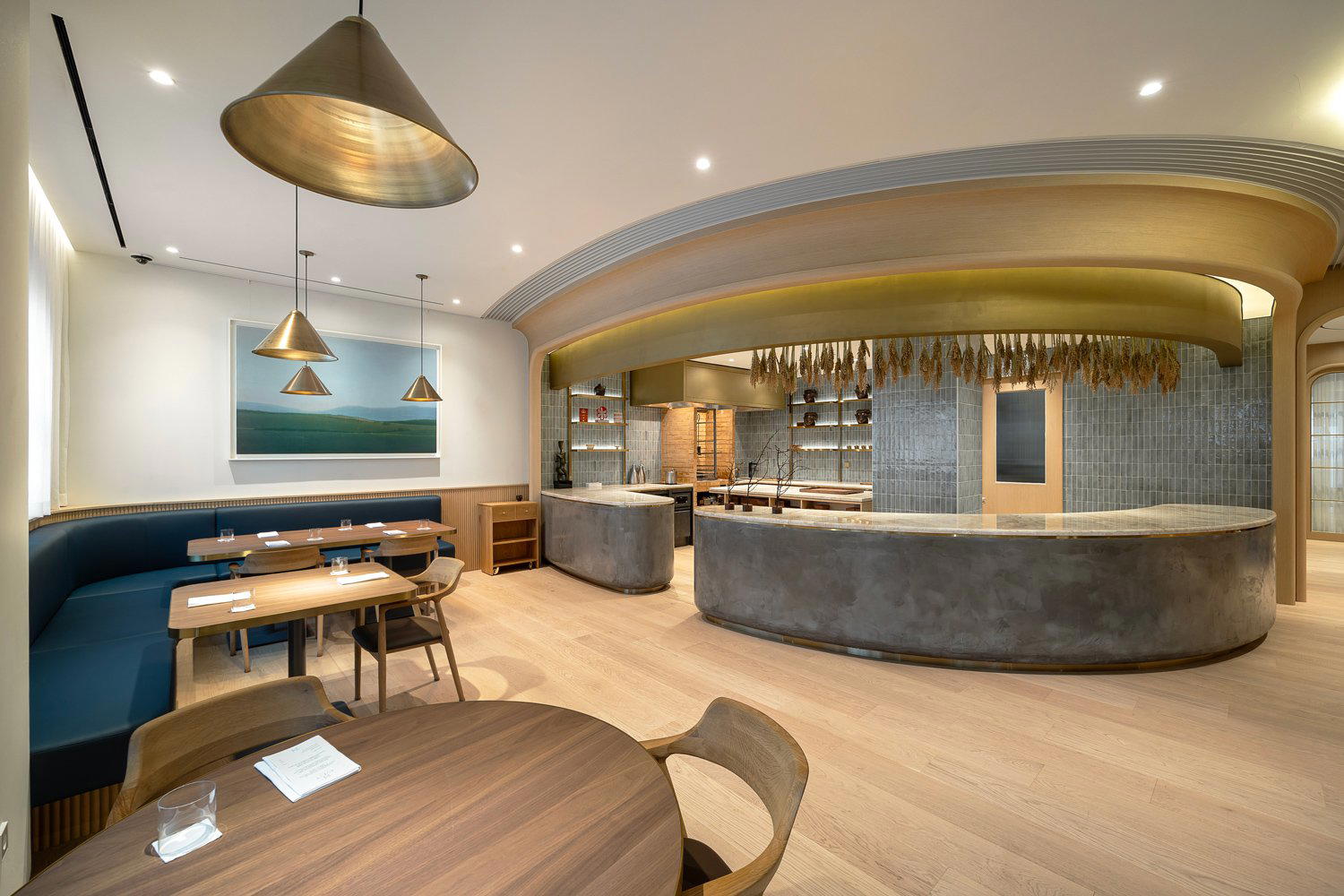
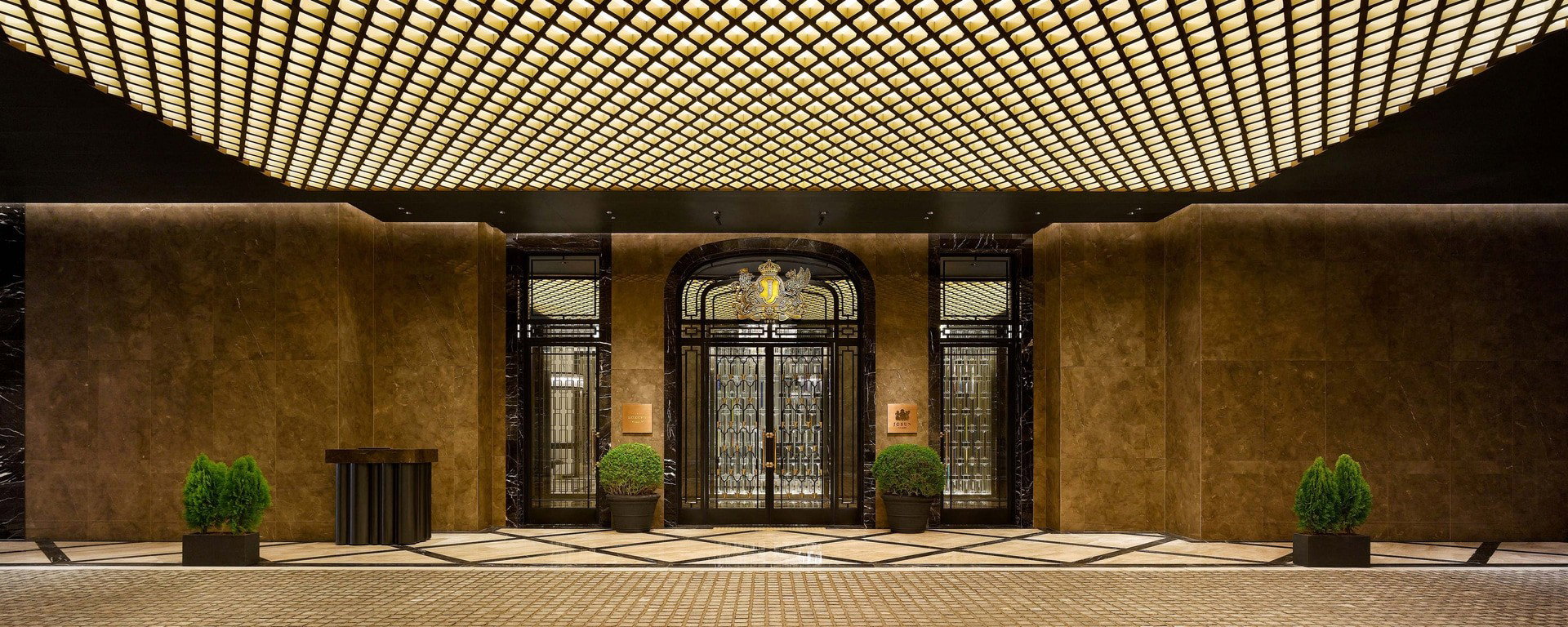
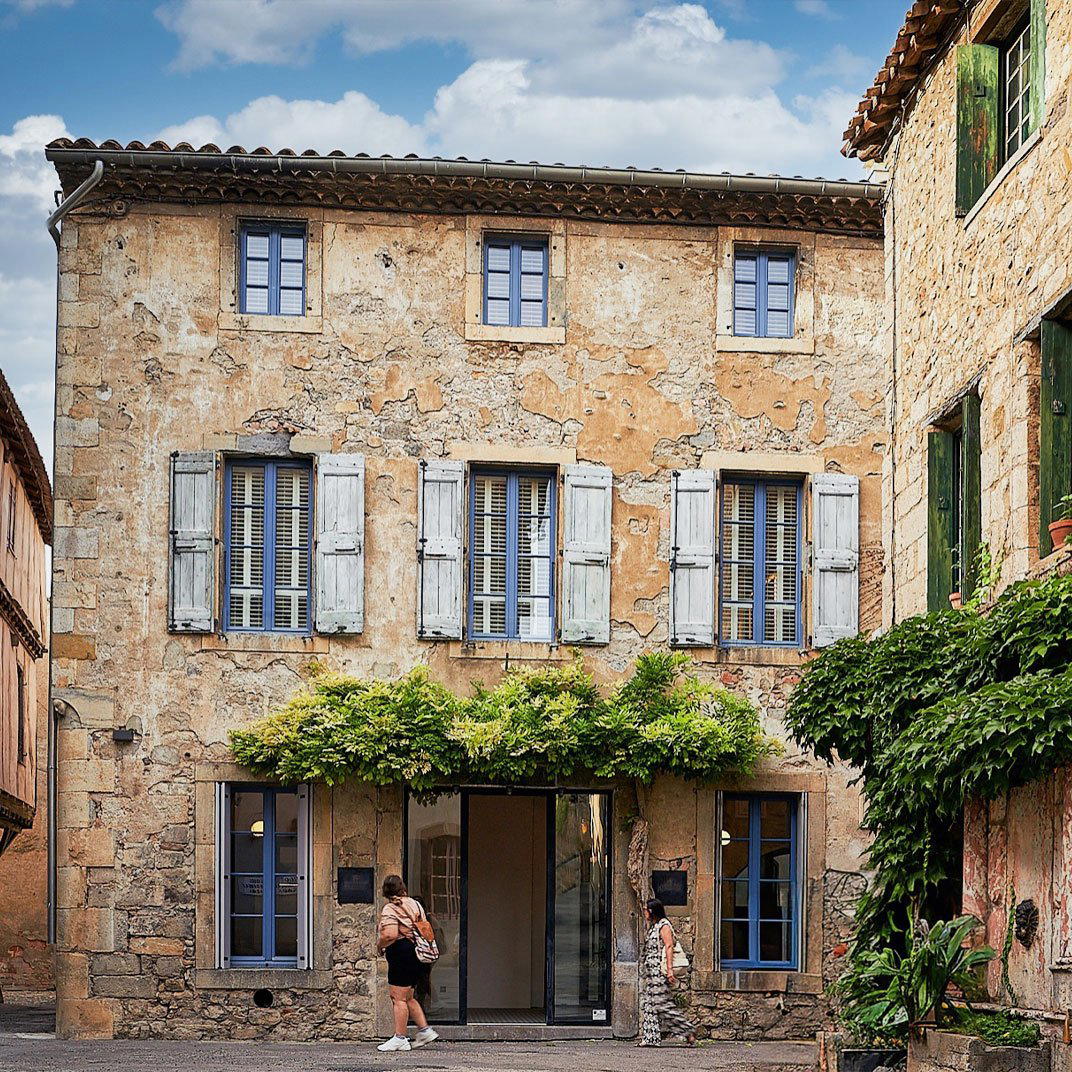
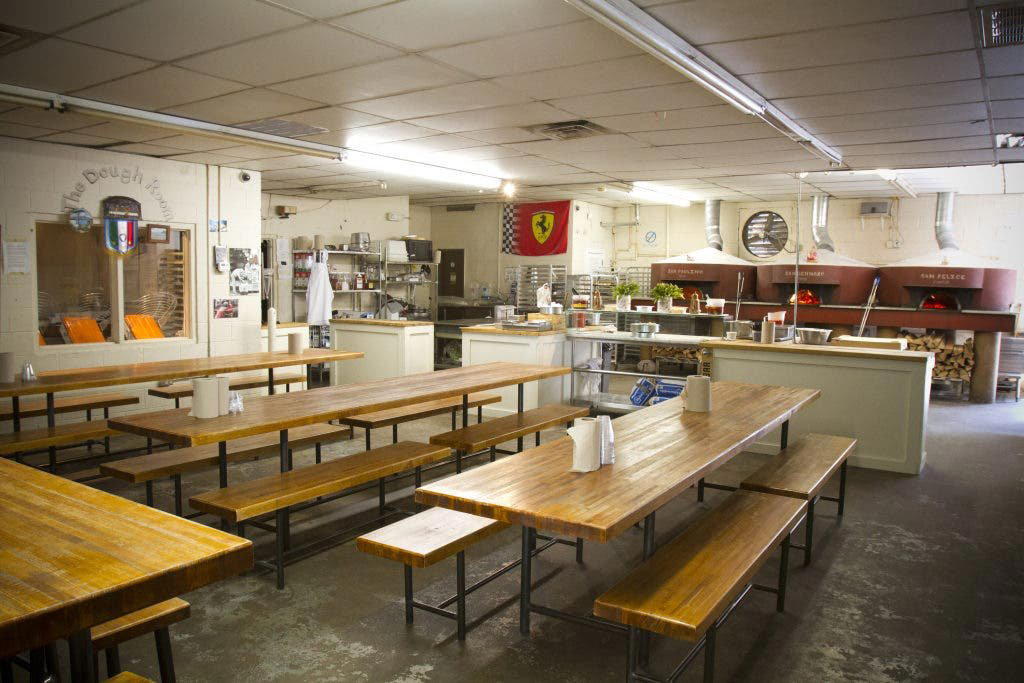
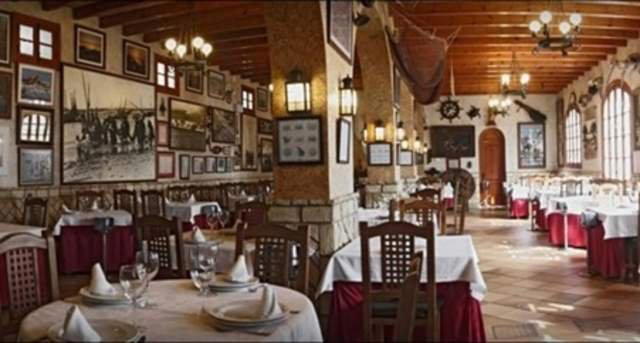
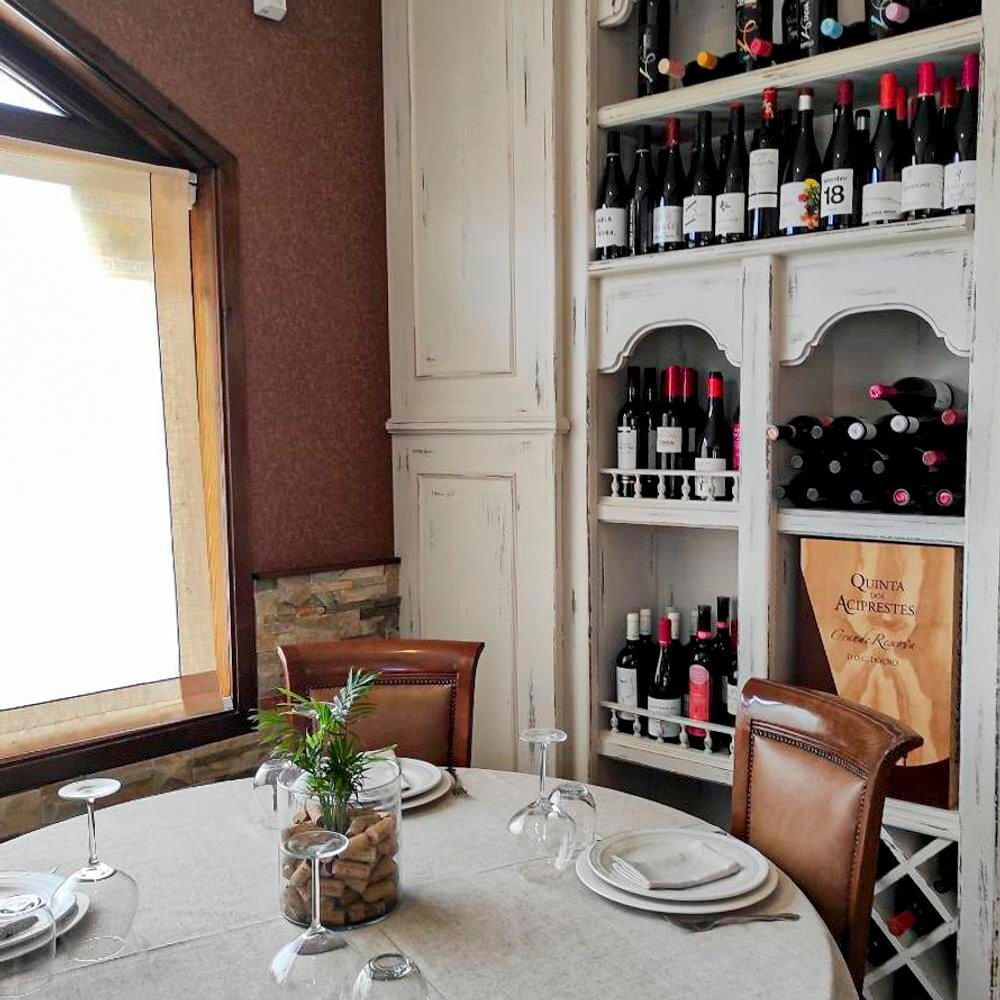
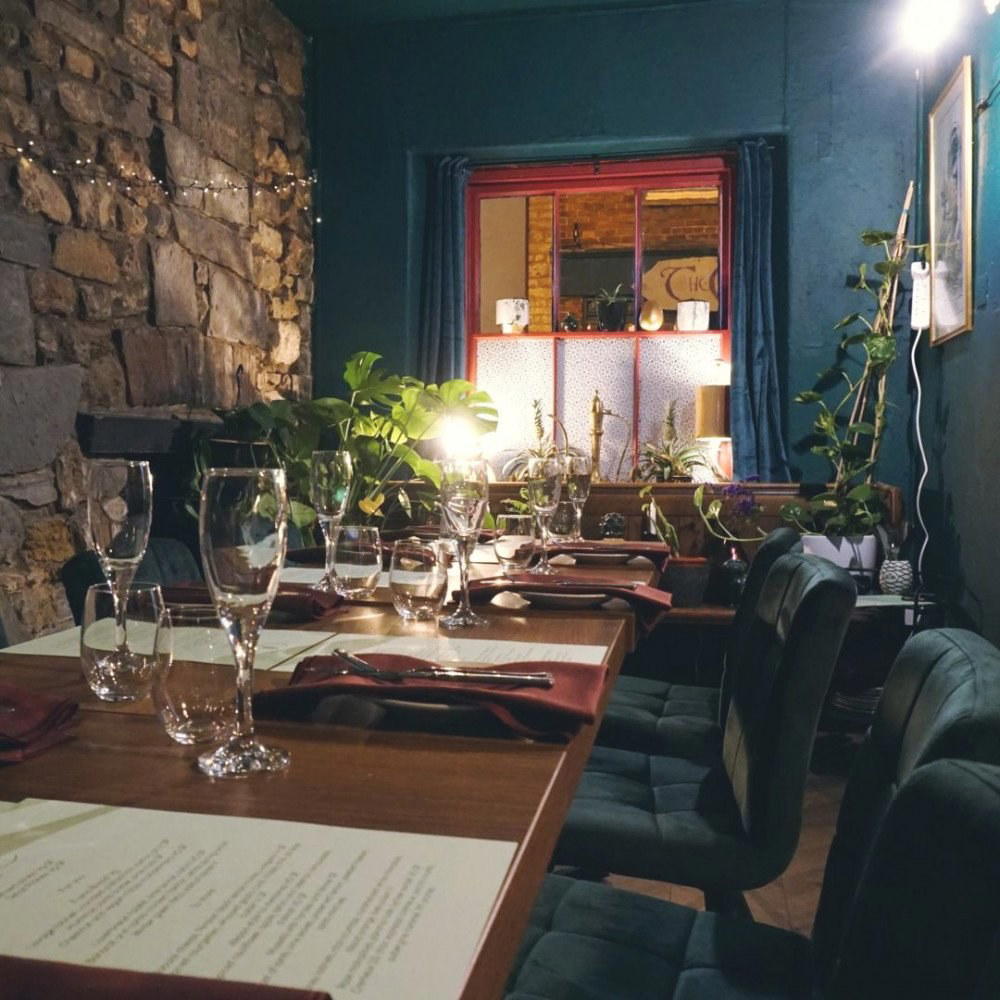
Gebangsikdang sits in Gangnam District, on a residential side street off Seolleung-ro. The address puts it within the broader Gangnam corridor, a neighbourhood better known for high-end Korean contemporary dining at venues like Jungsik and Mingles, which makes a ₩ gejang specialist here feel deliberate rather than accidental. Bib Gourmand venues in Seoul tend toward compact, owner-operated rooms: expect a modest interior, close table spacing, and a dining environment that is functional rather than designed. The intimacy works in the food's favour, gejang is not a cuisine that benefits from theatrical plating or a cavernous room. You are here to eat well at a fair price, and the space reflects that priority.
Gejang and why the season matters
Gejang divides into two main styles: ganjang gejang, cured in soy sauce, with a clean, briny depth, and yangnyeom gejang, marinated in a spiced chili paste, with more heat and fermented complexity. Both styles are time-dependent. The curing process for soy-marinated crab takes days to weeks, and the quality of the raw crab going in determines everything that comes out. In Korea, the blue crab (kkotge) season peaks in spring and autumn, when crabs are fattest and the roe most developed. Restaurants that take gejang seriously adjust their sourcing accordingly, spring visits often yield roe-heavy female crabs, while autumn brings a different fat profile. If you are visiting Seoul with flexibility on timing, spring (April to May) and autumn (September to October) are the windows when gejang specialists are working with the leading incoming product. A summer visit is still worthwhile given the Bib Gourmand consistency, but the seasonal peak is real and worth factoring into your trip planning.
Because no specific menu data is available for Gebangsikdang, it is worth arriving with the expectation that gejang will come accompanied by rice and banchan, the standard format for this style of meal in Seoul. The crab is typically eaten by pulling the meat and roe directly, mixing with rice in the shell. If this is your first time eating gejang, the process is messier and more hands-on than most Korean restaurant meals, which is part of why the format fits a casual, close-quarters room well. Venues like Hwa Hae Dang and Jinmi Sikdang offer similar traditional Korean formats in Seoul if you want to compare across the category.
Value and what the Bib Gourmand means here
The Michelin Bib Gourmand designation is awarded to restaurants offering good cooking at moderate prices, by the guide's own criteria, it signals quality that punches above the price point. Two consecutive years at Gebangsikdang (2024 and 2025) suggests inspectors found consistency, not a one-season performance. At ₩ pricing, this is among the most affordable Michelin-recognised meals you can have in Seoul. For context, the contemporary Korean tasting menus at venues like alla prima or Atomix in New York City operate at multiples of this price tier. Gebangsikdang is not competing with those venues, it is offering something more specific and more affordable, and the Bib Gourmand confirms it does so credibly.
How to book and when to go
Booking difficulty is rated easy. At the ₩ price tier with Bib Gourmand recognition, Gebangsikdang will have local regulars, but it is not operating at the reservation-months-in-advance pressure of Seoul's tasting menu circuit. No booking platform or phone number is publicly listed in our data, arriving in person or checking Naver for a reservation link is the practical approach for visitors. If you are building a Seoul itinerary around dining, the broader city guide at our full Seoul restaurants guide covers the range from casual to fine dining. For accommodation planning, see our full Seoul hotels guide, and for bars in the neighbourhood, our full Seoul bars guide has current options.
Visitors travelling beyond Seoul should note that strong regional Korean dining exists across the country. Mori in Busan and Baegyangsa Temple in Jangseong-gun represent the range of what's worth seeking out if you are extending the trip. For Gangnam-area Korean fine dining, 권숙수 - Kwon Sook Soo is the reference point at the top of the price range.
Know Before You Go
- Address: 17 Seolleung-ro 131-gil, Gangnam District, Seoul
- Price range: ₩ (budget-friendly, Michelin Bib Gourmand)
- Awards: Michelin Bib Gourmand 2024 and 2025
- Cuisine: Gejang (raw marinated crab, soy and chili styles)
- Booking difficulty: Easy, no months-ahead pressure
- Ideal time to visit: Spring (April–May) or autumn (September–October) for peak crab season
- Dress code: No data available; casual is safe at this price tier
- Hours: Not published in current data, confirm locally or via Naver
- Booking method: Check Naver or visit in person; no online booking link available
Also worth knowing in the region
If you are making a longer South Korea trip, Double T Dining in Gangneung, Market Café in Incheon, and The Flying Hog in Seogwipo are worth noting for regional coverage. For Seoul wineries and experiences, see our full Seoul wineries guide and our full Seoul experiences guide.
Planning details
- Location
- 17 Seolleung-ro 131-gil, Gangnam District, Seoul, South Korea
- Website
- gebangsikdang.modoo.at
- Phone
- +82 10-8479-1107
The take
The Take
The Vibe
Gebangsikdang reads like a quietly confident find on a side street in Gangnam — a specialty house rather than a stage for fine‑dining theatrics. The kitchen is single‑minded about gejang, and that disciplined focus gives the place an intimate, almost devotional character. It deliberately narrows its audience: this is not a menu designed to ease tentative diners but a compact program for people who know what they want. Affordable pricing and back‑to‑basics technique position it as a neighborhood treasure rather than a flashy destination, so expect concentrated flavors and a restrained, traditional atmosphere.
Best For
This is a neighbourhood spot for people who come specifically for gejang — adventurous diners, locals in the know, and anyone wanting real, unvarnished Korean preservation cooking without a big bill. The restaurant’s two consecutive Michelin Bib Gourmand awards underline that it delivers serious flavor at an accessible price, so it suits casual evenings when the food is the point. It works well for solo visits (for focused tasting) or relaxed small gatherings where everyone appreciates bold, briny seafood preparations rather than a multi‑course contemporary tasting experience.
Ordering Tips
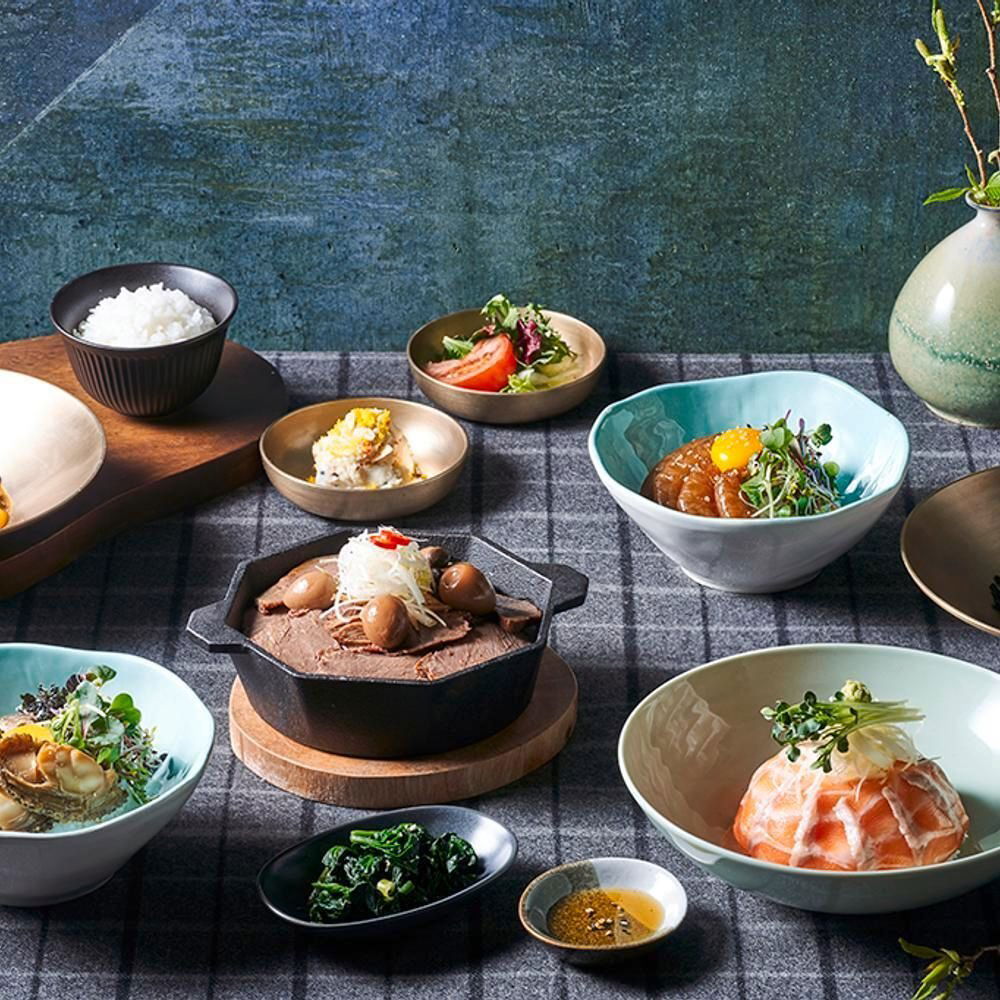
Gebangsikdang is unapologetically dedicated to gejang, so order the house specialties first: the soy sauce marinated crab and the soy sauce marinated shrimp are signature preparations. The Soy Sauce Marinated Crab Roe Bibimbap is another highlighted item and a natural follow‑up if you want rice paired with the concentrated crab flavors. Be prepared for intense, briny, fermented seafood flavors — the menu favors authenticity and seasonality, so pick the gejang offerings if you want the restaurant’s defining dishes rather than safer, milder options.
Venue details
Ambiance
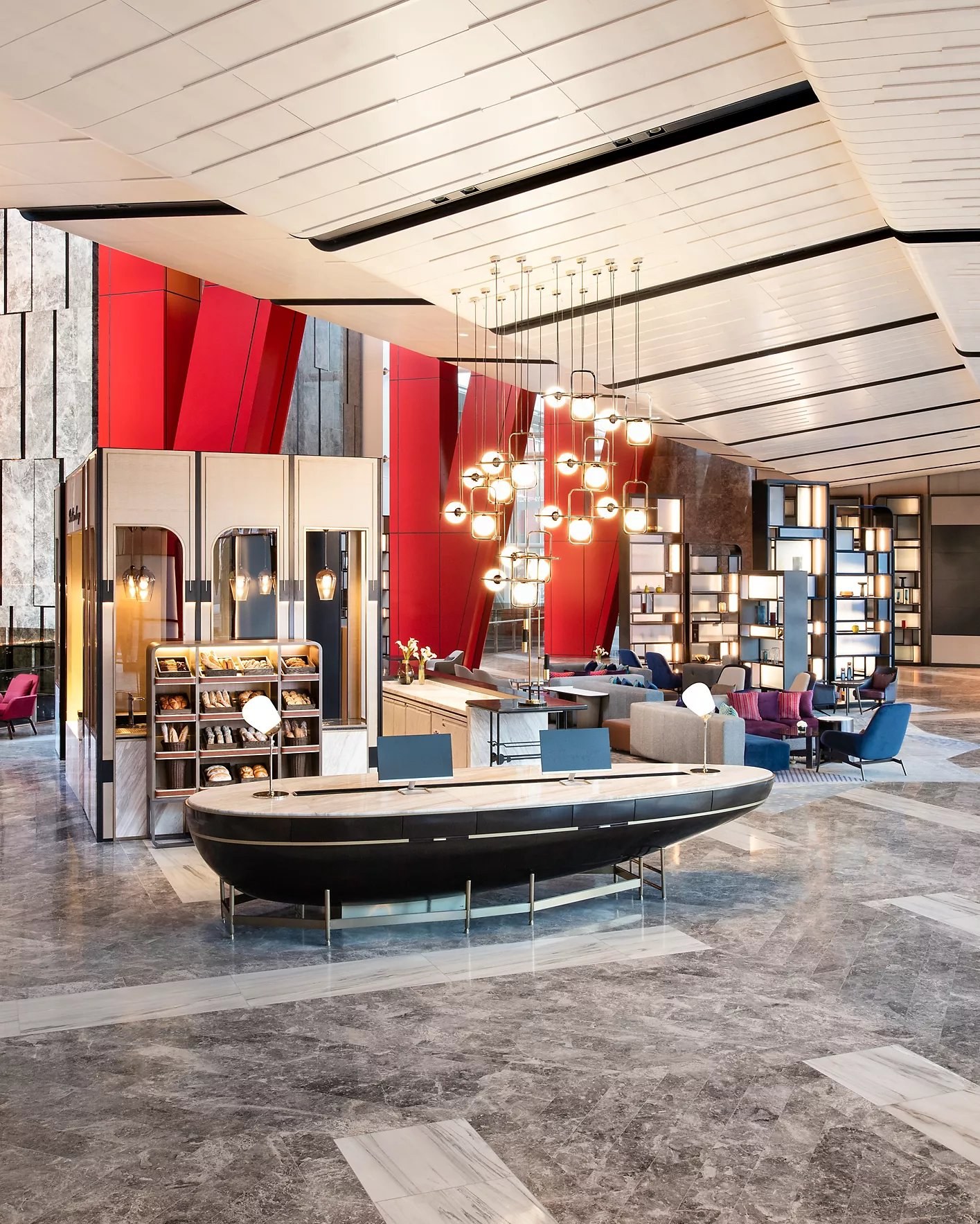
Polished, stylish interior with modern cafe-like decor catering to trend-conscious diners.
Tags
Vibe
Best For
Sourcing
At the Table
- Dress Code
- Casual
- Noise Level
- Conversational
- Service Style
- Upscale Casual
- Meal Pacing
- Standard
- Capacity
- Small
- Kitchen
- Traditional
- Menu Format
- A la carte
Signature Dishes
- Soy Sauce Marinated Crab
- Soy Sauce Marinated Crab Roe Bibimbap
- Soy Sauce Marinated Shrimp
Know before you go
Know Before You Go
- Getting there
- 17 Seolleung-ro 131-gil, Gangnam District, Seoul, South Korea
Planning details
Location
17 Seolleung-ro 131-gil, Gangnam District, Seoul, South Korea · Directions
Recognition and awards
Also consider
Also Consider
- Solbam, Contemporary, ₩₩₩₩
- Onjium, Korean, ₩₩₩₩
- 7th Door, Korean, Contemporary, ₩₩₩₩
- L'Amitié, French, ₩₩₩
- Zero Complex, Korean-French, Innovative, ₩₩₩₩
Restaurant context
If your Seoul dining budget runs to ₩₩₩₩ and you want Korean cuisine with creative ambition, Onjium and 7th Door are the benchmarks, both offer elevated Korean formats at a significant price premium over Gebangsikdang. Solbam and Zero Complex occupy a similar high-spend tier with contemporary and Korean-French frameworks respectively. None of these are competing with Gebangsikdang directly, they are different proposals at a different price point. If you are deciding between a ₩₩₩₩ tasting menu and a ₩ gejang lunch, the question is what you are optimising for: Gebangsikdang wins on value and specificity, the ₩₩₩₩ venues win on breadth and production.
L'Amitié sits at ₩₩₩ and offers a French kitchen rather than Korean, making it a poor direct comparison but worth noting if your group wants a single mid-range dinner that covers more familiar territory. For a first-timer who wants to understand what Korean cuisine looks like across price tiers in a single Seoul trip, a sensible approach is Gebangsikdang for a specialist lunch and one of the ₩₩₩₩ contemporary Korean venues for dinner, the contrast is instructive and the combined spend is still manageable.
Within the gejang and traditional Korean category specifically, Hwa Hae Dang and Jinmi Sikdang are the closest peer comparisons in Seoul. Gebangsikdang's two consecutive Bib Gourmand awards give it a documented quality credential that makes it the lower-risk choice if you are booking blind in this category. For the same reason, it is the one to lead with if gejang is new to you and you want a Michelin-verified entry point.
Explore Seoul
Around this place
Discover more on Pearl
Unlock the full Gebangsikdang guide in Pearl, including awards, comparisons, FAQs, planning details, and nearby places.
Compare Gebangsikdang
| Venue | Awards | Price |
|---|---|---|
| Gebangsikdang | Michelin Guide Seoul & Busan 20262025 Michelin Bib Gourmand2024 Michelin Bib Gourmand | ₩ |
| Solbam | 2026 Asia's 50 Best Restaurants · #552026 Wine Spectator Best of Award of Excellence2026 OAD Top Restaurants in Asia RecommendedMichelin Guide Seoul & Busan 20262026 La Liste Top Restaurants2025 Asia's 50 Best Restaurants · #552025 OAD Top Restaurants in Asia Ranked · #277Tatler Best Restaurants Asia-Pacific 20252025 Wine Spectator Best of Award of Excellence | ₩₩₩₩ |
| Onjium | 2026 Asia's 50 Best Restaurants · #142026 OAD Top Restaurants in Asia Ranked · #852026 La Liste Top RestaurantsMichelin Guide Seoul & Busan 20262026 Wine Spectator Best of Award of Excellence2025 Asia's 50 Best Restaurants · #102025 World's 50 Best Restaurants · #572025 OAD Top Restaurants in Asia Ranked · #1342025 La Liste Top Restaurants | ₩₩₩₩ |
| 7th Door | 2026 Asia's 50 Best Restaurants · #492026 OAD Top Restaurants in Asia Ranked · #842026 Black Pearl 1 DiamondMichelin Guide Seoul & Busan 20262026 La Liste Top Restaurants2025 Asia's 50 Best Restaurants · #232025 Michelin 1 Star2025 La Liste Top Restaurants2024 OAD Top Restaurants in Asia Ranked · #192 | ₩₩₩₩ |
| L'Amitié | 2026 La Liste Top Restaurants2025 La Liste Top Restaurants2025 Michelin 1 Star2024 Michelin 1 Star | ₩₩₩ |
| Zero Complex | Star Wine Lists 20262026 OAD Top Restaurants in Asia Recommended2026 La Liste Top Restaurants2025 OAD Top Restaurants in Asia Ranked · #1992025 La Liste Top Restaurants2025 Michelin 1 Star2025 The Best Chef One Knife2024 OAD Top Restaurants in Asia Ranked · #2792024 Michelin 1 Star | ₩₩₩₩ |









What to weigh when choosing between Gebangsikdang and alternatives.
FAQ
Frequently Asked Questions
What are alternatives to Gebangsikdang in Seoul?
For gejang at a higher price point with more formal surroundings, Onjium is the most direct upgrade — it covers Korean heritage cuisine including fermented and cured preparations. Solbam is a better fit if you want a broader Korean tasting format rather than a gejang-focused meal. If you want creative Korean cooking at a step up in price and ambition, 7th Door or L'Amitié are worth considering, though neither specialises in gejang. For value-driven eating specifically, Gebangsikdang at ₩ with Bib Gourmand recognition is difficult to match on that combination of price and credential.
What should I wear to Gebangsikdang?
Gebangsikdang is on a residential side street in Gangnam at the lowest price tier, so dress practically rather than formally. Clean, casual clothes are appropriate. This is not a venue where appearance at the door will affect your experience.
What should I order at Gebangsikdang?
The focus here is gejang — either ganjang (soy-cured, briny and clean) or yangnyeom (chili-marinated, spiced). That is the reason to visit; this is a specialist venue, not a broad Korean menu. If the kitchen offers both styles, ordering at least one of each gives you the clearest read on what they do well.
Is the tasting menu worth it at Gebangsikdang?
No tasting menu format is documented for Gebangsikdang in the available data. This is a gejang specialist at the ₩ price tier, which points to a straightforward à la carte or set-plate format rather than a structured tasting progression. The value case here is about quality-per-won on a focused menu, not a multi-course experience.
How far ahead should I book Gebangsikdang?
Booking difficulty is rated easy, so you are unlikely to need weeks of lead time the way you would at Seoul's Michelin-starred restaurants. That said, back-to-back Bib Gourmand recognition in 2024 and 2025 has raised the profile, so booking a day or two ahead is sensible rather than counting on a walk-in, especially at weekends.
Is Gebangsikdang worth the price?
Yes, clearly. At the ₩ price tier with two consecutive Michelin Bib Gourmand awards, this is one of the stronger value propositions in Gangnam. The Bib Gourmand designation specifically recognises good cooking at moderate prices, so the credential and the price point are directly aligned here. If gejang is a cuisine you want to try seriously, this is a low-risk, high-return booking.
Is Gebangsikdang good for a special occasion?
Only if the occasion centres on food rather than atmosphere or formality. At the ₩ price tier on a residential side street, this is not a celebratory dining room. For a Michelin-credentialled meal that can anchor a special evening, Onjium or 7th Door are better fits. Gebangsikdang works for a food-focused occasion where the quality of the gejang itself is the point.