
Haru Sushi Bar
Japanese · Copacabana, Rio de Janeiro
Restaurant in Rio de Janeiro, Brazil
 Book with Pearl
The Read
Accessible Copacabana Precision
Price
$50–100per person
Dress
Smart Casual
Why go
A Michelin Plate winner in 2024 and 2025, Haru Sushi Bar delivers credentialed Japanese cooking in Copacabana at the $ price tier — an unusual combination in Rio. The best-value Japanese option in the city for food-focused visitors who don't want to spend $$$$.
About Haru Sushi Bar
Who Should Book Haru Sushi Bar — and When
Haru Sushi Bar in Copacabana is the right call if you want credentialed Japanese cooking at a price point that won't derail your Rio budget. Two consecutive Michelin Plates (2024 and 2025) at a single-dollar price tier is a rare combination in any city. If you are a food-focused traveler who takes Japanese cuisine seriously but isn't prepared to spend $$$$, this is where you should eat. It works equally well as a solo counter meal or a relaxed dinner for two before a night in the neighborhood.
Two Years of Michelin Recognition at the $ Price Tier
The Michelin Plate is not a star, but it signals that inspectors returned, ate again, and found the cooking consistently good enough to recommend. Earning it back-to-back in 2024 and 2025 tells you this isn't a one-season performance. For context, a Michelin Plate at the $ price tier in a major South American city is genuinely uncommon. The award positions Haru alongside the kind of serious, low-key Japanese restaurants that regulars rely on rather than splurge destinations tourists visit once.
For a deeper look at how Haru fits into Rio's broader dining picture, see our full Rio de Janeiro restaurants guide.
Lunch vs. Dinner: Where the Value Lands
At the $ price range, Haru is affordable at any hour, but the lunch and dinner experiences likely serve different purposes. Lunch here is a practical, high-value option in Copacabana, where the competition for good Japanese food at a reasonable price is thin. If you are spending the day in the neighborhood and want a proper sushi meal without committing to a long tasting-menu evening, lunch at Haru is a direct win.
Dinner shifts the context. Copacabana at night has its own energy, and Haru's Michelin recognition means it draws a more deliberate dinner crowd. The decision is really about pace: lunch is efficient, dinner is more settled. For a first visit, dinner gives you more time to work through the menu without feeling rushed.
If you want to compare the lunch-vs-dinner calculus at the top end of Rio's Japanese scene, San Omakase and Sushi Leblon operate in a higher price band and lean more heavily into the evening omakase format. Haru's $ positioning makes it the more accessible daytime choice by a significant margin.
Location: Copacabana, Not Leblon or Ipanema
The address — Rua Raimundo Corrêa, 10, Copacabana, places Haru in a neighborhood that is denser and more local-facing than the restaurant strips of Leblon or Ipanema. That is a practical advantage: lower rents in Copacabana help explain how a Michelin-recognized Japanese restaurant holds a $ price tier. It also means the room is likely less scene-driven than equivalent venues in the trendier southern zones. For food-focused visitors, that is a plus. For those who want to eat well and people-watch simultaneously, Leblon alternatives may suit better.
If you are building a broader Rio itinerary around food, our Rio de Janeiro hotels guide, bars guide, and experiences guide cover the full picture.
How Haru Fits the Broader Brazilian Japanese Scene
Japan's influence on Brazilian cuisine runs deep, Brazil has the largest Japanese diaspora outside Japan, concentrated primarily in São Paulo but present across the country. Rio's Japanese restaurant scene is smaller than São Paulo's but has its own established venues. Haru's Michelin recognition puts it in a select group in the city. For comparison, D.O.M. in São Paulo represents the top tier of ingredient-driven cooking in Brazil, while Rio's own fine dining is anchored by spots like Lasai and Oteque at the $$$$ level. Haru operates in a completely different price register from those, which is precisely what makes it useful. It is the kind of place that earns repeat visits from locals rather than one-off bookings from visitors chasing a tasting menu.
For Japanese cooking context at the high end, Myojaku and Azabu Kadowaki in Tokyo show what the benchmark looks like at the source. Haru isn't competing at that level, but its Michelin Plate signals that the fundamentals are sound.
Beyond Rio, if you are traveling through Brazil and want to continue eating well, Origem in Salvador, Birosca S2 in Belo Horizonte, Orixás | North Restaurant in Itacaré, Mina in Campos do Jordão, and State of Espírito Santo in Rio Bananal are all worth knowing.
Booking and Practical Details
Haru is rated easy to book. At the $ price tier with a walk-in-friendly Copacabana address, you are unlikely to need more than a day or two of lead time for most evenings. Contact the restaurant directly to confirm hours and reservation options, as booking method and hours are not publicly listed in current data.
Practical Comparison: Haru vs. Peers
| Venue | Cuisine | Price | Michelin | Booking Difficulty |
|---|---|---|---|---|
| Haru Sushi Bar | Japanese | $ | Plate ×2 | Easy |
| San Omakase | Japanese | Higher | ||
| Sushi Leblon | Japanese | Higher | ||
| Oteque | Modern Brazilian | $$$$ | Star-level | Hard |
| Lasai | Regional Brazilian | $$$$ | Star-level | Hard |
| Oro | Contemporary Italian/Brazilian | $$$$ | Moderate |
Planning details
- Location
- R. Raimundo Corrêa, 10 - Copacabana, Rio de Janeiro - RJ, 22040-042, Brazil
- Website
- haruichiban.com.br
- Phone
- +55 21 96732-2668
The take
The Take
The Vibe
Haru Sushi Bar presents a restrained, neighbourhood-minded presence on a quiet Copacabana side street. It leans into established Japanese dining traditions rather than flashy reinvention, and that measured approach is reinforced by a steady stream of positive reviews and a Michelin Plate recognition. The room feels like a calm counterpoint to the beach’s bustle — local loyalty and repeat visits drive the atmosphere more than passing tourist trade. Expect focused, precise cooking that prioritizes consistency and clarity of technique over theatricality, making it feel like a reliable, refined option in the neighbourhood.
Best For
This is a place for people who come deliberately: couples seeking a composed date-night meal, diners marking a special occasion, and neighbourhood regulars who prize consistency. The Michelin Plate nod and the menu’s omakase components signal a restaurant geared toward thoughtful, flavor-forward tasting rather than casual, high-turn service. Its location on a quieter residential stretch means the audience skews local and repeat, so evenings tend to attract guests who are there for the food and the steady execution rather than for spectacle or late-night revelry.
Ordering Tips
Center your choices on Haru’s specialties: the omakase and the noted fatty tuna are flagship expressions of the kitchen’s precision, and the menu’s takoebi highlights its seafood focus. Opting for omakase lets the kitchen sequence flavors and textures deliberately, showcasing technique and product quality. Because the restaurant’s reputation rests on consistent execution and neighborhood loyalty, following the chef-led selections is the clearest route to experiencing what reviewers and Michelin inspectors have praised.
Venue details
Ambiance
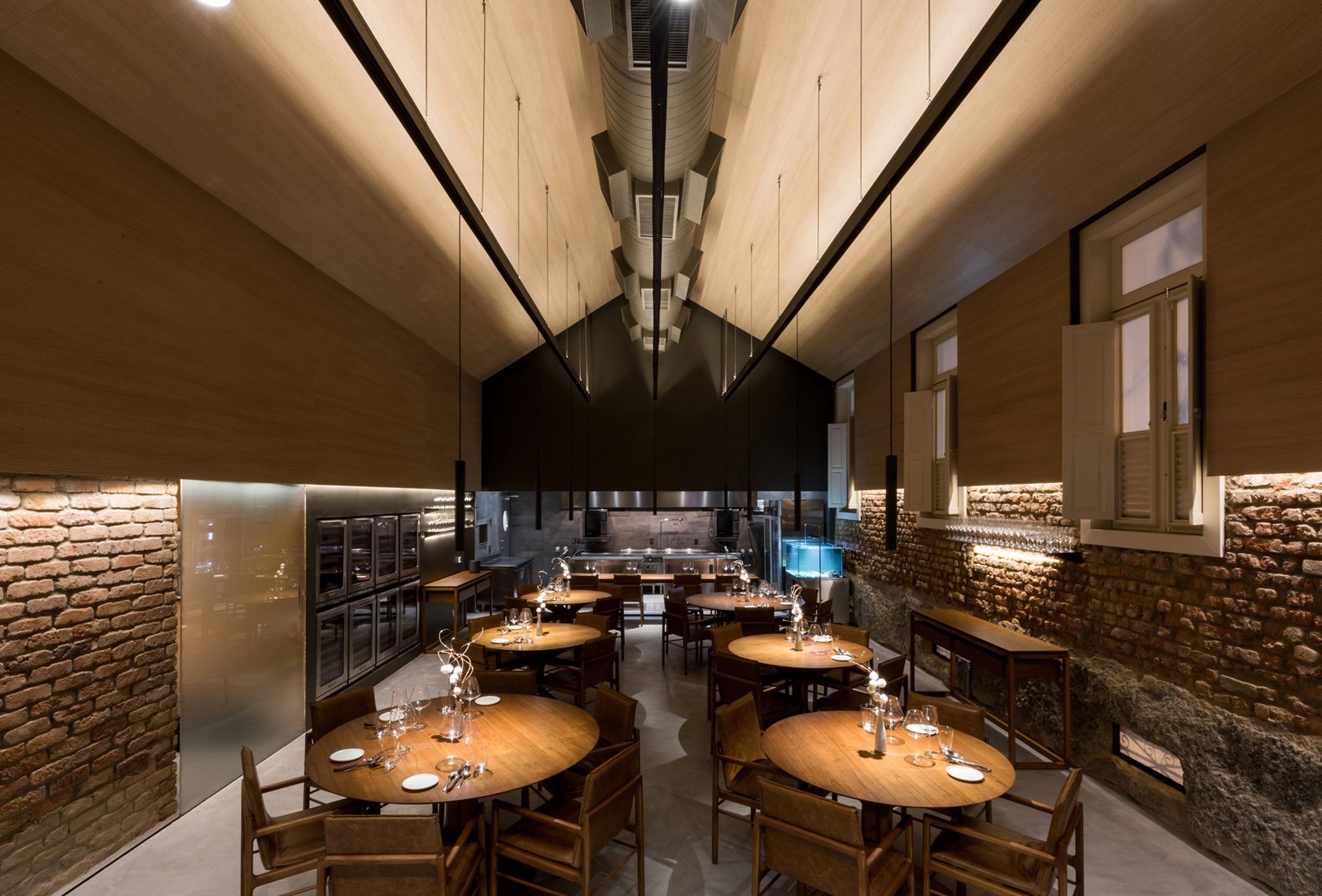
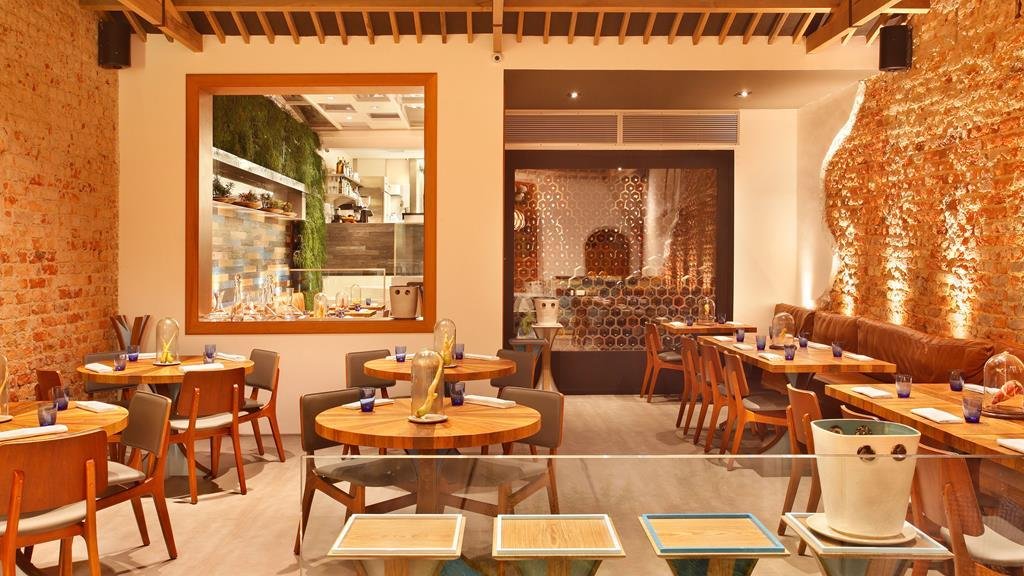
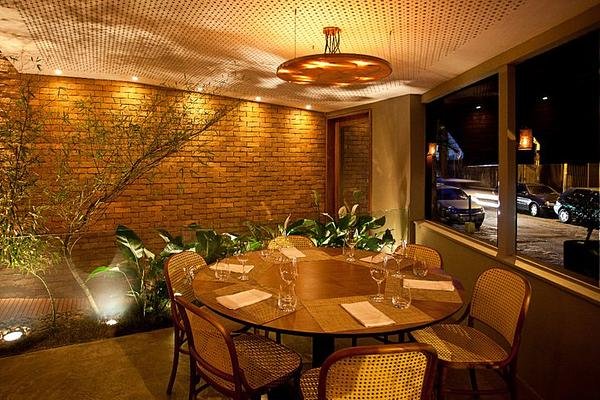
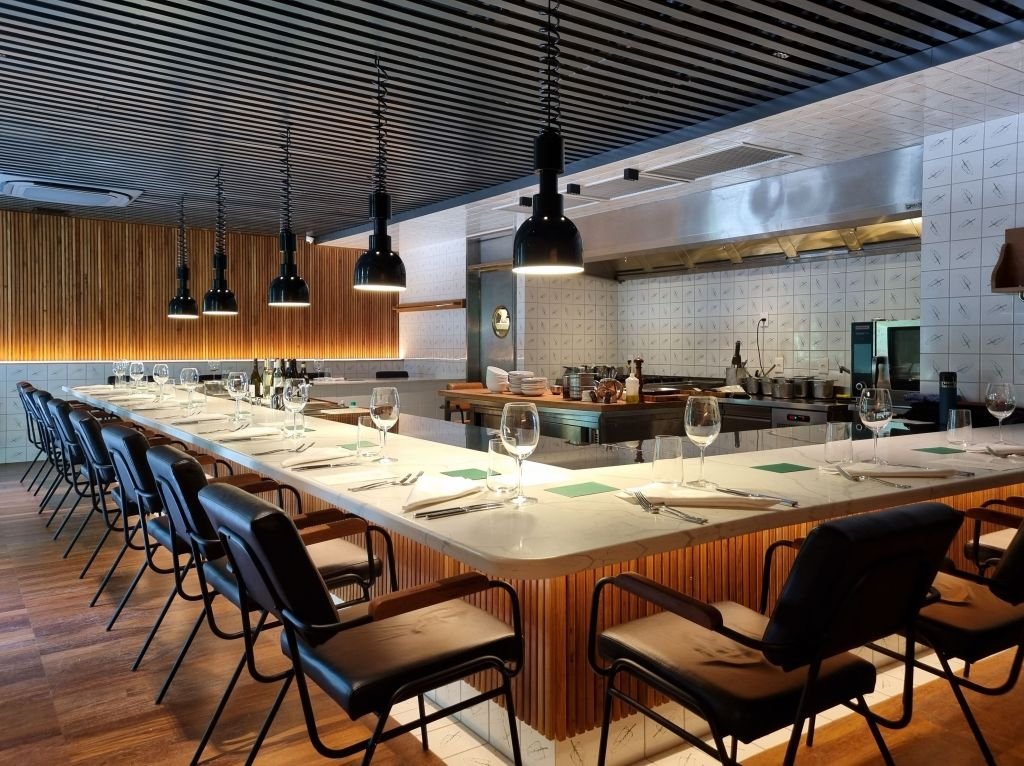
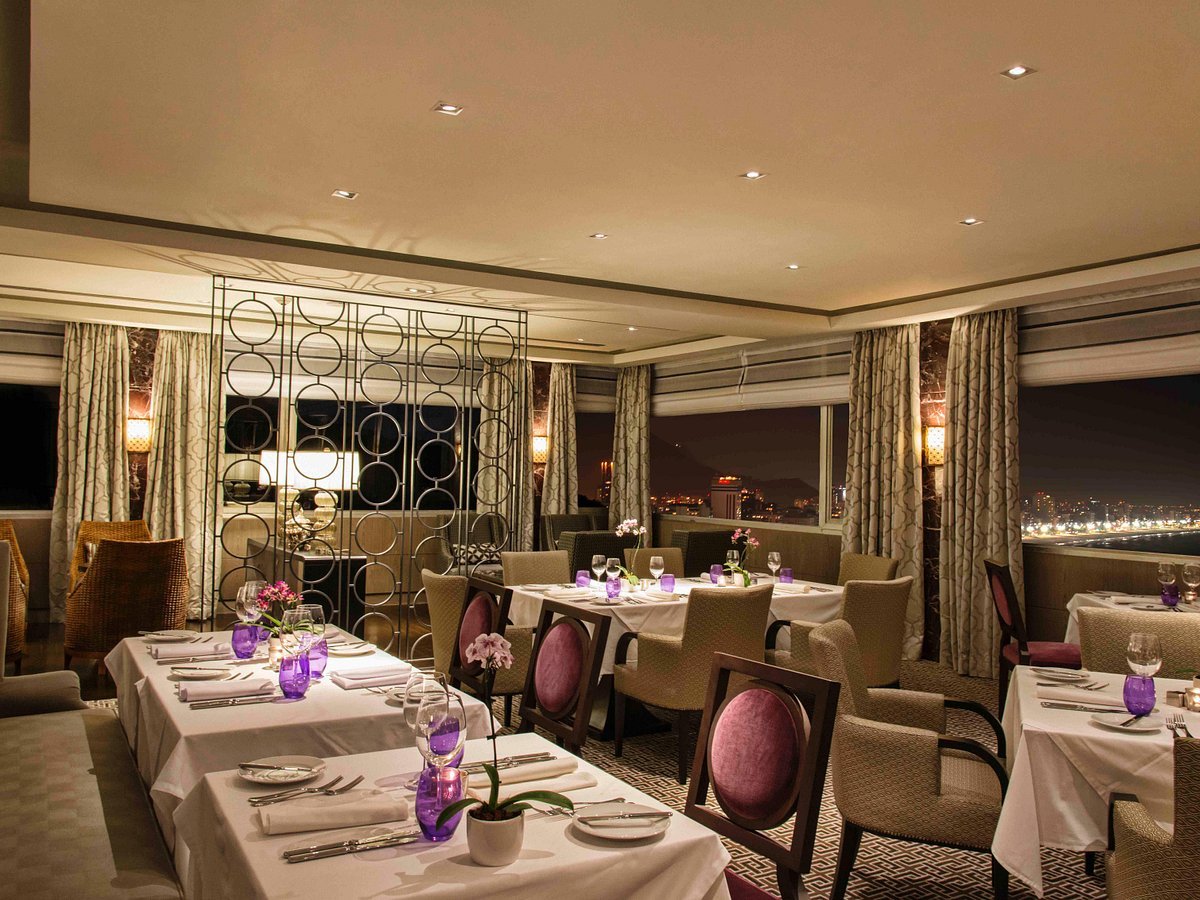
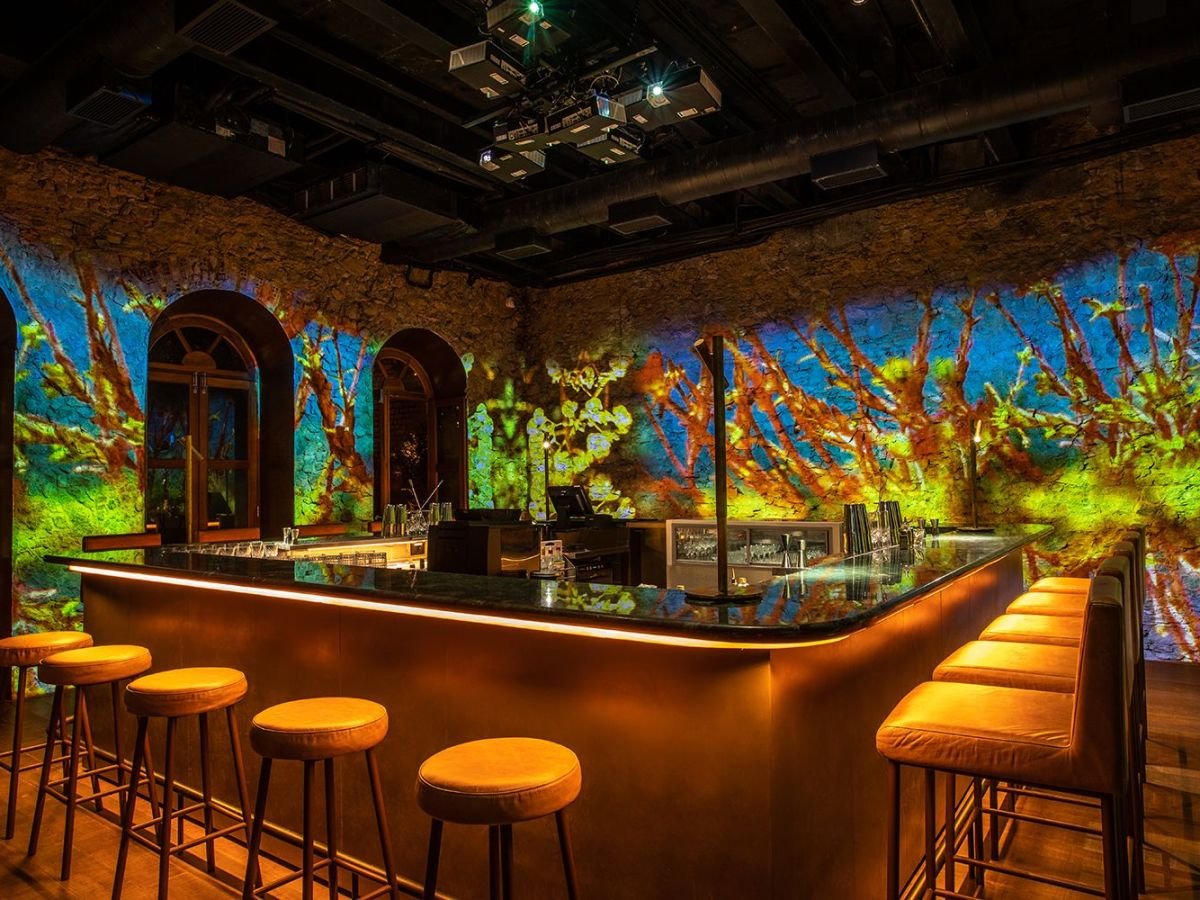
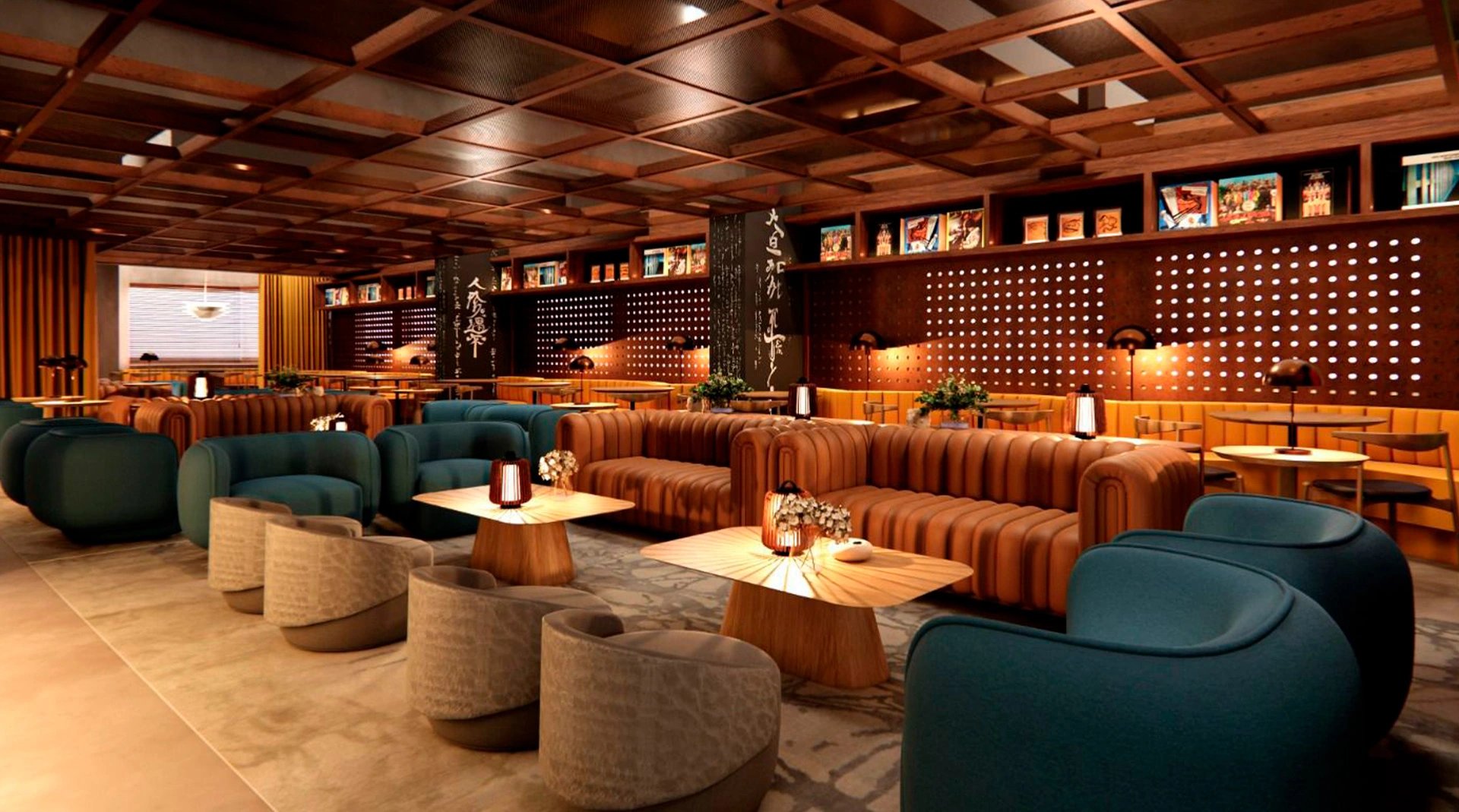
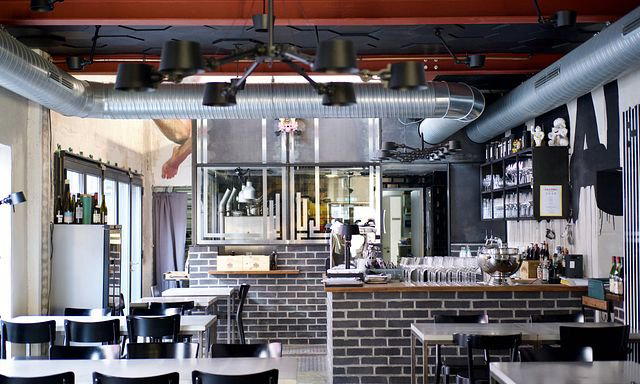
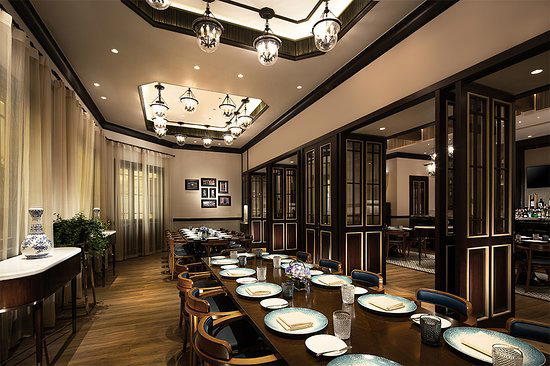
Intimate and elegant with stylish Japanese-inspired interiors featuring wood elements, cozy lighting, and an open counter view of chefs at work.
Tags
Vibe
Best For
Experience
At the Table
- Dress Code
- Smart Casual
- Noise Level
- Conversational
- Service Style
- Upscale Casual
- Meal Pacing
- Leisurely
- Capacity
- Intimate
- Kitchen
- Traditional
- Menu Format
- Omakase, A la carte
- Wine Program
- Curated
- Drinks Focus
- Sake, Cocktails
- Dietary
- Pescatarian friendly
- Outdoor Seating
- Yes
Signature Dishes
- omakase
- fatty tuna
- takoebi
Know before you go
Know Before You Go
- Getting there
- R. Raimundo Corrêa, 10 - Copacabana, Rio de Janeiro - RJ, 22040-042, Brazil
Planning details
Location
R. Raimundo Corrêa, 10 - Copacabana, Rio de Janeiro - RJ, 22040-042, Brazil · Directions
Recognition and awards
Restaurant context
Haru is the only Japanese option in Rio's Michelin-recognized tier at the $ price point, which immediately separates it from the rest of the city's notable restaurants. Oteque and Lasai are both $$$$ modern Brazilian tasting-menu restaurants with serious Michelin credentials and difficult booking windows. They are the right choice if you want Rio's most ambitious cooking and are prepared to plan weeks ahead and spend accordingly. Haru is the right choice if you want a reliable, award-recognized meal without that level of commitment or cost.
Oro sits in the $$$$ bracket with a contemporary Italian-Brazilian approach and is moderately easier to book than Oteque or Lasai, making it a reasonable middle ground for diners who want a more formal evening but aren't fixed on Japanese cuisine. Mee covers Asian-influenced cooking at $$$$ and is the closest category comparison to Haru in terms of cuisine direction, but the price gap between them is substantial, Mee is the call if you want a high-production Asian dining experience; Haru is the call if value matters as much as quality. Lilia at $$ offers Italian-Brazilian cooking at a comparable price tier to Haru and is worth considering if the cuisine type is flexible.
For food-focused travelers building a Rio itinerary: book Oteque or Lasai for your highest-priority dinner if budget allows and you can secure a reservation. Use Haru for a second night or a lunch where you want genuine quality without the planning overhead. Mee fills the gap if you specifically want a more produced Asian dining environment and are willing to pay $$$$. Haru wins on value-to-credential ratio across the whole peer group.
Explore Rio de Janeiro
Around this place
Discover more on Pearl
Unlock the full Haru Sushi Bar guide in Pearl, including awards, comparisons, FAQs, planning details, and nearby places.
Compare Haru Sushi Bar
| Venue | Location | Cuisine | Awards | Price |
|---|---|---|---|---|
| Haru Sushi Bar | Rio de Janeiro | Japanese | Michelin Guide Rio de Janeiro & Sao Paulo 20262025 Michelin Plate2024 Michelin Plate | $ |
| Oteque | Rio de Janeiro | Modern Brazilian, Modern Cuisine | 2026 OAD Top Restaurants in South America Ranked · #14Michelin Guide Rio de Janeiro & Sao Paulo 20262026 La Liste Top Restaurants2025 OAD Top Restaurants in South America Ranked · #122025 Latin America's 50 Best Restaurants · #382025 World's 50 Best Restaurants · #812025 The Best Chef Two Knives2025 Michelin 1 Star2025 La Liste Top Restaurants | $$$$ |
| Lasai | Rio de Janeiro | Regional Brazilian, Modern Cuisine | 2026 OAD Top Restaurants in South America Ranked · #12Michelin Guide Rio de Janeiro & Sao Paulo 20262026 La Liste Top Restaurants2025 OAD Top Restaurants in South America Ranked · #72025 Latin America's 50 Best Restaurants · #132025 World's 50 Best Restaurants · #282025 Michelin 2 Stars2025 The Best Chef Two Knives2025 La Liste Top Restaurants | $$$$ |
| Oro | Rio de Janeiro | Contemporary Italian, Brazilian, Modern Italian | 2026 OAD Top Restaurants in South America Ranked · #63Michelin Guide Rio de Janeiro & Sao Paulo 20262026 La Liste Top Restaurants2025 The Best Chef One Knife2025 La Liste Top Restaurants2025 OAD Top Restaurants in South America2025 Michelin 2 Stars2024 OAD Top Restaurants in South America Ranked · #442024 Michelin 2 Stars | $$$$ |
| Lilia | Rio de Janeiro | Italian, Brazilian | 2026 Eater NY 38 Best Restaurants in New York City · #262026 New York Times Best Restaurants in New York City · #362026 OAD Casual in North America Ranked · #532026 James Beard Award Semifinalists2025 Robb Report 100 Greatest American Restaurants of the 21st Century · #672025 OAD Casual in North America Ranked · #1022025 New York Times Best Restaurants in New York City2024 OAD Casual in North America Ranked · #272023 OAD Gourmet Casual Dining in North America Ranked · #25 | $$ |
| Mee | Rio de Janeiro | Asian Influences | Michelin Guide Rio de Janeiro & Sao Paulo 20262025 Michelin 1 Star2024 Michelin 1 Star | $$$$ |
.png?width=1200&quality=80)











How Haru Sushi Bar Rio compares with similar nearby venues.
FAQ
Frequently Asked Questions
How far ahead should I book Haru Sushi Bar?
A day or two of lead time is usually enough. At the $ price tier in a walk-in-friendly Copacabana neighbourhood, Haru is not the kind of booking you need to plan weeks in advance. That said, if you're visiting on a weekend or around a public holiday in Rio, calling ahead is sensible given its two consecutive Michelin Plate recognitions have raised its profile.
Is the tasting menu worth it at Haru Sushi Bar?
Haru's menu format is not documented in available data, so a direct verdict on a tasting menu isn't possible here. What is confirmed: two Michelin Plates at a $ price point signals consistently good cooking at low cost, which is a strong case on its own regardless of format. If a set-course experience is your priority, verify the current menu directly with the restaurant before booking.
Is Haru Sushi Bar worth the price?
Yes, decisively so. Two consecutive Michelin Plates (2024 and 2025) at the $ price tier is an unusual combination — Michelin inspectors returned and found the cooking good enough to recommend twice, at a price point that is genuinely affordable in Rio's dining context. For credentialed Japanese cooking without a significant budget commitment, Haru is a straightforward yes.
What are alternatives to Haru Sushi Bar in Rio de Janeiro?
For fine dining with higher ambition and a bigger spend, Oteque and Lasai are Rio's most decorated contemporary restaurants, operating at a completely different price tier with multiple Michelin stars between them. Oro and Mee offer mid-to-upper range options if you want a more formal setting. Haru's value is specifically at the $ end — none of its peers in Rio replicate that combination of Michelin recognition and low price.