Jockey Club Brasileiro
Jardim Botânico, Rio de Janeiro
Bar in Rio de Janeiro, Brazil
 Book with Pearl
Why go
Jockey Club Brasileiro is worth considering when the Gávea setting and sense of occasion matter more than a documented cocktail list, menu, or price structure. It is a stronger fit for spacious social plans than for guests who need a tightly defined bar or dining experience before committing.
About Jockey Club Brasileiro
Jockey Club Brasileiro is a Rio de Janeiro venue. The dress code is smart casual. Details regarding cuisine, drinks, prices, hours, awards, service format, or menu are not available.
Evaluate the venue directly, especially if details like menu, cocktail program, or pricing are crucial for your plan. Always check the venue's official channels before going.
Choose it with the basics in mind
Jockey Club Brasileiro is in Rio de Janeiro, and the dress code is smart casual. For tighter bar planning, use our full Rio de Janeiro bars guide; for a broader night out, compare options in our full Rio de Janeiro restaurants guide, our full Rio de Janeiro hotels guide, our full Rio de Janeiro experiences guide, and our full Rio de Janeiro wineries guide.
Planning details
- Location
- Praça Santos Dumont, 31 - Gávea, Rio de Janeiro - RJ, 22470-060, Brazil
- Website
- jcb.com.br
- Phone
- +55 21 3534 9061
The take
The Take
The Vibe
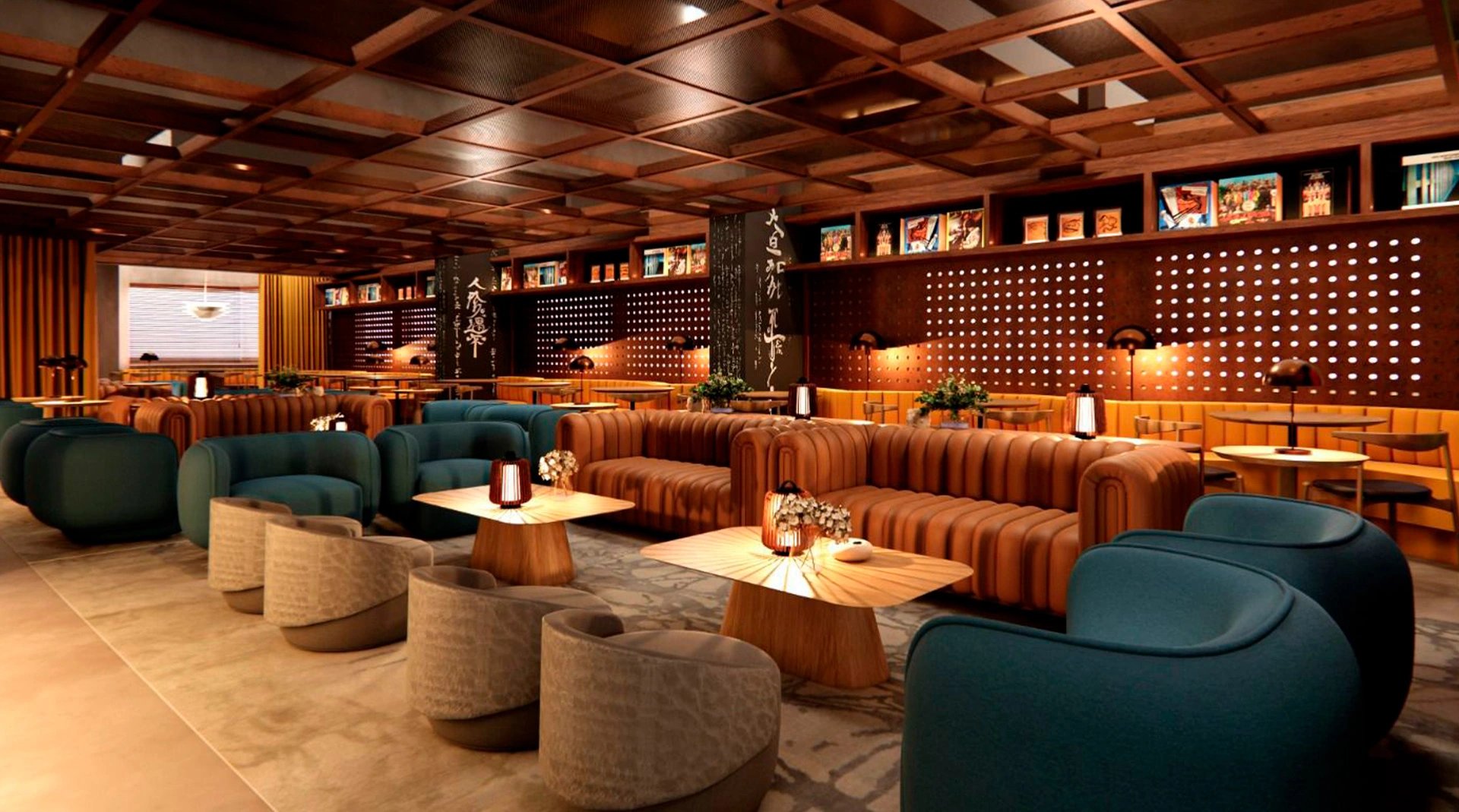
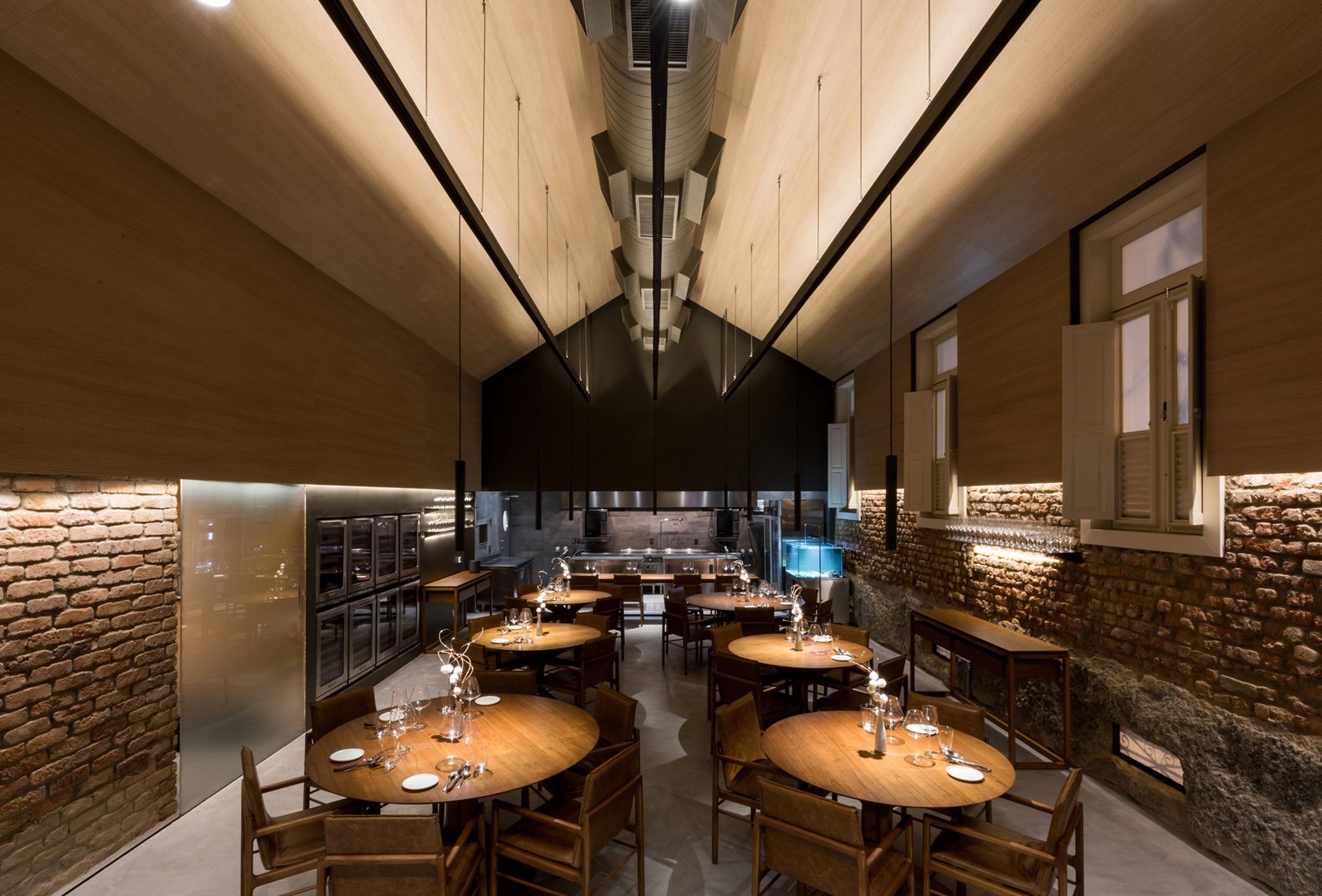
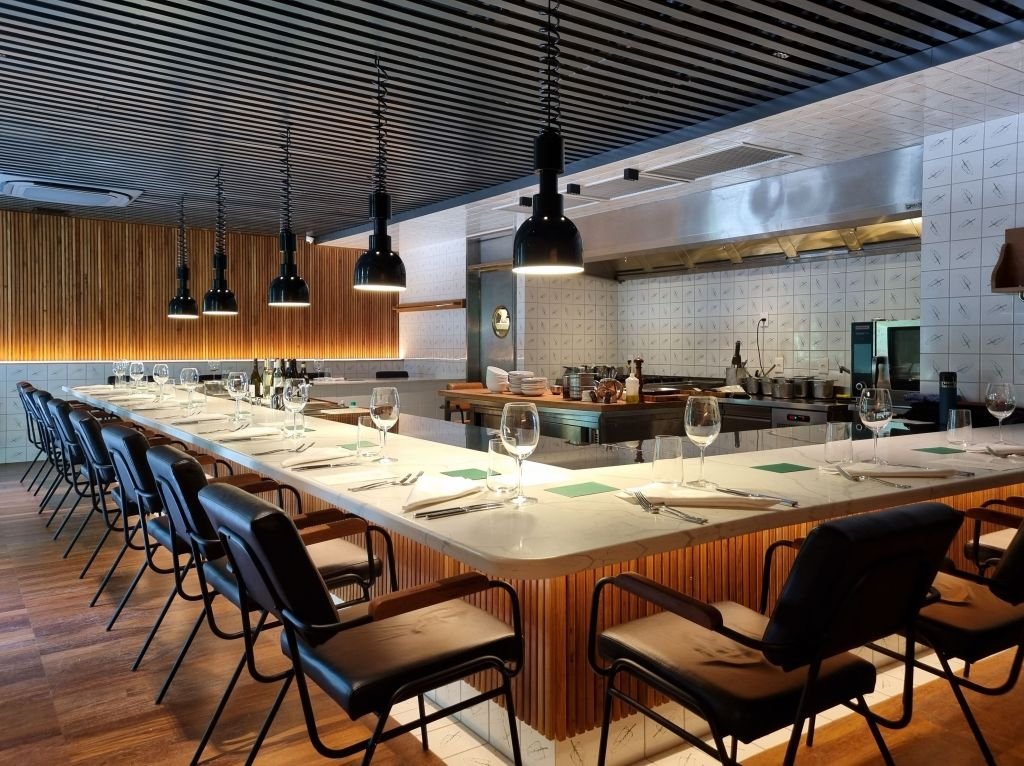
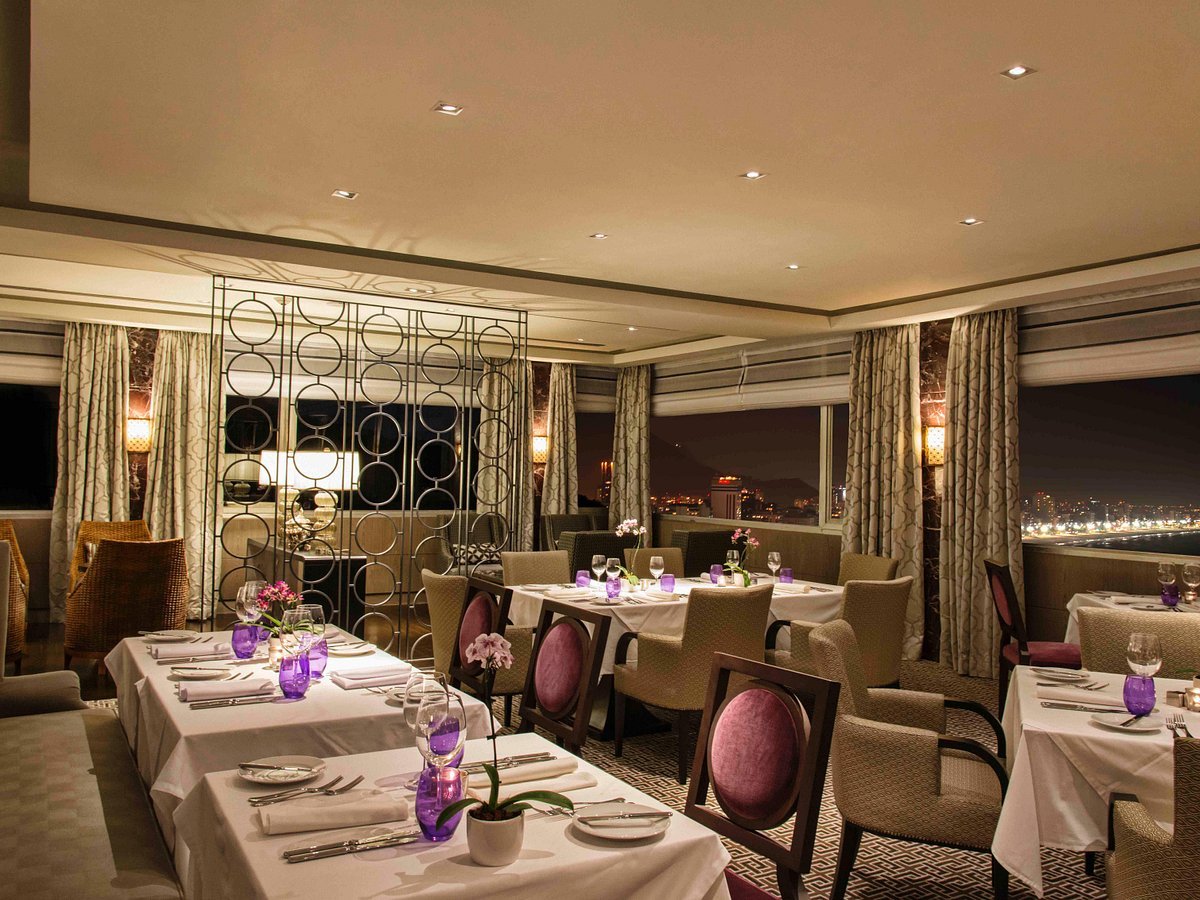
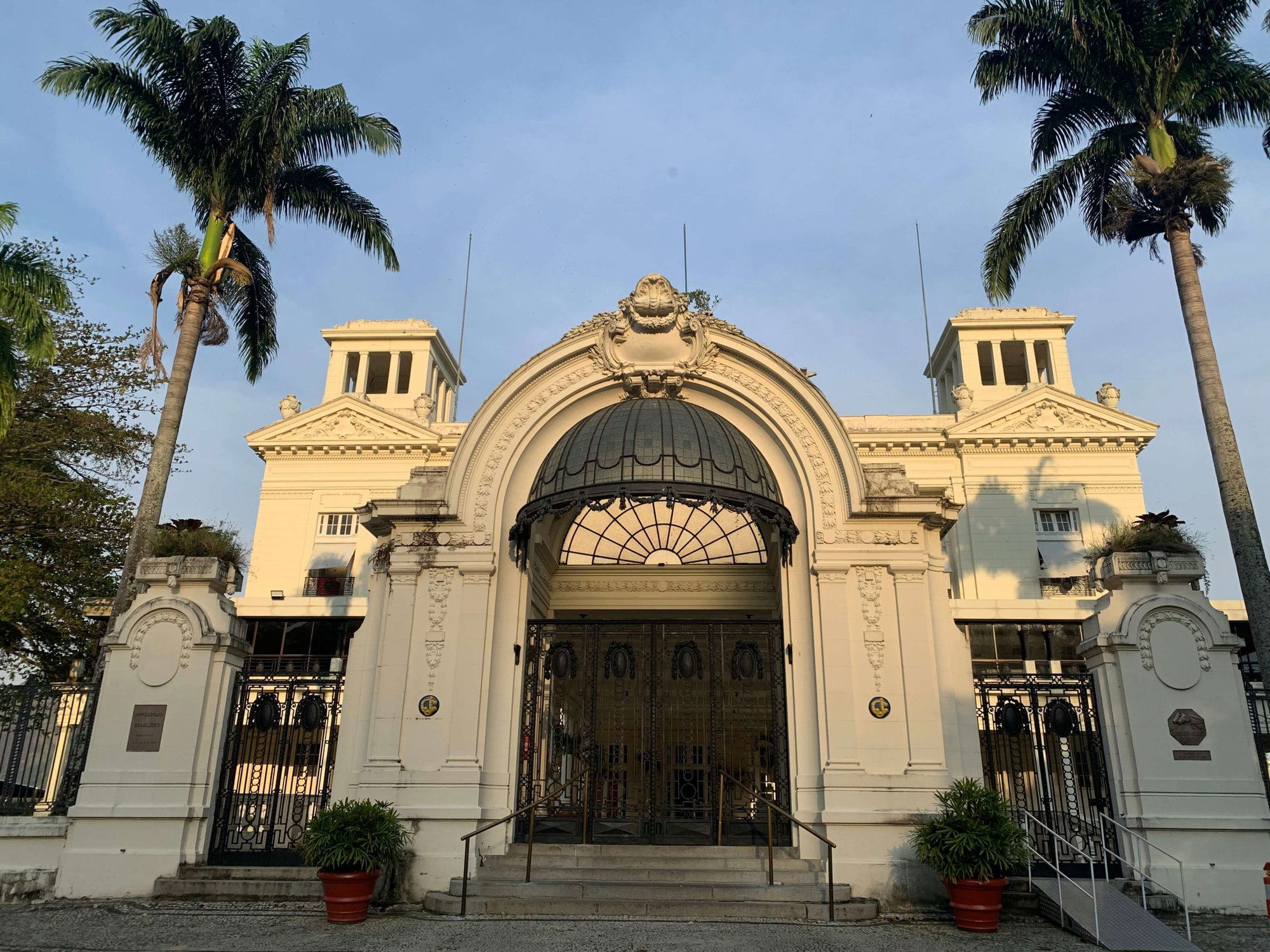
Jockey Club Brasileiro reads like an institution: a private-club atmosphere rooted in Gávea’s social history and the horseracing grounds that shape its layout. The setting privileges long sightlines and the landscape, so visits feel deliberate rather than rushed. Interiors and grounds carry the weight of tradition—an old‑Rio tone where intellect and wealth have long converged—so the overall impression is refined, classic and quietly ceremonious. It’s a place built around lingering, conversation and the choreography of a multi‑hour meal rather than the tempo of contemporary casual dining.
Best For
This is a venue designed for unhurried social dining. The club’s meal rhythm favors extended lunches and evenings that are given over to conversation, making it especially suited to groups and anyone who wants to turn a meal into an occasion. Rather than quick plates or a single course, expect multiple rounds and pacing that privileges company over speed. It’s not a destination for hurried business or grab‑and‑go; it’s best when you plan to linger and let the meal unfold across the afternoon or into the evening.
Ordering Tips
Treat a visit here like a planned appointment: allow ample time and expect service to be measured and conversational. The description emphasizes multiple rounds and an unhurried approach to the meal, so resist rushing through courses and be prepared to pace your choices across the table. Take moments to enjoy the grounds and the long views that frame the experience—this is part of the ritual. Specific menu mechanics aren’t detailed, so the practical takeaway is to arrive with the intention of lingering rather than squeezing the visit into a short window.
Venue details
Ambiance
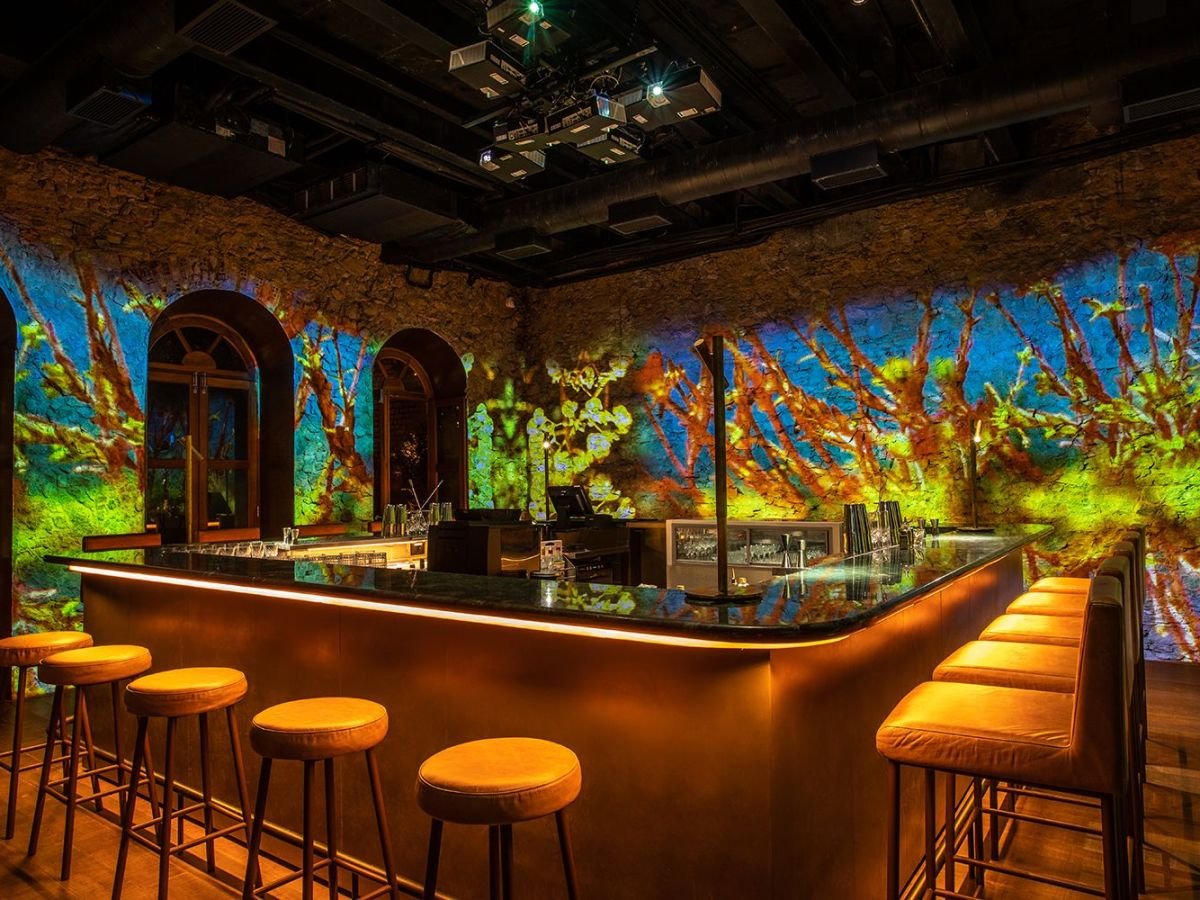
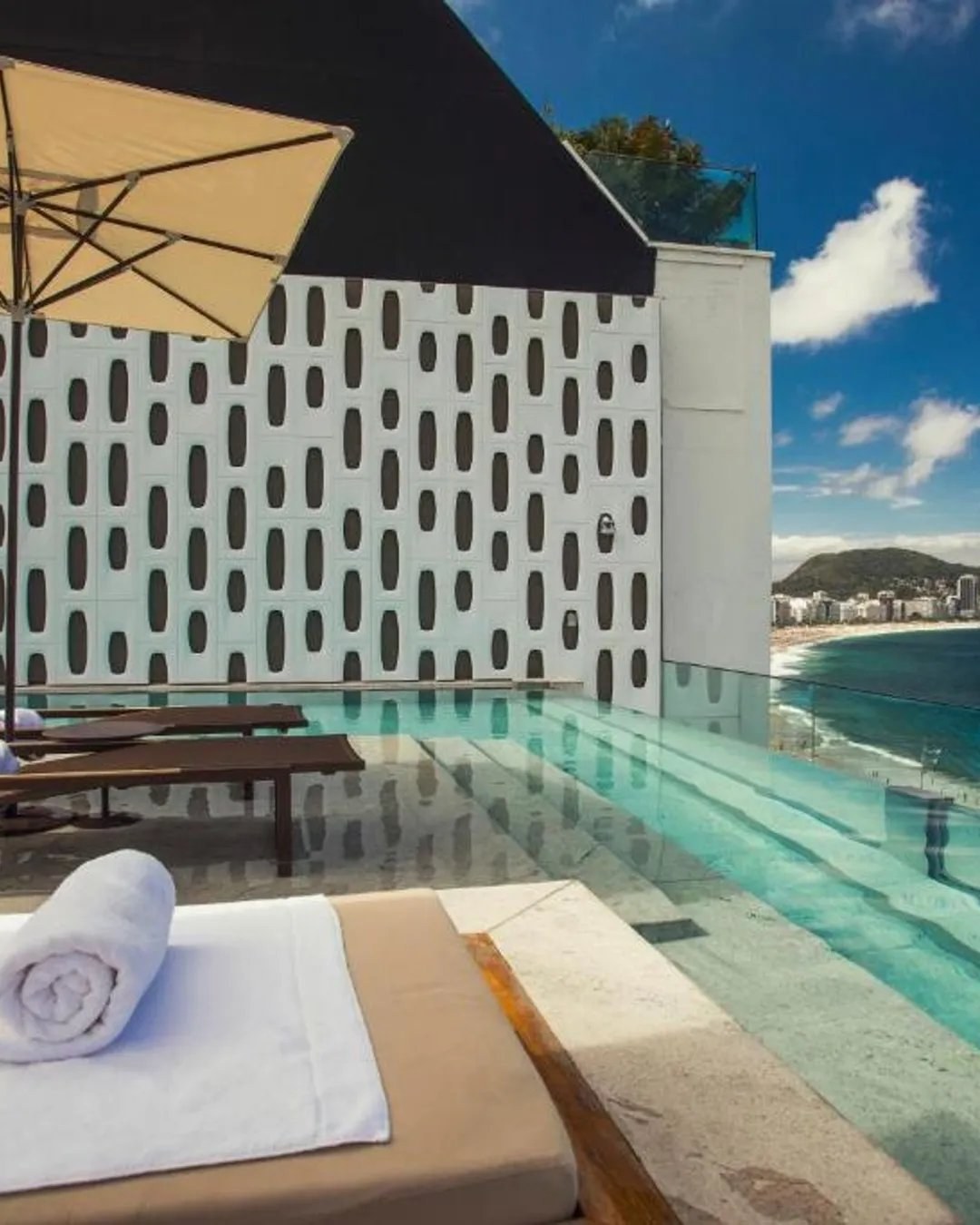
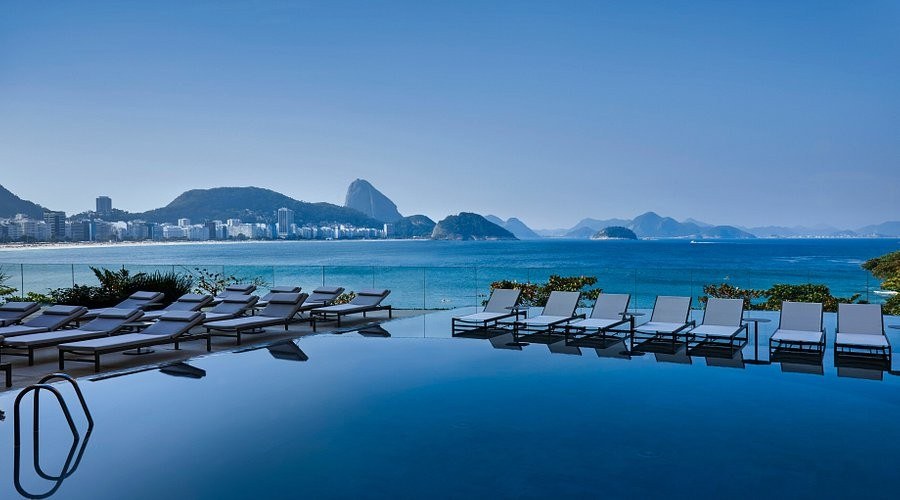
Open-air space with natural Rio charms, good music from DJs, lively atmosphere perfect for gathering friends.
Tags
Vibe
Best For
Experience
Format
At the Bar
- Bar Category
- Lounge
- Late Night
- Open Until 2am
- Music
- Dj Sets
- Live Music
- Yes
Know before you go
Know Before You Go
- Getting there
- Praça Santos Dumont, 31 - Gávea, Rio de Janeiro - RJ, 22470-060, Brazil
Planning details
Location
Praça Santos Dumont, 31 - Gávea, Rio de Janeiro - RJ, 22470-060, Brazil · Directions
Also consider
Also Consider
- Liz Cocktails & Co, Notable alternative
- Elena Horto, Notable alternative
- Pabu Izakaya, Notable alternative
- Rainha, Notable alternative
- The Little Pool Bar, Notable alternative
Bar context
How It Compares
Against Liz Cocktails & Co and Elena Horto, Jockey Club Brasileiro is the less certain choice for drink-led planning. Pick it when the Gávea setting and larger occasion matter more than knowing the cocktail program in advance; choose Liz Cocktails & Co or Elena Horto when the bar itself needs to carry the night.
Pabu Izakaya is the cleaner cross-shop for guests who want a more defined food-and-drink format, while Rainha is a safer pick if the goal is an easier bar-first plan. Jockey Club Brasileiro has the advantage for scale and occasion, but it gives less upfront guidance on value for money.
If ambiance is the deciding factor, compare it with The Little Pool Bar. The Little Pool Bar reads more clearly as a leisure-drinks choice; Jockey Club Brasileiro is better for guests who want a grander Gávea address and are comfortable with fewer published practical details.
Explore Rio de Janeiro
Around this place
Discover more on Pearl
Unlock the full Jockey Club Brasileiro guide in Pearl, including awards, comparisons, FAQs, planning details, and nearby places.
Compare Jockey Club Brasileiro
| Venue | Location | Awards |
|---|---|---|
| Jockey Club Brasileiro | Rio de Janeiro | No published awards |
| Liz Cocktails & Co | Rio de Janeiro | No published awards |
| Elena Horto | Rio de Janeiro | Star Wine Lists 2026Top 500 Bars 2025 · #426 |
| Pabu Izakaya | Rio de Janeiro | No published awards |
| Rainha | Rio de Janeiro | No published awards |
| The Little Pool Bar | Rio de Janeiro | No published awards |


How Jockey Club Brasileiro Rio de Janeiro compares with similar nearby venues.
FAQ
Frequently Asked Questions
Does Jockey Club Brasileiro have happy hour deals?
Is Jockey Club Brasileiro good for a date?
It may work for a date if the venue itself fits your plans, but specific atmosphere, seating, food, drink, or pricing details are not available. Jockey Club Brasileiro is in Rio de Janeiro and has a smart casual dress code.
What's the crowd like at Jockey Club Brasileiro?
The crowd profile is not available. If the expected atmosphere matters, check current official venue information or recent firsthand sources before going.
Is the food good at Jockey Club Brasileiro?
Details regarding food are not available, preventing an assessment of cuisine, menu, dishes, or dining value. Confirm directly with the venue if food is central to your visit.
Do I need a reservation at Jockey Club Brasileiro?
Reservation requirements are not available. If you are planning a specific date, time, or group visit in Rio de Janeiro, check directly with Jockey Club Brasileiro before you go.