Birosca S2
Santa Tereza, Belo Horizonte
Restaurant in Belo Horizonte, Brazil
 Book with Pearl
The Read
Dress
Casual
Why go
Birosca S2 is worth considering for an easy Lourdes meal in Belo Horizonte, especially when flexibility matters more than a formal restaurant checklist. With regular Tuesday-to-Saturday hours and a shorter Sunday lunch window, it fits casual plans better than occasion dining; compare with Glouton or Taste-Vin if the night needs more structure.
About Birosca S2
Birosca S2 is a casual option in Belo Horizonte, open Tuesday to Sunday and closed on Monday. It can fit a midday, afternoon, or evening plan depending on the day.
This guide frames Birosca S2 as a direct planning choice rather than a trophy-dinner recommendation. Start with the schedule: Tuesday through Saturday from 12–11 PM, Sunday from 12–4 PM, and closed Monday. For comparison, consider other dining options such as Glouton, Taste-Vin, Cozinha Tupis, Demae Culinária Japonesa, or Yakan based on the kind of meal you want to plan.
Choose it for an easier Belo Horizonte meal, not for a trophy dinner
Describe Birosca S2 in modest, practical terms: a casual Belo Horizonte venue with clear hours and a relaxed dress code. If your plans depend on a specific cuisine, tasting format, dietary accommodation, or special-occasion structure, check the venue directly before committing.
For travelers mapping dining choices, keep Birosca S2 in the casual Belo Horizonte lane and compare it with other named options such as Cozinha Tupis, Demae Culinária Japonesa, Glouton, Taste-Vin, and Yakan. If the plan extends beyond dinner, pair the restaurant search with a broader Belo Horizonte hotel plan and Our full Belo Horizonte bars guide.
The practical call: use the hours first
The cleanest planning move is to start with the published schedule. Birosca S2 is open Tuesday through Saturday from 12–11 PM, which gives the most flexibility for a midday, afternoon, or evening visit. Sunday is shorter, from 12–4 PM, and Monday is closed. Quick reference: choose Birosca S2 when a casual Belo Horizonte stop fits the day's timing; choose another option when you need a more specifically defined dining experience.
Planning details
- Location
- R. São Paulo, 2003 - Lourdes, Belo Horizonte - MG, 30170-132, Brazil
- Website
- instagram.com/biroscas2
- Phone
- +55 31 99957 7267
The take
The Take
The Vibe
Birosca S2 presents a small, informal take on Mineiro cooking that privileges local sourcing and modest scale over formality. The dining room reads like a neighbourhood counter where regulars set the rhythm: deliberate, unhurried and comfortably intimate. The kitchen’s focus on Minas Gerais products — farmhouse cheeses, regional pork and fermented condiments — gives the place a rustic, terroir-forward character rather than a polished, cosmopolitan sheen. It feels like a neighborhood stop that takes the state’s culinary identity seriously, leaning into the unfussy, ingredient-led traditions of Belo Horizonte rather than spectacle.
Best For
This is a neighbourhood spot built for locals and anyone seeking authentic Minas Gerais flavors in an unpretentious setting. Because the birosca format favors counter service and a modest footprint, it suits solo diners, regulars dropping by for a dependable meal, and small, informal gatherings rather than large parties or formal celebrations. The atmosphere is deliberate and conversational, making it a good choice for a low-key dinner that centers on regional ingredients and traditional preparations rather than a staged dining event.
Ordering Tips
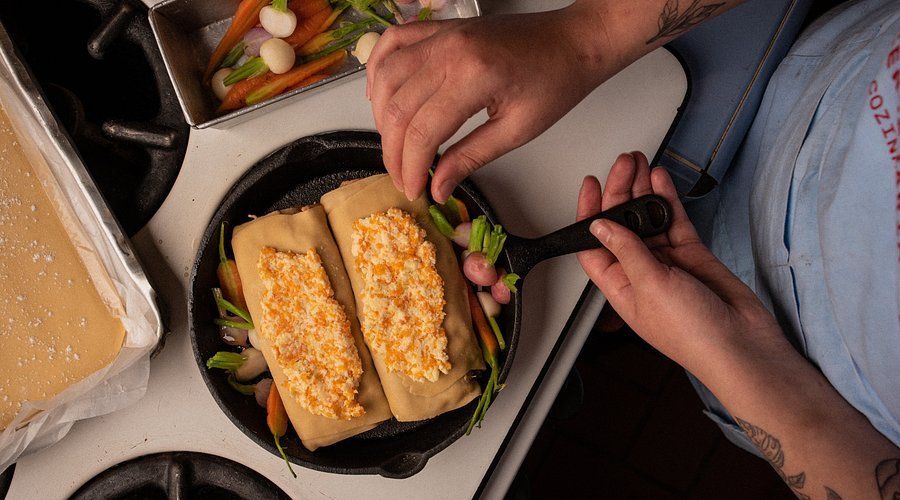
Focus on the house specialties and the regionally sourced ingredients that the menu highlights. The venue’s signature dishes — prawn pie, lamb lasagna and turkey neck — are logical starting points because they represent the kitchen’s approach to Mineiro flavors. Given the place’s artisanal, farmhouse emphasis (noted cheeses, pork and fermented condiments), look for dishes that showcase those products and ask about daily preparations or cheviches that use local produce. Expect a straightforward, ingredient-forward presentation rather than elaborate tasting menus.
Venue details
Ambiance
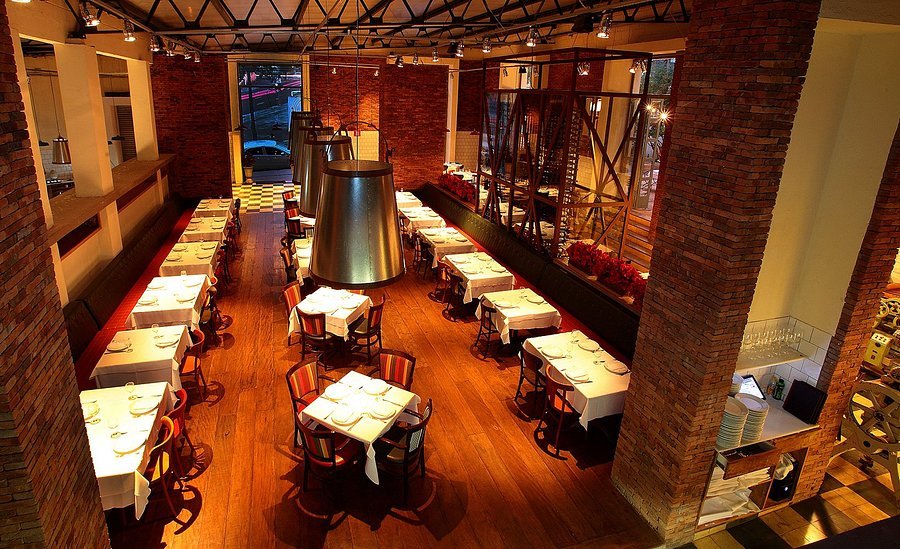
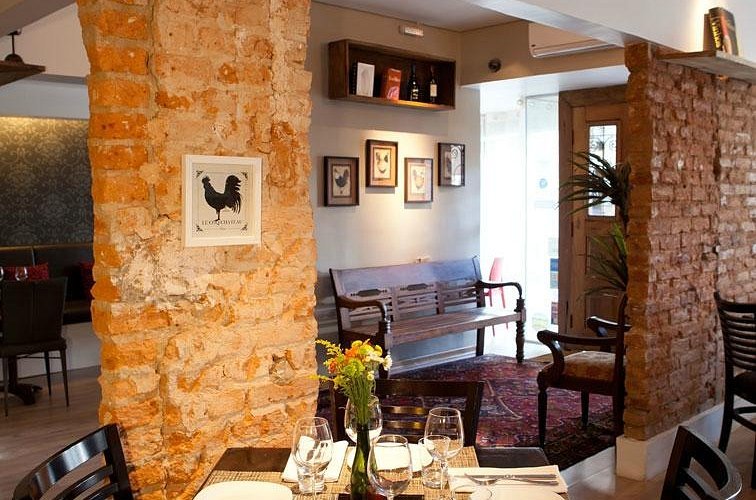
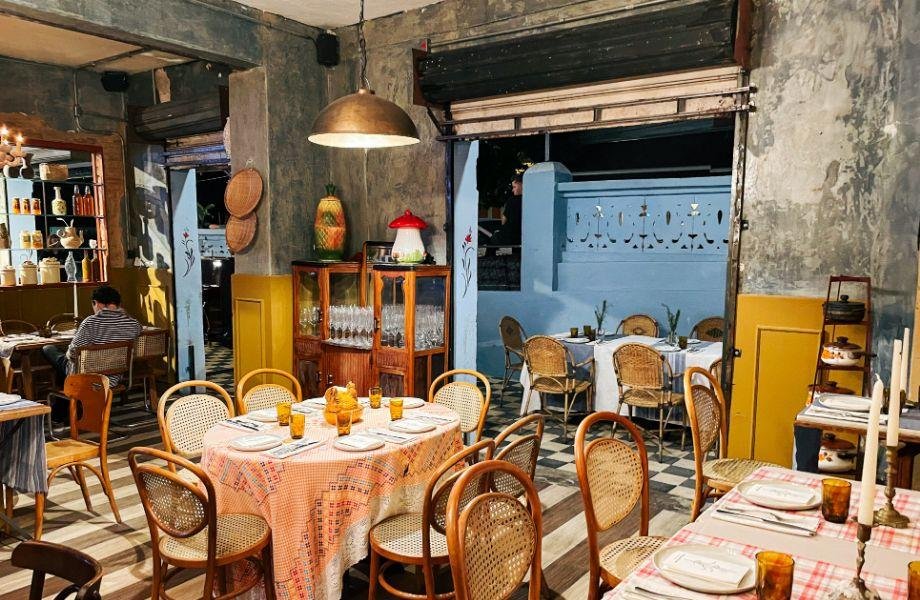
Bright jewel box dining room with holiday souvenir decor, mismatched chairs, antique tables, and cozy homey atmosphere.
Tags
Vibe
Best For
Experience
Sourcing
Accessibility
At the Table
- Dress Code
- Casual
- Noise Level
- Conversational
- Service Style
- Upscale Casual
- Meal Pacing
- Leisurely
- Capacity
- Small
Signature Dishes
- prawn pie
- lamb lasagna
- turkey neck
Know before you go
Know Before You Go
- Getting there
- R. São Paulo, 2003 - Lourdes, Belo Horizonte - MG, 30170-132, Brazil
Planning details
Location
R. São Paulo, 2003 - Lourdes, Belo Horizonte - MG, 30170-132, Brazil · Directions
Also consider
Where to book if this does not fit
If the meal needs more occasion weight, cross-shop Glouton. If the group wants a more clearly local Belo Horizonte angle, try Cozinha Tupis. For Japanese food, Demae Culinária Japonesa is the cleaner alternative.
Restaurant context
How Birosca S2 compares in Belo Horizonte
Birosca S2 is the easier, more casual call in this set. Choose Glouton when the meal needs more occasion energy, and choose Taste-Vin when a classic, more formal restaurant mood is the priority. Birosca S2 makes more sense when convenience and a relaxed Lourdes plan matter more than ceremony.
Cozinha Tupis is the better cross-shop for diners who want a clearer Belo Horizonte food identity, while Yakan and Demae Culinária Japonesa are stronger fits when the group has a specific Japanese direction in mind. If the booking brief is flexible and neighborhood-led, Birosca S2 is the lower-pressure option.
For value, the honest read is that Birosca S2 is easier to justify for a casual meal than for a splurge, because no formal price tier or awards profile is part of the decision. For booking difficulty, treat it as easier than the more destination-coded peers in this group, especially for lunch or a midweek plan.
Explore Belo Horizonte
Around this place
Discover more on Pearl
Unlock the full Birosca S2 guide in Pearl, including awards, comparisons, FAQs, planning details, and nearby places.
Compare Birosca S2
| Venue | Location | Awards |
|---|---|---|
| Birosca S2 | Belo Horizonte | No published awards |
| Glouton | Belo Horizonte | No published awards |
| Taste-Vin | Belo Horizonte | No published awards |
| Cozinha Tupis | Belo Horizonte | No published awards |
| Yakan | Belo Horizonte | No published awards |
| Demae Culinária Japonesa | Belo Horizonte | No published awards |
How Birosca S2 Belo Horizonte compares with similar nearby venues.
FAQ
Frequently Asked Questions
What are alternatives to Birosca S2?
Other options to compare include Glouton, Taste-Vin, Cozinha Tupis, Demae Culinária Japonesa, and Yakan. Choose based on the kind of meal you want, and confirm current details directly with each venue.
Does Birosca S2 handle dietary restrictions?
If dietary restrictions matter for your visit, check Birosca S2's official channels before you go.
Can Birosca S2 accommodate groups?
If you are planning for a group, contact Birosca S2 directly and use the hours as a starting point: Tuesday through Saturday from 12–11 PM, Sunday from 12–4 PM, and closed Monday.
What should I wear to Birosca S2?
The dress code is casual. A relaxed, neat outfit should fit the stated dress code for Birosca S2.
Is midday or evening better at Birosca S2?
Use the hours to decide. Tuesday through Saturday, Birosca S2 is open from 12–11 PM, so both midday and evening plans can work. Sunday is shorter, from 12–4 PM, and Monday is closed.