
San Omakase
Japanese · Leblon, Rio de Janeiro
Restaurant in Rio de Janeiro, Brazil
 Book with Pearl
The Read
Leblon Counter Precision
Dress
Smart Casual
Why go
San Omakase holds back-to-back Michelin stars (2024 and 2025) and a perfect, making it Rio de Janeiro's reference point for Japanese omakase. The Leblon counter is the hardest reservation in the city's Japanese dining category. Book at least four weeks ahead, commit to a full evening, and know that the $$$$ price is justified if this is your format.
About San Omakase
Verdict
San Omakase is one of the hardest reservations in Rio de Janeiro, and it earns that status. Back-to-back Michelin stars in 2024 and 2025 confirm what regular diners already know: this is the reference point for Japanese omakase in the city. If you are visiting Leblon and want a single high-stakes dinner, this is the booking to chase. The difficulty of getting a table is real, the price is at the top of Rio's dining tier, and the format demands a full evening commitment. All of that is worth it, provided Japanese counter dining is your format. If you want modern Brazilian at the same price point, Oteque or Lasai are strong alternatives. But for precision Japanese cuisine in Rio, nothing else is close.
The Counter Experience
The omakase counter is the reason to book San Omakase. Sitting directly in front of chef Laurent Cherchi, you get a real-time view of every cut, every placement, every decision. This is not the kind of dining where food arrives from a kitchen you will never see. The visual rhythm of an omakase counter, watching a piece of fish being prepared centimetres away, is part of the meal's value. If you have already been once and sat at the counter, you already know this. What changes on a return visit is that you stop being distracted by the novelty and start paying attention to the sequencing, the pacing between courses, and the way the menu builds.
For repeat visitors, the counter seat remains the right call. Avoid requesting any table away from the chef's line of sight if alternatives exist. The whole point of an omakase format at this level is the proximity. Compare this to counter experiences at Myojaku or Azabu Kadowaki in Tokyo, where the counter is equally central to the experience. San Omakase operates in that same register, which makes it notable within Brazil and genuinely competitive by international standards for the format.
Portrait
San Omakase sits on Rua Conde de Bernadotte in Leblon, one of Rio's most concentrated blocks of serious dining. The address puts it in easy reach of the neighbourhood's hotels and the broader Zona Sul, though getting here is direct compared to getting a table.
Chef Laurent Cherchi leads the kitchen. The cuisine is Japanese, the format is omakase, and the price range sits at the top of Rio's market. Two consecutive Michelin stars, the first awarded in 2024 and confirmed again in 2025, establish San Omakase within Brazil's most decorated dining tier. For context on how rare that consistency is in Brazil, the country's Michelin-starred restaurants are concentrated heavily in São Paulo, with venues like D.O.M. setting the benchmark. Rio's Michelin presence is smaller, making San Omakase's consecutive recognition more significant, not less.
Leblon as a neighbourhood adds practical value for a dinner of this kind. You will find accommodation options, bars for a pre-dinner drink, and Ipanema adjacent if you want to extend the evening. See our full Rio de Janeiro hotels guide and our full Rio de Janeiro bars guide for options near the restaurant. The broader dining context in Rio is covered in our full Rio de Janeiro restaurants guide.
For those exploring beyond Rio, the Michelin-starred tier across Brazil includes standouts in Salvador and Campos do Jordão, and regional cooking worth the detour in Belo Horizonte and Itacaré. Closer to Rio's Japanese dining category, Sushi Leblon and Haru Sushi Bar are the accessible alternatives for Japanese in the same neighbourhood, at lower price points and with considerably easier booking windows.
Booking
Getting into San Omakase requires planning well ahead of your visit. Omakase formats by design run limited covers per service, which compresses availability further. If you are visiting Rio with a specific date in mind, treat this as the first reservation you make, not the last. Book at least three to four weeks out as a starting assumption. For peak travel periods around Carnival or the summer high season (December to February in Brazil), extend that window significantly. Walk-in availability is unlikely at a venue of this profile and format. Booking difficulty is rated Hard.
Practical Details
| Detail | San Omakase | Oteque | Lasai |
|---|---|---|---|
| Cuisine | Japanese (Omakase) | Modern Brazilian | Regional Brazilian |
| Price range | $$$$ | $$$$ | $$$$ |
| Awards | Michelin 1 Star (2024, 2025) | Michelin starred | Michelin starred |
| Booking difficulty | Hard | Hard | Hard |
| Format | Counter omakase | Tasting menu | Tasting menu |
| Neighbourhood | Leblon | Botafogo | Santa Teresa |
For a broader view of Rio's dining, experiences, and wine options, see our full Rio de Janeiro experiences guide and our full Rio de Janeiro wineries guide. If you are also researching regional Brazilian cooking as part of a wider Brazil trip, the contrast with San Omakase's Japanese format illustrates how far Rio's serious dining spans stylistically.
Planning details
- Hours
- Monday: Closed · Tuesday: 8–10 PM
- Location
- Rua Conde de Bernadotte, 26 - Leblon, Rio de Janeiro - RJ, 22430-200, Brazil
- Reservations
- Book on Tock
- Website
- exploretock.com/san-omakase
- Phone
- +55 21 2112-5199
The take
The Take
The Vibe
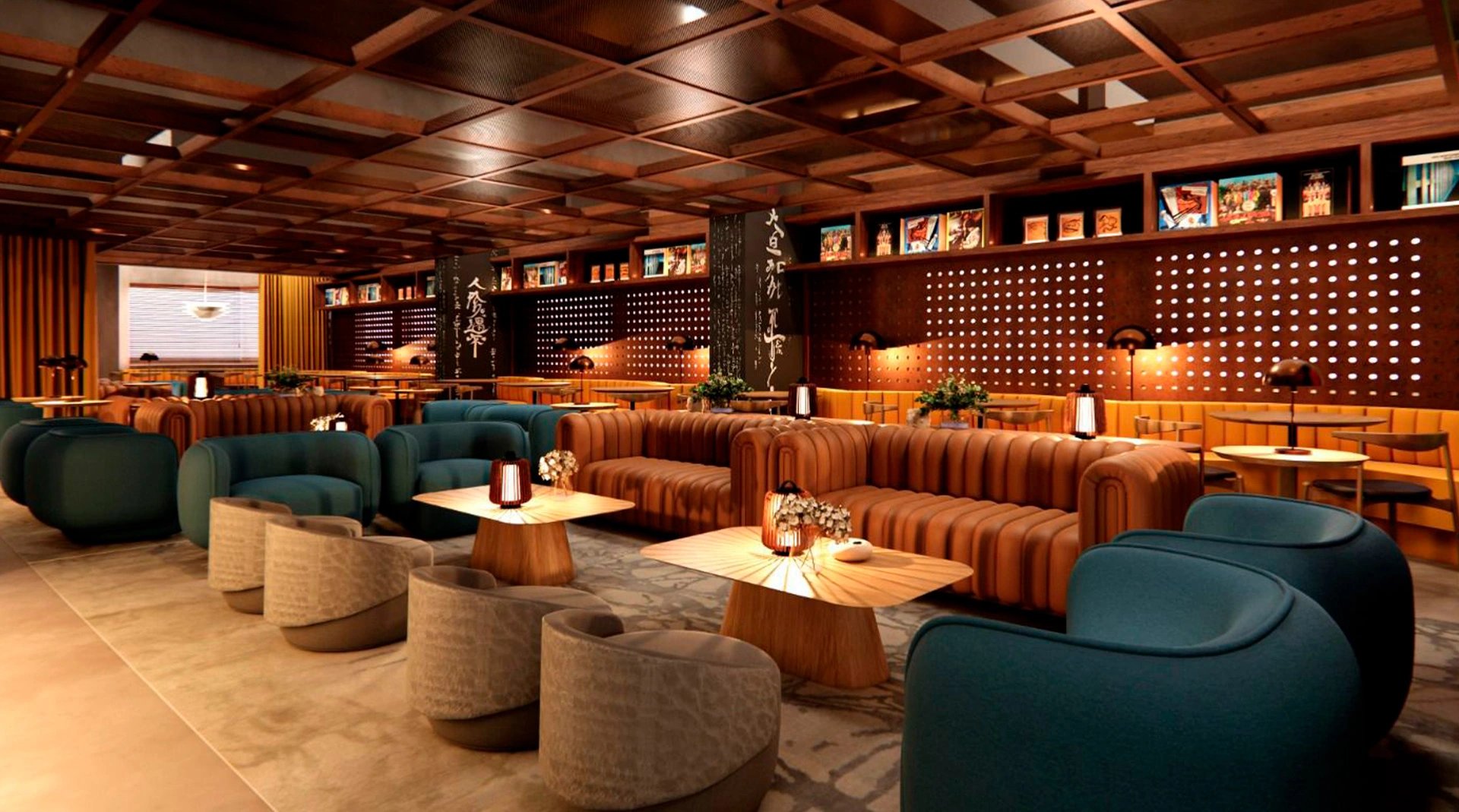
San Omakase presents a disciplined, counter-focused atmosphere that deliberately offsets Leblon’s long, social evenings. The room privileges sequence and attention: service unfolds at a measured tempo controlled by the chefs rather than by diners lingering over cocktails. That concentrated approach reads as quiet and pared-back, with an emphasis on technical precision and timing borrowed from Tokyo omakase traditions. The result is a serious, refined setting where the choreography between chef and diner takes center stage, and background socializing gives way to close observation of each course and the hands that prepare it.
Best For
This is a restaurant for diners who want to hand over the night to the chef: couples and small parties seeking a focused, memorable meal, often for date night or a special occasion, will find it especially rewarding. The counter format encourages close interaction with the kitchen and a rhythmic progression of dishes, so it suits guests who want an immersive, course-by-course experience rather than a long cocktail-led evening. If you value technical mastery, precise pacing and the dramaturgy of an omakase sequence, San Omakase is geared to that intent.
Ordering Tips
San Omakase operates as a traditional omakase: expect the chefs to set the menu and the timing, with courses presented in a fixed sequence and many elements unannounced. The dining experience privileges the transfer of choice to the kitchen, so come ready to follow the chef’s rhythm rather than directing the meal. Look out for signature highlights (Otoro nigiri, A5 wagyu gyoza and the tree dessert) within the progression. Given the format’s emphasis on pacing, avoid treating the meal like a long cocktail night; the design of the room rewards attention to each course.
Venue details
Ambiance
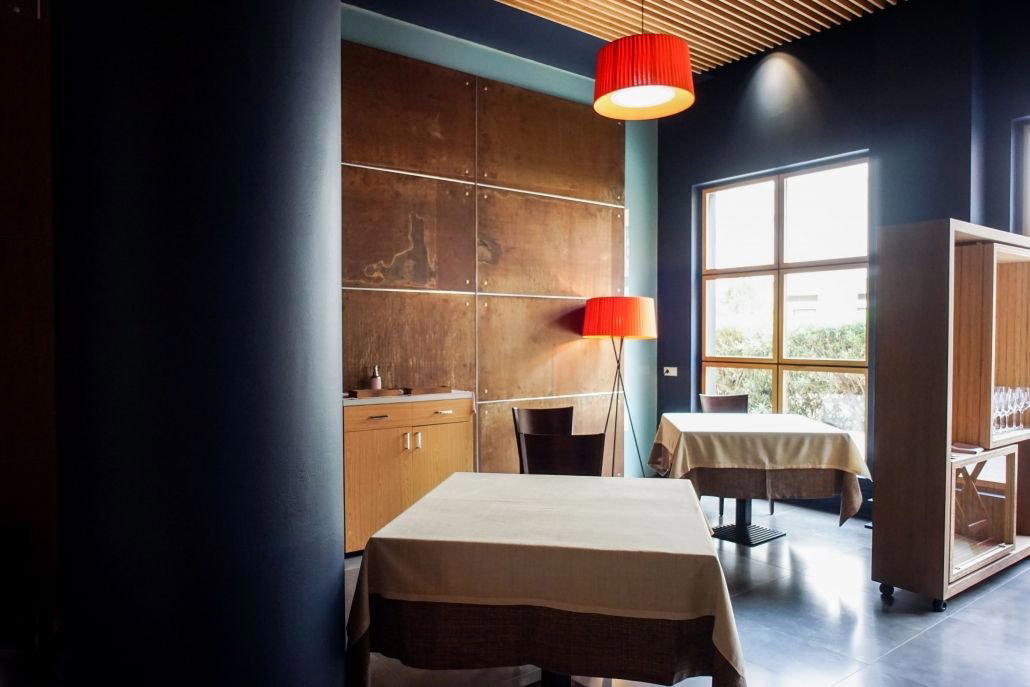
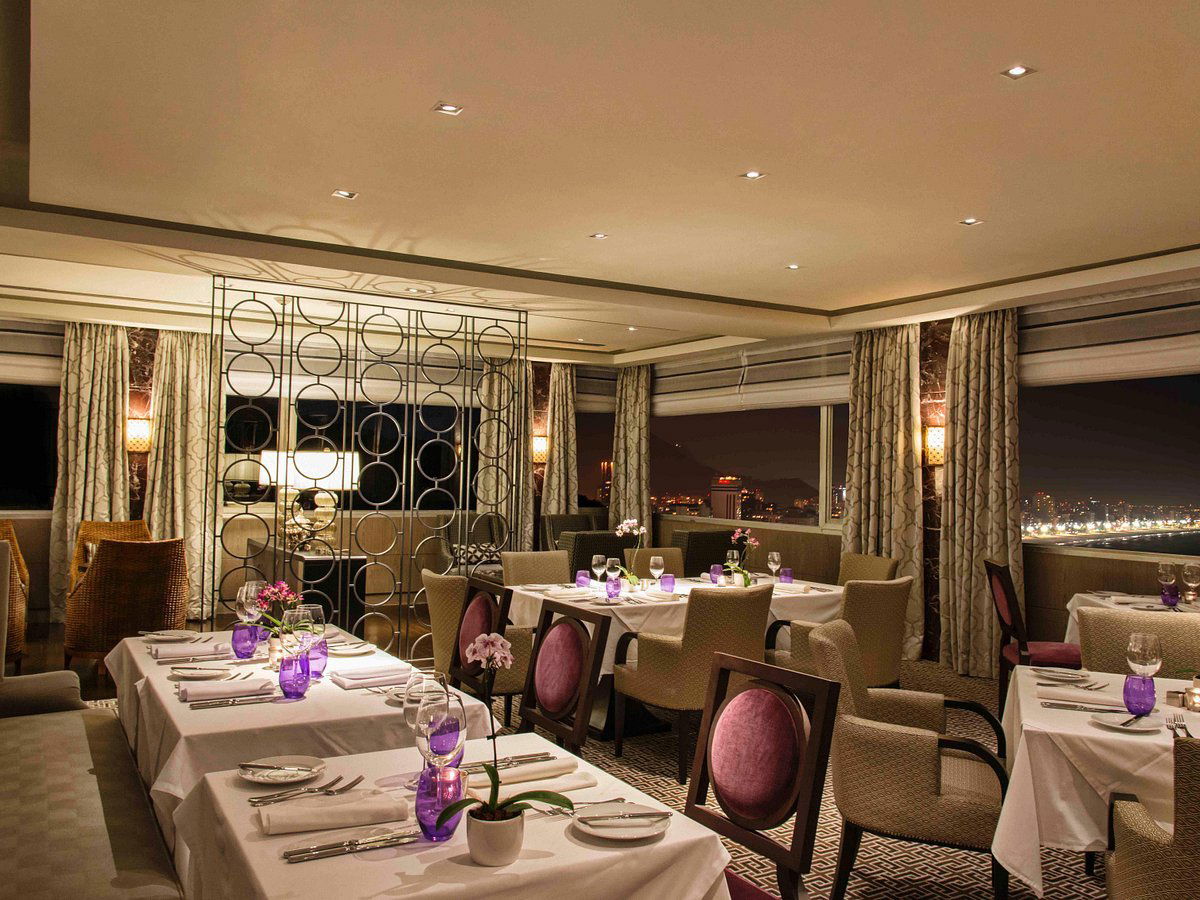
Elegant and immersive with a clean, sophisticated mood focused on the chef's counter and Japanese hospitality.
Tags
Vibe
Best For
Experience
At the Table
- Dress Code
- Smart Casual
- Noise Level
- Quiet
- Service Style
- Omakase Bar
- Meal Pacing
- Extended Experience
- Capacity
- Intimate
- Kitchen
- Traditional
- Menu Format
- Omakase, Counter dining
- Drinks Focus
- Sake
Signature Dishes
- Otoro nigiri
- A5 wagyu gyoza
- tree dessert
Know before you go
Know Before You Go
- Getting there
- Rua Conde de Bernadotte, 26 - Leblon, Rio de Janeiro - RJ, 22430-200, Brazil
Planning details
Hours
- Monday
- Closed
- Tuesday
- 8–10 PM
- Wednesday
- 8–10 PM
- Thursday
- 8–10 PM
- Friday
- 7–11:30 PM
- Saturday
- 7–11:30 PM
- Sunday
- Closed
Location
Rua Conde de Bernadotte, 26 - Leblon, Rio de Janeiro - RJ, 22430-200, Brazil · Directions
Recognition and awards
Restaurant context
At $$$$ across the board, San Omakase, Oteque, and Lasai are Rio's three most decorated restaurants and all demand advance planning. The decision between them comes down to format and cuisine preference rather than price or quality tier. San Omakase gives you a Japanese counter experience with chef-led sequencing and no ordering decisions. Oteque and Lasai give you contemporary and regional Brazilian tasting menus respectively. If your priority is experiencing something you cannot get in Europe or North America, Lasai's Brazilian regional sourcing or Oteque's modern Brazilian cooking make the stronger case. If you specifically want omakase, San Omakase is the only Michelin-starred option in Rio at this level.
Oro sits alongside these three at $$$$ and blends contemporary Italian and Brazilian influences, which makes it the better pick if you want a tasting menu that combines European technique with local produce in a less rigorous format than omakase. Mee covers Asian influences at $$$$ and is worth considering if you want Asian cuisine at a lower commitment level than omakase, though it does not carry Michelin recognition. For anyone unwilling to commit to a $$$$ spend, Lilia drops to $$ for Italian and Brazilian cooking and is the obvious option for a lighter evening out in Rio without the booking pressure.
On booking difficulty, all four $$$$ venues require advance planning, but San Omakase's limited omakase covers make it the tightest window. If your travel dates are fixed and you cannot guarantee a reservation far enough out, Oro or Lasai give you the next-best chance at a serious Leblon-area dinner at comparable price points. San Omakase is the right call for a planned occasion where Japanese counter dining is the goal. For spontaneous or last-minute bookings at the top end of Rio's dining, look to Oteque or Oro first.
Explore Rio de Janeiro
Around this place
Discover more on Pearl
Unlock the full San Omakase guide in Pearl, including awards, comparisons, FAQs, planning details, and nearby places.
Compare San Omakase
| Venue | Price | Booking Difficulty | Awards |
|---|---|---|---|
| San Omakase | $$$$ | Hard | Michelin Guide Rio de Janeiro & Sao Paulo 20262025 Michelin 1 Star2024 Michelin 1 Star |
| Oteque | $$$$ | Unknown | 2026 OAD Top Restaurants in South America Ranked · #14Michelin Guide Rio de Janeiro & Sao Paulo 20262026 La Liste Top Restaurants2025 OAD Top Restaurants in South America Ranked · #122025 Latin America's 50 Best Restaurants · #382025 World's 50 Best Restaurants · #812025 The Best Chef Two Knives2025 Michelin 1 Star2025 La Liste Top Restaurants |
| Lasai | $$$$ | Unknown | 2026 OAD Top Restaurants in South America Ranked · #12Michelin Guide Rio de Janeiro & Sao Paulo 20262026 La Liste Top Restaurants2025 OAD Top Restaurants in South America Ranked · #72025 Latin America's 50 Best Restaurants · #132025 World's 50 Best Restaurants · #282025 Michelin 2 Stars2025 The Best Chef Two Knives2025 La Liste Top Restaurants |
| Oro | $$$$ | Unknown | 2026 OAD Top Restaurants in South America Ranked · #63Michelin Guide Rio de Janeiro & Sao Paulo 20262026 La Liste Top Restaurants2025 The Best Chef One Knife2025 La Liste Top Restaurants2025 OAD Top Restaurants in South America2025 Michelin 2 Stars2024 OAD Top Restaurants in South America Ranked · #442024 Michelin 2 Stars |
| Lilia | $$ | Unknown | 2026 Eater NY 38 Best Restaurants in New York City · #262026 New York Times Best Restaurants in New York City · #362026 OAD Casual in North America Ranked · #532026 James Beard Award Semifinalists2025 Robb Report 100 Greatest American Restaurants of the 21st Century · #672025 OAD Casual in North America Ranked · #1022025 New York Times Best Restaurants in New York City2024 OAD Casual in North America Ranked · #272023 OAD Gourmet Casual Dining in North America Ranked · #25 |
| Mee | $$$$ | Unknown | Michelin Guide Rio de Janeiro & Sao Paulo 20262025 Michelin 1 Star2024 Michelin 1 Star |











Key differences to consider before you reserve.
FAQ
Frequently Asked Questions
Is San Omakase good for a special occasion?
Yes, and it's one of the stronger cases for it in Rio. Back-to-back Michelin stars in 2024 and 2025, a counter format with direct chef interaction, and a $$$$ price point all signal that this is a destination dinner, not a casual outing. The omakase structure also removes decision fatigue, which suits occasions where the meal itself is the event.
How far ahead should I book San Omakase?
Plan on booking at least four to six weeks in advance, possibly longer if your dates are fixed. Consecutive Michelin star recognition in 2024 and 2025 has pushed demand well beyond what a small omakase counter can absorb. Flexibility on date and time of week gives you a better shot, but last-minute availability is unlikely.
Is San Omakase worth the price?
At $$$$ in a Brazilian dining market where that tier is rare, the bar is high: and the back-to-back Michelin stars (2024, 2025) suggest it clears it. The counter format under chef Laurent Cherchi justifies the spend if omakase is the experience you want. If you're after à la carte Japanese or a shorter meal, the price-to-format fit is less obvious.
What are alternatives to San Omakase in Rio de Janeiro?
Oteque and Lasai are the strongest local alternatives for serious tasting-menu dining, both with their own Michelin recognition. Oro sits in the same high-end bracket and offers a different take on fine dining in Rio. None of the three replicates the omakase counter format, so if that format is what you're after, San Omakase has no direct equivalent in the city.
Can I eat at the bar at San Omakase?
The counter IS the experience at San Omakase: omakase by definition places you directly in front of the chef, so the counter format is the standard booking, not an upgrade or walk-in option. There is no separate bar seating or à la carte menu noted in available records.
What should I order at San Omakase?
Omakase means the kitchen decides, so there is no ordering involved. Chef Laurent Cherchi sets the progression for all guests. At $$$$ with two Michelin stars behind the format, the menu is the product: arrive without a fixed agenda and let the sequence run.
Is the tasting menu worth it at San Omakase?
Given the back-to-back Michelin stars (2024 and 2025) and the counter-focused omakase format, the tasting menu is the entire reason to book. There is no other format on offer. At the $$$$ price range, it competes with the top tier of Rio fine dining, and the Michelin consistency over two consecutive years supports the value case.