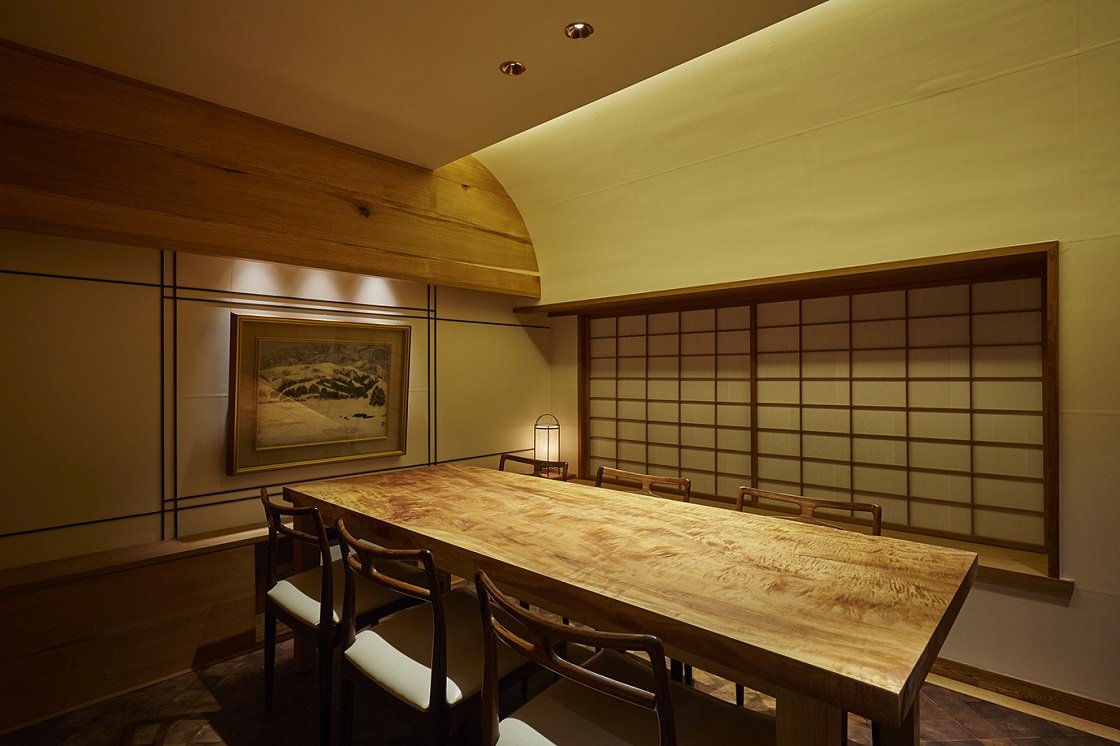

Tenjimbashi Aoki
Japanese · Kita, Osaka
Restaurant in Osaka, Japan
 Book with Pearl
The Read
Seasonal Kaiseki Ceremony
Price
$200–300per person
Dress
Smart Casual
Why go
Two Michelin stars in consecutive years and a sukiya interior built around Japan's seasonal calendar make Tenjimbashi Aoki one of Osaka's most considered kaiseki experiences. At ¥¥¥¥, it is a commitment: book two to three months out minimum. The reward is a meal where the room, the vessels, and the food are all tracking the same moment in the year.
About Tenjimbashi Aoki
Verdict
Tenjimbashi Aoki holds two Michelin stars in 2024 and 2025: and if you care about the ceremonial side of kaiseki, the physical space, and the way a meal tracks the Japanese calendar, this is one of the most considered dining experiences in Osaka. Book it for a special occasion when you want the full ritual. If you are after traditional Japanese cuisine at a slightly lower price point, Kashiwaya Osaka Senriyama is worth comparing. If the sukiya interior and hyper-seasonal philosophy are what you are here for, Tenjimbashi Aoki is the right call.
Portrait
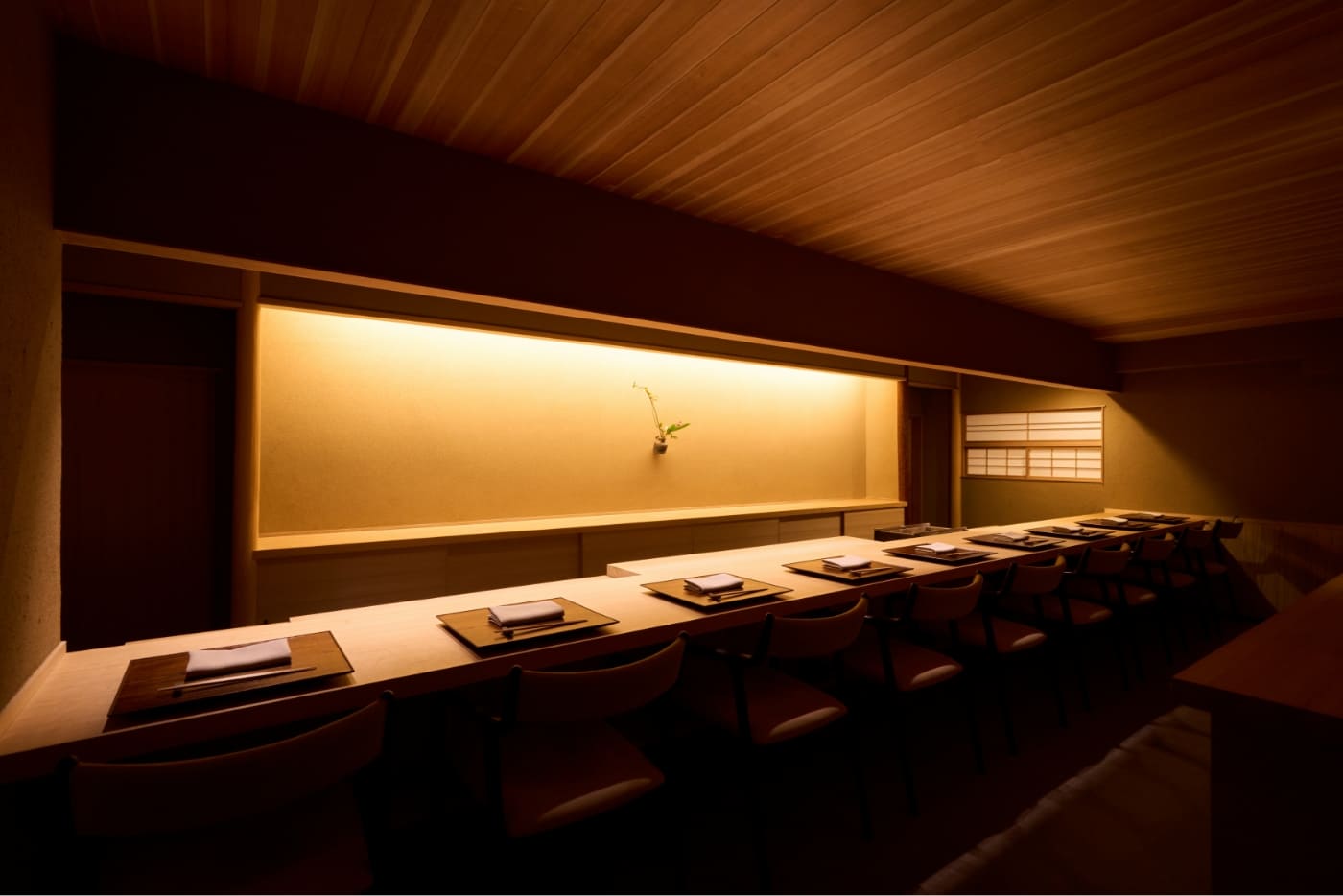
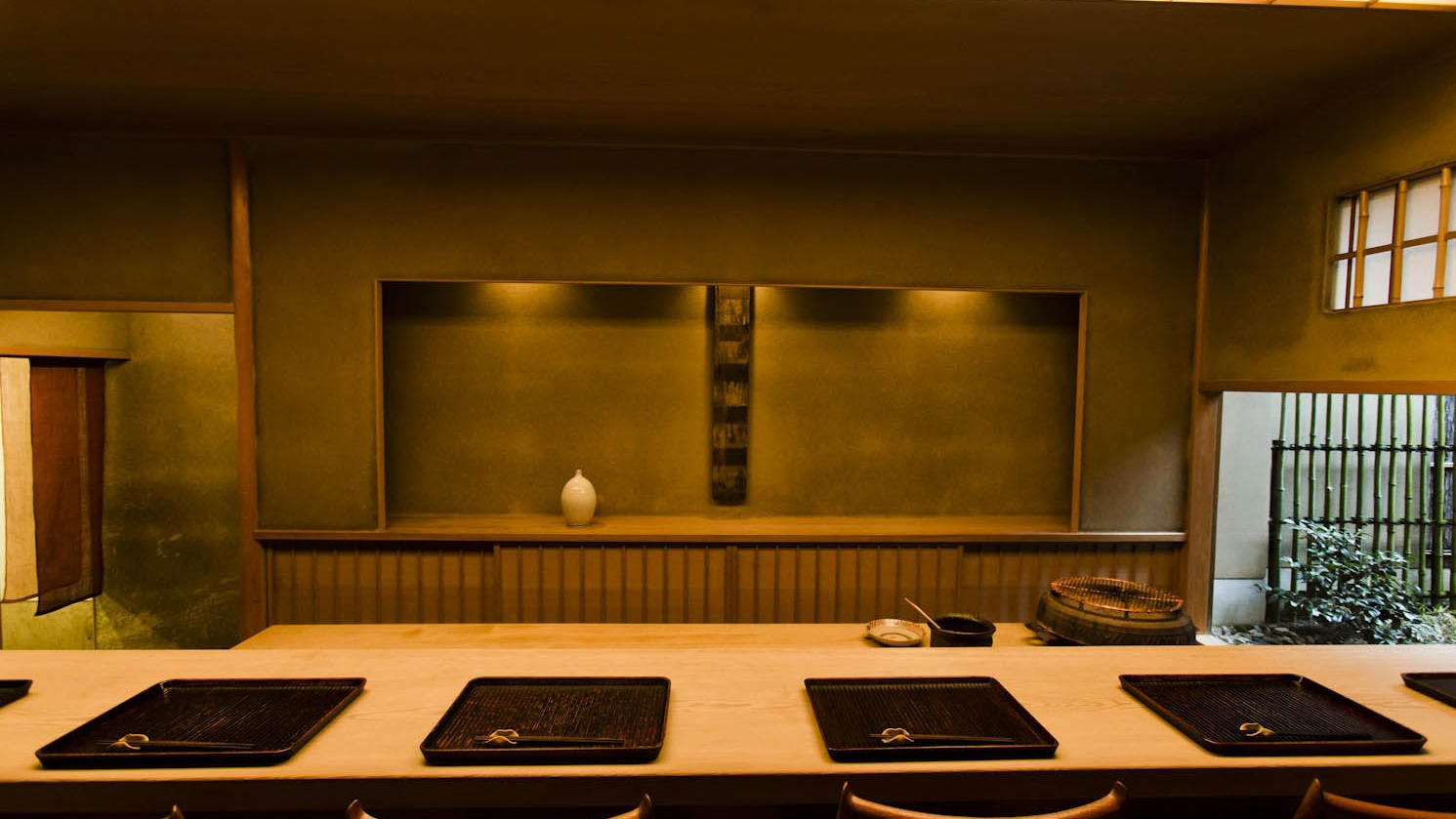
There is a moment, sitting inside a sukiya-style room, when you notice that every element in front of you: the vessel holding your appetiser, the flower placed at the corner of the space, the ingredient on your plate, has been chosen to reflect the same week of the same season. That is the organizing principle at Tenjimbashi Aoki, and it is not a marketing gesture. The chef, who trained in Hozenji Alley under the precise aesthetic codes of Japanese cuisine, grows his own flowers specifically to decorate the dining space. The serving vessels are collected seasonally. The intention is that nothing in the room contradicts the dish, and nothing in the dish contradicts the month.
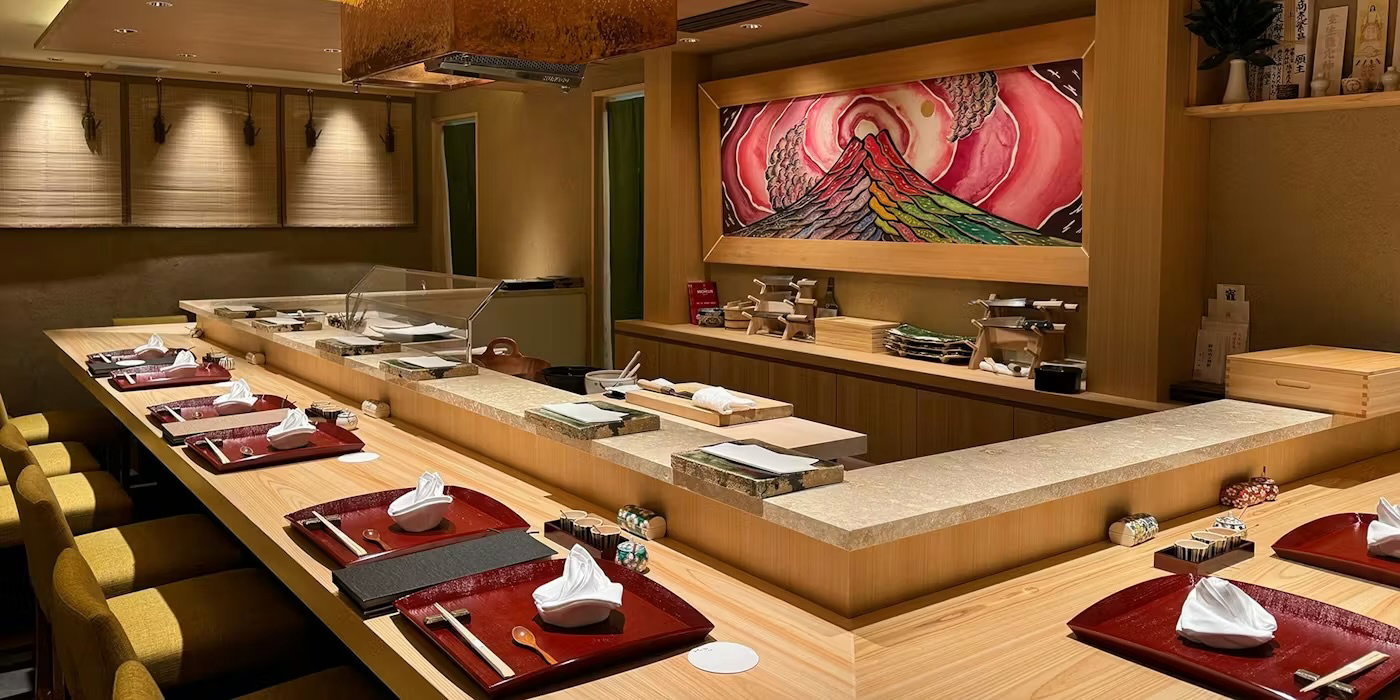
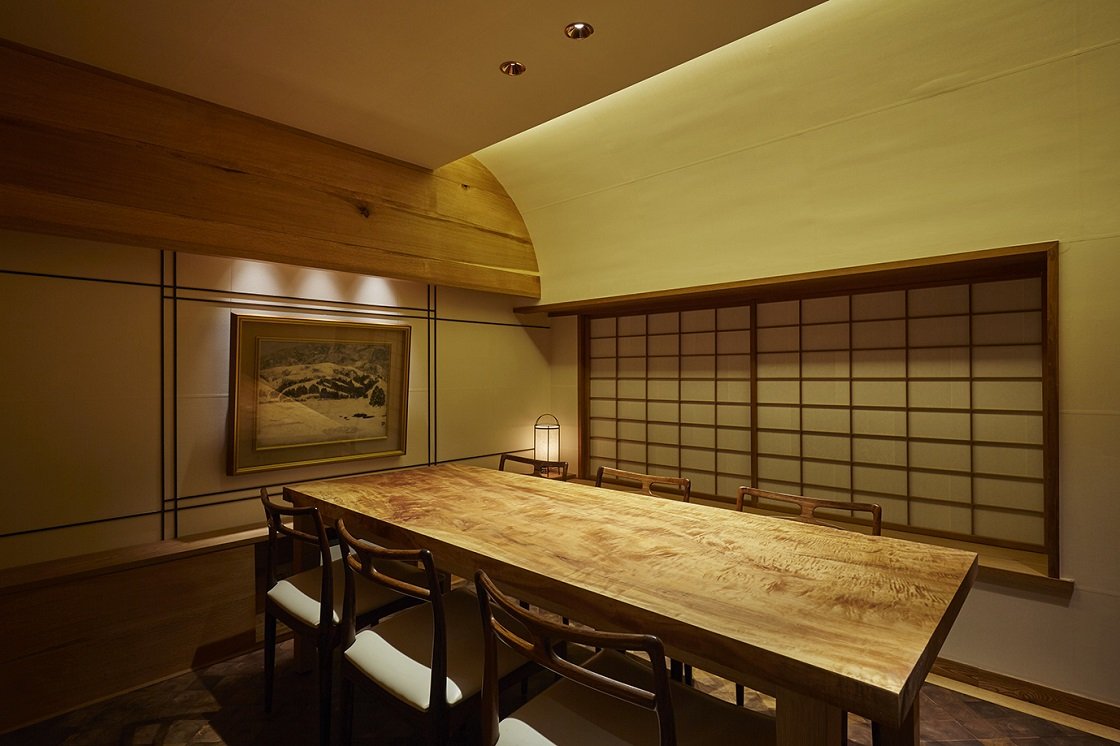
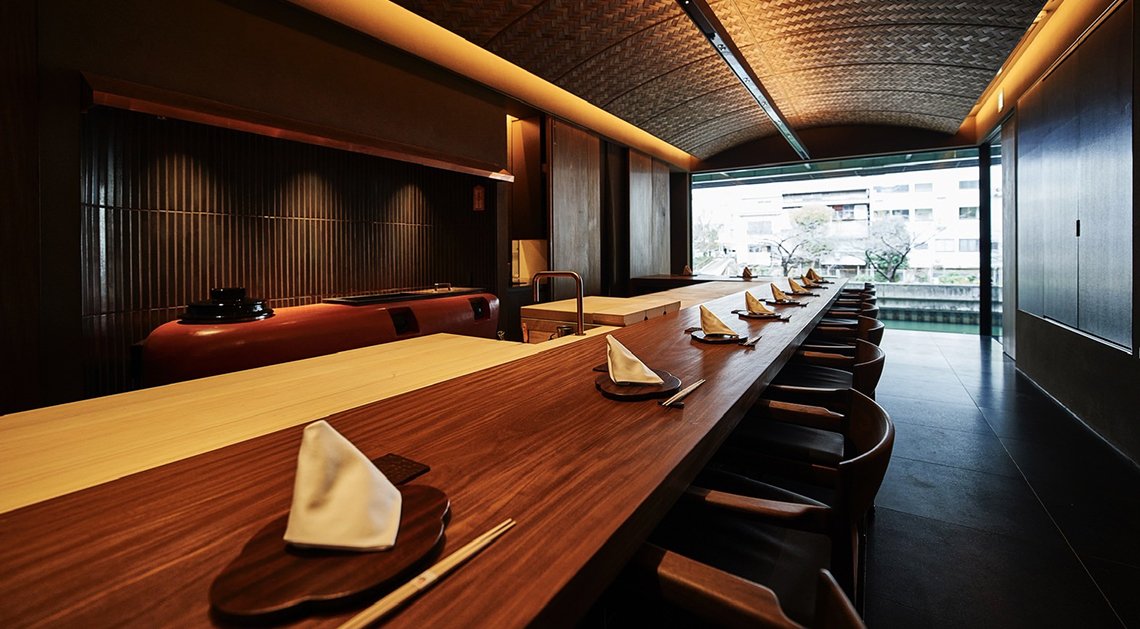
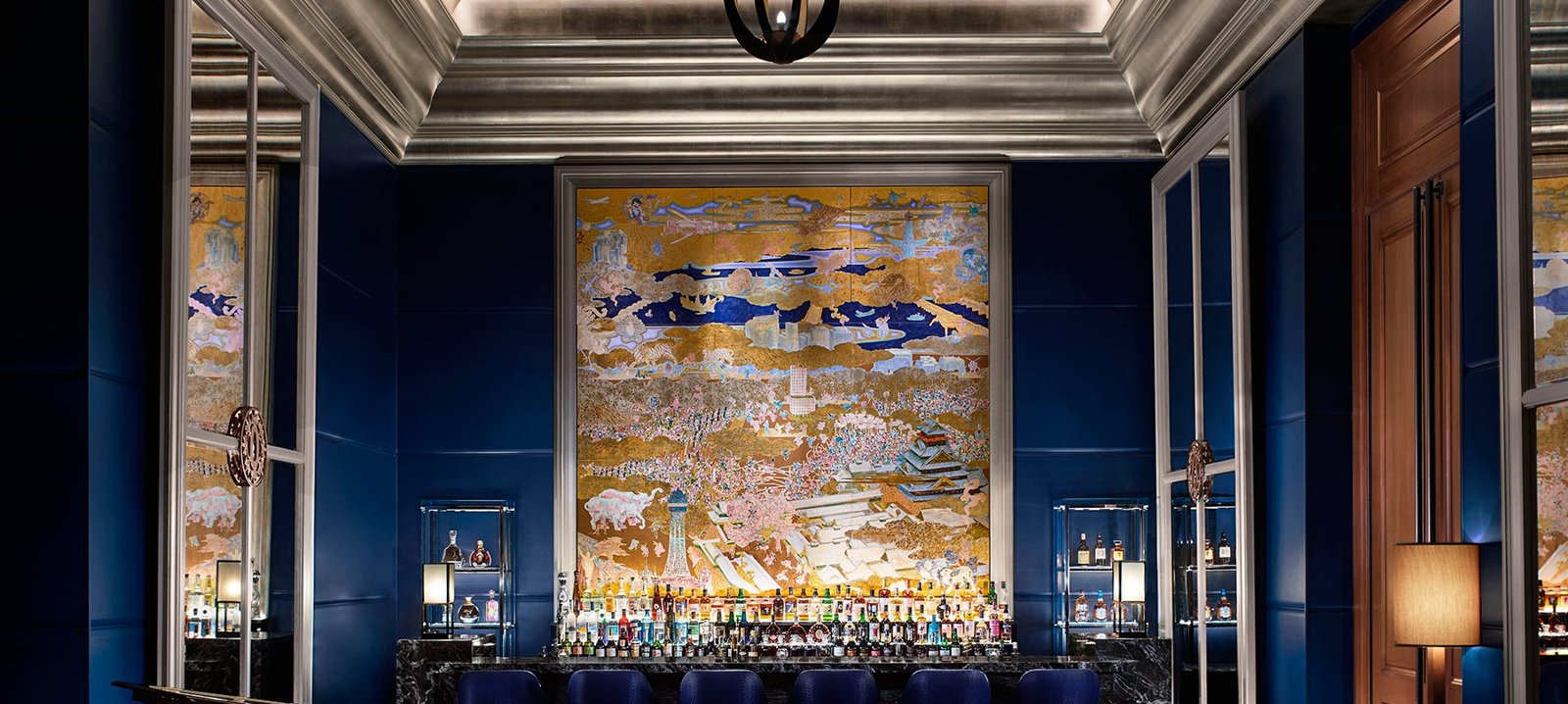
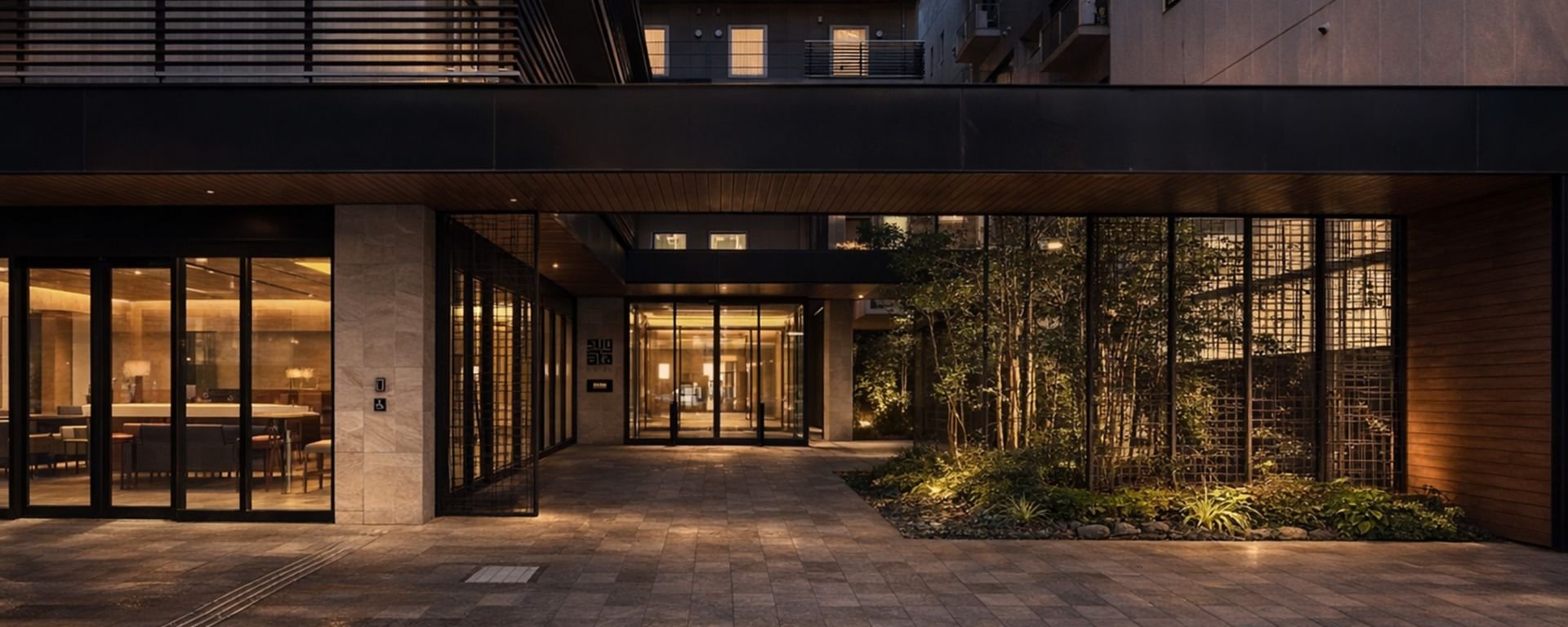
The address in Kita Ward, in the Tenjinbashi area of northern Osaka, places the restaurant away from the more obvious tourist circuit. Tenjinbashi-suji, the long shopping arcade nearby, is a workaday part of the city rather than a destination neighbourhood, which makes Tenjimbashi Aoki feel less performed than some Osaka fine dining rooms. The sukiya interior, a traditional Japanese architectural style associated with tea ceremony spaces, is intimate in scale and spatially considered. Expect a room that reads as calm and deliberate rather than dramatic.
The editorial angle here is seasonal rotation, and that is not incidental to understanding what you are booking. At this price tier (¥¥¥¥), you are paying for a kitchen that restructures its output around Japan's seasonal and festival calendar, not just swapping one ingredient for another. The Michelin inspectors specifically note the chef's attention to "the sense of the seasons" as a defining quality. That means the timing of your visit genuinely alters what you experience. A winter booking and a late spring booking are substantively different meals, different vessels, different flowers, different compositions on the plate. If you visit once and return six months later, you are not repeating yourself.
For food-focused travellers comparing Osaka kaiseki against broader Japan options: Gion Sasaki in Kyoto operates in a similar tradition with its own seasonal rigour, and Harutaka in Tokyo represents a different formal register if precision over ceremony is your priority. Within Osaka, Miyamoto, Oimatsu Hisano, Yugen, and Ajikitcho Bumbuan cover the wider field of formal Japanese dining if you are building an itinerary. See also our full Osaka restaurants guide.
Booking is the single largest practical obstacle. With two Michelin stars and a small, ceremonially arranged dining room, availability is tightly constrained. International visitors should plan a minimum of two to three months in advance; booking through a hotel concierge or a specialist reservation service significantly improves your chances. Do not count on last-minute availability. If Tenjimbashi Aoki is a priority for your trip, build your travel dates around the reservation rather than the other way around.
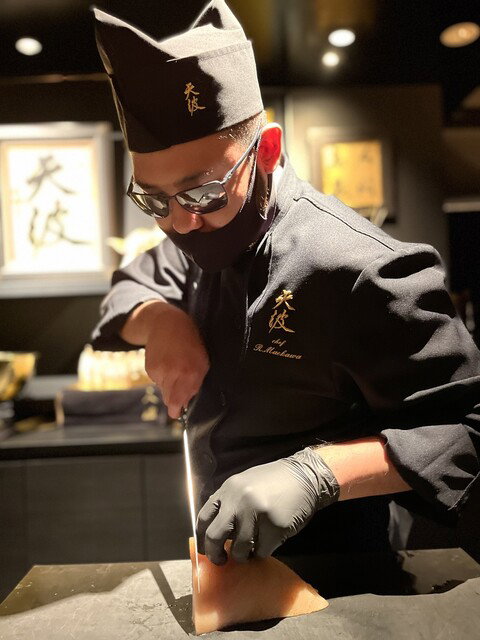
The ¥¥¥¥ price tier places this at Osaka's top end of formal Japanese dining. At this level you should expect a multi-course kaiseki structure. Chefs Yoshikazu Ono and Takashi Ono lead the kitchen; the family continuity in the restaurant's operation is part of its character, though the food itself, not the personal story, is the reason to book.
For broader Osaka planning: our full Osaka hotels guide, our full Osaka bars guide, and our full Osaka experiences guide cover the wider city. If you are moving through the Kansai region, akordu in Nara is worth considering as a contrast. Further afield, Goh in Fukuoka, 1000 in Yokohama, and 6 in Okinawa represent other strong formal dining options if Japan is a longer journey. Tokyo alternatives in the same formal Japanese register include Myojaku and Azabu Kadowaki. Also see our full Osaka wineries guide if sake pairings are part of your planning.
Ratings & Recognition
- Michelin 2 Stars, 2025
- Michelin 2 Stars, 2024
Booking & Practical Details
Booking difficulty is near impossible without advance planning. Two to three months minimum lead time is a realistic baseline for international visitors; contact via hotel concierge or a Japan-based reservation service is advisable given no English-language booking channel is confirmed. The restaurant is located at 7 Chome-12-14 Tenjinbashi, Kita Ward, Osaka. Dress code is not published, but a sukiya dining room at two Michelin stars in Japan implies smart, subdued clothing; traditional formal wear is welcome but Western smart-casual at a considered level is standard for international guests.
FAQ
What should I wear to Tenjimbashi Aoki?
- No dress code is formally published, but smart attire is the right call at a two-Michelin-star kaiseki restaurant. The sukiya interior sets a quiet, ceremonial tone. Avoid casual or athletic wear. For international visitors, neat dark-toned clothing reads appropriately. If you wear traditional Japanese dress, it is entirely fitting to the setting.
Can I eat at the bar at Tenjimbashi Aoki?
- Kaiseki restaurants of this type typically operate counter or table seating within a dining room rather than a bar format. Assume seated table service and confirm seating arrangements when booking.
How far ahead should I book Tenjimbashi Aoki?
- Two to three months minimum for international visitors is a practical floor, not a guarantee. Two Michelin stars in a small, ceremony-focused room means availability is limited. Book first, then plan your travel dates around the reservation. A hotel concierge in Osaka or a Japan specialist reservation service is your most reliable route if you do not speak Japanese.
Is the tasting menu worth it at Tenjimbashi Aoki?
- Yes, if kaiseki's seasonal structure is what you are after. The Michelin inspectors specifically cite the seasonal composition and ceremonial presentation as defining the experience, you are paying for that totality, not just individual dishes. At ¥¥¥¥, it sits at Osaka's top tier. If you want rigorous seasonal kaiseki with genuine spatial and aesthetic intention, the value case is strong. If you prefer a more flexible or contemporary format, Fujiya 1935 is worth considering.
Is Tenjimbashi Aoki good for a special occasion?
- It is one of the strongest options in Osaka for a milestone meal. The sukiya room, the ceremony around serving vessels and seasonal flowers, and the two-star calibre of the kitchen all support a formal, occasion-worthy dinner. The experience is considered and unhurried. For a slightly less formal but still high-quality occasion, Kashiwaya Osaka Senriyama at ¥¥¥ gives you traditional Japanese dining with less booking friction.
Is Tenjimbashi Aoki worth the price?
- At ¥¥¥¥ with two consecutive Michelin stars, the price is justified if the kaiseki format, multi-course, seasonal, ceremonial, is your intention. The spatial design, the collected serving vessels, and the festival-calendar approach to menu composition add layers that a simpler high-end meal does not. If you are primarily interested in French technique applied to Osaka produce, HAJIME or La Cime at the same price tier may be a closer match to what you want.
What are alternatives to Tenjimbashi Aoki in Osaka?
- For traditional Japanese dining at a lower price point: Kashiwaya Osaka Senriyama (¥¥¥) and Taian (¥¥¥ kaiseki) are both easier to book and more accessible in price. For French-influenced innovation at ¥¥¥¥: HAJIME, La Cime, and Fujiya 1935 cover the field. See our full Osaka restaurants guide for the complete picture.
Can Tenjimbashi Aoki accommodate groups?
- A sukiya-style kaiseki room of this calibre is typically intimate, expect limited capacity. Groups larger than four should confirm availability and seating configuration directly when booking. The ceremonial nature of the service also means large groups require advance coordination. Contact via a local concierge service is the most practical approach for group enquiries.
Planning details
- Hours
- Monday: 5:30–8:30 PM · Tuesday: 5:30–8:30 PM
- Location
- 7 Chome-12-14 Tenjinbashi, Kita Ward, Osaka, 531-0041, Japan
- Website
- kcaf100.gorp.jp
- Phone
- +81 6-6940-0403
The take
The Take
The Vibe
Tenjimbashi Aoki presents kaiseki through a sukiya lens: restrained materials, asymmetrical proportion and carefully controlled natural light shape the room. Ceremonial space, the choice of vessels and seasonal sequencing of courses make the dining experience feel considered and traditional. Within Osaka’s warmer, ingredient-forward take on kaiseki, Aoki pursues formal aesthetic discipline, a detail that shows up in the choreography of service and the quiet precision of each plate. The two-Michelin-star standing further signals a meticulous, composed atmosphere where presentation and seasonality take precedence.
Best For
This is a place for diners seeking a formal, seasonally driven kaiseki experience: ideal for milestone celebrations, attentive business dinners and date nights that favor refinement over spectacle. The restaurant’s placement in the top price tier and sustained Michelin recognition mean it attracts guests who expect a multi-course, ceremonially sequenced meal and careful attention to service and presentation. Savvy travelers and local gourmets who value ingredient focus and traditional spatial language (sukiya-derived interiors) will find the setting and pacing well suited to extended evening dining.
Ordering Tips
Opt for the seasonal multi-course sequence: the chef’s set menu is likely the clearest way to experience the restaurant’s intentions. Look for the kitchen’s signatures, Seasonal Sashimi Platter, Grilled Seasonal Fish and Wagyu Beef with Seasonal Vegetables, during your visit, as they exemplify the ingredient-forward Osaka approach. Because the meal emphasizes ceremony and progression, allow time for each course and avoid requesting major substitutions so you can experience the intended seasonal rhythm.
Venue details
Ambiance
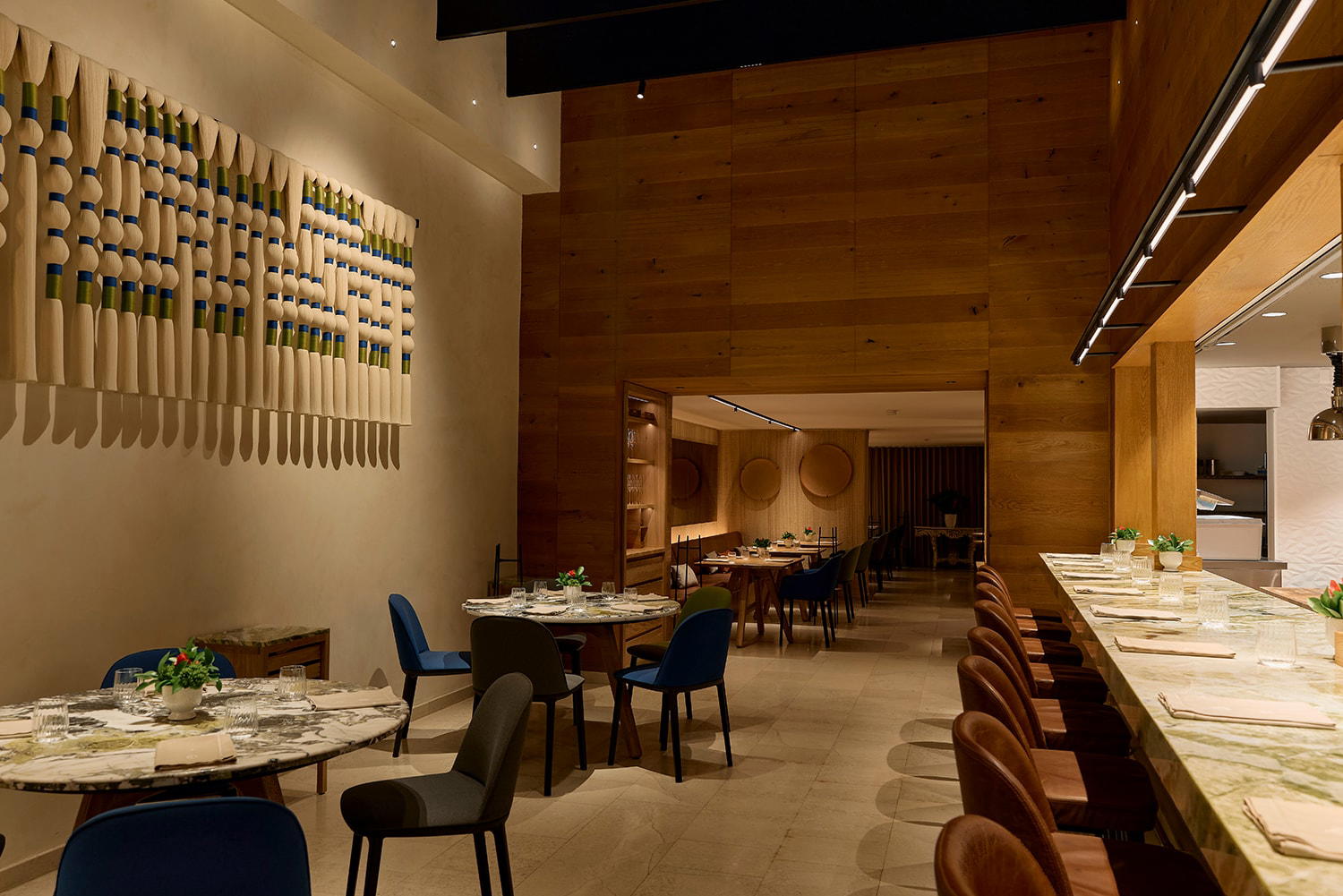
Serene and refined sukiya-style interior with a counter from 250-year-old ash wood, decorated with chef-grown flowers and seasonal vessels, creating a ceremonial and relaxing atmosphere.
Tags
Vibe
Best For
Experience
At the Table
- Dress Code
- Smart Casual
- Noise Level
- Quiet
- Service Style
- Formal
- Meal Pacing
- Leisurely
- Capacity
- Intimate
- Kitchen
- Traditional
- Menu Format
- Counter dining
- Drinks Focus
- Sake program
Signature Dishes
- Seasonal Sashimi Platter
- Grilled Seasonal Fish
- Wagyu Beef with Seasonal Vegetables
Know before you go
Know Before You Go
- Getting there
- 7 Chome-12-14 Tenjinbashi, Kita Ward, Osaka, 531-0041, Japan
Planning details
Hours
- Monday
- 5:30–8:30 PM
- Tuesday
- 5:30–8:30 PM
- Wednesday
- 5:30–8:30 PM
- Thursday
- 5:30–8:30 PM
- Friday
- 5:30–8:30 PM
- Saturday
- 5:30–8:30 PM
- Sunday
- Closed
Location
7 Chome-12-14 Tenjinbashi, Kita Ward, Osaka, 531-0041, Japan · Directions
Recognition and awards
Also consider
Also Consider
- HAJIME: French, Innovative, ¥¥¥¥
- La Cime: French, ¥¥¥¥
- Kashiwaya Osaka Senriyama: Japanese, ¥¥¥
- Taian: Kaiseki, Japanese, ¥¥¥
- Fujiya 1935: Innovative, ¥¥¥¥
Restaurant context
At the ¥¥¥¥ tier in Osaka, Tenjimbashi Aoki sits alongside HAJIME, La Cime, and Fujiya 1935: but the format differences matter. HAJIME and La Cime both operate in a French-influenced mode with strong technical ambition; if creative, contemporary cooking is your priority over traditional kaiseki structure, either is a better fit. Fujiya 1935 takes an innovative approach that appeals to diners who want Osaka produce handled with modernist technique. Tenjimbashi Aoki is the right choice if the kaiseki ritual, the seasonal vessels, the sukiya room, the correspondence between space and dish, is specifically what you are after.
If price is a constraint, Kashiwaya Osaka Senriyama and Taian both deliver serious traditional Japanese dining at ¥¥¥, and both are easier to book. Kashiwaya in particular is the practical alternative for a first-time kaiseki experience in Osaka where booking lead time is an issue. Taian's focus on kaiseki form also makes it the closest in spirit to Tenjimbashi Aoki at a lower spend.
On booking difficulty, Tenjimbashi Aoki is the hardest in this set to secure. HAJIME and La Cime are demanding but more accessible to international visitors via standard reservation channels. If your trip timeline is under six weeks, targeting Kashiwaya or Taian first and keeping Tenjimbashi Aoki for a return visit is the realistic approach. Tenjimbashi Aoki rewards planning: it should not be a fallback.
Explore Osaka
Around this place
Discover more on Pearl
Unlock the full Tenjimbashi Aoki guide in Pearl, including awards, comparisons, FAQs, planning details, and nearby places.
Compare Tenjimbashi Aoki
| Venue | Cuisine | Price | Booking Difficulty | Awards |
|---|---|---|---|---|
| Tenjimbashi Aoki | Japanese | ¥¥¥¥ | Near Impossible | 2026 Michelin 2 StarsMichelin Guide Kyoto Osaka 20262025 Michelin 2 Stars2024 Michelin 2 Stars |
| HAJIME | French, Innovative | ¥¥¥¥ | Unknown | Star Wine Lists 2026 · #12026 Tabelog Bronze · #922026 OAD Top Restaurants in Japan Ranked · #98Michelin Guide Kyoto Osaka 20262026 La Liste Top RestaurantsTabelog 100 - Innovative / Creative cuisine - 2025 · #692025 Asia's 50 Best Restaurants · #832025 OAD Top Restaurants in Japan Ranked · #87We're Smart World Top Restaurants 2025 |
| La Cime | French | ¥¥¥¥ | Unknown | 2026 Asia's 50 Best Restaurants · #132026 OAD Top Restaurants in Japan Ranked · #1492026 Tabelog Bronze · #231Michelin Guide Kyoto Osaka 20262026 La Liste Top Restaurants2025 Asia's 50 Best Restaurants · #82025 World's 50 Best Restaurants · #44Tabelog 100 - French - WEST - 2025 · #932025 OAD Top Restaurants in Japan Ranked · #123 |
| Kashiwaya Osaka Senriyama | Japanese | ¥¥¥ | Unknown | 2026 Tabelog Bronze · #1682026 OAD Top Restaurants in Japan Recommended2026 Relais Chateaux RestaurantsMichelin Guide Kyoto Osaka 20262026 La Liste Top RestaurantsTabelog 100 - Japanese cuisine - WEST - 2025 · #772025 OAD Top Restaurants in Japan Ranked · #1552025 Relais Chateaux Award2025 Michelin 3 Stars |
| Taian | Kaiseki, Japanese | ¥¥¥ | Unknown | 2026 OAD Top Restaurants in Japan RecommendedMichelin Guide Kyoto Osaka 20262026 La Liste Top Restaurants2025 OAD Top Restaurants in Japan Ranked · #2042025 La Liste Top Restaurants2025 Michelin 3 Stars2024 OAD Top Restaurants in Japan Ranked · #1912024 Michelin 3 Stars2023 OAD Top Restaurants in Japan Highly Recommended |
| Fujiya 1935 | Innovative | ¥¥¥¥ | Unknown | 2026 Tabelog Bronze · #752026 OAD Top Restaurants in Japan RecommendedMichelin Guide Kyoto Osaka 20262026 La Liste Top Restaurants2025 Michelin 2 Stars2025 Tabelog Silver2025 La Liste Top Restaurants2024 OAD Top Restaurants in Japan Ranked · #2392024 Michelin 2 Stars |










Key differences to consider before you reserve.
FAQ
Frequently Asked Questions
What should I wear to Tenjimbashi Aoki?
Err on the side of formal. The restaurant operates in a sukiya-style interior where the chef grows flowers specifically for the room and selects seasonal serving vessels as part of the experience: the space is ceremonial, not casual. At a ¥¥¥¥ price point with two Michelin stars, smart dress is the minimum; traditional Japanese formal wear or Western business-formal clothing both read correctly here.
Can I eat at the bar at Tenjimbashi Aoki?
No bar seating is documented for Tenjimbashi Aoki. The format is kaiseki in a sukiya-style room, which is by nature a seated, multi-course, ceremonial experience. If counter or bar dining is your preference, La Cime or Fujiya 1935 are better-suited Osaka alternatives.
How far ahead should I book Tenjimbashi Aoki?
Two to three months minimum for international visitors is a realistic baseline. Tenjimbashi Aoki holds consecutive Michelin two-star ratings in 2024 and 2025, which keeps demand consistently high. International bookings without Japanese-language support or a hotel concierge add further complexity, so contact as early as possible.
Is the tasting menu worth it at Tenjimbashi Aoki?
Yes, if kaiseki's ceremonial dimension matters to you. The kitchen's guiding philosophy ties every course to seasonal ingredients, matching vessels, and the decorative space itself: including flowers the chef grows personally. If you're primarily after ingredient-driven modern cooking rather than this level of ritualism, HAJIME or La Cime may be a better fit at a comparable price tier.
Is Tenjimbashi Aoki good for a special occasion?
It is one of the strongest cases in Osaka for a high-ceremony special occasion. Two consecutive Michelin stars, a sukiya interior, chef-grown floral arrangements, and seasonal serving vessels create an experience built around deliberate occasion-making. Book two to three months ahead and confirm any dietary requirements well in advance.
Is Tenjimbashi Aoki worth the price?
At ¥¥¥¥, it is worth it if kaiseki's full ceremonial format, space, vessels, seasonality, ritual, is what you are paying for. The two Michelin stars in both 2024 and 2025 confirm peer recognition of the kitchen's technical level. If you want that calibre of cooking in a more contemporary setting, Fujiya 1935 or La Cime offer different formats at a similar spend.
What are alternatives to Tenjimbashi Aoki in Osaka?
For modern French technique at Michelin level, La Cime and Fujiya 1935 are the direct Osaka comparisons. For kaiseki with a different register, Kashiwaya Osaka Senriyama and Taian are the most relevant peers. HAJIME takes a more conceptual, produce-driven approach that suits guests who want the Michelin credential without the traditional kaiseki framework.