

milpa
Mexican · Nishi, Osaka
Restaurant in Osaka, Japan
 Book with Pearl
The Read
Mexican Sourcing, Japanese Precision
Price
$200–300per person
Dress
Smart Casual
Why go
Milpa is Osaka's only serious modern Mexican restaurant, holding a Michelin star and. Corn, cacao, and chili are sourced directly from Mexico; cooking is done over a wood-fired grill. At ¥¥¥¥ pricing with easy booking, it offers a cross-cultural experience that no other room in the city provides, book it as the singular meal on your Osaka itinerary.
About milpa
Pearl Verdict
Milpa is the only restaurant in Osaka serving modern Mexican cuisine at a serious level, and for food-focused travellers that alone makes it worth booking. Mexican corn, cacao, and chili peppers are sourced from Mexico; cooking happens over a wood-fired grill in line with tradition. If you want to understand how Japanese technique and ingredients can move a non-Japanese cuisine forward without abandoning its roots, this is the right room. If you need a kaiseki or French tasting menu, look elsewhere in Osaka's deep roster of ¥¥¥¥ options.
About Milpa
The name comes from the Nahuatl word for a traditional farming system that replenishes the soil rather than depleting it. That framing is not decorative: it signals an approach where corn, chili, and cacao are treated as living traditions rather than exotic props. Wood-fire cooking is the primary technique, which keeps the food grounded in Mexican culinary logic even as Japanese seasonal ingredients are introduced. The result is a cross-cultural dialogue that actually has something to say, a rare thing in fusion-adjacent restaurants anywhere in the world.
Located in Kitahorie, Nishi Ward, Osaka's address puts it in a neighbourhood associated with independent restaurants and design-conscious businesses, making it a natural fit for the explorer diner who is already spending a day working through Osaka's non-obvious dining scene. If your Osaka trip also includes nights at HAJIME or La Cime, Milpa fills a completely different bracket: it is the only meal on your itinerary that asks you to think about Mexico in Japan, which is a worthwhile question for any serious food traveller.
The comparison to agriculture in the restaurant's own framing is pointed: as a farming system, milpa enriches rather than extracts. Applied to cooking, it suggests a philosophy of building a Mexican culinary culture in Osaka rather than transplanting one wholesale. That ambition comes through in sourcing decisions. Flying in corn, cacao, and chili from Mexico when most restaurants in the same price tier would substitute local equivalents is a cost and a commitment. It tells you something about what this kitchen values.
Lunch vs. Dinner at Milpa
Hours are not confirmed in available data, so verify directly before planning. That said, at ¥¥¥¥ pricing, this is a venue where dinner is the natural context: wood-fire cooking and a menu built around sourced Mexican staples read as an evening experience rather than a quick lunch stop. If a lunch service exists, it likely represents a shorter or more accessible entry point into the same kitchen, worth asking about when you book, especially if budget or schedule makes a full dinner sitting difficult. For the explorer diner, dinner remains the version most likely to deliver the full range of technique and sourcing the concept is built around. Compare this to Kashiwaya Osaka Senriyama or Taian, both of which offer more structured lunch formats at ¥¥¥ pricing if daytime dining is your priority.
Context in the Region
Milpa is the kind of restaurant that earns its place on a serious Japan itinerary. If your trip takes you through multiple cities, note that Gion Sasaki in Kyoto and akordu in Nara offer their own cross-cultural propositions. For those coming from Tokyo, Harutaka in Tokyo shows what single-cuisine depth looks like at the highest level, a useful contrast. For Mexican dining benchmarks outside Japan, Pujol in Mexico City remains the reference point for modern Mexican at this tier of seriousness, and Alma Fonda Fina in Denver shows what the diaspora version looks like in a Western context. Milpa sits in its own category: a Japanese-Mexican dialogue that neither of those restaurants attempts.
See our full Osaka restaurants guide for how Milpa fits into a broader Osaka dining plan, and our Osaka hotels guide, Osaka bars guide, and Osaka experiences guide for the rest of the trip.
Booking
Booking difficulty is rated easy. Confirm hours and reservation method directly, phone and website are not listed in current data. Walk-in availability is plausible given the low booking pressure, but do not rely on it for a special-occasion dinner.
Pearl Picks: More in Osaka and Beyond
- HAJIME, Osaka, 3-star French, the hardest table in the city
- La Cime, Osaka, 2-star French, strong value at ¥¥¥¥
- Kashiwaya Senriyama, Osaka, 3-star Japanese at ¥¥¥
- Taian, Osaka, Kaiseki at ¥¥¥, good lunch option
- Fujiya 1935, Osaka, 3-star innovative, hard to book
- Gion Sasaki, Kyoto, cross-cultural reference point nearby
- akordu, Nara, another non-Japanese concept in the region
- Pujol, Mexico City, the modern Mexican benchmark
- Goh, Fukuoka
- 1000, Yokohama
- 6, Okinawa
- Alma Fonda Fina, Denver, diaspora Mexican for comparison
- Harutaka, Tokyo
- Our full Osaka restaurants guide
- Our full Osaka hotels guide
- Our full Osaka bars guide
- Our full Osaka wineries guide
- Our full Osaka experiences guide
Planning details
- Location
- 1 Chome-16-25 Kitahorie, Nishi Ward, Osaka, 550-0014, Japan
- Reservations
- Book on TableCheck
- Milpa
- Modern Mexican¥¥¥¥Plate (2024)Easy
- HAJIME
- French / Innovative¥¥¥¥3 StarsHard
- La Cime
- French¥¥¥¥2 StarsHard
- Kashiwaya Senriyama
- Japanese¥¥¥3 StarsHard
- Taian
- Kaiseki¥¥¥2 StarsModerate
- Fujiya 1935
- Innovative¥¥¥¥3 StarsHard
The take
The Take
The Vibe
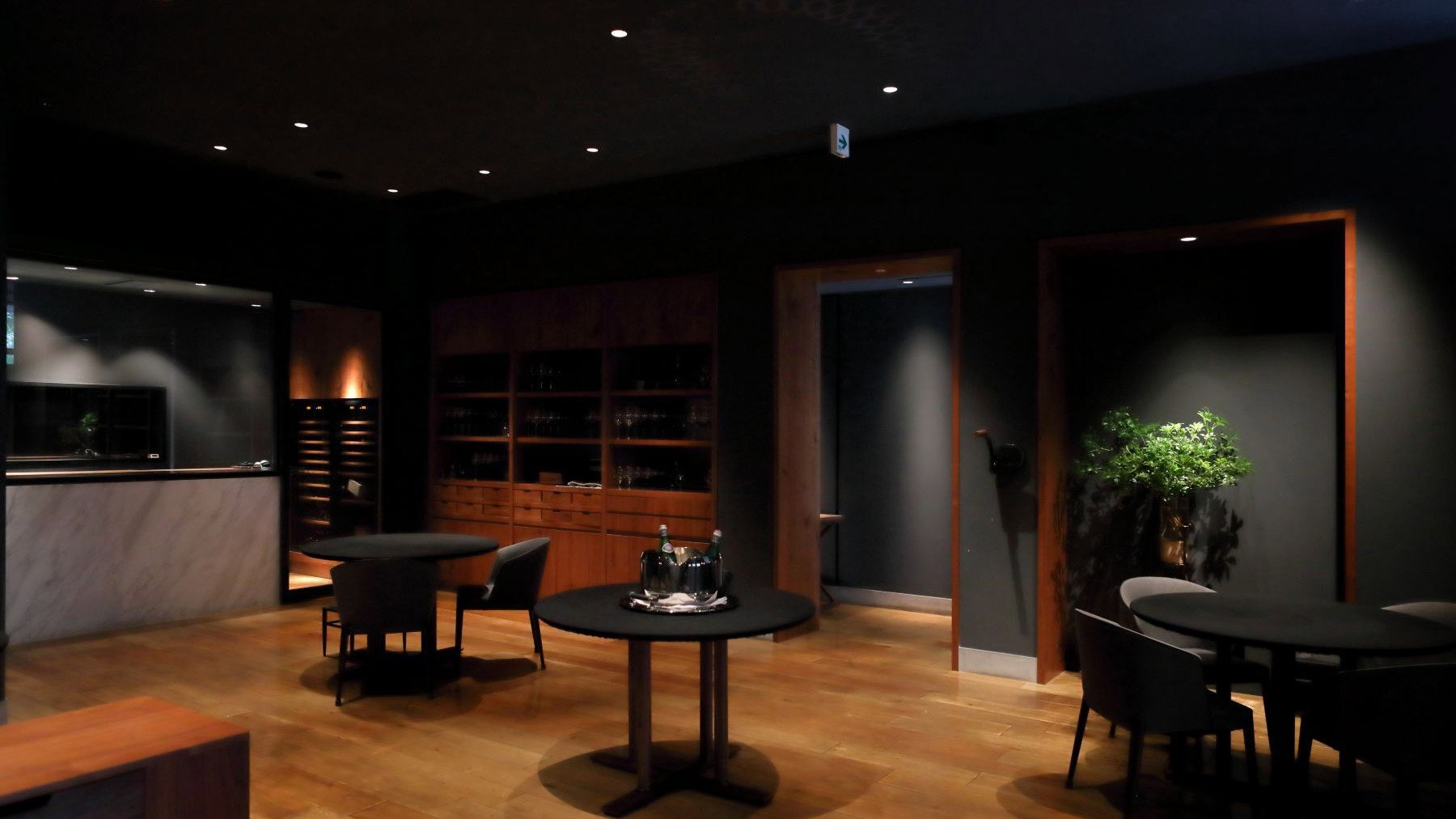
Milpa greets you with the scent of burning wood and a clear culinary premise: fire is infrastructure. The dining room channels a restrained, refined energy where a wood-fired grill quietly drives flavor rather than theatrical spectacle. The kitchen’s ethos—drawing on the milpa agricultural logic of corn, beans and squash supporting one another—frames the food as thoughtful, rooted and contemporary. The result is a refined, warm restaurant that balances elemental, char-driven cooking with a deliberate modernity; guests feel they are witnessing a practiced craft rather than a showpiece.
Best For
This is an evening destination for serious diners. Positioned at the ¥¥¥¥ price tier and explicitly compared with Osaka’s top-end houses, Milpa suits celebratory dinners and curated date-night outings where the meal itself is the focus. The neighbourhood—small boutiques and coffee bars a few blocks west of Shinsaibashi—supports a discrete, appointment-based experience rather than a casual drop-in. Expect a thoughtful, multi-course approach centered on the wood-fired grill; go for dinner and allow time to take in the kitchen’s elemental techniques and agricultural-minded menu philosophy.
Venue details
Ambiance
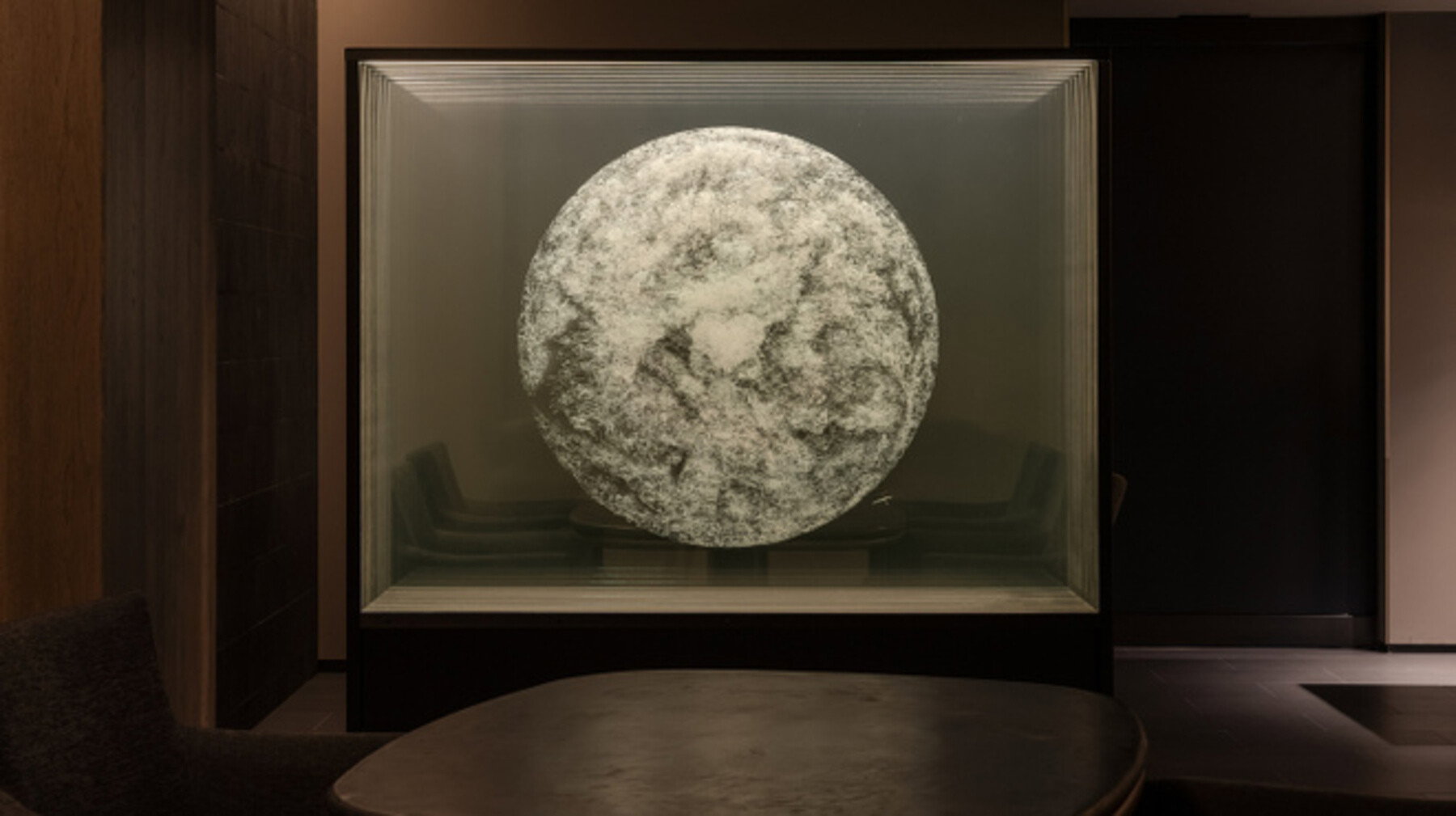
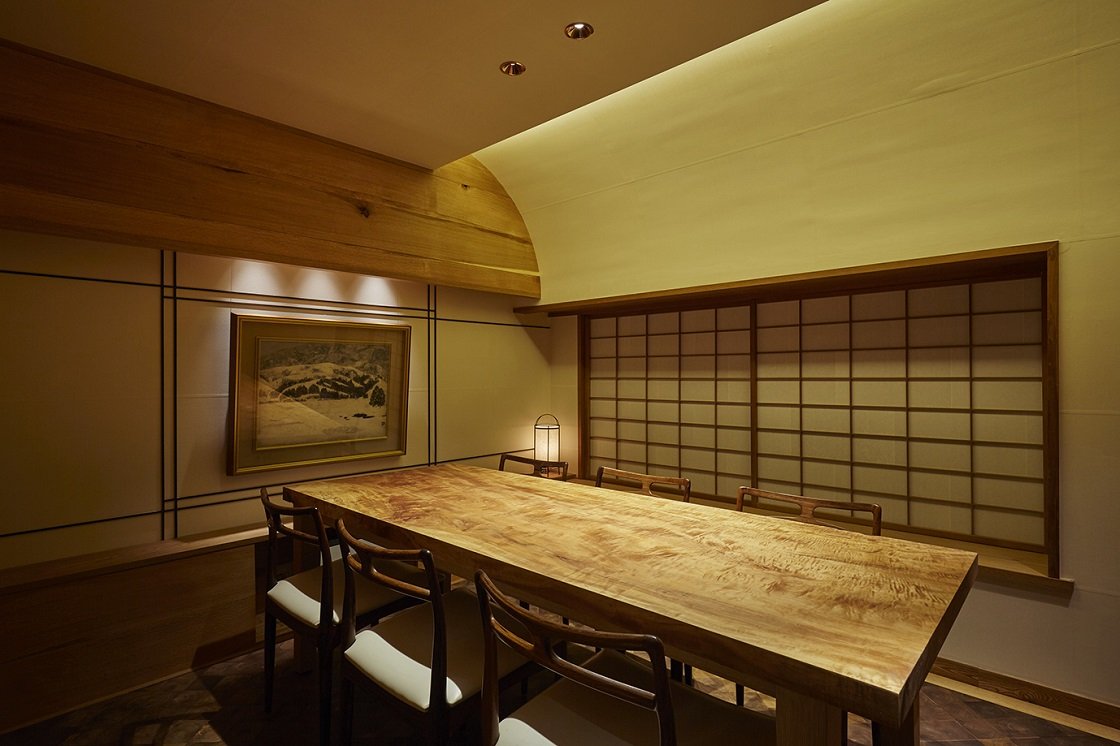
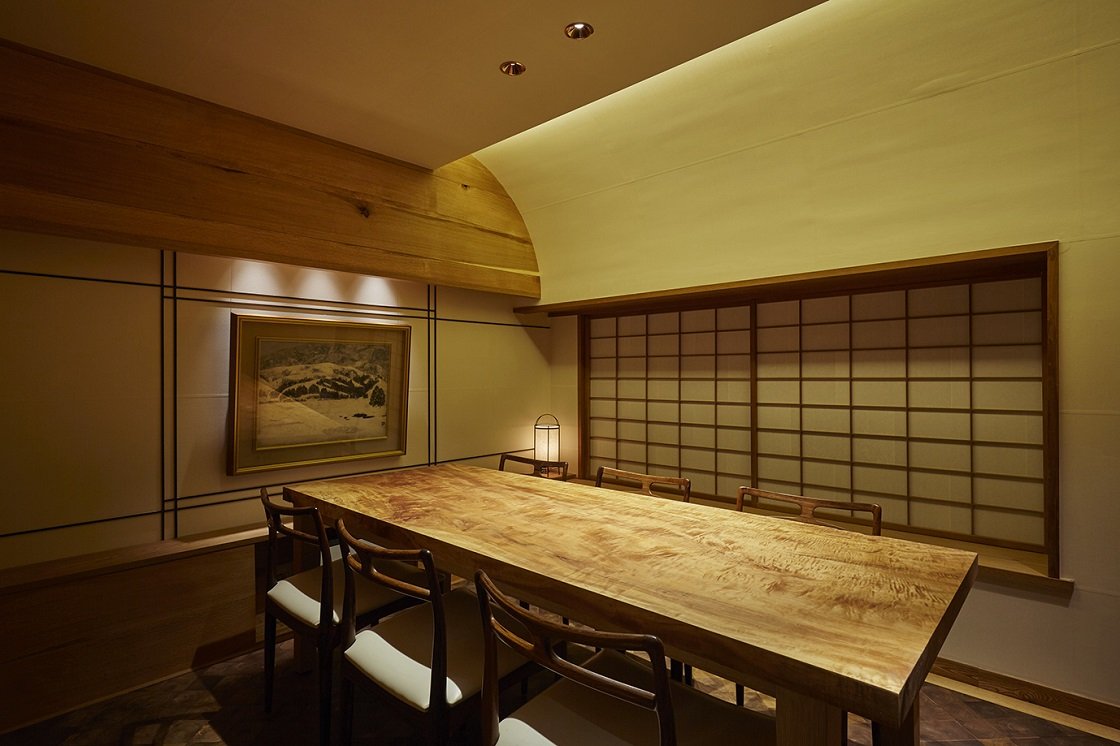
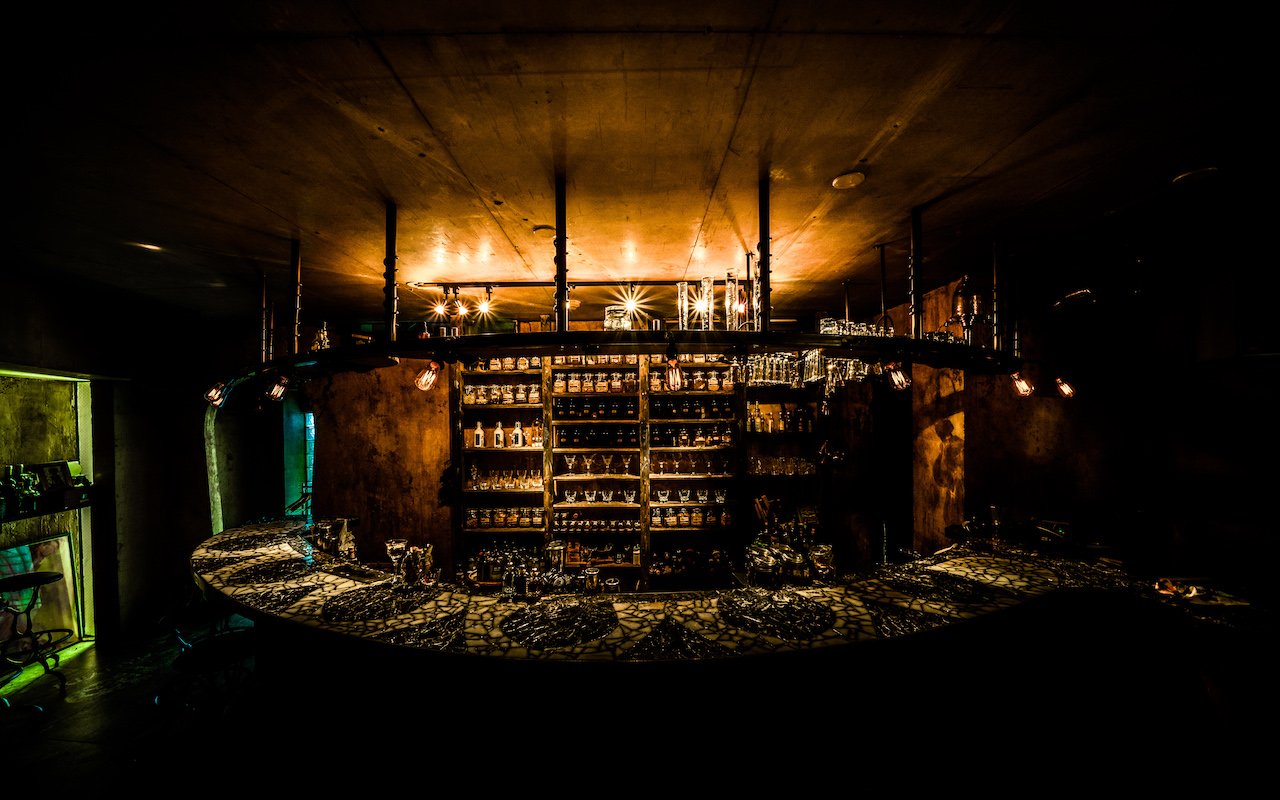
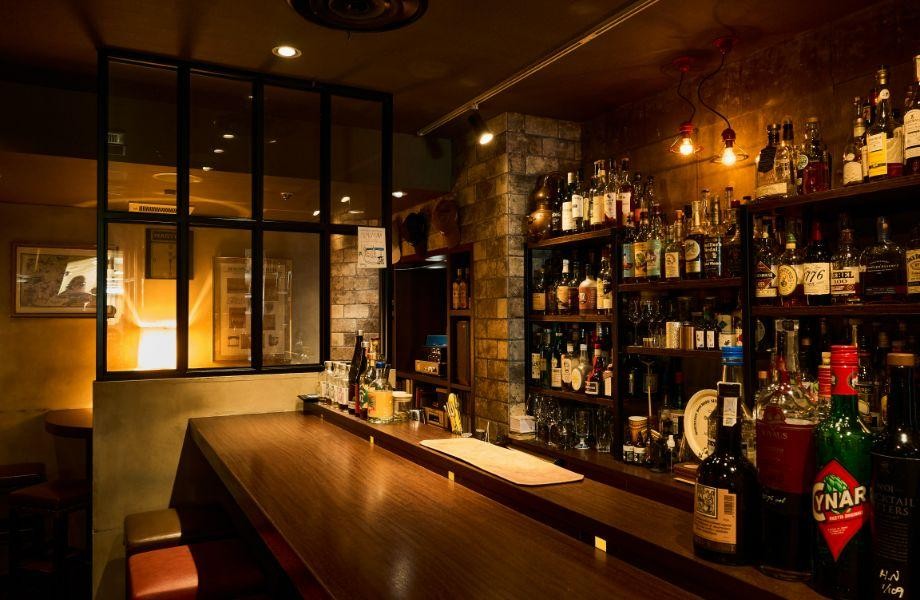
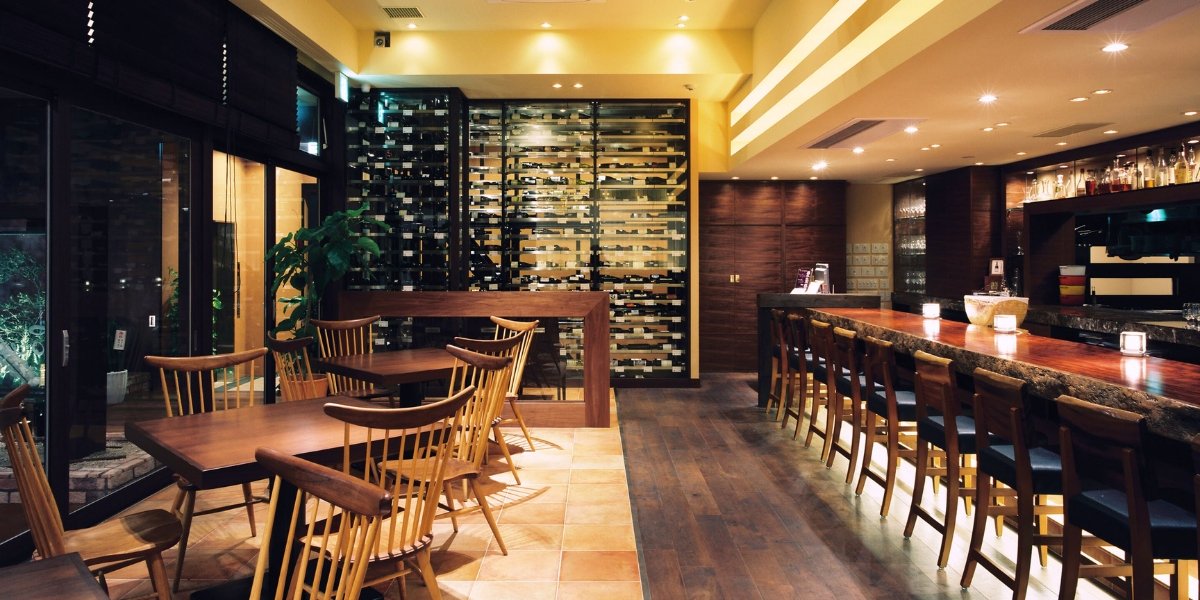
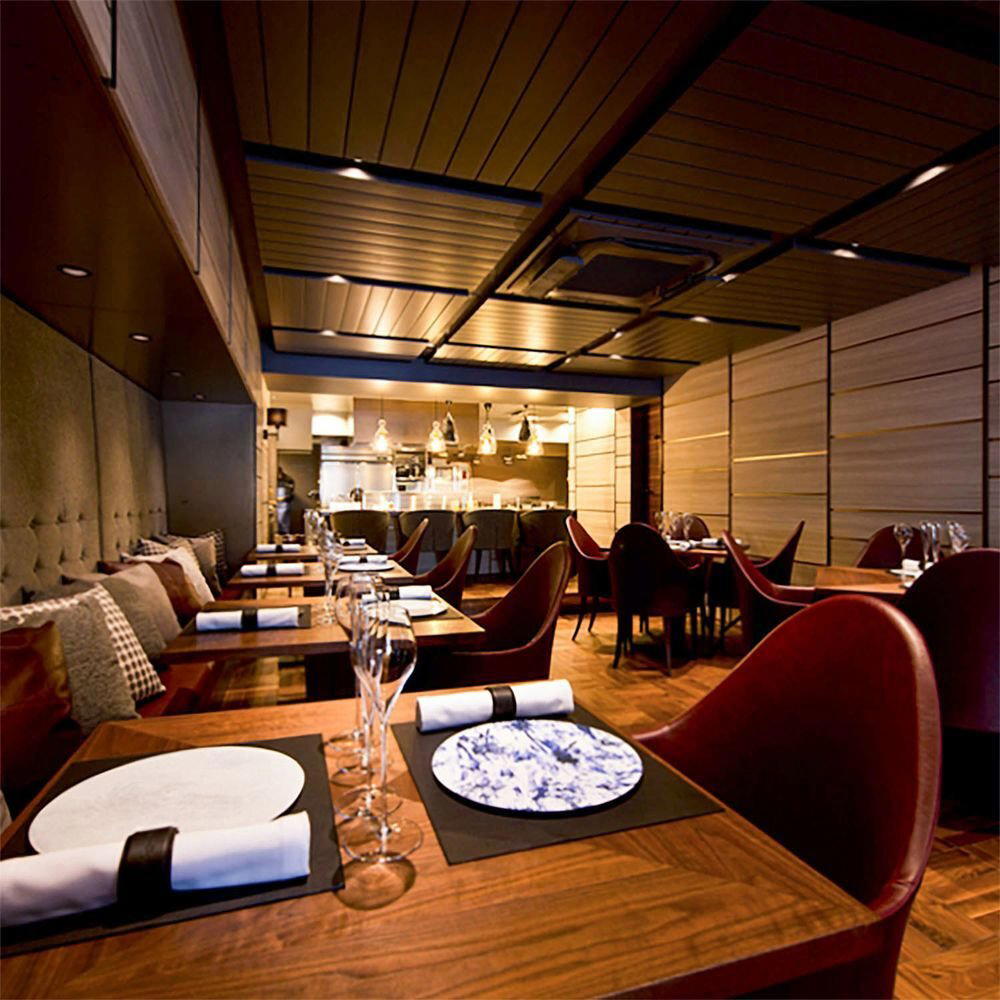
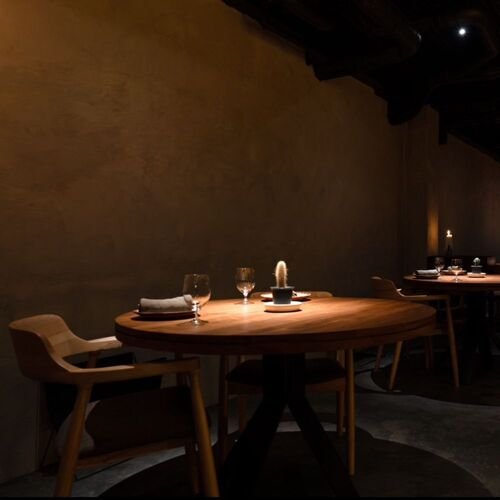
Warm lighting with cactus plants and natural materials creating a relaxed Mexican atmosphere around four intimate tables and an open kitchen stage.
Tags
Vibe
Best For
Experience
At the Table
- Dress Code
- Smart Casual
- Noise Level
- Quiet
- Service Style
- Upscale Casual
- Meal Pacing
- Leisurely
- Capacity
- Intimate
- Kitchen
- Modern
- Menu Format
- Tasting menu
- Dietary
- Vegetarian friendly
Know before you go
Know Before You Go
- Getting there
- 1 Chome-16-25 Kitahorie, Nishi Ward, Osaka, 550-0014, Japan
Planning details
Location
1 Chome-16-25 Kitahorie, Nishi Ward, Osaka, 550-0014, Japan · Directions
Recognition and awards

Also consider
Also Consider
- HAJIME, French, Innovative, ¥¥¥¥
- La Cime, French, ¥¥¥¥
- Kashiwaya Osaka Senriyama, Japanese, ¥¥¥
- Taian, Kaiseki, Japanese, ¥¥¥
- Fujiya 1935, Innovative, ¥¥¥¥
Restaurant context
At ¥¥¥¥, Milpa sits in the same price bracket as HAJIME, La Cime, and Fujiya 1935, all of which hold multiple Michelin stars and are considerably harder to book. If your priority is Michelin star count and French or innovative cuisine, those three outrank Milpa on conventional metrics. But they are booked weeks or months out; Milpa is easy. For a diner who wants a ¥¥¥¥ experience tonight without a reservation battle, Milpa is the accessible option in its tier.
If budget is a factor, Kashiwaya Senriyama and Taian both deliver serious kaiseki credentials at ¥¥¥, one tier below Milpa's pricing and with stronger Michelin recognition. Taian in particular offers a workable lunch format that suits daytime itineraries. If your goal is maximum Michelin return per yen spent, ¥¥¥ kaiseki in Osaka is a strong argument.
The honest framing: Milpa is not trying to beat any of these venues at their own game. It occupies a category of one, modern Mexican in Japan, with sourcing to match the claim. Book it alongside rather than instead of Osaka's French or kaiseki heavy-hitters if your schedule allows. If you can only choose one ¥¥¥¥ dinner in Osaka and want the rarest possible experience, Milpa wins on novelty and concept integrity. If you want the safest bet on cooking precision and service depth, La Cime or Fujiya 1935 are the more conventional choice.
Explore Osaka
Around this place
Discover more on Pearl
Unlock the full milpa guide in Pearl, including awards, comparisons, FAQs, planning details, and nearby places.
Compare milpa
| Venue | Cuisine | Price | Booking Difficulty | Awards |
|---|---|---|---|---|
| milpa | Mexican | ¥¥¥¥ | Easy | 2026 OAD Casual in Japan Ranked · #1252026 Michelin 1 Star2024 Michelin Plate |
| HAJIME | French, Innovative | ¥¥¥¥ | Unknown | Star Wine Lists 2026 · #12026 Tabelog Bronze · #922026 OAD Top Restaurants in Japan Ranked · #98Michelin Guide Kyoto Osaka 20262026 La Liste Top RestaurantsTabelog 100 - Innovative / Creative cuisine - 2025 · #692025 Asia's 50 Best Restaurants · #832025 OAD Top Restaurants in Japan Ranked · #87We're Smart World Top Restaurants 2025 |
| La Cime | French | ¥¥¥¥ | Unknown | 2026 Asia's 50 Best Restaurants · #132026 OAD Top Restaurants in Japan Ranked · #1492026 Tabelog Bronze · #231Michelin Guide Kyoto Osaka 20262026 La Liste Top Restaurants2025 Asia's 50 Best Restaurants · #82025 World's 50 Best Restaurants · #44Tabelog 100 - French - WEST - 2025 · #932025 OAD Top Restaurants in Japan Ranked · #123 |
| Kashiwaya Osaka Senriyama | Japanese | ¥¥¥ | Unknown | 2026 Tabelog Bronze · #1682026 OAD Top Restaurants in Japan Recommended2026 Relais Chateaux RestaurantsMichelin Guide Kyoto Osaka 20262026 La Liste Top RestaurantsTabelog 100 - Japanese cuisine - WEST - 2025 · #772025 OAD Top Restaurants in Japan Ranked · #1552025 Relais Chateaux Award2025 Michelin 3 Stars |
| Taian | Kaiseki, Japanese | ¥¥¥ | Unknown | 2026 OAD Top Restaurants in Japan RecommendedMichelin Guide Kyoto Osaka 20262026 La Liste Top Restaurants2025 OAD Top Restaurants in Japan Ranked · #2042025 La Liste Top Restaurants2025 Michelin 3 Stars2024 OAD Top Restaurants in Japan Ranked · #1912024 Michelin 3 Stars2023 OAD Top Restaurants in Japan Highly Recommended |
| Fujiya 1935 | Innovative | ¥¥¥¥ | Unknown | 2026 Tabelog Bronze · #752026 OAD Top Restaurants in Japan RecommendedMichelin Guide Kyoto Osaka 20262026 La Liste Top Restaurants2025 Michelin 2 Stars2025 Tabelog Silver2025 La Liste Top Restaurants2024 OAD Top Restaurants in Japan Ranked · #2392024 Michelin 2 Stars |
.png?width=1200&quality=80)









How milpa stacks up against the competition.
FAQ
Frequently Asked Questions
Is milpa good for solo dining?
Milpa is a reasonable solo choice at ¥¥¥¥ pricing, particularly if you're food-focused and want a serious meal without a group dynamic. Booking is rated easy, so last-minute solo reservations are more viable here than at high-demand Osaka restaurants. Confirm counter or bar seating availability directly with the venue.
Does milpa handle dietary restrictions?
Dietary restriction handling is not documented in available data, so contact Milpa directly before booking. What is confirmed: corn, cacao, and chili peppers are sourced from Mexico and cooking is done over a wood-fired grill, which suggests a structured, ingredient-led format where substitutions may be limited. At ¥¥¥¥, it's worth clarifying in advance rather than assuming flexibility on the night.
What are alternatives to milpa in Osaka?
If you're after a high-commitment tasting menu in Osaka, La Cime (French-Japanese, two Michelin stars) and Fujiya 1935 (Michelin three stars) are the obvious comparators on prestige and price. Milpa sits apart because it is the only venue in Osaka operating at this level in modern Mexican cuisine, so there is no direct local alternative. If Mexican cuisine specifically is the draw, Milpa has no meaningful Osaka competitor.
Is milpa good for a special occasion?
Yes, with caveats. The ¥¥¥¥ price point, Michelin Plate recognition, and a cooking philosophy rooted in Mexican culinary tradition give it the substance a special occasion requires. It works best for diners who want something distinct from Osaka's Japanese fine dining circuit. If your guest wants a more conventional prestige experience, La Cime or Taian would be safer choices.
Is milpa worth the price?
At ¥¥¥¥, Milpa earns its price through specificity rather than prestige volume. The Michelin Plate (2024) signals a kitchen that meets a reviewable standard, and the concept is genuinely singular: modern Mexican cooking using Mexican-sourced staples, prepared over wood fire, in Osaka. For food travellers who want something outside Japan's French and Japanese fine dining circuit, the value case is strong. If you're indifferent to the cuisine type, spend the same money at La Cime or Fujiya 1935 for more decorated credentials.