






JAN
Creative · Isarvorstadt, Munich
Restaurant in Munich, Germany
 Book with Pearl
The Read
Precision-Driven German Haute Cuisine
Price
$300–500per person
Chef
Jan Hartwig
Dress
Smart Casual
Why go
Restaurant JAN is Jan Hartwig's restaurant on Luisenstraße in Munich.
About JAN
Should You Book JAN?
If you are weighing up Munich's three-Michelin-star options, the comparison that matters most is between JAN and Tantris (Modern French, French Contemporary). Tantris carries decades of institutional weight and a more formal register; JAN, which opened as chef Jan Hartwig's first solo project, runs warmer, more personal, and with a menu that changes constantly around what Hartwig is thinking about right now. For a returning visitor to Munich's fine dining scene — someone who has already done the legacy rooms — JAN is the more compelling next booking. It ranked #3 in Europe on Opinionated About Dining in both 2024 and 2025, reached #84 on the World's 50 Best list in 2024, and held three Michelin stars through 2025. La Liste scored it 97.5 points in 2025. The credentials are not marginal.
The Room
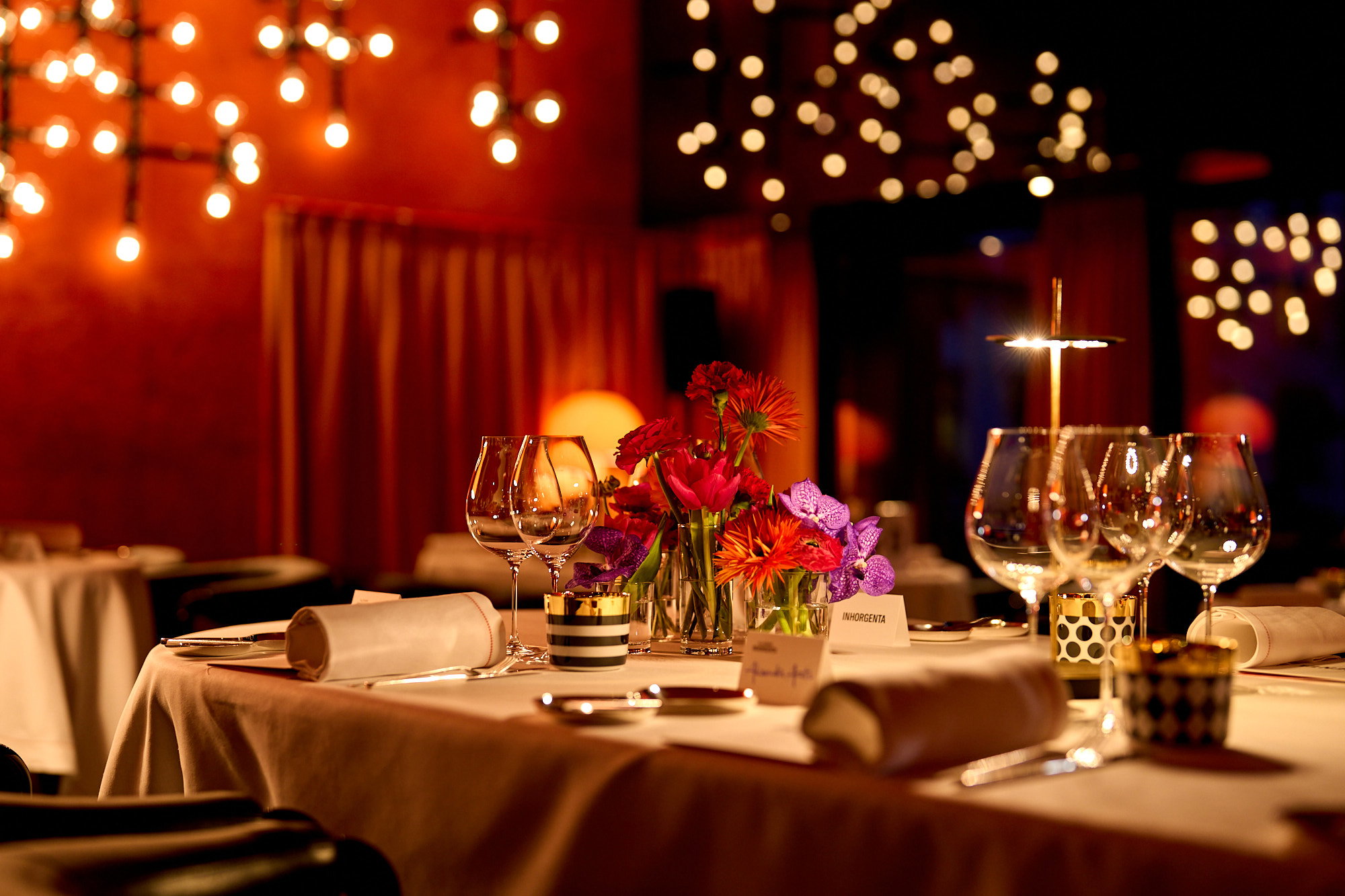
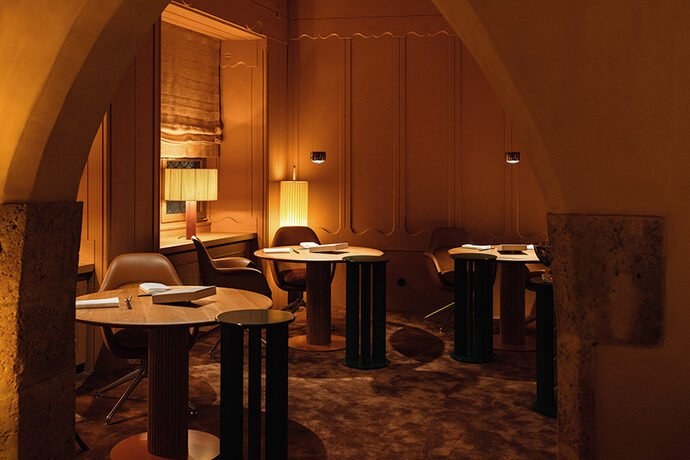
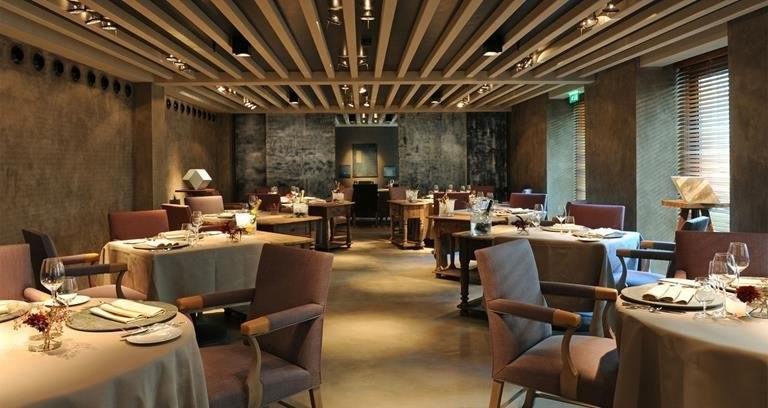
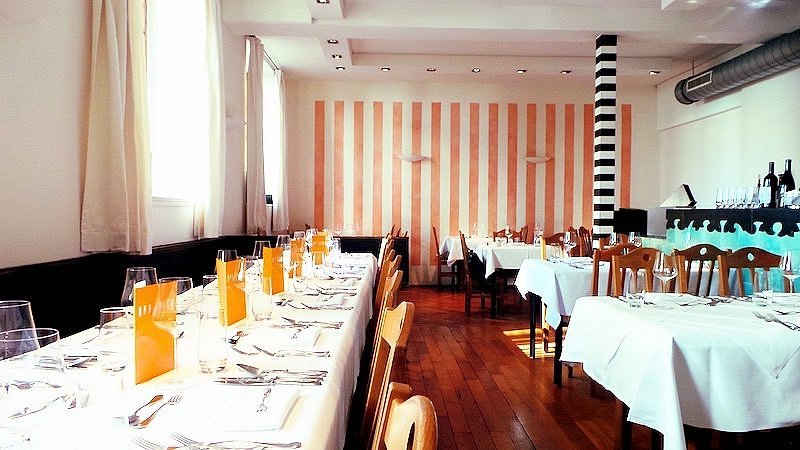
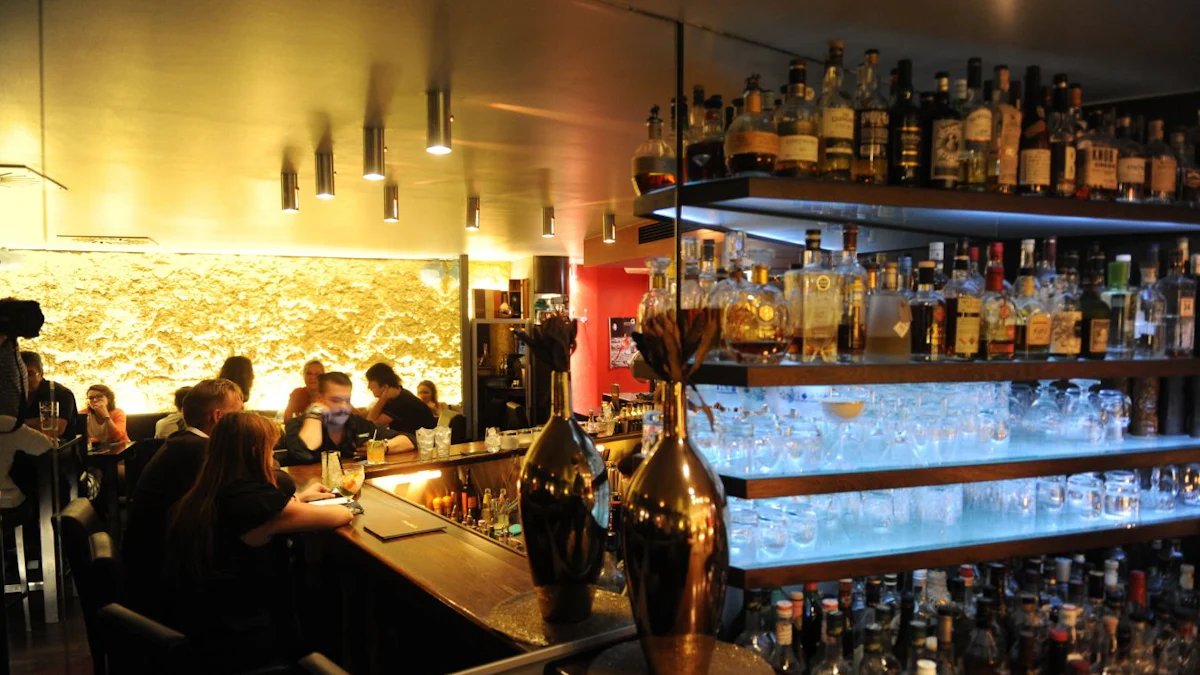
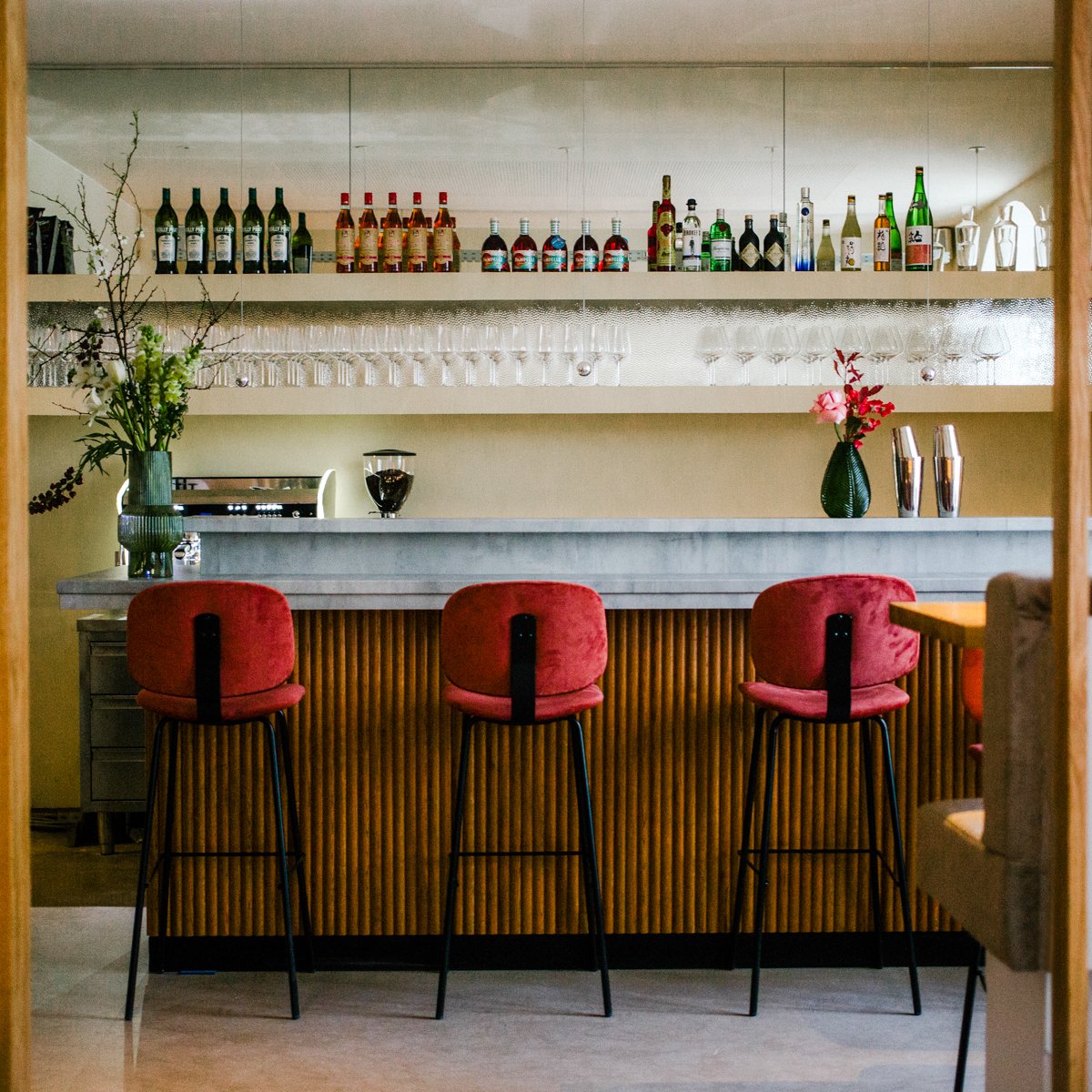
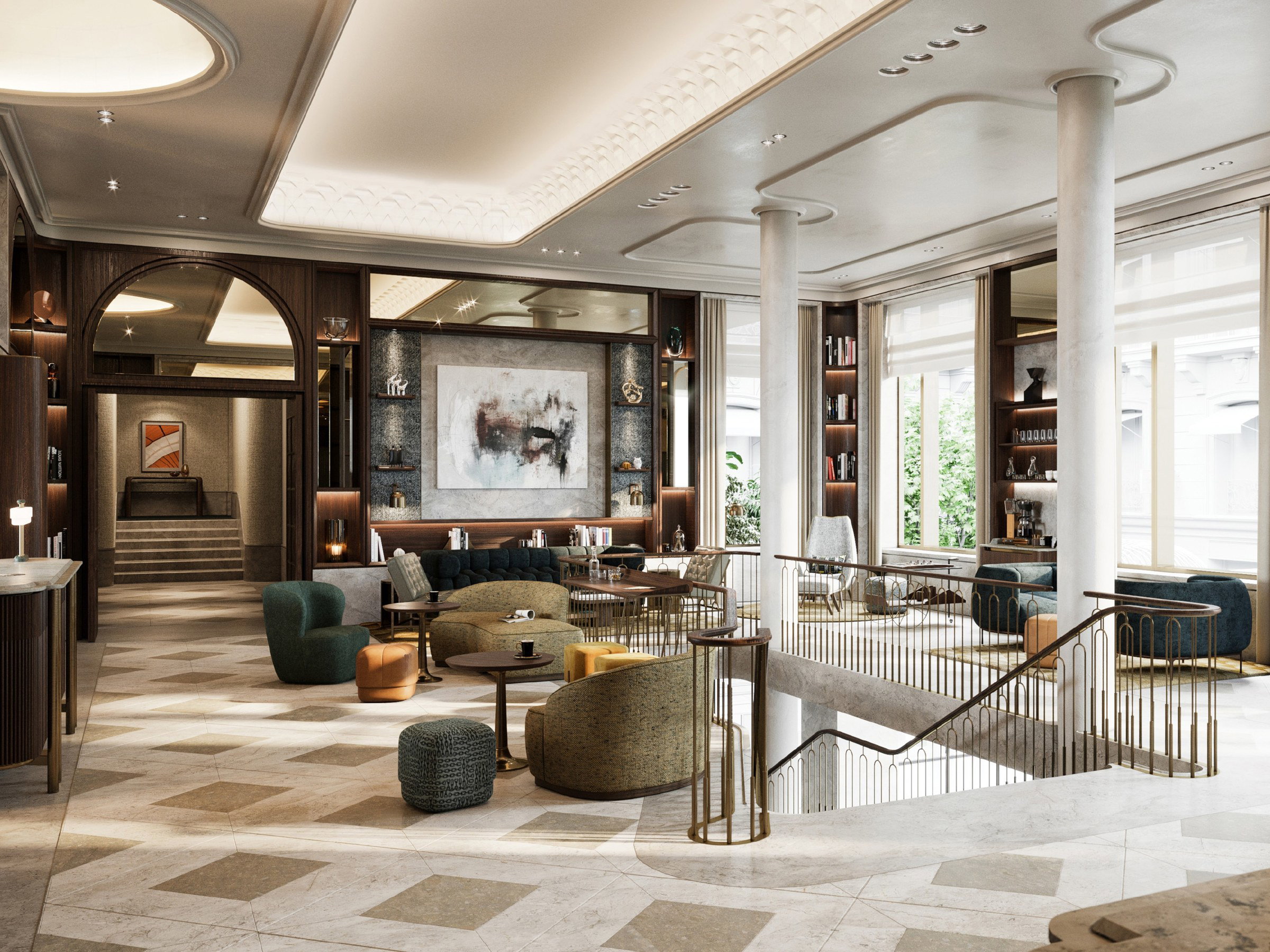
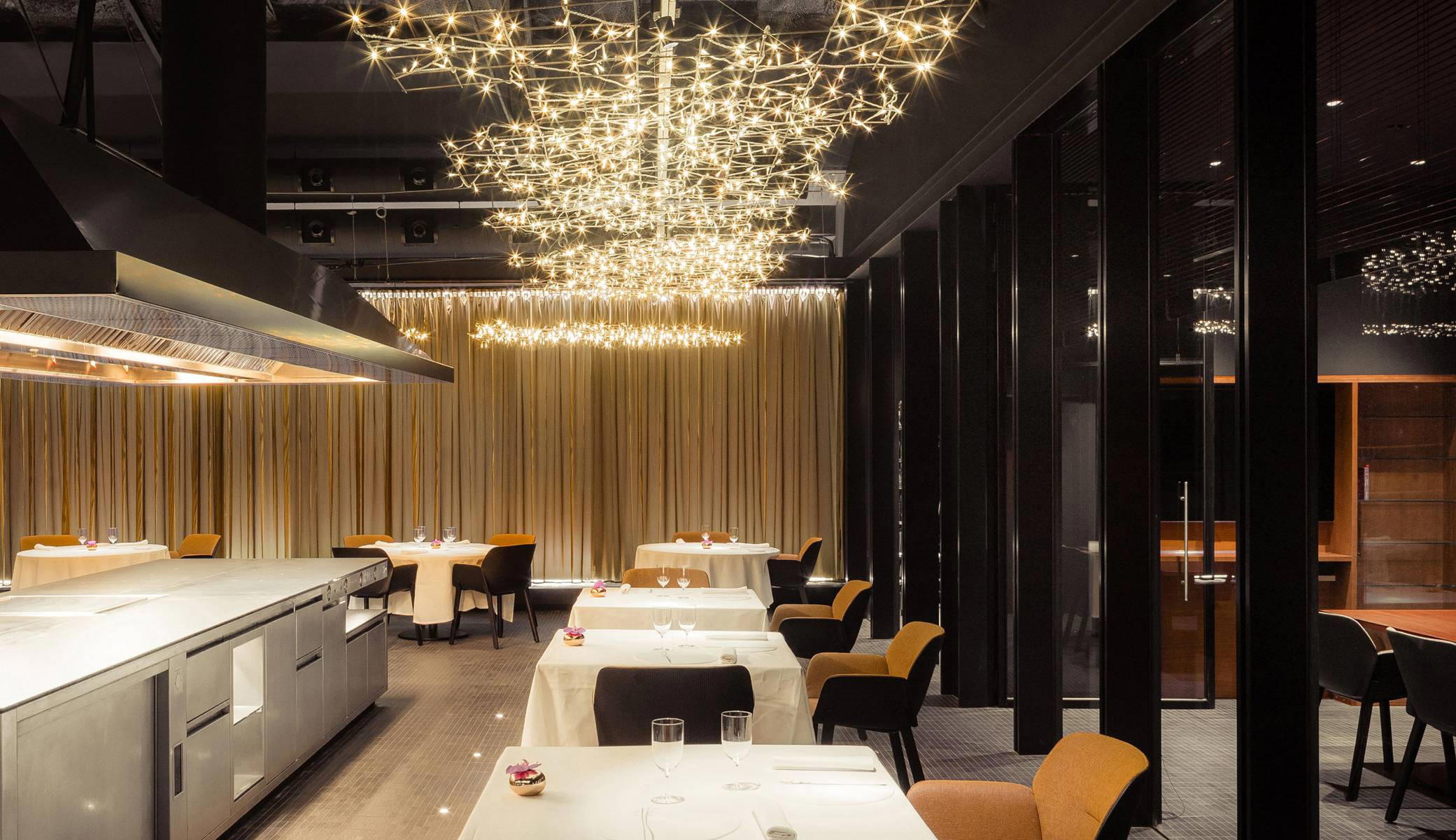
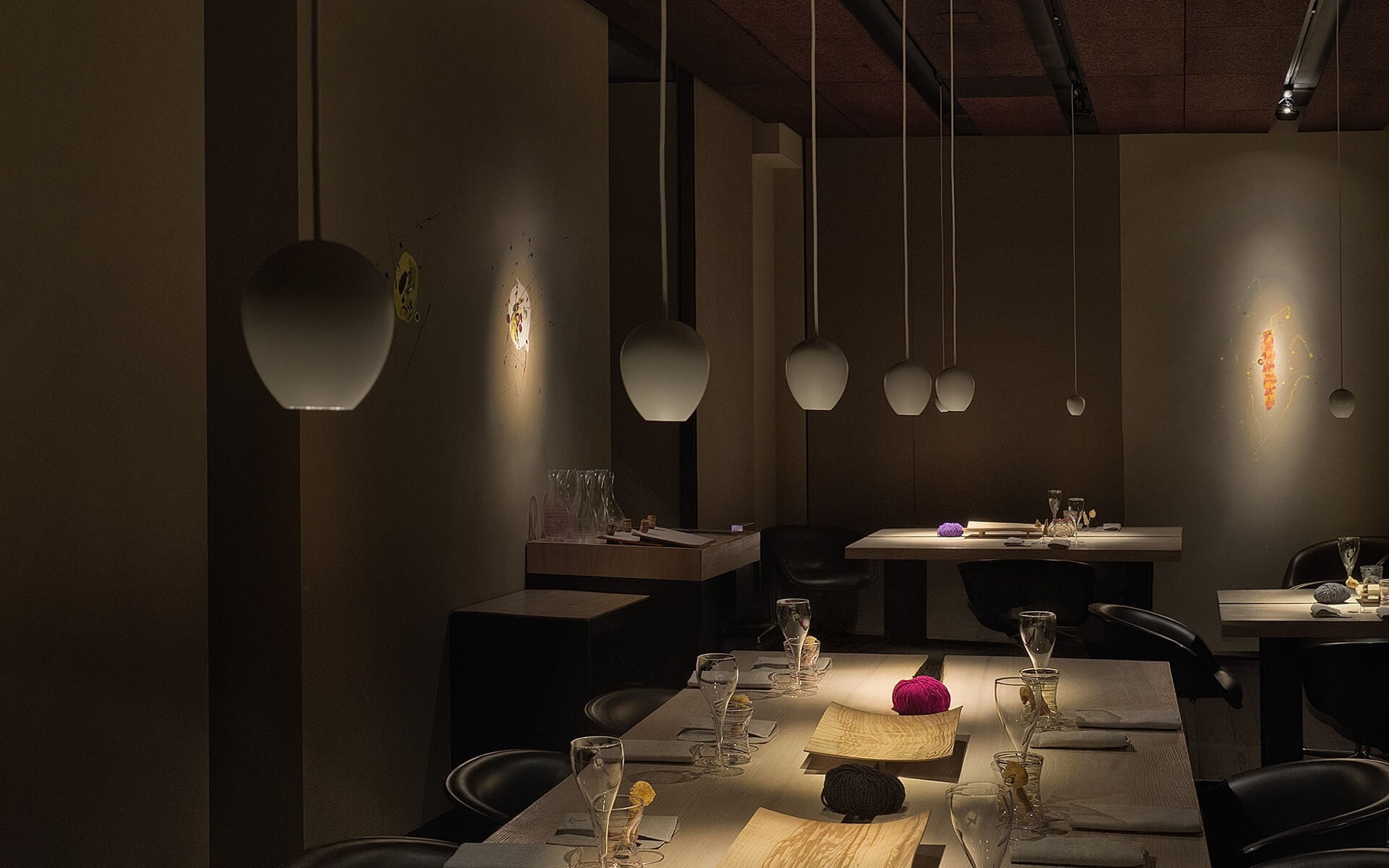
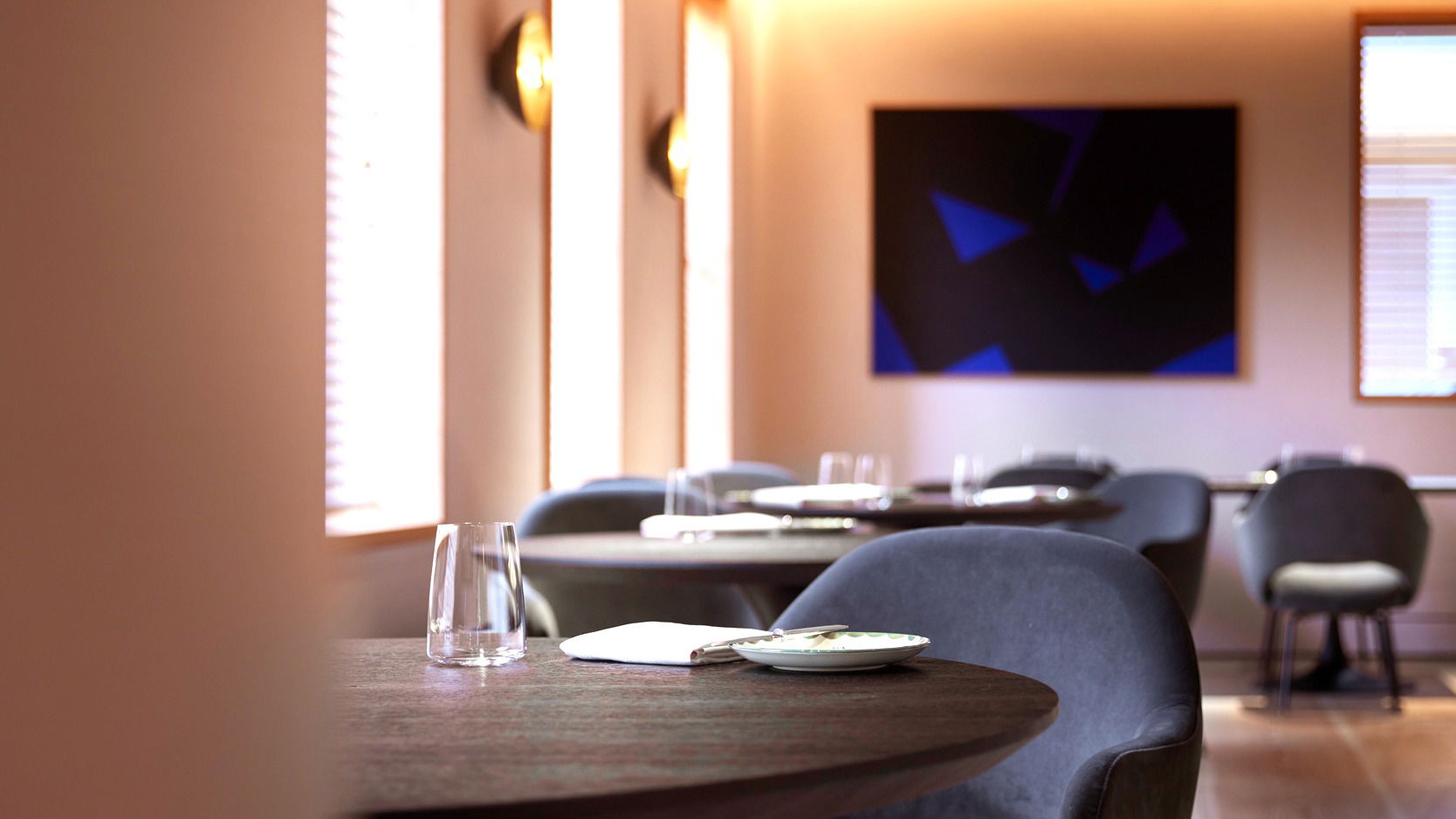
The dining room at Luisenstraße 27 is deliberately calm: minimalist, warmly lit, and sized for intimacy rather than volume. Artworks by South German artist Stefan Strumbel punctuate the space without overwhelming it. The open-plan kitchen, Hartwig calls it his "laboratory of love", is visible directly from the dining room, which means you can watch his team working rather than imagining it. For guests returning for a second visit, this transparency is worth paying attention to: the kitchen sightlines change what the meal feels like. You are not just eating a sequence of courses; you are watching a small, committed team execute something they have clearly rehearsed to a high standard. The spatial layout makes the formality feel earned rather than imposed.
Sourcing and the Menu Logic
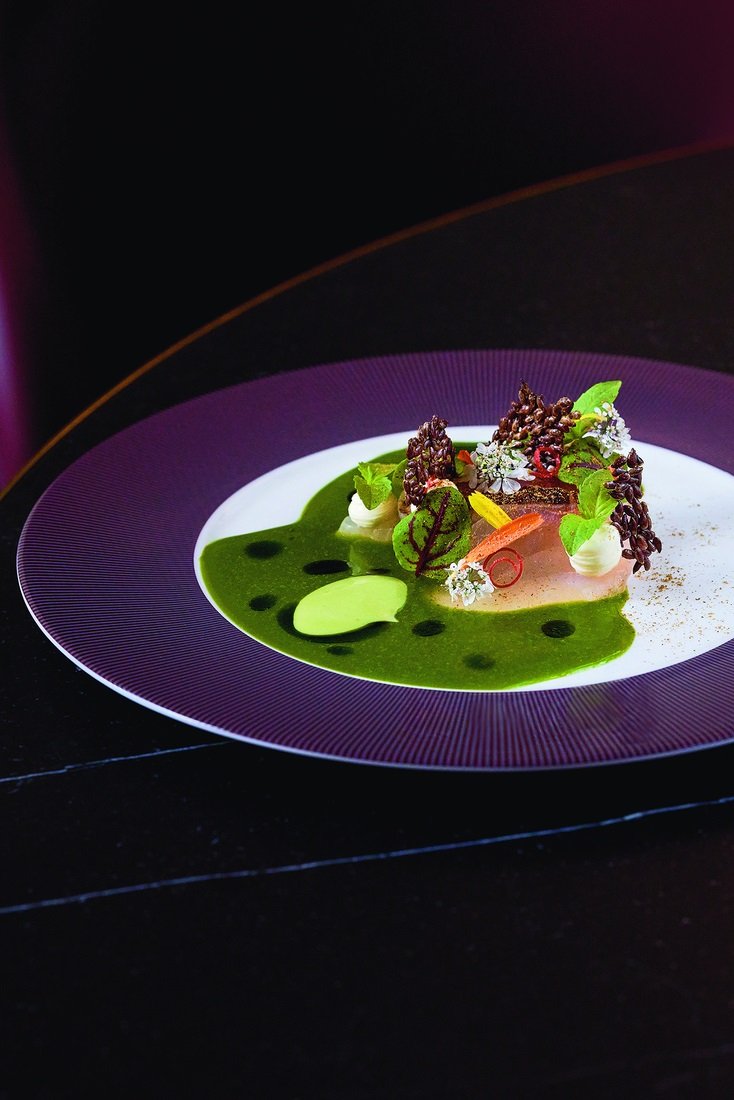
The ingredient sourcing at JAN is not incidental to the price, it is the core justification for it. Hartwig draws on regional suppliers with specificity: trout from Schliersee, a freshwater lake in the foothills south of Munich, anchors an alpine-inflected course built around iceberg lettuce, jalapeño, kohlrabi, horseradish, pumpernickel, dill, and sauerkraut beurre blanc. The sourcing choice is not decorative; the fish's provenance shapes the entire flavour architecture of the dish, grounding what might otherwise read as technical showmanship in something geographically legible. For a returning guest, this is the thread worth following across the menu: where does each ingredient come from, and why does Hartwig's choice of that particular source change what the dish means?
Other documented courses reinforce the same logic. A tartlet of foie gras mousse with finger lime pearls, smoked maple syrup, and paper-thin pecan crisps layers textural contrast against acid and fat in a way that requires every component to be sourced precisely, finger lime in particular is fragile enough that provenance affects both flavour and presentation. The Sea Urchin Louise, built around jellied oxtail, crème fraîche, and chives, is named for Hartwig's daughter and carries a personal register that sits alongside the technical ambition rather than being obscured by it. Hartwig insists on cooking every sauce himself, which is not a small detail at this level of operation: it means the menu's consistency is tied directly to his presence in the kitchen on any given night.
For guests comparing value across Germany's three-star tier, JAN's regional sourcing logic makes the price coherent. Peer venues like Aqua in Wolfsburg, Schwarzwaldstube in Baiersbronn, and Vendôme in Bergisch Gladbach all operate at comparable price points, but JAN's sourcing specificity, built around Bavarian and alpine suppliers, gives it a distinct regional identity that those rooms do not replicate. If you are benchmarking against creative fine dining in other German cities, CODA Dessert Dining in Berlin and ES:SENZ in Grassau offer different points of reference, but neither lands in the same conversation for classical precision at this scale. Restaurant Haerlin in Hamburg is the closest northern counterpart in terms of institutional seriousness, but Hartwig's menu rotates more frequently and carries a stronger personal signature.
For international context, JAN sits in the same tier as Alléno Paris au Pavillon Ledoyen and Arpège in Paris in terms of awards density and sourcing ambition, though those rooms operate on a larger scale and with very different menu philosophies. JAN is smaller and more tightly controlled.
Who Books This
JAN is well-suited to a second or third serious fine dining visit to Munich, particularly for guests who want a menu that changes with genuine frequency and a room that does not perform its own prestige too loudly. It is less suited to guests who want à la carte flexibility, this is a tasting menu operation, and the format is fixed. For Munich dining at a lower commitment level, mural and Alois - Dallmayr Fine Dining offer creative cooking without the full tasting menu commitment. For something more casual in the city, Showroom and Zauberberg are worth considering. Our full Munich restaurants guide covers the wider range, and if you are planning around a stay, the Munich hotels guide will help with where to base yourself. You can also explore Munich bars, Munich wineries, and Munich experiences to round out the trip.
Practical Details
Reservations: Near impossible, expect competition months in advance; book as early as the reservations window allows. Address: Luisenstraße 27, 80333 München. Price tier: €€€€ (tasting menu format). Format: Tasting menu only; no à la carte. Kitchen visibility: Open-plan kitchen directly visible from the dining room.
How It Compares
Frequently Asked Questions
Is JAN good for a special occasion?
- Yes, without reservation. Three Michelin stars, a 97.5-point La Liste score, and an OAD ranking of #3 in Europe make this one of the most credentialed special-occasion tables in Germany. The room is warm rather than stiff, and the open kitchen gives the evening a sense of occasion that feels participatory rather than theatrical. At €€€€ it is a significant spend, but if the occasion warrants a top-tier tasting menu, this is the right room in Munich.
Can JAN accommodate groups?
- The room is small and intimately configured, so large groups are unlikely to be accommodated easily. Contact the restaurant directly via the address at Luisenstraße 27, no phone or website is currently listed in the public record. Small groups of two to four are the natural fit for the format and space.
Does JAN handle dietary restrictions?
- No specific dietary policy is published, but tasting menu restaurants at this level typically accommodate restrictions when notified well in advance. Contact the restaurant before booking to confirm what is possible, given how tightly the menu is constructed around specific sourced ingredients, last-minute changes are unlikely to be feasible.
Can I eat at the bar at JAN?
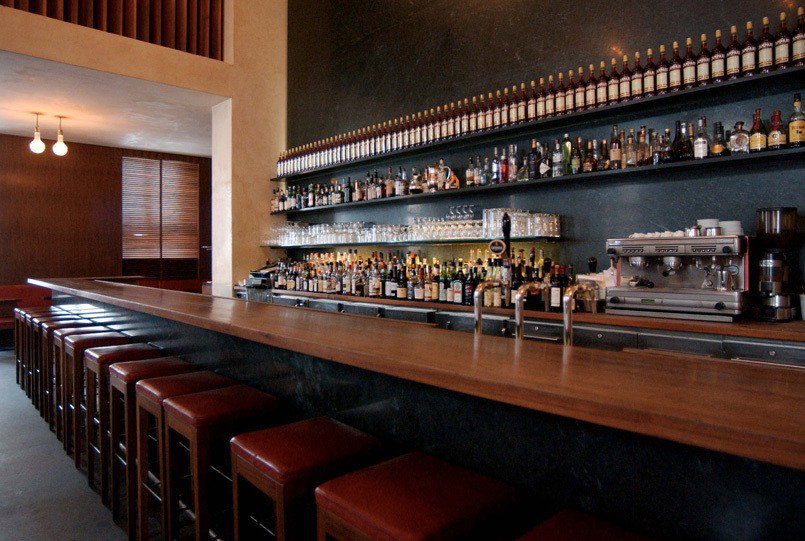
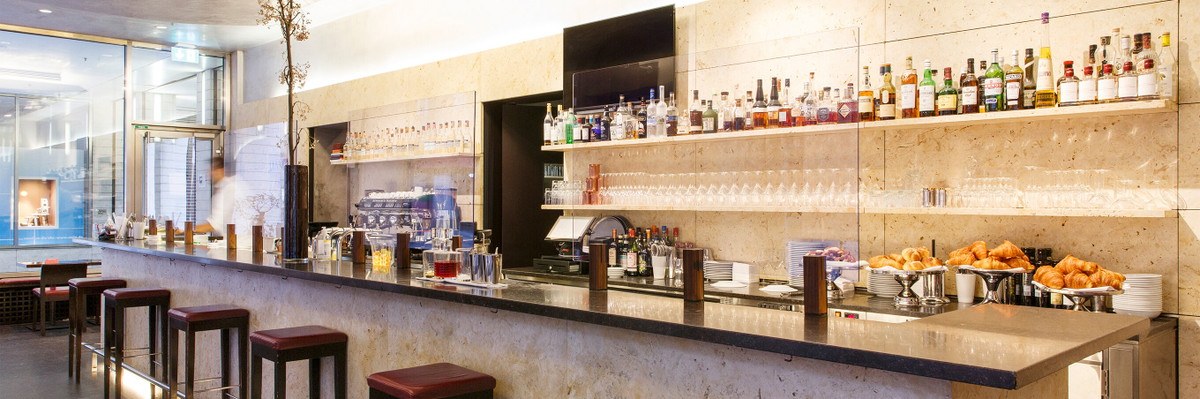
- There is no documented bar seating at JAN. The room is configured around the dining experience, with the open kitchen as the spatial focal point. If you want a more flexible entry point into Munich's high-end creative dining scene, Alois - Dallmayr Fine Dining is worth checking for counter options.
Is the tasting menu worth it at JAN?
- At this price tier, the answer depends on what you are comparing against. Within Munich's three-star set, JAN's combination of regional sourcing specificity, a frequently rotating menu, and a more personal atmosphere than the institutional alternatives makes it the stronger choice for guests prioritising creativity over heritage. Benchmarked against Germany's broader three-star tier, including Aqua and Schwarzwaldstube, JAN's OAD and La Liste scores suggest it is performing at or above that peer group. The menu is worth the price if you are coming specifically for Hartwig's ingredient-led approach; if you want a more classic format, Tantris is a better fit.
What are alternatives to JAN in Munich?
- For three-star prestige with a longer institutional track record, Tantris is the obvious comparison. For a more accessible creative tasting menu at the same price tier, Alois - Dallmayr Fine Dining is easier to book and offers a different entry point into Munich's high-end dining. mural is the right step down if you want creative cooking without the full commitment. See our full Munich restaurants guide for a broader view of the city's options.
Planning details
- Location
- Luisenstraße 27, 80333 München, Germany
- Reservations
- Book on OpenTable
- Website
- jan-hartwig.com
- Phone
- +49 89 23708658
The take
The Take
The Vibe
JAN presents a restrained, minimal room that leans quietly toward warmth rather than theatricality. The dining space is minimalist and warmly lit, punctuated by artworks from a South German artist that sit against a calm interior. The open-plan kitchen is visible from the room, but it is not staged as performance; it sits as a working laboratory where process is legible without spectacle. The result is a serene, intimate atmosphere that feels deliberate and composed — sophisticated rather than flashy, focused on craft and measured emotion.
Best For
JAN is best approached as a considered evening destination: it occupies the upper echelons of Munich’s fine-dining scene and emphasizes a composed service rhythm and emotionally driven cooking. Located on a quiet stretch of Luisenstraße in Maxvorstadt, the restaurant suits special evenings and close, attentive dinners where the company and the cuisine are the central focus. The unobtrusive open kitchen allows diners to observe technique without distraction, reinforcing JAN’s intent as a place for attentive, memorable meals.
Ordering Tips
Focus your ordering on the kitchen’s specialties and confidently sample the signature savory offerings highlighted in the description. Standouts listed include the sea urchin 'Louise', pâté en croûte, beef Wellington and the pike dumpling—each pointing to the team’s attention to classical technique and seasonal detail. Because the kitchen is openly visible but intentionally unperformed, expect dishes that earn attention for their execution. Prioritize those signature items to experience combinations that define the restaurant’s emotional and technical approach.
Venue details
Ambiance
Sleek, chic, and upscale interior with warm lighting, simple wood elements, open kitchen view, serene and sophisticated atmosphere.
Tags
Vibe
Best For
Experience
Sourcing
At the Table
- Dress Code
- Smart Casual
- Noise Level
- Quiet
- Service Style
- Formal
- Meal Pacing
- Extended Experience
- Capacity
- Small
- Kitchen
- Modern
- Menu Format
- Tasting menu, Set menu
- Wine Program
- Exceptional
- Dietary
- Vegetarian friendly, Allergy accommodating
- Private Dining
- Available
Signature Dishes
- sea urchin 'Louise'
- pâté en croûte
- beef Wellington
- pike dumpling
Know before you go
Know Before You Go
- Getting there
- Luisenstraße 27, 80333 München, Germany
Planning details
Location
Recognition and awards






Also consider
Also Consider
- Tantris, Modern French, French Contemporary, €€€€
- Tohru in der Schreiberei, Modern German - Japanese, Modern Cuisine, €€€€
- Alois - Dallmayr Fine Dining, Creative, €€€€
- Atelier, Creative French, €€€€
- Acquarello, Italian - Mediterranean, Italian, €€€€
Restaurant context
Among Munich's four-star tasting menu options, the decision comes down to what you want the evening to feel like. Tantris is the institutionally weighty choice: a room with a long history, a more formal register, and Modern French technique as its anchor. JAN is the counter-argument, younger, more personal, and built around a menu that rotates with genuine frequency. If you have already done Tantris, JAN is the more interesting next step. If you are booking for someone who responds to heritage and ceremony over creative restlessness, the order reverses.
Tohru in der Schreiberei occupies a different lane: its Modern German-Japanese hybrid approach produces a menu unlike anything else in the city, and it is worth booking on its own terms rather than as a fallback. For guests who find JAN's near-impossible booking window a dealbreaker, Alois - Dallmayr Fine Dining is the most practical alternative at the same price tier, creative cooking, a prestigious address, and a somewhat more accessible reservations process. Atelier leans into Creative French with a polished execution that suits guests who want the familiar reassurance of French technique applied with precision.
Acquarello sits apart from this group in style, Italian-Mediterranean rather than creative tasting menu, and is the right pick if you want the €€€€ spend to go toward Italian cooking rather than Central European haute cuisine. For the reader returning to Munich's fine dining scene who wants to understand where JAN sits in the competitive set: it is the room with the strongest current awards trajectory, the most personal menu, and the hardest table to secure. Book it first if you can, then use the others to fill the gaps.
Around this place
Discover more on Pearl
Unlock the full JAN guide in Pearl, including awards, comparisons, FAQs, planning details, and nearby places.
Compare JAN
| Venue | Cuisine | Awards | Booking Difficulty |
|---|---|---|---|
| JAN | Creative | 2026 OAD Top Restaurants in Europe Ranked · #6Michelin Guide Germany 20262026 La Liste Top Restaurants2026 Les Grandes Tables du Monde Members2026 Falstaff Restaurant Guide2025 OAD Top Restaurants in Europe Ranked · #32025 World's 50 Best Restaurants · #502025 OAD Classical in Europe Ranked · #3952025 The Best Chef Three Knives | Near Impossible |
| Tantris | Modern French, French Contemporary | Star Wine Lists 2026 · #12026 OAD Classical in Europe Ranked · #502026 OAD Top Restaurants in Europe Ranked · #61Michelin Guide Germany 20262026 Les Grandes Tables du Monde Members2026 La Liste Top Restaurants2026 Falstaff Restaurant Guide2025 OAD Classical in Europe Ranked · #672025 World's 50 Best Restaurants · #73 | Unknown |
| Tohru in der Schreiberei | Modern German - Japanese, Modern Cuisine | 2026 OAD Top Restaurants in Europe Ranked · #94Michelin Guide Germany 20262026 Michelin Plate2026 Les Grandes Tables du Monde Members2026 La Liste Top Restaurants2025 OAD Top Restaurants in Europe Ranked · #1582025 The Best Chef Two Knives2025 Michelin Plate2025 La Liste Top Restaurants | Unknown |
| Alois - Dallmayr Fine Dining | Creative | Michelin Guide Germany 20262026 La Liste Top Restaurants2026 Falstaff Restaurant Guide2025 La Liste Top Restaurants2025 The Best Chef One Knife2025 Michelin 2 Stars2024 Michelin 2 Stars2023 OAD Top New Restaurants in Europe Highly Recommended | Unknown |
| Atelier | Creative French | 2026 OAD Top Restaurants in Europe Ranked · #83Michelin Guide Germany 20262026 Les Grandes Tables du Monde Members2026 La Liste Top Restaurants2026 Falstaff Restaurant GuideWe're Smart World Top Restaurants 20252025 Michelin 2 Stars2025 La Liste Top Restaurants2024 OAD Top Restaurants in Europe Ranked · #72 | Unknown |
| Acquarello | Italian - Mediterranean, Italian | 2025 OAD Classical in Europe Ranked · #3172024 OAD Classical in Europe Ranked · #2292024 Michelin 1 Star2023 OAD Classical in Europe Highly Recommended | Unknown |


.png?width=1200&quality=80)





What to weigh when choosing between JAN and alternatives.
FAQ
Frequently Asked Questions
Is JAN good for a special occasion?
Yes, and it is one of the strongest cases for it in Munich. Three Michelin stars, a #3 OAD Europe ranking (2025), and an open-kitchen format that makes the meal feel personal rather than ceremonial all point in the same direction. The room at Luisenstraße 27 is calm and intimate rather than grand and stiff, which suits milestone dinners better than larger, more formal rooms do.
Does JAN handle dietary restrictions?
Tasting menus at three-Michelin-star level typically accommodate dietary requirements when flagged at the time of booking, and there is no data suggesting JAN is an exception. That said, the menu is built around specific regional sourcing and precision cooking, so substantial restrictions may limit what the kitchen can offer. Communicate requirements clearly when reserving — do not wait until the night.
Can I eat at the bar at JAN?
The restaurant opens directly onto Hartwig's open-plan kitchen, which is a deliberate architectural choice, but there is no database record of a bar counter or walk-in bar option. Assume a reservation is required. Given how difficult bookings are, treating a bar seat as a fallback plan is not a reliable strategy here.
Is the tasting menu worth it at JAN?
At €€€€ pricing, JAN sits at the top of Munich's fine dining market, but the credential stack is unusually strong for that price point: three Michelin stars, World's 50 Best #84 (2024), La Liste 97.5 pts (2025), and OAD #3 in Europe (2025). Hartwig cooks every sauce himself and changes menus with genuine frequency, so this is not a static prestige format. If you are weighing it against Atelier or Alois, JAN is the more personal and chef-driven experience.
What are alternatives to JAN in Munich?
Tantris is the most direct comparison if you want a longer-established Munich institution with a French-leaning approach. Tohru in der Schreiberei offers a Japanese-influenced tasting menu at a high level with generally easier reservations. Alois at Dallmayr brings fine dining into a more accessible format, and Acquarello holds a strong position for Italian haute cuisine in the city. None currently match JAN's combined OAD and Michelin standing in Munich.