.png?width=1200&quality=80)
Mescita Pane e Vino
Italian · Nakagyō, Kyoto
Restaurant in Kyoto, Japan
 Book with Pearl
The Read
Tuscan Charcoal Cuts
Price
$50–100per person
Dress
Smart Casual
Why go
An Italian wine bar in central Kyoto serving aged beef chargrilled in the Florentine style with organic wine, at accessible ¥¥ pricing. The most straightforward value play among Michelin-recognised Italian addresses in the city — better suited to a relaxed two-hour dinner than a quick lunch, and a genuine alternative to the kaiseki circuit for visitors spending multiple days in Kyoto.
About Mescita Pane e Vino
Verdict
Most visitors come to Kyoto expecting to eat Japanese food, and assume that anything else is a compromise. Mescita Pane e Vino corrects that assumption. At ¥¥ pricing, it is one of the more accessible Michelin-recognised addresses in the city. Book it if you want a genuine change of register from kaiseki, or if you are spending several days in Kyoto and need a meal that does not demand the full ceremonial attention that a kaiseki counter requires.
Portrait
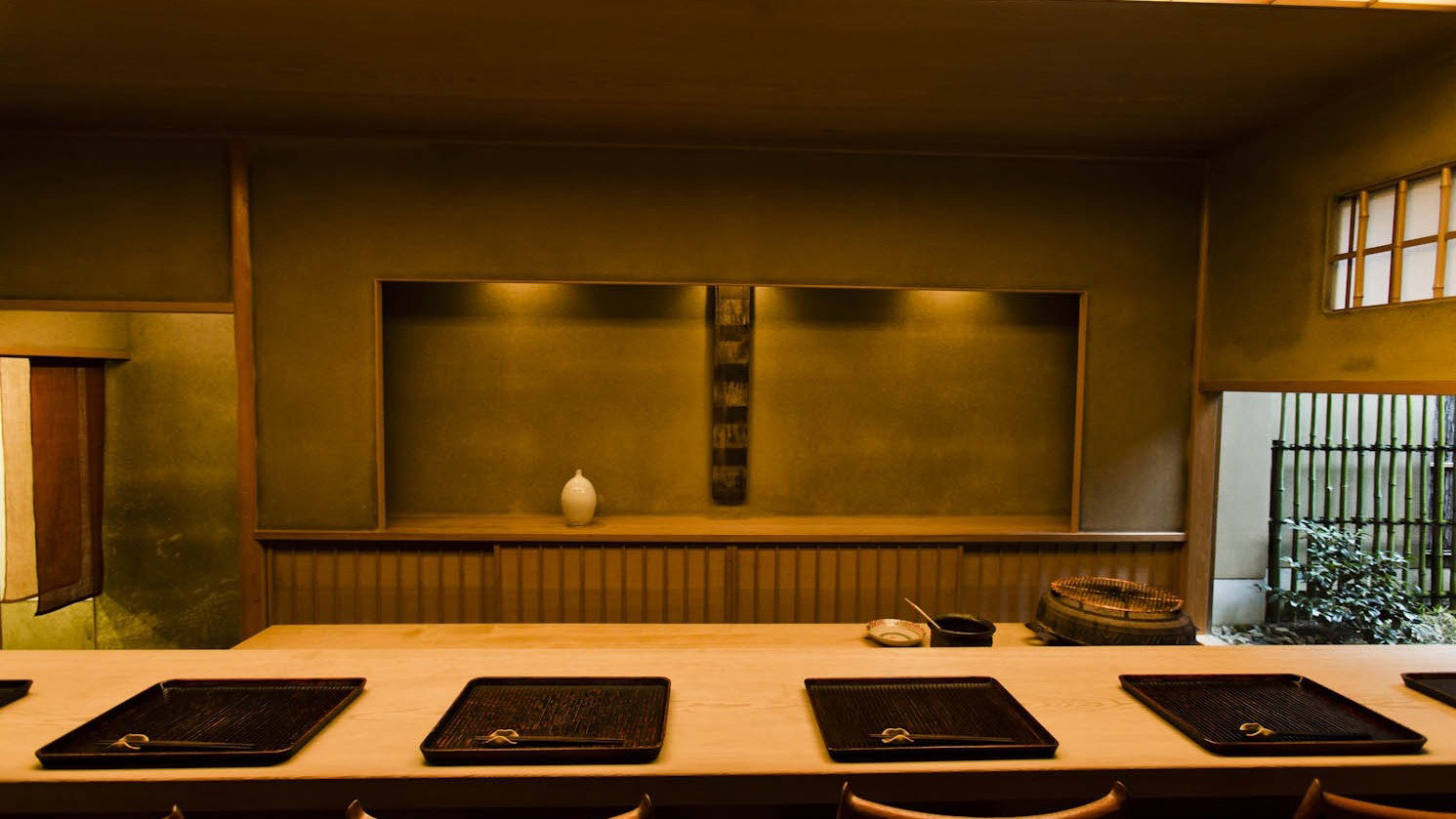
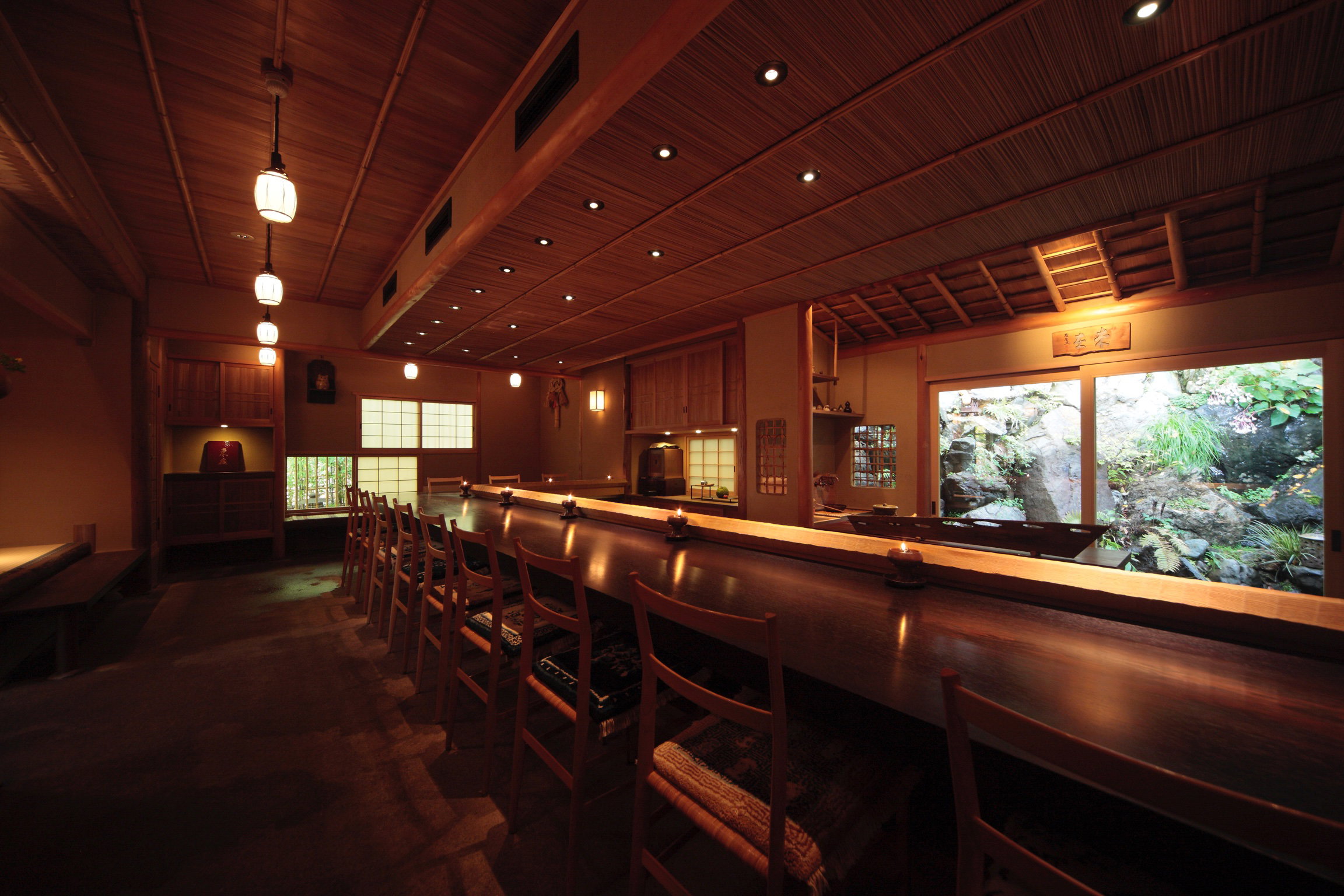
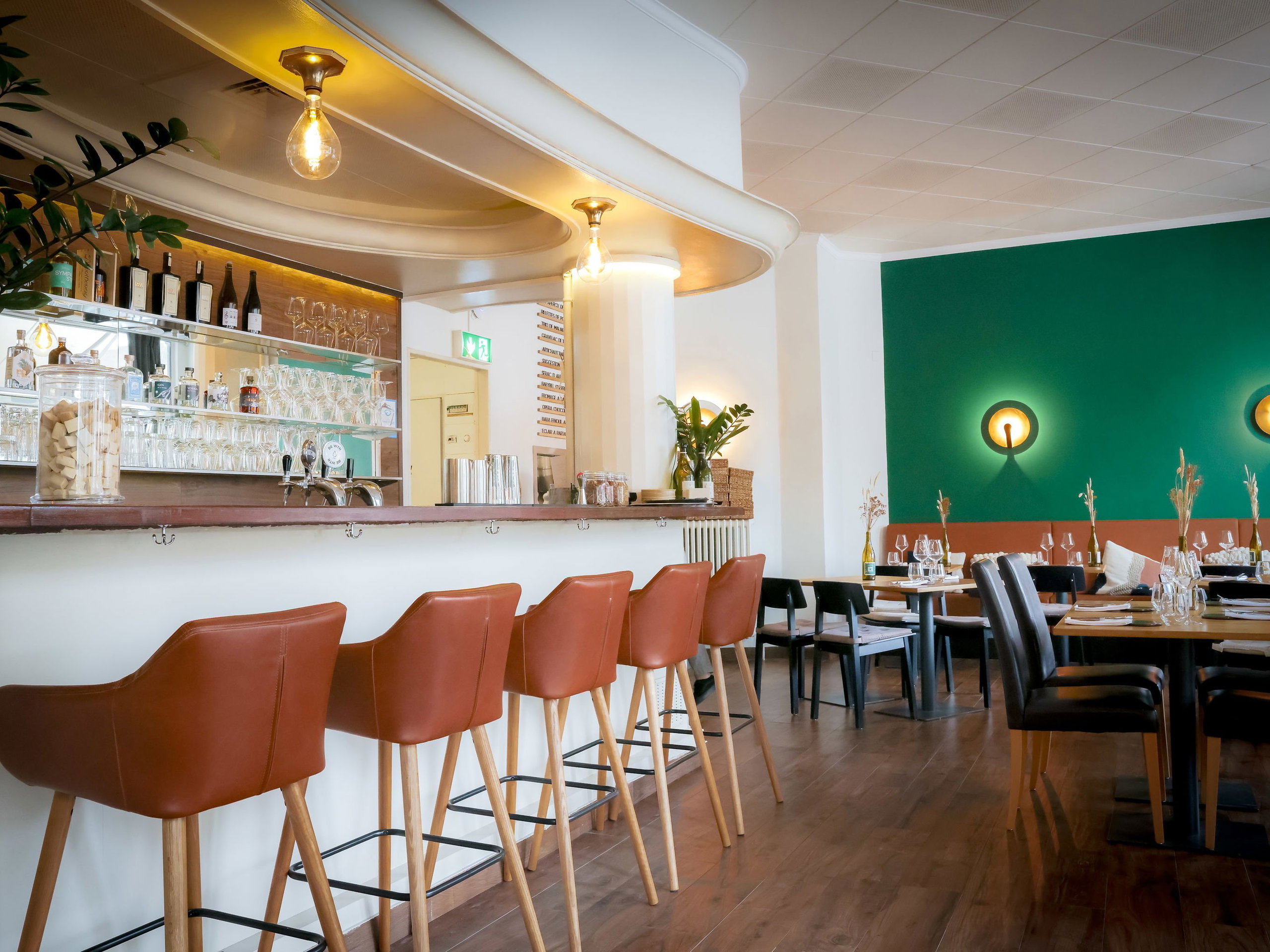
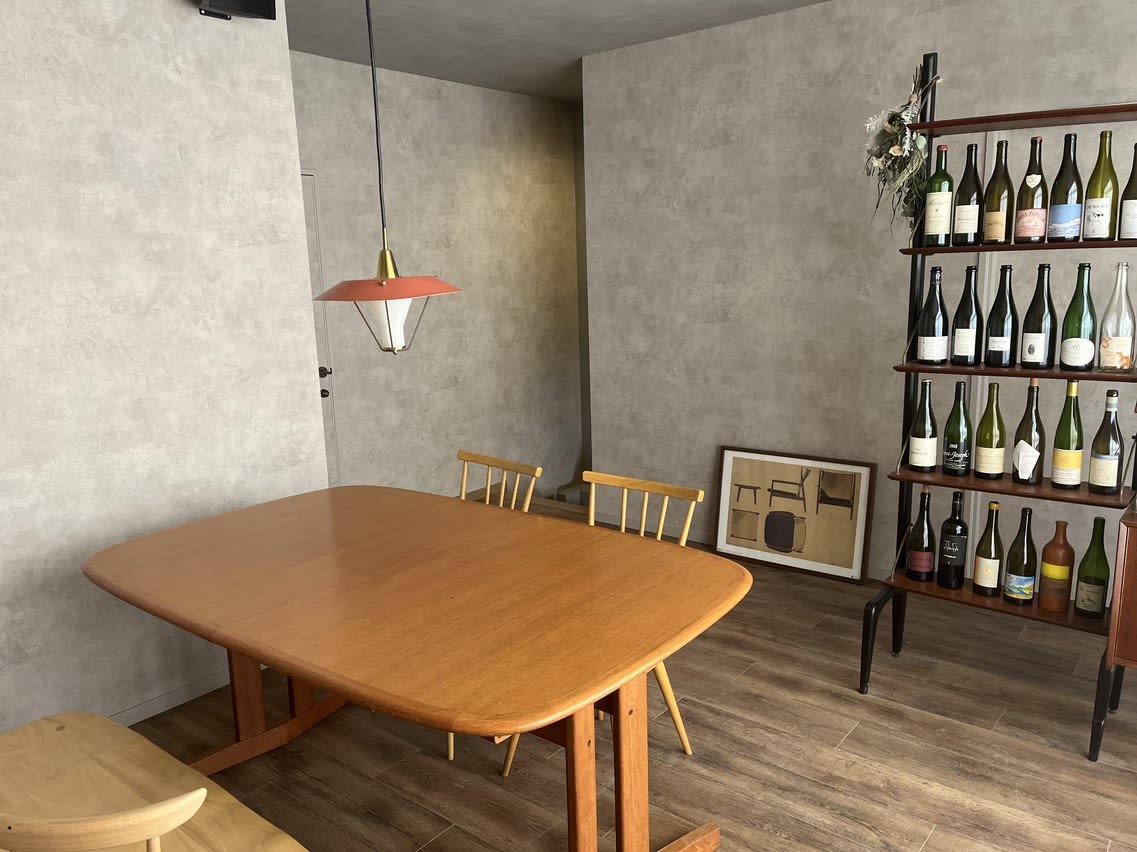
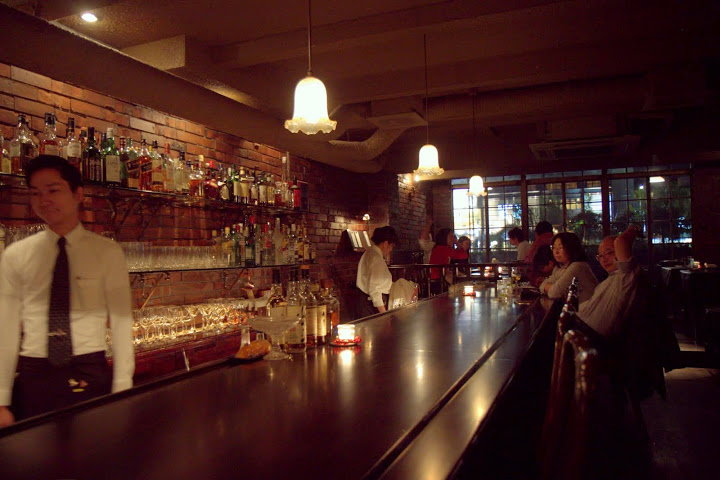
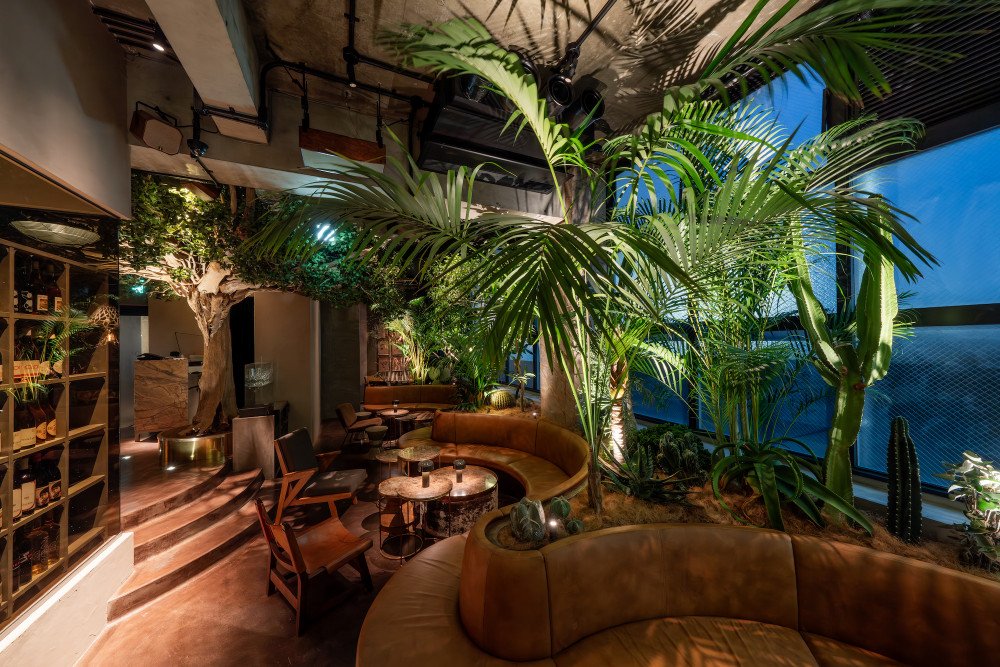
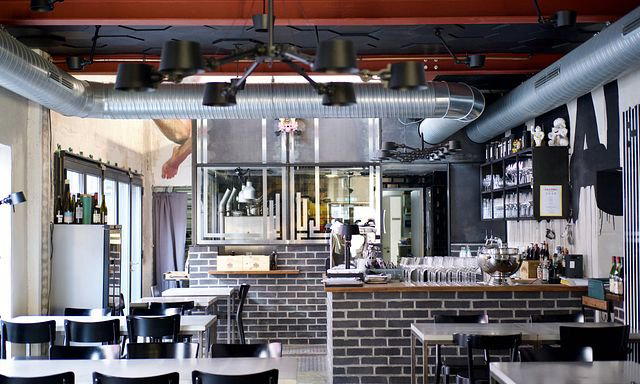
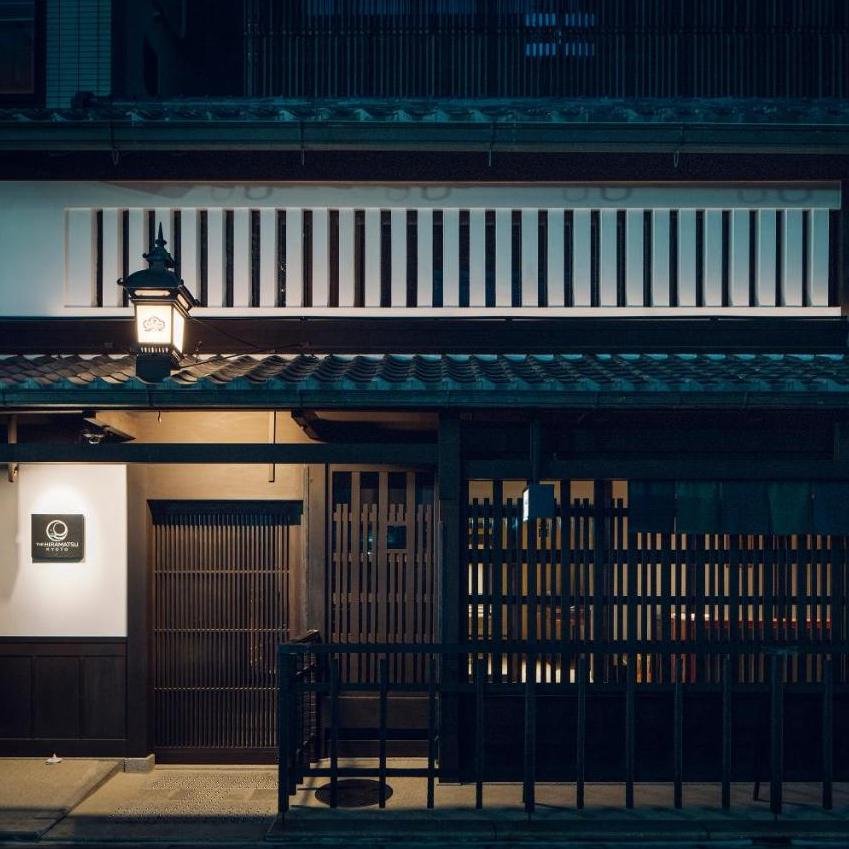
The name is the first clue. "Mescita" is an old Tuscan word for a bar or tavern — an unpretentious neighbourhood drinking and eating space rather than a formal dining room. That framing matters here. Walking into Mescita Pane e Vino, you are not entering a white-tablecloth showcase. The visual register is warm and spare, the kind of room that signals the food and the wine will do the talking. In a city where dining rooms often perform their own cultural narrative through lacquerware, garden views, and precision service choreography, this Italian tavern format is a genuine counterpoint.
The kitchen's focus is aged beef, sourced in cuts that include rump, aitchbone, and rib roast. These are not the most fashionable cuts in fine dining — aitchbone in particular is the kind of choice that signals a chef thinking about flavour and texture rather than presentation optics. The cooking method is direct Florentine chargrill, seasoned with salt and pepper only. Portions start at 200g. What this means in practice: if you have eaten bistecca alla Fiorentina in Tuscany, the approach here is recognisable, but the beef is Japanese-aged, which will give the fat a different character. The beef is grilled slowly, so the kitchen's advice to order appetisers first is worth following, this is not a meal that rushes.
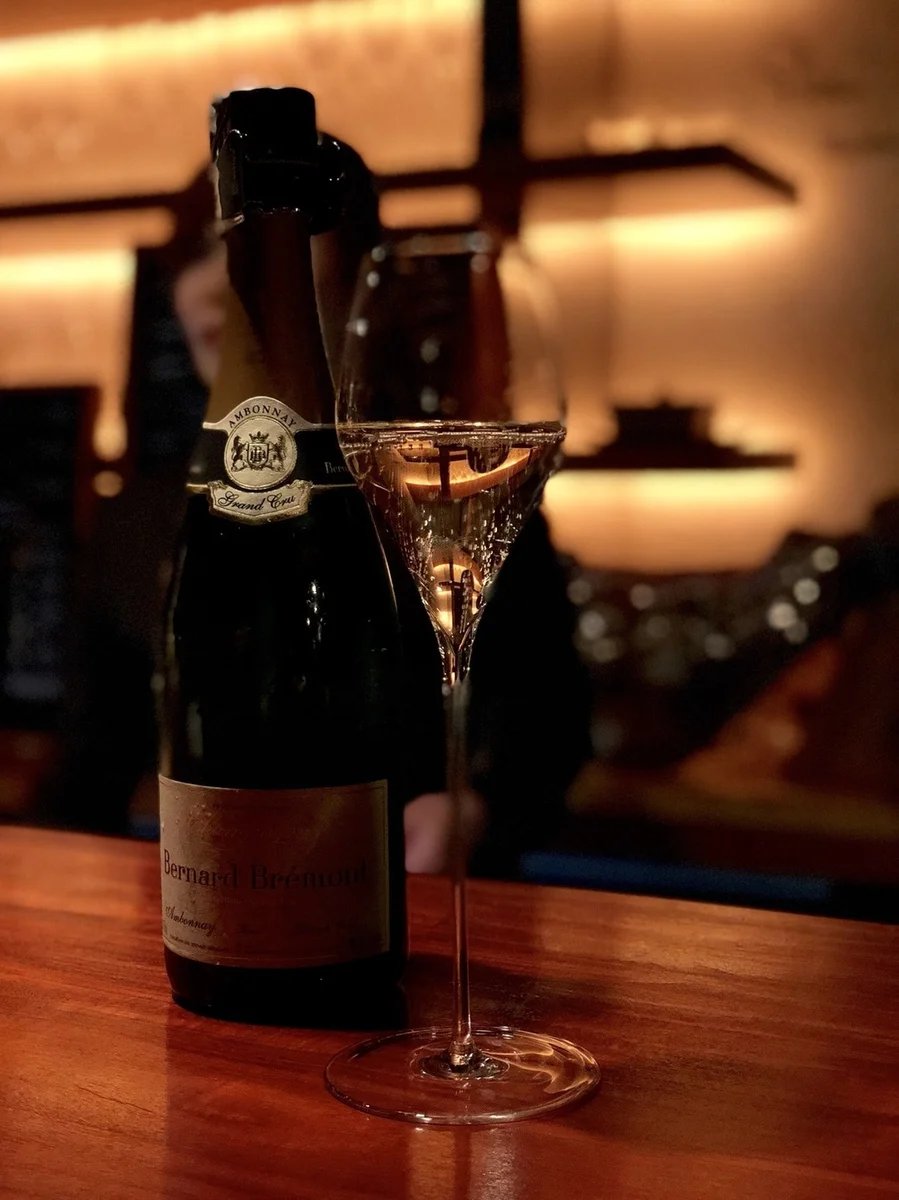
Organic wine list is integral to the concept, not an afterthought. The name couples bread and wine with the mescita format, and that combination is the point. If you are the kind of traveller who looks for serious wine at an Italian address in Asia, this is one of the more credible options in Kyoto. For context, the Italian restaurants in Japan that have genuinely committed to natural and organic wine programmes are fewer than the marketing suggests; Mescita appears to be one that means it. Comparable Italian addresses in the region, including cenci and Bini, operate at ¥¥¥ or above, making Mescita the more accessible entry point for Italian cooking in Kyoto without surrendering Michelin recognition.
Pastas are recommended for those with appetite remaining after the beef. This is worth noting structurally: the menu is designed around the beef as centrepiece, with appetisers and pasta playing supporting roles. Resist the temptation to order pasta first as a primary course, it will serve you better as a follow-on. That sequencing also shapes the decision about how much time to allow. This is not a 45-minute lunch. Give it two hours minimum if you are eating the full arc: appetisers, beef, pasta, wine.
Address in Nakagyo Ward, near Nishiki-koji and Muromachi, places it in a part of central Kyoto that is dense with eating options but not overrun with tourist infrastructure. For visitors staying in the central wards, it is walkable from most accommodation. For those exploring the city's broader dining picture, it sits alongside other Kyoto addresses worth knowing: Vena, BOCCA del VINO, and TAKAYAMA are all within the city's core dining circuit. For Japan-wide Italian context, akordu in Nara offers a similarly cross-cultural Italian lens at a short train ride away.
Lunch vs Dinner
Hours are not confirmed in the available data, so verify current service times before visiting. That said, the nature of the menu shapes how the two services compare in value. Dinner is the stronger choice for the full Mescita experience: the slow-grilled beef and organic wine format works well when you are not time-constrained, and the tavern atmosphere is likely to be more animated in the evening. If a lunch service exists, it is worth asking whether the full beef menu is available, Florentine-style grilling at lunch is less common in Japanese Italian kitchens, which sometimes run abbreviated daytime menus. For a lighter midday visit, the pasta would be the more practical anchor. For the experience the Michelin Plate recognises, come for dinner.
Know Before You Go
- Price range: ¥¥, accessible by Kyoto fine-dining standards
- Recognition:
- Booking difficulty: Easy, reservations are recommended but the venue is not in the same demand tier as Kyoto's starred kaiseki addresses
- Minimum portion: Beef portions start at 200g; order appetisers on arrival as the beef takes time
- Cuisine: Italian, with aged beef as the centrepiece and organic wine as the pairing focus
- Location: Nakagyo Ward, near Nishiki-koji and Muromachi, central Kyoto
- Hours: Not confirmed, check ahead before visiting
- Contact / booking: No website or phone number in current data, search the venue name directly for current reservation options
Explore More in Kyoto and Beyond
If Mescita sits on your Kyoto itinerary, it pairs well with a broader programme. Our full Kyoto restaurants guide covers the city's range from kaiseki to contemporary. For where to stay, our Kyoto hotels guide covers the central and eastern wards. Drinkers should check our Kyoto bars guide. For day-trip context, HAJIME in Osaka and Harutaka in Tokyo represent different ends of Japan's broader fine-dining register. For Italian specifically in Asia, 8 1/2 Otto e Mezzo Bombana in Hong Kong is the regional benchmark at the high end. Closer to home and at a different price tier, Frasca Food & Wine in Boulder shows how the Italian regional focus translates outside Italy. Also worth noting for Japan explorers: Goh in Fukuoka, 1000 in Yokohama, and 6 in Okinawa fill out the picture for those moving beyond Kyoto. And if wine is a through-line of your trip, our Kyoto wineries guide and our Kyoto experiences guide are worth a look.
Planning details
- Location
- Japan, 〒604-8221 Kyoto, Nakagyo Ward, Tenjinyamacho, 277 錦 小路 室町 西 入る
- Website
- instagram.com/mescitapev?igshid=MzNlNGNkZWQ4Mg%3D%3D
- Phone
- +81 75-202-3783
The take
The Take
The Vibe
Mescita Pane e Vino positions a Tuscan meat-house sensibility in the intimate context of Kyoto's Nishiki-koji. The writing emphasizes a wood‑fire, open‑chargrill approach and a tavern or 'mescita' mindset where wine arrives before the menu; that friction between Florentine fire and the market's ingredient precision defines the room. The result is quietly rustic and classically Tuscan rather than flashy—an elegant restraint that favors aged beef, salt-and-pepper seasoning and the ritual of drinking first. It feels like a composed, low‑key hideaway for diners who appreciate provenance and pure flame-driven cooking.
Best For
This is a dinner destination for people who come for the grill. The copy specifically points to early evening visits—before post-work foot traffic—for a more composed experience, and the menu centers on aged steaks, making it well suited to date nights, solo meals and special occasions focused on a hearty, meat-forward meal. The tavern-like ordering rhythm (wine before the menu) and the intimate market‑lane setting make it a place to linger over bottles and share large cuts rather than a quick lunch stop.
Ordering Tips
Order with the kitchen's commitment in mind: the house specialises in aged beef prepared over an open chargrill. Signature cuts named in the listing—aged rump, aged aitchbone and aged rib roast—are the clear focal points. The menu’s described philosophy of 'salt and pepper only' suggests keeping preparations simple and pairing them with wine, which the house traditionally brings out early. Practically, aim to arrive in the early evening before the market crowd if you want a more composed atmosphere for tasting the steaks and wine.
Venue details
Ambiance
Stylish and relaxing space with counter seating, ideal for solo diners in an intimate hideout setting.
Tags
Vibe
Best For
Experience
Sourcing
At the Table
- Dress Code
- Smart Casual
- Noise Level
- Quiet
- Service Style
- Upscale Casual
- Meal Pacing
- Leisurely
- Capacity
- Intimate
- Kitchen
- Modern
- Menu Format
- A la carte, Set menu
- Wine Program
- Curated
- Drinks Focus
- Natural wine
Signature Dishes
- Aged rump steak
- Aged aitchbone steak
- Aged rib roast steak
Know before you go
Know Before You Go
- Getting there
- Japan, 〒604-8221 Kyoto, Nakagyo Ward, Tenjinyamacho, 277 錦 小路 室町 西 入る
Planning details
Location
Japan, 〒604-8221 Kyoto, Nakagyo Ward, Tenjinyamacho, 277 錦 小路 室町 西 入る · Directions
Recognition and awards
Also consider
Also Consider
- Gion Sasaki, Kaiseki, Japanese, ¥¥¥¥
- cenci, Italian, ¥¥¥
- Ifuki, Kaiseki, ¥¥¥¥
- Kyokaiseki Kichisen, Japanese, ¥¥¥¥
- Kyo Seika, Chinese, ¥¥¥
Restaurant context
Mescita Pane e Vino occupies a distinct gap in Kyoto's restaurant map: Michelin-recognised Italian at ¥¥. If you are deciding between Mescita and cenci (¥¥¥), the choice is about format as much as price. cenci runs a more structured Italian tasting progression; Mescita is built around aged beef and organic wine in a tavern register. For a single focused meal around Florentine-style beef, Mescita is the more accessible and less ceremonial option. For a full Italian tasting experience in Kyoto, cenci has the edge.
Against the city's ¥¥¥¥ kaiseki addresses, Gion Sasaki, Ifuki, and Kyokaiseki Kichisen, Mescita is not a direct competitor. Those kaiseki houses represent Kyoto's most demanding and expensive dining, where booking difficulty is high and the investment is substantial. Mescita is the right call if you have already done one kaiseki sitting and want a counterpoint meal that does not require the same preparation, budget, or formality. It is easy to book and poses no access barriers.
Kyo Seika (¥¥¥, Chinese) sits in a similar position to cenci as a non-Japanese alternative at a higher price point. For pure value among Michelin-recognised non-Japanese cooking in Kyoto, Mescita is the practical first choice. Book Mescita if the beef and wine format appeals and your budget is under pressure. Step up to cenci if you want a more complete Italian tasting arc. Reserve the ¥¥¥¥ kaiseki houses for the meal you came to Kyoto specifically to have.
Explore Kyoto
Around this place
Discover more on Pearl
Unlock the full Mescita Pane e Vino guide in Pearl, including awards, comparisons, FAQs, planning details, and nearby places.
Compare Mescita Pane e Vino
| Venue | Price | Booking Difficulty | Awards |
|---|---|---|---|
| Mescita Pane e Vino | ¥¥ | Easy | 2026 Michelin Plate2025 Michelin Plate |
| Gion Sasaki | ¥¥¥¥ | Unknown | 2026 Tabelog Bronze · #3862026 OAD Top Restaurants in Japan RecommendedMichelin Guide Kyoto Osaka 20262026 La Liste Top RestaurantsTabelog 100 - Japanese cuisine - WEST - 2025 · #132025 OAD Top Restaurants in Japan Ranked · #2462025 Tabelog Silver2025 Michelin 3 Stars2025 La Liste Top Restaurants |
| cenci | ¥¥¥ | Unknown | 2026 Tabelog Bronze · #442026 Asia's 50 Best Restaurants · #762026 OAD Top Restaurants in Japan Highly RecommendedMichelin Guide Kyoto Osaka 2026Tabelog 100 - Italian - WEST - 2025 · #632025 Asia's 50 Best Restaurants · #632025 OAD Top Restaurants in Japan Ranked · #1682025 Tabelog Bronze2024 OAD Top Restaurants in Japan Ranked · #135 |
| Ifuki | ¥¥¥¥ | Unknown | 2026 OAD Top Restaurants in Japan Ranked · #1222026 Tabelog Bronze · #128Michelin Guide Kyoto Osaka 20262026 La Liste Top RestaurantsTabelog 100 - Japanese cuisine - WEST - 2025 · #622025 OAD Top Restaurants in Japan Ranked · #1002025 La Liste Top Restaurants2025 Tabelog Bronze2025 Michelin 2 Stars |
| Kyokaiseki Kichisen | ¥¥¥¥ | Unknown | 2026 Tabelog Bronze · #1752026 OAD Top Restaurants in Japan Highly RecommendedMichelin Guide Kyoto Osaka 20262025 OAD Top Restaurants in Japan Ranked · #1862025 Michelin 2 Stars2025 La Liste Top Restaurants2024 OAD Top Restaurants in Japan Ranked · #1422024 Michelin 2 Stars2023 OAD Top Restaurants in Japan Ranked · #136 |
| Kyo Seika | ¥¥¥ | Unknown | Tabelog 100 - Chinese cuisine - WEST - 2026 · #762026 Tabelog Bronze · #2162026 OAD Top Restaurants in Japan Recommended2026 Michelin 1 Star2025 OAD Top Restaurants in Japan Ranked · #3262025 Tabelog Bronze2024 OAD Top Restaurants in Japan Ranked · #3042024 Michelin Plate2024 Michelin 1 Star |








Comparing your options in Kyoto for this tier.
FAQ
Frequently Asked Questions
What should I wear to Mescita Pane e Vino?
Casual to neat-casual works here. The name references an old Tuscan tavern, and the ¥¥ pricing signals a relaxed neighbourhood format rather than a formal dining room. Clean jeans and a shirt are appropriate; there is no indication of a dress code in the available data.
Is Mescita Pane e Vino worth the price?
At ¥¥ pricing with a Michelin Plate (2025), the value case is credible. Aged beef chargrilled Florentine-style with minimal seasoning is a specific, ingredient-led offer rather than a broad crowd-pleaser menu — and that focus tends to hold value well. If you want kaiseki at a similar price point, Ifuki is the comparison; if your priority is beef and organic wine in an informal setting, Mescita is the stronger fit.
Is the tasting menu worth it at Mescita Pane e Vino?
Mescita does not appear to operate a conventional tasting menu format. The structure is more à la carte: appetisers to start while the beef rests, a main of aged beef (rump, aitchbone, or rib roast from 200g), and pastas if you have room. Order the beef as the centrepiece and build around it rather than expecting a set progression.
Is Mescita Pane e Vino good for solo dining?
The tavern-style format and à la carte menu are practical for a solo visit — you can order a single cut from 200g and a glass of organic wine without the commitment of a set meal. The Nishiki area location (Nakagyo Ward) is walkable and low-pressure, which helps. Solo diners who want a Japanese counter experience should look at cenci or Ifuki instead; Mescita suits someone who wants beef and wine without ceremony.