

Ajiro
Vegetarian · Ukyō, Kyoto
Restaurant in Kyoto, Japan
 Book with Pearl
The Read
Temple-Gate Shojin
Price
¥¥
Chef
Yoshitaka Senoo
Dress
Smart Casual
Why go
Ajiro is a Michelin Plate-recognised shojin-ryori restaurant beside Myoshinji temple in Kyoto's Ukyo Ward, serving vegetarian Buddhist cuisine at a ¥¥ price point. With easy booking and a tasting progression built on ceremonial lacquerware and house specialities like soy-flour udon and fresh soybean curd, it is the clearest entry point to Kyoto's Zen culinary tradition.
About Ajiro
Should You Book Ajiro?
Getting a table at Ajiro is direct; booking difficulty is low, the ¥¥ price range makes it one of the most accessible ways to experience serious shojin-ryori in Kyoto. That combination is rare. If you want to understand the culinary tradition of Zen Buddhism without committing to a ¥¥¥¥ kaiseki bill, Ajiro is the clearest answer in the city.
The Experience
Ajiro sits adjacent to Myoshinji, the head temple of the Rinzai school of Zen Buddhism in Ukyo Ward; and that proximity is not incidental. The restaurant's founder trained there, the cooking reflects the discipline and philosophy of that environment. The name itself refers to the conical hat worn by monks in training. This is shojin-ryori: vegetarian cuisine handed down from classical times, rooted in temple practice rather than modern plant-based trends.
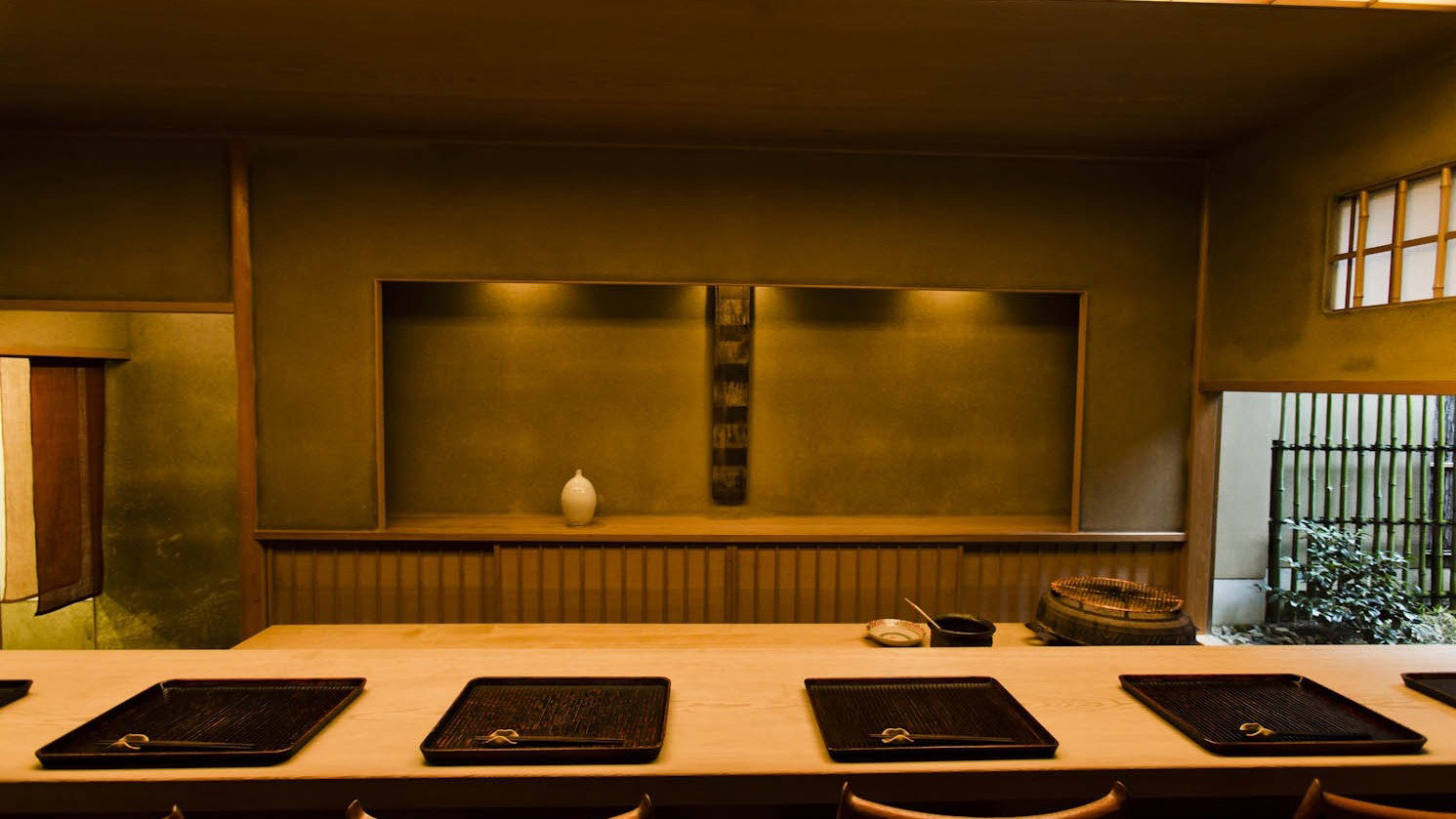
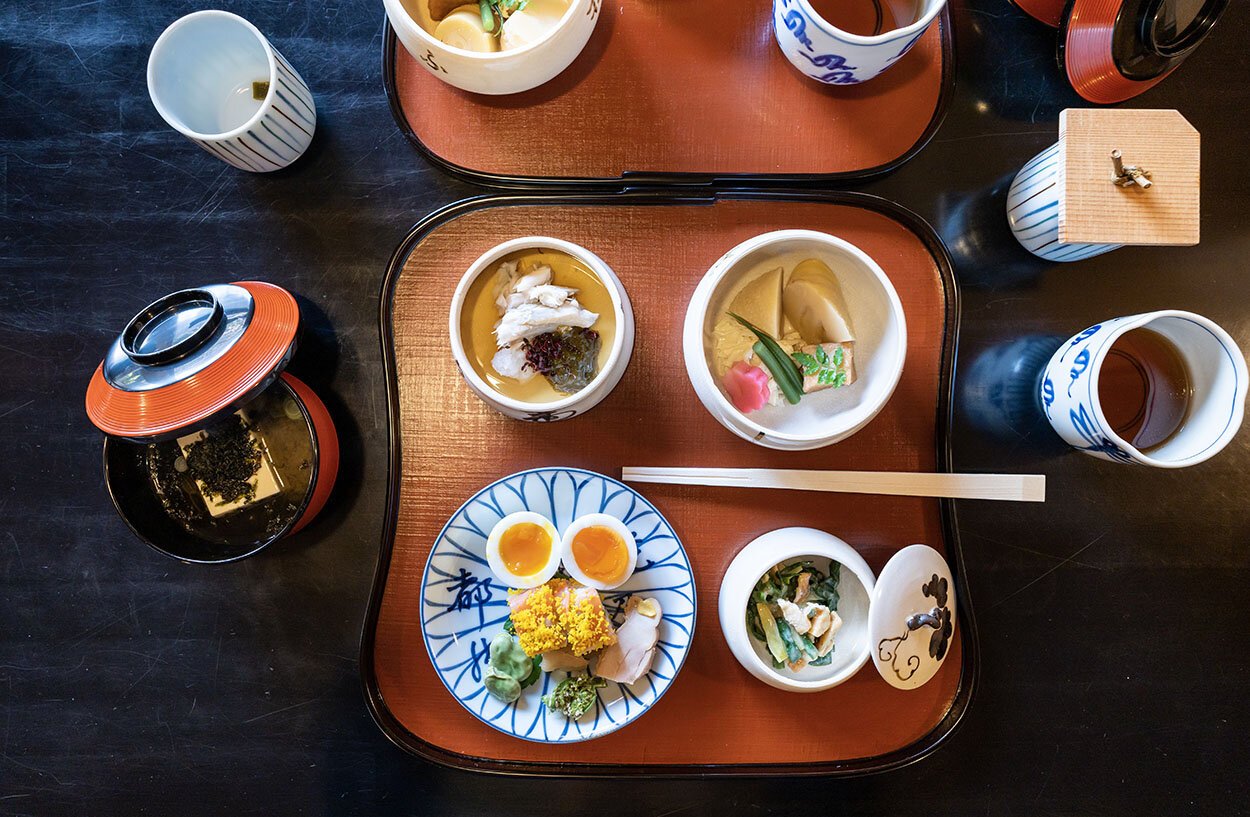
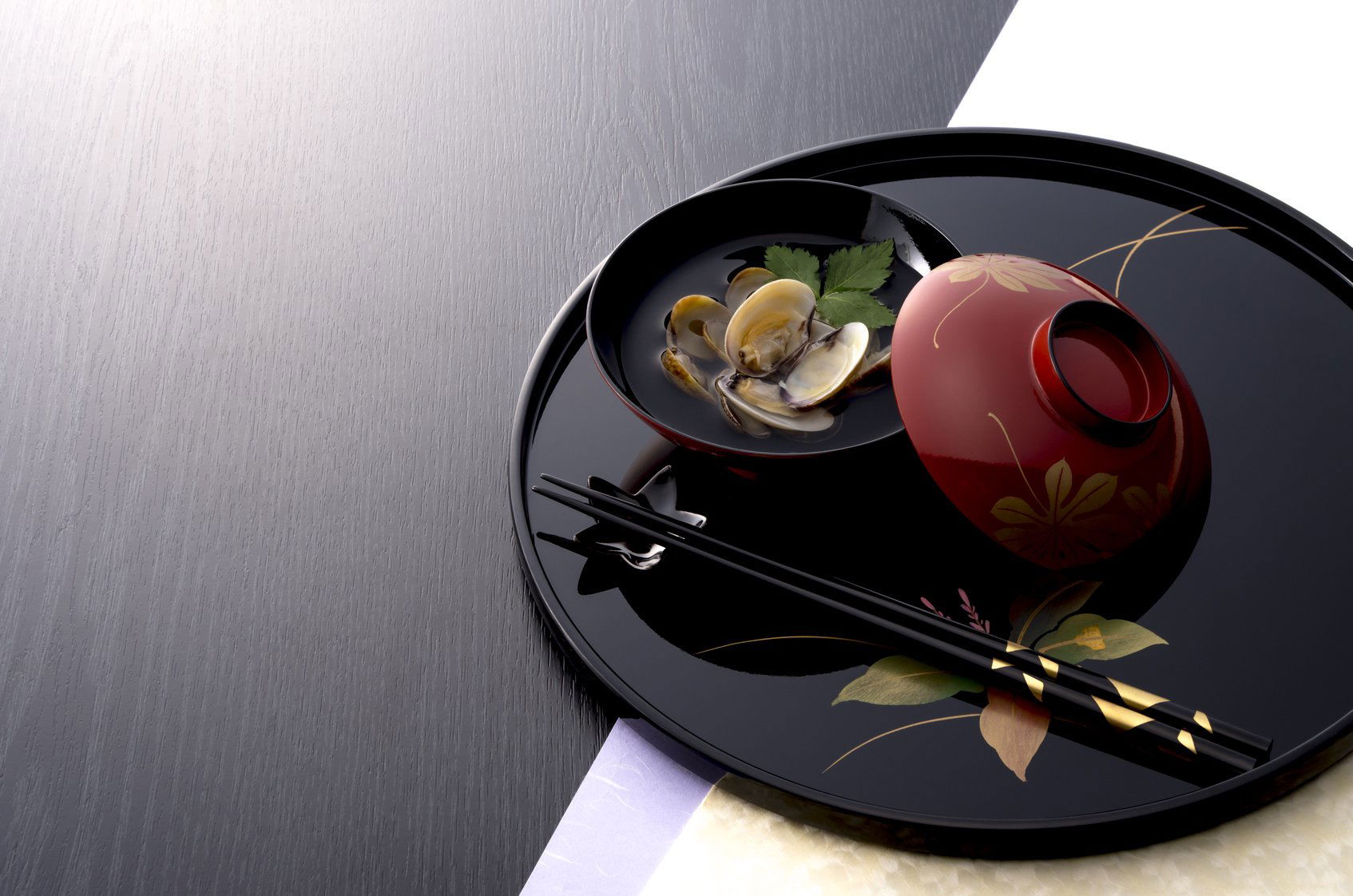
What you see when the food arrives matters here. Dishes are presented on vermilion-lacquered serving-ware, a convention of Zen Buddhist practice, the arrangement is deliberately colourful. The visual register is ceremonial rather than minimalist. For a special occasion, that framing adds weight to the meal, you are not just eating vegetables; you are following a sequence with the logic of a temple tradition behind it.
The progression through the meal at Ajiro has the architecture of a tasting experience: restrained, considered, building from lighter preparations toward more substantial ones. Signature dishes include udon prepared with soy flour, which alters the texture and flavour profile relative to standard wheat udon, fresh soybean curds, described as a house delicacy. Neither is showy. Both reflect the kitchen's investment in specific ingredients and traditional techniques rather than novelty.
Ajiro holds a Michelin Plate (2025), which signals consistent quality without the reservation scarcity of a starred venue. On the Opinionated About Dining ranking for Japan, it placed at #354 in 2025 and #321 in 2024, after receiving a Highly Recommended designation in 2023, a trajectory that suggests steady recognition from serious diners.4.3 across 71 ratings, a credible score for a specialist restaurant with a focused audience.
Who Should Book
Ajiro works well as a special occasion lunch for two. The setting beside Myoshinji gives it cultural weight that most Kyoto restaurants at this price point cannot match. It is not a loud celebration venue, the temple-adjacent context and the meditative register of shojin-ryori make it better suited to meaningful meals than to group birthday dinners. For a quieter, more considered occasion, an anniversary, a solo traveller wanting a genuinely singular Kyoto experience, or a pair with a serious interest in Japanese food history, it delivers well above its price tier.
Groups should note there is no confirmed seat count in available data, so it is worth contacting the restaurant directly if you are booking for more than four. No phone or website is listed in our records; visiting in person or booking through a hotel concierge in Kyoto is the most reliable route.
Practical Details
Address: 28-3 Hanazonoteranomaecho, Ukyo Ward, Kyoto, 616-8041. Hours: Monday, Thursday–Sunday 11am–7pm; closed Wednesday. Price range: ¥¥. Cuisine: Vegetarian shojin-ryori. Booking: Easy, no evidence of significant advance booking requirement, but contacting via hotel concierge is recommended as no direct online booking channel is confirmed. Dress: No formal code listed; smart casual is appropriate given the temple setting.
How It Compares
See the comparison section below for how Ajiro sits against Kyoto's broader restaurant options across price tiers.
Explore More in Kyoto and Japan
- Our full Kyoto restaurants guide
- Gion Sasaki, Kaiseki, Japanese
- Hyotei, Kaiseki, Japanese
- Kikunoi Honten, Kaiseki, Japanese
- Mizai, Kaiseki, Japanese
- Isshisoden Nakamura, Japanese
- Our full Kyoto hotels guide
- Our full Kyoto bars guide
- Our full Kyoto experiences guide
- HAJIME in Osaka
- akordu in Nara
- Fu He Hui, Vegetarian, Shanghai
- Lamdre, Vegetarian, Beijing
Planning details
- Hours
- Monday: 11 am–7 pm · Tuesday: 11 am–7 pm
- Location
- 28-3 Hanazonoteranomaecho, Ukyo Ward, Kyoto, 616-8041, Japan
- Website
- ajiro-s.co.jp
- Phone
- +81 75-463-0221
The take
The Take
The Vibe
Ajiro reads like a culinary extension of the neighboring Myoshinji temple: measured, meditative, and quietly refined. The kitchen practices shojin-ryori, a centuries-old Buddhist vegetarian discipline, which privileges technique, ingredient integrity, and restraint over flashy presentation. Richness here is coaxed from fermented soy, slow-cooked kombu-and-mushroom broths and the natural fat of fresh tofu, so dishes arrive understated but deeply flavored. That philosophical framework shapes the room and the pace of service, producing a minimalist, contemplative dining experience where subtle textures and umami take center stage rather than elaborate plating or theatrical service.
Best For
Ajiro is ideal for diners who want a contemplative, special-occasion meal rooted in traditional Japanese vegetarian practice. It suits people curious about shojin-ryori and those who value technique, seasonality, and a quiet, intimate atmosphere over a lively night out. The kitchen explicitly addresses the common concern about satiety at vegetarian restaurants, so it's a strong choice for serious vegetarians or anyone seeking a full, satisfying dinner without meat or fish. The setting and cuisine pair well with meaningful gatherings that favor restraint and focus on food craftsmanship.
Ordering Tips
When ordering, prioritize the preparations that make shojin-ryori the point of the meal. The kitchen is noted for two signature preparations that recur in reviews and documentation; one named example is udon made with soy flour to increase protein density. Look for plates built from fermented soy, slow-cooked kombu-and-dried-mushroom broths, and fresh tofu—components that deliver umami and satiety through technique rather than substitution. If you want to assess how filling the meal will be, choose the soy-flour udon and the other highlighted signature preparations that emphasize protein and slow-cooked broths.
Venue details
Ambiance
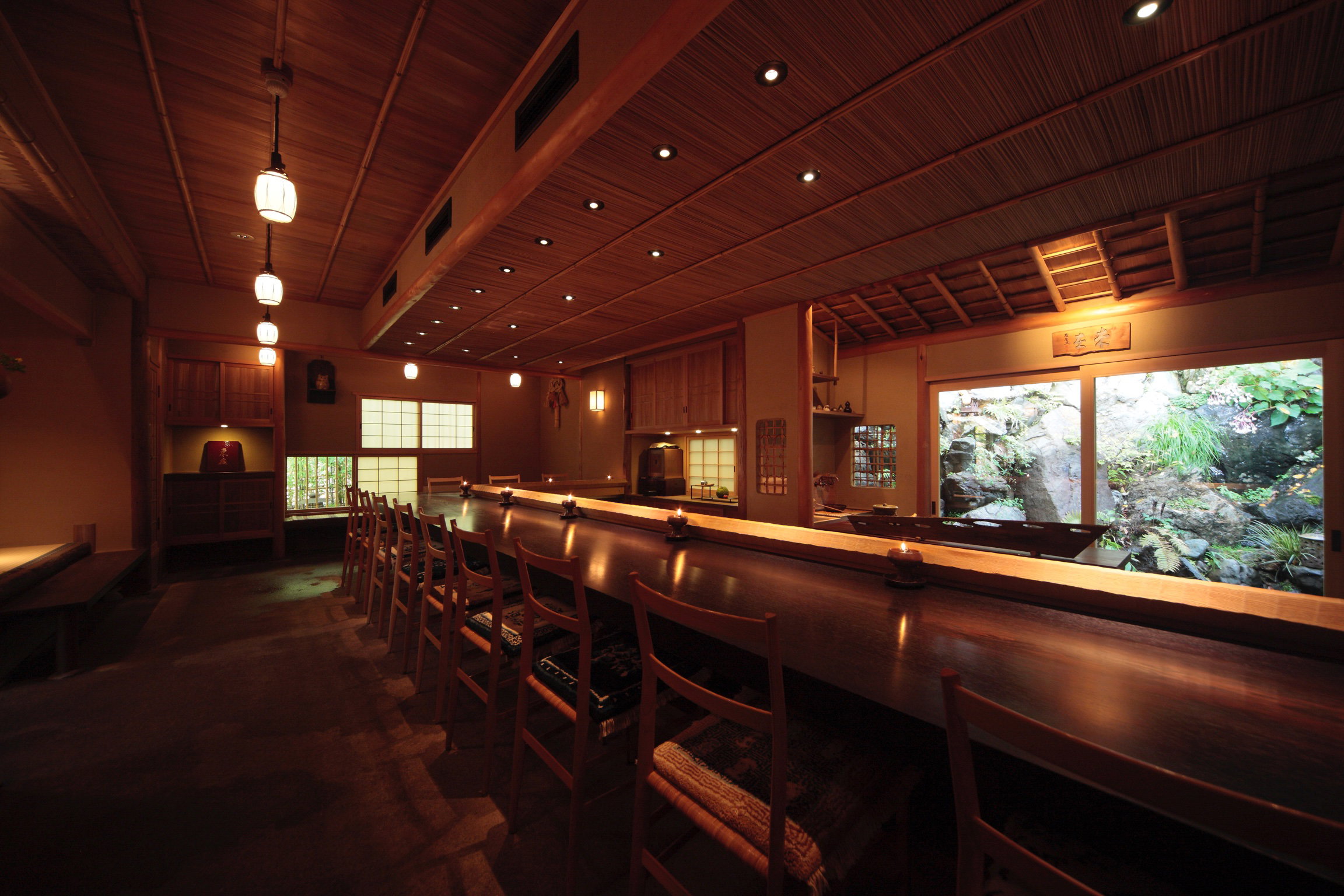
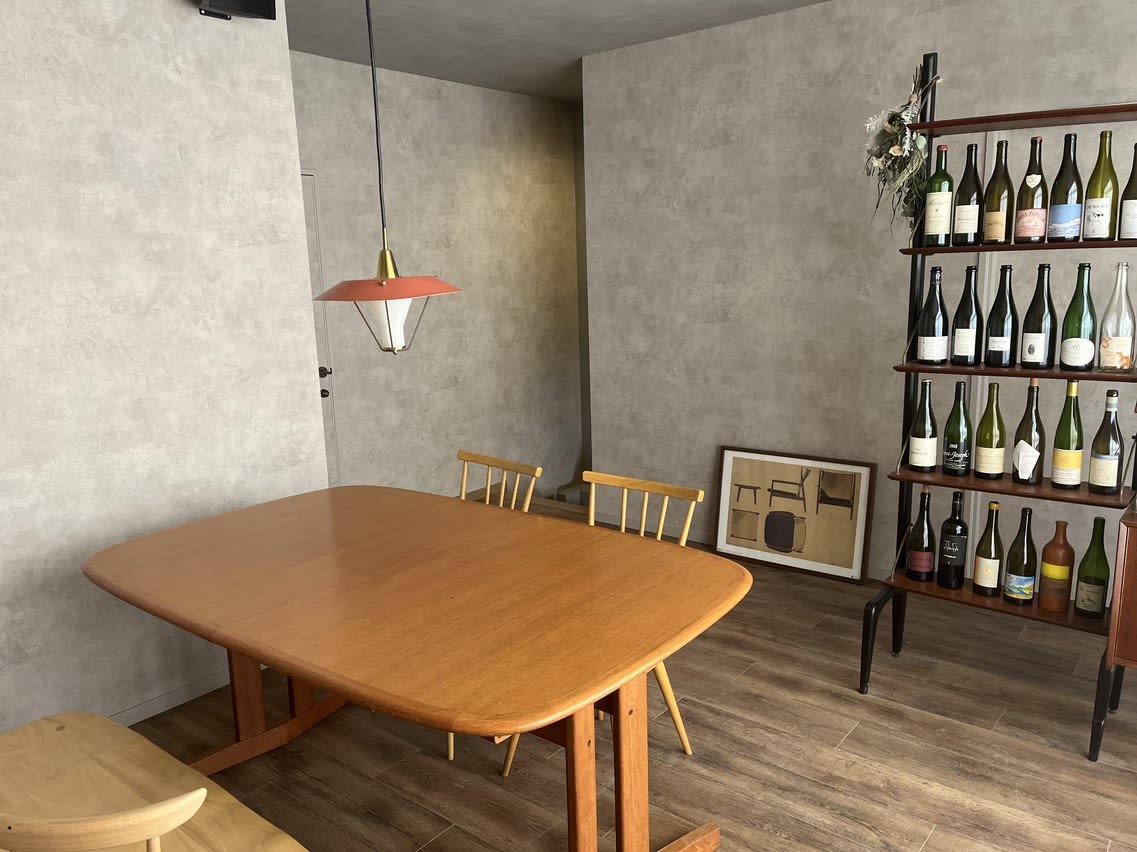
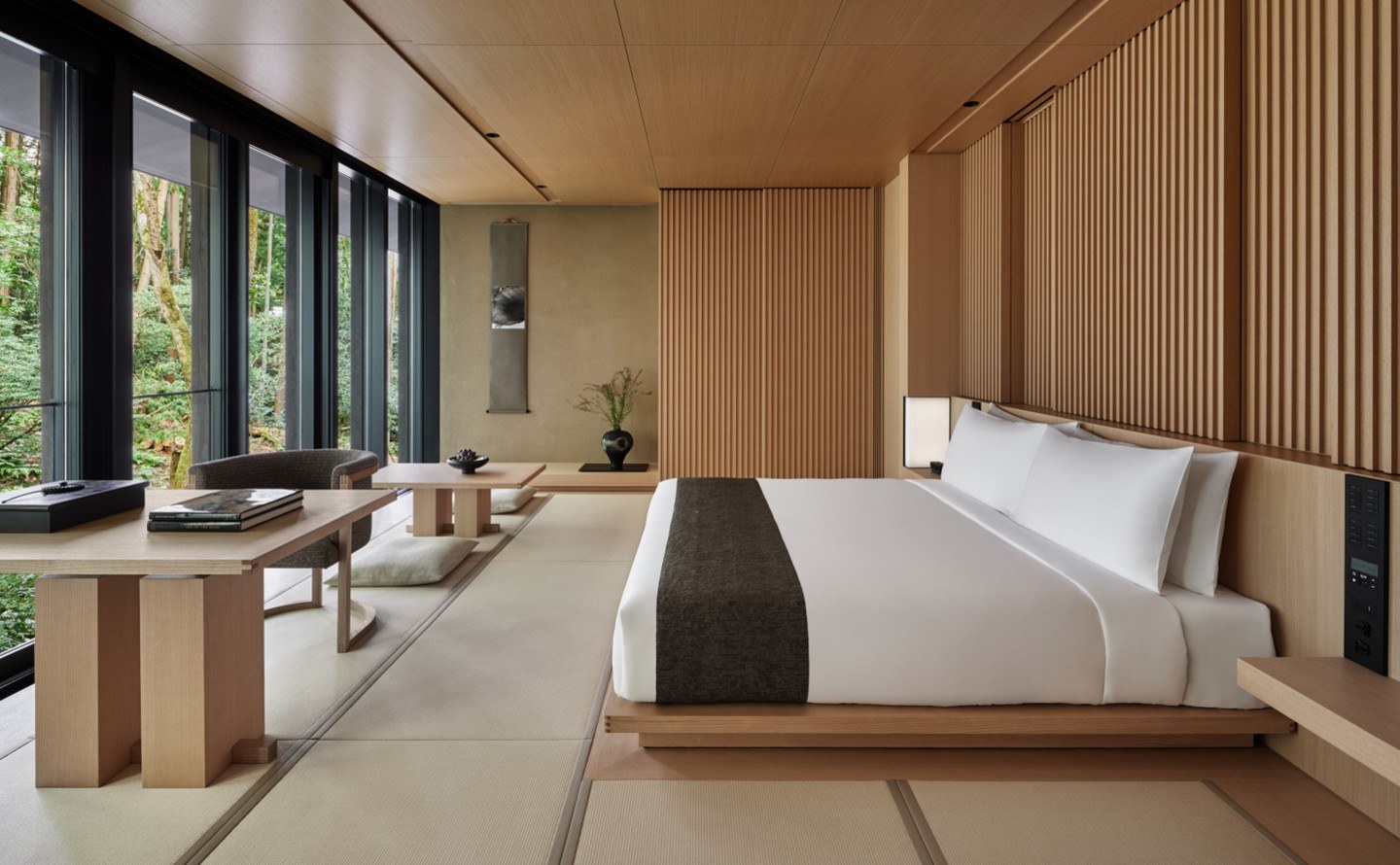
Serene and hushed atmosphere with cedar and washi elements, private tatami rooms providing a tranquil, spiritual dining experience.
Tags
Vibe
Best For
Experience
Sourcing
At the Table
- Dress Code
- Smart Casual
- Noise Level
- Quiet
- Service Style
- Formal
- Meal Pacing
- Leisurely
- Capacity
- Intimate
Planning details
Hours
- Monday
- 11 am–7 pm
- Tuesday
- 11 am–7 pm
- Wednesday
- Closed
- Thursday
- 11 am–7 pm
- Friday
- 11 am–7 pm
- Saturday
- 11 am–7 pm
- Sunday
- 11 am–7 pm
Location
28-3 Hanazonoteranomaecho, Ukyo Ward, Kyoto, 616-8041, Japan · Directions
Recognition and awards

Also consider
Also Consider
- Gion Sasaki; Kaiseki, Japanese, ¥¥¥¥
- cenci; Italian, ¥¥¥
- Ifuki; Kaiseki, ¥¥¥¥
- Kyokaiseki Kichisen; Japanese, ¥¥¥¥
- SEN; French, Japanese, ¥¥¥¥
Restaurant context
Ajiro occupies a distinct position in Kyoto's restaurant options: it is the only confirmed shojin-ryori specialist in this comparison set, operating at ¥¥ against a field of ¥¥¥¥ kaiseki venues. If your priority is value and a specifically vegetarian, temple-rooted meal, Ajiro is the straightforward choice. Gion Sasaki, Ifuki, and Kyokaiseki Kichisen all operate at ¥¥¥¥ and offer full kaiseki with fish and seasonal proteins; a different format, a higher price, generally harder to book.
cenci at ¥¥¥ and SEN at ¥¥¥¥ (French-Japanese) serve an entirely different cuisine profile and are not direct alternatives for anyone specifically seeking Japanese vegetarian cooking. Choose them if you want a contemporary European or fusion register in Kyoto rather than a temple tradition. For a special occasion dinner with serious ambition and budget, Gion Sasaki is the most cited kaiseki address in Kyoto's top tier.
The practical conclusion: if you want the most culturally specific Kyoto experience at the lowest price point in this group, book Ajiro. If you want a full kaiseki progression with seafood and seasonal courses and are prepared to spend significantly more, move up to Gion Sasaki or Kyokaiseki Kichisen. The two categories do not really compete; Ajiro's value is precisely that it does something none of the ¥¥¥¥ venues do.
Explore Kyoto
Around this place
Discover more on Pearl
Unlock the full Ajiro guide in Pearl, including awards, comparisons, FAQs, planning details, and nearby places.
Compare Ajiro
| Venue | Cuisine | Price | Booking Difficulty | Awards |
|---|---|---|---|---|
| Ajiro | Vegetarian | ¥¥ | Easy | 2026 OAD Top Restaurants in Japan RecommendedMichelin Guide Kyoto Osaka 20262026 Michelin Plate2025 OAD Top Restaurants in Japan Ranked · #3542025 Michelin Plate2024 OAD Top Restaurants in Japan Ranked · #3212023 OAD Top Restaurants in Japan Highly Recommended |
| Gion Sasaki | Kaiseki, Japanese | ¥¥¥¥ | Unknown | 2026 Tabelog Bronze · #3862026 OAD Top Restaurants in Japan RecommendedMichelin Guide Kyoto Osaka 20262026 La Liste Top RestaurantsTabelog 100 - Japanese cuisine - WEST - 2025 · #132025 OAD Top Restaurants in Japan Ranked · #2462025 Tabelog Silver2025 Michelin 3 Stars2025 La Liste Top Restaurants |
| cenci | Italian | ¥¥¥ | Unknown | 2026 Tabelog Bronze · #442026 Asia's 50 Best Restaurants · #762026 OAD Top Restaurants in Japan Highly RecommendedMichelin Guide Kyoto Osaka 2026Tabelog 100 - Italian - WEST - 2025 · #632025 Asia's 50 Best Restaurants · #632025 OAD Top Restaurants in Japan Ranked · #1682025 Tabelog Bronze2024 OAD Top Restaurants in Japan Ranked · #135 |
| Ifuki | Kaiseki | ¥¥¥¥ | Unknown | 2026 OAD Top Restaurants in Japan Ranked · #1222026 Tabelog Bronze · #128Michelin Guide Kyoto Osaka 20262026 La Liste Top RestaurantsTabelog 100 - Japanese cuisine - WEST - 2025 · #622025 OAD Top Restaurants in Japan Ranked · #1002025 La Liste Top Restaurants2025 Tabelog Bronze2025 Michelin 2 Stars |
| Kyokaiseki Kichisen | Japanese | ¥¥¥¥ | Unknown | 2026 Tabelog Bronze · #1752026 OAD Top Restaurants in Japan Highly RecommendedMichelin Guide Kyoto Osaka 20262025 OAD Top Restaurants in Japan Ranked · #1862025 Michelin 2 Stars2025 La Liste Top Restaurants2024 OAD Top Restaurants in Japan Ranked · #1422024 Michelin 2 Stars2023 OAD Top Restaurants in Japan Ranked · #136 |
| SEN | French, Japanese | ¥¥¥¥ | Unknown | 2026 Tabelog Bronze · #3952026 OAD Top Restaurants in Japan RecommendedMichelin Guide Kyoto Osaka 20262026 Michelin PlateTabelog 100 - Japanese cuisine - WEST - 2025 · #652025 Michelin Plate2025 Tabelog Bronze2024 OAD Top Restaurants in Japan Ranked · #3622024 Michelin Plate |
.png?width=1200&quality=80)





Key differences to consider before you reserve.
FAQ
Frequently Asked Questions
Is Ajiro good for a special occasion?
Yes, particularly for a special occasion lunch for two. The setting directly beside Myoshinji, the Rinzai school's head temple, gives the meal a cultural dimension that most ¥¥ restaurants in Kyoto cannot match. The vermilion-lacquered serving-ware and shojin-ryori tradition; vegetarian cuisine handed down from classical Zen practice; make it a meaningful rather than merely pleasant choice. If the occasion calls for a more elaborate multi-course kaiseki format, Kyokaiseki Kichisen operates at a higher tier.
How far ahead should I book Ajiro?
Booking difficulty is low relative to Kyoto's more in-demand restaurants, but confirming a reservation before your trip is sensible given the ¥¥ price point and the appeal of the Myoshinji location to culturally minded visitors. Note that Ajiro is closed on Wednesdays, so plan around that when scheduling. Hours run 11am to 7pm on open days.
Can I eat at the bar at Ajiro?
Seating configuration details are not available in Pearl's current records for Ajiro. Given the traditional shojin-ryori format and the restaurant's connection to Zen Buddhist practice, a counter or bar arrangement is not the typical setup for this style of dining; table seating is the likely default.
What are alternatives to Ajiro in Kyoto?
For vegetarian shojin-ryori at a comparable price tier, Ifuki is worth considering. If you want a step up into full kaiseki, Gion Sasaki and Kyokaiseki Kichisen operate at higher price points with broader seasonal menus. cenci offers a modern European-influenced approach to vegetables that appeals to diners less committed to the Zen Buddhist format. SEN provides another reference point for considered, ingredient-focused dining in the city.
Is lunch or dinner better at Ajiro?
Lunch is the call. Ajiro closes at 7pm on all open days, so there is no conventional dinner service in the late-evening sense. A midday visit also lets you walk the grounds of Myoshinji before or after eating, which pairs well with the temple-adjacent setting and the contemplative spirit of shojin-ryori.
Is the tasting menu worth it at Ajiro?
At ¥¥ pricing, Ajiro sits at the accessible end of Kyoto's restaurant spectrum, the shojin-ryori format is inherently a set-course style of eating rooted in Zen Buddhist tradition. Specific menu pricing and course structures are not documented in Pearl's current records, but the Michelin Plate recognition in 2025 and consecutive Opinionated About Dining rankings from 2023 through 2025 indicate consistent quality at this price level.