Matsubara-an
Yuigahama, Kamakura
Restaurant in Kamakura, Japan
 Book with Pearl
Why go
Matsubara-an is worth booking when the goal is a relaxed Kamakura soba meal with real atmosphere rather than a formal tasting-menu dinner. The draw is the early Shōwa kominka setting, garden courtyard, handmade nihachi soba, seasonal small plates, and sake or wine support, with easy booking and strong group usefulness.
About Matsubara-an
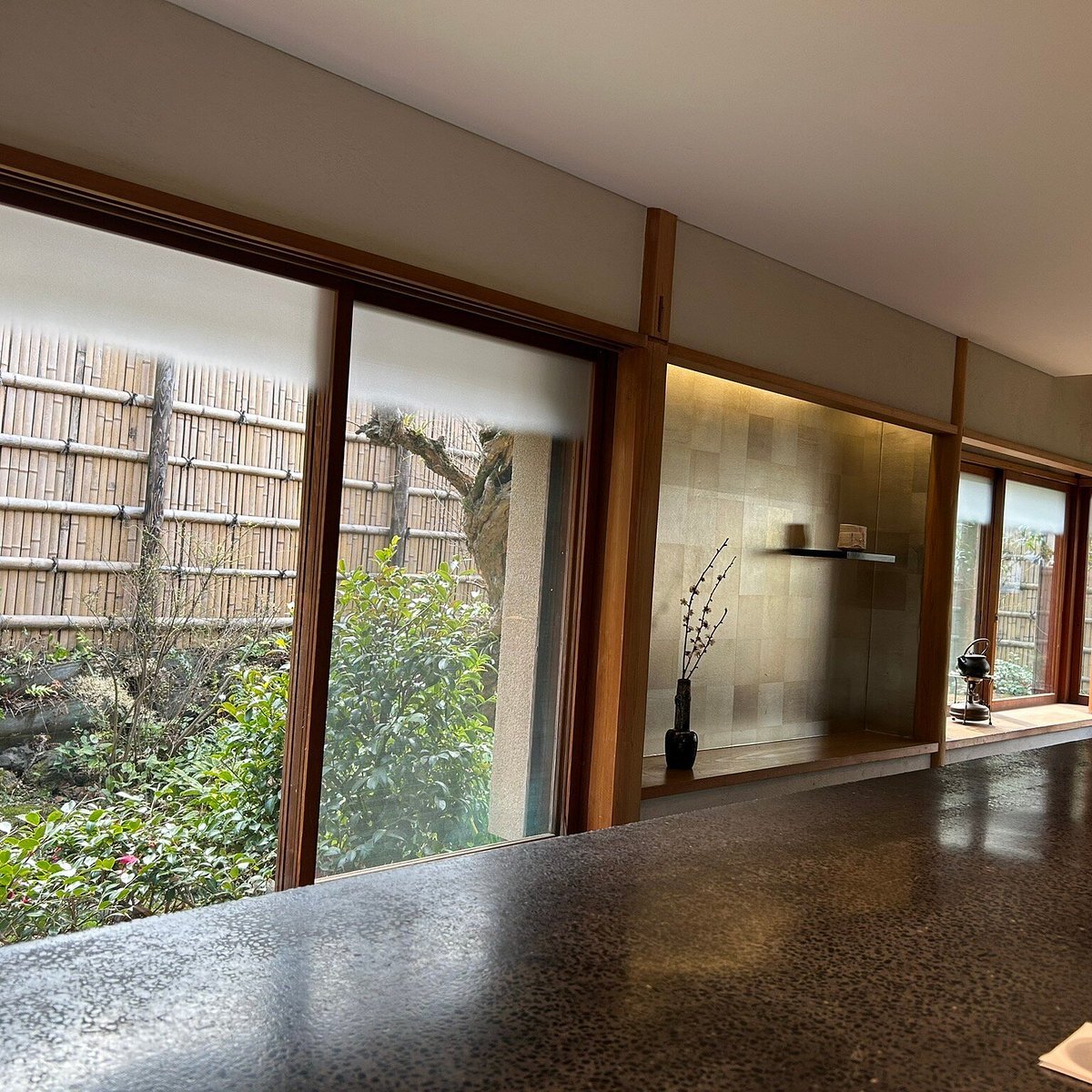
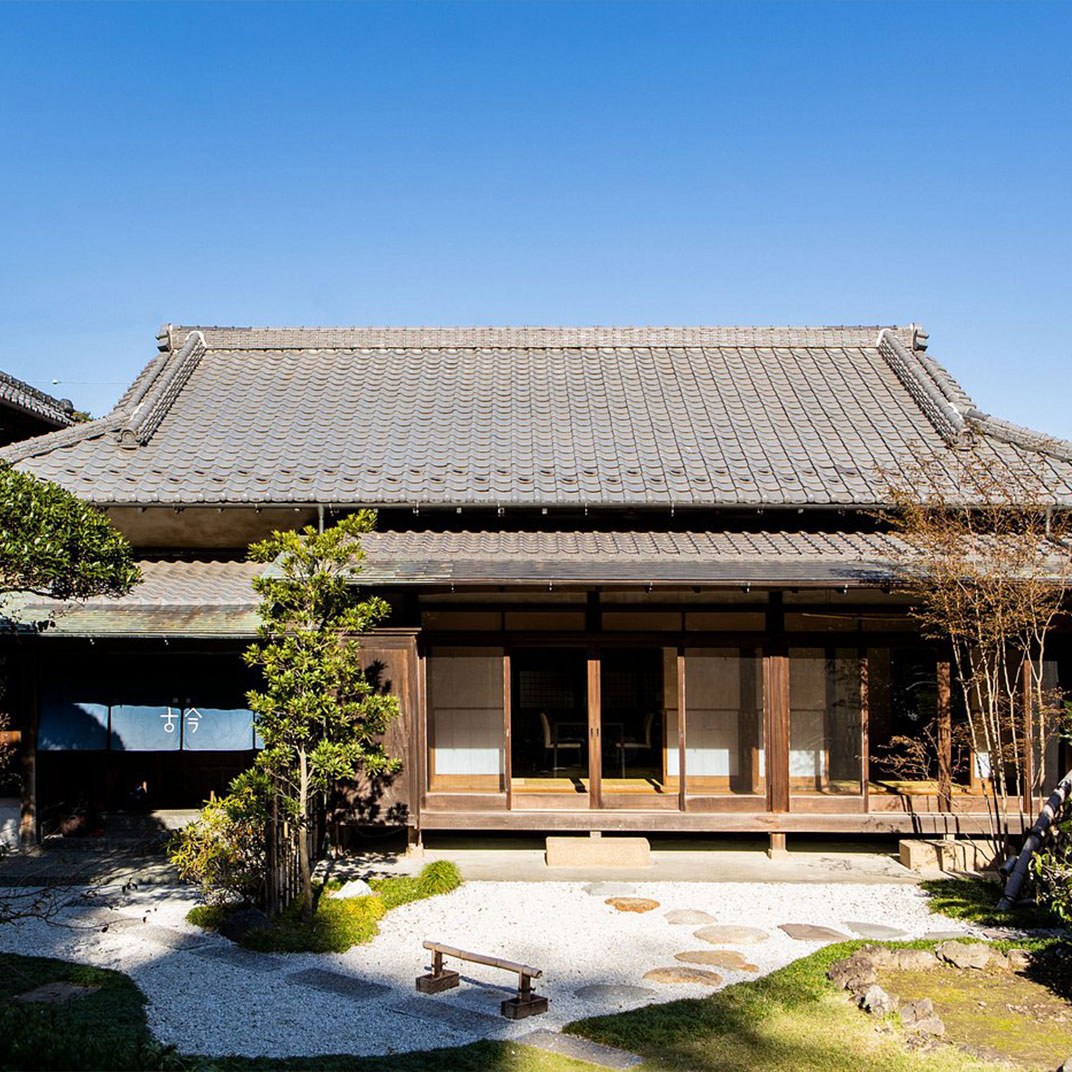
Book Matsubara-an if the point of the meal is Kamakura atmosphere with serious soba. The draw is specific and simple: a traditional Japanese kominka converted into a soba restaurant, with tatami rooms, table seating, and a terrace around a garden courtyard. The mood is relaxed and home-like, blending historic Kamakura charm with beachside breezes, while the food centers on handmade nihachi soba and Japanese small plates.
Matsubara-an works well when you want a settled Japanese meal rather than a quick stop. The setting gives it much of its appeal: traditional Japanese architecture, a garden-facing rhythm, and a room that suits a relaxed sequence of soba and small plates. For travelers comparing dining in Kamakura, that is the reason to choose it when atmosphere matters as much as the noodles.
Choose it for a relaxed Kamakura soba meal
The strongest case for Matsubara-an is its relaxed kominka setting. Tatami rooms, table seating, and a terrace around a garden courtyard make it useful for diners who want a calmer Japanese meal in Kamakura. It fits best when the goal is traditional soba and small plates in a home-like setting.
The smart move is to treat the soba as the anchor and build around it with Japanese small plates. The dishes include handmade nihachi soba, tempura soba, duck hot pot, goma seiro soba, dashimaki tamago, and seasonal local fish sashimi. That gives the meal a clear shape without needing to frame the restaurant as a formal counter or tasting-menu destination.
What to order when soba is the point
Strongest reason to go is the handmade nihachi soba. That gives the kitchen a clear identity: traditional Kamakura soba first, Japanese small plates alongside it. The menu highlights also include tempura soba, goma seiro soba, dashimaki tamago, seasonal local fish sashimi, and duck hot pot.
Order around the signatures: handmade nihachi soba for the core experience, tempura soba for a richer soba option, dashimaki tamago for a classic small plate, and seasonal local fish sashimi when you want something lighter before or beside the noodles. Duck hot pot gives the meal a more substantial traditional Japanese direction.
Use it as the atmospheric Kamakura meal in a wider plan
Matsubara-an is most useful as the atmospheric soba meal in a Kamakura itinerary. The setting is the key: a traditional kominka, garden courtyard, tatami rooms, table seating, and terrace space. At about $35 per person, it is an approachable way to get handmade soba and Japanese small plates in a room with a strong sense of place.
For more planning context, Pearl’s Kamakura pages are useful starting points: Our full Kamakura restaurants guide, Our full Kamakura hotels guide, Our full Kamakura bars guide, Our full Kamakura wineries guide, and Our full Kamakura experiences guide. Restaurant browsing can also focus on other Kamakura dining rooms depending on what kind of meal you want.
Matsubara-an is the Kamakura pick here when you want traditional soba, Japanese small plates, and a garden-courtyard kominka setting.
Planning details
- Location
- Kamakura, Japan
- Website
- matsubara-an.com
- Phone
- +81467613838
Venue details
Ambiance
Traditional Japanese kominka converted into a soba restaurant, with tatami rooms, table seating, and a terrace around a garden courtyard, offering a relaxed, home-like atmosphere that blends historic Kamakura charm with beachside breezes.
Tags
Vibe
Best For
Experience
Sourcing
View
At the Table
- Noise Level
- Conversational
- Service Style
- Upscale Casual
- Meal Pacing
- Leisurely
- Capacity
- Medium
Signature Dishes
- handmade nihachi soba
- tempura soba
- duck hot pot (kamo nabe)
- goma seiro soba
- dashimaki tamago
- seasonal local fish sashimi
Planning details
Location
Explore Kamakura
Around this place
Discover more on Pearl
Unlock the full Matsubara-an guide in Pearl, including awards, comparisons, FAQs, planning details, and nearby places.
FAQ
Frequently Asked Questions
What should I wear to Matsubara-an?
No specific dress code is confirmed here. The setting is a traditional Japanese kominka converted into a soba restaurant, with tatami rooms, table seating, and a terrace around a garden courtyard.
Is Matsubara-an good for a special occasion?
Yes, if the occasion is calm rather than formal. The garden courtyard, traditional building, tatami rooms, table seating, and terrace setting make it a good fit for a relaxed meal in Kamakura.
What are alternatives to Matsubara-an in Kamakura?
If you want a different style, look for other Kamakura dining rooms generically. Matsubara-an is the pick when you want traditional Kamakura soba plus a garden-courtyard kominka setting.
Is the tasting menu worth it at Matsubara-an?
The stronger confirmed draw is handmade nihachi soba, along with dishes such as tempura soba, duck hot pot, goma seiro soba, dashimaki tamago, and seasonal local fish sashimi.
Is Matsubara-an worth the price?
Yes, if you value handmade soba, Japanese small plates, and a relaxed kominka setting in Kamakura. At about $35 per person, the appeal is not just atmosphere; the food identity is clear and grounded in traditional soba.