
Restaurant in Kyoto, Japan
hakubi
290Pearl PointsMichelin-noted Chinese tasting menu, easy to book.
.png?width=144&height=144&quality=80)
About hakubi
hakubi serves modern Chinese prix fixe in Kyoto's Higashiyama Ward, earning back-to-back Michelin Plates in 2024 and 2025 with a menu that pairs classical Chinese technique with Western luxury ingredients. At ¥¥¥, it's the most compelling tasting menu option in the city for diners who want the structure of kaiseki without the Japanese format or the ¥¥¥¥ price tag.
Verdict
hakubi is one of the more interesting restaurant decisions you can make in Kyoto's Higashiyama Ward. It earns a Michelin Plate for 2024 and 2025, holds a 4.8 Google rating across 37 reviews, and serves modern Chinese prix fixe in a city whose dining reputation rests almost entirely on kaiseki. If you want a formal multi-course meal that isn't Japanese, hakubi is the clearest answer in this price tier. Book it for a date, a quiet celebration, or any occasion where you want the structure of a tasting menu without the kaiseki formality.
The Experience
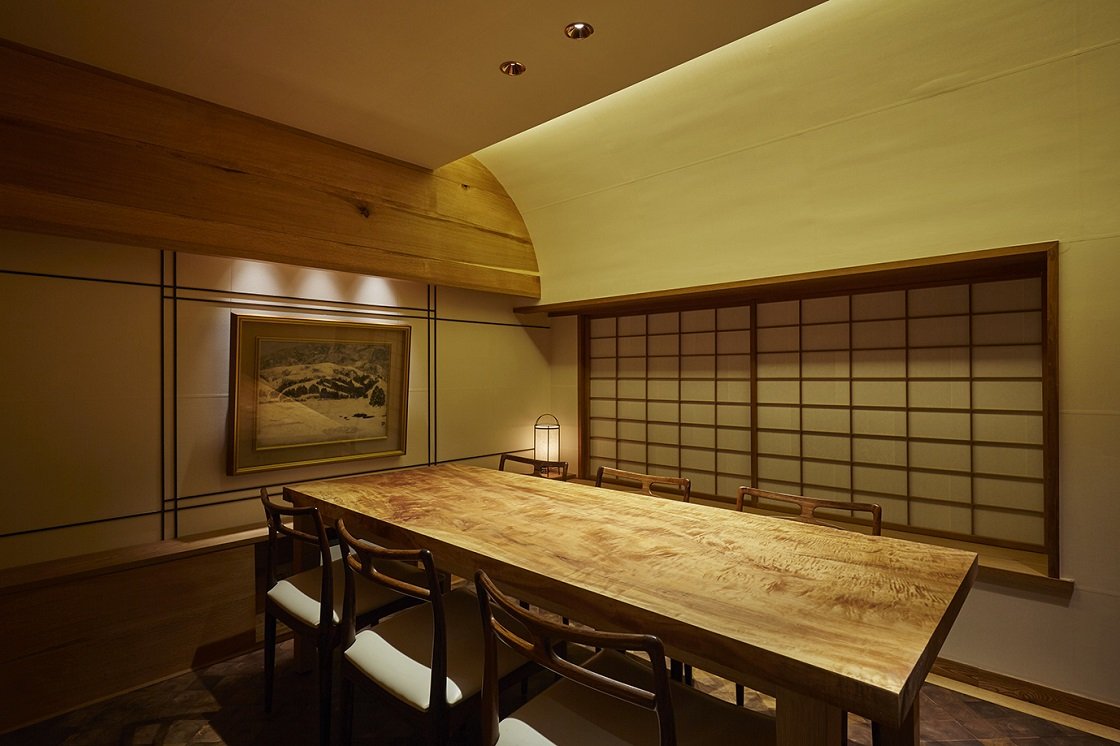
The mood at hakubi sits closer to considered intimacy than theatrical spectacle. The small-plate prix fixe format encourages a measured pace — courses arrive in sequence, the room stays composed, and the energy reads as focused rather than festive. This is not a loud venue. For a special occasion, that restraint works in your favour: conversation is easy, the attention stays on the table, and the meal has enough visual and flavour variety to hold interest across multiple courses.
The kitchen draws from the ceremonial dining traditions of the imperial Chinese court, translating that register into a modern prix fixe format. What that means in practice: multiple small courses, an appetite for contrast, and a willingness to incorporate Western ingredients alongside Chinese technique. Rice vermicelli paired with caviar, chicken wing tips with foie gras, shrimp with both chilli sauce and mayonnaise — the kitchen is clearly more interested in creating tension between flavours than in preserving any single culinary orthodoxy. The Michelin inspectors describe a "whimsical spirit" in the cooking, which is accurate: this is precise food with a playful register, not solemn fine dining.
That cross-cultural fluency is worth keeping in mind when planning your visit around seasons. Chinese cuisine at this register tends to respond to ingredient availability in ways that aren't always made explicit on the menu. Japanese seasonal produce , Kyoto's famous Kamo nansho peppers in late summer, matsutake mushrooms in autumn, the delicate bamboo shoots of early spring , has historically influenced the kitchens of ambitious restaurants in the city, and a menu built around small dishes with Western inflection has plenty of room to absorb whatever the season is producing. If you're visiting in autumn, the combination of seasonal Japanese ingredients with the kitchen's existing richness (foie gras, caviar) tends to produce the most layered results. Spring visits, when lighter produce dominates, may yield a more restrained but equally precise meal. There's no confirmation from the database on what specific seasonal rotations hakubi runs, so treat this as a reasonable expectation rather than a guarantee , worth asking at reservation.
For the special occasion diner, the prix fixe format does most of the heavy lifting. You don't need to navigate a menu or make decisions mid-meal. The kitchen sets the pace and the structure; your job is to show up and pay attention. That's a meaningful advantage over à la carte for anniversaries, business dinners, or any meal where the social dynamic matters as much as the food.
hakubi sits at ¥¥¥ , a tier below the ¥¥¥¥ pricing of most of Kyoto's celebrated kaiseki rooms. That positions it as a genuine alternative for diners who want the ceremonial shape of a tasting menu without the top-tier price commitment. If you're comparing across cuisines, the structural experience is comparable to a kaiseki meal; the flavour logic is entirely different.
For modern Chinese cooking at similar ambition levels elsewhere in Japan, HAJIME in Osaka operates in a different register (French-influenced, higher price tier), while the broader category of contemporary Chinese fine dining in Japan remains thin. Internationally, Restaurant Tim Raue in Berlin and Mister Jiu's in San Francisco represent what modern Chinese tasting menus can look like in Western contexts , hakubi's approach is more internally coherent with Japanese fine dining norms in pacing and presentation.
In Kyoto itself, the closest dining neighbours worth considering alongside hakubi include Canton Shunsai Ikki for Cantonese, VELROSIER for French fine dining, and Hachiraku for a different take on the multi-course format. For a full picture of dining options in the city, see our full Kyoto restaurants guide.
Practical Details
Reservations: Booking difficulty is rated Easy , you don't need to plan months out, but securing a specific date for a special occasion warrants a few weeks' lead time. Budget: ¥¥¥ tier, making it one of the more accessible prix fixe options in Higashiyama. Format: Prix fixe multi-course; plan for a full evening. Address: 481-1 Kiyoicho, Higashiyama Ward, Kyoto. Getting there: Higashiyama Ward is walkable from several of Kyoto's main tourist areas; the address puts it close to the traditional eastern corridors of the city. For accommodation, our full Kyoto hotels guide covers the full range of options near this neighbourhood. For pre- or post-dinner options, our full Kyoto bars guide has the relevant picks.
Also Worth Knowing
If you're building a broader Kyoto itinerary, Kyo Seika and Akihana are worth a look for different meal types. Beyond Kyoto, akordu in Nara is a strong day-trip dining option, and Harutaka in Tokyo, Goh in Fukuoka, 1000 in Yokohama, and 6 in Okinawa round out a serious Japan dining itinerary. For everything else in the city, our full Kyoto experiences guide and our full Kyoto wineries guide are the places to start.
Frequently Asked Questions
How far ahead should I book hakubi?
Booking difficulty is rated Easy, so you don't need to plan months out. That said, if you're visiting on a specific date or during peak Kyoto travel seasons (cherry blossom, autumn foliage), book at least two to three weeks ahead. A Michelin Plate listing for both 2024 and 2025 means demand is real, even if it isn't Noma-level frantic.
Can I eat at the bar at hakubi?
No bar seating is documented in available venue data for hakubi. The format is a prix fixe tasting menu, which suggests a structured seated experience rather than a casual counter arrangement. check the venue's official channels to confirm seating options before visiting.
Is hakubi good for solo dining?
The prix fixe, small-plate format is well-suited to solo diners — you're pacing through a set menu rather than navigating a shared spread. hakubi's Michelin Plate recognition and considered atmosphere in Higashiyama make it a solid solo choice if you want a focused, unhurried meal. Booking ahead is still advisable even with easy availability.
What are alternatives to hakubi in Kyoto?
For kaiseki at a higher formality and price point, Kyokaiseki Kichisen is the reference point in Kyoto. Gion Sasaki offers a chef-driven Japanese tasting experience with significant critical recognition. cenci and SEN cover modern European and more accessible tasting formats respectively. hakubi occupies a different lane — modern Chinese prix fixe with a playful edge — so alternatives depend on whether you're swapping cuisine type or format.
Is hakubi worth the price?
At ¥¥¥ and with two consecutive Michelin Plate listings (2024, 2025), hakubi delivers enough credibility to justify the spend if modern Chinese cuisine interests you. The prix fixe format means you're committing to the full experience — there's no à la carte escape valve. Compared to Kyoto's kaiseki options at similar or higher prices, hakubi offers a genuinely different point of view on Chinese cooking.
Is the tasting menu worth it at hakubi?
Yes, if the format fits how you like to eat. hakubi's prix fixe draws on imperial court-style multi-course dining, pairing ingredients like caviar and foie gras with Chinese technique — a combination that earns the Michelin Plate recognition rather than coasting on novelty. If you want a conventional Chinese restaurant experience with à la carte ordering, this is the wrong room.
Location
481-1 Kiyoicho, Higashiyama Ward, Kyoto, 605-0821, Japan
Kyoto, Japan
Compare hakubi
| Venue | Cuisine | Awards | Booking Difficulty | Value |
|---|---|---|---|---|
| hakubi | Chinese | Chinese cuisine with a modern interpretation. Lifting a page from the lavish entertainment of the imperial court, hakubi populates its prix fixe menus with multiple courses of small dishes. Rice vermicelli paired with caviar and chicken wing tips wrapped in foie gras signify cuisine unafraid of incorporating Western elements. Dressings of chilli sauce and mayonnaise for shrimp set up an interesting taste comparison. A whimsical spirit pervades the fare, setting the heart racing.; Michelin Plate (2025); Michelin Plate (2024) | Easy | , |
| Gion Sasaki | Kaiseki, Japanese | Michelin 3 Star | Unknown | , |
| cenci | Italian | Michelin 1 Star, World's 50 Best | Unknown | , |
| Ifuki | Kaiseki | Michelin 2 Star | Unknown | , |
| Kyokaiseki Kichisen | Japanese | Michelin 2 Star | Unknown | , |
| SEN | French, Japanese | Michelin 1 Star | Unknown | , |
A quick look at how hakubi measures up.
Also Consider
- Gion Sasaki, Kaiseki, Japanese, ¥¥¥¥
- cenci, Italian, ¥¥¥
- Ifuki, Kaiseki, ¥¥¥¥
- Kyokaiseki Kichisen, Japanese, ¥¥¥¥
- SEN, French, Japanese, ¥¥¥¥
hakubi's most direct competition in Kyoto isn't really other Chinese restaurants, it's the city's kaiseki rooms, which dominate the formal tasting menu space. Against ¥¥¥¥ options like Gion Sasaki, Ifuki, and Kyokaiseki Kichisen, hakubi has two clear advantages: it costs less and it's easier to book. Those kaiseki rooms offer deeper local rootedness and, in the case of Gion Sasaki in particular, a level of seasonal ingredient sourcing that is hard to match. If kaiseki authenticity and the full traditional experience are the priority, spend up. But if you want a structured, course-by-course meal with genuine ambition and a different culinary logic, hakubi at ¥¥¥ is the more accessible call.
cenci is the closest peer in price tier at ¥¥¥, offering Italian-influenced tasting menus with strong seasonal sensitivity. It's a useful comparison: both venues share the prix fixe format and a willingness to work across culinary traditions, but the flavour register is entirely different. Choose cenci if Italian technique with Kyoto ingredients is more appealing; choose hakubi if you want the Chinese imperial court framework and the East-West ingredient combinations. SEN, at ¥¥¥¥, brings French-Japanese fusion to the same conversation at a higher price point, worth it if that hybrid is specifically what you're after, but harder to justify over hakubi purely on value grounds.
For the special occasion diner trying to decide where to spend, the booking logic is straightforward: hakubi is easier to secure than any of the ¥¥¥¥ kaiseki rooms, costs less, and offers a cuisine type that is genuinely differentiated in this market. If your guest has already done kaiseki and wants something with a different framework, hakubi is the clearest recommendation in Kyoto at this price level.
Recognized By

Explore Kyoto
Save or rate hakubi on Pearl
Keep this venue in your Pearl passport, rate it after you visit, and track it alongside every other place you collect.