

Tabelog 100 Izakaya: Western Japan’s Best for 2025
Tabelog 100 (Hyakumeiten) Izakaya - WEST selection for 2025. Tabelog publishes these as source-ordered lists of 100 restaurants.

Venues on this list
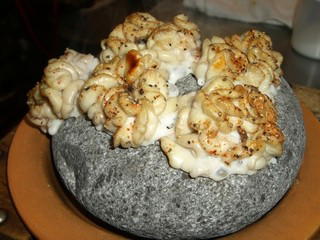
Kabuna
Kanazawa, Japan
A 2025 Tabelog Izakaya WEST 100 selection in Kanazawa's Katamachi district, Kabuna serves fish-driven izakaya plates and Ishikawa sake at JPY 6,000–7,999. The 58-seat venue (including 11 private rooms) books easier than most award-listed peers and handles walk-ins better than higher-priced kaiseki spots. Counter seats suit solo diners; private rooms work for groups up to 20.
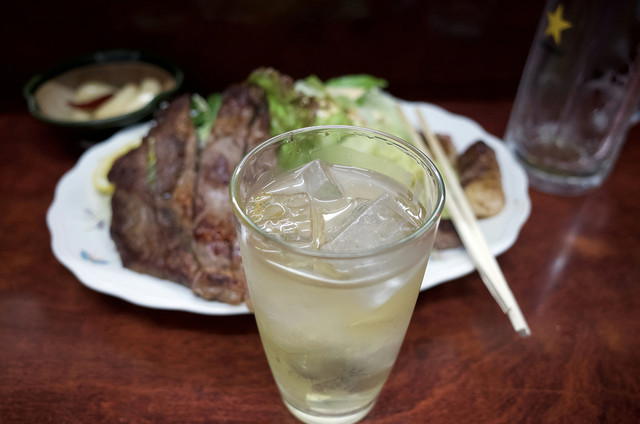
Hatsu Chan
Hiroshima, Japan
Counter-only izakaya near Hijiyama Shita station with a Tabelog 2025 West Japan nod, serving Saga beef steak, oden, and grilled chicken skewers alongside sake and shochu. Thirteen seats, strict booking rules, and JPY 5,000–5,999 per head make it a mid-tier anchor for travelers prioritizing traditional izakaya culture over menu breadth.
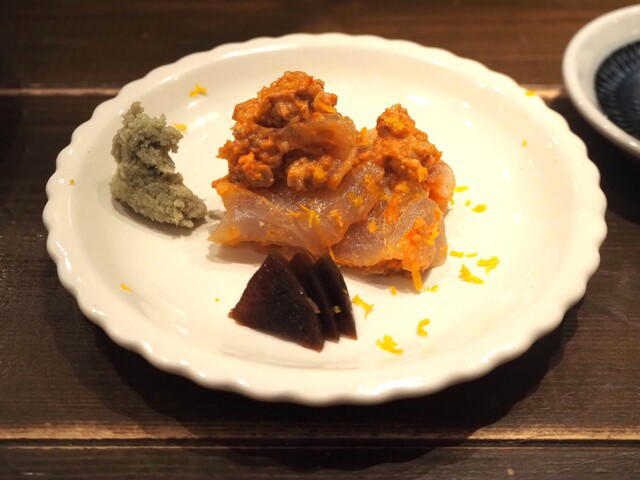
Oden Marukome
Osaka, Japan
A 16-seat oden counter in Tengachaya that earned Tabelog 100 Izakaya WEST recognition in 2025. Lunch runs JPY 2,000–2,999, dinner JPY 4,000–4,999; mid-tier pricing for focused execution. Counter-only format suits solo diners and pairs; groups should look elsewhere.
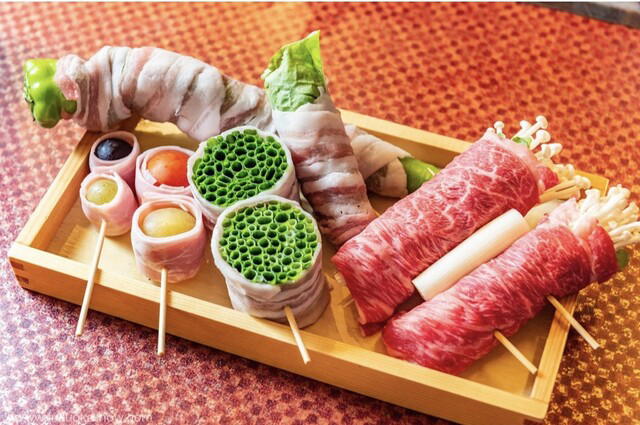
Suzaki Yatai Kajishika
Fukuoka, Japan
A seafood-focused izakaya in Narayamachi with Tabelog 100 recognition and JPY 4,000–4,999 pricing. Walk-ins are possible most evenings, and the 30-seat space includes private rooms with traditional hearths. The menu emphasizes local fish, yakitori, and an extensive sake and shochu list.
Gion Rohan
Kyoto, Japan
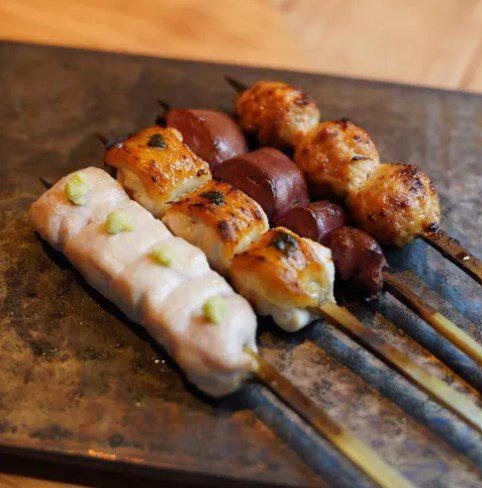
Gion Rohan delivers credentialed seasonal Japanese cooking at ¥¥ pricing in the heart of Higashiyama; an accessible entry point in a district dominated by high-budget kaiseki rooms. With consecutive Michelin Plate recognition in 2024 and 2025 and a flexible, build-your-own menu format, it suits first-timers who want craft and value without a fixed tasting-menu commitment. Booking is easy; go in spring or autumn for peak seasonal ingredients.
Shin-shin Nishinakasu shop
Fukuoka, Japan
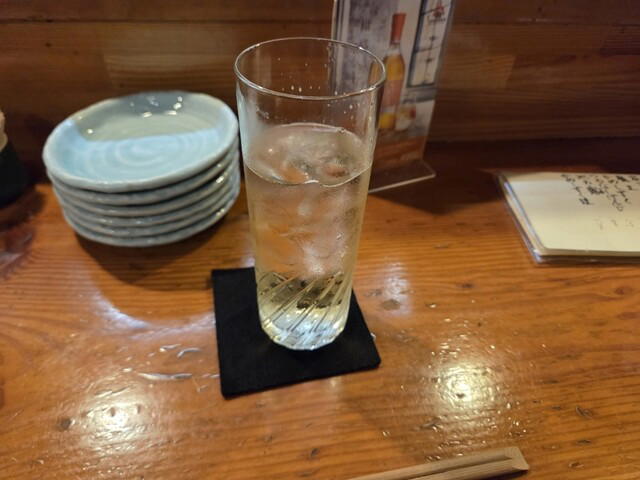
Tabelog 100 izakaya in Nishinakasu delivering fish-focused cooking and regional sake at JPY 10,000–14,999. Counter seating for seven, relaxed service, smoking permitted. Book a few days ahead for weekend slots; easier access than most award-bearing peers.
Asa Honten
Nagasaki, Japan
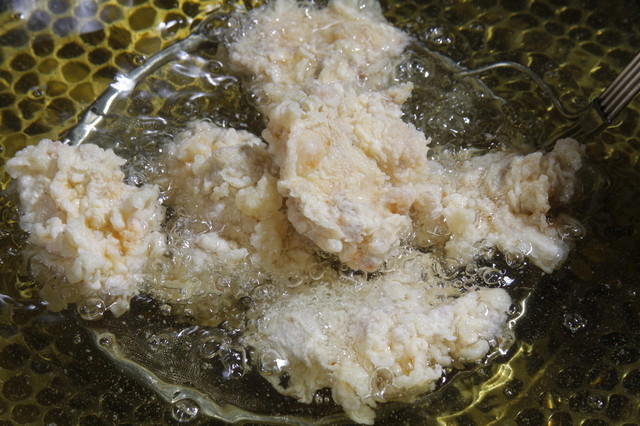
Asa Honten is worth booking for a first Nagasaki dinner when you want a researched, moderately priced local pick without turning the night into a splurge. The draw is confidence and convenience: central address, evening hours, and Tabelog 100 #7 recognition in 2025. It is less suited to diners who need published signature dishes, detailed dietary coordination, or a clearly formal occasion setting.
Hitoshi Ishiganto Ten
ishigakishi, Japan
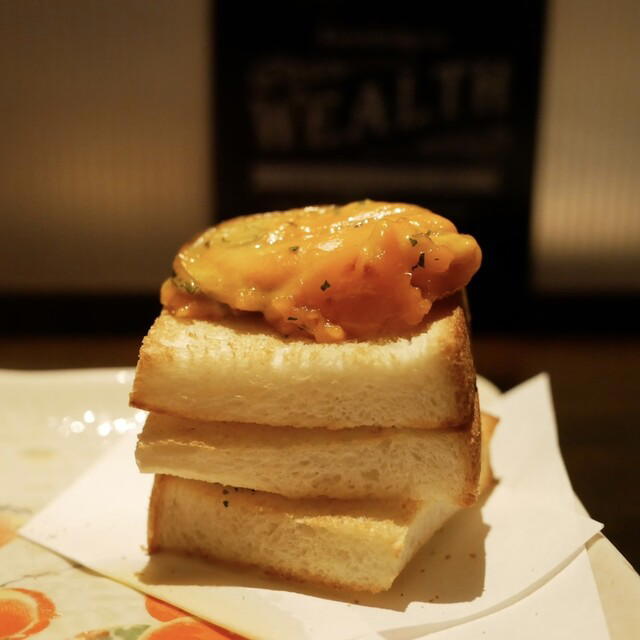
Hitoshi Ishigantou ten anchors Ishigaki's izakaya scene with daily-catch seafood at JPY 3,000–3,999, earning Tabelog 100 Izakaya WEST 2025 recognition. The 100-seat converted house runs cash-only, reservations-only, and fills fast; book 48 hours ahead for counter seats, longer for weekend tatami rooms. Budget JPY 4,000–4,999 once drinks and the JPY 200 appetizer fee land.
Tsukiyoshi
Fukuoka, Japan
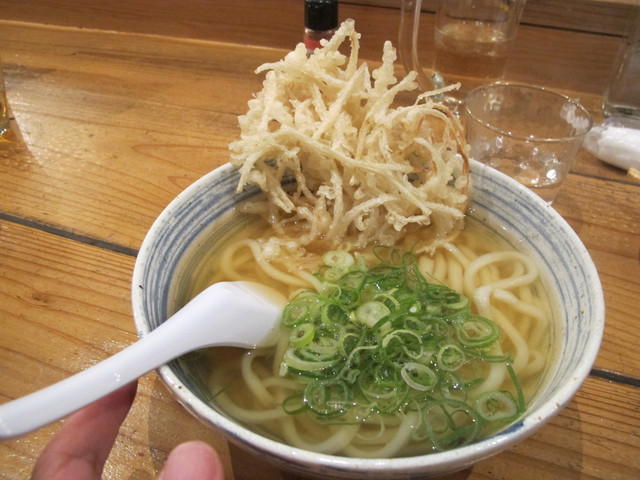
A Tabelog 100 izakaya in Susakimachi since 2003, Tsukiyoshi runs a 20-seat counter-led format centered on sake, shochu, and Udon at JPY 2,000–JPY 2,999. Book a week out or risk walk-in availability; cash only, no reservations after 7 PM. The neighborhood anchor suits travelers seeking composed, award-recognized izakaya dining without yatai crowds.
Tsukune Seisakusho
Fukuoka, Japan
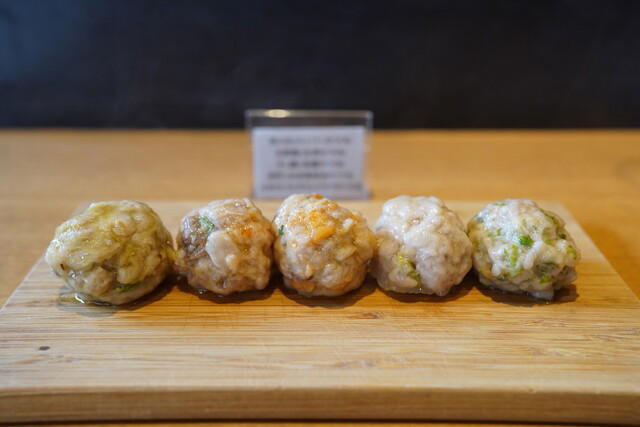
Reservation-only chicken-focused izakaya in Sawara-ku, earning three Tabelog 100 (West) nods for its yakitori and tsukune. Counter and tatami seating, sake and wine pairings, and a cash-only policy at JPY 3,000–4,999. Quieter than most Fukuoka izakayas; book ahead for a controlled, craft-driven meal.
Ichigetsu Ya
Ise, Japan
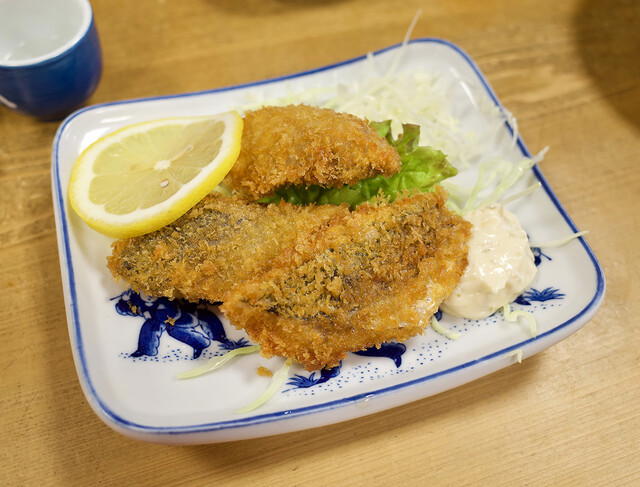
A walk-in-only izakaya named to the Tabelog 100 for two consecutive years, offering seafood-driven plates and sake at JPY 2,000–2,999 per head. The 70-seat space includes an 8-person tatami room that's first-come, first-served; strong value for flexible diners, but no advance booking means timing is a gamble.
Gin Gyo
Toyama, Japan
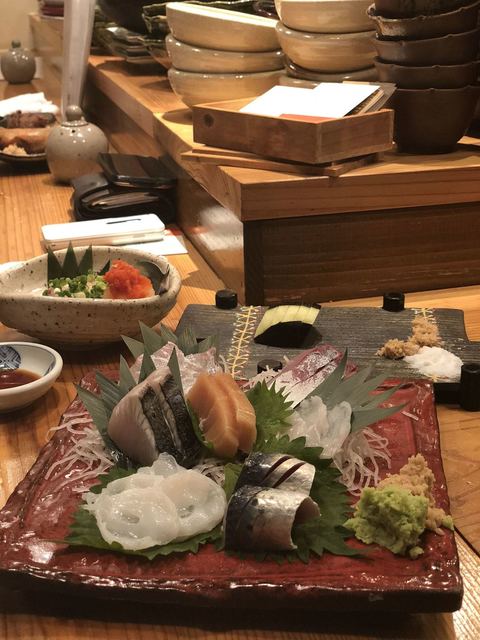
A 23-seat izakaya in Shintomicho recognized on Tabelog's 100 Izakaya WEST list for 2024 and 2025. Seasonal fish from Toyama Bay, sake-focused pairings, and counter seating make it a repeat-visit venue. JPY 8,000–9,999 per person; call around noon for same-day reservations.
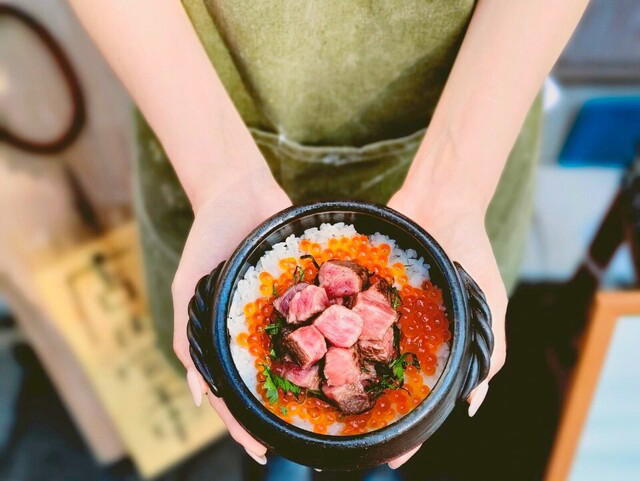
Koryoriya Sono Hen
Fukuoka, Japan
A second-floor izakaya in Reisenmachi with twenty seats, a fish-forward menu, and Tabelog 100 Izakaya WEST 2025 recognition. Dinner runs JPY 3,000–3,999, lunch JPY 1,000–1,999, with service that balances counter intimacy and tatami-room flexibility. Open until 1 AM most nights, making it viable for both early meals and late drinks.
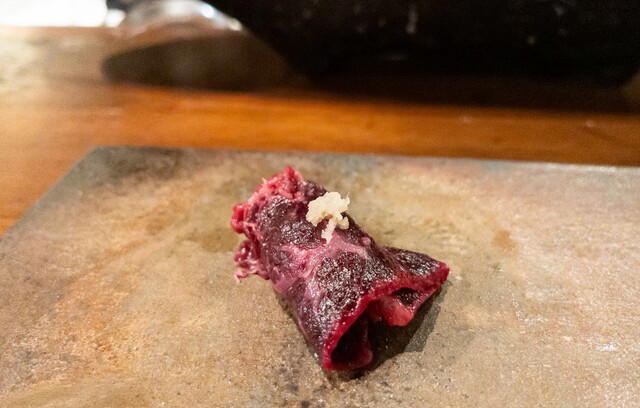
Kuwaman
Fukuoka, Japan
A 12-seat sake-driven izakaya in Haruyoshi that treats pairing as the main event. Named to Tabelog 100; Izakaya West for 2024 and 2025, Kuwaman runs JPY 10,000–14,999 per person and operates dinner-only with a seasonal menu built around Japan's regional sake bottles. Book ahead for counter seats or private rooms for four to six; walk-ins depend on gaps.
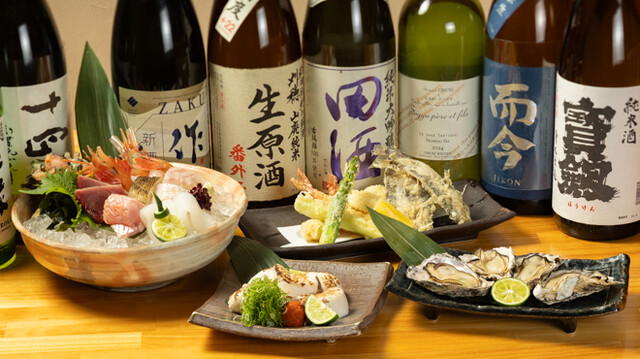
Gyoraku Karakara
Amagasaki, Japan
Tabelog 100 Izakaya WEST selection for 2024 and 2025, delivering fish-forward plates and Japanese spirits at JPY 8,000 to JPY 9,999 per head. Counter seating for 46, no website booking; call ahead for a seat.
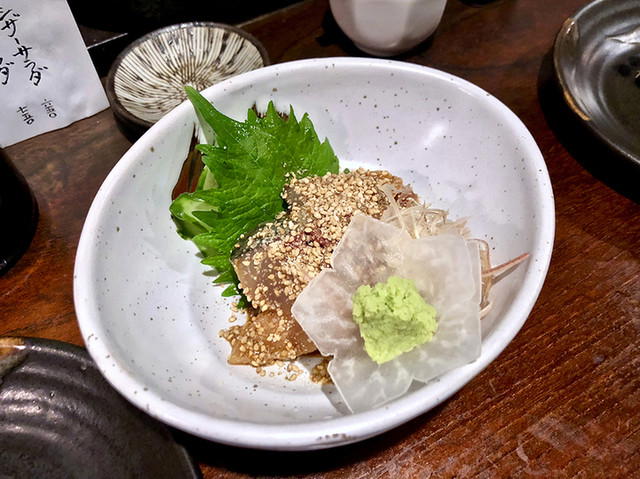
Kiharu no Gomasaba ya
Fukuoka, Japan
Same-day Goto Islands mackerel served at a 28-seat Haruyoshi izakaya that's earned Tabelog 100 recognition since 2021. Winter visits deliver the fattest fish; counter seats put you directly in front of the filleting process. At JPY 4,000–4,999, it undercuts most competitors at this sourcing level, though the narrow menu means you'll cover everything in one visit.
Yuni yumo
Osaka, Japan
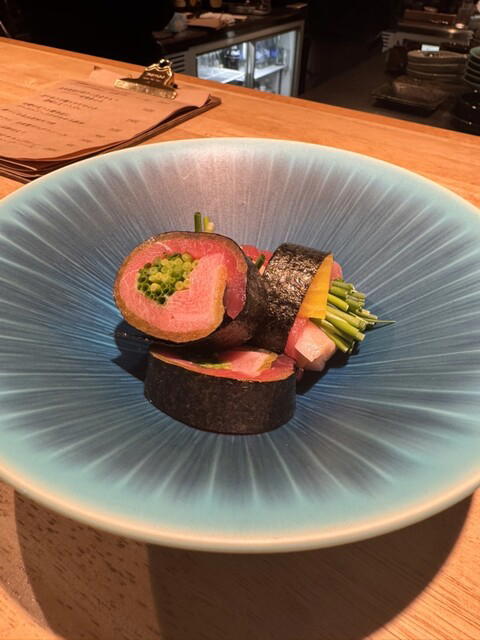
A 14-seat counter izakaya in Tenjinbashi serving fish-focused small plates and curated saké for JPY 3,000–3,999 (dinner). Selected for Tabelog 100 – Izakaya – WEST – 2025, it delivers precision above the neighborhood norm without tasting-menu formality. Recommended for travelers who want quality and local atmosphere without a splurge budget.
Sake Dokoro Terayama
Kyoto, Japan
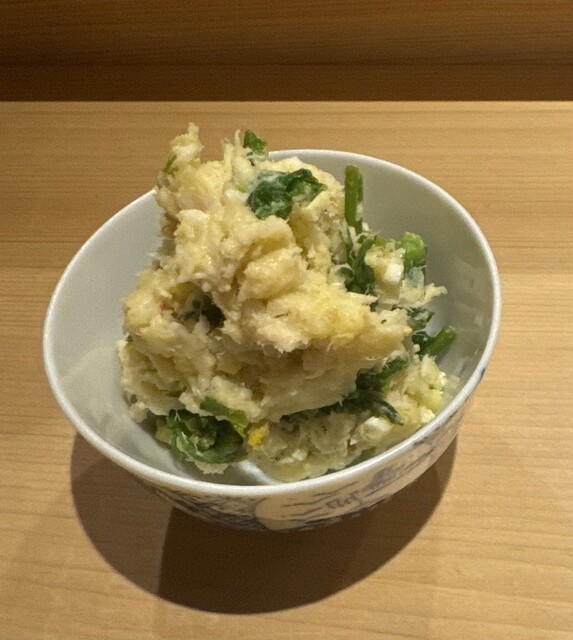
A 16-seat izakaya near Kyoto Kawaramachi with back-to-back Tabelog 100 recognition, serving omakase-style small plates and grilled seafood at JPY 10,000–14,999 per head. The counter-focused format suits sake enthusiasts and diners comfortable with daily-driven menus, though upstairs tables accommodate groups of four or five. Book three weeks ahead for weekend evenings; weekday slots fill more slowly.
Dai 8 Yachiyo Maru
Fukuoka, Japan
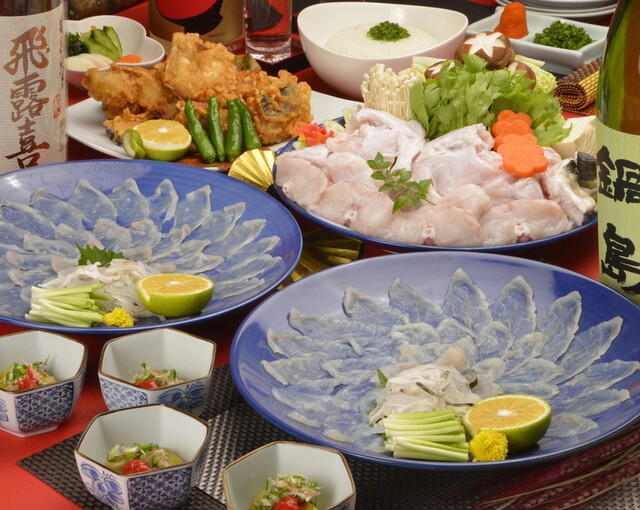
A 100-seat Hakata izakaya specializing in daily Karatsu fish and seasonal nabe, selected for Tabelog 100 Izakaya WEST 2025. At JPY 6,000 - JPY 7,999, expect live-tank sourcing, private tatami rooms for up to 28, and regional sake depth. Book for group dinners prioritizing fish provenance; skip if you want à la carte freedom or budget flexibility.
Nagahori
Osaka, Japan
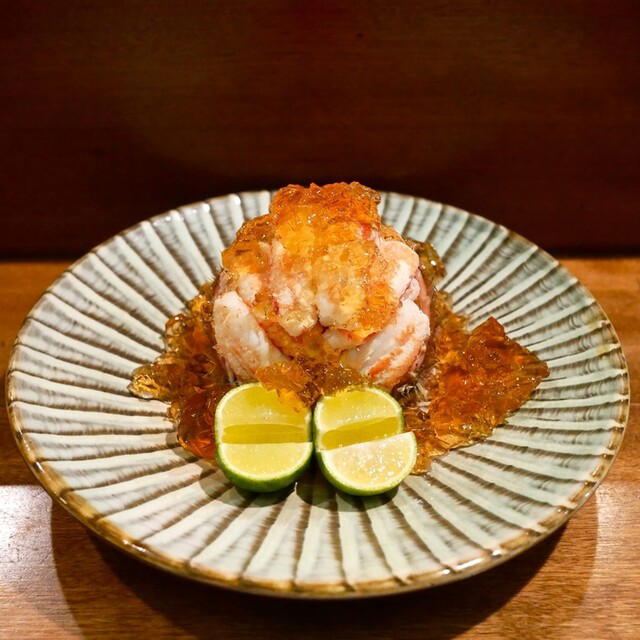
A Tabelog 100 izakaya in a converted Uemachi machiya, Nagahori serves creative fish plates and sommelier-led sake pairings at JPY 10,000-14,999. The 12-seat counter and seasonal menu balance kappo technique with izakaya ease; dinner offers deeper sake selection, Saturday lunch brings easier booking. Book ahead; regulars have priority but slots open for persistent planners.
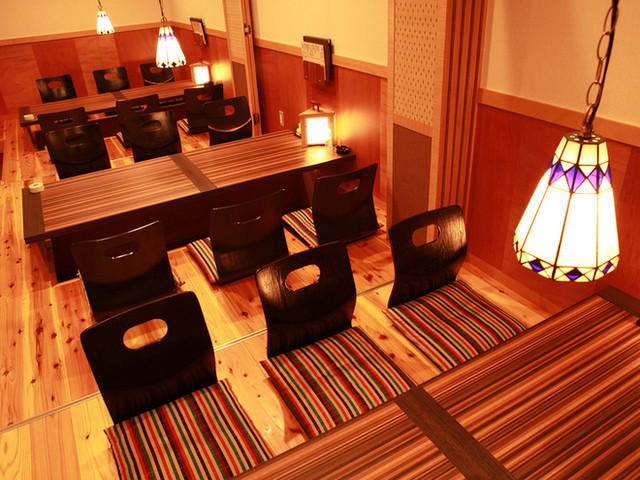
Izakaya Harubo
Tokushima, Japan
Seafood-focused izakaya in central Tokushima recognized four times by Tabelog 100, offering fresh catch and deep sake-shochu rotations at JPY 4,000–4,999 per head. Counter seating suits solo diners, private rooms handle groups of eight, and the price-to-execution ratio beats most Shikoku competition.
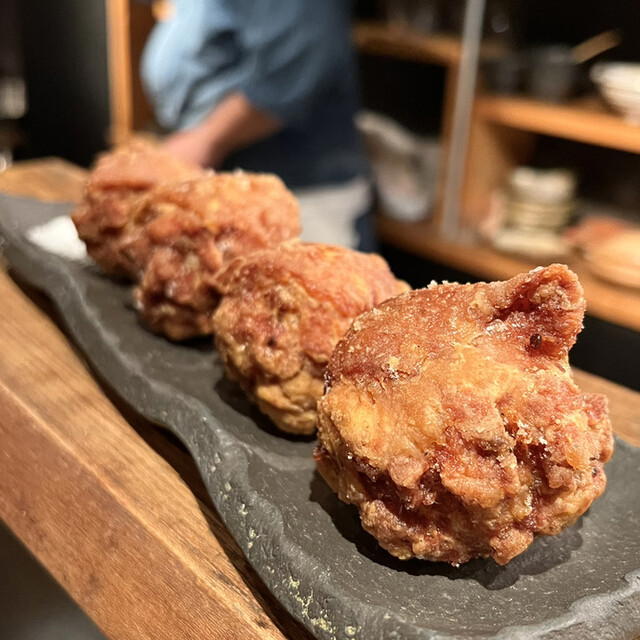
Shokudo Kifune
Ashiya, Japan
A ten-seat izakaya in Ashiya with Tabelog 100 recognition, serving deep-fried items, ramen, and tavern classics alongside sake, shochu, and wine. Dinner runs JPY 6,000–7,999, offering a compact introduction to Japan's izakaya culture without the scale or formality of counter-service specialists.
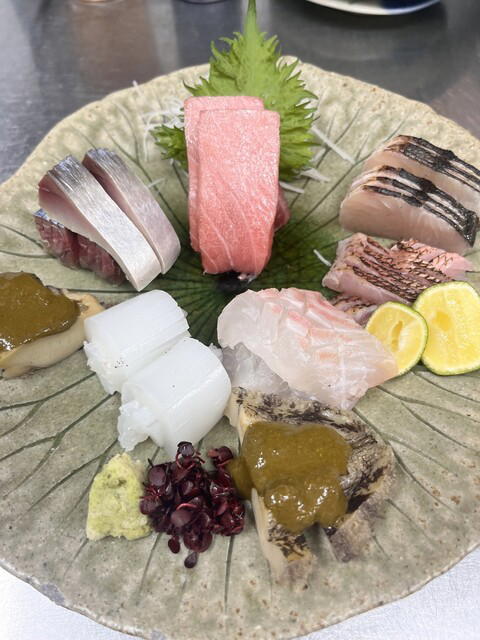
Shushi Mon
Osaka, Japan
Fish-focused izakaya in Nishitenma with serious sake selection and Tabelog 2025 recognition. Lunch runs JPY 1,000–1,999, dinner JPY 8,000–9,999; the 14-seat room suits solo diners and small groups who want seasonal seafood without omakase formality. Reservations required (minimum 2 guests), closed Sundays.
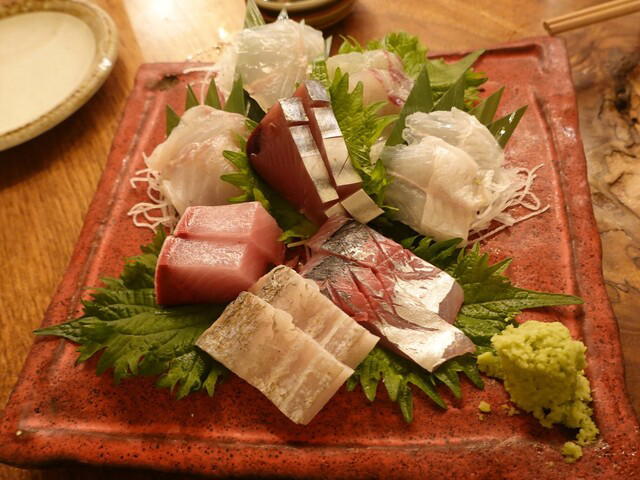
Gin Sakana no Hanare Gin Chirori
Toyama, Japan
A Tabelog 2025 Izakaya West 100 counter-only izakaya in Takaramachi that turns Toyama Bay fish into grilled, sashimi, and simmered plates at JPY 3,000–3,999. Counter seating only, strong saké list, and a non-smoking first floor make it a reliable weeknight option for solo diners and pairs who want seafood precision without a fixed-course commitment.
Hiiragitei
Kyoto, Japan
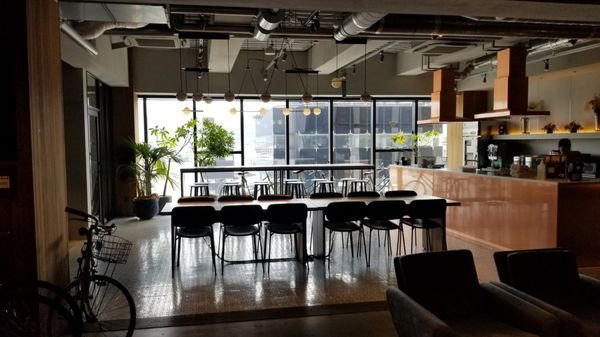
Charcoal-grilled yakitori is the reason to book Hiiragitei: focused, practical, and better suited to a relaxed Kyoto dinner than a formal splurge. It is a strong choice for travelers who want a researched Higashiyama meal without moving into the city's pricier yakitori tier.
Noguchi Jiro
Osaka, Japan
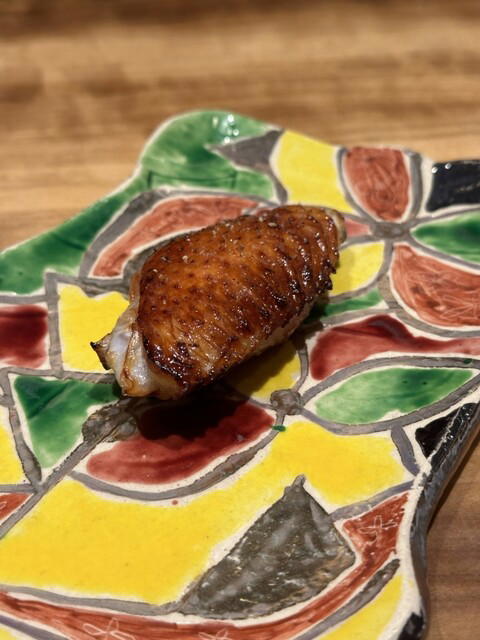
Reservation-only izakaya in Dojima with a ten-seat counter, structured tasting-menu format, and Tabelog 100 recognition. Dinner runs JPY 20,000–JPY 29,999 with curated sake, shochu, and wine pairings. Book two to three weeks ahead; walk-ins are not accepted. Worth it if you want precision over spontaneity, but not the place for casual à la carte browsing.
Akadori Sumiyaki Daiyasu
Kagoshima, Japan
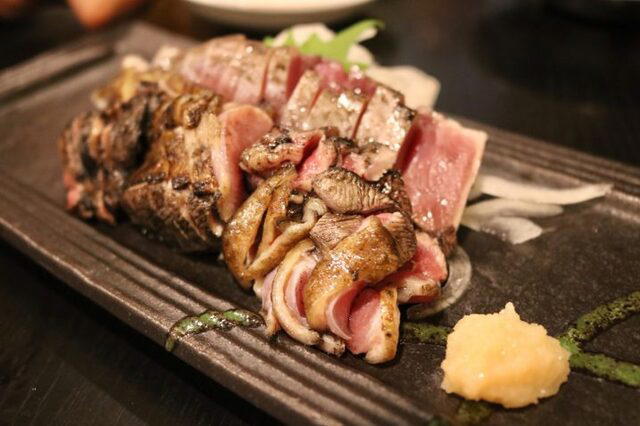
Charcoal-grilled akadori chicken in a 40-seat Yamanokuchicho izakaya, recognized in Tabelog 100 – Izakaya – WEST 2025. Dinner-only counter seating (closed Sundays) at JPY 3,000 – JPY 3,999, with no website; call +81-99-224-6611 to book. Best for small parties seeking neighborhood authenticity rather than private dining or quiet conversation.
Shusai Takenoshita
Hiroshima, Japan
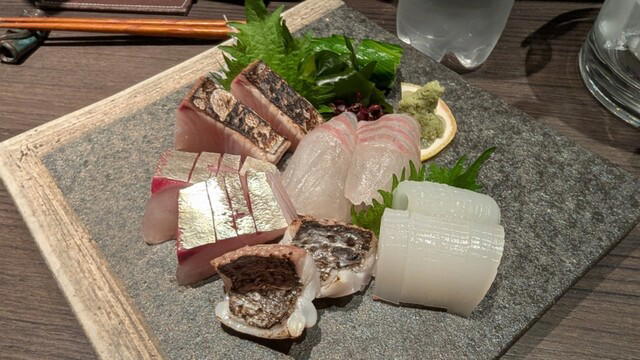
Seafood-focused izakaya in central Hiroshima earning three Tabelog 100 selections (2022, 2024, 2025) for daily fish preparations paired with sake. Counter and table seating for 14, minimal English support, JPY 8,000–9,999 range. Book two weeks ahead for weekday slots; Friday-Saturday phone-only reservations fill first.
Tokishirazu
Fukuoka, Japan
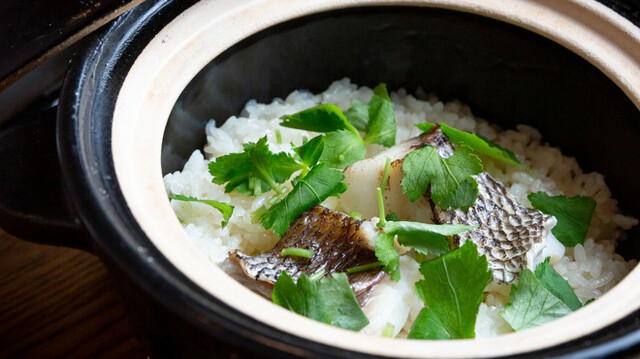
Tokishirazu delivers sommelier-supported izakaya dining at JPY 6,000–7,999, earning Tabelog 100 - Izakaya - WEST 2025 recognition. The 32-seat Watanabe-dori space suits repeat visits and solo diners equally, with nightly service and straightforward booking removing scheduling friction.
Bishu Bikou Hamai
Hiroshima, Japan
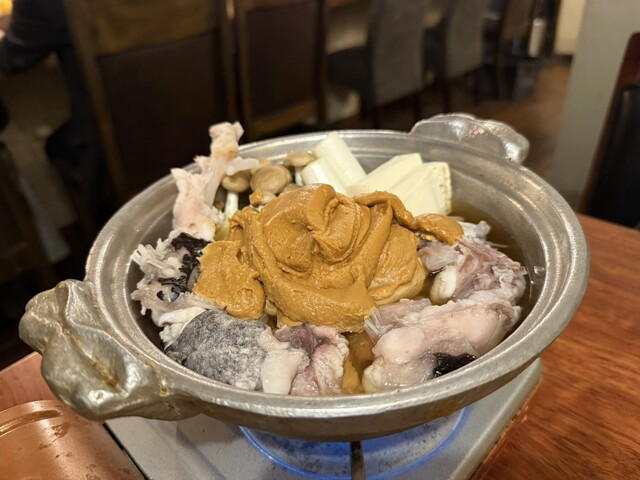
A 20-seat izakaya in Naka Ward focused on daily-market fish and regional sake, recognized on Tabelog's 2025 WEST 100 list. The a la carte format at JPY 8,000–9,999 suits groups who want mid-tier quality without omakase formality; book ahead for weekends, walk-ins work midweek.
Takatsuji Kasui
Kyoto, Japan
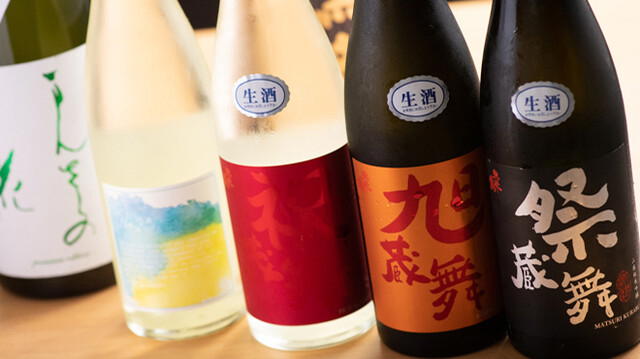
A 14-seat izakaya in Kawaramachi recognized on the Tabelog 100 - Izakaya - WEST list for its fish-first counter format and balanced sake, shochu, and wine program. Reservations required; international guests must book through hotel concierges due to no-show policy. JPY 5,000–5,999.
Seafood Izakaya Ren
Beppu, Japan
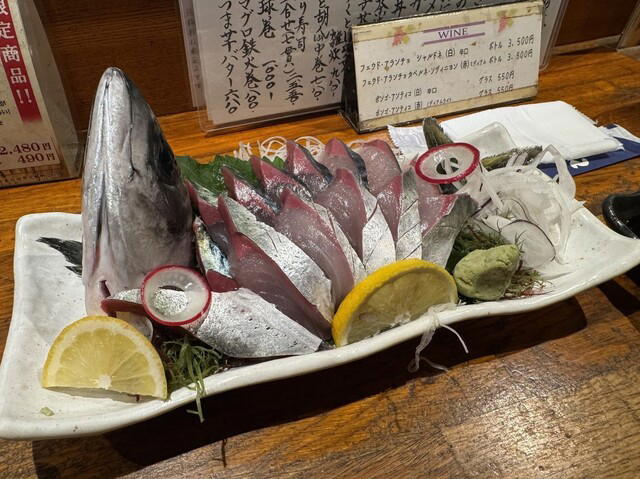
A Tabelog 100 – Izakaya – WEST selection for 2024 and 2025, this 30-seat venue near Beppu Station delivers counter-focused seafood dining at JPY 6,000–7,999. The 10-seat counter offers direct kitchen access and real-time interaction, while the tatami section suits larger groups. Cash only, smoking allowed, and closed Sundays; book for straightforward izakaya quality without fine-dining formality.
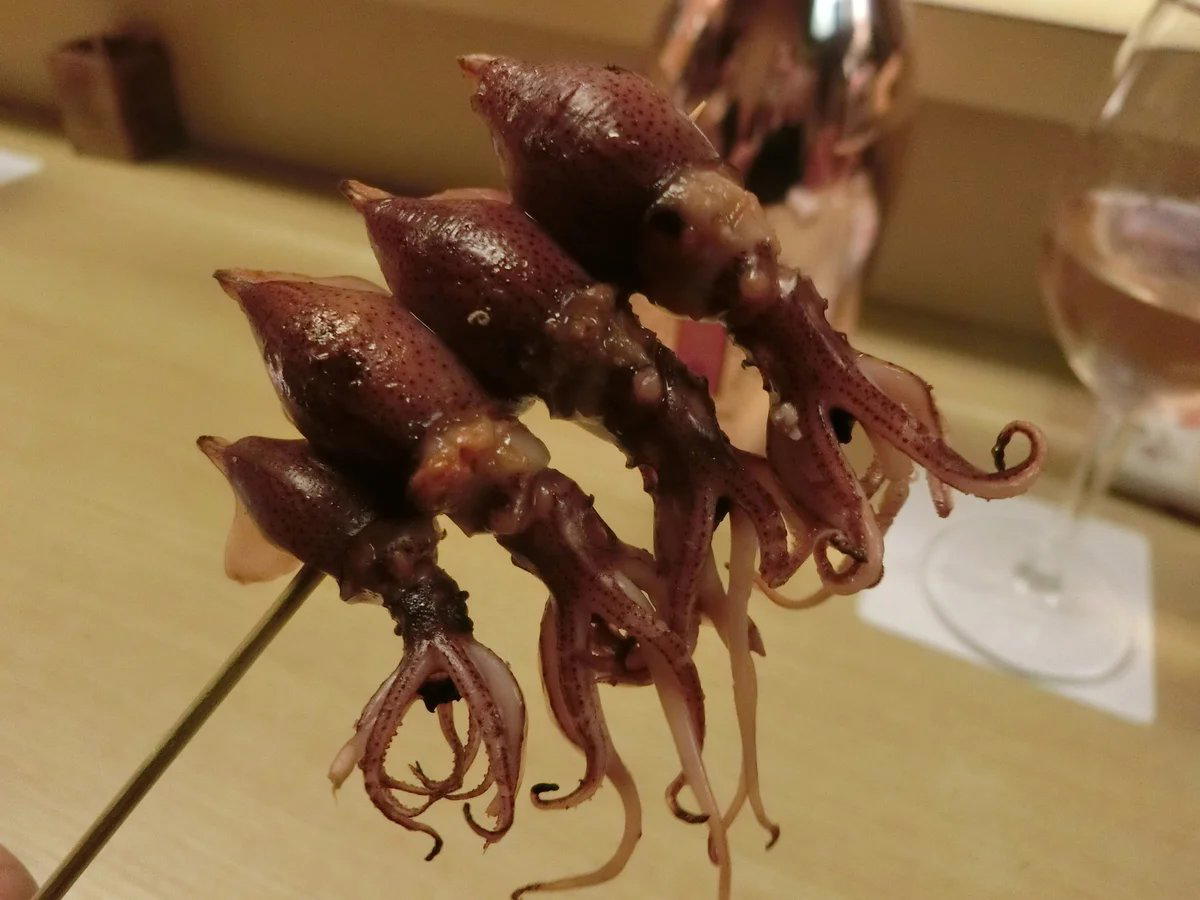
Wayōshusai Hide
Osaka, Japan
Wayōshusai Hide is a practical Shinsaibashi dinner pick when convenience and evening availability matter more than published awards, chef detail, or menu transparency. Choose it for a date, small celebration, or business meal in central Osaka; choose Kita Mura or Sui Okazaki instead if you want a clearer premium Japanese dining signal before committing.
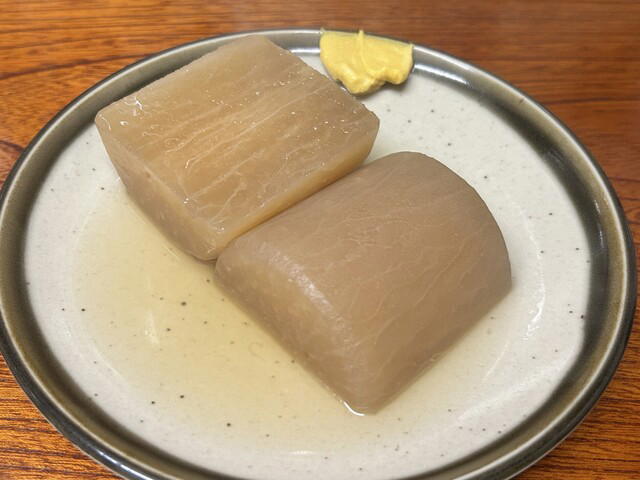
Sakana Tetsu
Osaka, Japan
A Nipponbashi izakaya earning Tabelog 100 recognition in 2024 and 2025 for dashi-steeped oden and daily fish specials. The 15-seat room favors regulars and quiet conversation, with pricing at JPY 6,000–7,999 placing it above budget izakaya but below formal kaiseki. Book ahead for weekend counter seats.
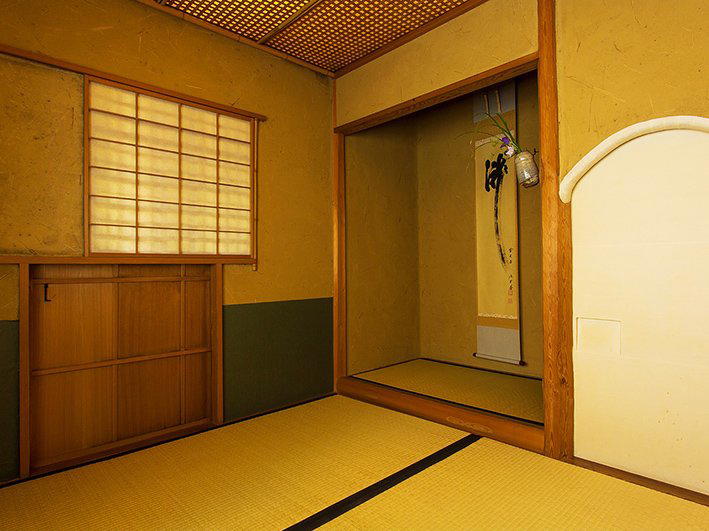
Nihonshuzammai Utsutsuyo
Osaka, Japan
A Michelin Bib Gourmand izakaya in Osaka's Honmachi district, Nihonshuzammai Utsutsuyo earns its recognition through a serious local sake list and drinking snacks that span beef tendon stew to milt meunière. At a ¥¥ price point, it is one of Osaka's clearest value calls for a sake-led evening. Book it for small groups or solo counter dining.
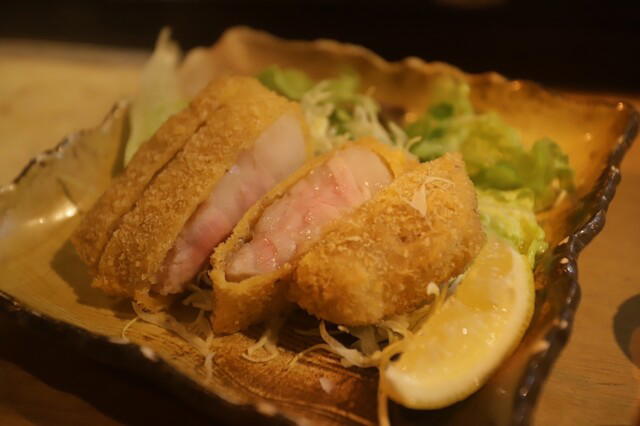
Shinme
Kyoto, Japan
A Tabelog Izakaya WEST 100 repeat selection (2021–2025) in residential Kamigyo-ku, serving fish-focused plates with sake and shochu for JPY 8,000 to JPY 9,999. Thirty-two seats, cash-only, and limited English make advance reservations essential. Best for drinkers prioritizing beverage depth over decor or spontaneity.
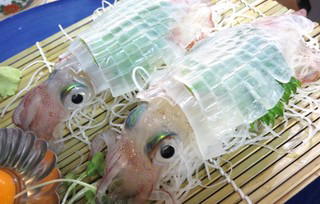
Yachiyo Maru Hakata ekimae ten
Fukuoka, Japan
A Tabelog 100 izakaya three blocks from Hakata Station, serving live Genkai and Goto seafood at JPY 3,000–3,999. The 56-seat room favors groups over solo diners, with tatami spaces and a sake-shochu program. Reservations are easy; Sunday is closed.
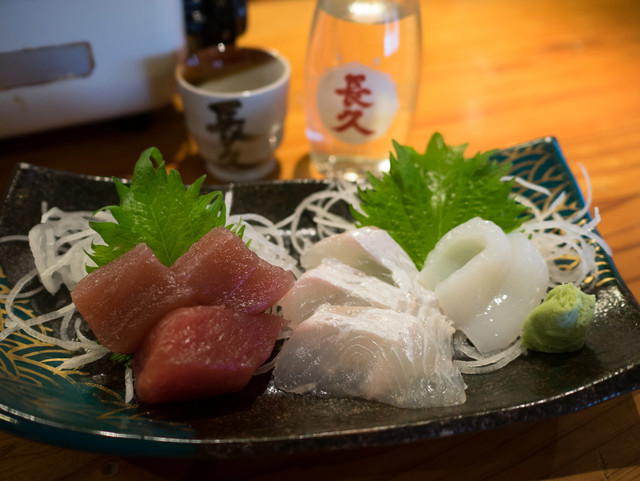
Chokyu Sakaba
Nishimuro-gun, Japan
Chokyu Sakaba is a sensible Shirahama dinner pick when you want a recognized local meal at a mid-range spend, not a formal tasting-menu experience. Book it for an easy evening and small-group dinner; choose Fukubishi Kagerou Cafe for a cheaper daytime stop or Pescatore for a lower-priced restaurant alternative.
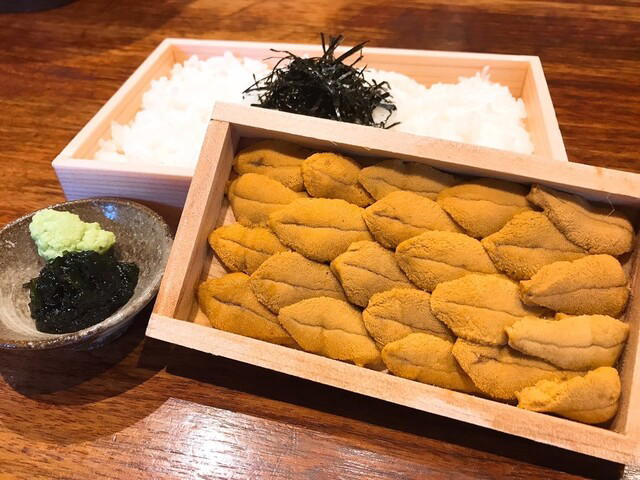
Akasaka Komikan
Fukuoka, Japan
A Tabelog 100 West izakaya in Daimyo where JPY 6,000–7,999 buys fresh fish, precise tempura, and a curated sake list in a 28-seat counter-and-table setup. Open Monday through Saturday evenings, reservations recommended, and solo diners are welcome. Counter seats offer the best view of the kitchen's tempura work.
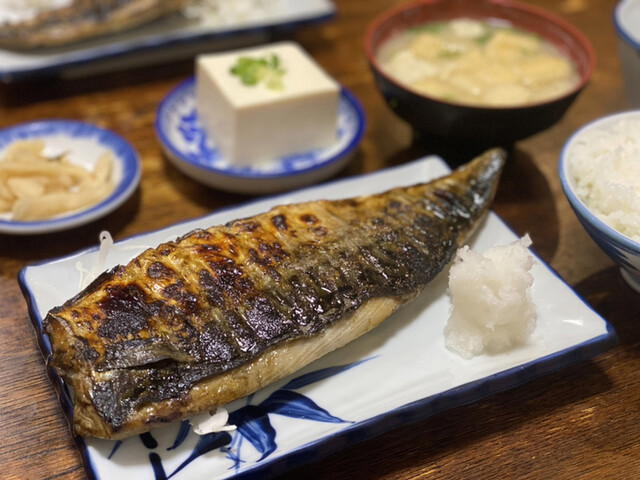
Shokuji to Sake Dokoro Makoto
Fukuoka, Japan
This no-reservations Tenjin izakaya earned three Tabelog 100 Best Izakaya – West selections (2021, 2024, 2025) for delivering Fukuoka seafood at under JPY 2,000 per dinner and under JPY 1,000 at lunch. Cash-only, tight hours (closes 8 PM weekdays, lunch-only Saturdays), and counter-focused service favor regulars who prioritize fish quality and value over comfort or English support.
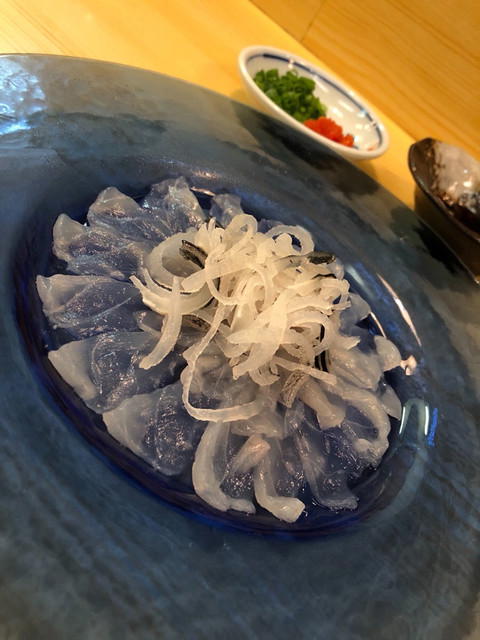
Oki No
Yokkaichi, Japan
A 12-seat counter izakaya in Yokkaichi that's earned Tabelog Izakaya 100 WEST recognition three times since 2022. The kitchen works from scratch; miso, sauces, daily fish; and pairs seasonal dishes with a sake, shochu, and wine program that runs deeper than the neighborhood norm. Dinner runs JPY 3,000–3,999, though most spend closer to JPY 5,000–5,999 with drinks. Four minutes from Kintetsu Yokkaichi Station.
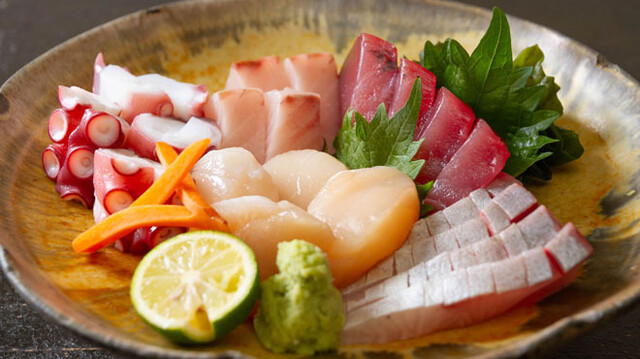
Banshu Jizake Hino
Kobe, Japan
A sake-focused izakaya in Kitanagasadori, open since 2009, recognized on Tabelog 100 – Izakaya – WEST 2025. Expect Hyogo prefecture nihonshu and grilled fish at JPY 6,000–7,999 per head, with counter seating for 24 and a hideout vibe that prioritizes bottles over décor. Reservations recommended; closed Sundays.
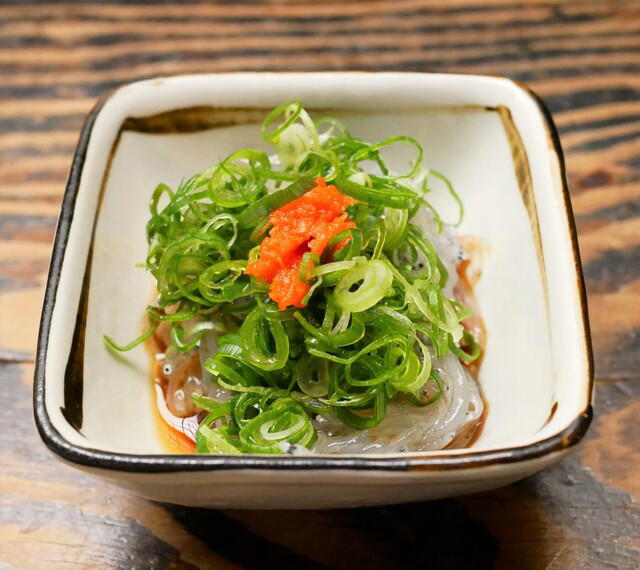
Donko
Kochi, Japan
Five-year Tabelog 100 izakaya near Hasuikemachi Dori, focused on Kochi seafood and regional sake. Counter and tatami seating, no children, closed Wednesdays. Dinner runs JPY 8,000-9,999 with drinks, below Kamon Tei's range but above casual options like Imadoki Yasubee. Book three weeks ahead for weekends.
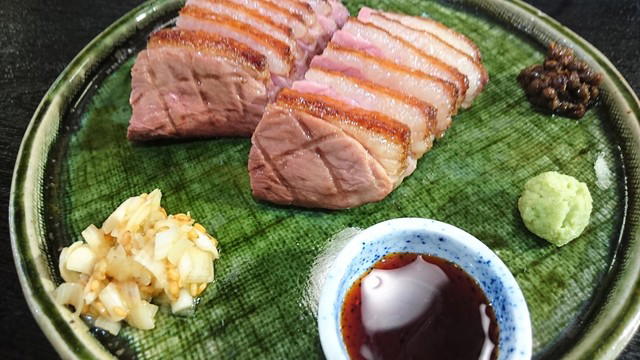
Mukai Sake no Mise
Ise, Japan
Fish-focused izakaya in Ise earning Tabelog 100 recognition three times for sashimi and grilled seafood precision at JPY 5,000 to JPY 5,999. Counter, tatami, and table seating for 42; sake list leans local. Book for fish execution that rivals formal sushi-ya standards in a tavern format.
Kuroson
Kochi, Japan
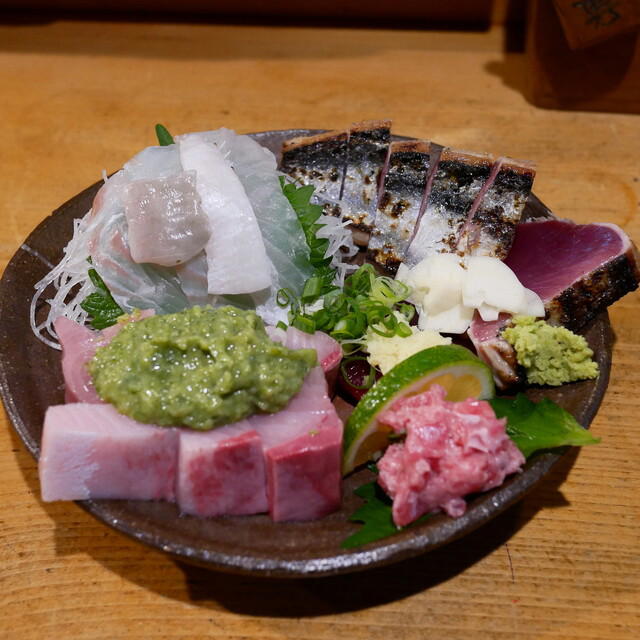
Book two weeks ahead for sake-focused seafood izakaya holding four consecutive Tabelog 100 - Izakaya - WEST placements and a 2022 Bronze award. Dinner runs around JPY 10,000 per person, counter and tatami seating only, cash-only payment, and a strict no-children policy. For easier access at lower prices in Kochi, consider Hirome de Yasubee or Cock Doll instead.
Tsumande Nomeru Miyako Parlor Haisai!
Okinawa-ken, Japan
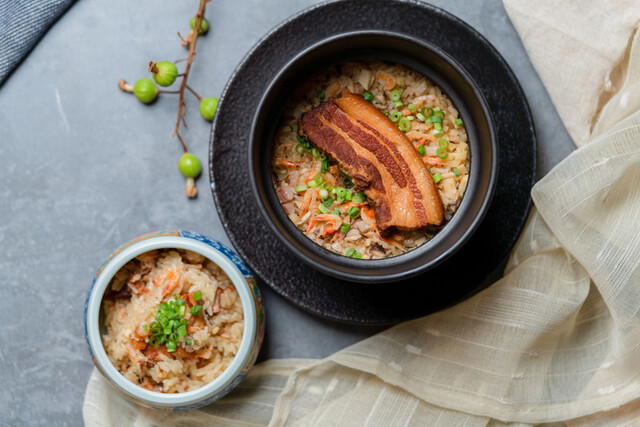
A Tabelog 100 Izakaya WEST 2025 selection on Miyakojima, serving fish-forward small plates and a curated sake-shochu program at ¥4,000–¥4,999 per head. Counter seating and sunken tables fill fast, especially weekends; book ahead for the two-hour window.
Renge Ryori Ten
Takamatsu, Japan
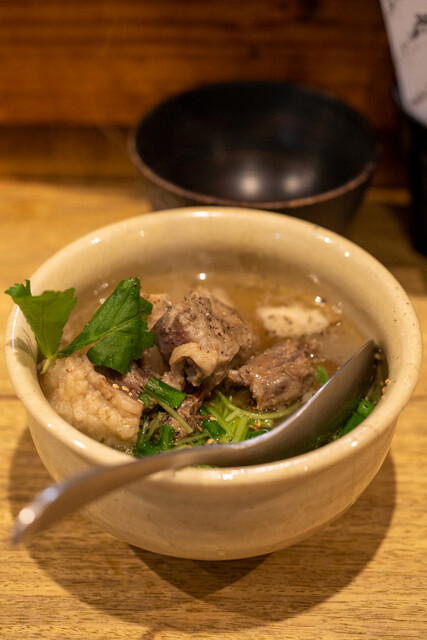
A fish-focused izakaya in Takamatsu's Tamachi district, recognized by Tabelog 100 Izakaya WEST four times since 2021. Menu rotates with seasonal fish runs, sake selection emphasizes Shikoku producers, and counter seating fills quickly on weekends. Expect JPY 8,000–10,000 per person all-in despite the lower official range.
Seimon Barai
Fukuoka, Japan
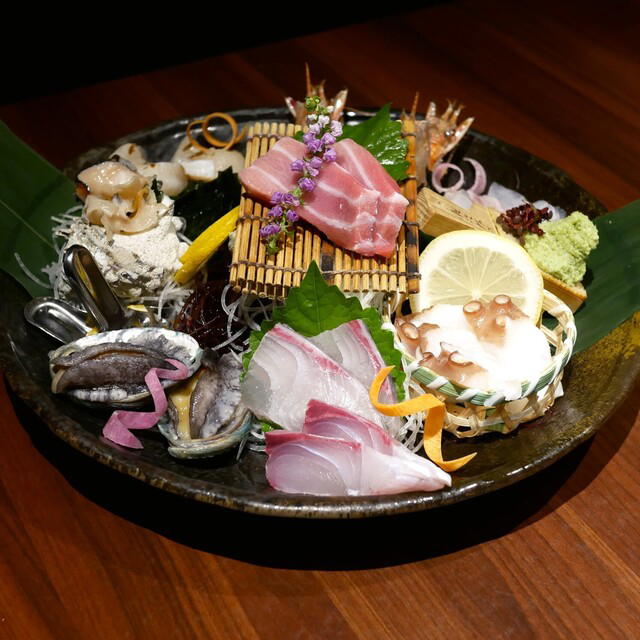
Tabelog 100-listed izakaya near Kushida Shrine serving seafood-forward small plates with a deep sake, shochu, and wine program at JPY 5,000–5,999. The 125-seat room offers counter, tatami, and sunken seating, with private rooms for groups up to 20. Reservations accepted only until 6:30 PM; late arrivals forfeit their table.
Yamachan Nakasu ten
Fukuoka, Japan
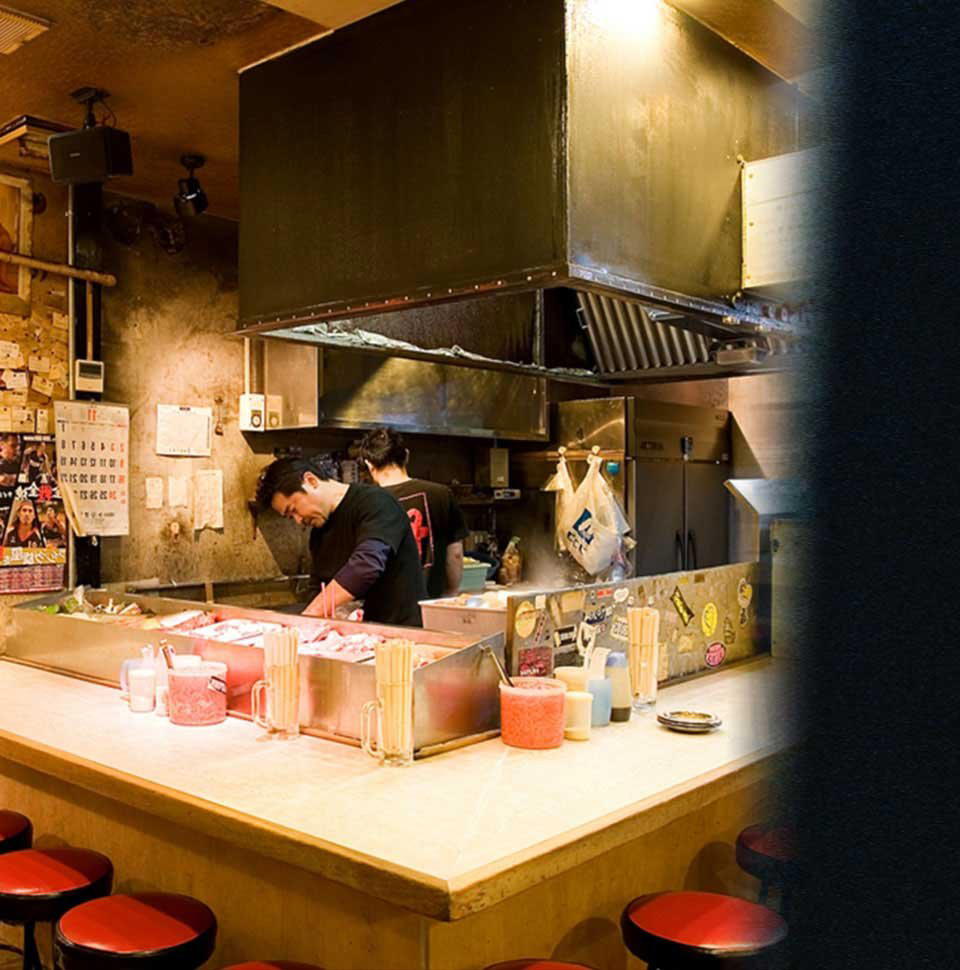
Tabelog 100-recognized izakaya serving yakitori, fresh fish, and Hakata ramen at under-¥1,000 prices. Open until 3 AM Tuesday-Saturday, cash-only, with counter seating and a private room for groups up to 50. Best for late-night crowds comfortable with smoke and yatai-style informality.
Binbiya
Osaka, Japan
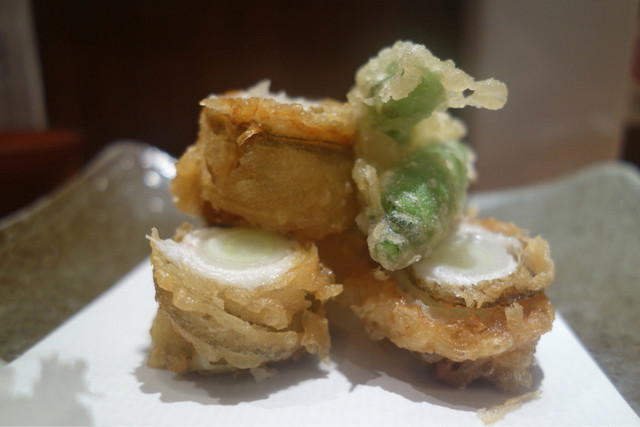
Binbiya is the Osaka pick for a serious but value-conscious dinner in Kitashinchi. The draw is seasonal flexibility and credible recognition at a lower spend than many nearby special-occasion peers, making it a strong choice when the goal is depth without a luxury-tier commitment.
Houshou
Fukuoka, Japan
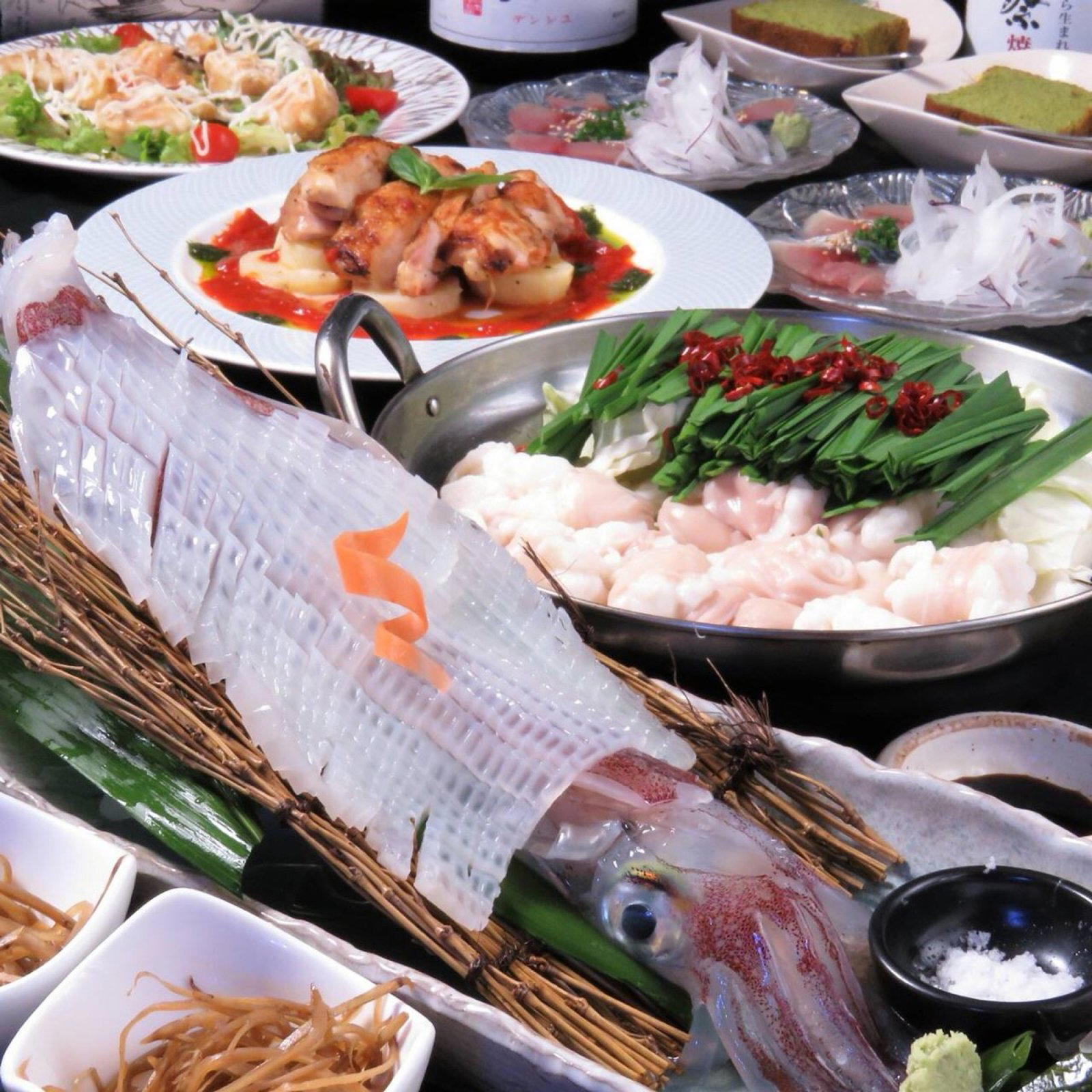
A Tabelog 100 izakaya in Chuo Ward specializing in daily-catch seafood, grilled fish, and motsu-nabe at under JPY 5,000 per head. Counter seating, tatami rooms, and a sake-heavy drink list draw locals and visitors to a no-frills space where ingredient quality trumps ambiance. Lunch runs under JPY 1,000; dinner requires 3–5 days' booking and permits smoking.
Warayaki Mikan
Fukuoka, Japan
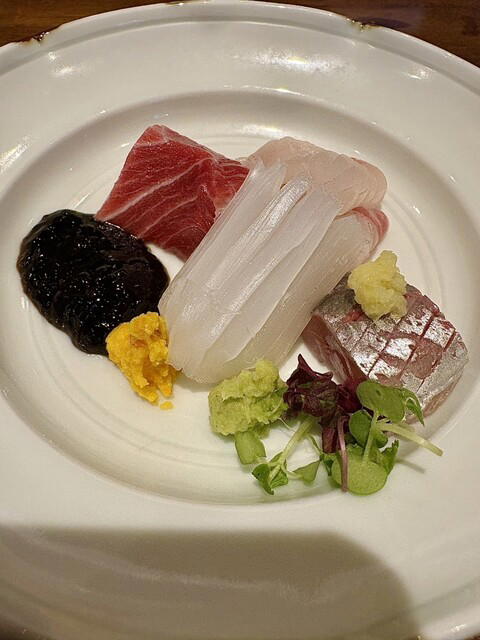
Tabelog 100 izakaya (2024, 2025) and OAD Japan Casual #76, where chef Takurou Sueyasu applies straw-grilling technique at a 17-seat counter in Haruyoshi. At JPY 8,000–9,999, it delivers fire-driven cooking between AKAMIYACOWSI's lower price tier and Kuwaman's higher bracket. Counter seating prioritizes proximity to the grill over polished ambiance; book for technique-focused meals rather than group celebrations.
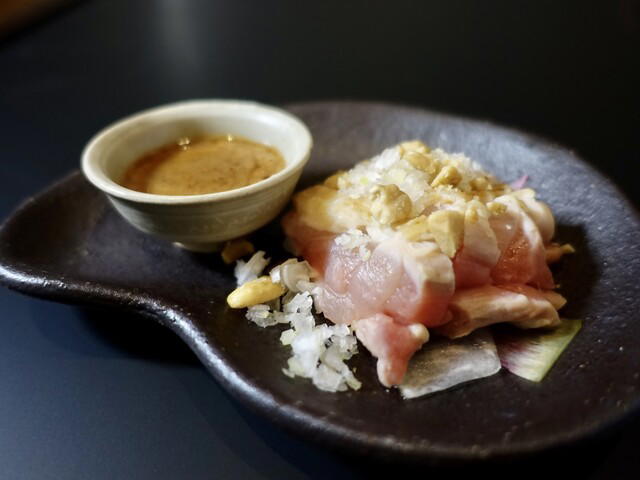
Shokudo Kuro Usagi
Osaka, Japan
A Chinese-izakaya hybrid in Tenjinbashi that earned a Tabelog 100 (WEST) nod within two years of opening. At JPY 4,000–JPY 4,999 for dinner, it undercuts most award-listed izakaya while delivering creative dim sum, grilled skewers, and a sake-forward drink list. Book a week ahead for counter seats; groups of four or more may end up at the bar.
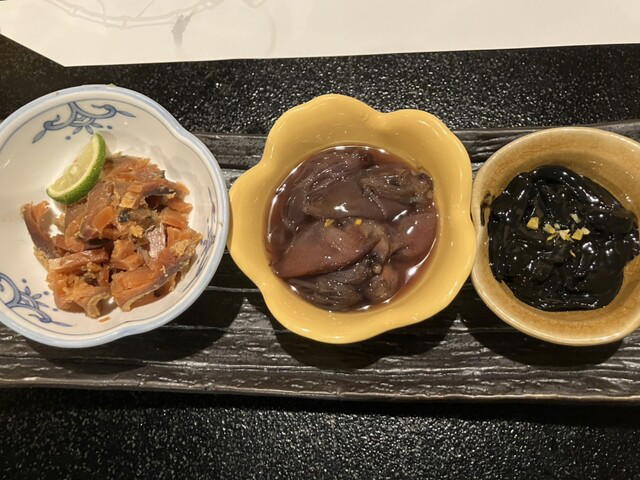
Sumi Sakana Sakana Wanaka
Kanazawa, Japan
Tabelog 100 Izakaya WEST 2025 house restaurant in Kanazawa, specializing in charcoal-grilled seafood and Ishikawa sake at JPY 6,000–7,999 per person. Cash-only, dinner-only operation with a 10-seat counter, tatami room for five, and 2.5-hour service windows. Book one to two weeks ahead for weekend slots.
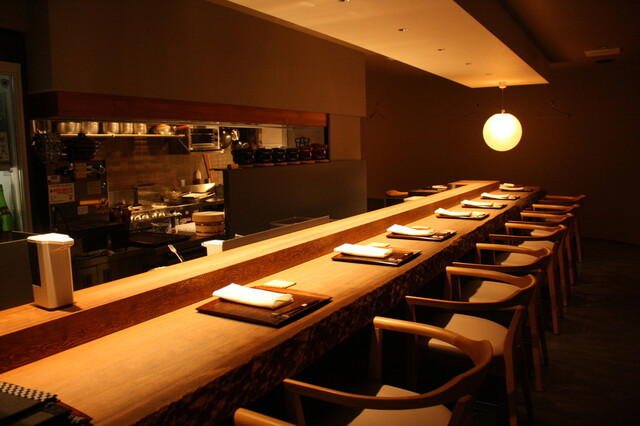
Oryori Uchiyama
Fukuoka, Japan
A ten-seat counter izakaya in Akasaka delivering seasonal small plates and carefully matched sake with quiet craft, not ceremony. Back-to-back Tabelog Izakaya WEST 100 recognition for 2024 and 2025 underscores its reliability among Fukuoka's more considered izakaya evenings. Book ahead; reservations required, two-month window, phone only.
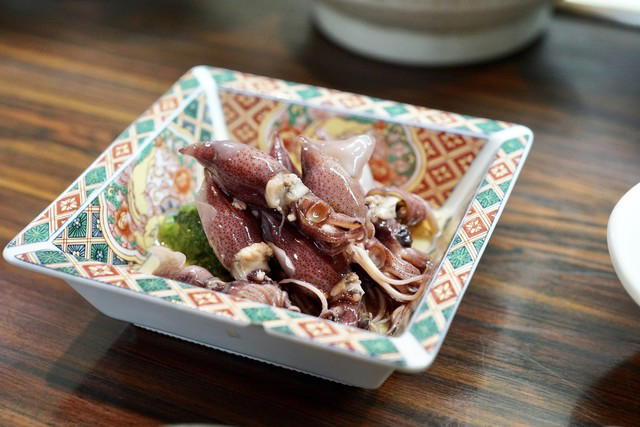
Kisetsu Ippin Ryori Fujiwara
Kobe, Japan
A ten-seat counter izakaya in Kobe's Ninomiya district, recognized on Tabelog's 100 Best list since 2022. Seasonal seafood-focused small plates run under JPY 4,000 per person, served in two nightly seatings. The chef-led format and counter-only setup suit solo diners and couples more than groups.
Sakenameshi Brio
Fukushima, Japan
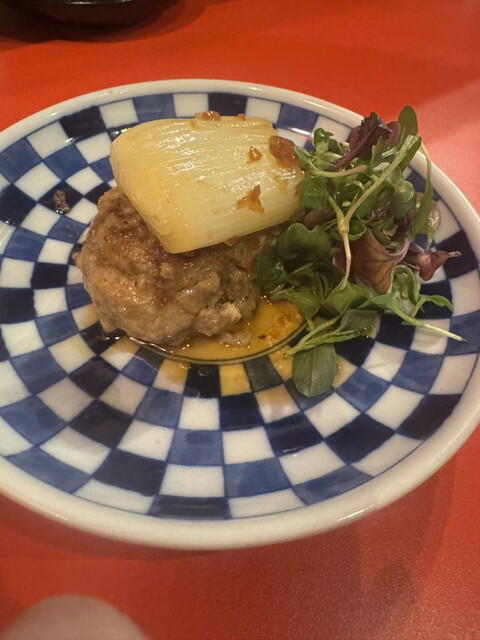
A ten-seat izakaya counter in Fukushima's Fukurojoi arcade, recognized on Tabelog's 2025 WEST Izakaya 100 for saké-focused seasonal plates. Reservations online only, closed to phone bookings. Expect JPY 8,000–9,999 per person, cash or QR payment, and a drink-forward format best suited to saké enthusiasts and pairs.
Osake to Gohan Taku
Osaka, Japan
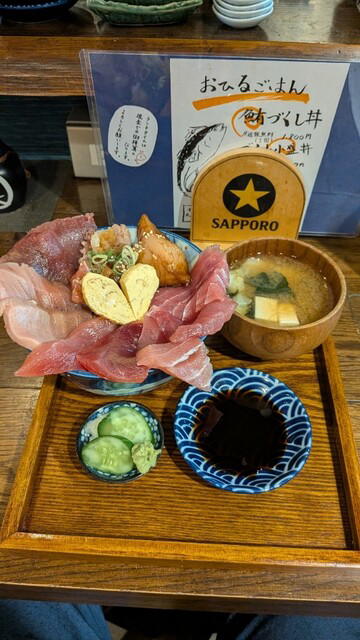
A nine-seat counter izakaya in Osaka's Kitahama district, recognized in <a href="">Tabelog 100 Izakaya WEST</a> for 2024 and 2025. Fish-focused menu, sake-heavy drink list, and dinner under JPY 4,000 make it a value play in the neighborhood izakaya category. Counter-only seating limits groups; book two weeks out for weekdays, three for weekends.
Iroha
Kumamoto, Japan
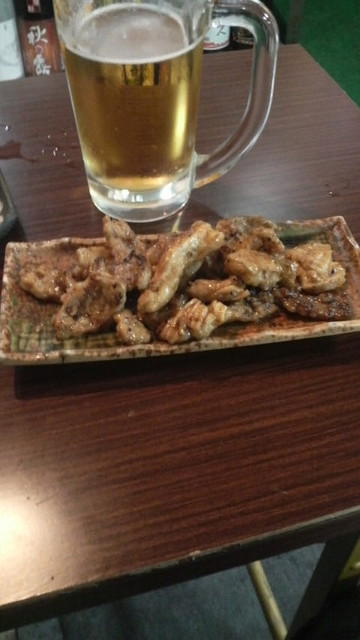
This Tabelog 100 izakaya in Suizenji Park serves horse meat and offal with a deep shochu list at JPY 3,000–JPY 3,999. Counter and tatami seating fill fast; book weeks ahead. Cash only, no lunch service.
Sakana Kobo Maruman
Matsuyama, Japan
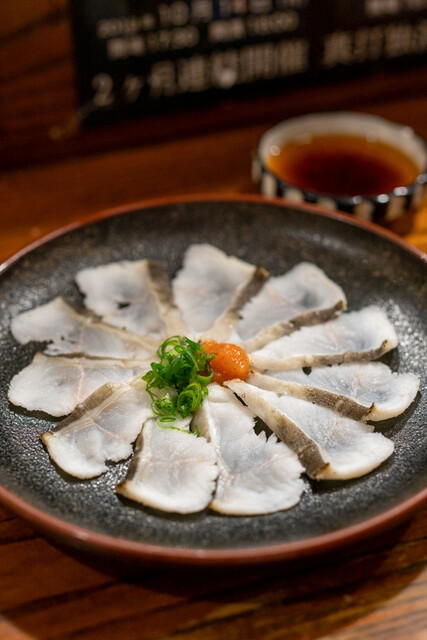
A 14-seat izakaya in residential Matsuyama where the fourth-generation owner's 40 years of fish-market experience translates to wholesale-level seafood at JPY 5,000–5,999. Named to Tabelog's Izakaya WEST 100 for 2024 and 2025, the counter experience is the draw; book ahead for Friday or Saturday, and expect final bills closer to JPY 8,000–9,999 once sake flows.
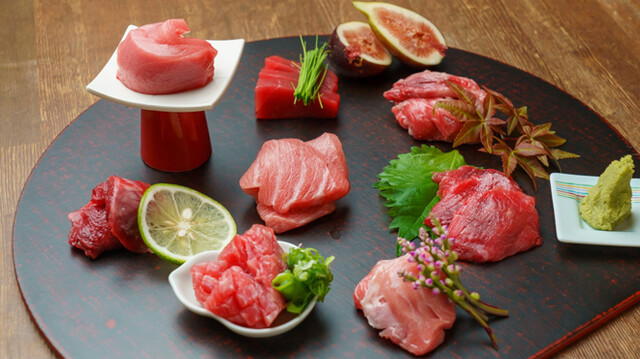
Sumi Daruma
Osaka, Japan
A 22-seat izakaya counter in Toyosaki earning its Tabelog 100 WEST 2025 spot with fish-forward grilling and ingredient-driven menu shifts. At JPY 8,000–9,999, the charcoal technique and seafood sourcing justify the price for travelers seeking izakaya culture beyond fried snacks. Smoking-friendly, cash-only, and closed Sundays.
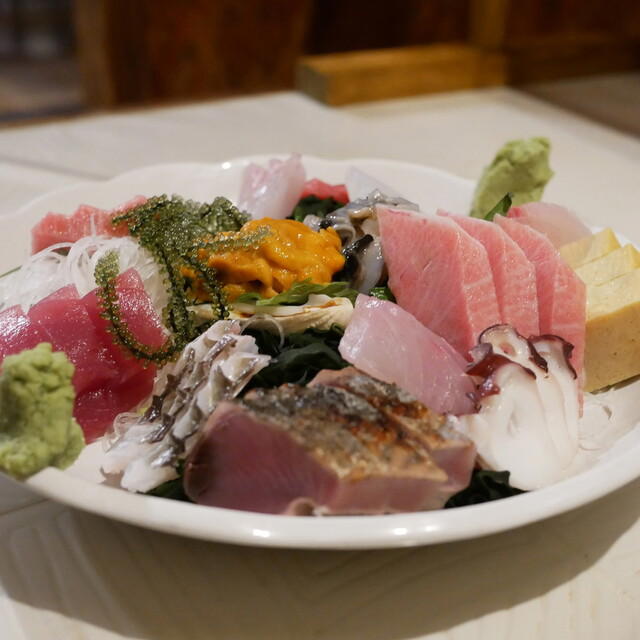
Hitoshi Honten
Ishigaki, Japan
Tabelog 100-recognized izakaya in Ishigaki serving seafood-focused small plates and shochu from 4:30 PM daily. Counter and tatami seating, cash-only, callback queue system during peak hours. JPY 3,000–5,999 per person, reservations recommended, fifteen minutes from the port on foot.
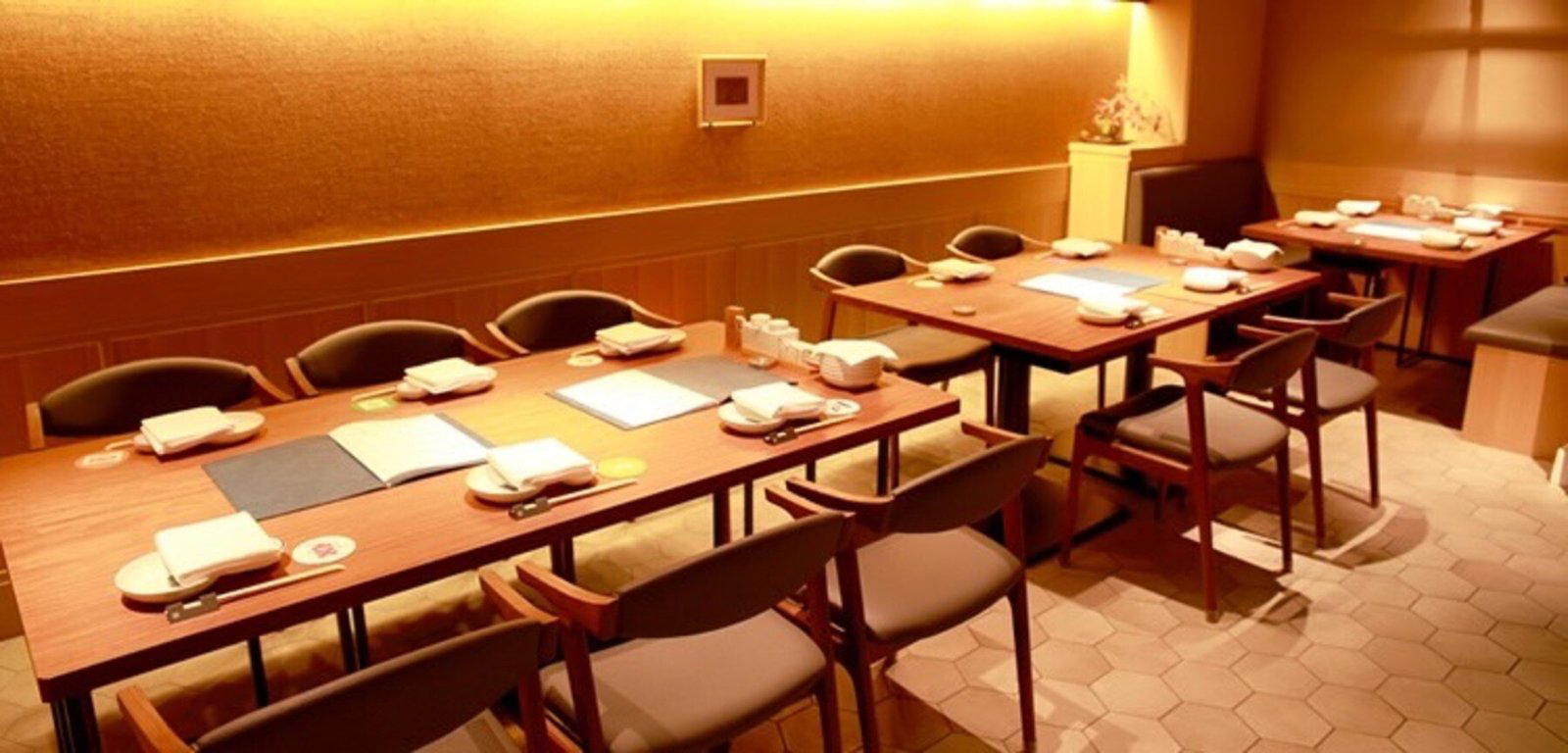
Osake to Hakata Kozara Tanakada
Fukuoka, Japan
A Tabelog 100 Best Izakaya recognized for four consecutive years, Osake to Hakata Kozara Tanakada serves precision seafood and maintains one of Fukuoka's deepest sake lists in a 38-seat space. At JPY 15,000-18,000 per person, it sits above casual izakaya in both quality and price, with individual small-plate portions and reservations required two weeks ahead for weekend slots.
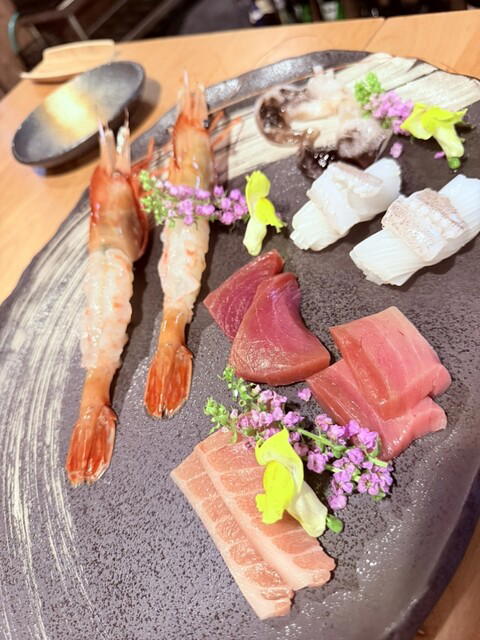
Koide
Kanazawa, Japan
A Tabelog-recognized izakaya in Kanazawa where the focus is Hokuriku fish and regional sake at JPY 20,000–29,999 per head. The chef sources from Kanazawa's morning markets and forages wild mountain vegetables in Ishikawa. Counter seating, tatami raised area, and a sake list that justifies the premium. Book for a serious sake-and-fish evening rather than quick casual dining.
ginmi
Fukuoka, Japan
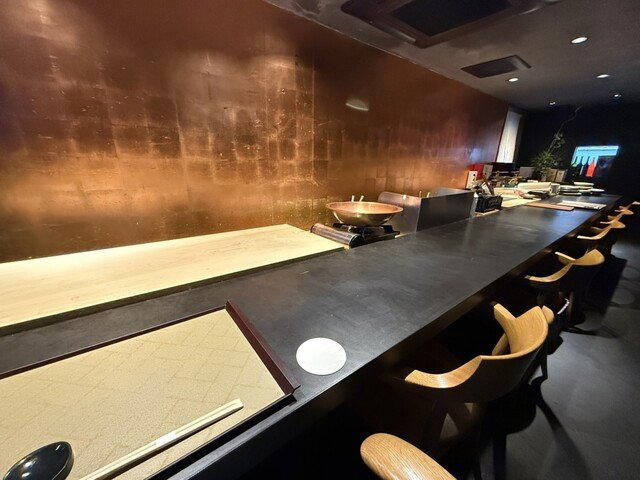
ginmi is a Tabelog 100 Izakaya WEST 2025 selection in Nishinakasu offering seafood-focused, course-only dining at JPY 8,000–9,999 for dinner (JPY 3,000–3,999 lunch). The 52-seat space includes private rooms for groups of 10–22, making it practical for celebrations, though solo diners and spontaneous eaters should look elsewhere. Reservations are required for both services.
Onokoro Hanjou
Fukuoka, Japan
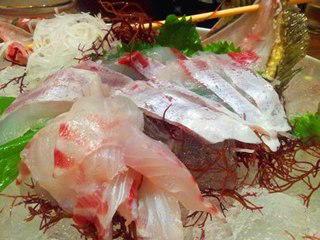
Tabelog 100-recognized izakaya near Ōhōri Park serving fresh Kyushu seafood and Itoshima vegetables at JPY 5,000-5,999 dinner pricing. Counter and tatami seating with private rooms for 4-18 guests; curated sake and shōchū selections complement fish-forward preparations. Practical mid-tier option for travelers seeking local catch without central Fukuoka crowds.
Ajiraku Yumeri
Kanazawa, Japan
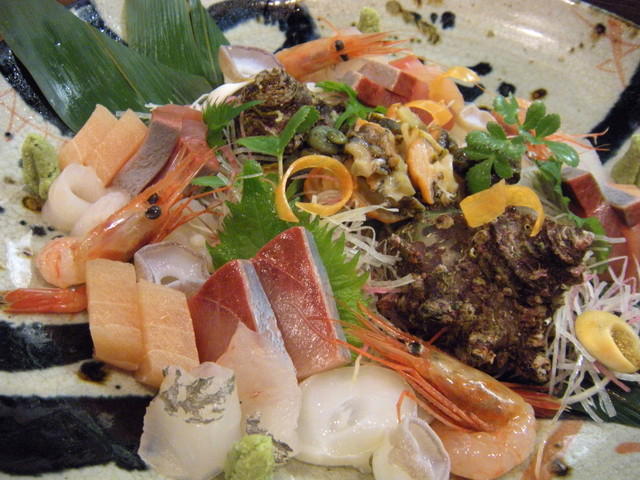
Five-minute walk from Kanazawa Station, Tabelog 100 Izakaya WEST 2025 selection serving Noto seafood, regional chicken, and hard-to-find local sake at JPY 6,000–7,999 per head. Counter, kotatsu, and tatami seating for solo diners through groups of 30; phone reservations preferred, closed Wednesday and Sunday.
Izakaya Deiriguchi
Miyakojima, Japan
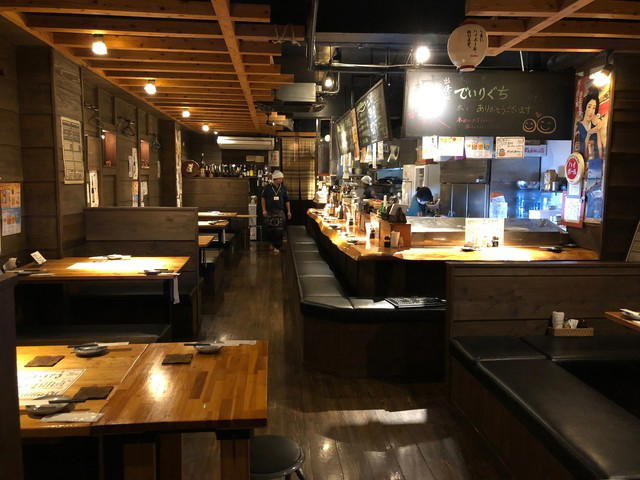
This 45-seat izakaya in Hirara earned a spot on the 2025 Tabelog 100 Izakaya West list, a rare recognition for Miyakojima. At JPY 5,000–5,999, dinner delivers Okinawa cuisine, local seafood, and Miyakojima awamori in a casual tavern format. Book this for the island's most polished izakaya experience without mainland prices.
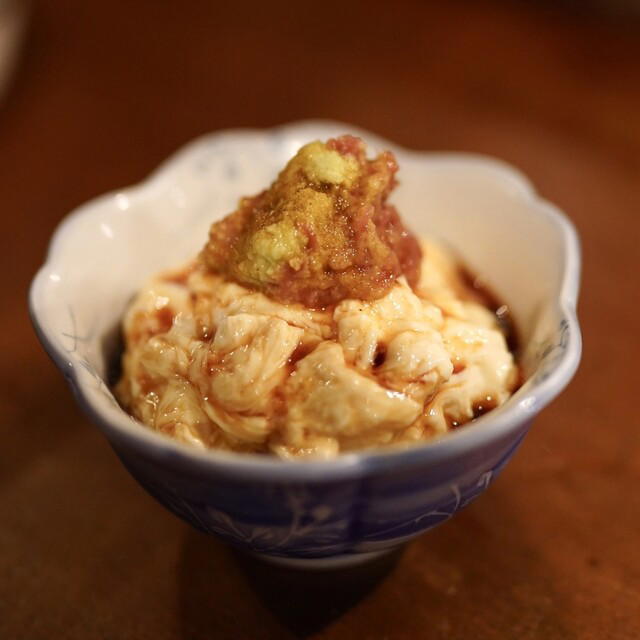
Akagakiya
Kyoto, Japan
Tabelog 100 izakaya in Sakyo Ward serving sake, shochu, and grilled plates until 11 PM. Counter seating is walk-in only; tatami rooms take reservations. Cash-only, smoking allowed, and priced at JPY 3,000–5,999 depending on your appetite. Worth the hideaway location if you want an authentic late-night tavern experience without tourist polish.
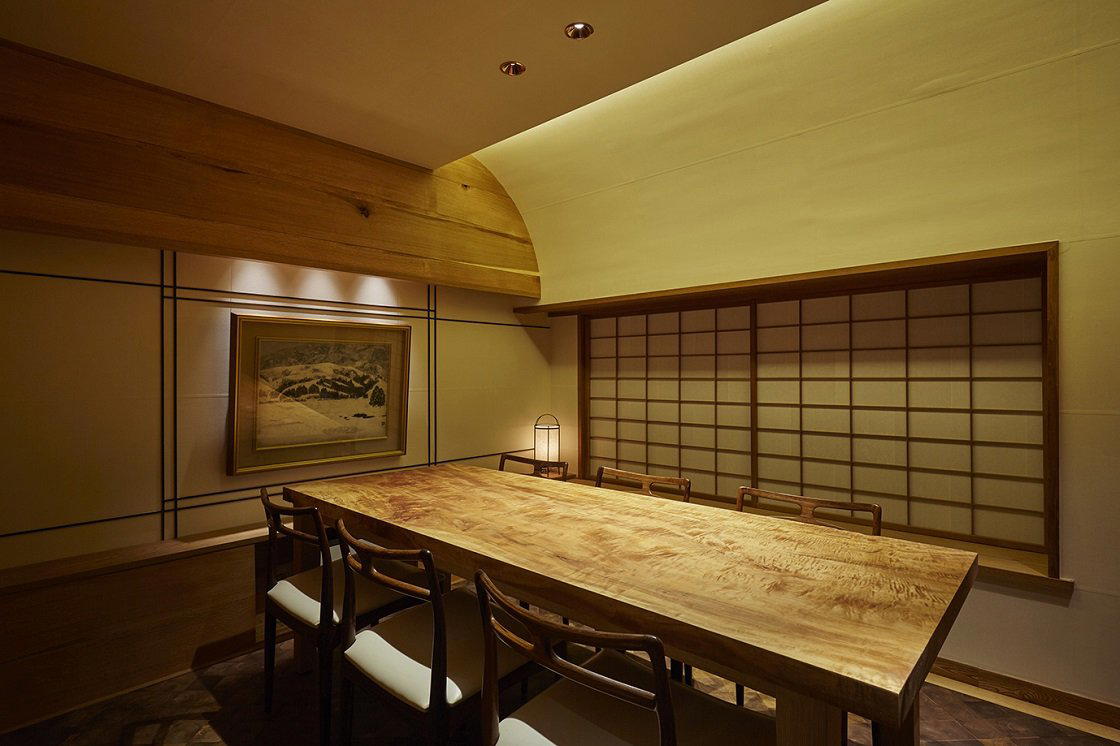
Tominokoji Yamagishi
Kyoto, Japan
Tominokoji Yamagishi is a 10-seat kaiseki counter in Nakagyo Ward with a Tabelog score of 4.52, consecutive Silver awards through 2026, and one of Kyoto's most genuinely curated sake and shochu programmes. Dinner runs JPY 60,000–79,999; reservations are required but more accessible than Kyoto's hardest-to-book rooms. Best for food and sake enthusiasts who want seasonal kaiseki with real drinking depth.
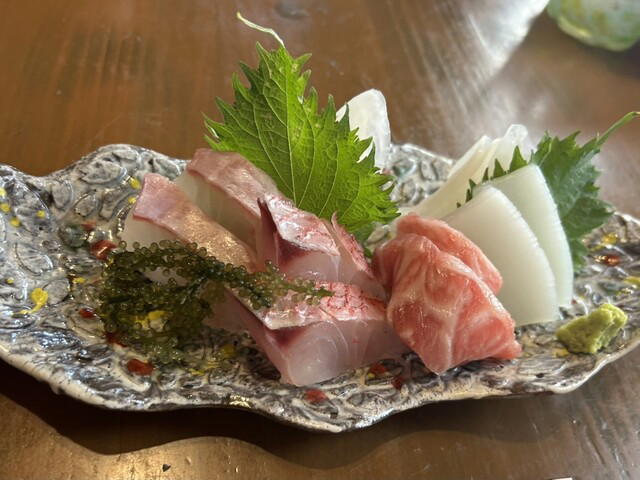
Shunsai Dokoro Biidoro
Naha, Japan
Shunsai Dokoro Biidoro is worth shortlisting for a lower-risk Naha dinner: JPY 3,000–3,999 and a Tabelog 100 #72 placement in 2025 give it stronger value credentials than a casual unknown. Choose it for a relaxed seated meal, not as a special-occasion splurge or a takeout-first plan.
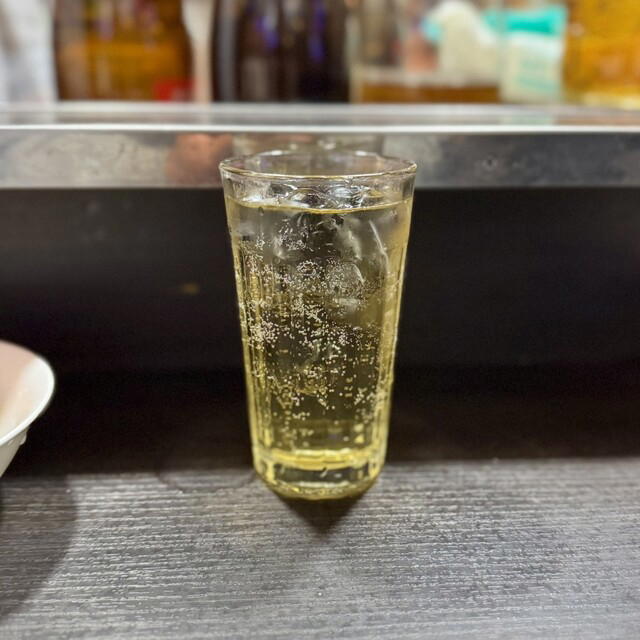
Nakasu Yatai Kibun
Fukuoka, Japan
A Nakasu yatai stall recognized on the Tabelog 100 Izakaya WEST list for 2024 and 2025, serving grilled skewers and small plates in a cash-only, outdoor format. The owner enforces a strict Japanese-only policy, making this a fit for fluent speakers who want the traditional yatai experience at JPY 3,000–3,999. Book if you're after riverbank atmosphere with locals; skip if you need flexibility or English service.
teppan sakaba hitojiman
Kitakyushu, Japan
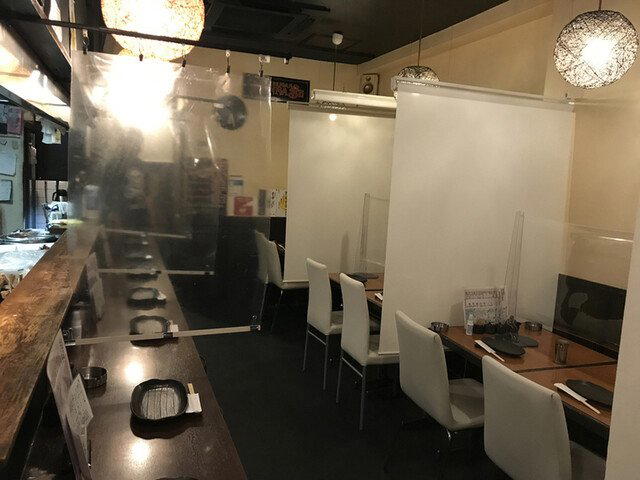
A Tabelog 100 Izakaya WEST 2025 honoree in suburban Kitakyushu, this 22-seat teppan sakaba delivers Osaka-style okonomiyaki and Tokyo-style monjayaki at JPY 3,000–3,999. Staff handle all griddle work, making it a hands-off choice for groups up to 20. The six-minute walk from Shimo Sone Station and parking for three cars compensate for the distance from downtown Kokura.
Shokudo Akari
Osaka, Japan
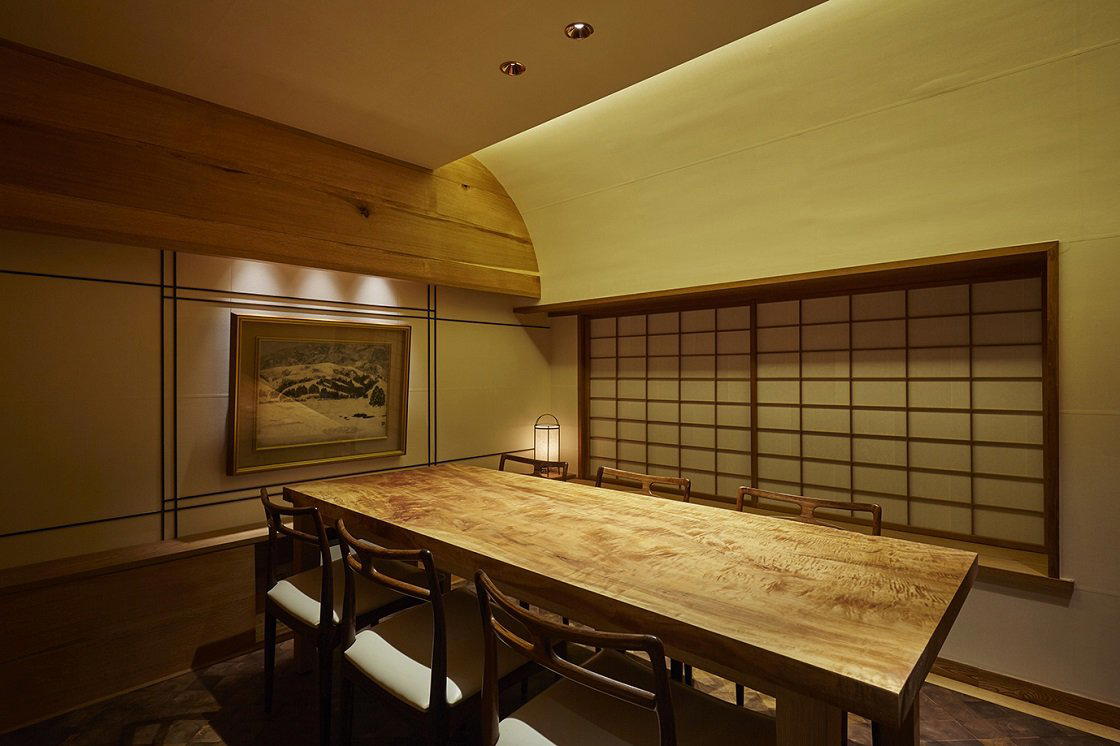
Shokudo Akari is a Michelin Bib Gourmand izakaya in Osaka's Kita Ward, cooking with Kishu Bincho charcoal and Wakayama regional ingredients at a ¥¥ price point. The room, defined by a ceiling of criss-crossing wooden poles referencing the Oto Fire Festival, makes this a strong choice for dates or celebrations.
Tagosaku
Masuda, Japan
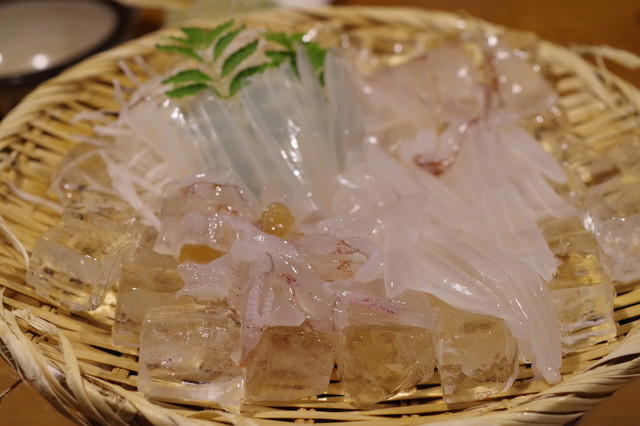
A Tabelog Izakaya 100 WEST three-time selection (2022, 2024, 2025) in a converted timber house, Tagosaku sources fish directly from the Sea of Japan and serves rustic small plates across eight private tatami rooms. Dinner runs JPY 4,000–4,999; the format suits extended group meals rather than quick solo counter visits. Family-friendly, with parking and flexible booking.
Washoku Haru
Kyoto, Japan
Washoku Haru holds back-to-back Michelin Bib Gourmand awards (2024 and 2025) and consecutive Opinionated About Dining Casual Japan rankings; all at ¥¥ in a city dominated by expensive kaiseki. Chef Harutoshi Kitsukawa serves everyday Japanese cooking with small, well-judged surprises: fluffy potato salad, duck-accented cutlets, precise sabazushi. The easiest way to eat well in Kyoto without a formal reservation scramble.
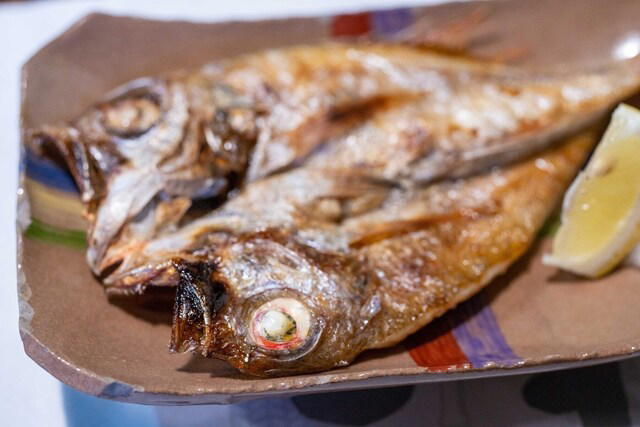
Itaru Honten
Kanazawa, Japan
A seafood-focused izakaya in Kanazawa's Kakinokibatake neighborhood, selected for Tabelog 100 Izakaya WEST three times (2021, 2024, 2025). The kitchen sources daily from local auctions, delivering sushi-grade fish in a casual tavern format at JPY 4,000–4,999 per person; no omakage ceremony, just direct access to Sea of Japan catch with sake pairings.
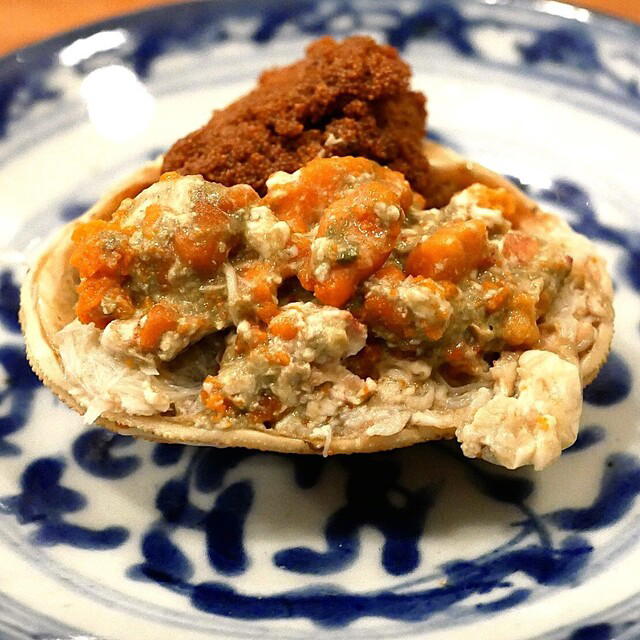
Hotel De Ogawa
Kyoto, Japan
Eight-seat counter izakaya in Shimogyo Ward, walk-ins only, shochu-focused drinks, and a Tabelog 100 – Izakaya – WEST 2025 nod. No reservations, no groups, cash only. At JPY 10,000–14,999 (often closer to JPY 8,000–9,999), it's mid-tier for Kyoto izakaya and best for solo diners or couples who arrive early. Skip if you need a table or prefer sake over shochu.
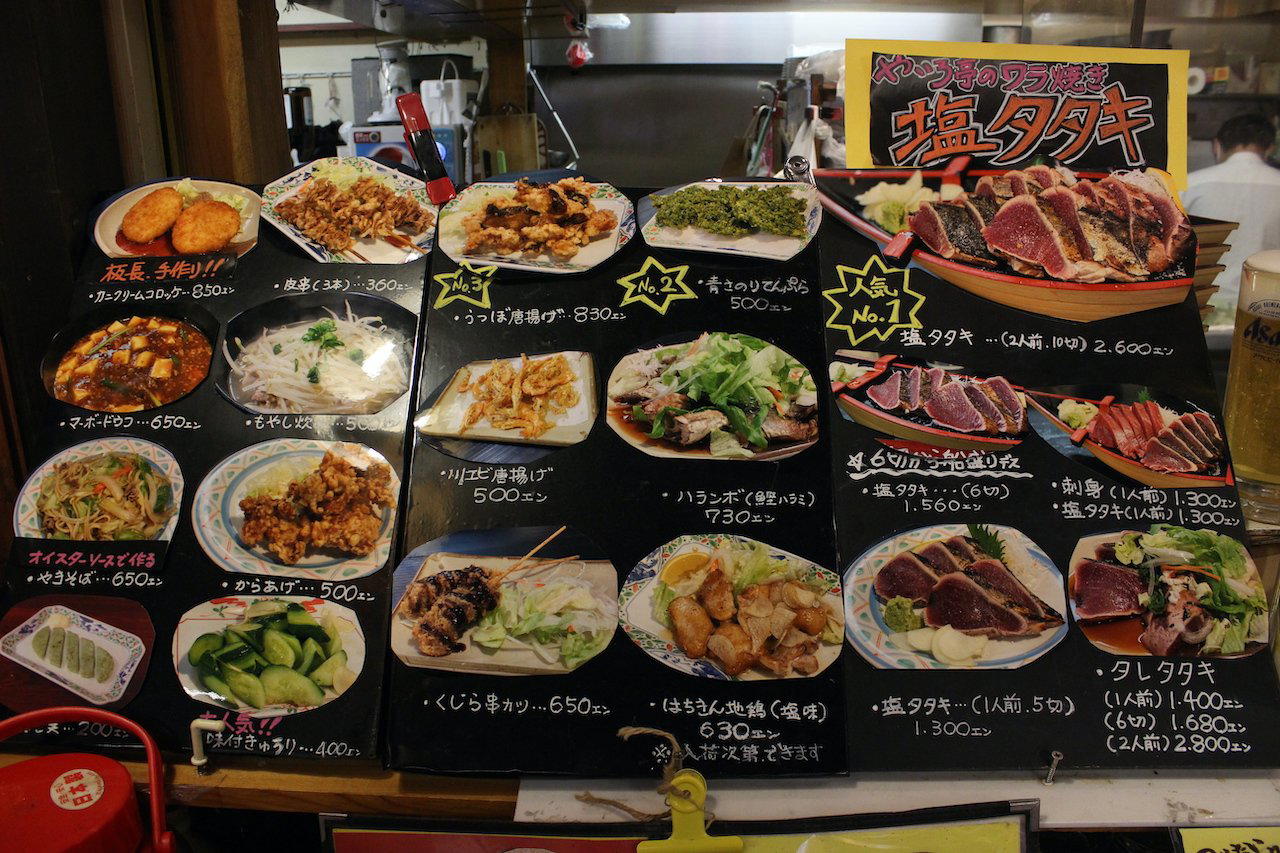
やいろ亭
Kochi, Japan
Go to やいろ亭 for a casual Hirome Market meal when energy matters more than polish. It is better for solo diners, pairs, and flexible groups than for a formal occasion, with the strongest case built around convenience and the lively shared-market setting.
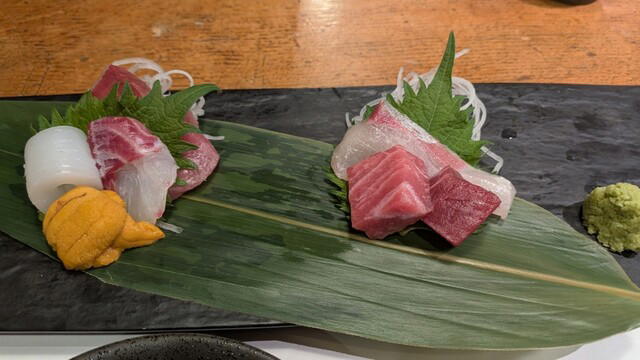
Sakaiya Honten
Okayama, Japan
Tabelog 100 Izakaya - WEST 2025 selection serving seafood-forward izakaya at JPY 8,000–9,999. Counter and private tatami rooms, deep sake list, seasonal rotation. Easy booking, near Nishikawa Ryokudo Park Station.
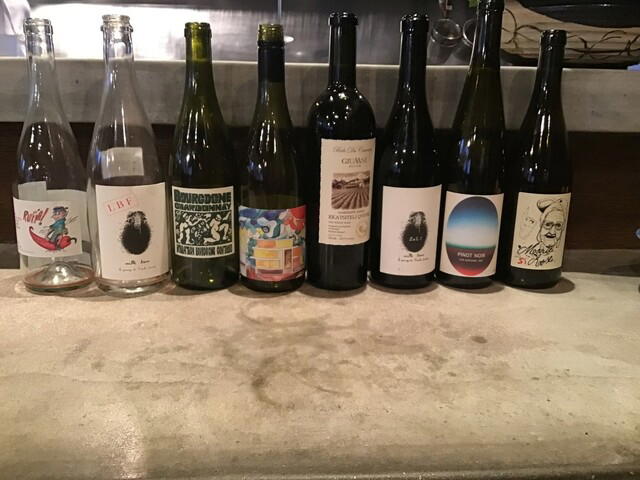
Daikoro Youha / Tonkatsu Youha
Fukuoka, Japan
A Tabelog 100 izakaya in Daimyo offering obanzai small plates, tonkatsu, and seasonal hot pots at JPY 8,000–9,999 for dinner. Family-friendly, BYO-allowed, and easier to book than Mashiko or MOMOTA Bar. Best for groups who want home-style cooking refined by sourcing and a warm, unpretentious room.
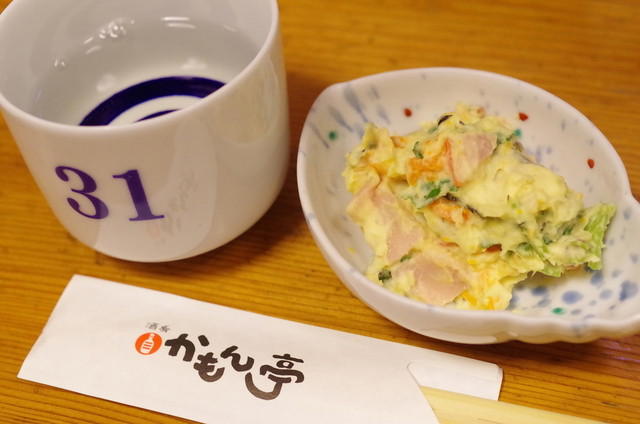
Kamon Tei
Kochi, Japan
Fish-focused izakaya in Harimayacho with Tabelog 100 recognition (West Japan, 2022–2025) and on-staff sommelier. Expect JPY 8,000–9,999 per person for sashimi, grilled fish, and a sake-forward drinks list at a 15-seat counter and kotatsu setup. Cash only, reservations advised; call 088-885-0855 for counter seats or group kotatsu tables.
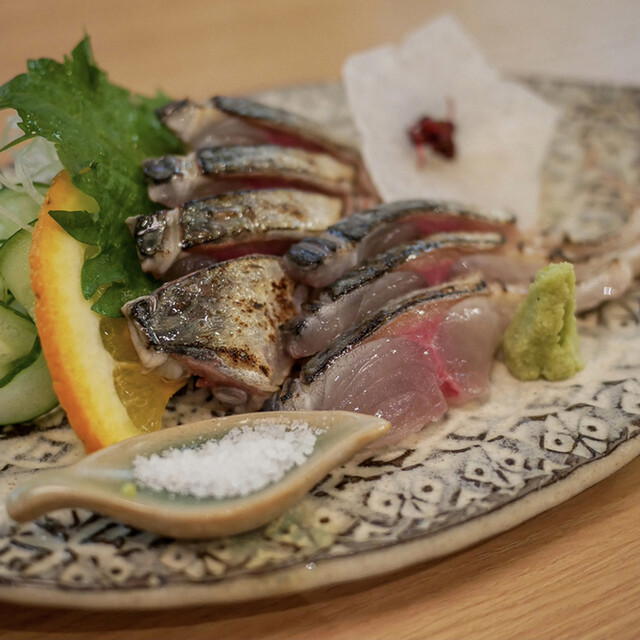
Kiharu
Fukuoka, Japan
Counter-only izakaya in Fukuoka's Haruyoshi district, recognized in Tabelog 100 Izakaya – WEST 2024 and 2025 for its fish-focused menu and curated sake program. Expect JPY 6,000–7,999 per head, cash-only payment, and a strict open-until-sold-out policy. Counter seating suits solo diners and pairs; groups of four or more should look elsewhere.
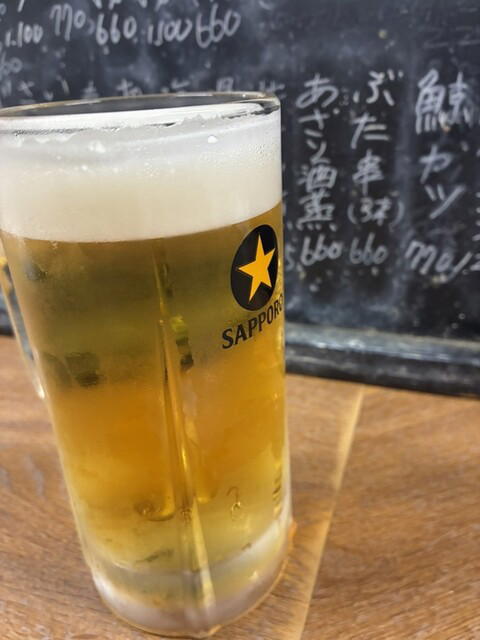
Mimasu
Shimonoseki, Japan
Tabelog 100 Izakaya WEST honoree serving fugu and seasonal fish at JPY 3,000–3,999. Counter seating, tatami rooms, and sake-shochu pairings two minutes from Shimonoseki Station. Cash-only, reservations easy three to five days ahead.
Oryori Yamanokuchi
Fukuoka, Japan
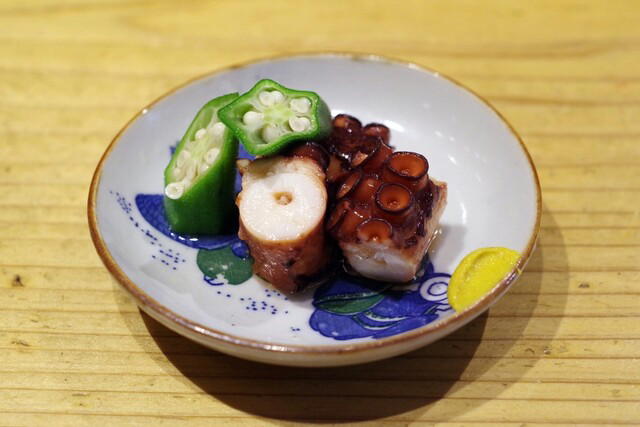
A dinner-only izakaya in Haruyoshi earning consecutive Tabelog 100 West Izakaya selections for refined grilled plates, seasonal small dishes, and shaped-to-order onigiri. The JPY 8,000–9,999 range delivers izakaya technique polished beyond the category's usual casual tier, with no lunch service and a Monday closure narrowing availability to six evening windows per week.
Henkotsu
Kyoto, Japan
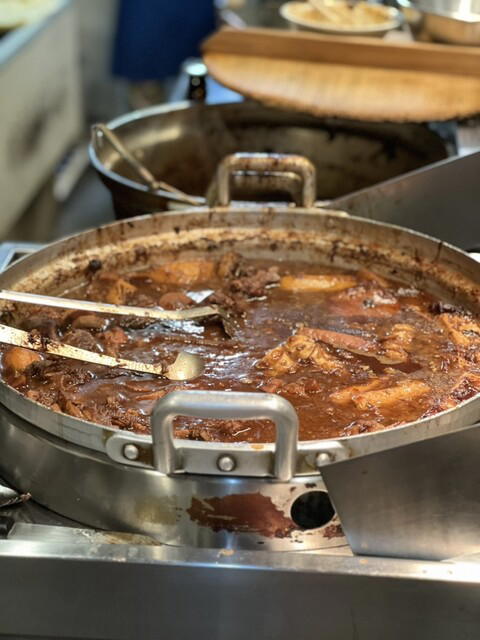
Walk-in izakaya near Kyoto Station specializing in grilled beef and oden, recognized in Tabelog 100 West (2024, 2025). Counter seating only, cash-only payment, dinner service Monday–Saturday 5–11 PM. JPY 2,000–2,999 average spend makes it a practical choice for travelers seeking ingredient-focused izakaya quality without kaiseki formality or advance reservations.
Sakana to Sakana Ito Okashi
Fukuoka, Japan
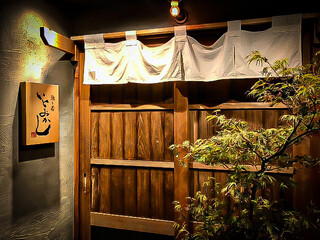
Tabelog 100 Izakaya WEST honoree (2024, 2025) serving fish-forward izakaya and sushi across breakfast and dinner services in Haruyoshi. Dinner runs JPY 6,000–7,999 with reported averages near JPY 10,000+; breakfast walks in at JPY 2,000–2,999. Counter seats, horigotatsu private rooms, and sake depth define the format. Five minutes from Tenjin Minami Station.
Tenichi
Miyazaki, Japan
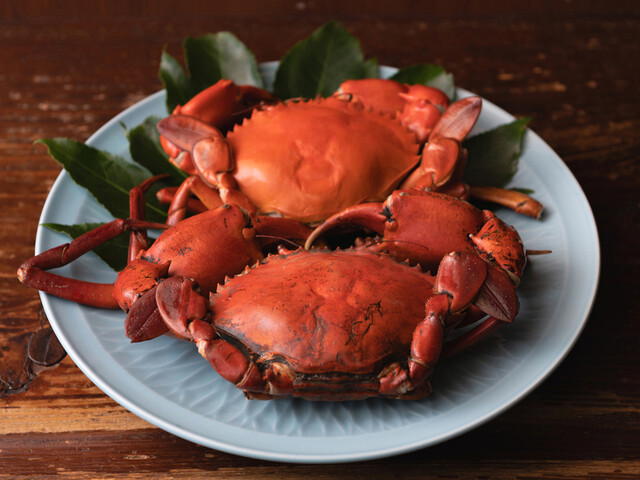
A Tabelog Award 2024 Bronze izakaya in Miyazaki's Chuodori district, Tenichi delivers counter-style seasonal cooking at JPY 5,000–5,999 per person. Open Tuesday through Saturday from 6 PM, the venue suits solo diners and pairs who want charcoal-grilled local fish and chicken in a neighborhood setting. Smoking permitted; cash only.
Uotora
Fukuoka, Japan
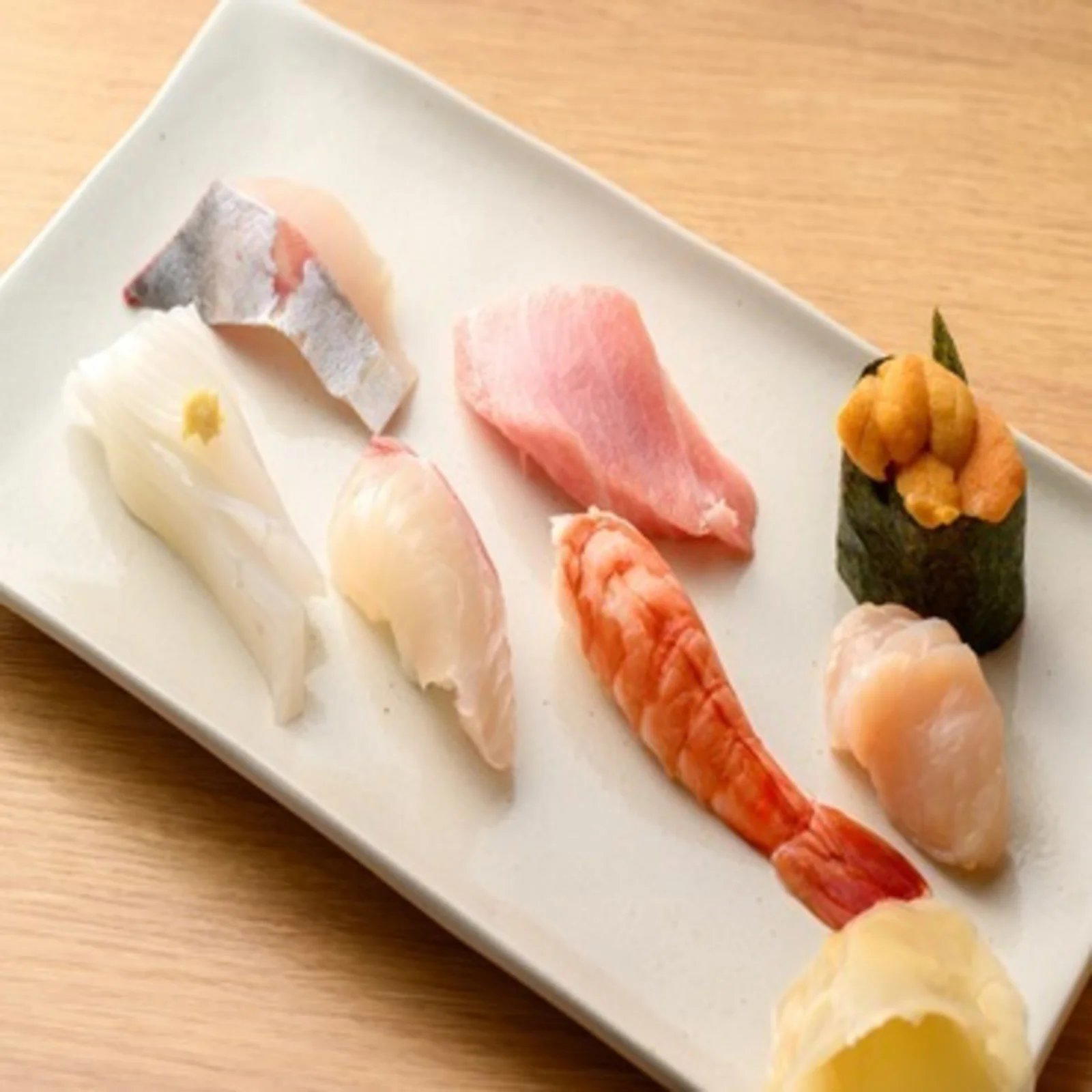
Uotora is a Tabelog Bronze Award-winning seafood izakaya in Kitakyushu with consistent recognition from 2021 through 2026. At JPY 8,000–9,999 per head for dinner, it is one of the clearest value cases in the Fukuoka region for fish-focused cooking paired with sake and shochu in a setting that works for groups, families, and business dinners alike.
Nakae
Kyoto, Japan
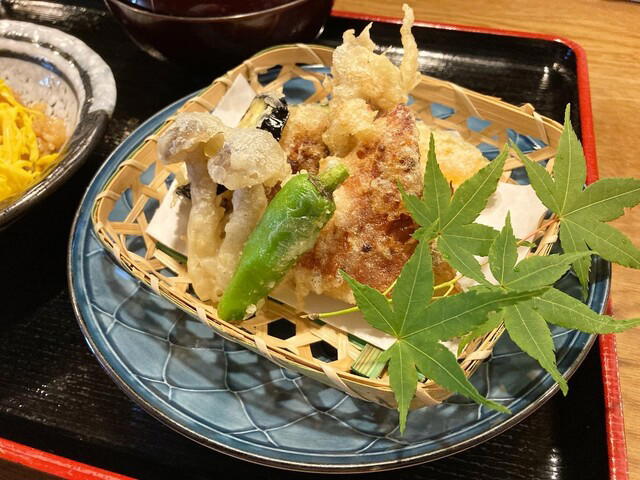
Nakae works for a low-friction Kyoto meal when value matters more than a formal dining experience. The Tabelog 100 recognition adds confidence, but treat it as an easy repeat-visit pick rather than a special-occasion anchor.
Aburi Niku Garan
Kanazawa, Japan
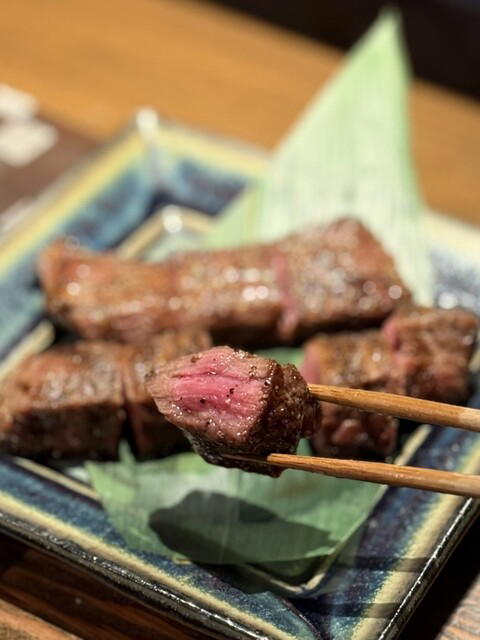
Charcoal-grilled beef izakaya in Kanazawa's Honmachi district, listed in Tabelog 100 – Izakaya – WEST for 2025. At JPY 6,000–7,999 per head, the format centers on flame-seared cuts ordered à la carte, with sake, shochu, and wine pairing options. Counter seats six; private room available for four. Reservations recommended but walk-ins feasible early evening. Family-friendly, multilingual menu.
Sakaba Yamato
Osaka, Japan
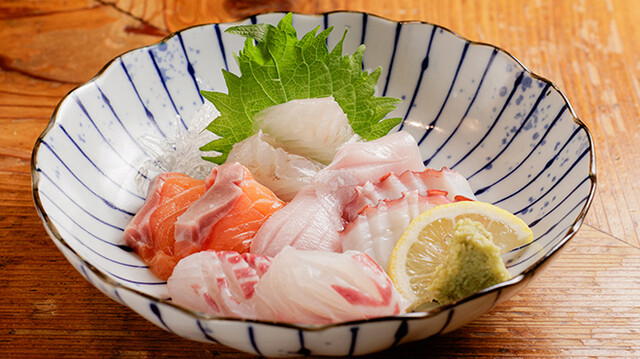
A Tabelog 100 counter izakaya in Umeda basement level, Sakaba Yamato runs a fish-forward menu and deep saké list at JPY 3,000–3,999 per head. Walk-in only with 90-minute seating windows and cash payments; best for solo diners or small groups hunting regional bottles and Akashi-yaki.
Shusui Daigo
Kanazawa, Japan
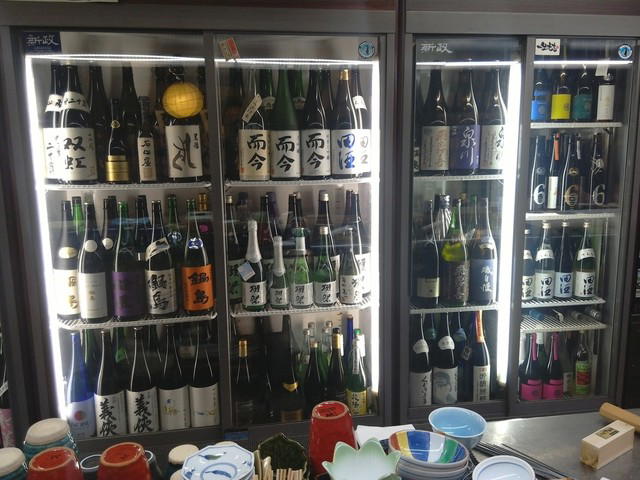
A neighbourhood izakaya in Kanazawa that earned consecutive Tabelog 100 West selections (2024–2025) by serving pristine seasonal fish, regional sake, and shochu in a relaxed, 50-seat room frequented by locals. At JPY 6,000–7,999, it's easier to book and more casual than Koide but offers disproportionate quality for the price tier. Go for counter seats if you're a party of two, or request a private sunken-kotatsu room for groups.
Kisetsu Ryori Katayama
Okayama, Japan
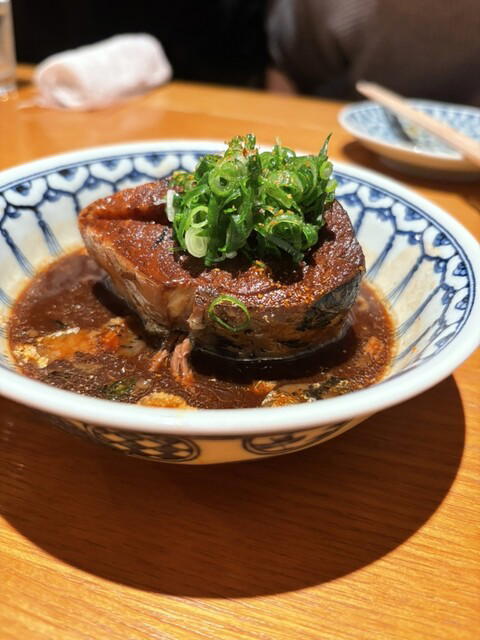
Kisetsu Ryori Katayama is worth shortlisting for a composed Okayama dinner at a moderate spend, especially if the priority is quality without a splurge. It is a stronger fit for small groups and focused evenings than for diners who need extensive pre-confirmed logistics or a highly publicized format.
Aji Dokoro Taro Gen Sougyou ten
Fukuoka, Japan
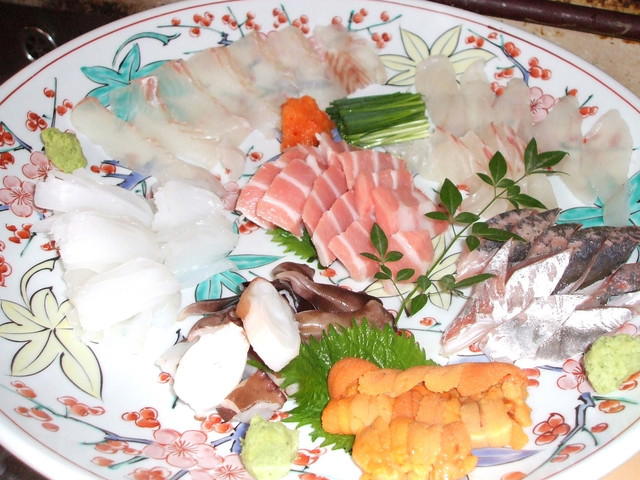
A fish-forward basement izakaya five minutes from Hakata Station, earning three consecutive Tabelog 100 (West) nods. The JPY 6,000–7,999 dinner check buys above-neighborhood ingredient quality, a sake-and-shochu list worth the time, and a non-smoking counter-and-tatami layout that handles solo diners and groups equally well. Easier to book than Tokyo equivalents, and open Monday–Saturday until midnight.
Daidokoro
Fukuoka, Japan
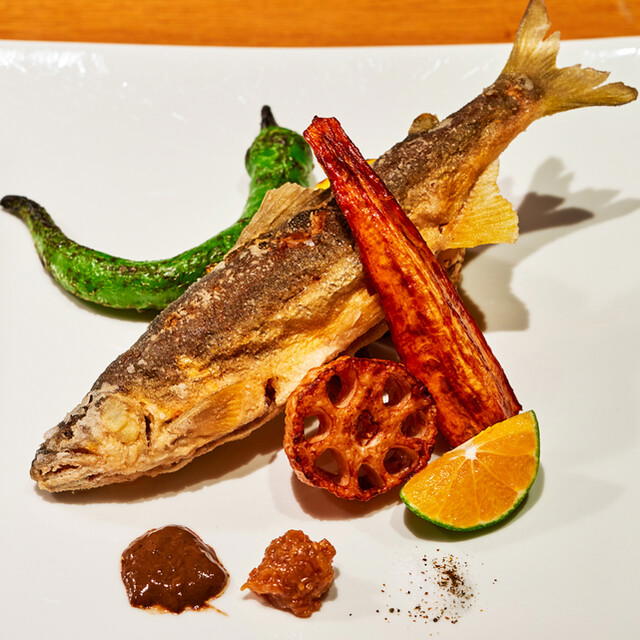
A seventeen-seat izakaya in Imaizumi with Tabelog 100 recognition and a deep sake list. Fish-focused seasonal dishes run JPY 10,000–14,999 per person, though typical spending edges closer to JPY 15,000–19,999. The counter fills fast; book two to three weeks out for prime slots.
Hyaku Shiki
Fukuoka, Japan
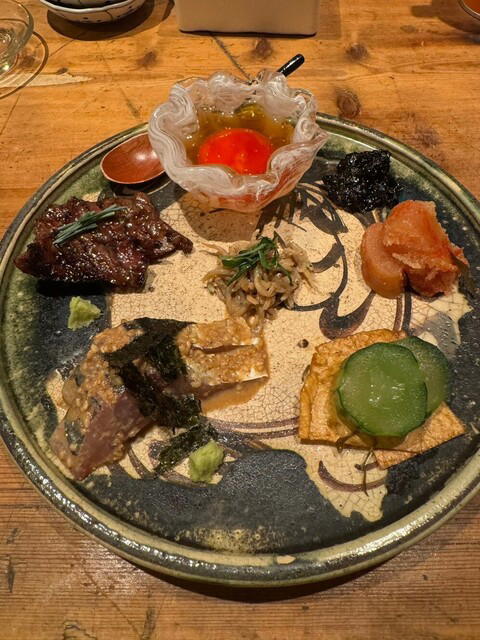
A seafood-focused izakaya in Imaizumi with counter seating, seasonal grilled plates, and two consecutive Tabelog 100 West selections. Expect JPY 8,000–9,999 per person for precise tavern cooking that sits above casual yakitori but below omakase formality. Reservations cap at four; book ahead for counter proximity.
Sumibi Yakitori Ikoka Nishitenma
Osaka, Japan
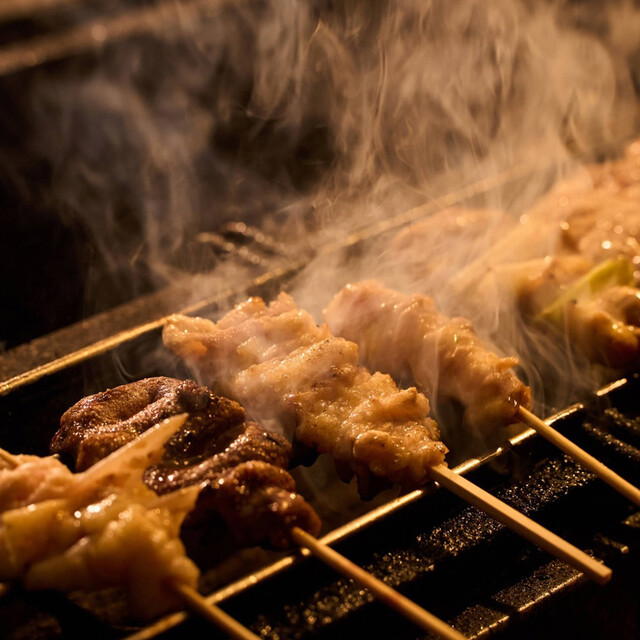
A charcoal-grilled yakitori counter in Nishitenma that pairs chicken skewers with a wine-forward drink list, priced at JPY 5,000–5,999 per head. Named to Tabelog's 2025 Izakaya 100 (West), it suits diners who want izakaya quality without tourist-district crowds, though the 2023 opening means the menu is still establishing signature dishes.
KANEGURA
Kyoto, Japan
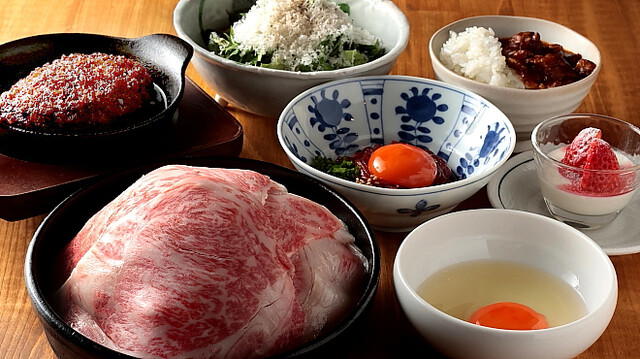
Tabelog 100 Izakaya WEST 2025 selection in Shimogyo Ward, specializing in Wagyu beef hot pot and curated sake. Twenty-two seats, two-hour limit, JPY 5,000–JPY 5,999 per person. Easy to book with a few days' notice, closed Tuesdays. Six-minute walk from Shijo Station.
Overview
Tabelog 100 - Izakaya - WEST - 2025 is a definitive ranking of the top 100 izakaya restaurants located in Western Japan, compiled by Tabelog, Japan’s largest and most respected restaurant review platform. This list highlights the region’s most celebrated casual dining spots, known for their exceptional food, atmosphere, and local authenticity.
Since its inception, Tabelog has become the preeminent source for restaurant reviews and rankings in Japan, offering extensive user-generated content and expert insights. The Tabelog 100 - Izakaya - WEST - 2025 list showcases the vibrant culinary scene of Western Japan, encompassing key urban centers such as Osaka, Kyoto, and Fukuoka. Izakaya culture, integral to Japanese social dining, is celebrated here through a meticulous evaluation of food quality, service, ambiance, and popularity. This annual list is a critical guide for both locals and international travelers seeking authentic, top-tier izakaya experiences in the region.
For discerning diners and travelers keen to explore Japan’s casual yet culinary-rich izakaya scene, the Tabelog 100 - Izakaya - WEST - 2025 offers an indispensable guide. This list distills thousands of reviews and votes into a curated selection of the very best izakaya across Western Japan; where tradition and innovation meet in intimate, lively settings. Whether hunting for expertly grilled skewers, seasonal sashimi, or rare regional sake, this ranking directs you to venues that define the authentic spirit of Japanese communal dining.
Quick Facts
- Publisher
- Tabelog
- Year
- 2025
- Coverage
- Western Japan (including Osaka, Kyoto, Hyogo, Hiroshima, Fukuoka)
- Items
- 100 Izakaya Restaurants
- Frequency
- Annual
About This Edition
The 2025 edition reveals exciting shifts in Western Japan’s izakaya landscape, spotlighting a wave of innovative chefs blending traditional flavors with contemporary techniques. New urban hotspots in cities like Kobe and Hiroshima have emerged, alongside established favorites in Osaka and Kyoto. Notably, there is a growing emphasis on sustainable sourcing and craft sake pairings, reflecting broader consumer trends toward mindful dining experiences.
Frequently Asked Questions
What is Tabelog 100 - Izakaya - WEST - 2025?
How are honorees selected?
How often is this list updated?
How can I find these on Pearl?
How many of these have you visited?
Find out on Pearl and keep score across every place in Tabelog 100 - Izakaya - WEST - 2025.