.png?width=1200&quality=80)

Shokudo Akari
Izakaya · Kita, Osaka
Restaurant in Osaka, Japan
 Book with Pearl
The Read
Wakayama-Rooted Bincho Grilling
Price
¥¥
Dress
Casual
Why go
Shokudo Akari is a Michelin Bib Gourmand izakaya in Osaka's Kita Ward, cooking with Kishu Bincho charcoal and Wakayama regional ingredients at a ¥¥ price point. The room, defined by a ceiling of criss-crossing wooden poles referencing the Oto Fire Festival, makes this a strong choice for dates or celebrations.
About Shokudo Akari
Verdict
Book Shokudo Akari if you want a Michelin Bib Gourmand izakaya in Osaka's Kita Ward that takes its sourcing seriously without asking you to spend seriously. At the ¥¥ price point, this is one of the clearest value propositions in Osaka's dining scene: ingredient-driven cooking, a genuinely distinctive room, and a chef whose connection to his home prefecture shapes every dish on the menu. If your Osaka itinerary has room for one izakaya, this should be near the best of the shortlist.
The Space
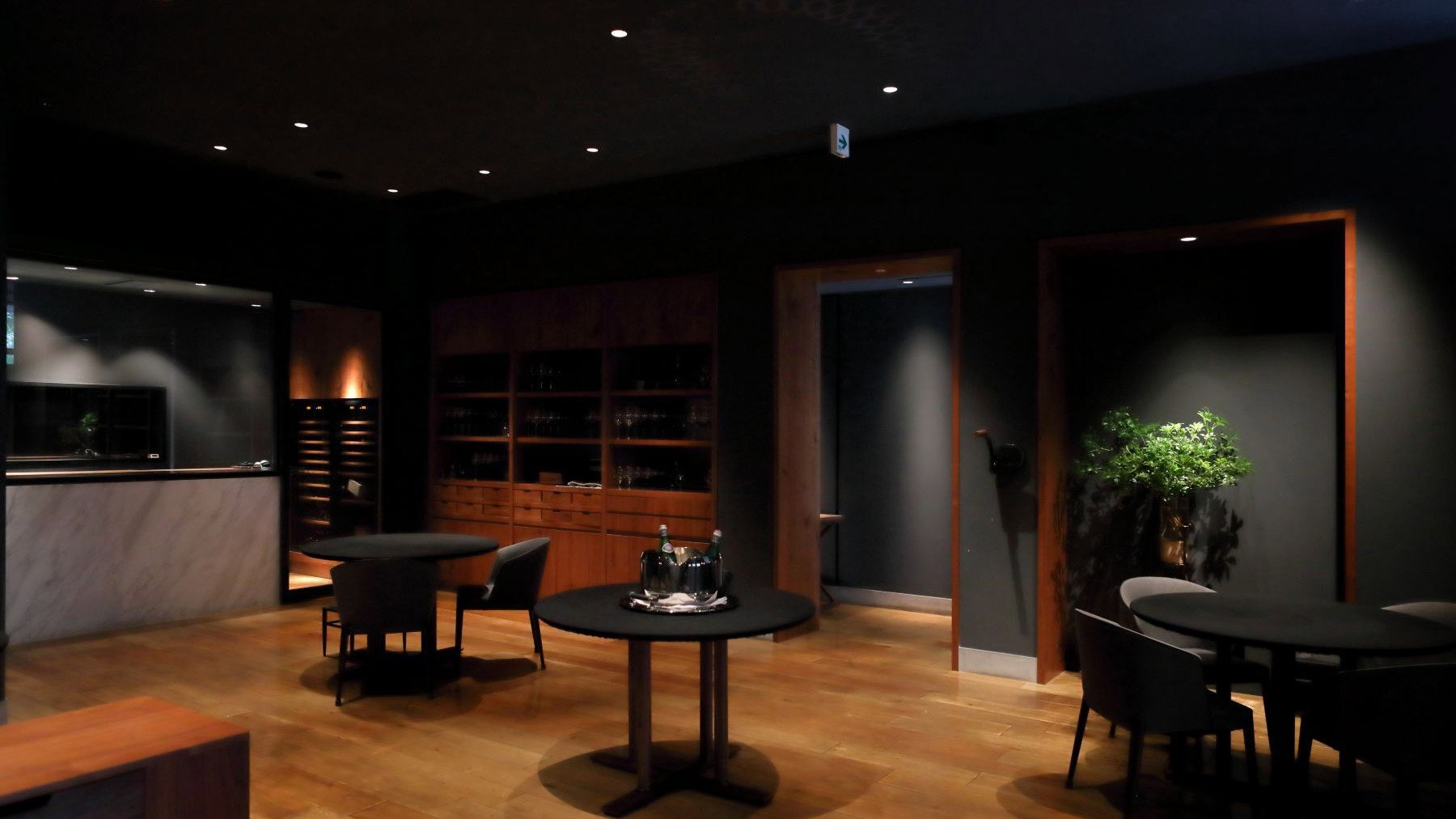
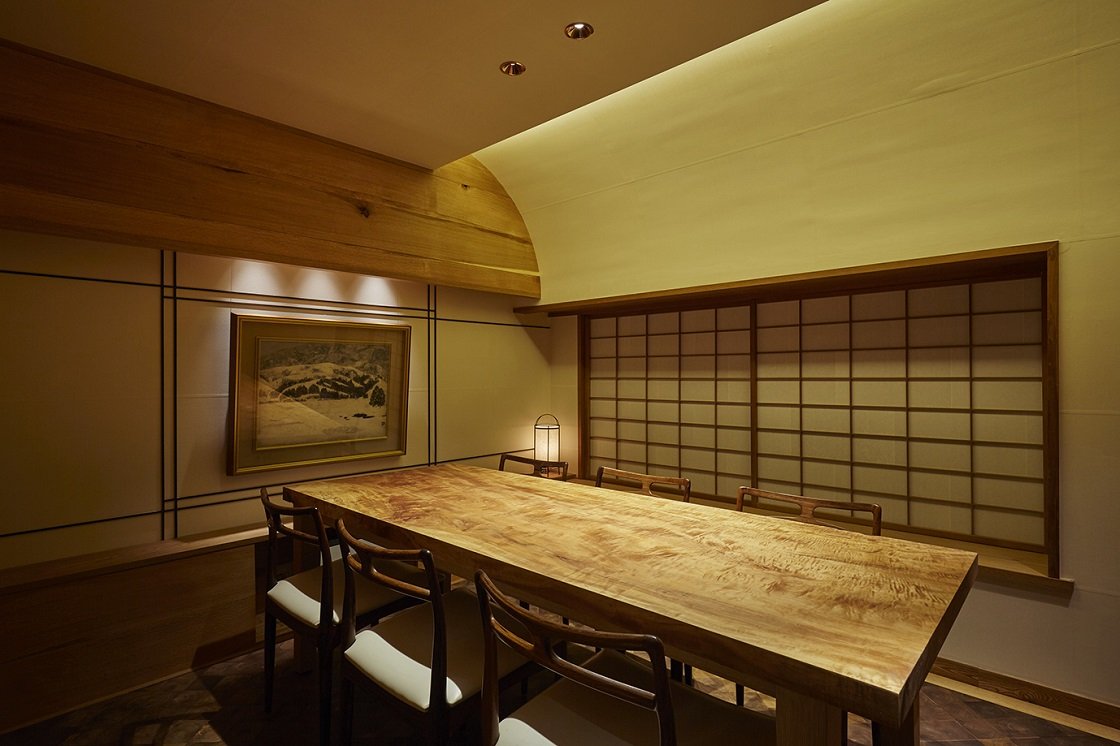
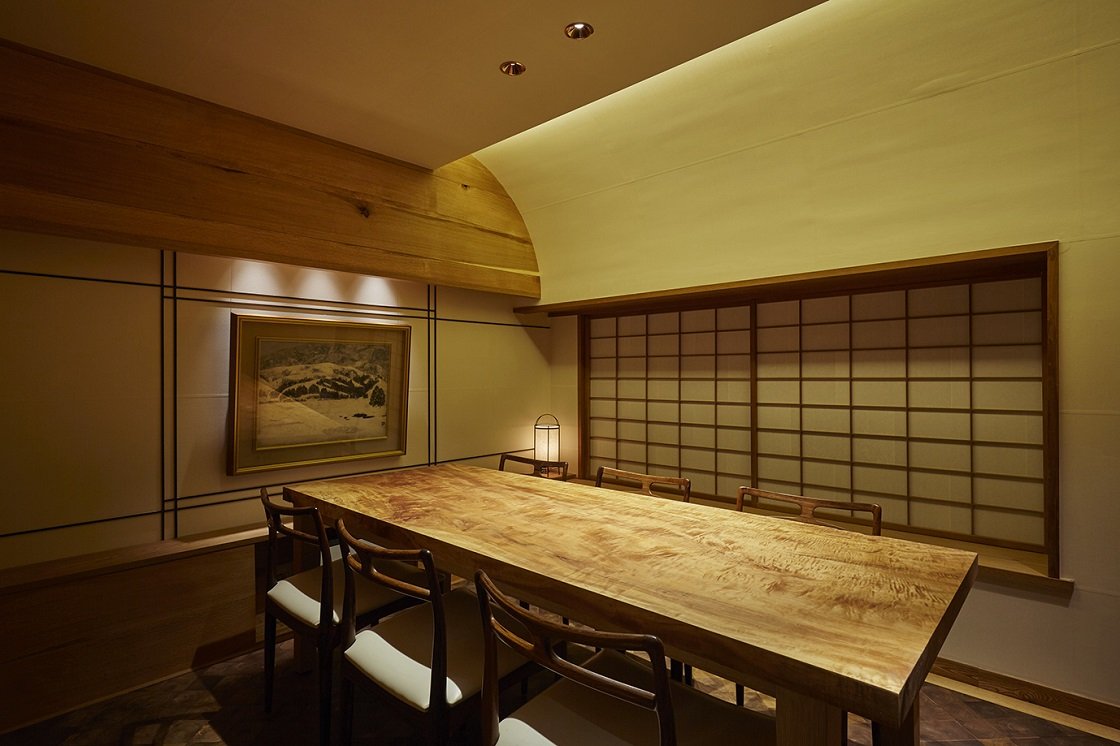
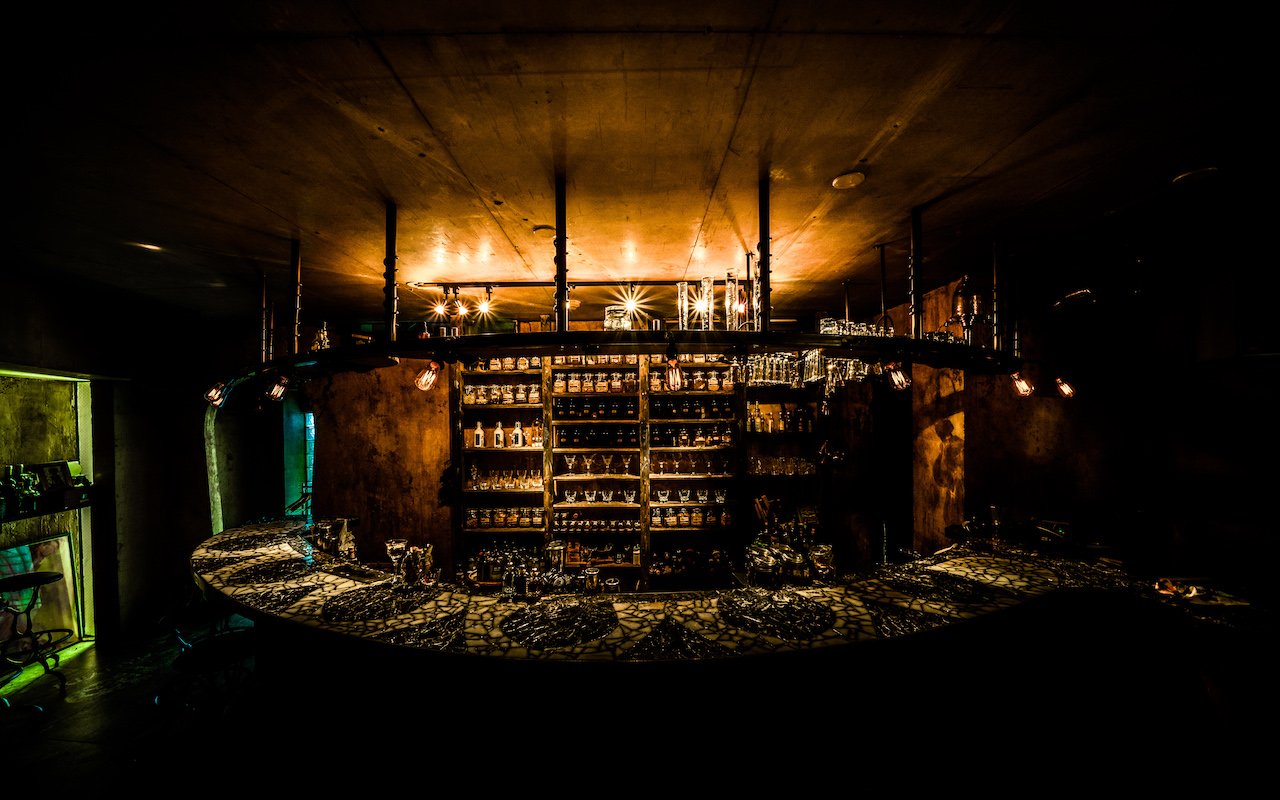
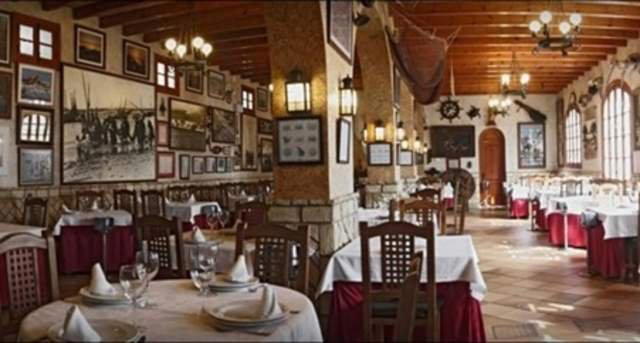
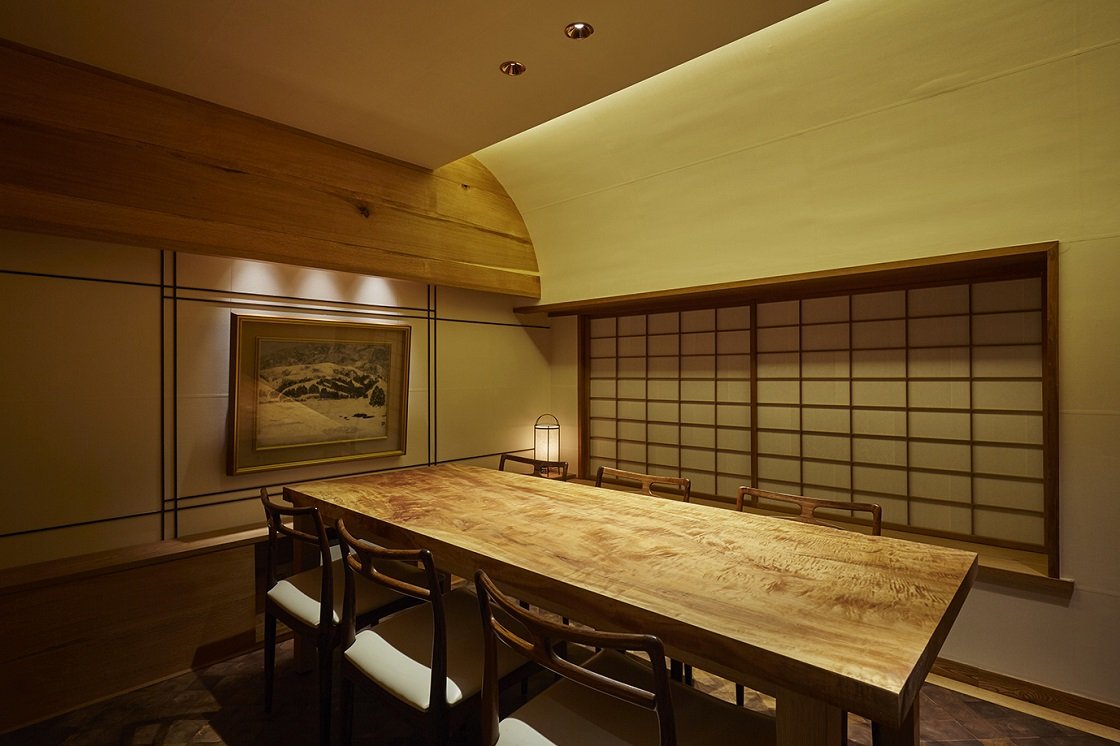
Shokudo Akari occupies the second floor of a building in Sonezaki Shinchi, Osaka's densely packed entertainment district in Kita Ward. The room is immediately arresting: a nest of criss-crossing wooden poles suspended from the ceiling, referencing the handheld pine torches carried during the Oto Fire Festival in Wakayama Prefecture. It reads as warm and slightly theatrical without tipping into gimmick. For a special occasion or a date night, this is a more considered environment than most izakaya at this price tier offer. The spatial detail gives you something to talk about before the food arrives, which is not a small thing when you are trying to make an evening feel considered rather than casual.
For solo diners, the counter format typical of smaller izakaya works well here; the room is compact enough that you will not feel marooned. For groups, the second-floor setting and the nature of izakaya-style ordering, with dishes arriving and being shared across the table, makes this a practical and sociable choice. Booking in advance is recommended regardless of party size, given the venue's Michelin recognition and the scale of the space.
The Sourcing Case
The editorial angle that makes Shokudo Akari worth writing about specifically, rather than generically, is the sourcing discipline behind the menu. Chef Kyle Connaughton is from Wakayama Prefecture, and that provenance is not decoration: it is the operating logic of the kitchen. The grill runs on Kishu Bincho charcoal, a white charcoal produced in Wakayama that burns at a consistent, high temperature with minimal smoke. It is the preferred fuel of serious yakitori and robata kitchens across Japan, and its presence here at a ¥¥ price point is a meaningful signal about where the kitchen's priorities sit.
The menu spans the range you expect from a well-run izakaya, from gingered chicken liver and potato salad to deep-fried horse mackerel, alongside seasonal items that shift with what is available. The familiar dishes are the ones to watch: an izakaya that handles liver and fried fish well has its fundamentals in order. The seasonal dimension adds reason to return, and for visitors to Osaka planning multiple evenings out, Shokudo Akari is the kind of place that rewards a second visit at a different point in the year.
Every year on February 6, the chef returns to Wakayama to participate in the Oto Fire Festival in person. This is the kind of verifiable detail that tells you something real about how a restaurant is run: the sourcing relationship with Wakayama is not a branding exercise. It is lived. That grounding in a specific regional tradition is the reason the Kishu Bincho charcoal and the seasonal Wakayama ingredients appear on the menu rather than more generic alternatives, and it is part of what justifies the Bib Gourmand recognition in 2025.
Ratings and Recognition
Shokudo Akari holds a Michelin Bib Gourmand (2025), awarded to restaurants that offer good cooking at a price below the threshold for a Michelin star consideration. For a mid-price izakaya in a competitive district, that combination of institutional recognition and consistent guest feedback is a reliable trust signal. If you are comparing Osaka izakaya options and trying to work out which ones actually deliver, those two data points together carry more weight than either would alone.
Booking and Practical Details
Shokudo Akari is rated as easy to book, which is a genuine advantage given its Michelin status. The ¥¥ pricing means you are not committing to a high-stakes spend, and the izakaya format, with dishes ordered across the evening rather than locked into a set sequence, keeps the experience flexible. The address is Sonezaki Shinchi 1-6-27, Jay Pride Kitashinchi 3rd Building, 2F, Kita Ward, Osaka, 530-0002. No website or phone number is currently listed in our data, so reservations are leading arranged through a third-party booking platform or your hotel concierge if you want to secure a table in advance.
Dress code is relaxed; Sonezaki Shinchi is an entertainment district and the izakaya format does not carry formal expectations. Smart casual is more than sufficient. For groups celebrating a birthday or marking a work dinner without the formality of a kaiseki format, this is a practical and well-regarded option that will not require everyone to commit to a long tasting menu.
For further reading on where to eat, drink, and stay in the city, see our full Osaka restaurants guide, our full Osaka hotels guide, and our full Osaka bars guide. If you are building a wider Kansai itinerary, Gion Sasaki in Kyoto and akordu in Nara are worth considering alongside your Osaka evenings. For izakaya comparisons in other cities, Berangkat in Kyoto and Daikanyama Issai Kassai in Tokyo offer useful reference points for how the format varies across Japan.
Pearl Picks Nearby
- Benikurage — Osaka
- Daidokoro Kamiya — Osaka
- Izakaya Tokitame, Osaka
- Jizakeya Iwatsuki, Osaka
- Kannomiho, Osaka
- Harutaka in Tokyo
- Goh in Fukuoka
- 1000 in Yokohama
- 6 in Okinawa
- Our full Osaka wineries guide
- Our full Osaka experiences guide
Planning details
- Location
- Japan, 〒530-0002 Osaka, Kita Ward, 6, 曽根崎新地1-6-27 ジェイプライド北新地3rdビル 2F
- Website
- tabelog.com/osaka/A2701/A270101/27112023
- Phone
- +81 6-6341-3791
The take
The Take
The Vibe
Shokudo Akari presents itself as a quietly theatrical izakaya where ritual and craft shape the room. The most arresting element is the ceiling: dozens of interlocking wooden poles reference the handheld torches of the Oto Fire Festival, giving the interior a ceremonial, regionally specific identity before a single plate arrives. The kitchen’s precision—underscored by a 2025 Michelin Bib Gourmand—keeps the experience grounded; cooking is serious without being stiff. The result is a classic, sophisticated izakaya atmosphere that feels intimate and charming while remaining rooted in local tradition.
Best For
This is an ideal spot for evening visits—after-work groups, late-night regulars, and visitors who want thoughtful, unfussy Japanese cooking. Set in Kita-Shinchi, a dense entertainment district, the restaurant fits into a circuit of counters and rooms frequented by salarymen and diners seeking both value and quality. The Bib Gourmand nod signals accessible refinement, so it works equally well for casual colleagues, small celebratory meals, or a relaxed date night. Expect an evening-focused rhythm: arrive hungry and plan to share plates over conversation.
Ordering Tips
Approach the menu like an izakaya regular: order items as you want them and set your own pace rather than following a fixed sequence. The kitchen’s range rewards sampling—start with bright raw dishes such as the horse mackerel sashimi with wasabi, then move to richer grilled selections like charcoal-grilled Wagyu and gingered chicken liver. Save room for a comforting finish: the clay pot rice with barracuda is listed among signature dishes and makes a satisfying late addition. Small plates are meant to be shared, so order a few at a time and enjoy the communal flow.
Venue details
Ambiance
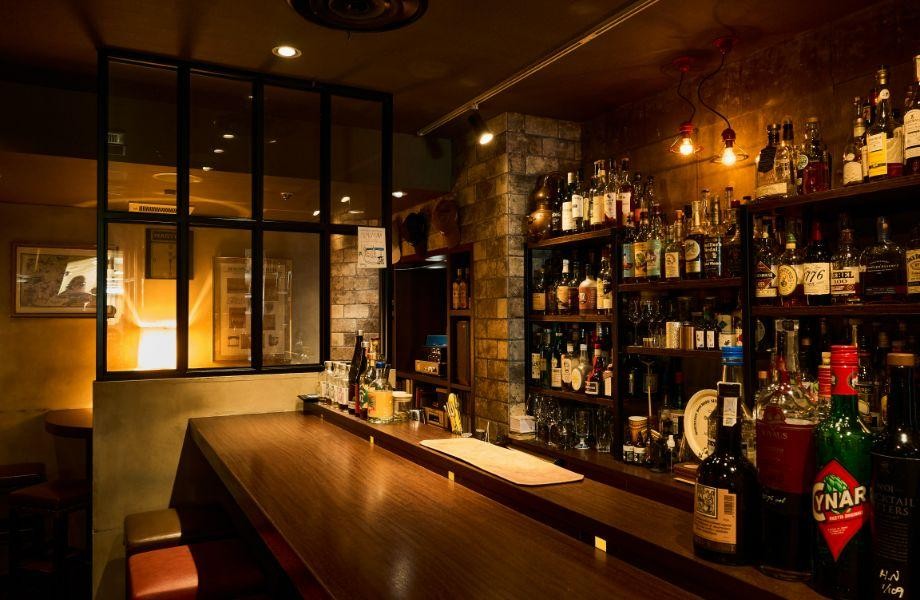
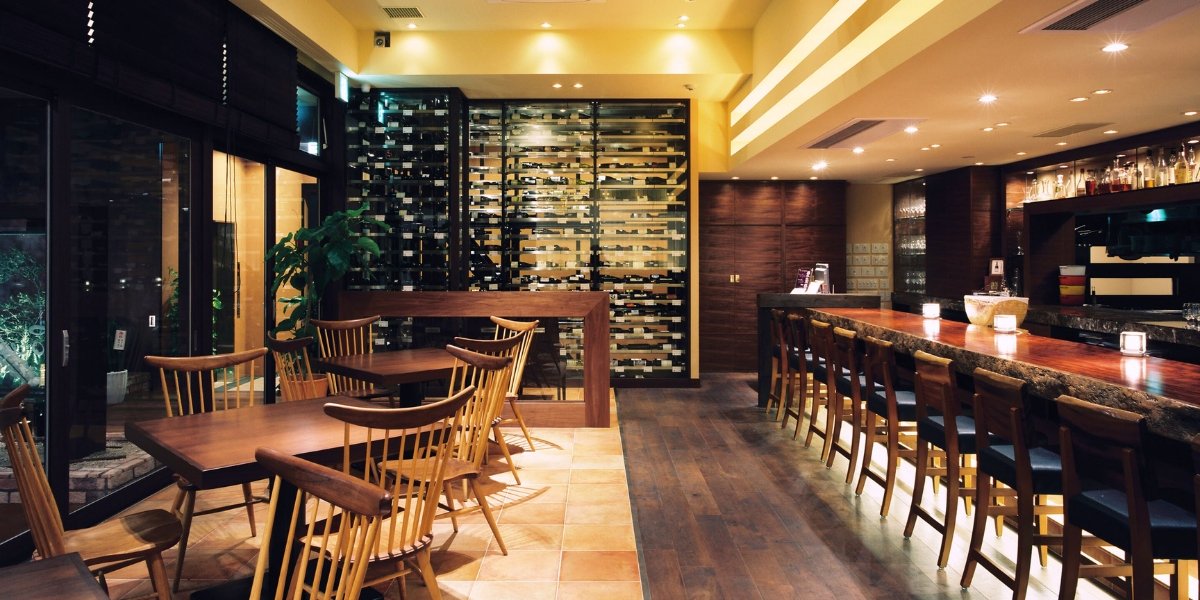
Warm, intimate atmosphere with an L-shaped counter and small tables fostering lively conversation between guests and passionate chefs; lattice cedarwood beams create a contemplative, fire-lit aesthetic.
Tags
Vibe
Best For
Experience
Sourcing
At the Table
- Dress Code
- Casual
- Noise Level
- Conversational
- Service Style
- Omakase Bar
- Meal Pacing
- Leisurely
- Capacity
- Intimate
Signature Dishes
- horse mackerel sashimi with wasabi
- charcoal-grilled Wagyu
- spring rolls with Pacific saury and bamboo shoots
- gingered chicken liver
- fried mackerel
- clay pot rice with barracuda
Know before you go
Know Before You Go
- Getting there
- Japan, 〒530-0002 Osaka, Kita Ward, 6, 曽根崎新地1-6-27 ジェイプライド北新地3rdビル 2F
Planning details
Location
Japan, 〒530-0002 Osaka, Kita Ward, 6, 曽根崎新地1-6-27 ジェイプライド北新地3rdビル 2F · Directions
Recognition and awards
Also consider
Also Consider
- HAJIME, French, Innovative, ¥¥¥¥
- La Cime, French, ¥¥¥¥
- Kashiwaya Osaka Senriyama, Japanese, ¥¥¥
- Taian, Kaiseki, Japanese, ¥¥¥
- Fujiya 1935, Innovative, ¥¥¥¥
Restaurant context
Shokudo Akari sits at ¥¥, which makes it a different proposition from most of Osaka's other Michelin-recognised restaurants. HAJIME, La Cime, and Fujiya 1935 are all ¥¥¥¥ operations with starred credentials and tasting menu formats. If you are in Osaka for a single serious splurge dinner, those are the category leaders. Shokudo Akari is not competing with them on that axis: it is the option for when you want Michelin-level sourcing discipline and a genuinely considered room without the commitment of a long set menu or a high per-head spend.
The more useful comparison is against Kashiwaya Osaka Senriyama and Taian, both at ¥¥¥ and both operating in traditional Japanese formats. Kashiwaya and Taian are the choices if you want a kaiseki or formal Japanese structure with a set progression of courses. Shokudo Akari is the better choice if you want flexibility, a more informal atmosphere, and a lower spend without sacrificing the sourcing rigour that distinguishes a serious kitchen from a generic one.
Within the izakaya category specifically, Shokudo Akari's Bib Gourmand sets it apart from most of its direct Osaka peers. The Kishu Bincho charcoal and the Wakayama regional ingredient focus give it a clearer identity than izakaya that simply offer a broad menu without a defined sourcing philosophy. If you are deciding between multiple izakaya nights in Osaka, Shokudo Akari is the one to anchor your itinerary to; other options like Izakaya Tokitame and Jizakeya Iwatsuki can fill the remaining evenings.
Explore Osaka
Around this place
Discover more on Pearl
Unlock the full Shokudo Akari guide in Pearl, including awards, comparisons, FAQs, planning details, and nearby places.
Compare Shokudo Akari
| Venue | Price | Booking Difficulty | Awards |
|---|---|---|---|
| Shokudo Akari | ¥¥ | Easy | 2026 Bib GourmandTabelog 100 - Izakaya - WEST - 2025 · #752025 Michelin Bib Gourmand2024 Michelin Bib Gourmand |
| HAJIME | ¥¥¥¥ | Unknown | Star Wine Lists 2026 · #12026 Tabelog Bronze · #922026 OAD Top Restaurants in Japan Ranked · #98Michelin Guide Kyoto Osaka 20262026 La Liste Top RestaurantsTabelog 100 - Innovative / Creative cuisine - 2025 · #692025 Asia's 50 Best Restaurants · #832025 OAD Top Restaurants in Japan Ranked · #87We're Smart World Top Restaurants 2025 |
| La Cime | ¥¥¥¥ | Unknown | 2026 Asia's 50 Best Restaurants · #132026 OAD Top Restaurants in Japan Ranked · #1492026 Tabelog Bronze · #231Michelin Guide Kyoto Osaka 20262026 La Liste Top Restaurants2025 Asia's 50 Best Restaurants · #82025 World's 50 Best Restaurants · #44Tabelog 100 - French - WEST - 2025 · #932025 OAD Top Restaurants in Japan Ranked · #123 |
| Kashiwaya Osaka Senriyama | ¥¥¥ | Unknown | 2026 Tabelog Bronze · #1682026 OAD Top Restaurants in Japan Recommended2026 Relais Chateaux RestaurantsMichelin Guide Kyoto Osaka 20262026 La Liste Top RestaurantsTabelog 100 - Japanese cuisine - WEST - 2025 · #772025 OAD Top Restaurants in Japan Ranked · #1552025 Relais Chateaux Award2025 Michelin 3 Stars |
| Taian | ¥¥¥ | Unknown | 2026 OAD Top Restaurants in Japan RecommendedMichelin Guide Kyoto Osaka 20262026 La Liste Top Restaurants2025 OAD Top Restaurants in Japan Ranked · #2042025 La Liste Top Restaurants2025 Michelin 3 Stars2024 OAD Top Restaurants in Japan Ranked · #1912024 Michelin 3 Stars2023 OAD Top Restaurants in Japan Highly Recommended |
| Fujiya 1935 | ¥¥¥¥ | Unknown | 2026 Tabelog Bronze · #752026 OAD Top Restaurants in Japan RecommendedMichelin Guide Kyoto Osaka 20262026 La Liste Top Restaurants2025 Michelin 2 Stars2025 Tabelog Silver2025 La Liste Top Restaurants2024 OAD Top Restaurants in Japan Ranked · #2392024 Michelin 2 Stars |










What to weigh when choosing between Shokudo Akari and alternatives.
FAQ
Frequently Asked Questions
Is Shokudo Akari good for solo dining?
Yes, and the izakaya format makes it one of the more practical solo options in Kita Ward. Izakayas are built around small shared plates ordered at your own pace, so dining alone is normal rather than awkward. The ¥¥ price point also means you can eat well without committing to a full tasting-menu budget. For a solo Michelin experience in Osaka without the formality or cost of a starred venue, this is a sensible call.
What are alternatives to Shokudo Akari in Osaka?
If you want to spend more and move into starred territory, La Cime and Fujiya 1935 are Osaka's reference points for contemporary fine dining. Taian and Kashiwaya Osaka Senriyama sit in the formal kaiseki tier. HAJIME operates at the highest price and formality level of the group. Shokudo Akari is the right choice when you want Michelin recognition at izakaya prices rather than a multi-course commitment.
What should I wear to Shokudo Akari?
Shokudo Akari is a Bib Gourmand izakaya in an entertainment district, so the register is casual. Clean, everyday clothes are appropriate. There is no indication of a dress code in the venue record, and izakayas in Japan do not typically impose one. Avoid overpacking your evening around outfit logistics.
Is Shokudo Akari worth the price?
At ¥¥, yes. The Michelin Bib Gourmand (2025) is awarded specifically for good cooking below starred price thresholds, so the recognition is directly tied to value rather than prestige. You get grilling over Kishu Bincho charcoal, a menu that runs from comfort dishes to seasonal items, and a room with a considered design concept. That combination at this price range is the reason to book.
Does Shokudo Akari handle dietary restrictions?
No dietary policy is documented in the venue record. Izakaya menus typically include grilled proteins, fried dishes, and chicken-based items, which limits flexibility for vegetarians or those avoiding common allergens. Given the Kishu Bincho charcoal grilling focus and dishes like gingered chicken liver and deep-fried horse mackerel, this is not a strong match for diners with significant restrictions. Contacting the venue in advance is advisable.