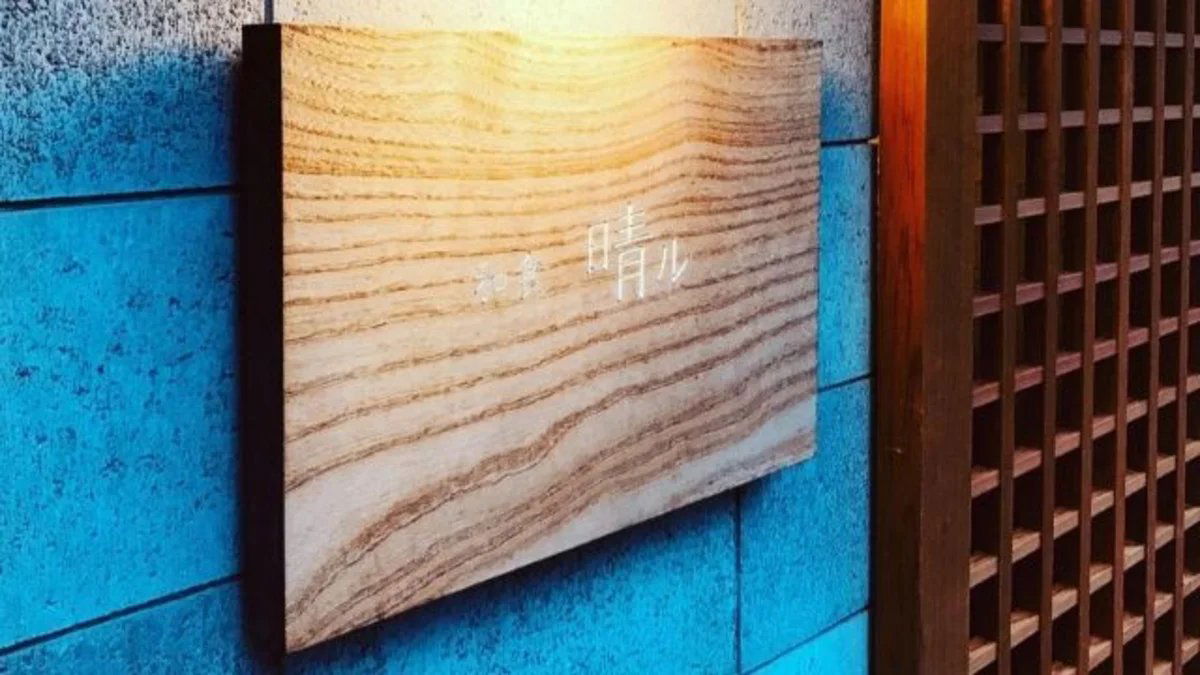



Washoku Haru
Japanese · Shimogyō, Kyoto
Restaurant in Kyoto, Japan
 Book with Pearl
The Read
Playful Everyday Washoku
Price
¥¥
Chef
Harutoshi Kitsukawa
Dress
Smart Casual
Why go
Washoku Haru holds back-to-back Michelin Bib Gourmand awards (2024 and 2025) and consecutive Opinionated About Dining Casual Japan rankings; all at ¥¥ in a city dominated by expensive kaiseki. Chef Harutoshi Kitsukawa serves everyday Japanese cooking with small, well-judged surprises: fluffy potato salad, duck-accented cutlets, precise sabazushi. The easiest way to eat well in Kyoto without a formal reservation scramble.
About Washoku Haru
Verdict: Book It for Everyday Japanese Done With Quiet Ambition
Washoku Haru is the right call if you want serious Japanese cooking without the ceremony or cost of kaiseki. At ¥¥ in a city where high-end Japanese dining routinely runs ¥¥¥¥, this Shimogyo Ward spot has earned two consecutive Michelin Bib Gourmand awards (2024 and 2025) and back-to-back rankings on the Opinionated About Dining Casual Japan list; #68 in 2024, climbing to #78 in 2025. The trade-off is atmosphere: this is a neighbourhood washoku restaurant, not a destination dining room. But if you are a food-focused traveller who wants to understand how Kyoto actually eats day-to-day, Washoku Haru delivers a sharper picture than most ¥¥¥¥ kaiseki rooms will.
What to Expect on the Plate
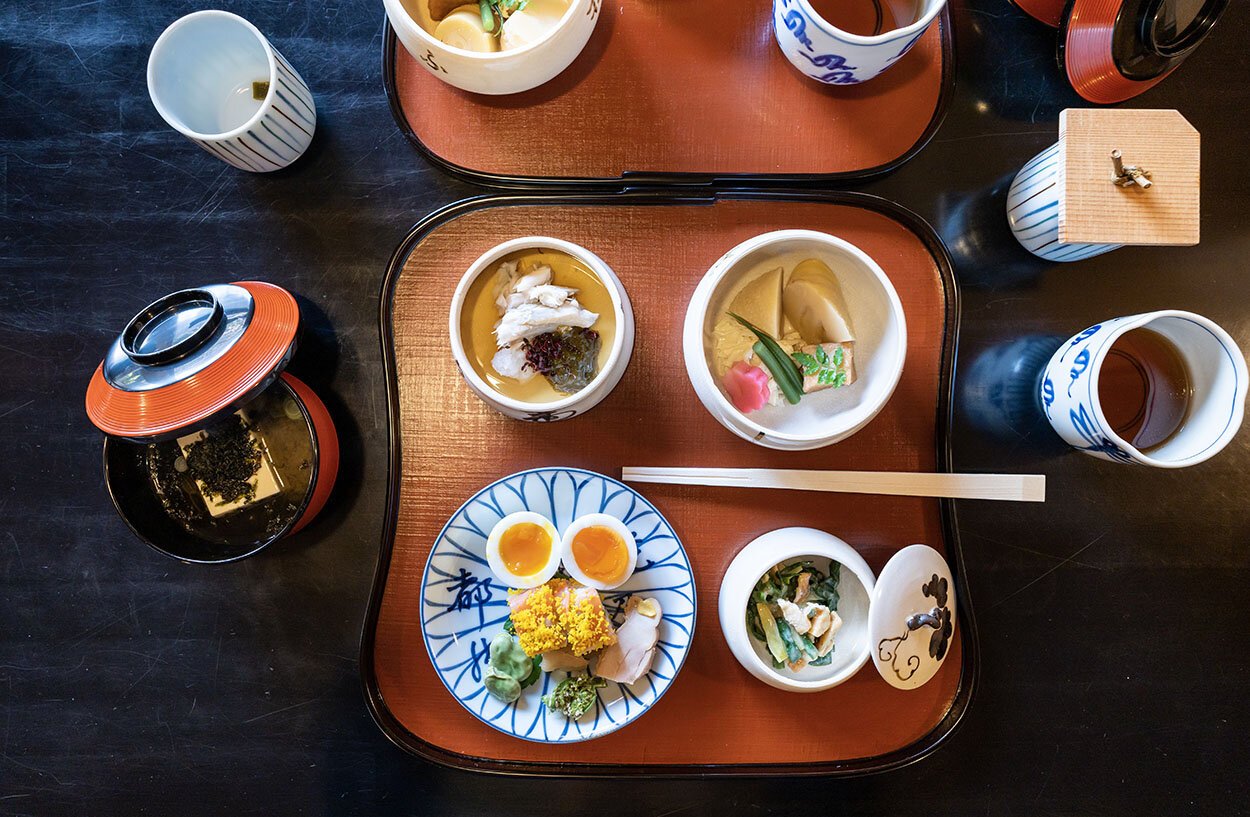
The name signals the intent. Washoku; literally "Japanese food", is the category of home-style and everyday cooking that forms the backbone of Japanese culinary life. Chef Harutoshi Kitsukawa works within that register deliberately, but the kitchen has a consistent habit of subverting expectations at the last moment. Dishes arrive looking familiar and then reveal a small but considered twist. The potato salad, for instance, keeps the potatoes whole and fluffy rather than mashed, dressed in a creamy sauce that reframes the dish without overcomplicating it. A fried mince cutlet carries a hint of duck. The thick sabazushi roll, mackerel pressed sushi, a Kyoto staple, is presented simply but executed with precision. These are not gimmicks. They are the kind of small creative decisions that separate a kitchen with real conviction from one just executing a formula.
For the food-focused traveller visiting Kyoto, that distinction matters. You are not coming here for tableside theatre or a multi-course progression designed to impress. You are coming because the cooking is honest, the prices are fair, the Bib Gourmand recognition is a reliable signal that the quality-to-cost ratio is among the strongest in the city. The OAD Casual Japan ranking adds independent corroboration from a guide that weights the perspective of serious diners and chefs.
Morning and Weekend Framing
Washoku Haru's format aligns naturally with daytime and weekend dining. The washoku genre, rice, pickles, grilled fish, simmered vegetables, miso soup, is Japan's breakfast and lunch idiom as much as its dinner one. For travellers who want to experience Kyoto's food culture in a more grounded register than the evening kaiseki circuit allows, a midday visit to a restaurant like this is where that understanding builds. The playful touches Kitsukawa brings to familiar formats are easier to appreciate when you are not navigating a long tasting menu. Each dish lands as a complete thought. Hours are not confirmed in our data, so check directly before planning a morning visit, but the casual positioning of the restaurant makes it a natural fit for lunch or an early meal.
Practical Details
Washoku Haru is at 230-2 Shinmeicho, Shimogyo Ward, a walkable part of central Kyoto with good access from Kyoto Station. The price point sits at ¥¥, making it one of the more accessible award-recognised Japanese restaurants in the city. Booking difficulty is low. Gion Sasaki, Ifuki, and Kyokaiseki Kichisen operate in an entirely different register: long multi-course kaiseki progressions, formal service, price points that reflect both. If that is what you are after, book one of them, but expect lead times of weeks or months and significantly higher per-head spend. Washoku Haru gives you award-level cooking without either obstacle.
Within Kyoto's casual Japanese tier, the Bib Gourmand and OAD double recognition gives Washoku Haru a leg up over most unlisted neighbourhood restaurants. For travellers building a Kyoto itinerary that includes one or two high-end evenings, Washoku Haru works well as the lunch anchor, quality you can trust, price you do not need to justify. cenci and SEN at ¥¥¥–¥¥¥¥ sit between Haru and the leading kaiseki tier, are worth considering if you want something more formal but not full kaiseki commitment.
Pearl Picks Nearby
If you are building a Kyoto eating itinerary around Washoku Haru, the following are worth adding to your list. For kaiseki at different price and formality levels, Kikunoi Roan and Isshisoden Nakamura are the most established reference points. Gion Matayoshi and Kodaiji Jugyuan offer further options in the city's Japanese dining range. For a broader picture of where to eat and drink in Kyoto, see our full Kyoto restaurants guide, our full Kyoto bars guide, and our full Kyoto hotels guide.
If your Japan trip extends beyond Kyoto, the same casual-but-serious washoku register appears at venues like Myojaku in Tokyo and Azabu Kadowaki in Tokyo. For broader Japan coverage, see also HAJIME in Osaka, akordu in Nara, Goh in Fukuoka, Harutaka in Tokyo, 1000 in Yokohama, and 6 in Okinawa. You can also explore our full Kyoto wineries guide and our full Kyoto experiences guide for further planning.
Planning details
- Location
- 230-2 Shinmeicho, Shimogyo Ward, Kyoto, 600-8092, Japan
- Website
- tablecheck.com/shops/washoku-haru/reserve
- Phone
- +81 75-351-1881
The take
The Take
The Vibe
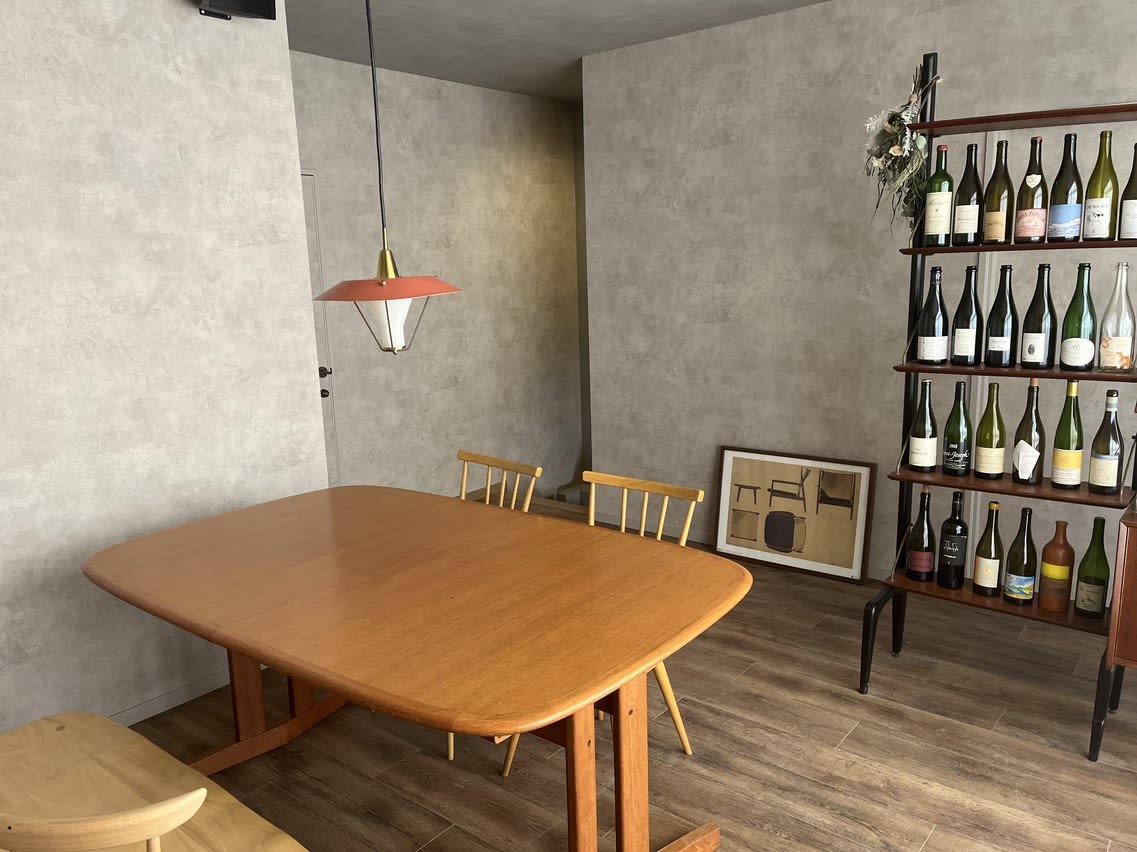
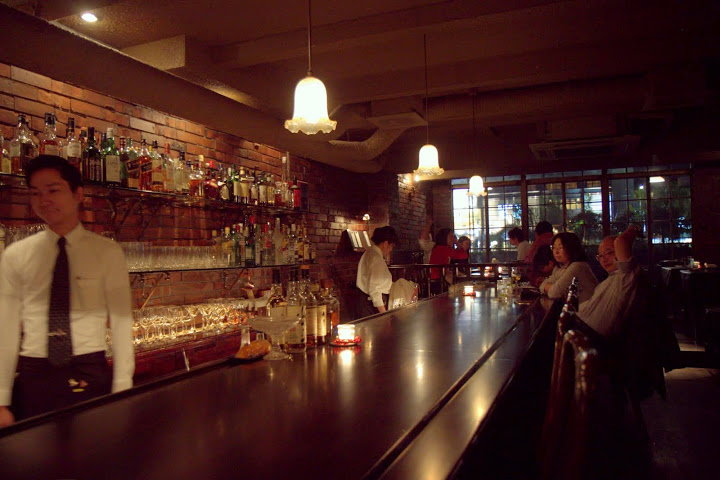
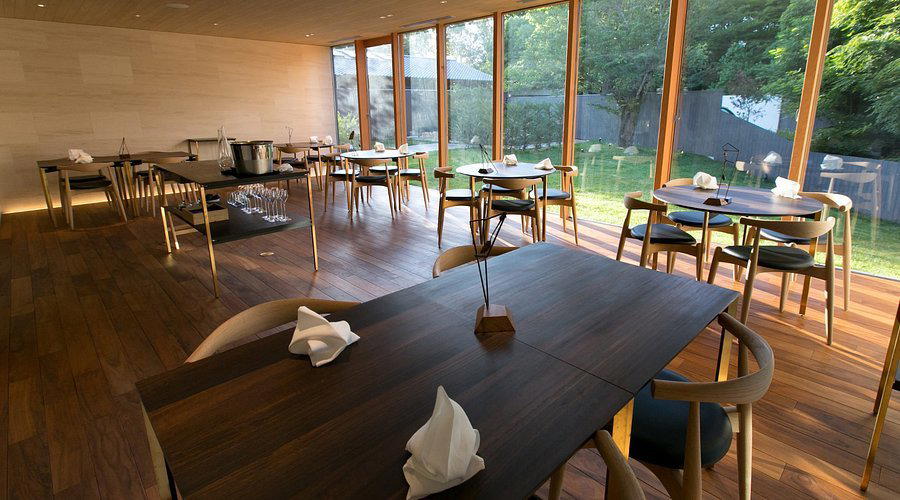
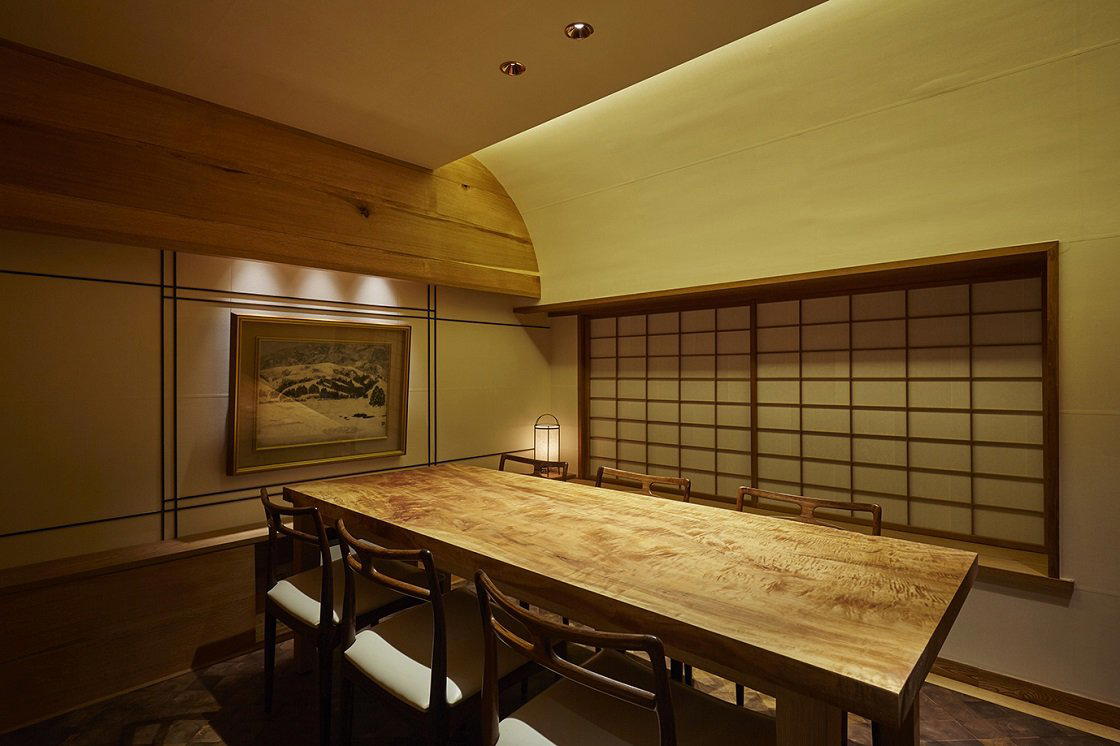
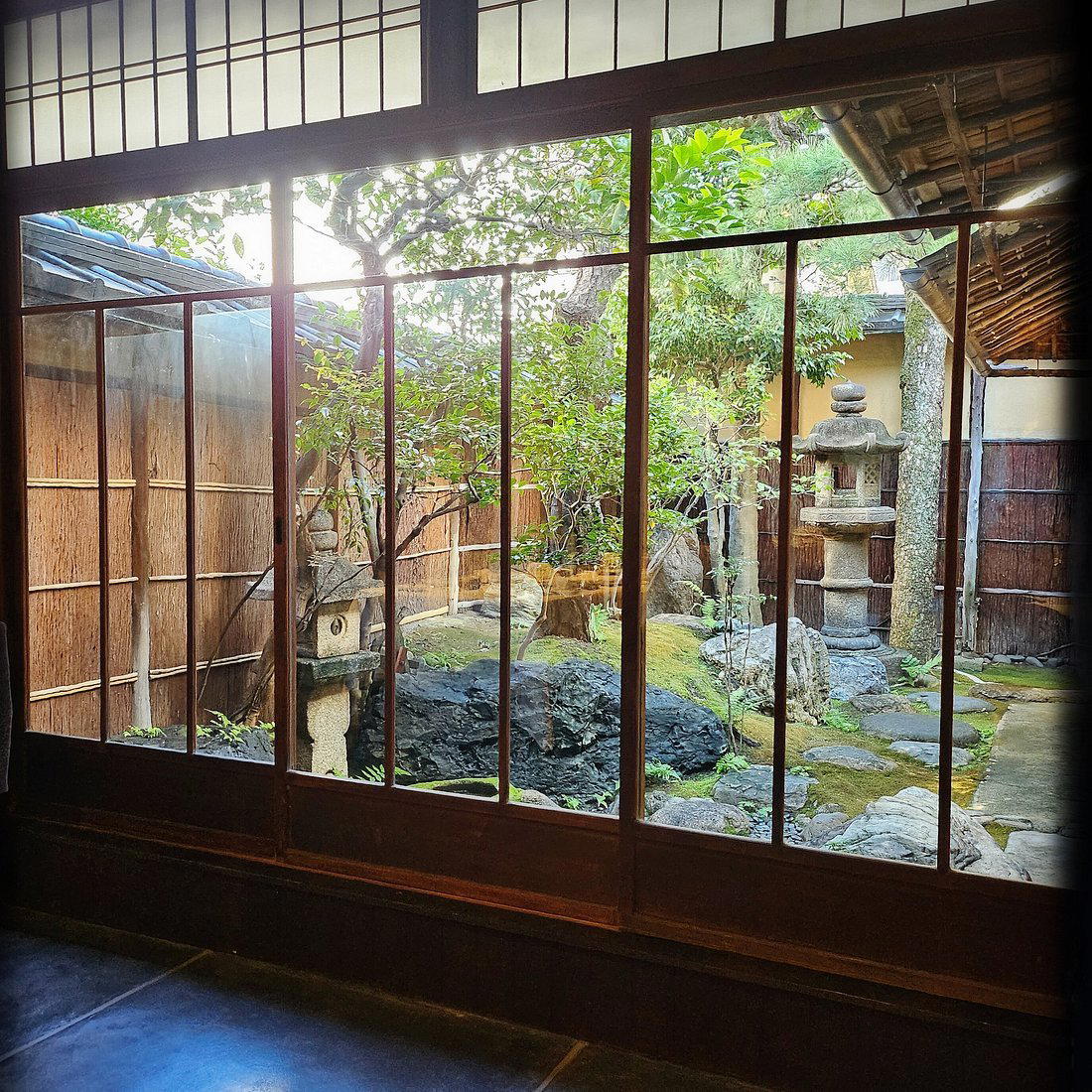
Washoku Haru reads like a neighbourhood kitchen — modest, precise and quietly assured. Set in Shimogyo Ward, the restaurant prizes everyday Japanese eating over ritualized ceremony, so the room feels intimate and low-key rather than theatrical. The cooking is grounded in familiar formats and executed with care, which gives the place a classic, comforting personality even as it resists becoming a tourist destination. Regulars come for steady quality and uncomplicated hospitality, and the overall effect is cozy and unpretentious: a Kyoto spot that belongs on a weeknight rotation rather than a once-in-a-lifetime itinerary.
Best For
This is a place for low-key evenings and intimate nights out — the kind of neighbourhood spot you visit on a weeknight for reliably well-made food. It isn’t framed as a formal, multi-course kaiseki destination; instead it suits couples or small groups seeking unfussy, thoughtfully prepared washoku at moderate prices. Because the restaurant emphasizes ordinary dining rhythms, it works for date nights that value warmth and familiarity over spectacle, and for modest celebrations where the focus is good, honest cooking rather than ceremony.
Ordering Tips
Keep orders simple and rooted in the menu’s strengths: the potato salad, mackerel sushi and oden are listed as signature items and showcase the kitchen’s approach to familiar formats. Expect straightforward, precisely executed plates rather than a tasting sequence; choose a few standout dishes to sample the range of washoku on offer. Given the neighbourhood nature of the spot and its modest pricing, ordering a mix of small and more substantial items lets you experience the kitchen’s attention to everyday flavors without overcommitting to an elaborate meal.
Venue details
Ambiance
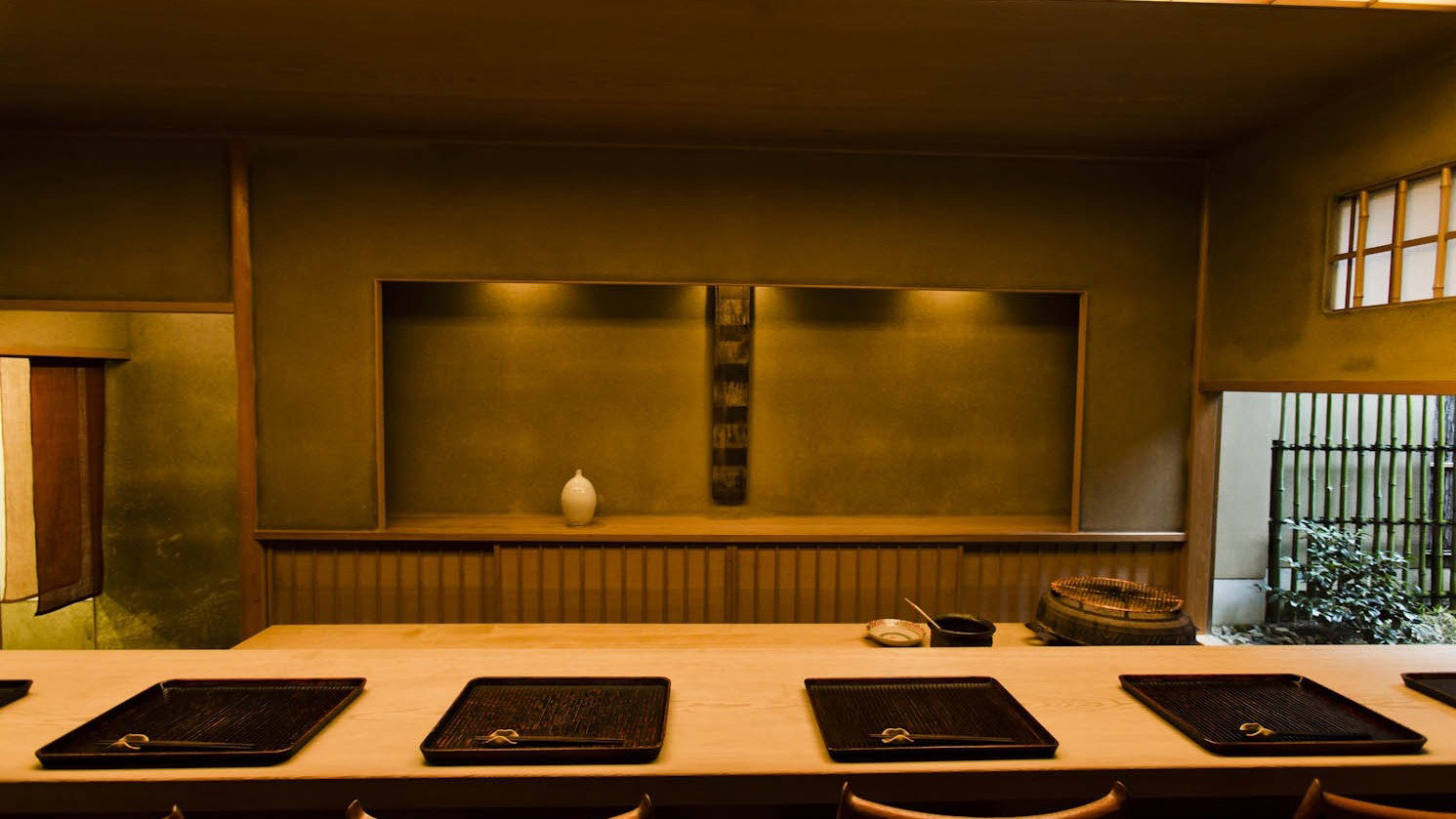
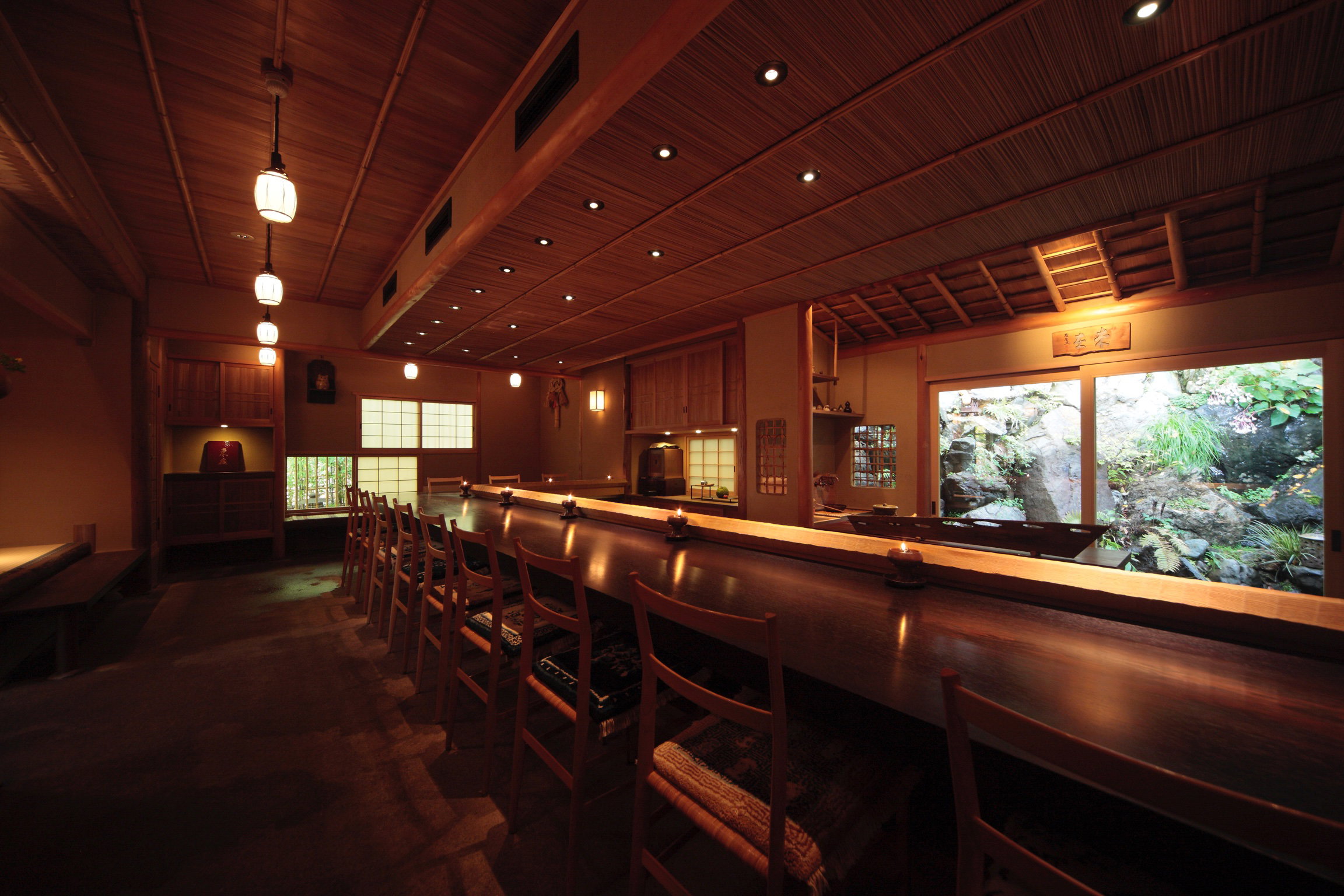
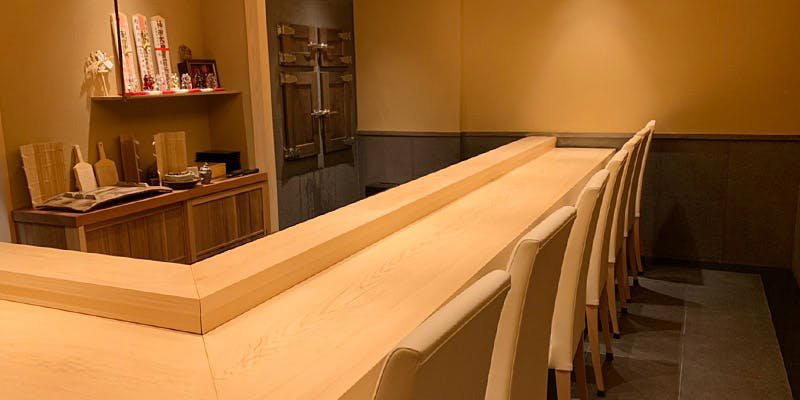
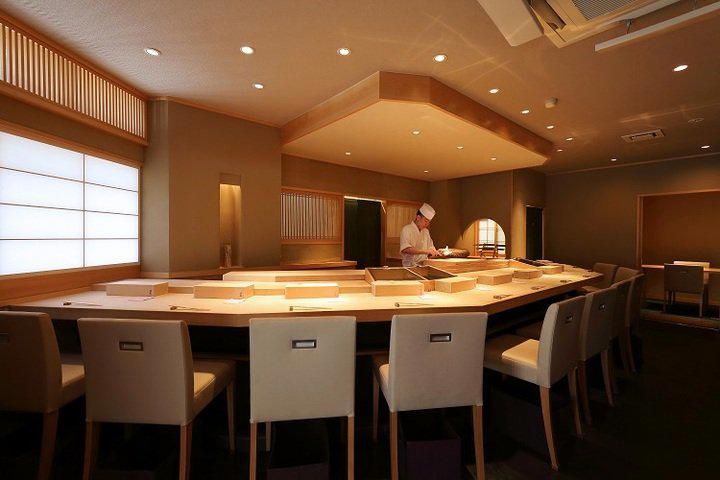
Cozy and intimate counter seating with a focus on the chef's precise craftsmanship, creating a sophisticated yet comforting atmosphere.
Tags
Vibe
Best For
At the Table
- Dress Code
- Smart Casual
- Noise Level
- Quiet
- Service Style
- Upscale Casual
- Meal Pacing
- Leisurely
- Capacity
- Intimate
Signature Dishes
- potato salad
- mackerel sushi
- oden
Planning details
Location
230-2 Shinmeicho, Shimogyo Ward, Kyoto, 600-8092, Japan · Directions
Recognition and awards

Also consider
Also Consider
- Gion Sasaki; Kaiseki, Japanese, ¥¥¥¥
- cenci; Italian, ¥¥¥
- Ifuki; Kaiseki, ¥¥¥¥
- Kyokaiseki Kichisen; Japanese, ¥¥¥¥
- SEN; French, Japanese, ¥¥¥¥
Restaurant context
The clearest choice at Washoku Haru's price point: if you want Michelin-recognised Japanese cooking in Kyoto without booking weeks out or spending ¥¥¥¥, this is the answer. Against the city's top kaiseki rooms; Gion Sasaki, Ifuki, and Kyokaiseki Kichisen; Washoku Haru is not the same category of experience. Those are formal multi-course kaiseki venues at ¥¥¥¥, with correspondingly difficult reservations and a price point that requires deliberate planning. Book them if you want the full kaiseki progression and are willing to commit. Book Washoku Haru if you want award-level quality in a casual format at a fraction of the cost.
cenci and SEN at ¥¥¥–¥¥¥¥ occupy the middle ground: more formal than Washoku Haru, less demanding than the top kaiseki rooms, worth considering if you want a structured dinner with European or French-Japanese framing. Neither competes with Washoku Haru on value, neither replicates the everyday washoku register that makes Haru a distinct option in Kyoto's dining map.
For travellers prioritising value and booking ease, Washoku Haru is the call. For a splurge dinner with full kaiseki ceremony, Gion Sasaki is the city's most acclaimed option if you can secure a table. If you want to split the difference in terms of spend and formality, Kikunoi Roan sits between those poles and is more accessible than the very top tier.
Explore Kyoto
Around this place
Discover more on Pearl
Unlock the full Washoku Haru guide in Pearl, including awards, comparisons, FAQs, planning details, and nearby places.
Compare Washoku Haru
| Venue | Awards | Price |
|---|---|---|
| Washoku Haru | 2026 OAD Casual in Japan Ranked · #78Michelin Guide Kyoto Osaka 20262026 Bib GourmandTabelog 100 - Izakaya - WEST - 2025 · #772025 OAD Casual in Japan Ranked · #782025 Michelin Bib Gourmand2024 OAD Casual in Japan Ranked · #682024 Michelin Bib Gourmand2023 OAD Top Restaurants in Japan Recommended | ¥¥ |
| Gion Sasaki | 2026 Tabelog Bronze · #3862026 OAD Top Restaurants in Japan RecommendedMichelin Guide Kyoto Osaka 20262026 La Liste Top RestaurantsTabelog 100 - Japanese cuisine - WEST - 2025 · #132025 OAD Top Restaurants in Japan Ranked · #2462025 Tabelog Silver2025 Michelin 3 Stars2025 La Liste Top Restaurants | ¥¥¥¥ |
| cenci | 2026 Tabelog Bronze · #442026 Asia's 50 Best Restaurants · #762026 OAD Top Restaurants in Japan Highly RecommendedMichelin Guide Kyoto Osaka 2026Tabelog 100 - Italian - WEST - 2025 · #632025 Asia's 50 Best Restaurants · #632025 OAD Top Restaurants in Japan Ranked · #1682025 Tabelog Bronze2024 OAD Top Restaurants in Japan Ranked · #135 | ¥¥¥ |
| Ifuki | 2026 OAD Top Restaurants in Japan Ranked · #1222026 Tabelog Bronze · #128Michelin Guide Kyoto Osaka 20262026 La Liste Top RestaurantsTabelog 100 - Japanese cuisine - WEST - 2025 · #622025 OAD Top Restaurants in Japan Ranked · #1002025 La Liste Top Restaurants2025 Tabelog Bronze2025 Michelin 2 Stars | ¥¥¥¥ |
| Kyokaiseki Kichisen | 2026 Tabelog Bronze · #1752026 OAD Top Restaurants in Japan Highly RecommendedMichelin Guide Kyoto Osaka 20262025 OAD Top Restaurants in Japan Ranked · #1862025 Michelin 2 Stars2025 La Liste Top Restaurants2024 OAD Top Restaurants in Japan Ranked · #1422024 Michelin 2 Stars2023 OAD Top Restaurants in Japan Ranked · #136 | ¥¥¥¥ |
| SEN | 2026 Tabelog Bronze · #3952026 OAD Top Restaurants in Japan RecommendedMichelin Guide Kyoto Osaka 20262026 Michelin PlateTabelog 100 - Japanese cuisine - WEST - 2025 · #652025 Michelin Plate2025 Tabelog Bronze2024 OAD Top Restaurants in Japan Ranked · #3622024 Michelin Plate | ¥¥¥¥ |
.png?width=1200&quality=80)





.png?width=1200&quality=80)
Side-by-side comparison to help you decide where to book.
FAQ
Frequently Asked Questions
What should I wear to Washoku Haru?
Keep it casual. Washoku Haru holds a Michelin Bib Gourmand; recognition for quality at accessible prices; not a white-tablecloth rating, the washoku format is explicitly everyday in register. Clean, comfortable clothing is entirely appropriate. Ties and formal attire would feel out of place here.
How far ahead should I book Washoku Haru?
Book as early as you can once your Kyoto dates are confirmed. A Bib Gourmand at ¥¥ pricing in a city full of visitors creates real demand pressure, no phone or online booking channel is listed in Pearl's database. Research your booking route before you arrive; relying on walk-ins at a recognised venue this size is a risk.
Does Washoku Haru handle dietary restrictions?
No specific dietary accommodation policy is on record for Washoku Haru. The washoku format is built around traditional Japanese ingredients; fish, meat, soy, rice feature prominently; so guests with strict restrictions should confirm directly before visiting. Chef Harutoshi Kitsukawa's menu leans playful rather than austere, which may limit flexibility.
Is Washoku Haru good for a special occasion?
It depends on what kind of occasion. Washoku Haru's Bib Gourmand credentials and Opinionated About Dining ranking (#78 in Casual Japan, 2025) make it a smart choice for a celebratory lunch or a low-key anniversary dinner where the food matters more than the setting. For milestone events that call for ceremony, Kyoto's kaiseki rooms; Gion Sasaki, Kichisen; are the appropriate frame.
What are alternatives to Washoku Haru in Kyoto?
At a similar ¥¥ casual register, SEN and cenci offer different takes on contemporary Kyoto cooking worth considering. If you want to move up the formality scale, Ifuki and Gion Sasaki operate in kaiseki territory at higher price points. Washoku Haru is the call when you want recognisable, ingredient-led Japanese food with a few clever turns rather than a structured multi-course format.
Is Washoku Haru worth the price?
Yes, clearly. At ¥¥, Washoku Haru delivers Michelin Bib Gourmand-level cooking; the guide's explicit marker for quality above its price point; two years running (2024 and 2025). In Kyoto, where the default for serious Japanese food is kaiseki at ¥¥¥¥, finding this level of craft at everyday pricing is genuinely useful. It is not a compromise choice; it is a deliberate one.
Is the tasting menu worth it at Washoku Haru?
No specific tasting menu format is documented for Washoku Haru in Pearl's database. The venue's stated philosophy is simple, everyday washoku fare with playful touches; potato salad, fried mince cutlet with duck, thick sabazushi; which reads more as an à la carte or set-meal approach than a structured omakase progression. Confirm the format when booking.