

Tabelog 100: Best Chinese Restaurants in East Japan 2026
Tabelog 100 (Hyakumeiten) Chinese cuisine - EAST selection for 2026. Tabelog publishes these as source-ordered lists of 100 restaurants.

Venues on this list
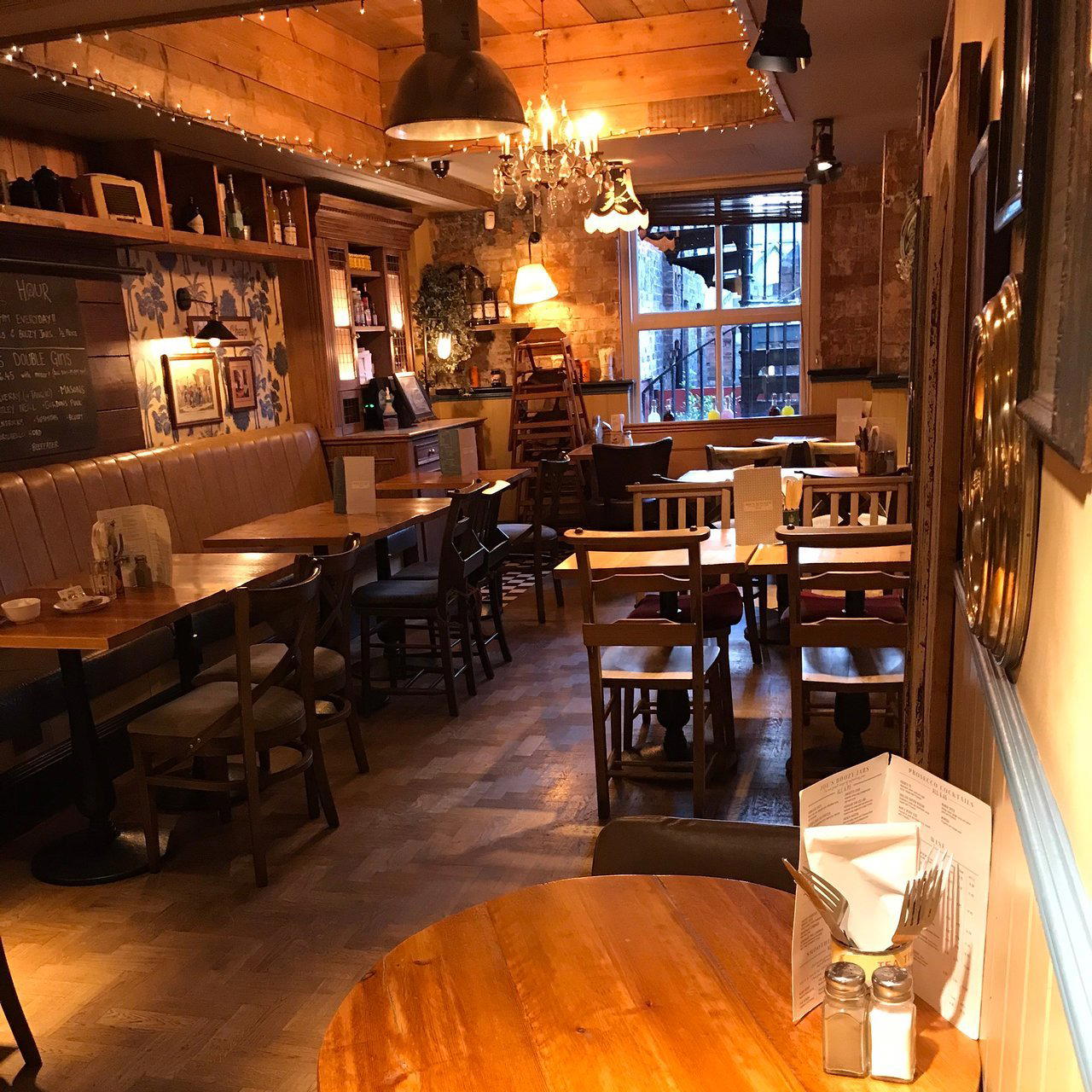
Joe's Kitchen
Nagoya, Japan
Joe's Kitchen is a practical Nagoya dinner pick when location and ease matter, backed by Tabelog 100 #1 recognition for 2026 and a 3.8-point rating. Book it for an evening in Marunouchi, but choose a more clearly defined sushi or drinks-led venue if the format matters more than convenience.
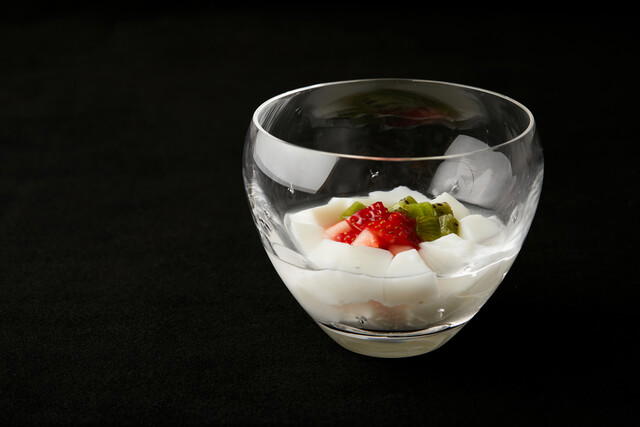
Chinese restaurant KUE
Kamakura, Japan
A Tabelog 100-honored Chinese kitchen in Ofuna (Kamakura's northern hub) serving seafood-driven omakase courses in a 16-seat counter room. Dinner runs JPY 10,000–JPY 14,999; lunch drops to JPY 4,000–JPY 4,999. The format suits couples and solo diners seeking ingredient-focused execution without the Tokyo premium; book a week ahead, request the counter, and go for lunch if budget matters.
OUBAITOURI
Shizuoka, Japan
Tabelog 100 Chinese EAST 2026 selection in Showacho, focusing on housemade fermented soy sauces and fish-forward dishes at JPY 5,000–5,999. The health-conscious approach delivers umami depth over heat or oil, with all-you-can-drink options and counter seating for 30. Book 3–5 days ahead; closed Sundays and Mondays.
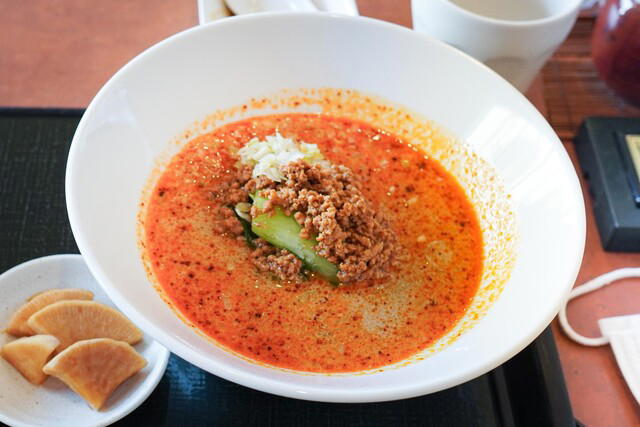
Shisen China Hachibee
Nisshin, Japan
A Tabelog 100 Sichuan restaurant in suburban Nisshin offering reliable heat-focused cooking at JPY 1,000–1,999 lunch, JPY 3,000–3,999 dinner. Private rooms and counter seating accommodate groups; cash only. Regulars return for mapo tofu and tantan-men, both showing consistent technique across repeat visits.
Riiron
Toyohashi, Japan
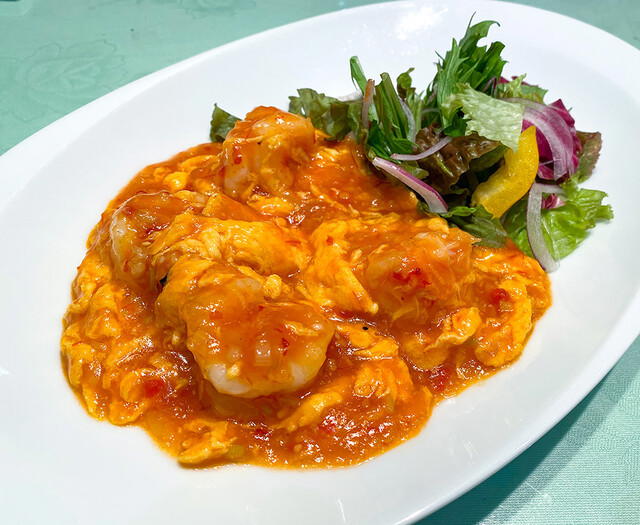
Tabelog 100 (Chinese EAST) house restaurant in Toyohashi, recognized in both 2023 and 2026. Counter seating, family-friendly service, and prices that make sense: JPY 2,000–2,999 lunch, JPY 3,000–3,999 dinner. The sourcing and execution justify the awards without the booking stress or cost of Tokyo equivalents.
Ichirin Hanare
Kamakura, Japan
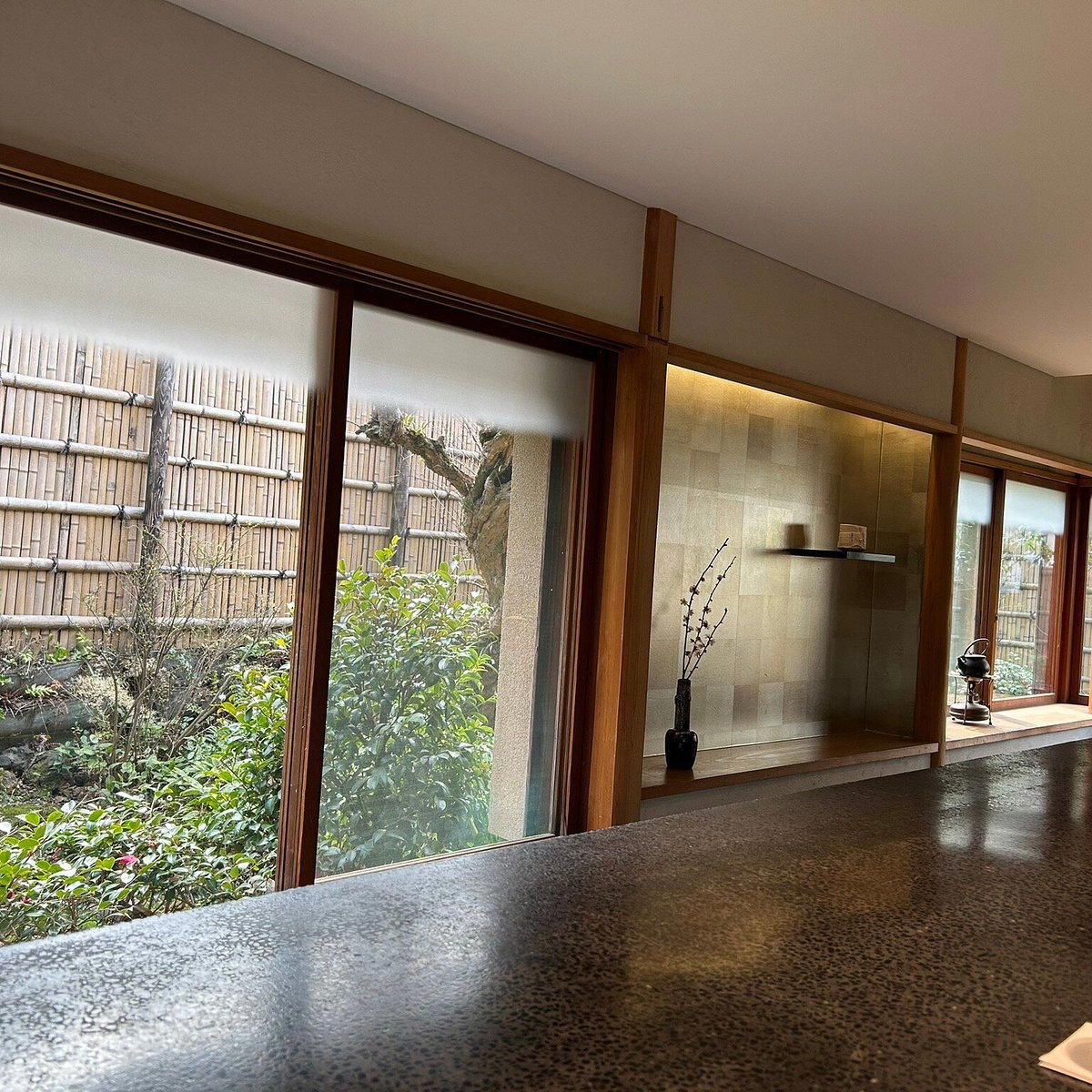
Ichirin Hanare is Kamakura's most decorated Chinese restaurant, holding a Tabelog Silver Award every year since 2018 and a 4.40 score. Set in a house restaurant a 15-minute walk from Kamakura Station, it serves Sichuan-influenced Chinese cooking with a fish focus at JPY 10,000–14,999 for lunch and JPY 20,000–29,999 for dinner. Book ahead; cancellation penalties are strict.
Suiyo Ekushibu hakone rikyuu
Ashigarashimo-Gun, Japan
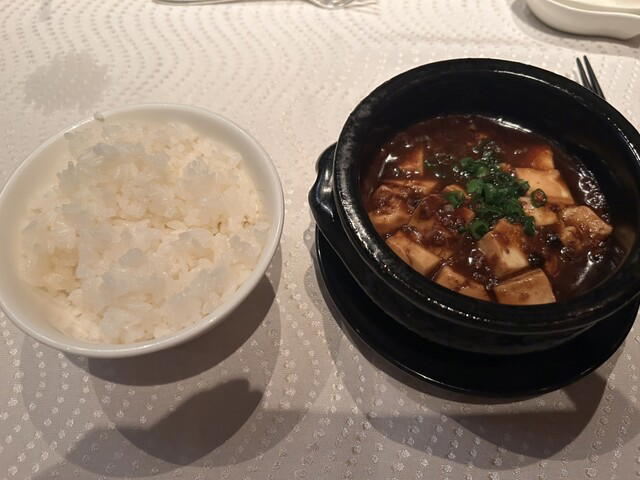
Tabelog 100–recognized Chinese restaurant inside Hakone's ExIV resort, serving seasonal Cantonese cuisine at JPY 20,000–29,999 for dinner. Easy to book, family-friendly, and worth it if you're already visiting the area and want refined cooking without Tokyo-level reservation pressure. Lunch runs JPY 8,000–9,999.
Maejima
Shiki, Japan
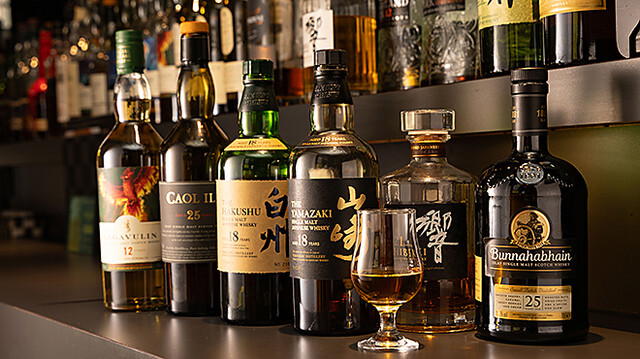
Sichuan-focused Chinese bar in Shiki (Saitama) requiring mandatory alcohol orders; two drinks minimum per guest. Counter seating for 16, smoking permitted, groups of two or more only. Named to Tabelog 100 – Chinese cuisine – EAST three consecutive years (2023, 2024, 2026). At JPY 20,000–29,999, worth it for drinkers who value pairing whisky or wine with ma la spice, but non-negotiable alcohol policy and smoking make this unsuitable for non-drinkers or families.
Sichuan Mararajusshoku
Tsukuba, Japan
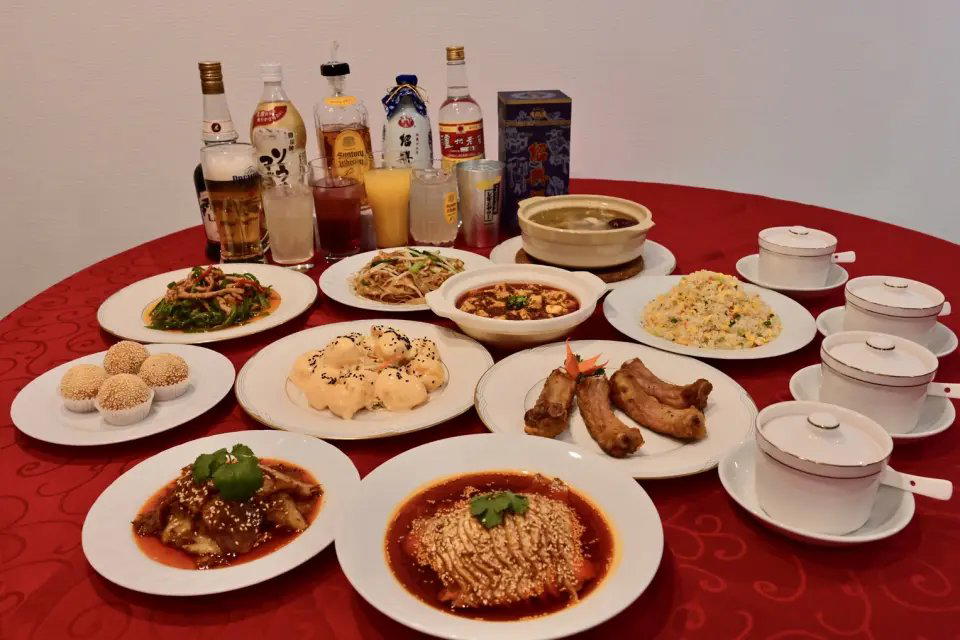
Sichuan Mararajusshoku works when the Tsukuba plan calls for a focused Sichuan meal rather than a generic casual stop. Its Tabelog 100 #9 recognition for 2026 gives it a stronger trust signal than many nearby low-cost options, though diners wanting a cheaper or faster meal should compare ramen, bakery, or pastry alternatives first.
Chinese Hanten Reisho
Kitasaku-gun, Japan
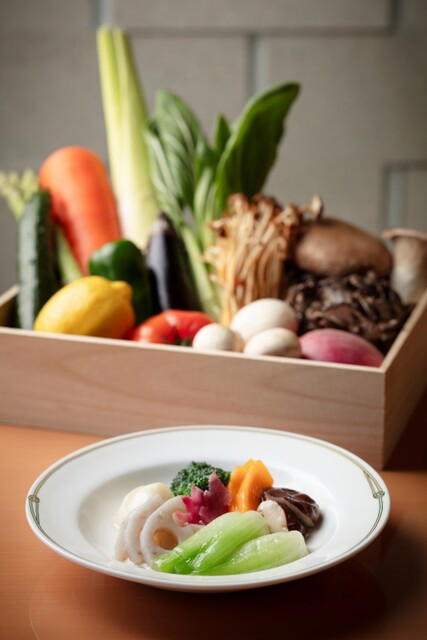
Chinese Hanten Reisho, a 2026 Tabelog 100 entry in Karuizawa, delivers seasonal Chinese cuisine at JPY 10,000–14,999 dinner and JPY 4,000–4,999 lunch. Five private rooms upstairs suit family gatherings, and the drinks program includes shochu, wine, and sommelier guidance. Book 1–2 weeks out for table seats, 3 weeks for private rooms during peak season.
chainizu dainingu masamune
Kofu, Japan
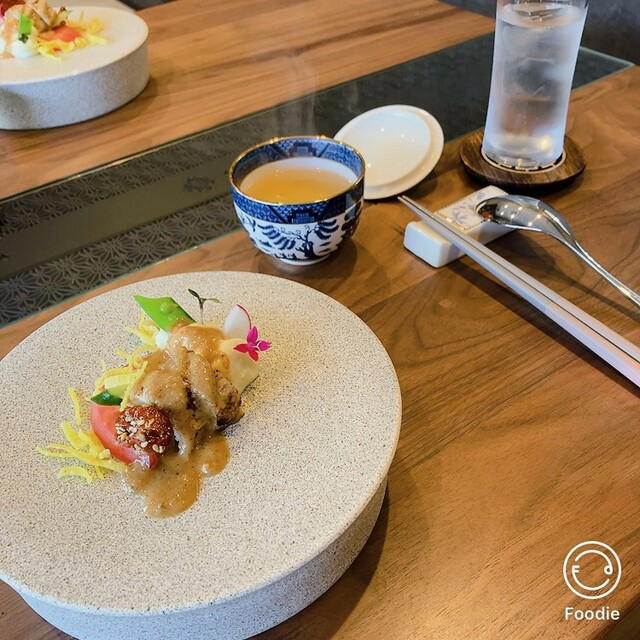
Chinese Dining Masamune runs wine-paired counter service in Kofu, charging JPY 10,000–14,999 for dinner and earning Tabelog Chinese EAST 100 recognition in 2026. The reservation-only format and private-room option position it above casual yakitori peers, though lunch (JPY 3,000–3,999) offers a lower-risk introduction. Seasonal rotation and European wine pairings define the experience.
Chuka Kappou Hisada
Nagoya, Japan
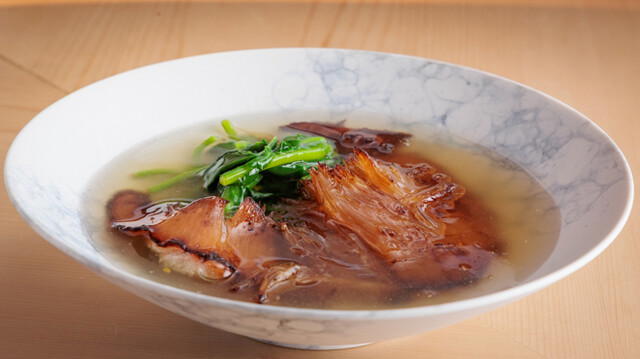
Chuka Kappou Hisada is worth shortlisting for a polished Nagoya dinner when the occasion calls for a focused, higher-spend meal. The Tabelog 100 recognition helps justify the commitment, though value-focused diners should compare Kamisono or Tori Ryori Masa first, while bigger splurge plans point toward Japanese cuisine Takamitsu.
虹霓
Nagoya, Japan
虹霓 is a Nagoya shortlist candidate for diners who value recent recognition: Tabelog 100 #13 in 2026 with 3.6 points. Book it for a serious, discovery-led meal, but confirm format, budget, and dietary fit before committing, since public practical details are thin.
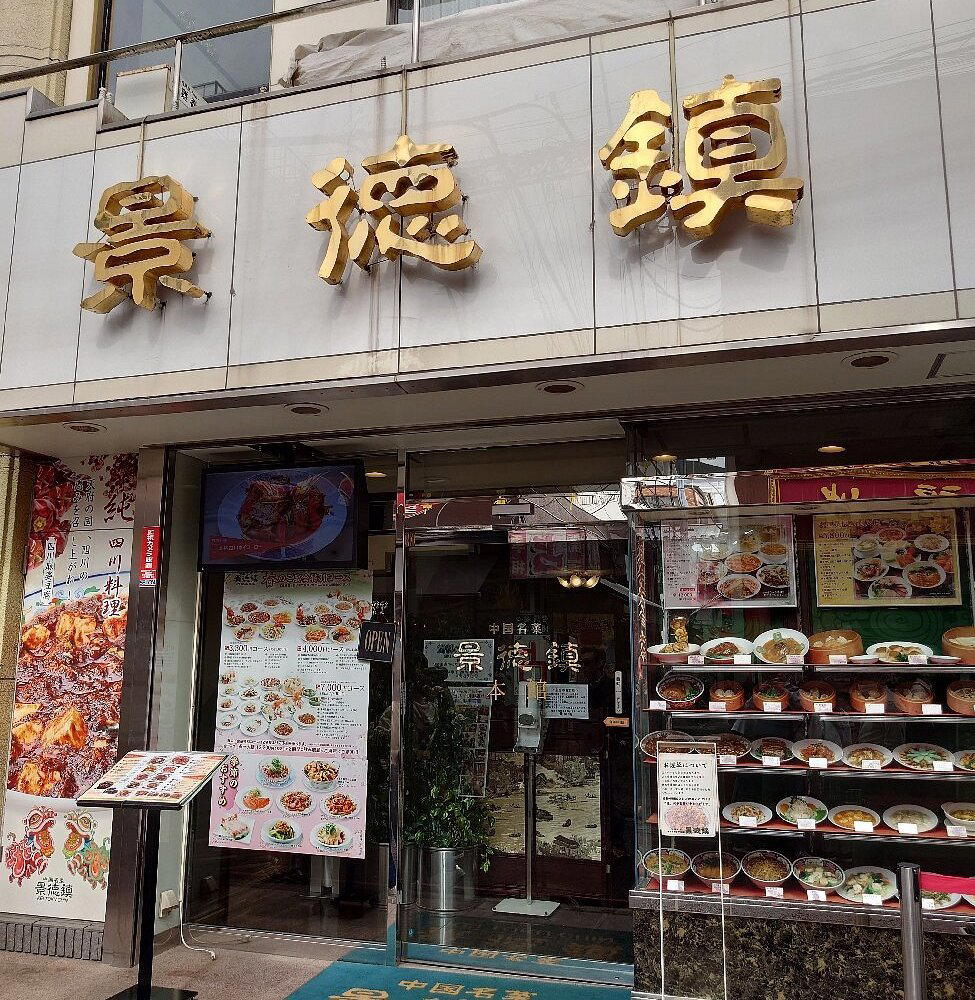
Keitokuchin
Yokohama, Japan
Book Keitokuchin for reliable Sichuan heat and dim sum at lunch prices (under JPY 1,000) or dinner under JPY 4,000 in Yokohama Chinatown. The 120-seat room and private dining options (6–40 guests) suit families and groups; Tabelog 100 Chinese EAST recognition since 2021 confirms consistent wok technique. Reserve two to three days ahead for weekend lunch; weekday dinner accepts walk-ins before 7 PM.
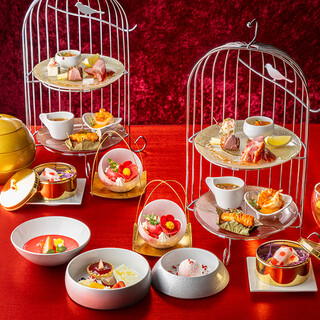
Chinese Restaurant Dynasty Hiruton toukyou bei
Urayasu, Japan
Book Chinese Restaurant Dynasty Hiruton toukyou bei for a composed Chinese meal in Urayasu when the occasion calls for a hotel-restaurant setting rather than a quick local stop. The Tabelog 100 #15 recognition in 2026 gives it a stronger reason to book, but value-focused diners should compare cheaper nearby options first.
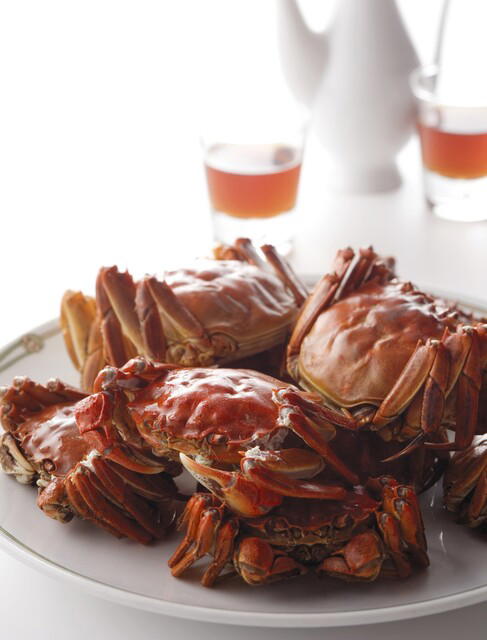
Chinese Hanten Reiho
Nagoya, Japan
Tabelog 100 Chinese dining on the 41st floor of Midland Square, commanding JPY 20,000-29,999 for dinner with panoramic city views and a high-ceremony service model. Four-year selection history (2021, 2023, 2024, 2026) anchors the price, though whether the spend reflects kitchen execution or view tax depends on your priorities. Lunch (JPY 6,000-7,999) offers a gentler entry to the same room.
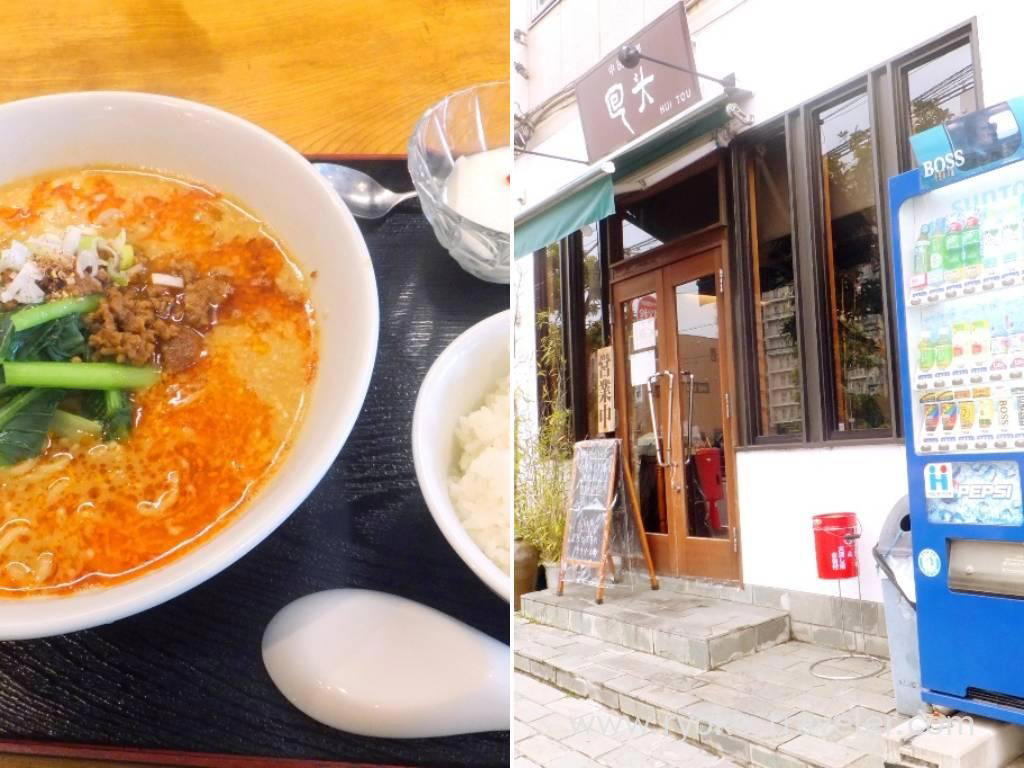
Manzan
Chiba, Japan
Manzan is Chiba's most consistently decorated Sichuan restaurant, holding Tabelog Bronze Awards in 2022, 2024, 2025, and 2026 with a 4.08 score. At JPY 10,000–14,999 per person, it delivers serious course-driven Sichuan cooking in a ten-seat, reservation-only room; a clear recommendation for food-focused visitors to the prefecture.
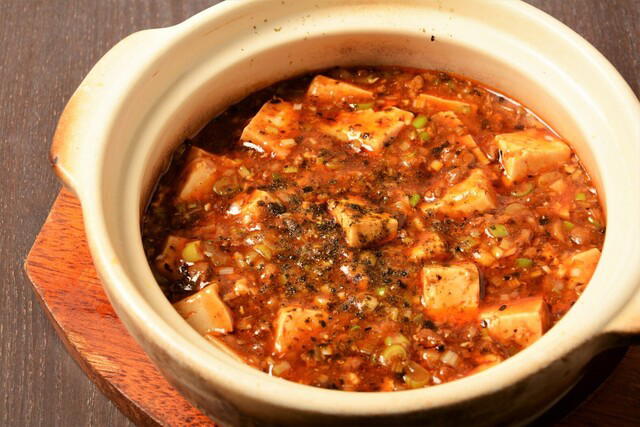
Kofukusai Kamekichi
Nagoya, Japan
Kofukusai Kamekichi delivers Tabelog-recognized Sichuan cooking with a fish-forward slant at JPY 8,000–9,999; a solid value tier for ma la heat and numbing spice in Nagoya's Higashi Ward. Reservations are straightforward; the two-floor house restaurant seats thirty and accommodates groups up to sixteen. Worth booking if you want technically competent Sichuan execution without the fine-dining price tag.
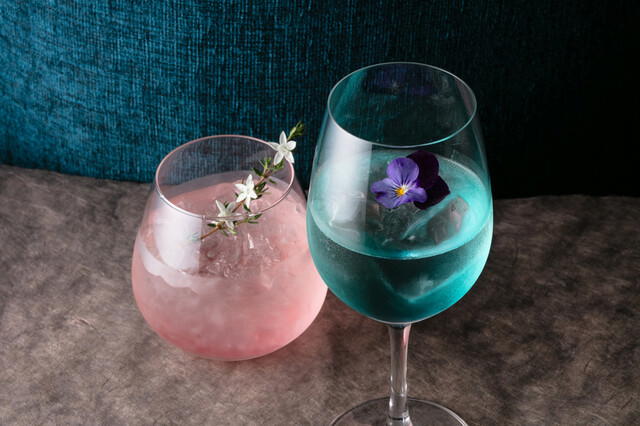
Chinese Ryori Ryujo
Nagoya, Japan
Chinese Ryori Ryujo is a stronger choice for an on-site celebration meal than for takeout or a casual drop-in. The price positioning and Tabelog 100 #19 recognition make it worth considering for dinner, while lunch is the more practical value test in Nagoya.
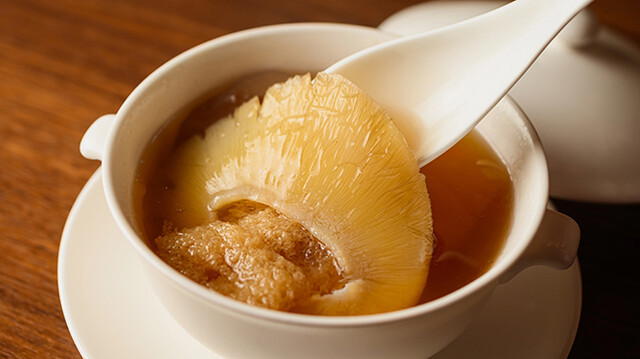
Bunsai Ka
Kashiwa, Japan
Bunsai Ka is worth shortlisting in Kashiwa when recognition and a more deliberate meal matter more than low spend. The 2026 Tabelog 100 #20 placement gives it a stronger trust signal than most casual local alternatives, while lunch is the easier value play and dinner suits later, more planned occasions.
Kinryo
Yokohama, Japan
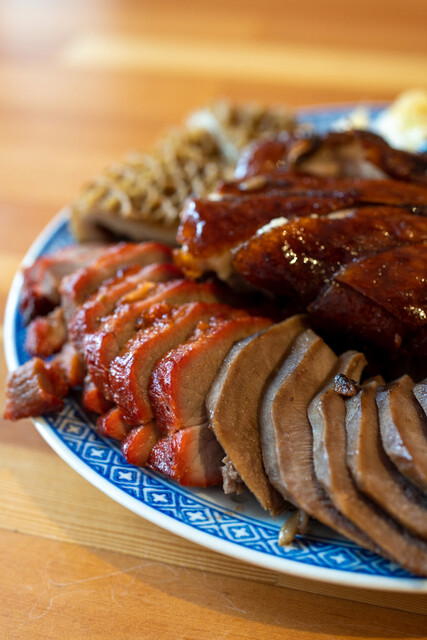
A 13-seat dim sum counter in Yamashitacho earning three consecutive Tabelog 100 nods for Chinese cuisine. Both lunch and dinner run JPY 1,000–1,999, with no reservations and a cash-or-QR payment policy. The 11:40 AM–6:00 PM window suits early diners; solo guests and pairs fit best at the compact counter.
Chinese Sairyu (Yokohama Bay Sheraton Hotel & Towers)
Yokohama, Japan
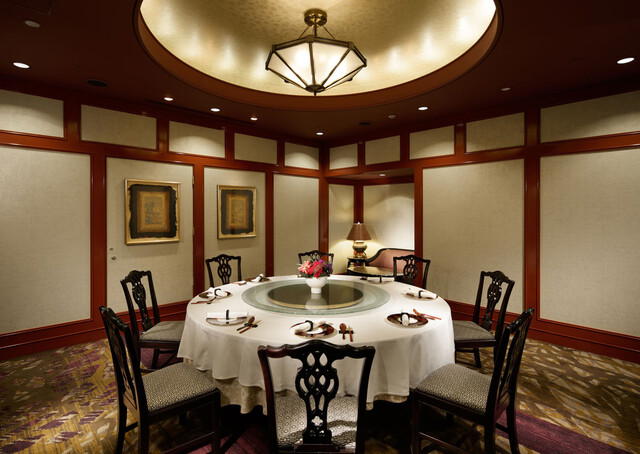
Hotel-floor Chinese restaurant one minute from Yokohama Station, recognized on Tabelog 100 Chinese EAST since 2021. Strong for large groups, private rooms (4–30 people), and seafood-focused menus at JPY 10,000–14,999 dinner, JPY 6,000–7,999 lunch. All-you-can-drink packages and extended-party service justify the 16% fee if you need booking ease and family-friendly logistics.
Saiko Shinkan
Yokohama, Japan
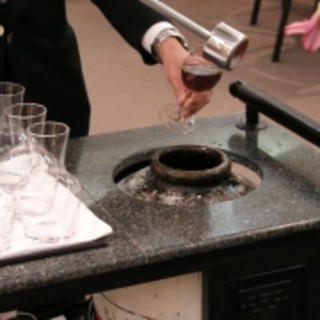
Saiko Shinkan is a good Yokohama Chinatown pick when you want a recognized, mid-priced sit-down meal rather than a quick casual stop. The 2026 Tabelog 100 #23 listing gives it a stronger quality signal than many nearby choices, while its price sits below Kasei Rou Honten and above cheaper peers like Kyo Chubo and Aichun.
Sichuan Restaurant Chin Yokohama ten
Yokohama, Japan
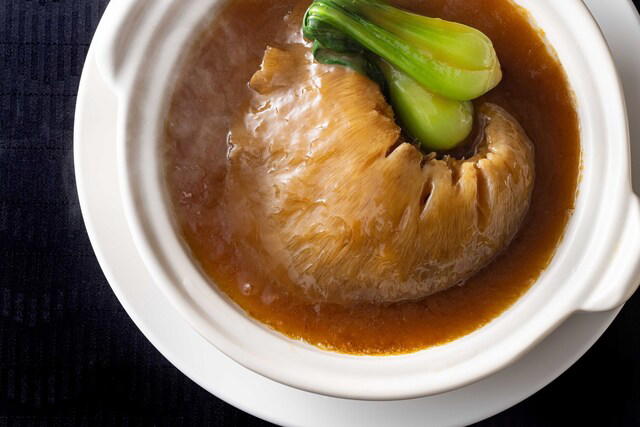
A 126-seat Sichuan restaurant in Yokohama's Minatomirai district, selected for Tabelog's 2026 Chinese cuisine (EAST) 100-name list. Chef Kentaro Chin follows his father's playbook with technically sound execution and a focus on seafood-forward dishes. Dinner averages ¥10,000–¥14,999; lunch runs ¥4,000–¥4,999. Private rooms available for groups of six or more.
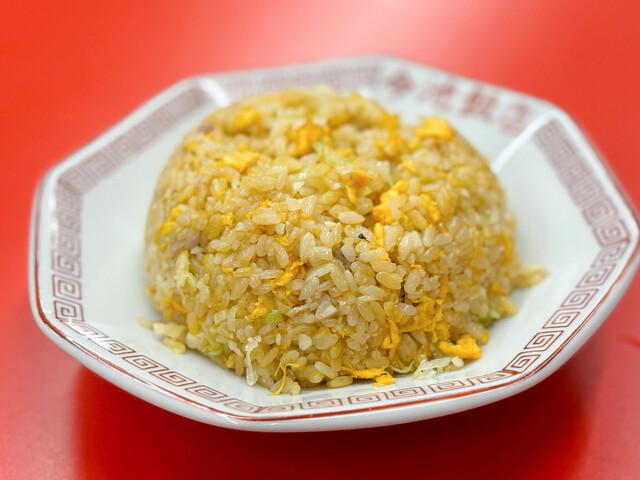
Imaike Hanten
Nagoya, Japan
A 17-seat counter-service Chinese restaurant in Imaike recognised by Tabelog's 2026 EAST 100 at a rare JPY 1,000–JPY 1,999 price point. No reservations accepted; arrive early for lunch or plan for a queue. Closed Wednesday and Sunday, with limited lunch menu and expanded dinner options.
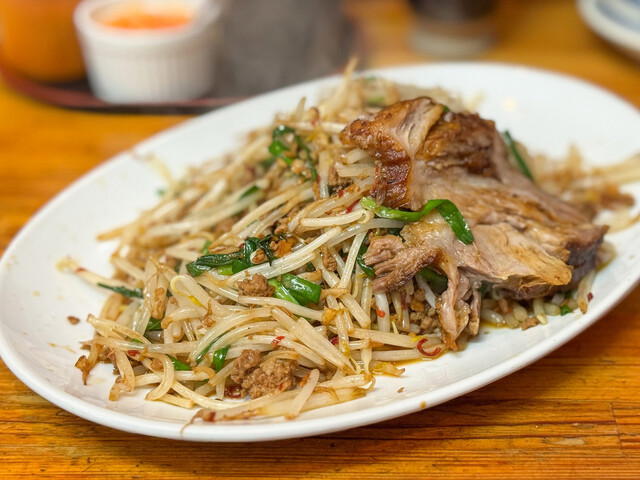
Jinsei Gyoza
Nagoya, Japan
A Tabelog 100 (Chinese EAST 2026) dumpling and ramen house in Nakagawa Ward, Jinsei Gyoza offers JPY 1,000–1,999 casual meals from a 15-seat converted residence. Counter seating frames the kitchen; ticket-machine ordering and soup-driven closing times keep service brisk. Walk-ins welcome, parking available, lunch quieter than dinner.
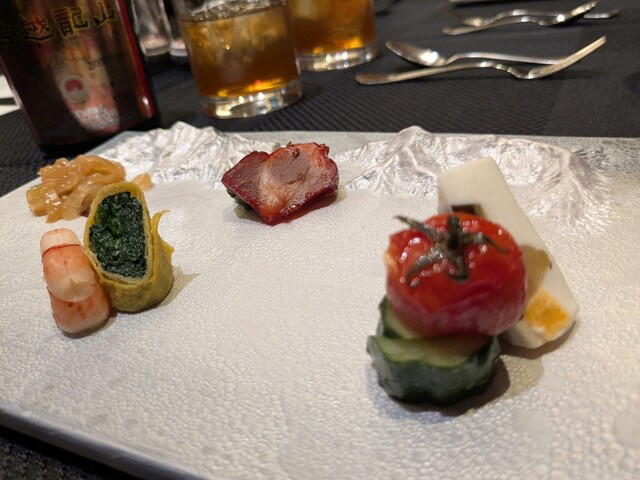
Chinese Suiyo
Minamitsuru-gun, Japan
A serious Yamanakako dining choice for couples or small groups who want a composed meal rather than a casual lake-area stop. The price tier makes more sense for a planned dinner than an impulse booking, and its Tabelog 100 #27 recognition gives it a stronger trust signal than many nearby options.
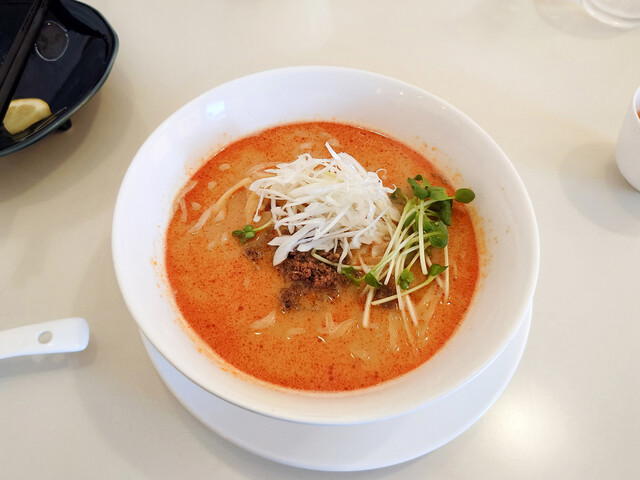
Chuka Dining Hanabi
Gifu, Japan
Chuka Dining Hanabi works for an easy, value-conscious meal in Gifu, especially at lunch or early dinner. The draw is practical rather than showy: credible local recognition, accessible pricing, and low booking friction. Do not choose it for a wine-led night or high-ceremony occasion; choose it when the meal matters more than the production.
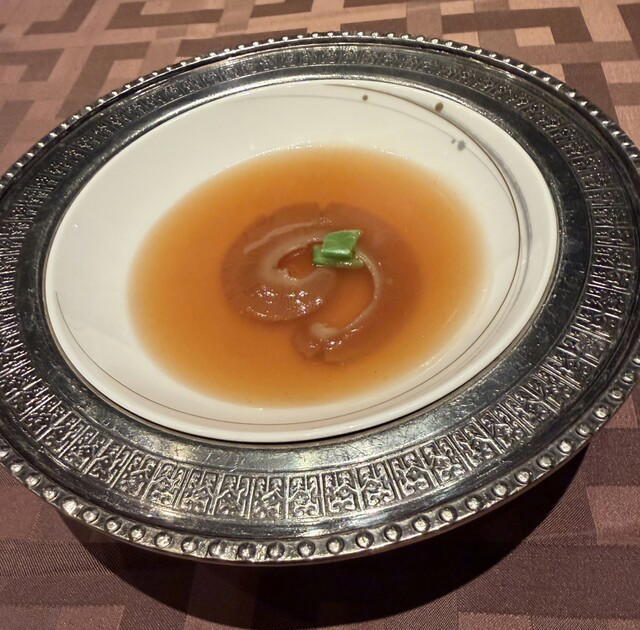
Chinese Suiyo
Ashigarashimo-Gun, Japan
Tabelog 100 Chinese dining inside Xiv Yugawara Rikyu hotel, offering private rooms for 6–12 guests, Sagami Bay views, and tasting menus at JPY 15,000–19,999 dinner (JPY 5,000–5,999 lunch). Reserve ahead for special occasions or group meals; the formal resort setting and reservation-only policy make it less flexible than neighborhood spots.
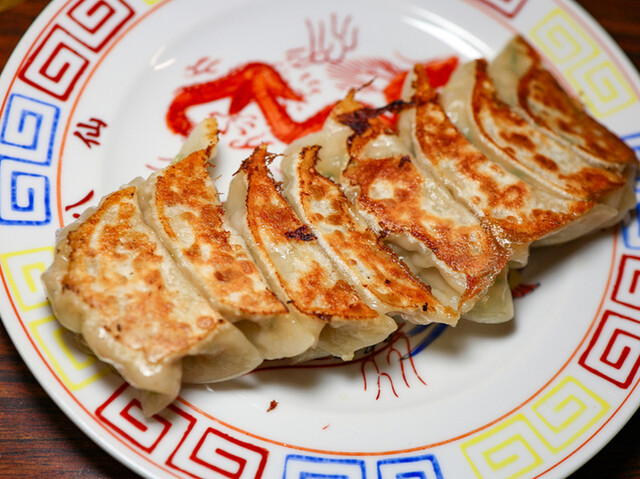
Hassen
Sendai, Japan
Tabelog-recognized Chinese dumpling specialist in Sendai's Bunka Yokocho alley, delivering consistent technique at under JPY 2,000 per head. Counter seats offer kitchen views; tatami rooms upstairs accommodate groups. Cash only, reservations recommended for evening service.
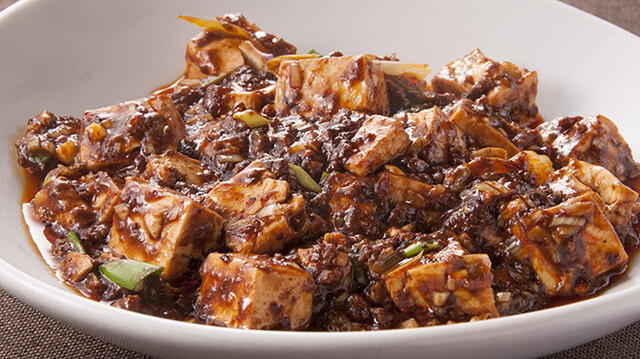
Johoku Hanten
Okazaki, Japan
A Tabelog 100-listed Sichuan restaurant in Okazaki offering authentic ma la spice levels, generous portions, and private rooms for groups. Lunch runs JPY 1,000–1,999, dinner JPY 3,000–3,999; accessible pricing for award-recognized Chinese cooking in a family-friendly setting with ample parking and walk-in availability.
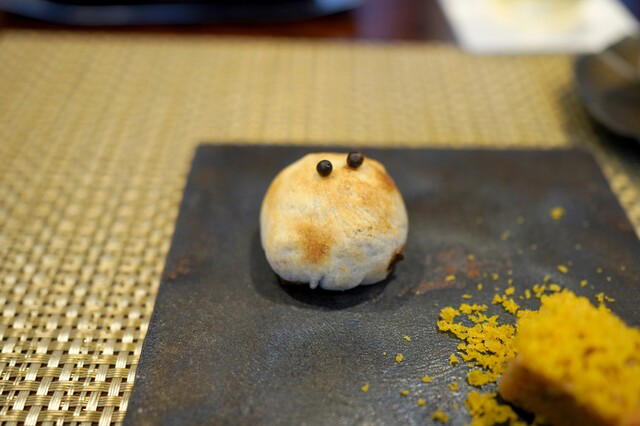
Chinese Muramatsu
Shizuoka, Japan
Chinese Muramatsu is the Shizuoka choice for a planned celebration rather than a casual meal. The price sits well above the city's cheaper everyday options, but Tabelog 100 #33 in 2026 gives it a credible reason to be on a serious dining shortlist. Booking is marked easy, so it suits diners who want polish without a painful reservation chase.
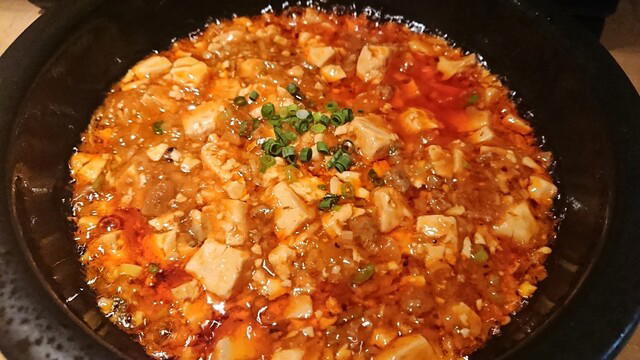
Sushi Chinese Fukurokuju
Sapporo, Japan
A dual-format restaurant combining sushi and Chinese cuisine using Hokkaido seafood, selected for Tabelog's Chinese EAST 100 Best list in 2026. Dinner averages JPY 6,000–JPY 7,999 with both menus available until staggered close times; lunch runs JPY 1,000–JPY 1,999. Book one to three weeks ahead for the seven-seat counter or 24-table room, located seven minutes from Odori Station.
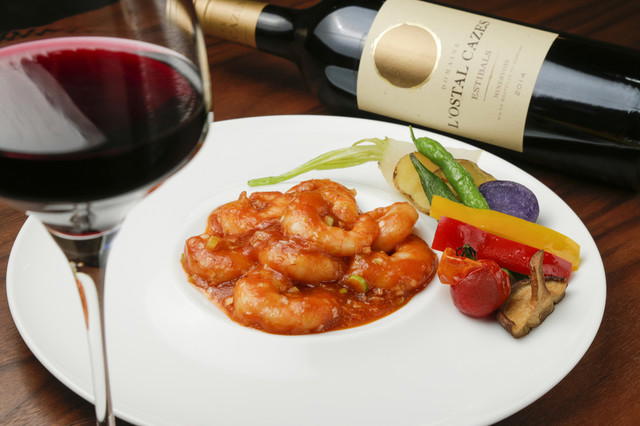
Ren
Iwate, Japan
Tabelog Chinese EAST 100 honoree in Hanamaki serving fish-forward omakase (JPY 5,500–11,000) with a deep sake list rooted in Iwate's brewing tradition. Reservation-only dinners, family-friendly policies, and 16-seat intimacy make this a rare fine-dining option outside major metros. Book the JPY 8,800 course for the full range of seasonal technique.
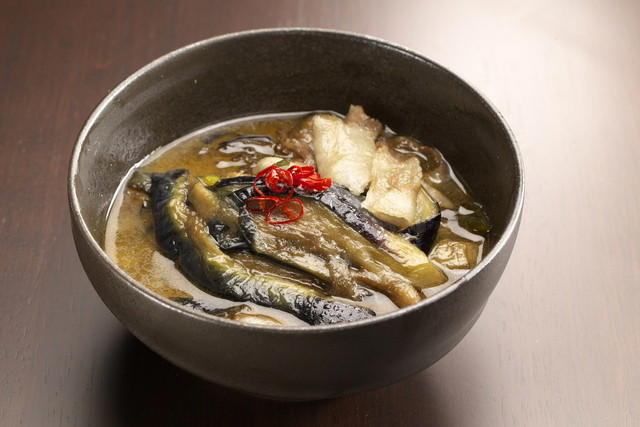
Aaron
Nagoya, Japan
Aaron is a 20-seat Chinese bar in Nagoya's Shinsakae district, open since 2015 and named to Tabelog's Chinese 100 three consecutive years. The chef's hotel training shows in the wok technique, but the format is bar-first: sake, shochu, and cocktails share equal weight with small plates. At JPY 5,000-5,999 before drinks, it's best for casual dates or solo counter dining, not formal Chinese meals.
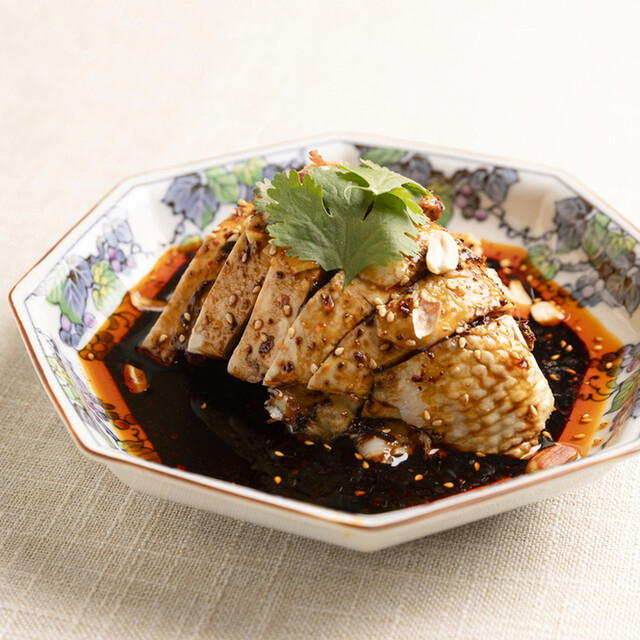
Chinese Sai Muen
Nagano, Japan
Book Chinese Sai Muen if a Nagano trip needs a serious Chinese meal in the middle price band rather than another soba or hotel dining reservation. The Tabelog Bronze and Tabelog 100 recognition give it a stronger quality signal than its easy booking profile suggests; dine-in is the smarter play than relying on off-premise.
Chinese Choyuuro (Yokohama Baycourt Club Hotel & Spa Resort)
Yokohama, Japan
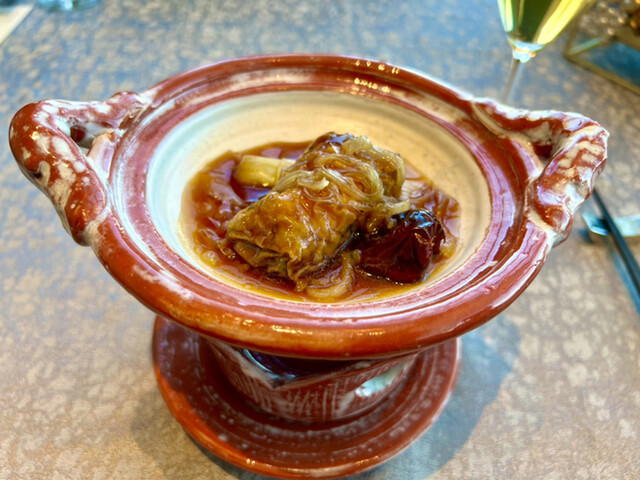
A Tabelog 百名店–recognized Chinese restaurant on the 14th floor of Yokohama Baycourt Club, with private rooms, bay views, and a wine program deeper than most Kanagawa peers. Members-only access keeps booking selective, but the JPY 15,000–19,999 dinner and JPY 5,000–5,999 lunch tiers deliver polish and space for groups. Worth it if you can secure a reservation.
Matsuishi
Miyagi, Japan
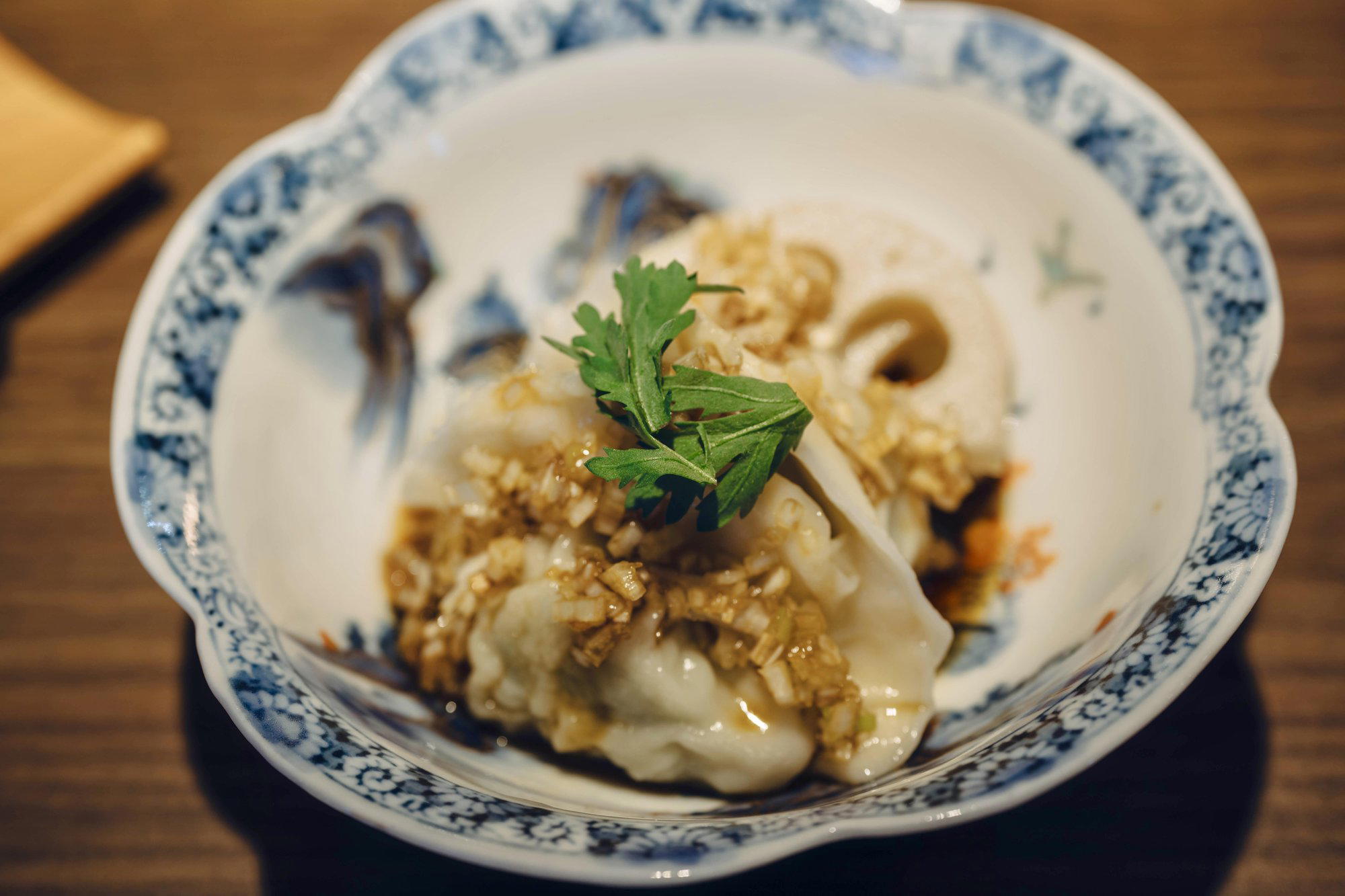
Eight-seat Chinese counter in Sendai offering course-only menus built from Miyagi and Yamagata ingredients. Tabelog Bronze–awarded with straightforward booking, lunch around ¥6,000–7,999 and dinner ¥10,000–14,999. More accessible than Tokyo peers, with the same award credibility and a regional-sourcing philosophy that changes with the season.
Kaikatei
Fukui, Japan
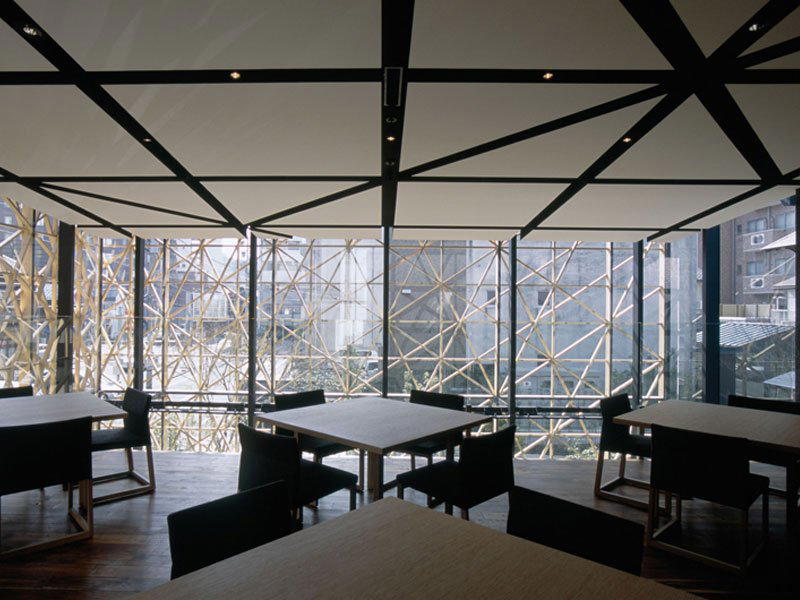
Kaikatei is a 24-seat Chinese restaurant in Gifu that has held the Tabelog Bronze Award every year from 2017 through 2026, with actual dinner spend running JPY 20,000–29,999 per head. The eight-seat counter on the ground floor is the right choice for solos and pairs. Book by phone or via Pocket Concierge; last dinner order is 20:30, so plan accordingly.
toraneko
Nagoya, Japan
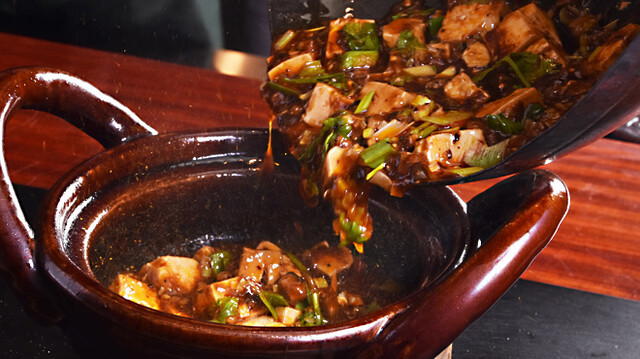
Cantonese-inspired Chinese cooking with a wellness focus and medicinal cocktail program in a 11-seat Nagoya house restaurant. Recognized by Tabelog 100 – Chinese cuisine – EAST – 2026, toraneko runs JPY 15,000–19,999 for a fixed-start dinner emphasizing seafood and health-forward preparations. Book if you want lighter Chinese fare and a bar-driven experience; skip if you prefer wine pairings or à la carte flexibility.
Chinese Momiji
Sapporo, Japan
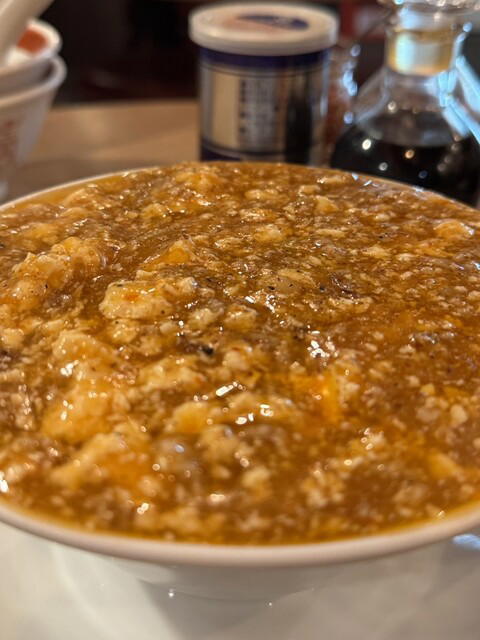
A Tabelog 100 Chinese kitchen inside Sapporo's Tanukikoji Market, delivering award-recognized wok cooking at ¥3,000–¥3,999; the most accessible price point among the city's credentialed Chinese restaurants. Three consecutive selections (2023, 2024, 2026) signal consistent execution in a casual, market-arcade setting with minimal formality and no private rooms.
fu-fu shisen
Fujisawa, Japan
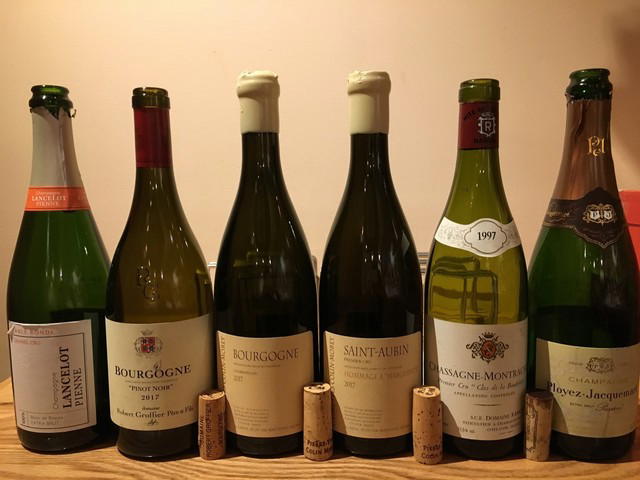
A 10-seat Sichuan counter in Fujisawa serving seafood-and-vegetable courses (JPY 8,000–9,999) with organic sourcing, no meat, and a natural-wine program. Tabelog 100 recognition (Chinese EAST 2026, 2023) has tightened bookings to three weeks out; reserve via Instagram DM only. Pair lighter spice with European wines in a small, reservation-only room that suits pescatarians and wellness travelers more than heat-seeking omnivores.
Chinese Shunsai Chaamaen
Fujisawa, Japan
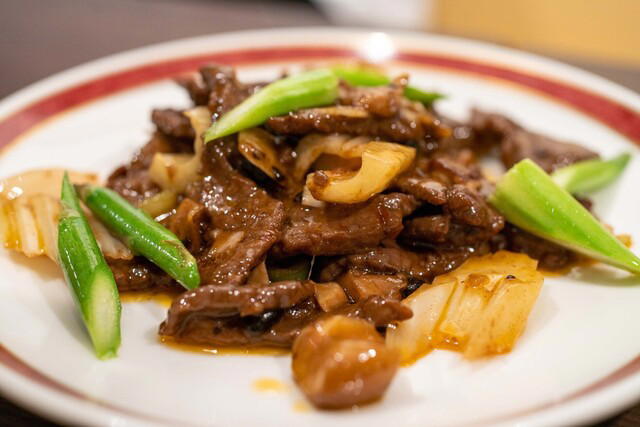
A 20-seat Chinese restaurant in Fujisawa earning Tabelog Chinese EAST 100 recognition four consecutive cycles. Dinner courses run JPY 10,000 to JPY 14,999, with sake, shochu, and wine selection deeper than most neighbourhood peers. Weekend lunch requires dim sum course booking; weekday lunch by reservation only. Three minutes from JR or Odakyu Fujisawa station, non-smoking, no parking.
MASA'S KITCHEN Nagoya JR geeto tawaa
Nagoya, Japan
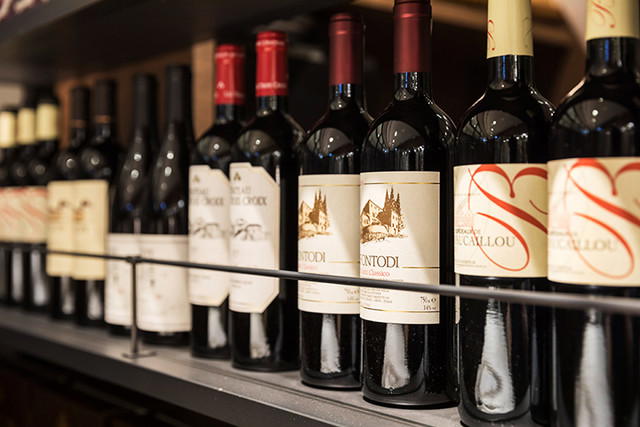
A Sichuan-focused Chinese restaurant on the 12th floor of JR Gate Tower, named to the Tabelog 100 - Chinese cuisine - EAST list every cycle since 2021. Individual-portioned courses, tantan-men depth, and Western plating discipline distinguish it from typical station-mall tenants. Lunch (JPY 1,000–JPY 1,999) delivers sharp value; dinner (JPY 6,000–JPY 7,999) adds a 10% service charge and fuller coursed formats. Counter seats offer wok-view engagement, while three semi-private rooms suit groups of four or more.
Binshan Li
Hamamatsu, Japan
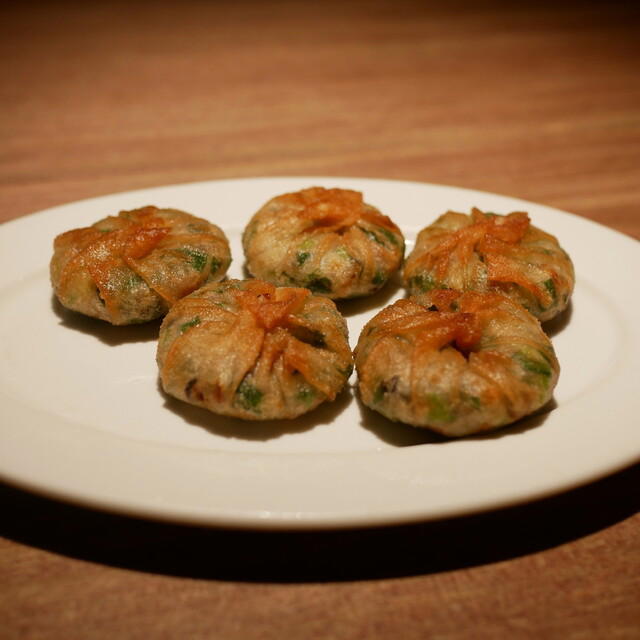
A fifth-floor Cantonese dim-sum specialist near Daiichi-dori Station, recognized on Tabelog's 100 Chinese EAST list in 2023 and 2026. The à la carte format runs JPY 6,000–7,999 for dinner, with handmade dumplings, steamed pork buns, and a relaxed 45-seat layout that accommodates groups more easily than most Hamamatsu dining rooms. Book two to three weeks ahead for prime slots, or try weekday early seating around 5:30 PM for better availability.
Nanohana
Nagoya, Japan
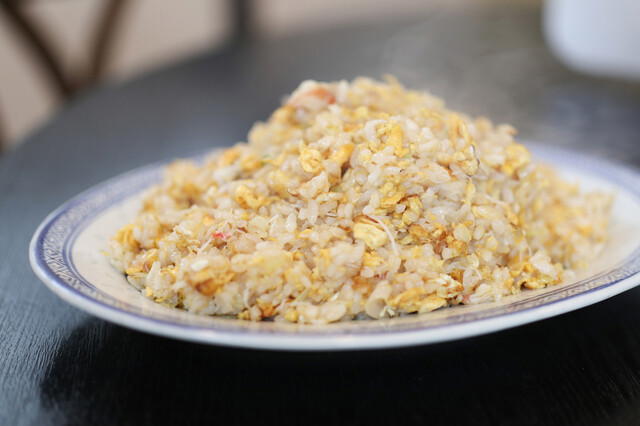
Nanohana is a 14-seat house restaurant in Chikusa Ward earning four consecutive Tabelog 100 East selections for fish-focused Chinese cuisine at JPY 1,000–1,999 lunch and JPY 2,000–2,999 dinner. The family-friendly format and relaxed atmosphere deliver more refinement than the price suggests, making it a practical choice for groups seeking quality without omakase commitments.
Koran
Nagoya, Japan
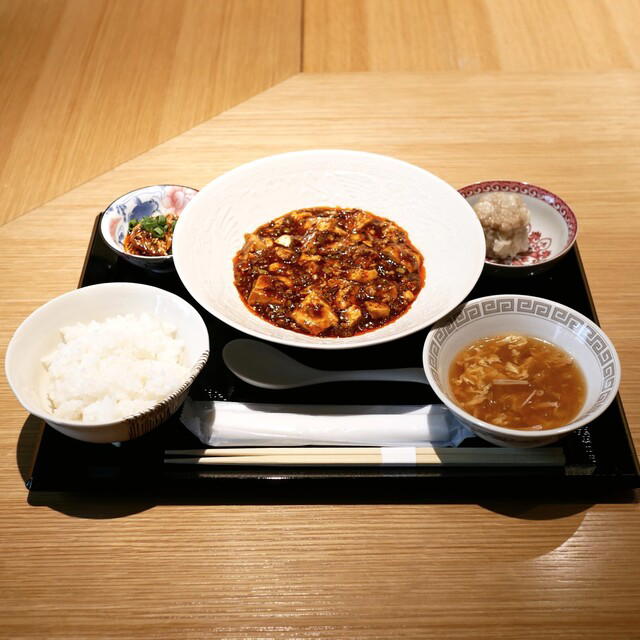
Eleven-seat Chinese counter in Nagoya's Sakae district, earning Tabelog 100 Chinese EAST recognition within two years of opening. Dinner runs JPY 15,000–19,999 with a 10% service charge; bi-weekly Instagram-only lunch (JPY 1,000–1,999) books out weeks ahead. Counter seating only; no private rooms.
Chatora Hanten
Suwa-gun, Japan
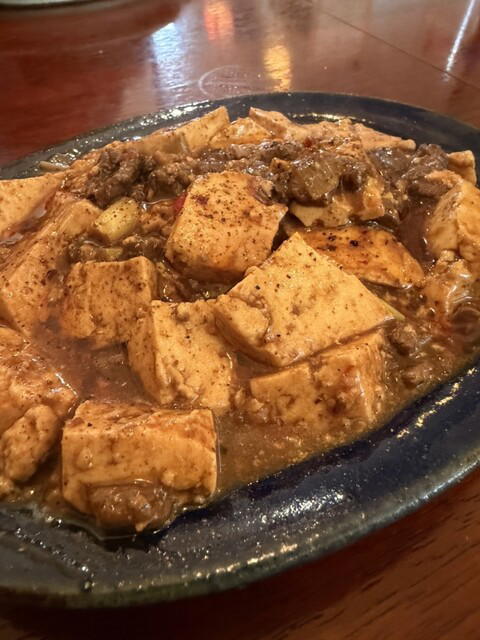
Tabelog 100 Chinese EAST 2023–2026, this Fujimi neighborhood spot delivers consistent wok-fried and braised Chinese cooking at JPY 4,000–JPY 4,999 dinner, JPY 1,000–JPY 1,999 lunch. Cash-only, reservations accepted, parking available, and private-use option for small groups. Closed Tuesdays and Wednesdays; no Saturday lunch.
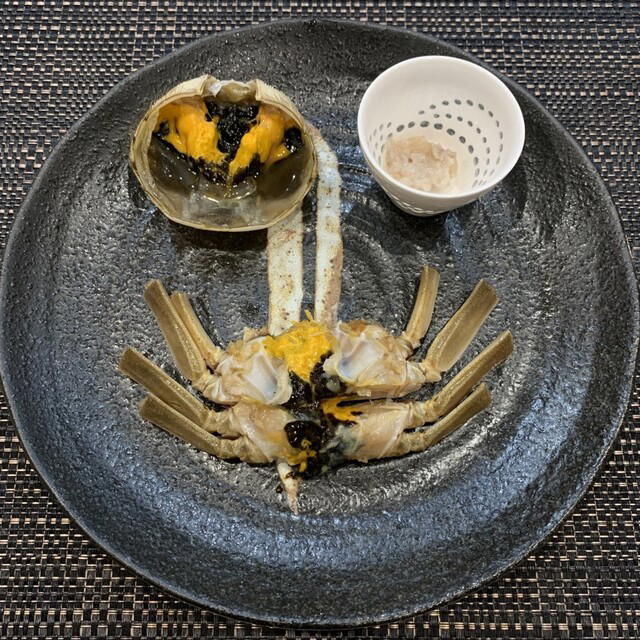
Chinese Meisai Rekishin
Nagoya, Japan
An eight-seat counter in Nishi-ku delivering omakase-style Chinese tasting menus at JPY 10,000–14,999, recognized on Tabelog's 2026 100 list. Referral-only access keeps the room intimate and the execution focused, making it a strong value play for diners already embedded in Nagoya's dining network.
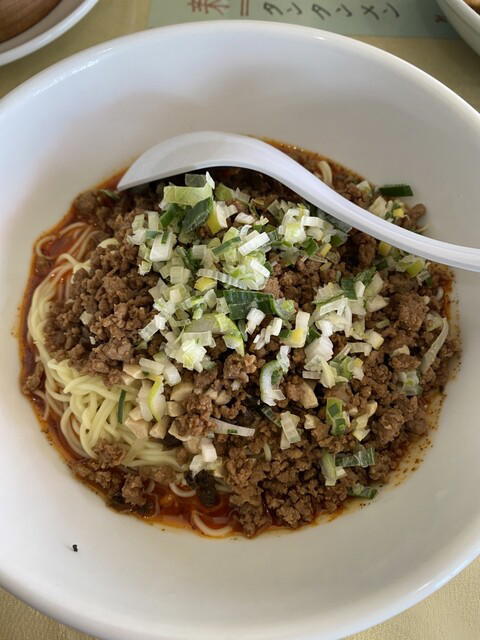
Ryu no Ko
Kitaadachi-gun, Japan
A Tabelog 100 - Chinese cuisine - EAST 2026 selection in Ina, this 18-seat spot serves Sichuan and ramen at JPY 1,000–1,999 per meal. Lunch offers the sharpest value in a quick, local-heavy service; dinner runs the same menu but closes by 7:15 PM. Book a few days ahead for peak times, and bring cash; cards aren't accepted.
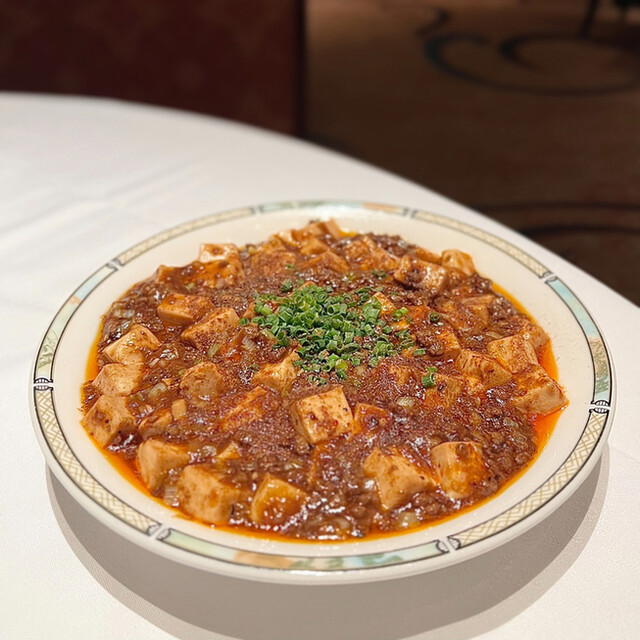
SILKROAD GARDEN
Urayasu, Japan
Four-time Tabelog 100 Chinese restaurant inside Hotel MiraCosta at Tokyo DisneySea, serving dim sum and Cantonese plates until 10 PM; unusually late for resort hotel dining. Expect JPY 15,000–19,999 dinner, three private rooms, sommelier service, and priority seating that still entails short waits during peak times. Worth booking for families celebrating milestones or groups needing post-fireworks dining without leaving the resort.
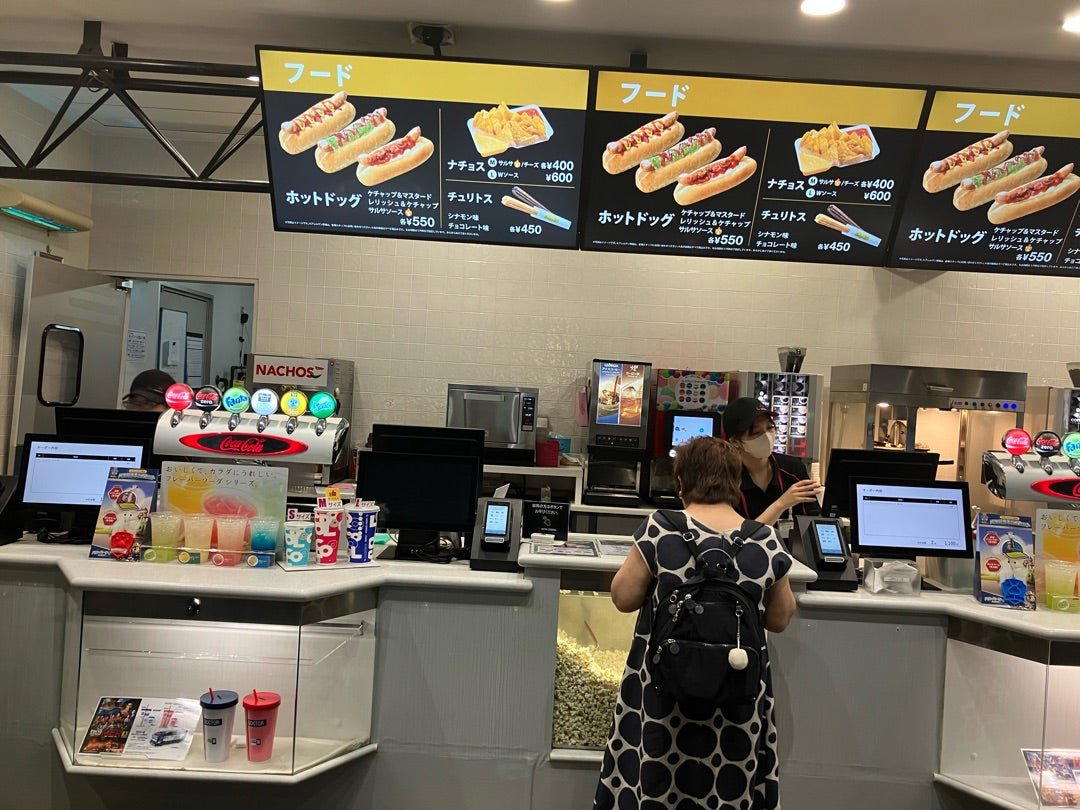
Shinzenbi
Nagoya, Japan
Shinzenbi is a 12-seat Sichuan counter in Nagoya's Higashi Ward, holding Tabelog Silver for 2025 and 2026 with a score of 4.43. Dinner only, starting at 18:30, with prices ranging from JPY 30,000 to JPY 49,999 per head including a 10% service charge. Reservation-only, closed Mondays. The strongest case for high-end Sichuan in Nagoya with no direct local rival at the same award level.
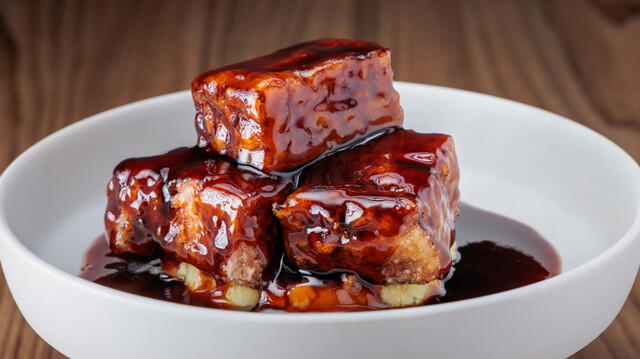
rokuhachikyuujuuba
Nagoya, Japan
Sichuan and creative Chinese dishes meet a wine-and-cocktail program in Daikancho, earning a 2026 Tabelog 100 East spot. The 21-seat room splits between an 11-seat counter and tables for up to 20, with same-day bookings usually available and dinner running JPY 5,000–5,999. Smart casual dress, multilingual staff, and BYO-friendly service make this a regular-friendly option in Nagoya's growing Chinese scene.
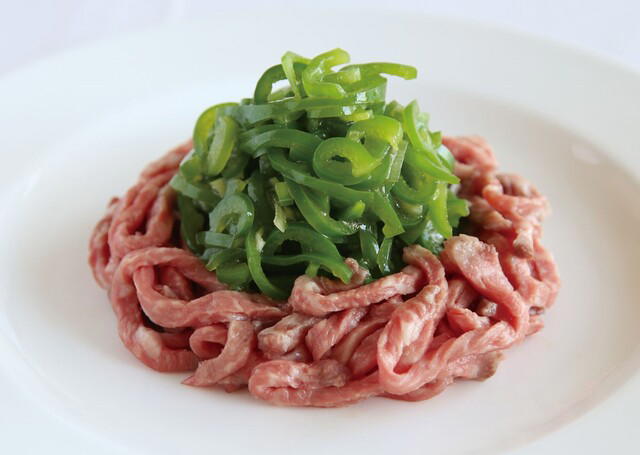
Szechuan Restaurant Chin Nagoya
Nagoya, Japan
Szechuan Restaurant Chin Nagoya serves Sichuan cuisine in JR Central Towers with Tabelog 100 recognition (Chinese - EAST 2026). Dinner runs JPY 6,000–7,999, lunch JPY 2,000–2,999. The kitchen adjusts seasonal ingredients while maintaining mala heat levels; private rooms seat 8–20, and counter seating suits solo diners. Reservations recommended for dinner and weekends.
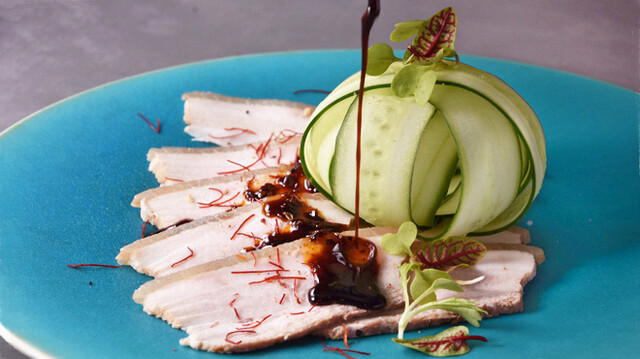
451
Nagoya, Japan
A Meieki-area dinner pick for travelers who want a more deliberate Nagoya meal, not a quick casual stop. The price sits above the city's everyday options, but the 2026 Tabelog 100 #56 recognition gives it a stronger reason to book when dinner needs structure and credibility.
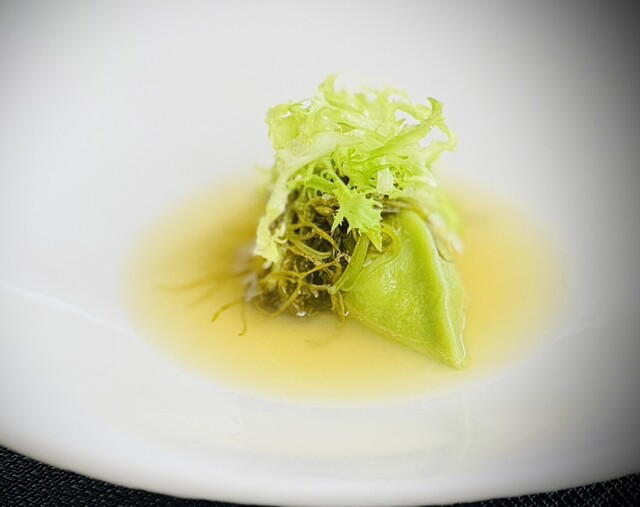
Chinese jiu
Iwate, Japan
Eight-seat Chinese counter in Shiwa showcasing Iwate vegetables and Kamaishi fish through Sichuan-Cantonese technique. Recognized in Tabelog 100 Chinese EAST 2026, with dinner coursed menus at JPY 10,000–14,999 and full-restaurant buyout available for groups up to 20. Book two to three weeks ahead; closed Sundays.
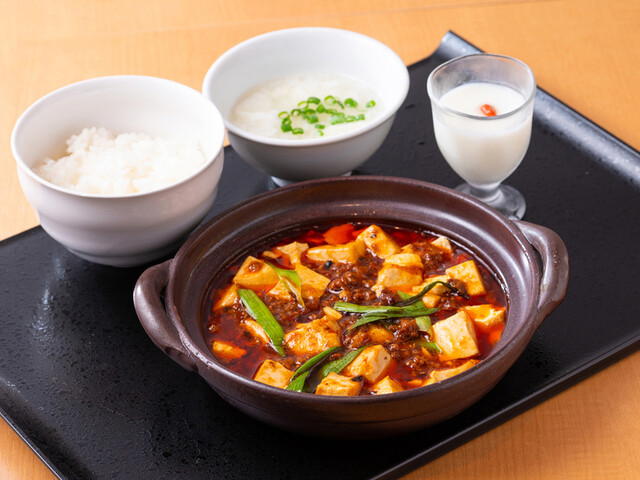
chinese restaurant HAKUBI
Saitama, Japan
Book chinese restaurant HAKUBI when you want a composed Saitama meal that feels more polished than a casual stop without jumping to the higher eel-house tier. It is a stronger fit for dates, small celebrations, and business meals than for quick solo dining or highly specific cravings.
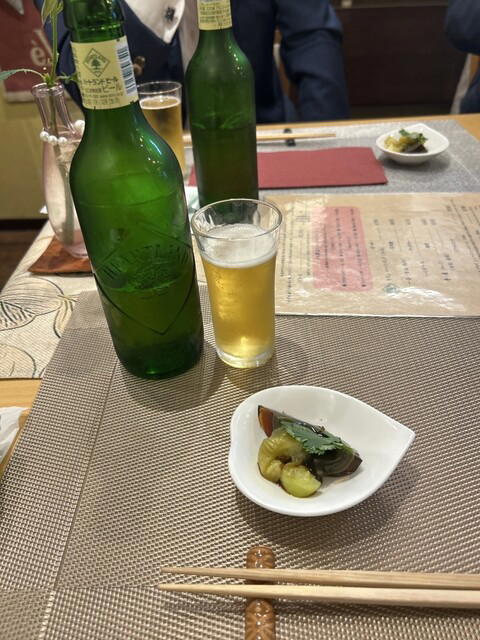
Keitoku
Saitama, Japan
A 14-seat Tabelog 100 Chinese counter in Yono serving health-forward Guangzhou and Sichuan cooking at JPY 3,000–3,999; three times cheaper than Tokyo's Michelin-starred equivalents. The omakase format (JPY 6,800, same-day bookings accepted) features lighter sauces, reduced salt, and natural wine pairings guided by an English-speaking sommelier.

Eikichi
Kawaguchi, Japan
Eikichi is a 17-seat neighbourhood Chinese restaurant near Nishikawaguchi Station, recognized on Tabelog's Chinese EAST 100 list for 2021, 2024, and 2026. The tantan-men and gyoza draw the crowds, with lunch under JPY 1,000 and dinner JPY 1,000–1,999. Counter seating, casual format, and no-reservation lunch make it an easy stop for quality cooking without formality.
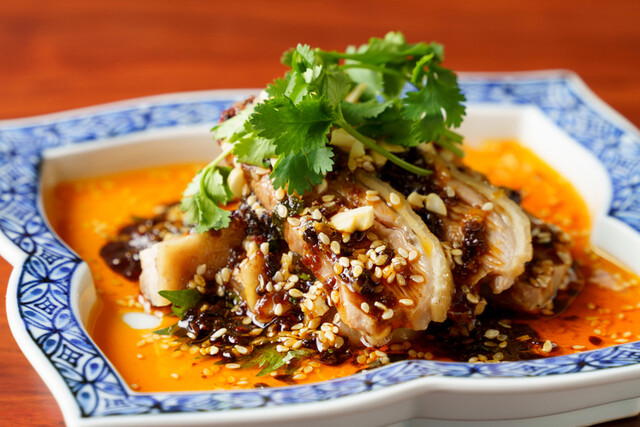
Chuka Kappo Warajin
Nagoya, Japan
Tabelog 100 Best Chinese (East) 2026 honoree near Nagoya Station, offering Sichuan-leaning tavern fare in a 28-seat space with counter and sunken seating. Dinner runs JPY 8,000–9,999 plus 10% service charge; private buyouts accommodate 20–50 guests. No lunch service; reservations open online.
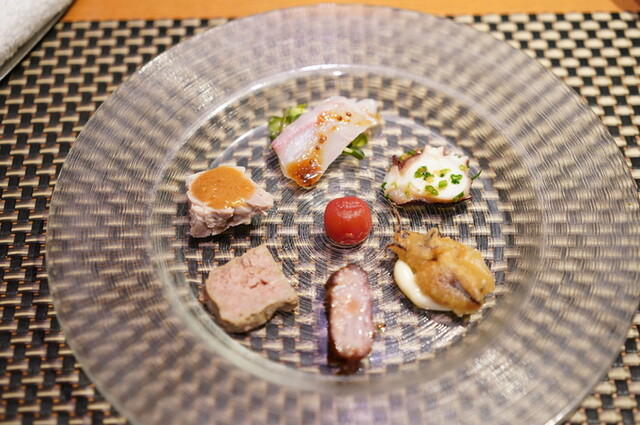
UCHIDA‐TEI
Kawasaki, Japan
A sixteen-seat Chinese restaurant in Musashi Kosugi recognized in Tabelog Chinese EAST "Tabelog 100" 2026, offering seasonal cooking and a wine-forward drinks program. Dinner runs JPY 10,000–JPY 14,999; lunch JPY 6,000–JPY 7,999. Private room available for four; main floor books for groups of seven to thirteen.
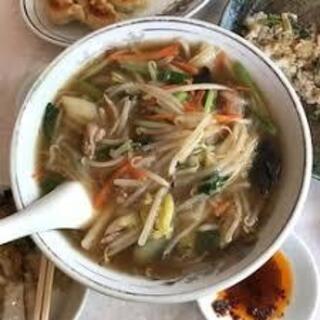
Ryuho
Yokohama, Japan
Ryuho delivers Tabelog 100-recognized Cantonese cooking at JPY 3,000–3,999 per head, focusing on seasonal fish, charcoal-grilled char siu, and herbal soups in a 48-seat Yokohama dining room. Operating since 1978, the kitchen builds omakase courses around market availability and requires online booking two days ahead. At this price, the technical execution rivals venues charging twice as much.
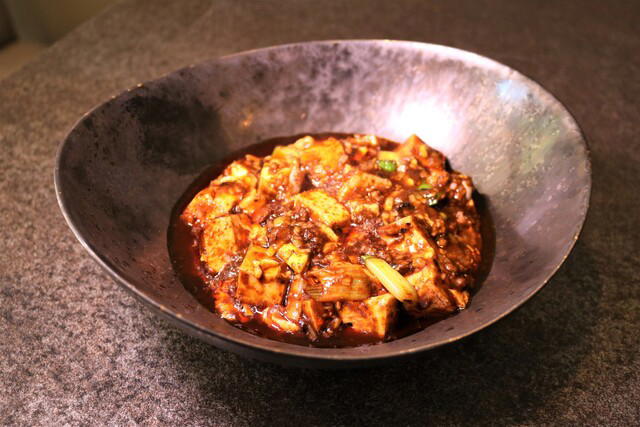
Shaotsai Iedie
Nagoya, Japan
Tabelog 100 Sichuan specialist in Nagoya's Higashi Ward with a fish-forward menu and a four-year track record since 2019. Lunch under JPY 1,000 and dinner around JPY 6,000 at an 11-seat counter with Instagram-only reservations. Worth booking for repeat visits once you've exhausted the gateway dishes.
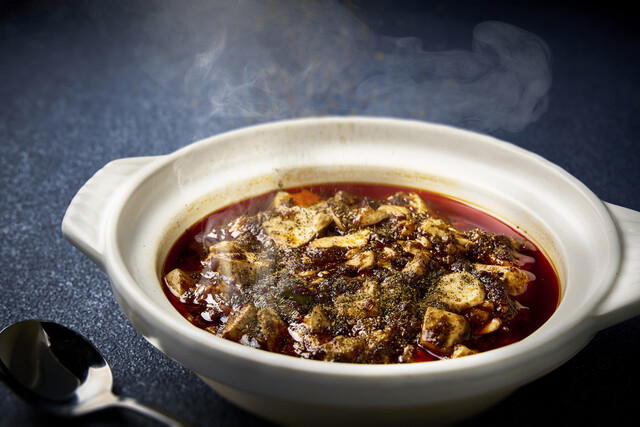
Shizuoka Sichuan Hanten
Shizuoka, Japan
Three-time Tabelog 100 Chinese EAST honoree serving Sichuan cuisine below Nakajimaya Grand Hotel. JPY 4,000–JPY 4,999 dinner pricing, 80-seat capacity with private rooms, and family-friendly policies make it Shizuoka's most accessible award-tracked Chinese option. Strong fish sourcing, full beverage expertise, and easy walk-in availability for weekday lunch.
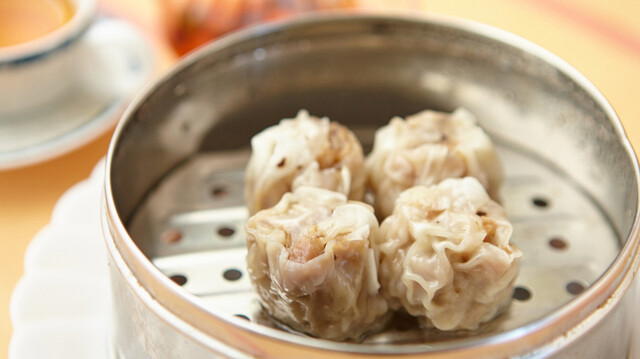
Kayu Nabou
Kawasaki, Japan
Kayu Nabou is a 14-seat Cantonese dim sum and congee hideout in Musashi Kosugi, recognized on Tabelog's Chinese EAST 100 list for four consecutive years (2021, 2023, 2024, 2026). At JPY 1,000–1,999 lunch and JPY 2,000–2,999 dinner, it delivers vegetable-focused, health-conscious preparations with tea service in a relaxing, private-use-available space. Book ahead for weekend lunch or weekday dinner; cash only, and frequent temporary closures make advance confirmation essential.
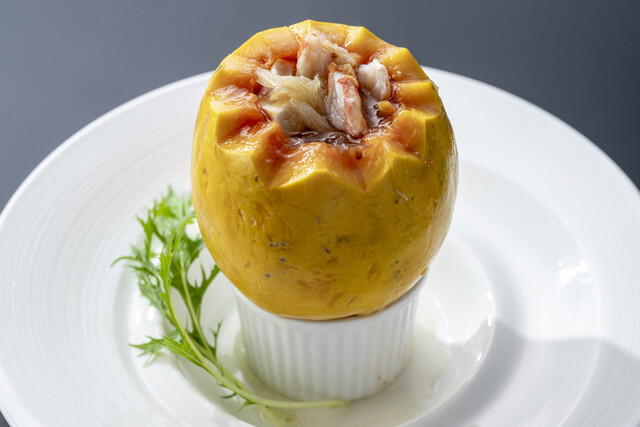
SUIRINKAKU
Yokohama, Japan
SUIRINKAKU earned its Tabelog 100 Chinese East 2026 spot with refined Nouvelle Chinoise technique across two floors near Bashamichi Station. The lunch menu (JPY 6,000–7,999) delivers the same seasonal approach as the pricier dinner service (JPY 15,000–19,999), making daytime the smarter entry point for first-timers testing the value before committing to the evening investment.
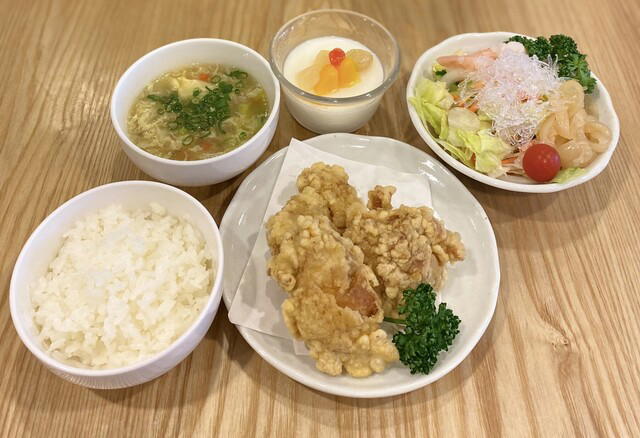
Chinese Komugiko Ryori Senmonten Keisen
Chiba, Japan
A Northeast Chinese wheat-flour specialist near Tsuga Station, recognized by Tabelog Chinese EAST "Tabelog 100" three years running. Spring pancakes (chunbing) and handmade dumplings prepared by a Dalian-trained noodle chef anchor the menu, with private tatami rooms and monthly lunch concerts adding occasion to a casual JPY 1,000–1,999 price tier. Book ahead and specify course or à la carte preference when reserving.
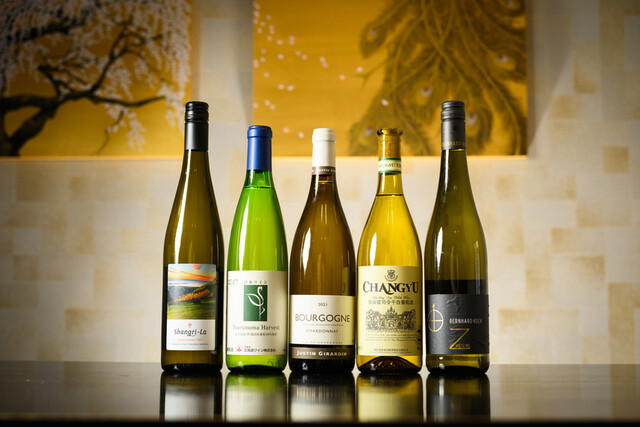
HIROAKI
Tomakomai, Japan
HIROAKI in Tomakomai is the only Tabelog Chinese EAST 100 honoree outside Sapporo, recognized in both 2023 and 2026. The 13-seat space serves creative Sichuan courses using Hokkaido fish, vegetables, and Hokusetsu beef, with reservations required by 10 PM the night before. Dinner runs ¥15,000–19,999, lunch ¥6,000–7,999.
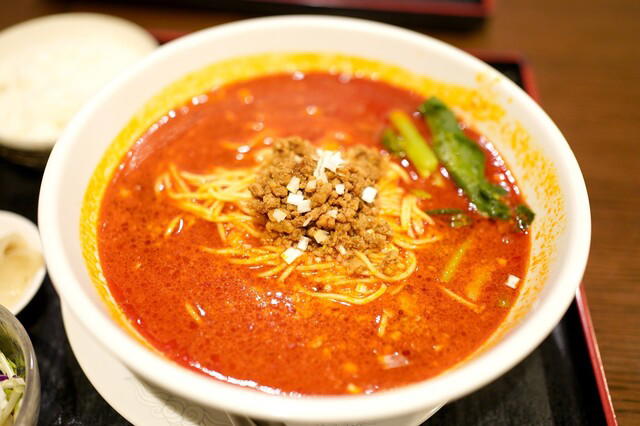
Matsu no Ki
Kawasaki, Japan
Tabelog 100 - Chinese cuisine - EAST - 2026 (#70) Sichuan specialist in Miyamotocho delivering award-calibre mapo tofu and tantan-men at JPY 1,000–1,999. Dinner reservations available, lunch walk-in only. Worth booking for technically sound Sichuan cooking without the four-figure bill.
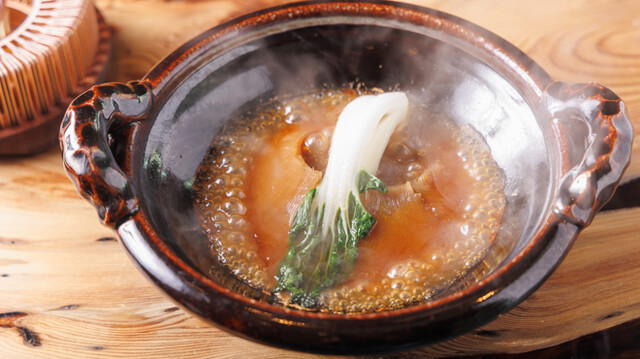
China Hanten Shunju
Nagoya, Japan
A 24th-floor Shanghai-focused Chinese restaurant inside The Royal Park Hotel Iconic Nagoya, opened in 2024 and earning Tabelog 100 – Chinese cuisine – EAST – 2026 within two years. Dinner runs JPY 10,000–14,999, lunch JPY 4,000–4,999, with five private rooms and a sommelier program that justifies the 15% service charge. Book the private rooms for celebrations or business entertaining; the main dining room offers quieter, view-focused meals than most hotel Chinese spots in Nagoya.
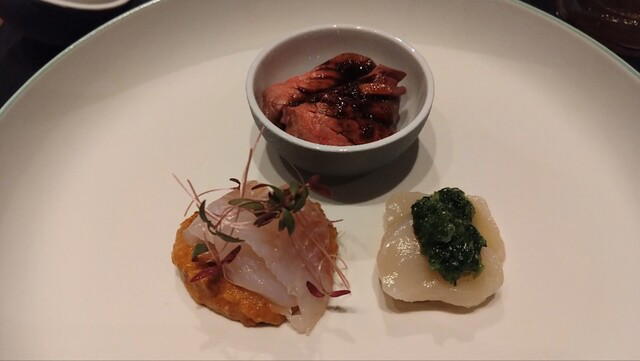
Shunka Rou Hirokoji ten
Obihiro, Japan
Obihiro's sole 2026 Tabelog 100 Chinese restaurant operates dinner-only at JPY 10,000–14,999, offering private rooms and parking 506 metres from the station. The Sunday-closed format and weekday 6–10 PM window suit groups seeking course-based Chinese cooking in a region otherwise dominated by yakiniku and ramen. Book weekdays for easier availability; the lack of lunch service and website means phone reservations are required.
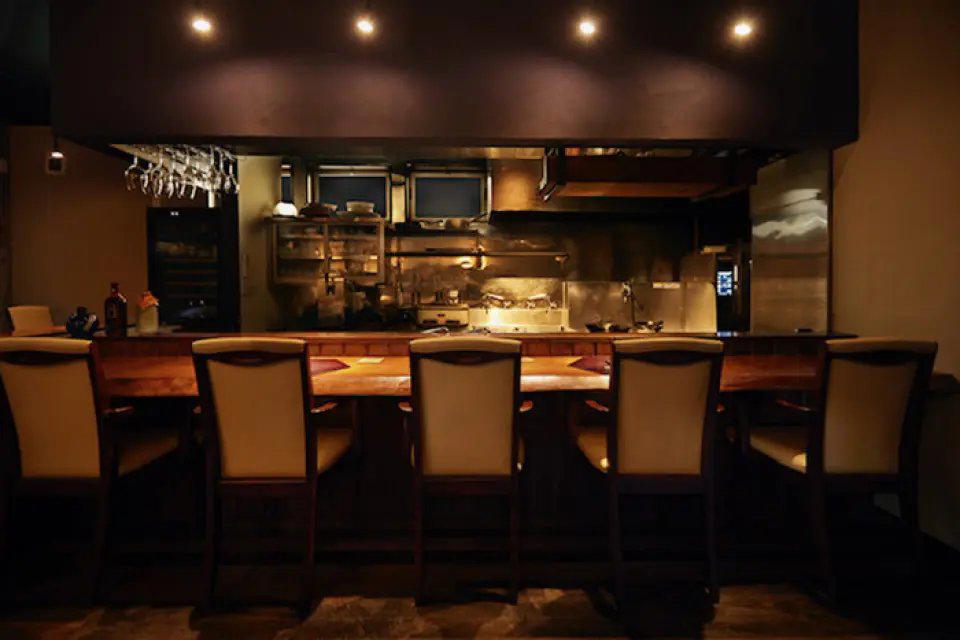
chukaryouriogiwara
Kashiwa, Japan
Kashiwa's fish-forward Chinese counter seats 10 for omakase-style progression at JPY 15,000–19,999 dinner. The 2020 opening earned Tabelog 100 – Chinese cuisine – EAST – 2026 selection, positioning the hideout second-floor space within the city's tightest dining tier. Reservations required; counter intimacy and seasonal fish focus reward regulars willing to cede menu control for chef-driven pacing.
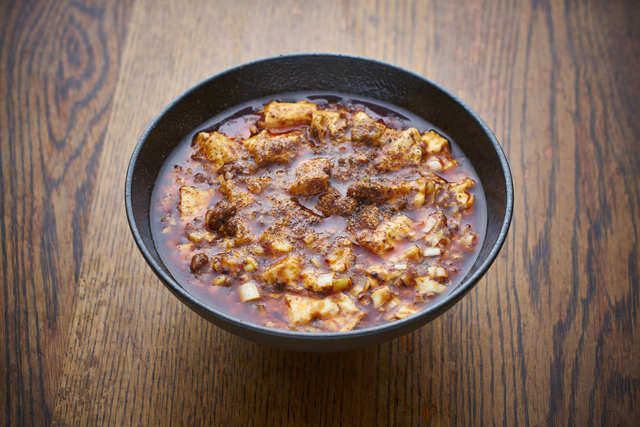
Agni
Mito, Japan
Agni is a strong Mito pick when the meal needs to feel considered without becoming a major splurge. The Tabelog 100 #74 recognition for 2026 gives it a clearer quality signal than many local alternatives, and easy booking makes it practical for dates, small celebrations, or a composed business meal.
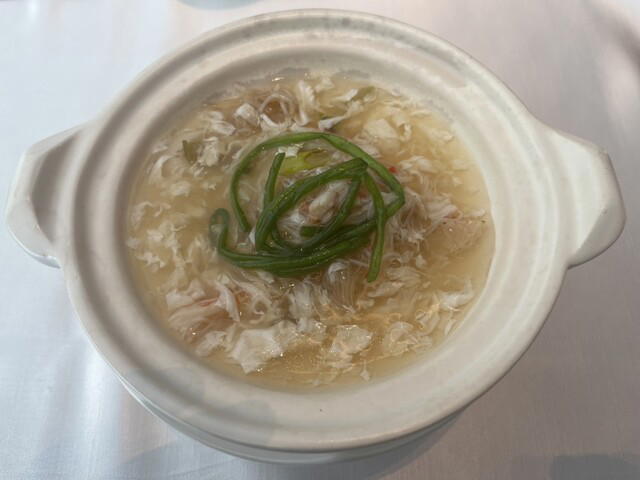
Choyuro Ragūna beikōto kurabu hoteru&su pa rizōto
Gamagori, Japan
Gamagori's sole Tabelog Chinese EAST 100 restaurant, located within the Laguna Bay Court Club resort, offers formal Cantonese dining at JPY 10,000+ per head. Reservation-only, private-room-equipped, and parking-friendly, it suits resort guests seeking technical Chinese cuisine for special occasions rather than casual diners looking for spontaneous local flavor.
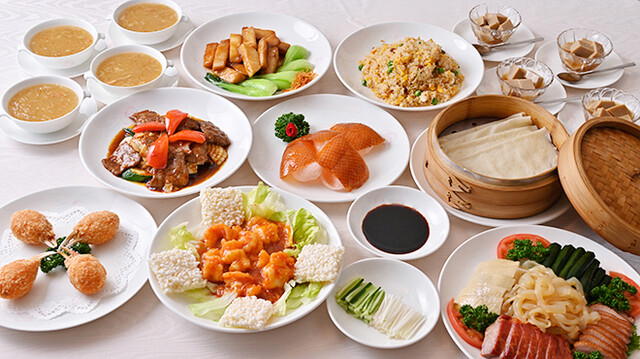
Kasei Rou Honten
Yokohama, Japan
A 600-seat Chinese banquet restaurant in Yokohama Chinatown offering course-only dining and extensive private room capacity for groups of four to two hundred. Tabelog 100 Chinese EAST 2026 recognition reflects consistent seafood-focused Cantonese technique. Easier to book than most award-listed peers, though the format and scale prioritize large parties over intimate meals.
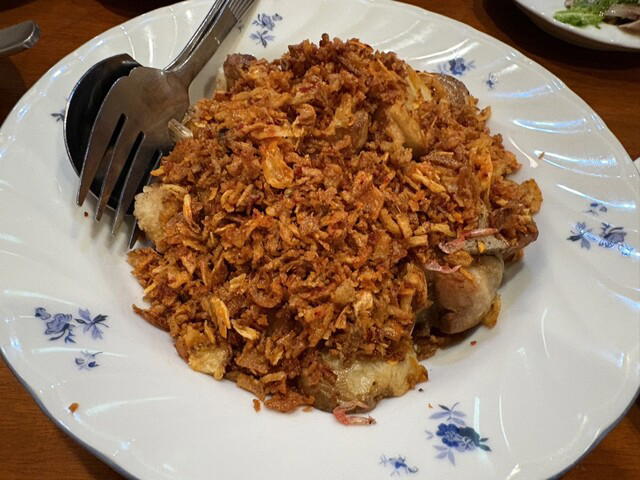
Chinese Santuru
Kawasaki, Japan
Chinese Santuru works for a modestly priced Chinese dinner in Kawasaki when the priority is value over ceremony. It is a better fit for casual dining than a polished special-occasion night, with nearby ramen, Kerala, yakiniku, and budget casual venues offering clearer alternatives depending on mood and spend.
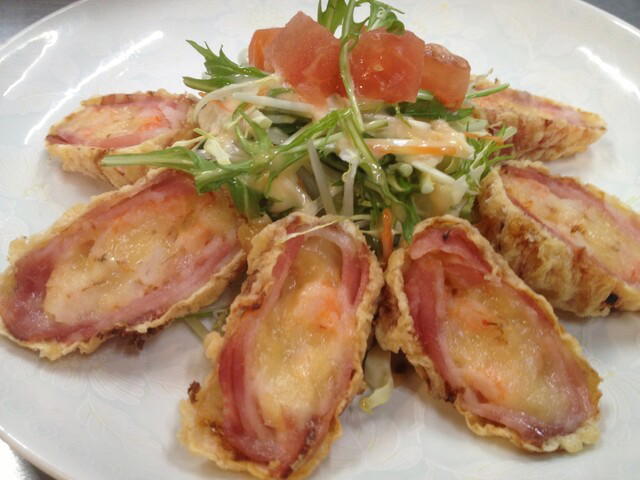
China Sichuan Kinsui En
Nagoya, Japan
A 17-seat Sichuan counter near Amagasaka station offering numbing-spice hot pot and tantan-men at JPY 1,000–1,999. Tabelog 100 recognition in 2024 and 2026 underscores the chef's five-star Sichuan hotel training, with the same menu and pricing at lunch and dinner making it one of Nagoya's most accessible award-tier addresses.
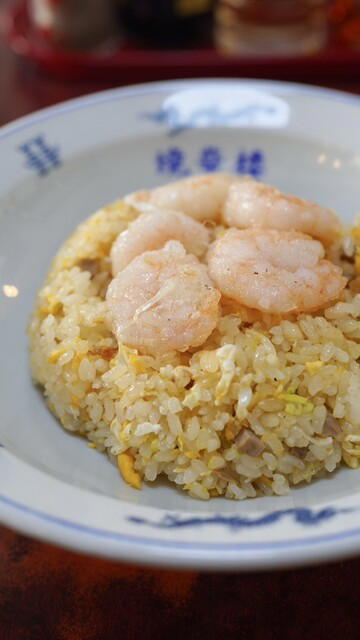
Chinese Kyoka Rou
Yokohama, Japan
Chinese Kyoka Rou earned a spot on Tabelog 100 Chinese EAST 2026 while keeping prices at JPY 1,000-1,999 for both lunch and dinner. The 30-seat Seya Ward restaurant near Mitsukyo Station operates walk-in only, six days a week until 7:00 PM, delivering consistent Chinese and ramen execution for local diners who value quality over ambiance.
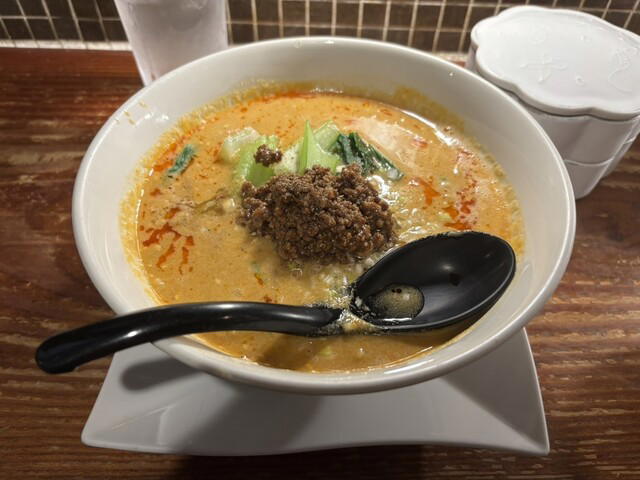
China Hime Hana
Nagoya, Japan
A 20-seat counter-only Chinese restaurant in Showa Ward that earned Tabelog 100 recognition with Sichuan-leaning cooking priced at JPY 5,000-5,999 for dinner and JPY 1,000-1,999 at lunch. The format is casual; cash-only, counter seating, wine-focused beverage program; but the kitchen delivers the technical precision that justifies the award.
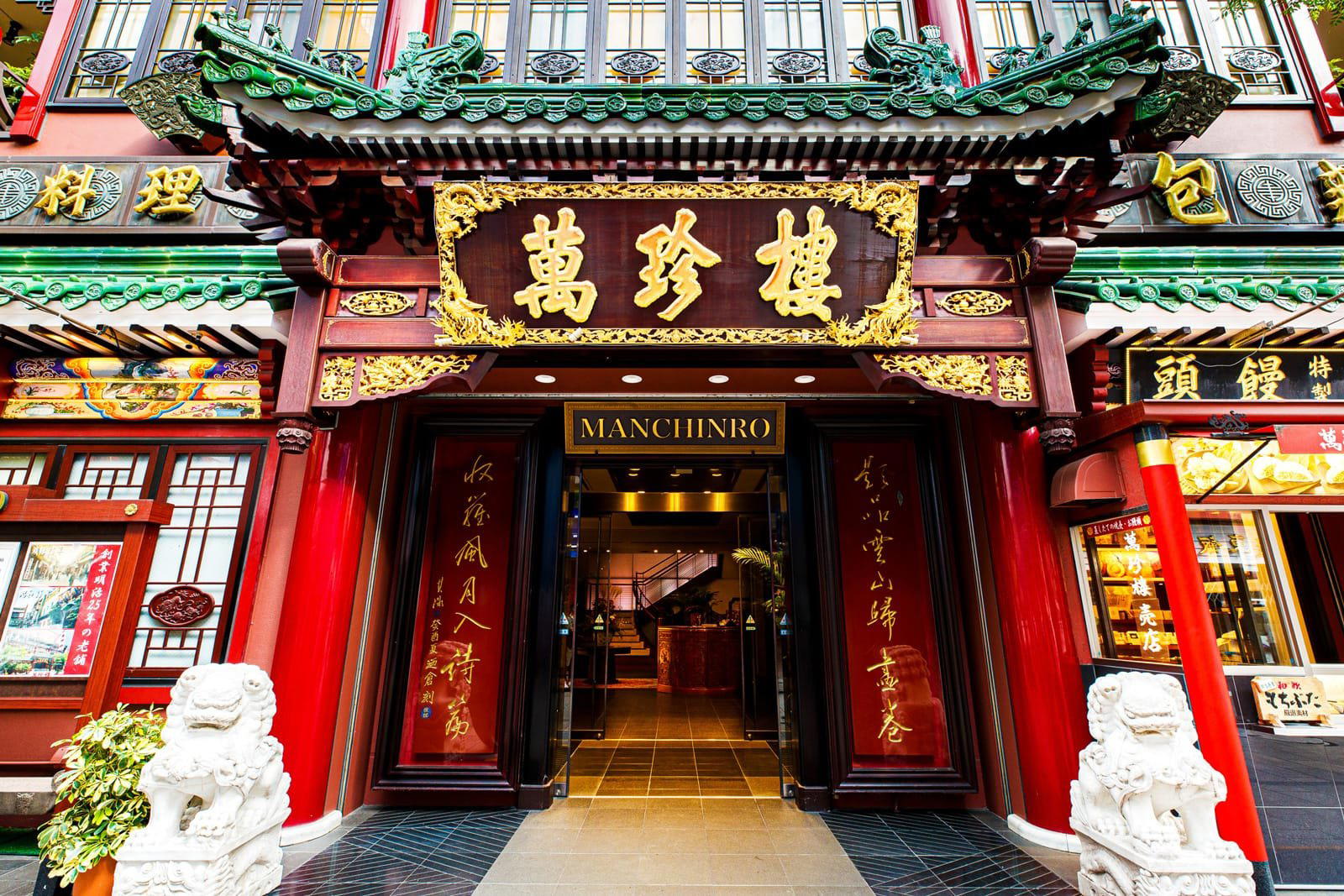
Manchinro Tenshinpo (萬珍樓 點心舗)
Yokohama, Japan
A practical Yokohama Chinatown pick for a planned Chinese meal, especially lunch or a family-style celebration. Manchinro Tenshinpo (萬珍樓 點心舗) is easiest to justify when reliability and location matter more than novelty; solo diners may get better value from a more casual Yokohama option.
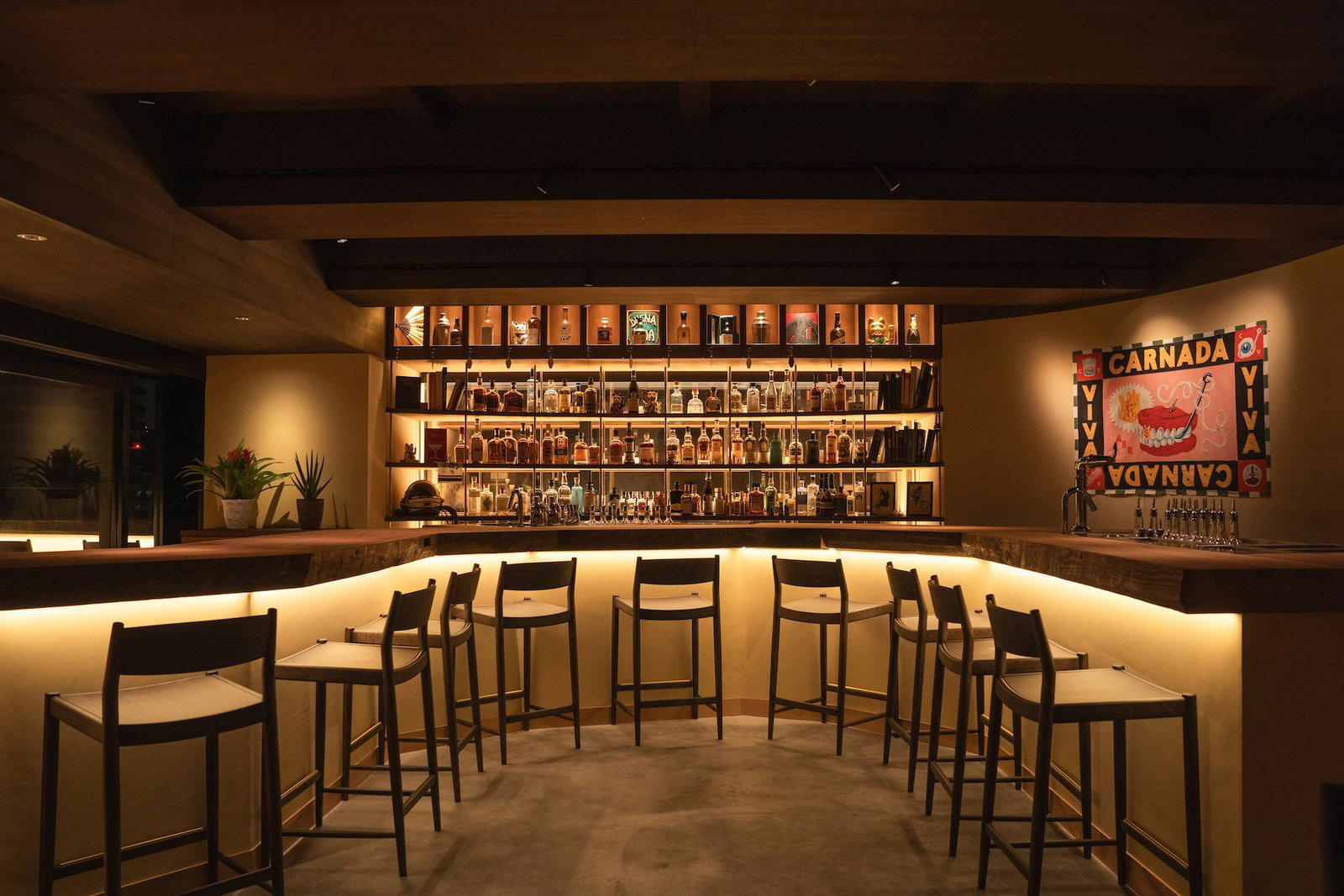
Aichun
Yokohama, Japan
A 56-seat Chinese restaurant in Yokohama's Motomachi-Chukagai district, renovated in 2023 and recognized in Tabelog 100 for three consecutive years (2023, 2024, 2026). Lunch and dinner both run JPY 1,000-1,999, with course-menu reservations available and walk-in à la carte ordering welcome. Cash-only, family-friendly, and six minutes from Motomachi-Chukagai Station.
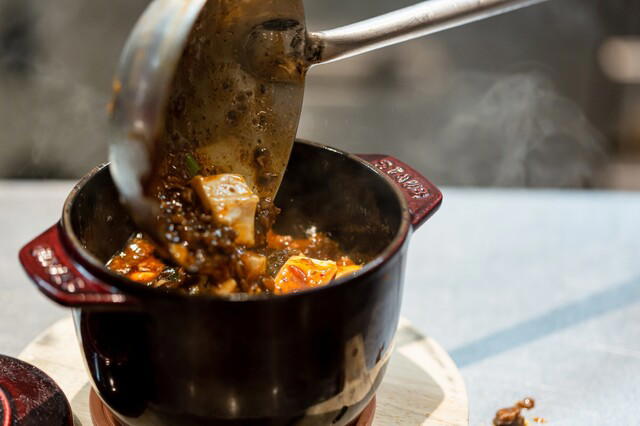
THE CONDER HOUSE
Nagoya, Japan
Tabelog 100-recognized Chinese and pan-Asian dining in Nagoya's Nishiki district, offering JPY 6,000-7,999 dinners in a 140-seat space that balances technical execution with family-friendly service. Easier to book than most award-tier peers, with all-you-can-drink options, private rooms, and multilingual service that suits both celebrations and weeknight meals.
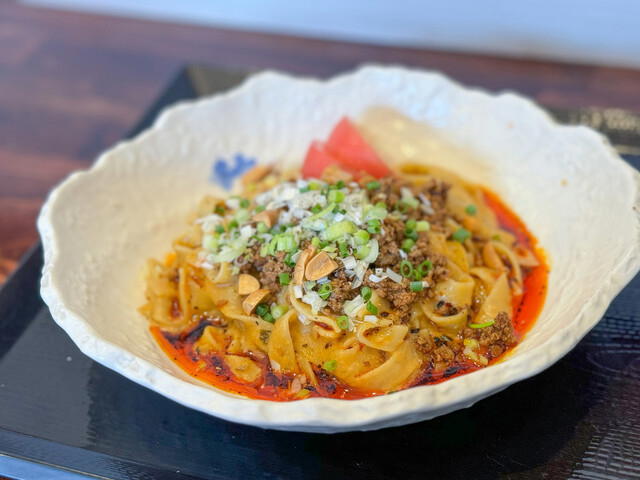
Chinese Sai Tanaka
Nagoya, Japan
Tabelog 100 East China 2026 recognition at under JPY 3,000 for dinner makes this 18-seat Narumi specialist a practical pick for tantan-men and counter-service Chinese. Four minutes from Narumi Station, family-friendly, easy reservations, and parking for six; book when suburban access and heat-forward bowls align with your plans.
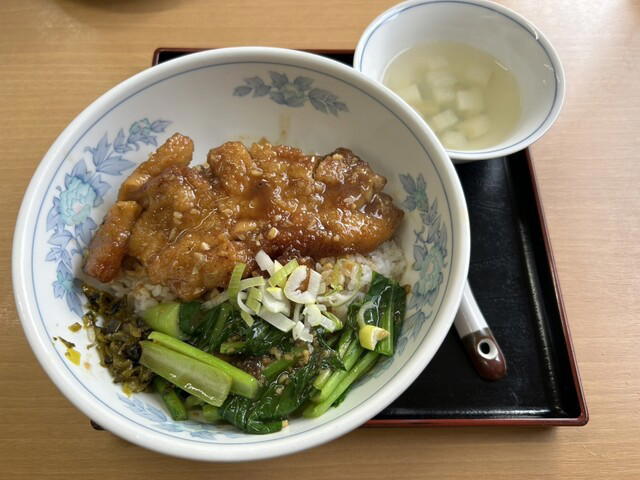
Taiwan Shokitsu Ten Chinron
Funabashi, Japan
A Tabelog 100 Taiwanese and Chinese kitchen in Funabashi, selected three consecutive years (2023–2026) for EAST region recognition. Counter seating, cash-only, and lunch under JPY 2,000 make this a value-driven choice for neighbourhood Chinese cooking at award-recognised quality. Reservations accepted, walk-ins common at lunch.
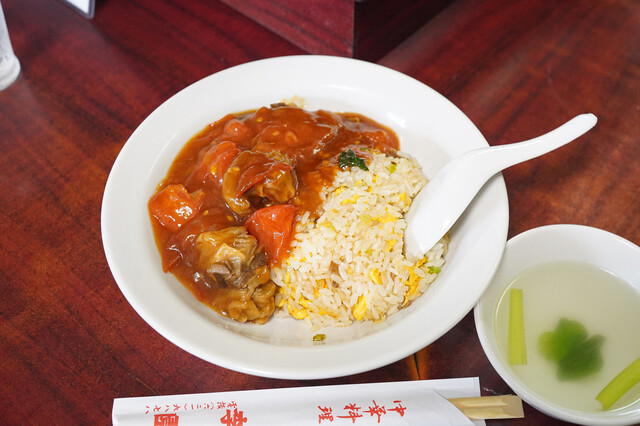
Ri En
Yokohama, Japan
A no-reservation Chinese dumpling and noodle shop near Yamate station, recognized on Tabelog 100 Chinese EAST for 2026. The 20-seat counter-focused room runs JPY 1,000-2,999 and fills fast at opening, with hand-wrapped dumplings and brisk wok cooking. Cash only, smoking permitted, best for solo diners or pairs willing to queue.
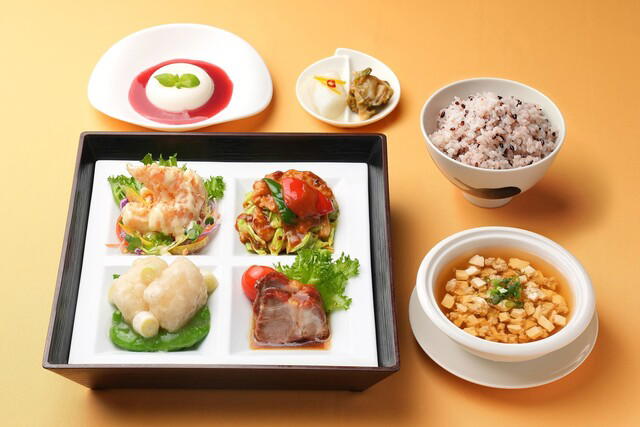
Manchin ro Honten
Yokohama, Japan
This 1892-founded Cantonese house in Yokohama Chinatown splits into two experiences: JPY 4,000-4,999 dim sum lunches with cart service, and JPY 10,000-14,999 seafood-focused dinners in private rooms for up to 50 guests. Tabelog 100 recognition since 2021 confirms consistent technique, and 480 seats mean flexibility most peers lack; but lunch crowds and private-room fees require advance planning.
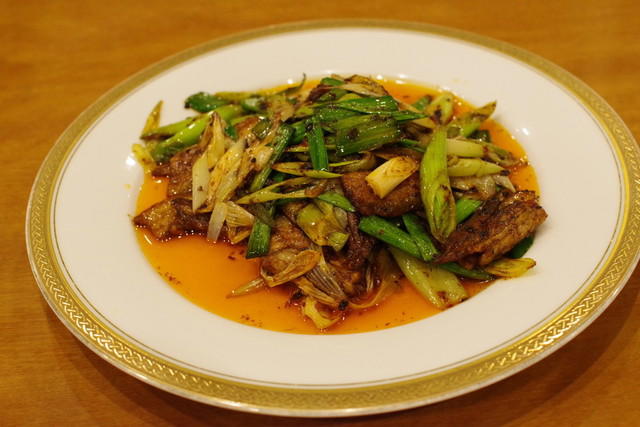
Tenhou
Mishima, Japan
Cash-only Chinese restaurant with Tabelog 100 recognition (2023, 2026), serving groups of two or more in a 30-seat space mixing tatami, sofa, and table seating. Dinner runs JPY 3,000–JPY 3,999, lunch JPY 1,000–JPY 1,999; 30-space gravel parking lot, 13 minutes from Mishima Futsukamachi Station. No single diners, no credit cards.
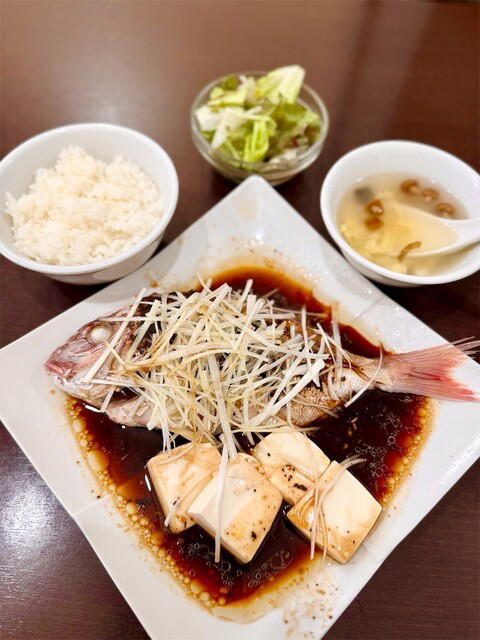
Kyo Chubo
Yokohama, Japan
A Tabelog 100 Chinese restaurant in Yokohama Chinatown where lunch costs under JPY 1,000 and dinner rarely exceeds JPY 2,000. The 50-seat space handles groups, accepts reservations, and delivers technique-driven cooking without the premium attached to higher-end peers.
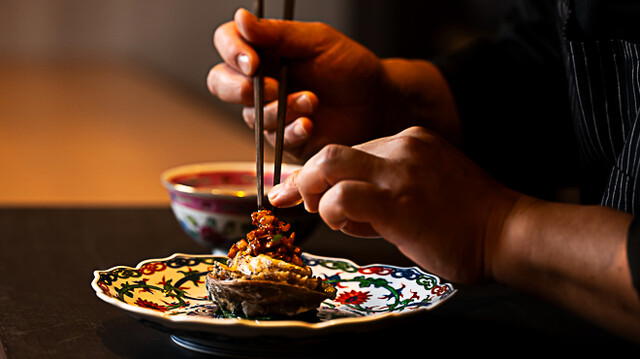
1022
Nagoya, Japan
An eight-seat Sichuan counter in Endoji Square with a wine program deep enough to drive the menu rather than support it. Tabelog Chinese EAST 100 status (2024, 2026) and a focus on seasonal fish push this into the JPY 20,000–29,999 range, making it Nagoya's wine-serious Chinese option for diners who track regional Tabelog rankings.
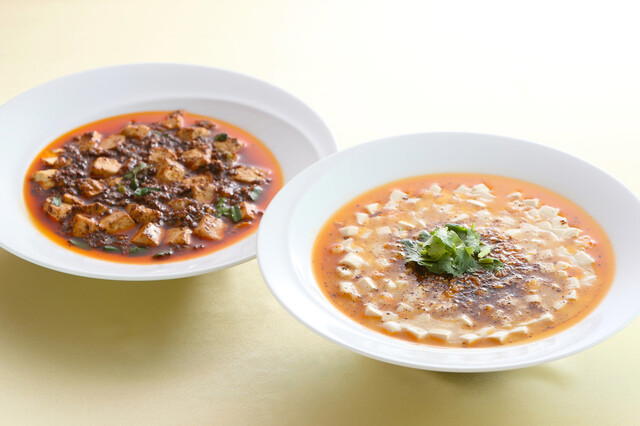
Chinese Ryuen
Kitagunma-gun, Japan
Chinese Ryuen in Yoshioka holds three consecutive Tabelog 100 Chinese East selections (2023, 2024, 2026) while charging JPY 2,000–JPY 2,999 for dinner; well below Tokyo's award-level Chinese pricing. The 58-seat dining room and private rooms for 10–18 guests make it Kitagunma-gun's most capable venue for group celebrations, with lunch sets dropping to JPY 1,000–JPY 1,999. Book a week ahead for weekend dinner; weekday lunch walk-ins usually work.
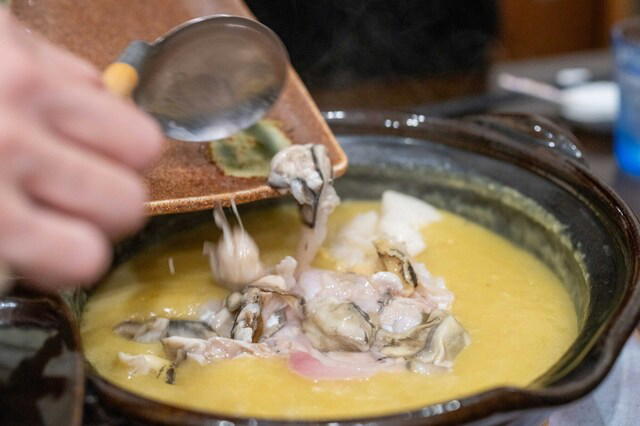
Celery
Zushi, Japan
A Tabelog 100 Chinese EAST 2026 house restaurant in Zushi offering vegetable-focused cooking at JPY 4,000–4,999 for dinner and JPY 1,000–1,999 for lunch. The 25-seat space, open since 2014, emphasizes produce technique and wine pairings uncommon in neighborhood Chinese spots, with a BYO policy and multilingual menu. Reservations recommended but walk-ins possible; closed Thursdays.
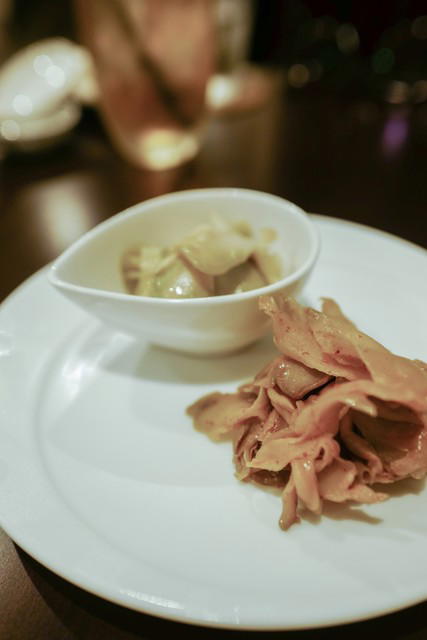
Yum cha Haru no Sora
Sapporo, Japan
Tabelog 100-ranked dim sum and congee in a basement dining room near Nishi Hatchome station. Lunch reservations require an 11:00–11:30 arrival; after that, expect a queue. Three consecutive years of recognition (2023, 2024, 2026) at prices well below Tokyo's yum cha standard; JPY 1,000–1,999 at lunch, JPY 4,000–4,999 at dinner.
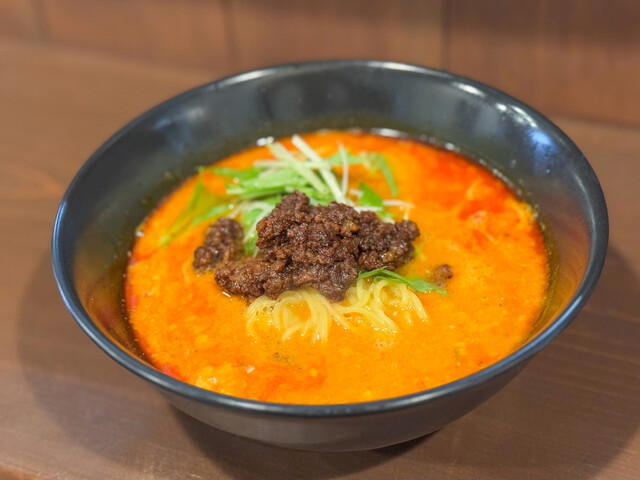
Shisen Sai Hiro
Nagoya, Japan
A 14-seat Sichuan counter in suburban Nagoya, Shisen Sai Hiro delivers focused Chinese cooking at JPY 3,000–3,999 for dinner, earning a 2026 Tabelog 100 nod. The counter-only format suits solo diners and pairs; lunch under JPY 2,000 offers better value for first visits. Book ahead for weekends, or try Tuesday lunch for a quieter experience.
Le Chinois SANO Nagoya
Nagoya, Japan
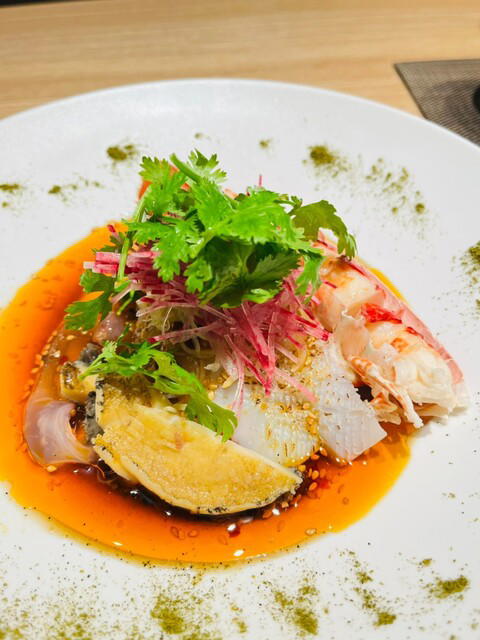
This 12-seat Chinese restaurant, opened in 2021 and selected for Tabelog 100 EAST in 2024 and 2026, delivers precise execution at JPY 20,000–29,999 for dinner and JPY 8,000–9,999 for lunch. The counter seats six and offers clear sightlines to the kitchen; private rooms accommodate two, four, or six. One minute from Fushimi Station, it fills a rare niche in Nagoya's fine-dining landscape.
Yaba Misen
Nagoya, Japan
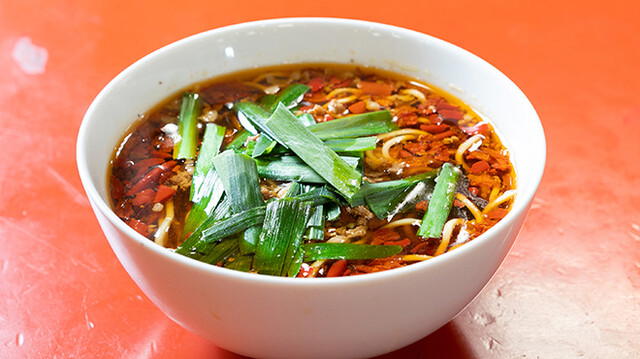
A high-volume Nagoya house restaurant earning Tabelog 100 Chinese cuisine EAST 2026 recognition for its Taiwan ramen. Lunch runs JPY 1,000–1,999, dinner JPY 2,000–2,999. The 364-seat room fills with families and regulars; noise level rises after 11:30 AM. Book if you want verifiable heat without spending over JPY 3,000.
Ichiban
Atami, Japan
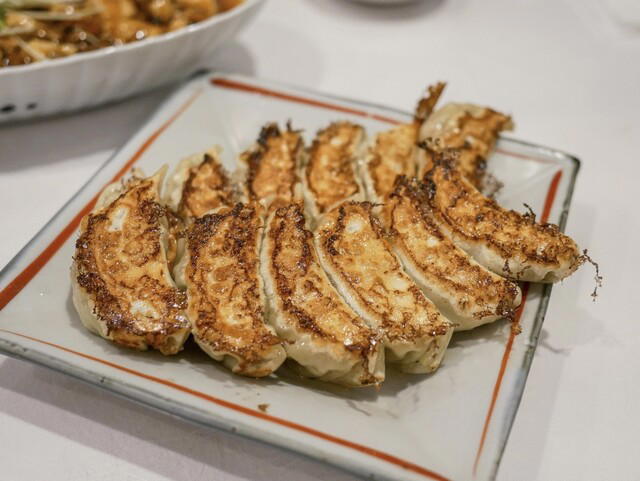
Tabelog 100 Chinese EAST 2026 selection serving Sichuan cooking near JR Atami Station. Lunch (JPY 2,000-2,999, walk-in only) offers better value than dinner (JPY 5,000-5,999, reservations accepted). Cash only, 30 seats, closed Thursday. The only Tabelog-recognized Chinese restaurant in Atami.
Local Chinese Food Shifan
Sapporo, Japan
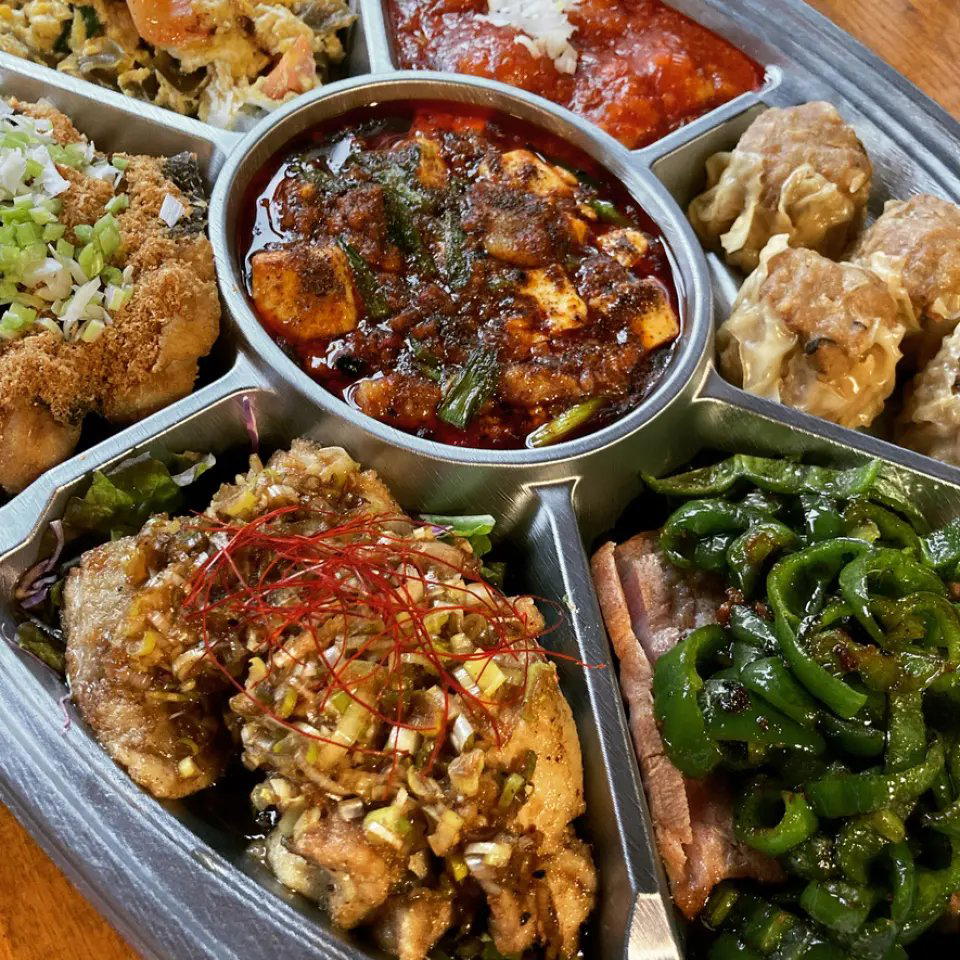
Five minutes from Susukino Station, this 20-seat Chinese specialist earned Tabelog 100 recognition in 2026 for Sichuan and Northeastern cooking. Set courses from JPY 6,500 include all-you-can-drink; smoking is permitted. Book a few days ahead for weekends, or plan for same-day availability early in the week.
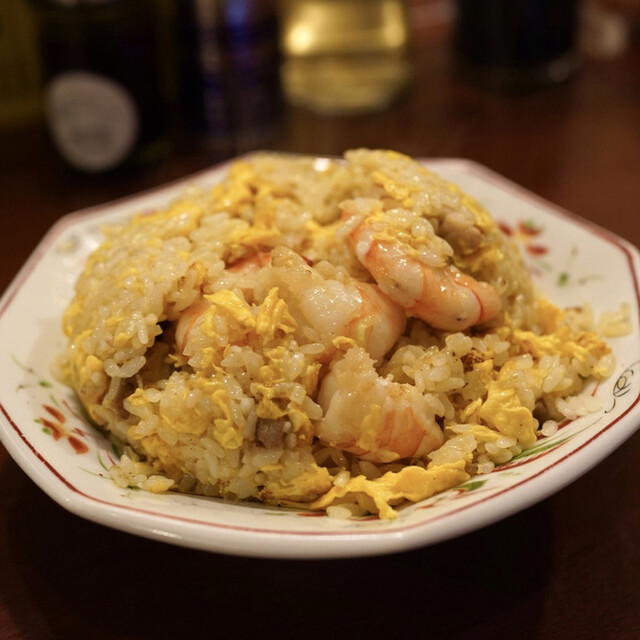
Ganso Juhachiban
Yokohama, Japan
Tabelog 100 Chinese EAST 2026 recognition at JPY 1,000-1,999 makes this 24-seat Wakabacho spot one of Yokohama's most accessible award-tracked options. Cash-only, walk-in service until 11 PM six nights a week, with ramen, dumplings, and Chinese entrees. Best for late arrivals, budget-conscious diners, and groups needing flexibility without advance booking.
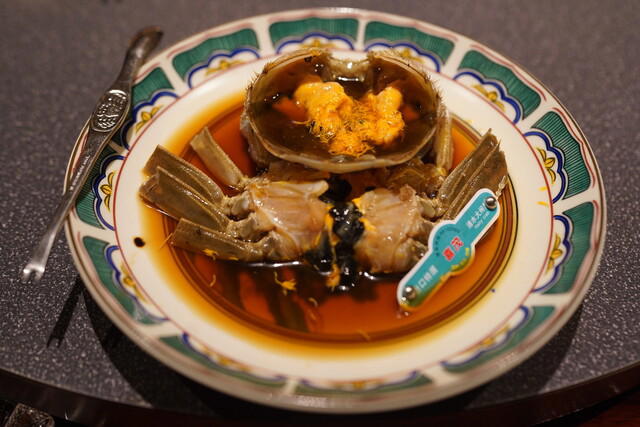
Ichigen
Akita, Japan
Ichigen is a Tabelog 100 Chinese restaurant in Akita's Omachi district, where counter seating gives diners a direct view of the wok work that earned the venue its 2023 and 2026 selections. Dinner runs JPY 4,000-4,999, with shochu as the primary drink and à la carte flexibility that makes it easier to navigate than set-menu peers.
Overview
Tabelog 100 - Chinese cuisine - EAST - 2026 is an authoritative ranking of the top 100 Chinese restaurants in East Japan, curated by Tabelog, Japan's largest restaurant review platform. It highlights establishments acclaimed for culinary excellence, innovation, and authentic flavors, guiding diners to the region’s best Chinese dining experiences.
Since its inception, Tabelog has become Japan’s leading restaurant review platform, aggregating millions of user evaluations to rank eateries nationwide. The Tabelog 100 lists, released annually, spotlight the highest-rated restaurants by cuisine and region. The 2026 Chinese Cuisine East Japan edition focuses on a diverse culinary landscape; from Tokyo’s dynamic Chinatown hubs to refined dining in Kanagawa and Chiba prefectures. This list is pivotal for food enthusiasts seeking authentic and innovative Chinese flavors, reflecting evolving trends and regional specialties within Japan’s vibrant gastronomic scene.
For discerning diners and travelers seeking the pinnacle of Chinese cuisine in East Japan, the Tabelog 100 Chinese Cuisine East 2026 list offers an unparalleled guide. It highlights a curated selection of restaurants that embody exceptional craftsmanship, authenticity, and innovation. From bustling Tokyo neighborhoods to serene coastal cities, these venues represent the rich diversity and evolving artistry of Chinese culinary traditions in Japan’s dynamic eastern region.
Quick Facts
- Publisher
- Tabelog (Kakaku.com, Inc.)
- Year
- 2026
- Coverage
- East Japan (Tokyo, Kanagawa, Chiba, Saitama, Ibaraki, Tochigi, Gunma)
- Items
- 100 top Chinese cuisine restaurants
- Frequency
- Annual
About This Edition
The 2026 edition reveals exciting new entrants reflecting rising trends such as fusion techniques, regional Chinese specialties gaining prominence, and sustainable sourcing practices. Notably, there is an increased presence of innovative chefs blending traditional Chinese flavors with Japanese ingredients and presentation styles. This year’s list also highlights the resilience and creativity of restaurants navigating post-pandemic dining landscapes, emphasizing safety, accessibility, and elevated culinary artistry.
Frequently Asked Questions
What is Tabelog 100 - Chinese cuisine - EAST - 2026?
How are honorees selected?
How often is this list updated?
How can I find these on Pearl?
How many of these have you visited?
Find out on Pearl and keep score across every place in Tabelog 100 - Chinese cuisine - EAST - 2026.