

2026 Falstaff Winery Guide: The Ultimate Wine Authority — Page 16
Falstaff's 2026 Wineries guide.

Venues on this list
Jones Wines
Winnipeg, Canada
Jones Wines is the right Winnipeg stop when the decision is a bottle, not a vineyard tour. Go for a large specialty-wine selection, staff sommelier guidance, and small-producer discovery; skip it if you want a formal estate tasting or destination winery setting.
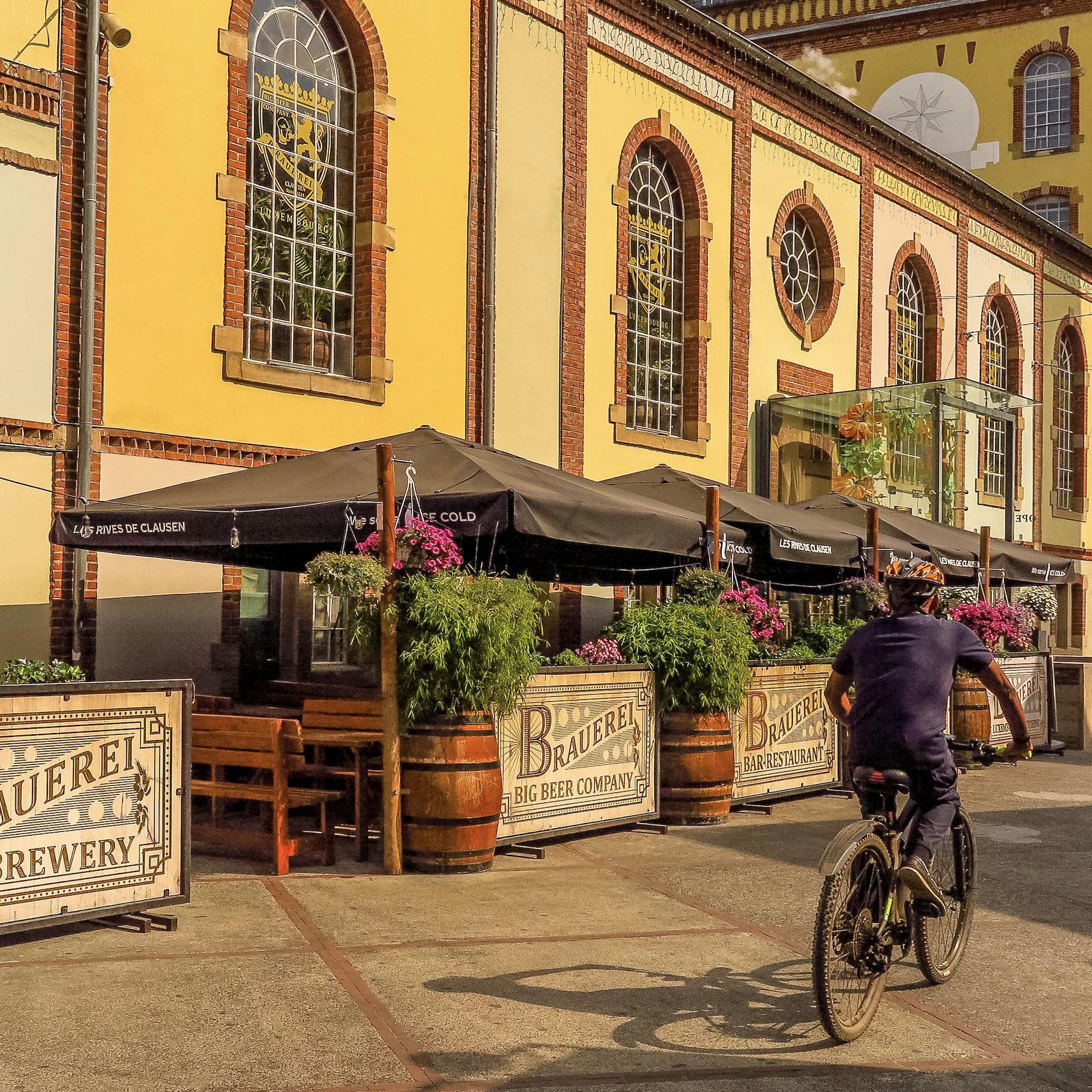
Caves Krier Frères
Remich, Luxembourg
Book Caves Krier Frères if you want a quiet, crémant-led Moselle tasting with real cellar context rather than a casual drop-in wine bar feel. The strongest fit is a couple or small group that wants family heritage, rock-cut galleries, and Luxembourg grape varieties explained in a calm setting.
Georgas Family
Spata Artemida, Greece
Book Georgas Family if you want a small, appointment-only Attica winery stop and are comfortable confirming details ahead. The $$ price tier keeps the risk reasonable, and the 2026 Falstaff listing adds a useful trust signal. Skip it if you need published tasting flights, fixed hours, or a highly structured visitor program.
Clairault Streicker Wines
Wilyabrup, Australia
Worth choosing when the plan is a relaxed Margaret River tasting with lunch, not a quick cellar-door stop. Clairault Streicker Wines is strongest for couples, small celebrations, and mixed-interest groups because the vineyard kitchen, scenic estate setting, and multi-sub-region wine range give the visit enough structure to anchor an afternoon.
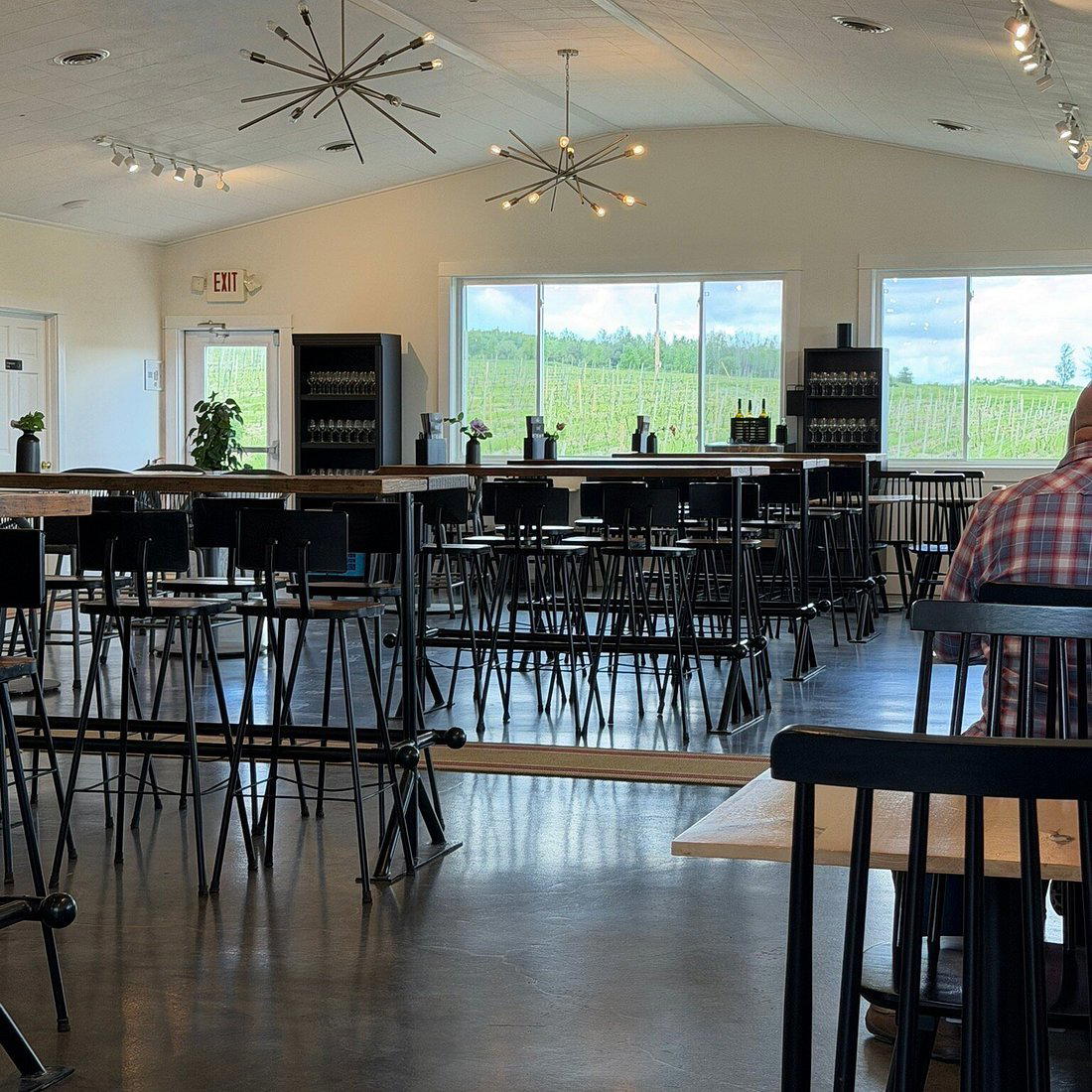
Dr. Konstantin Frank Winery
Hammondsport, United States
Prioritize Dr. Konstantin Frank Winery if the tasting is the anchor of a Hammondsport wine trip, not a casual add-on. Booking is the main friction, but the recognition and Finger Lakes context make it worth planning around for visitors who want a more structured, depth-driven winery experience.
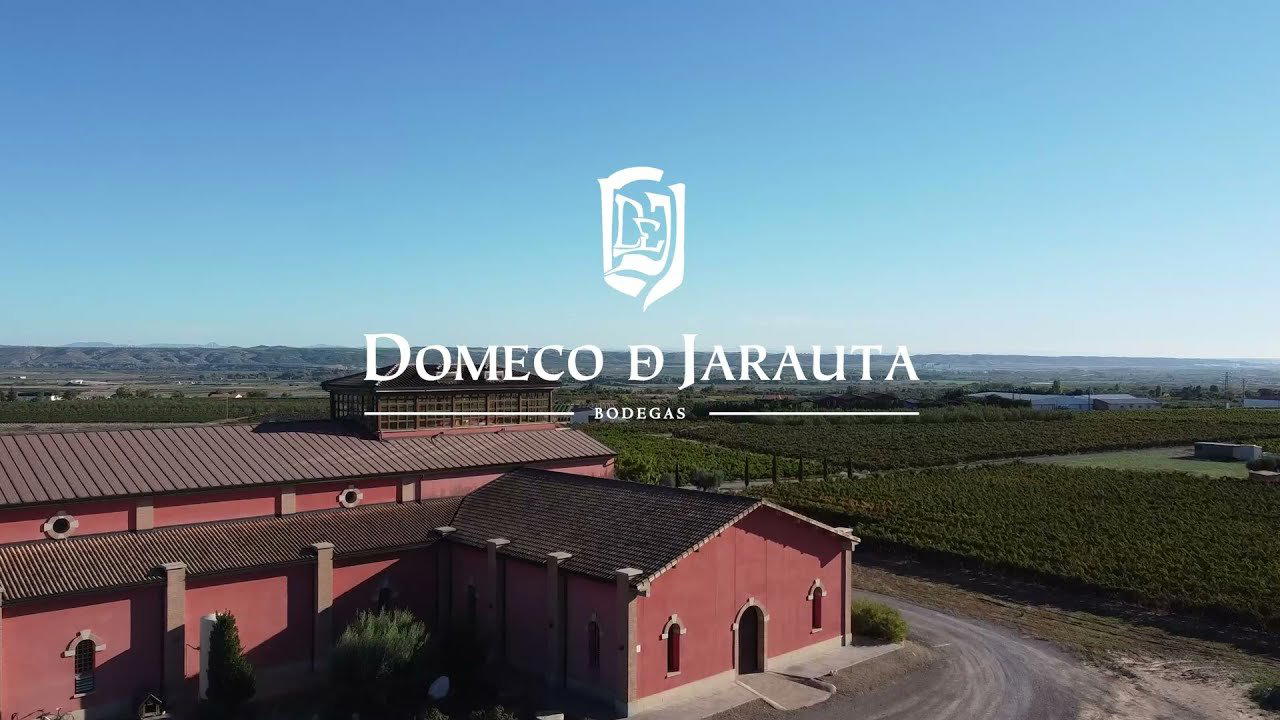
Bodegas Domeco de Jarauta
Aldeanueva De Ebro, Spain
Book Bodegas Domeco de Jarauta for a quiet, good-value Rioja visit built around estate fruit, guided vineyard and cellar access, and family-scale winemaking rather than hospitality gloss. The longer tasting is the smarter choice for returning Rioja visitors who want more context on old vines, classic varieties, and the cellar program.
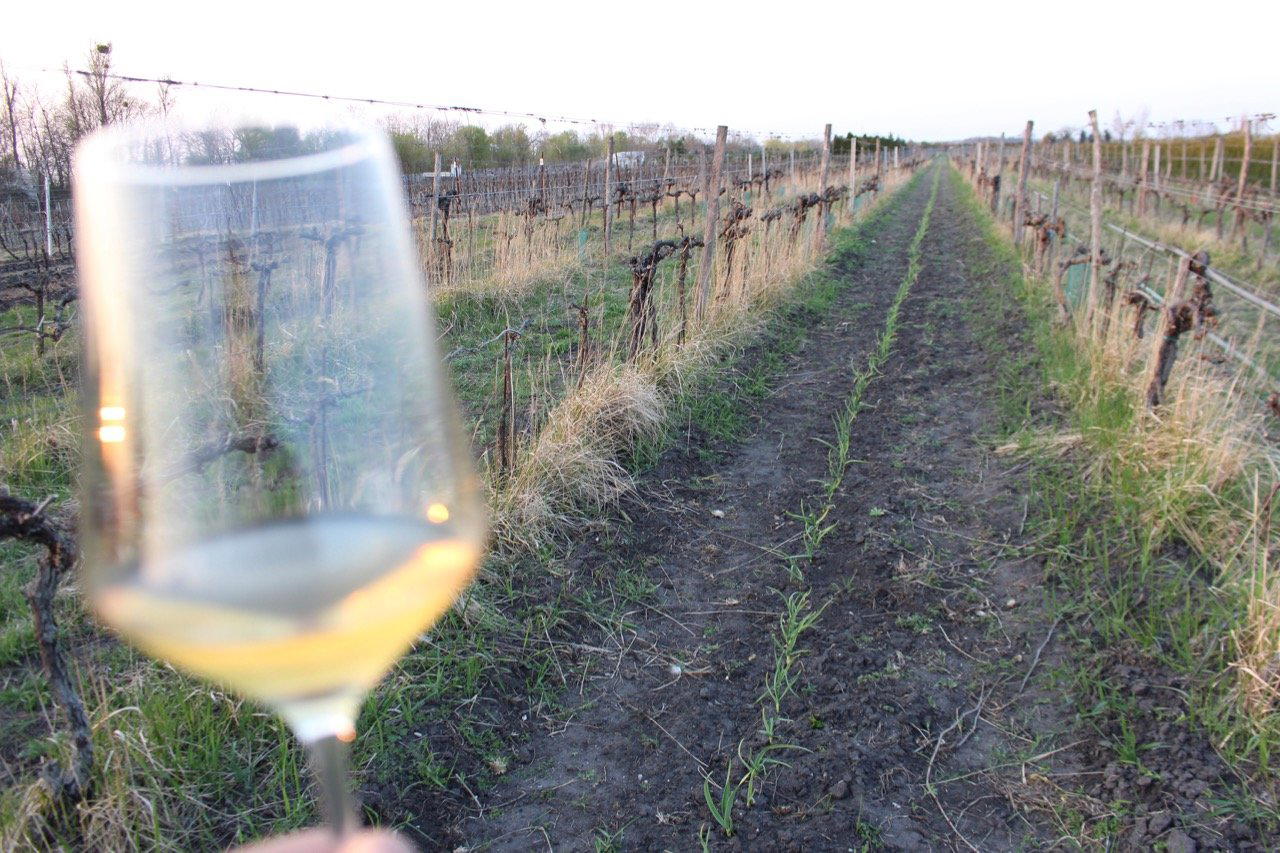
Andert-Wein
Pamhagen, Austria
Andert Distillery is a plan-ahead Pamhagen choice for small, drink-focused occasions rather than a casual large-group stop. It suits travelers who want a regional Burgenland detour and are comfortable arranging details in advance; if convenience or a classic winery format matters more, compare nearby wine-focused peers first.
Bodegas y Viñedos O. Fournier
Talca, Chile
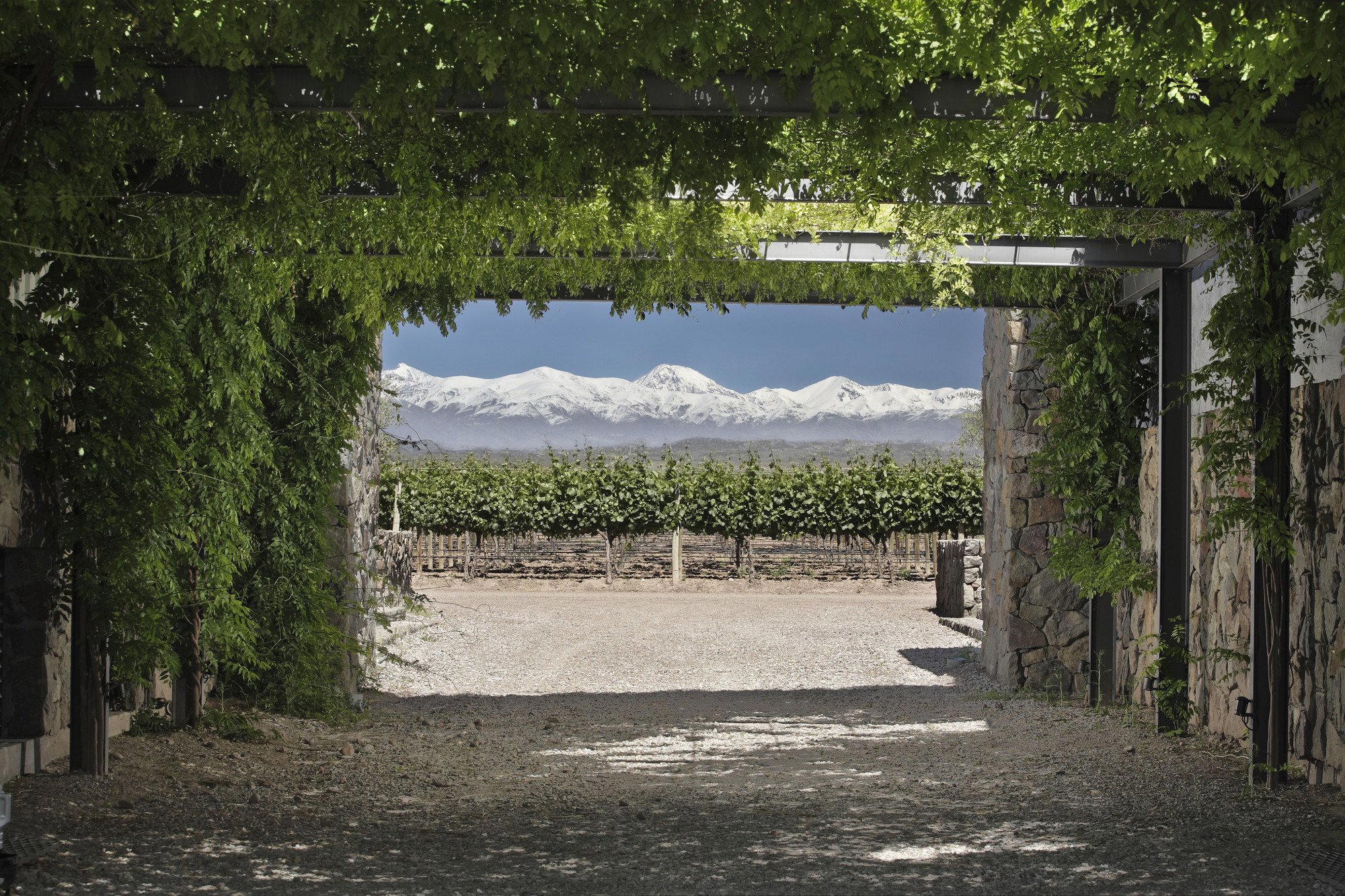
A better fit for wine-focused visitors than casual day-trippers, Bodegas y Viñedos O. Fournier is a working Talca-area winery with a quiet, rural feel and a serious production lens. Consider it for a date, business tasting, or small celebration where the wines matter more than tourism amenities.
Azienda Agricola Le Torri
Barberino Val D Elsa, Italy
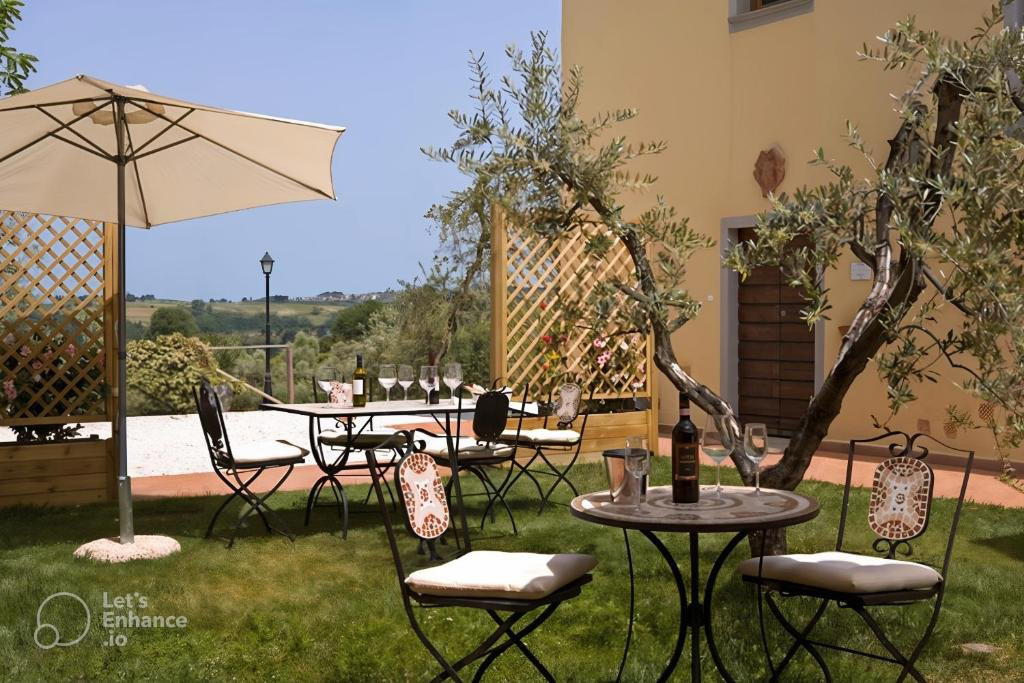
Azienda Agricola Le Torri is a good fit for travelers who want a relaxed Barberino Val d’Elsa wine stop with agriturismo atmosphere and Chianti context. Go for the rural setting, DOCG and IGT Toscana range, and direct-producer feel; do not treat it as a high-ceremony cellar visit without confirming the tasting format first.

Bodegas Clos de Lôm
Fontanars Des Alforins, Spain
Book Bodegas Clos de Lôm if the goal is a serious inland Valencia wine stop with estate-grown character, old-vine context, and native-variety depth. It is better suited to planned tastings than spontaneous drop-ins, and the $$$ signal makes the most sense for guests who care about DOP Valencia, vineyard origin, and structured wines rather than a quick tasting-room detour.
Bodegas El Meson
La Rioja, Spain
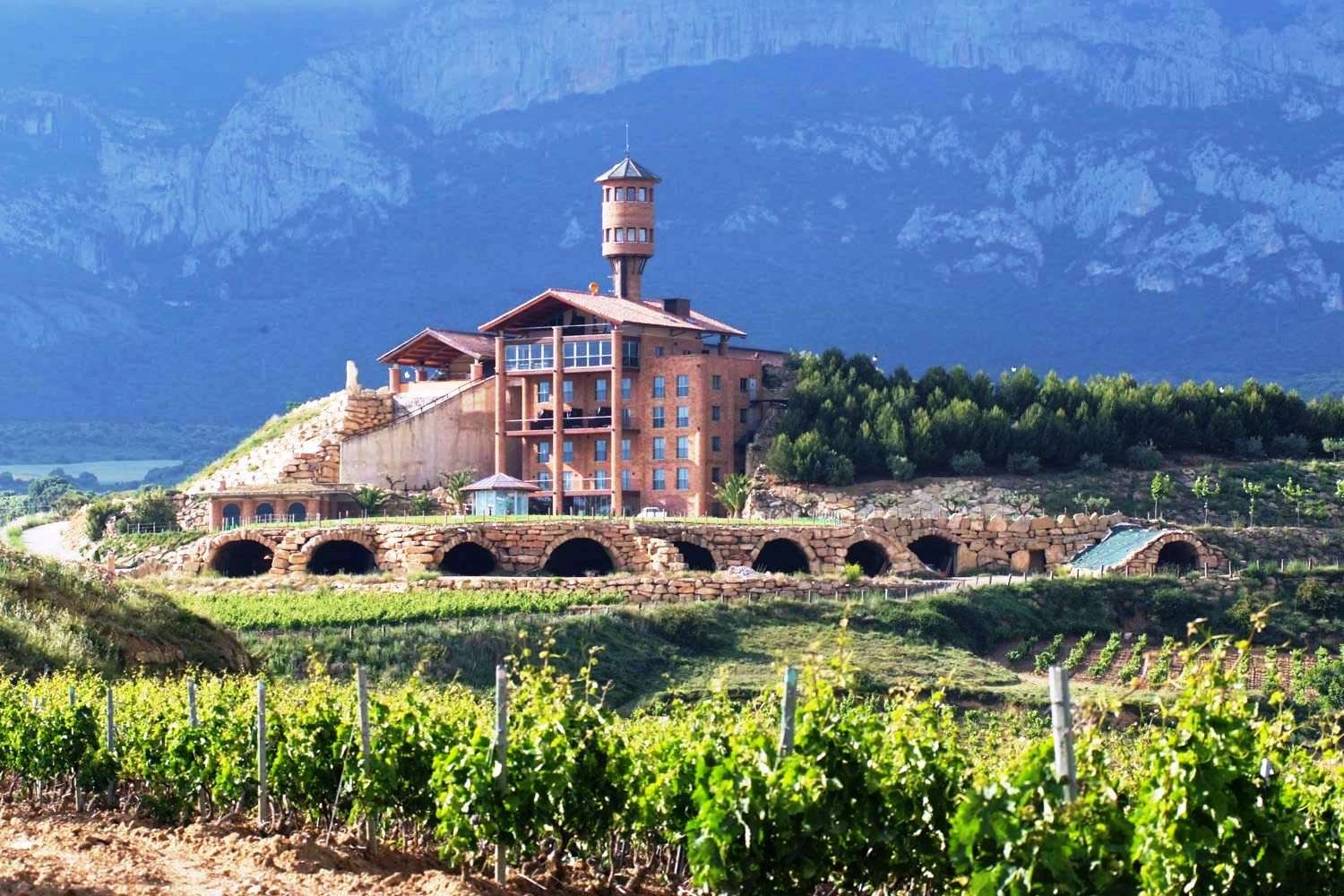
A quiet, value-led Rioja winery for travelers who care more about classic Tempranillo and barrel-aged structure than polished tourism extras. Bodegas El Meson works as one stop in a broader La Rioja route, especially if the goal is to understand Crianza, Reserva, Gran Reserva, and Blanco Rioja styles without building the whole day around one address.
Domaine Cachat-Ocquidant & Fils
Ladoix Serrigny, France
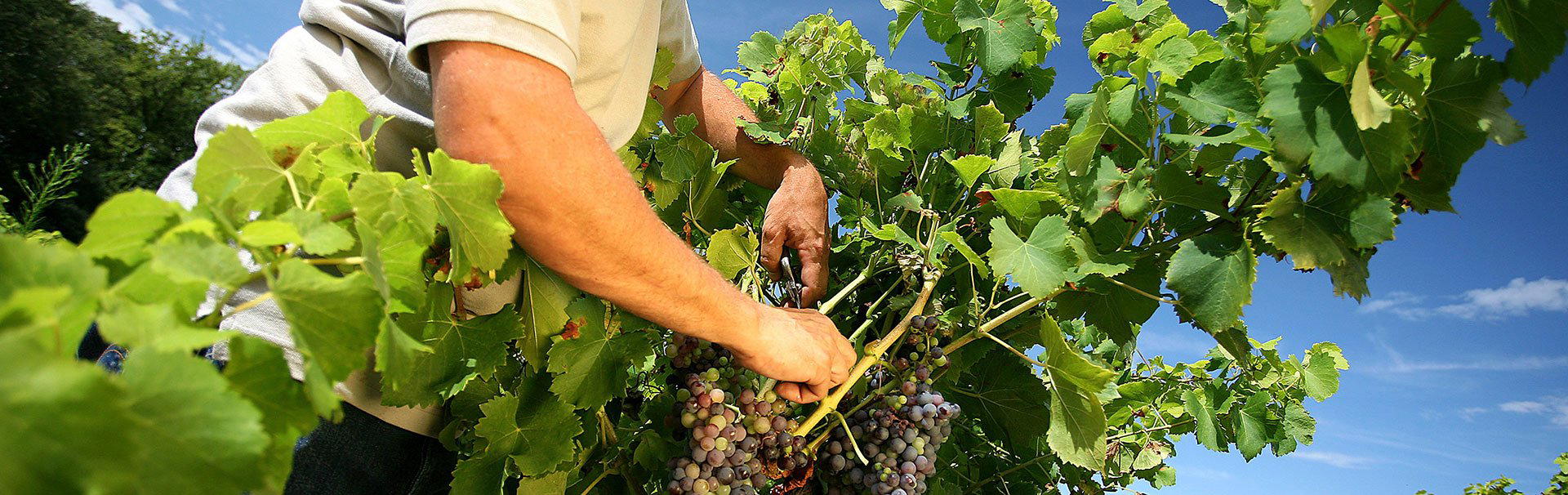
Worth considering if the goal is serious northern Côte de Beaune context rather than a polished winery outing. Domaine Cachat-Ocquidant & Fils is strongest for Burgundy drinkers who want structured Ladoix Pinot Noir, barrel-aged Chardonnay, and a family-run estate feel at a moderate price tier.
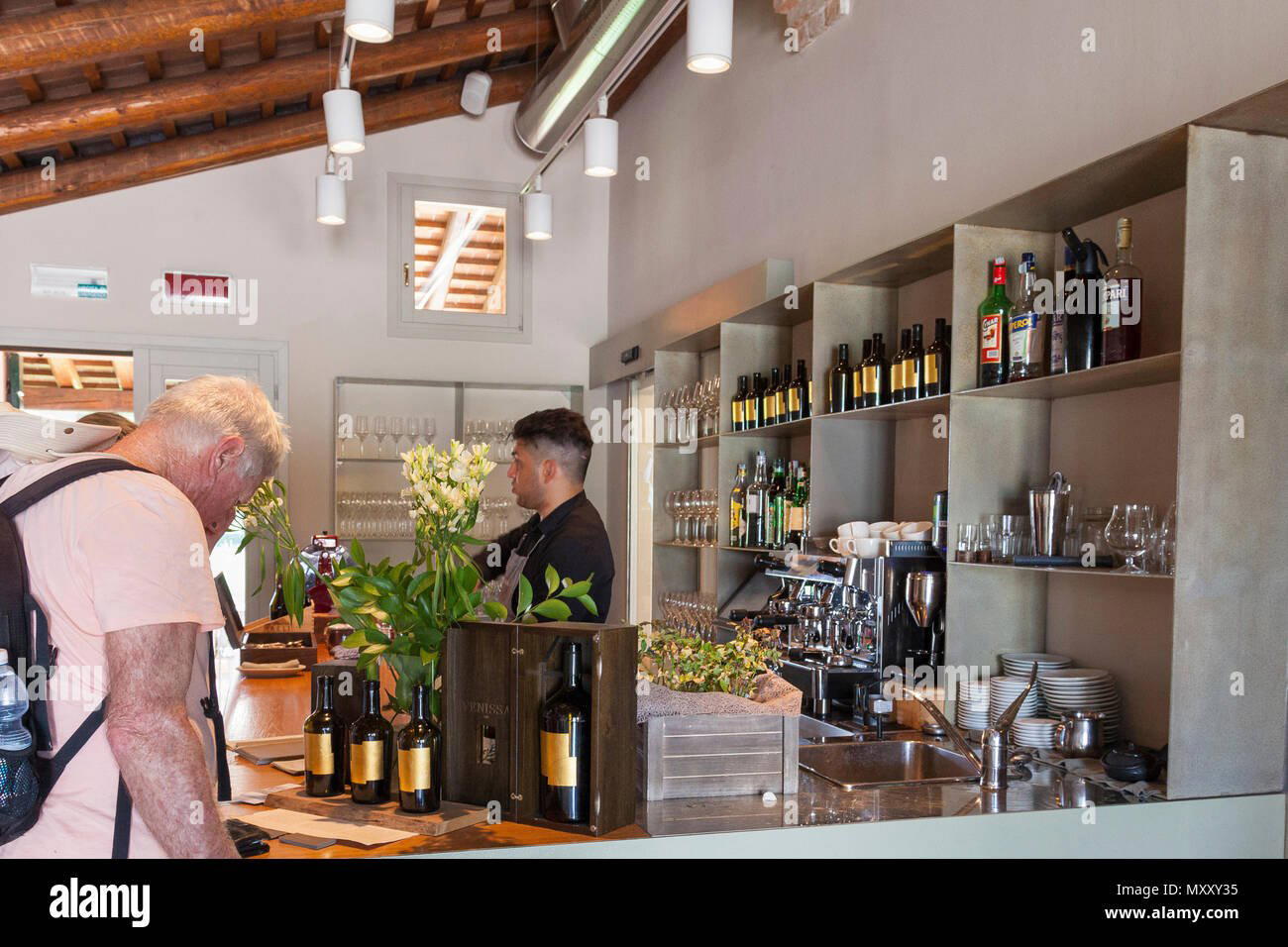
Venissa
Mazzorbo, Italy
Venissa is a Michelin-starred restaurant on the small island of Mazzorbo in the Venetian lagoon, built around a medieval walled vineyard and kitchen garden. Chefs Chiara Pavan and Francesco Brutto serve surprise tasting menus rooted in lagoon ecology; fish-forward, almost no meat, paired with organic wine from the on-site Dorona di Venezia vineyard. Book well in advance and factor in 40 minutes each way by vaporetto from Venice.
Domhof
Guntersblum, Germany
Domhof is worth choosing when the plan is a relaxed Rheinhessen wine stay, not just a quick tasting. The draw is the combination of family winery, historic farmstead setting, small modern lodging, breakfast space, and easy access to village and vineyard time, with Grauburgunder the bottle to prioritize.
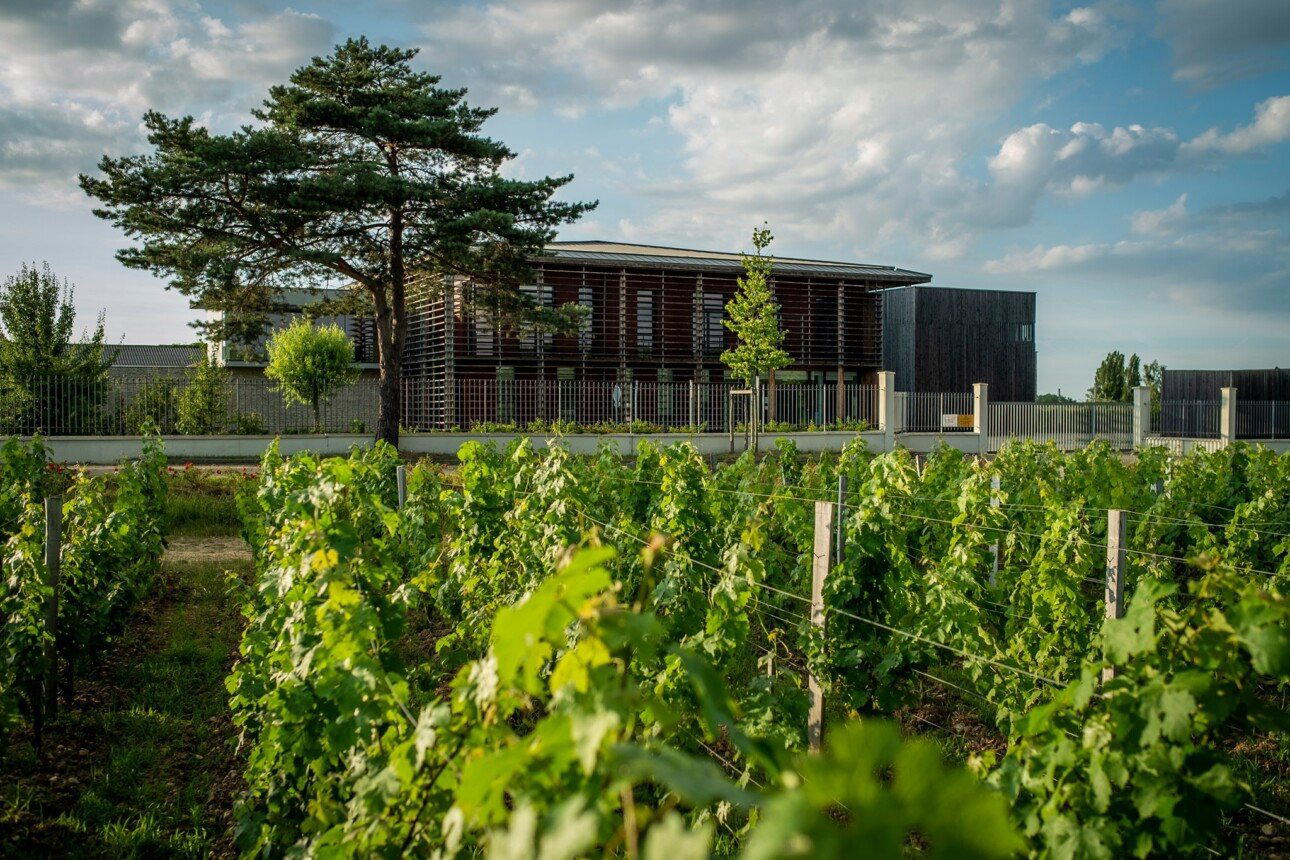
Château Couhins
Villenave D Ornon Cedex, France
A wine-first choice near Bordeaux for celebrations that need a calmer, estate-led format rather than a restaurant replacement. Château Couhins is easiest to recommend when the plan centers on tasting and Pessac-Léognan context, with meals and nightlife arranged separately.
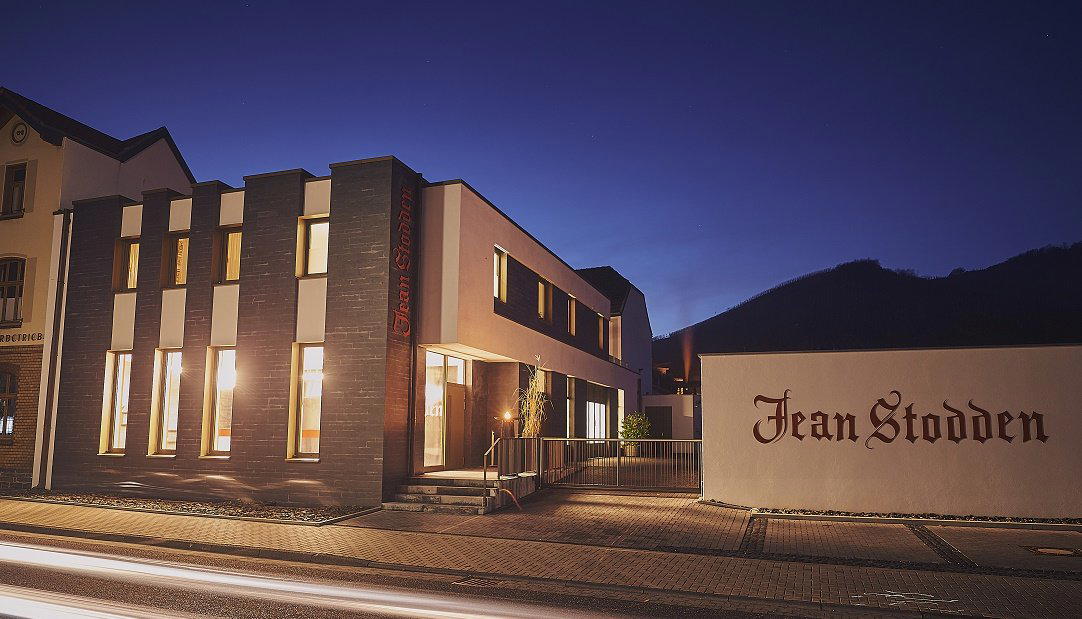
Weingut Jean Stodden
Rech, Germany
Prioritize Weingut Jean Stodden if an Ahr trip is centered on serious red wine and regional context. It is a focused winery stop rather than a broad hospitality play, so plan early, keep the group small, and use nearby Rech options to complete the day.
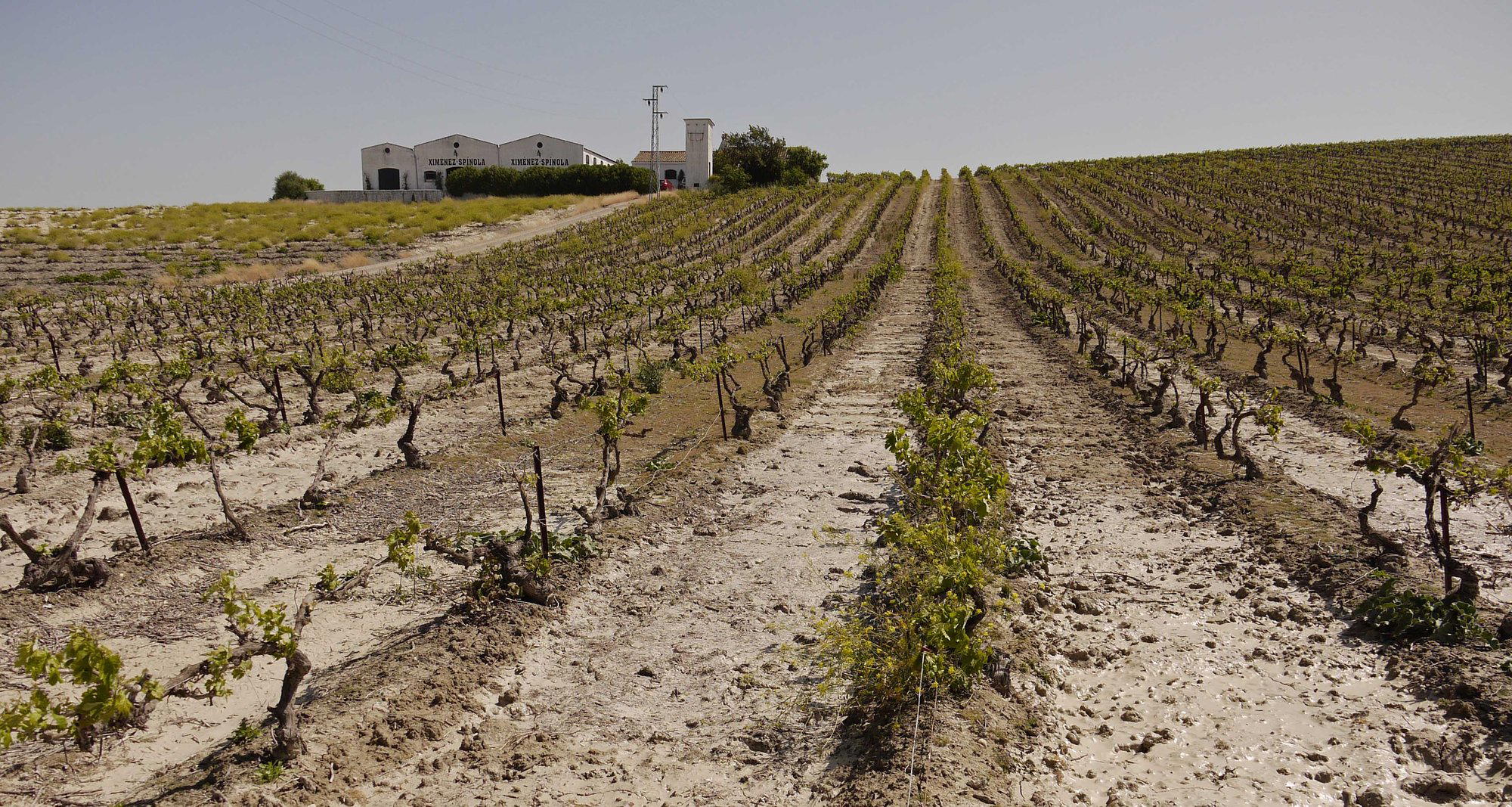
Bodega Ximénez Spinola
Jerez de la Frontera, Spain
Bodega Ximénez-Spínola is a practical pick for a focused winery visit in Jerez de la Frontera, especially for couples or small groups planning a wine-led celebration. The 2026 Falstaff listing adds confidence, but value depends on the tasting format and price quoted when arranging the visit.
Cantine Garrone
Domodossola, Italy
Cantine Garrone works for wine travellers using Domodossola as a northern Piedmont base, especially if the goal is route depth rather than a highly packaged tasting. The 2026 Falstaff listing gives it a useful recognition signal, but plan around the town as a whole because visitor details are light.
Champagne Antoine Chevalier
Vitry En Perthois, France
Book Champagne Antoine Chevalier if the goal is a quiet, specialist grower visit focused on organic Chardonnay, single-vineyard Blanc de Blancs, and Coteaux Vitryats terroir. It is less suited to casual drop-ins or large groups, but strong for returning Champagne travelers who want a more technical, small-cellar appointment.
Champagne Legras et Haas
Chouilly, France
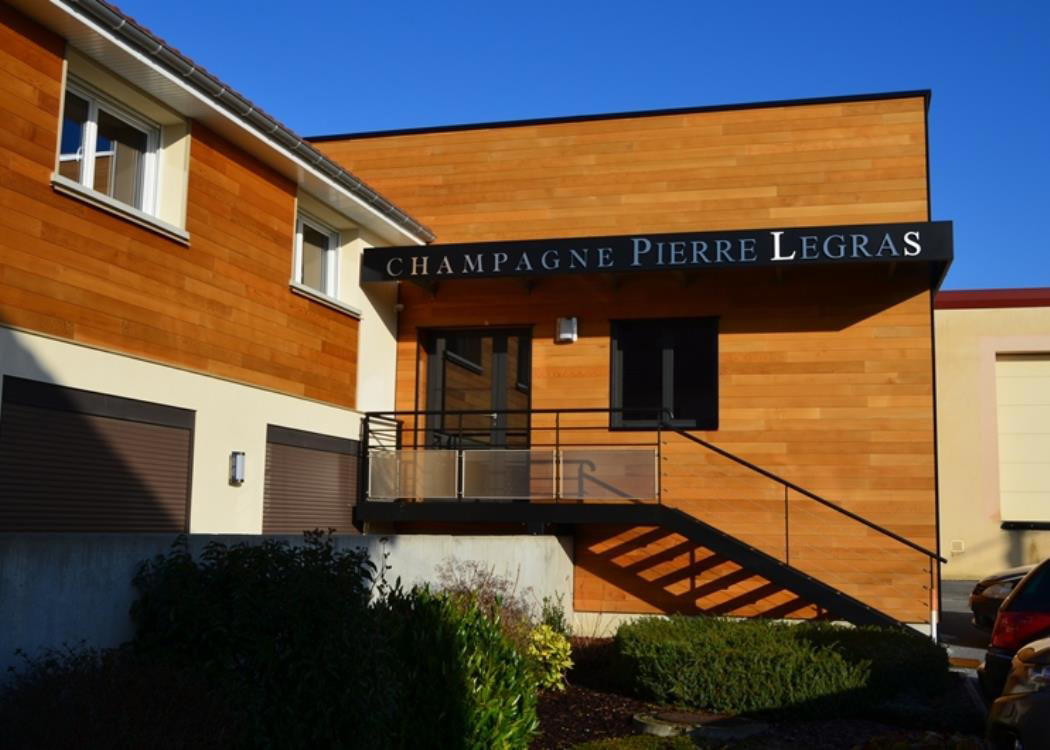
Worth booking if you want a quiet, educational Champagne tasting centered on Grand Cru Chardonnay rather than a showpiece cellar visit. The private format makes the strongest case for couples, special occasions, and wine-focused travelers who want production context, with Falstaff recognition adding a useful trust signal.
Hans Schlatter Weinbau und Kellerei
Hallau, Switzerland
A practical Hallau winery stop for travelers who want a quiet, local producer rather than a heavily programmed tasting room. Hans Schlatter Weinbau und Kellerei is walk-in friendly and Falstaff listed for 2026, so it works well as a flexible add-on to a Schaffhausen wine day, especially for small groups keeping plans loose.
Château de Gironville
Macau, Macau
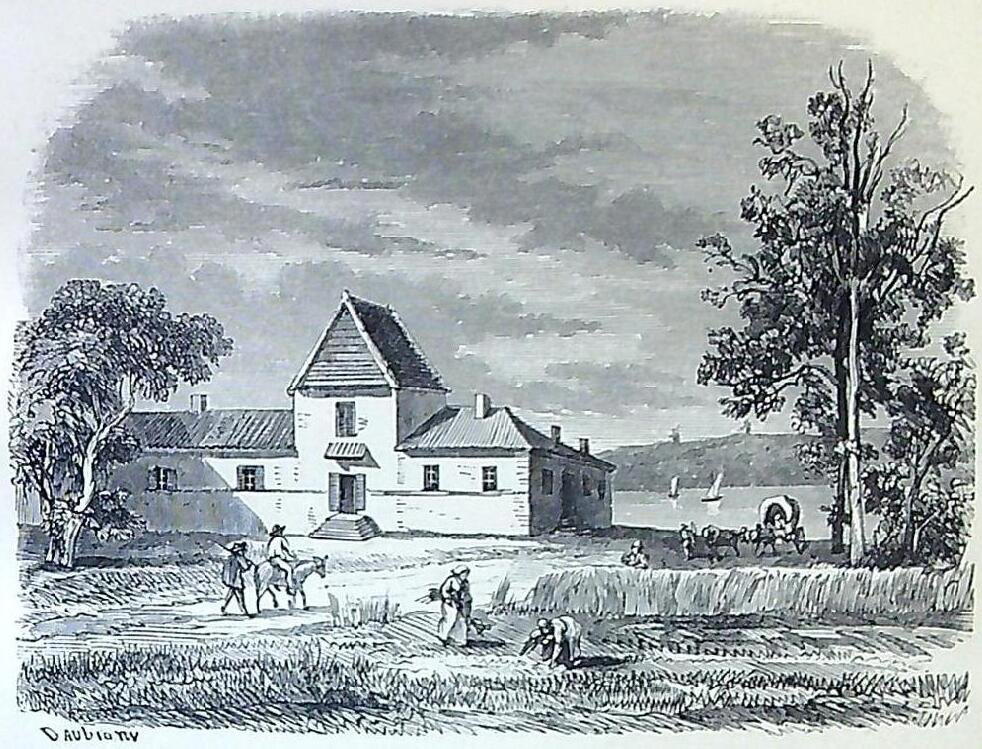
Château de Gironville works for classic Haut-Médoc red Bordeaux at a fair $$ level, especially if structure, aging potential, and a historic château setting matter more than a polished visitor program. The strongest case is the wine itself: a Merlot, Cabernet Sauvignon, and Petit Verdot blend with Cru Bourgeois credibility and Falstaff Listed recognition for 2026.
Cantina Ripoli
Barberino Tavarnelle, Italy
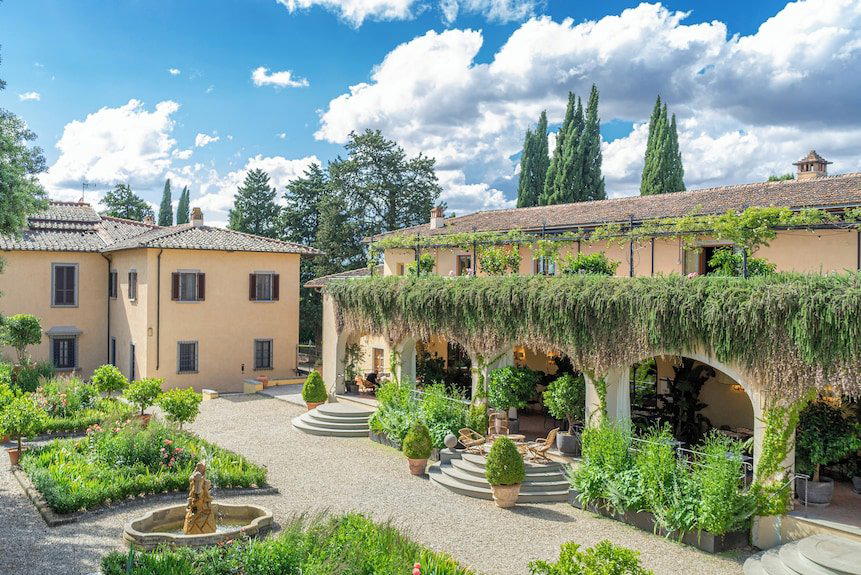
Book Cantina Ripoli if you want a focused Chianti Classico visit built around 100% Sangiovese rather than a large hospitality complex. The $$ positioning makes sense for wine travelers who care about small-scale production, cement aging, and rural Monsanto context; skip it if you need broad tasting options or a food-led estate experience.
Elettra
Rovereto, Italy
Elettra works as a planned Rovereto winery stop if you want a compact appointment and a $$ price signal rather than a high-ceremony tasting. The 2026 Falstaff listing adds credibility, but confirm the tasting format before committing time. It is a better fit for small, curious groups than for spontaneous drop-ins.
Fürst von Metternich Sektkellerei
Wiesbaden, Germany
Fürst von Metternich Sektkellerei works for a focused Wiesbaden Sekt stop, especially if dry Riesling-based sparkling wine is the point of the visit. It is less compelling as a full winery-day anchor unless a guided or private format is confirmed in advance.
Conca D'Oro
Conegliano, Italy
Book Conca D'Oro for a focused, rural Prosecco Superiore stop in Conegliano, especially if Millesimato bottlings and estate context matter more than a polished tasting-room setup. It is better treated as a wine-first appointment than a food-pairing destination, with the strongest value for visitors who already know the region and want a smaller family-run producer.
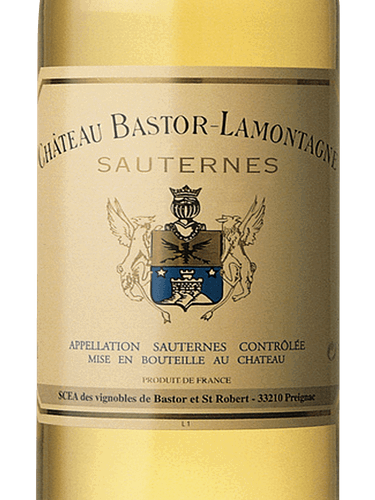
Château Bastor-Lamontagne
Preignac, France
Château Bastor-Lamontagne is a strong Preignac choice for a quieter Sauternes-focused visit, especially for anniversaries, dates, or small business groups. Choose it over bigger-name peers when conversation and pacing matter more than status signaling; cross-shop Château d'Yquem or Château Suduiraut if the goal is a higher-profile stop.
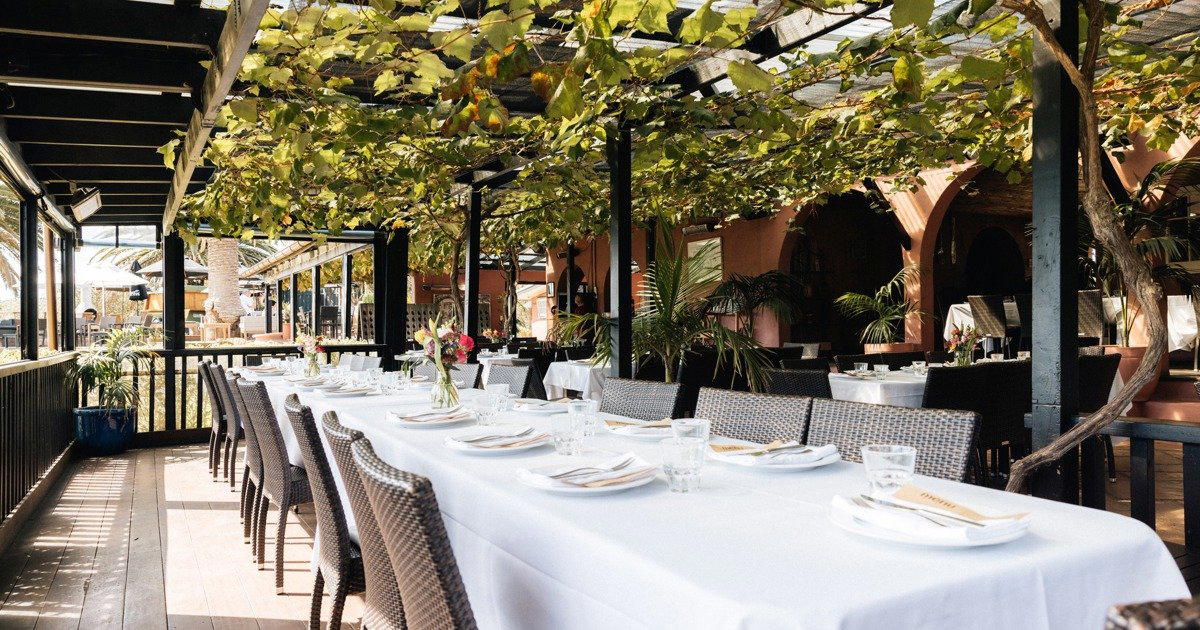
Stonyridge
Waiheke Island, New Zealand
Stonyridge works for a relaxed Waiheke winery occasion, especially when the setting matters more than a tightly defined restaurant brief. Book it as a vineyard-led experience, not as a chef-driven destination meal. If menu certainty, pricing detail, or dietary planning is central, compare it with Poderi Crisci, Mudbrick Vineyard and Restaurant, Te Motu Vineyard, or Passage Rock Wines first.
Gialdi Vini SA
Mendrisio, Switzerland
Book Gialdi Vini SA if the goal is a calm, structured Ticino tasting with real cellar context. The CHF 25 format is strongest for Merlot-focused wine drinkers, couples, and business-friendly visits who want production access and regional explanation rather than a food-led winery afternoon.
Herzwerk
Offenburg, Germany
Book Herzwerk if you want a small, appointment-only Baden winery experience built around a personal, artisanal feel and Pinot varieties. At $$ and with Falstaff recognition in 2026, it is more compelling for focused wine travelers than for large groups or anyone looking for a polished visitor-center setup.
Hofgut Wörner
Durbach, Germany
Book Hofgut Wörner if the goal is a quiet vineyard-adjacent stay in Durbach, not a formal winery program. The $$ positioning makes sense for couples or small celebrations that value rustic calm, gardens, terrace time, and a self-directed pace. Look elsewhere if the trip depends on documented tastings, food service, or hotel-style amenities.
Celler Prior Pons
La Vilella Alta, Spain
A strong fit for a Priorat-led itinerary, especially if producer recognition matters more than added visitor amenities. Falstaff’s 3 Stars for 2026 is the clearest reason to prioritize it, but plan early and keep expectations focused on wine rather than food, large-group logistics, or casual walk-in flexibility.
Tenuta Civranetta - Fidora
Padua, Italy
Falstaff-listed Veneto producer with organic roots dating to 1974 and a newer biodynamic direction. Worth planning for wine travelers who want a sustainability-led estate perspective near Padua, especially if the appeal is Prosecco, Valdobbiadene context, and Amarone contrast rather than a highly packaged tasting-room experience.
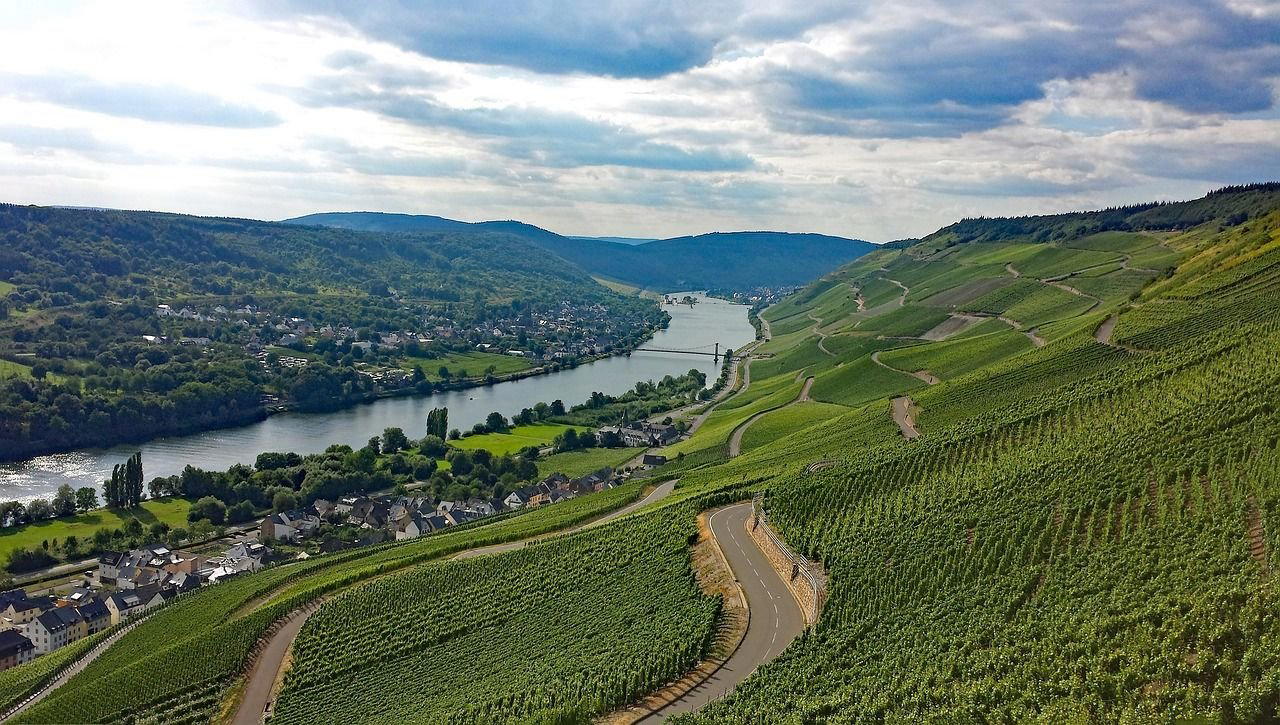
Bioweingut Hubertushof
Lieser, Germany
Bioweingut Hubertushof is a worthwhile Lieser stop for travelers who want an organic Moselle producer rather than a high-polish hospitality experience. Its 2026 Falstaff 1 Star gives it a useful quality signal, but the strongest fit is a focused wine visit for couples or small groups, not a casual fallback without planning.
Domaine Fournier Père & Fils
Verdigny, France
Worth considering as a focused winery stop in Verdigny if the goal is Sancerre-area producer context rather than a restaurant-style visit. The 2026 Falstaff listing adds a credible signal, but plan around the basics: confirm the visit format, keep meals separate, and use it as one part of a broader Verdigny wine itinerary.
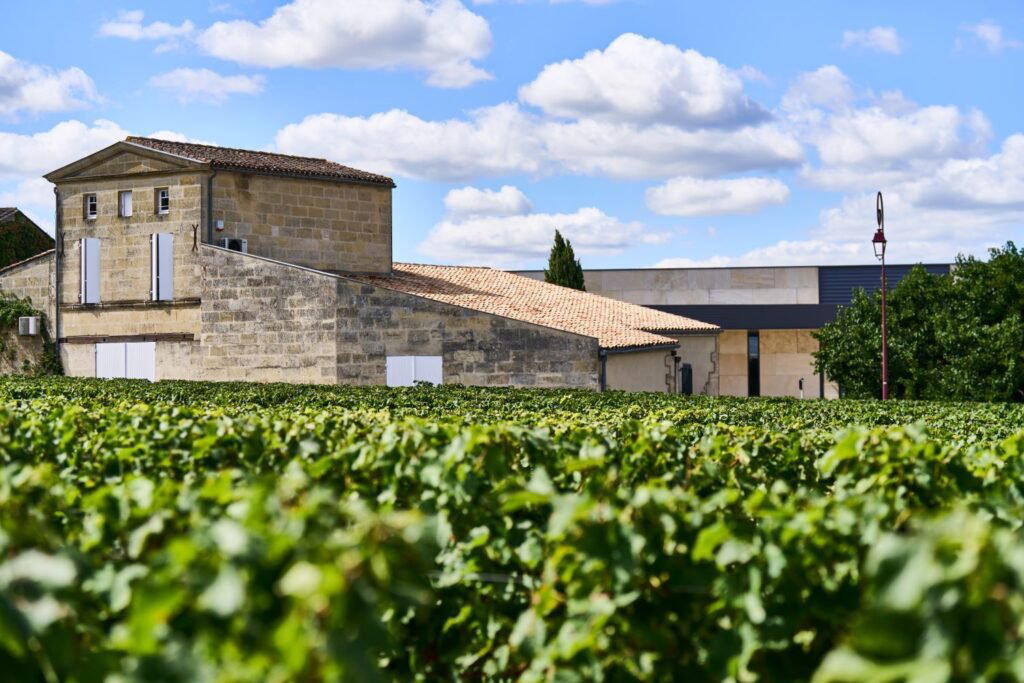
Château La Fleur de Gay
Pomerol, France
Château La Fleur de Gay is worth pursuing for a serious, small-group Pomerol tasting focused on depth rather than convenience. The fit is strongest for collectors or repeat Bordeaux visitors who want a quiet, high-end appointment built around the estate’s polished, concentrated style; casual wine tourists should plan a broader Pomerol day instead.
Garger Alfred
Strem, Austria
Garger Alfred works as an easy, quiet winery stop in Strem, especially if you are already building a southern Burgenland wine day. The current Falstaff listing gives it a credible recognition signal, but the lack of verified portfolio and pricing detail means it is better for flexible discovery than for a tightly planned flagship tasting.
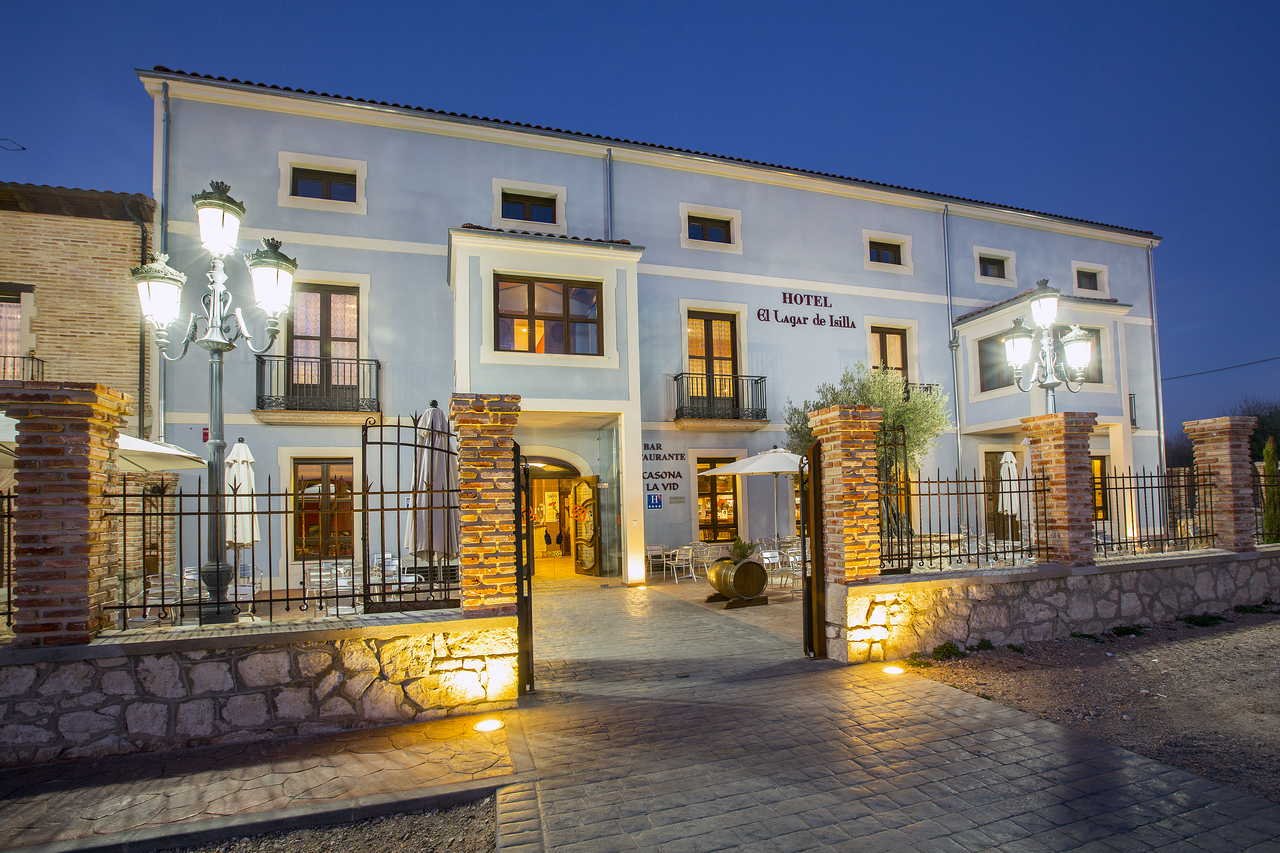
Bodegas el Lagar de Isilla
Ribera del Duero, Spain
Bodegas el Lagar de Isilla is worth choosing for a Ribera del Duero celebration when the goal is a full winery day rather than a quick tasting. The appeal is the combination of family winemaking, historic cellar roots, a 19th-century estate setting, restaurant access and hotel facilities, backed by Falstaff 3 Stars (2026).
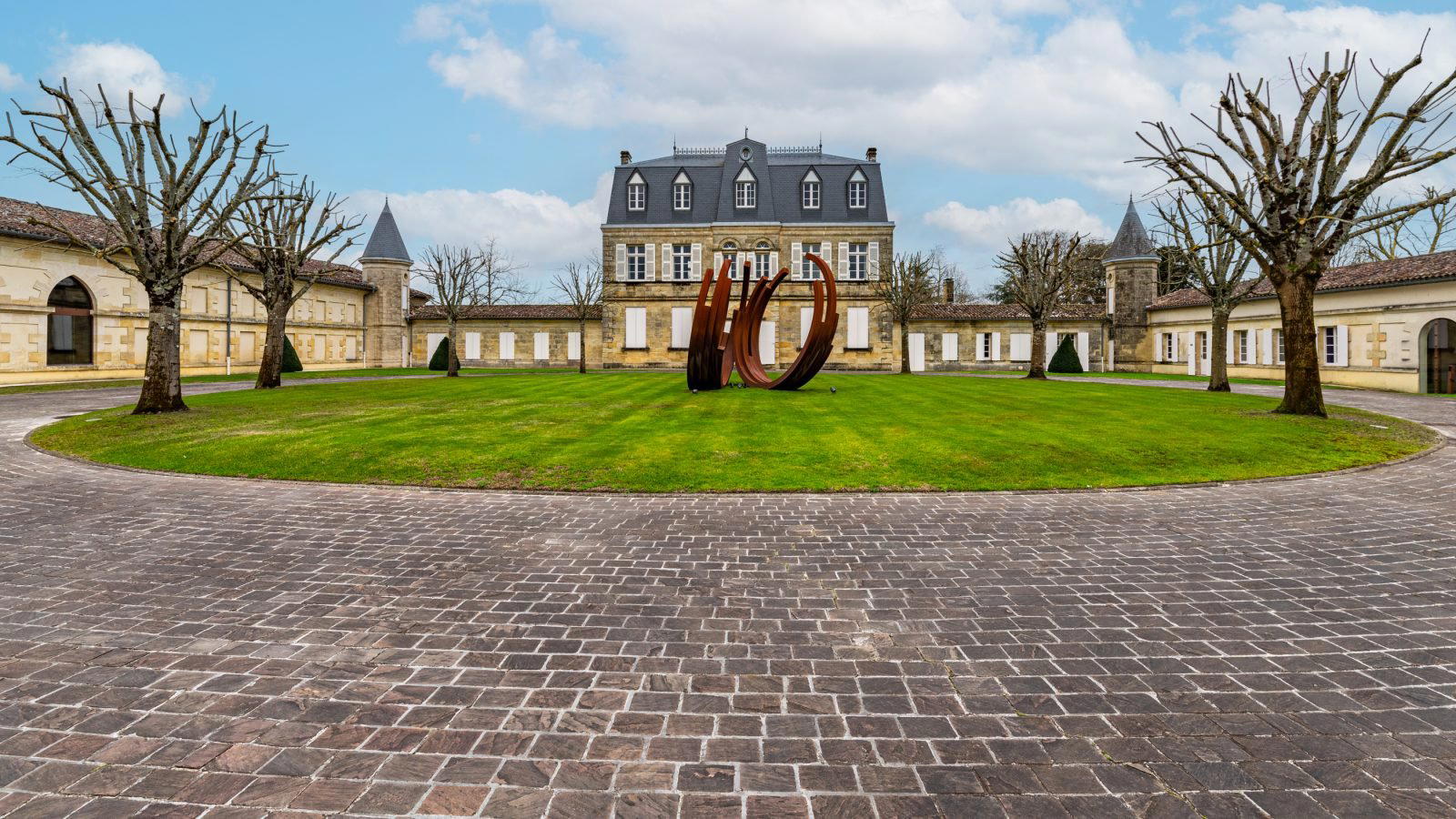
Château Malescasse
Lamarque, France
Choose Château Malescasse if the goal is a clear, hands-on introduction to Haut-Médoc blending rather than a passive tasting. The renovated winery, barrel-room setting and Cellar Master Workshop give the visit more educational value than a basic château stop, especially for travelers who want to understand how Merlot, Cabernet Sauvignon and Petit Verdot shape the final wine.
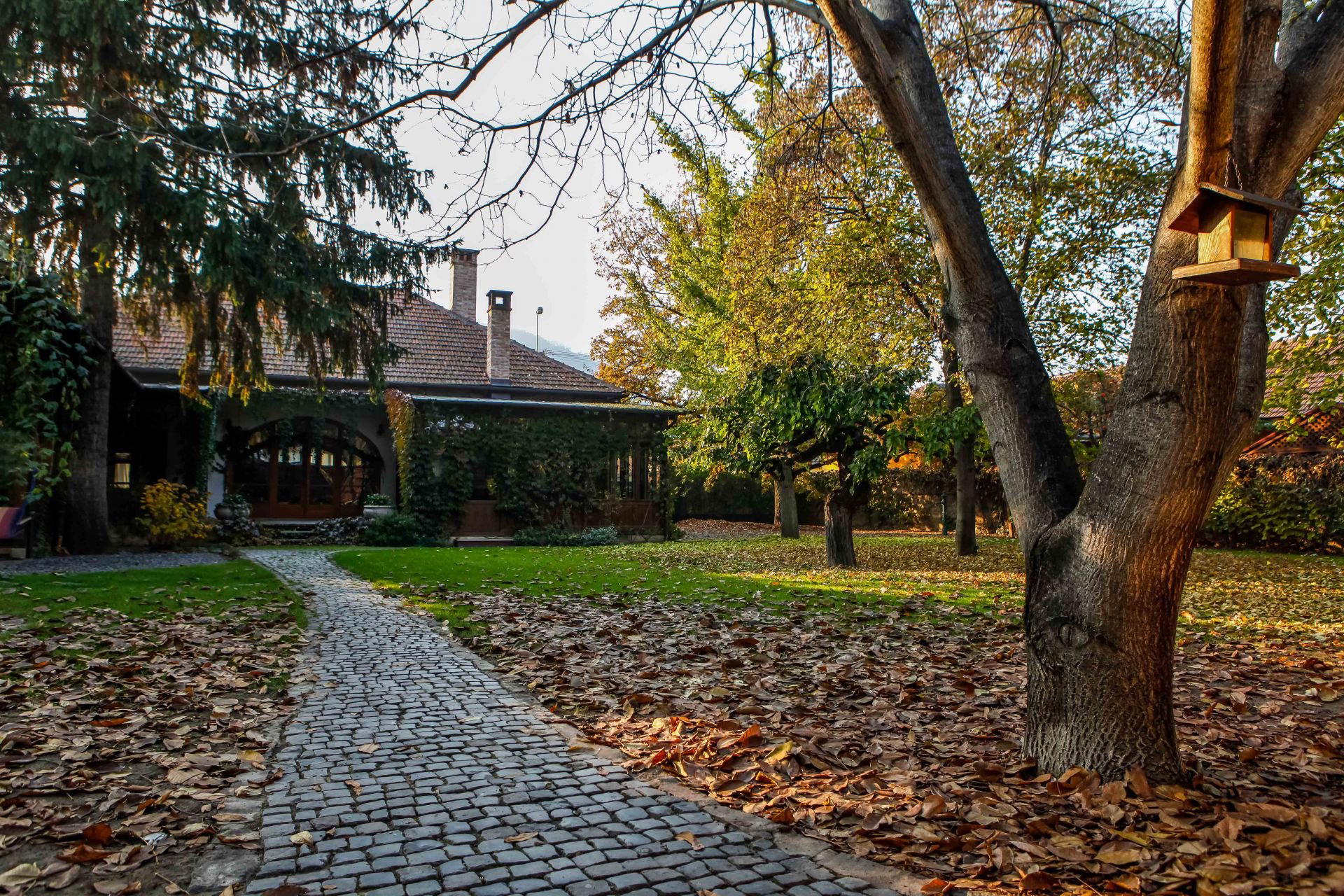
Demeter Zoltán Winery
Tokaj, Hungary
Book Demeter Zoltán Winery if Tokaj wine depth is the reason for the trip, not if you need an easy walk-in tasting. Its strongest fit is for serious wine travellers building a focused route through Tokaj proper, with nearby peers kept as backups if access proves difficult.
Château Guéry
Azille, France
Château Guéry is worth booking for a relaxed Minervois tasting with family-estate character, especially if the group wants range across multiple grape varieties rather than a design-led winery experience. It is better for couples, small celebrations, and low-key wine-country planning than for large groups or visitors expecting a full food program.
El Grifo
Mozaga, Spain
Book El Grifo if you want a quiet, heritage-led Lanzarote winery visit with real volcanic-terroir context. The strongest reason to go is the local white-grape focus, especially Malvasia Volcanic and Listán Blanco, backed by Falstaff Listed 2026 recognition and a historic museum setting.
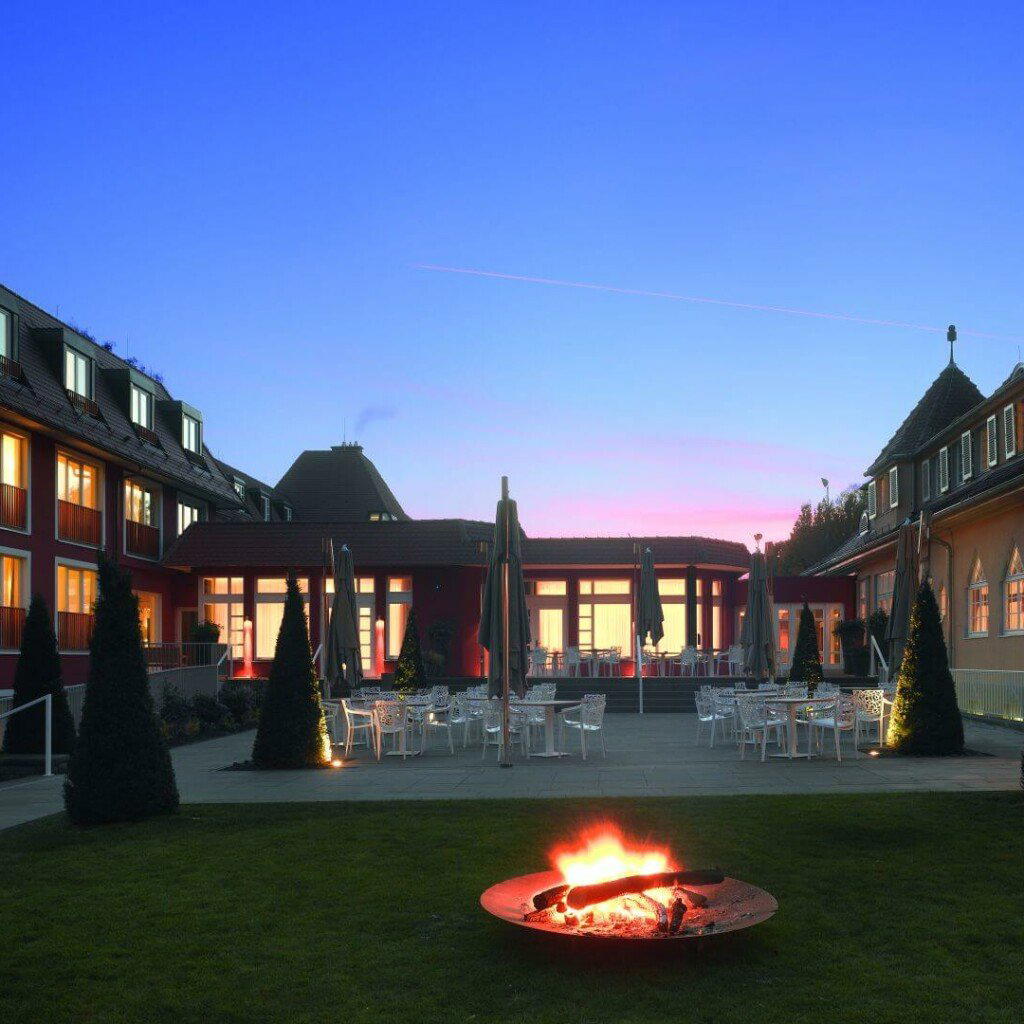
Weingut Rainer Schnaitmann
Fellbach, Germany
Book Weingut Rainer Schnaitmann if the priority is a serious Fellbach winery visit with a strong producer focus, not a casual walk-in tasting. It suits couples, collectors, and small celebration groups who can plan ahead; for an easier local cross-shop, compare availability with Weingut Aldinger before setting the day.
Cave de la Crettaz
Venthone, Switzerland
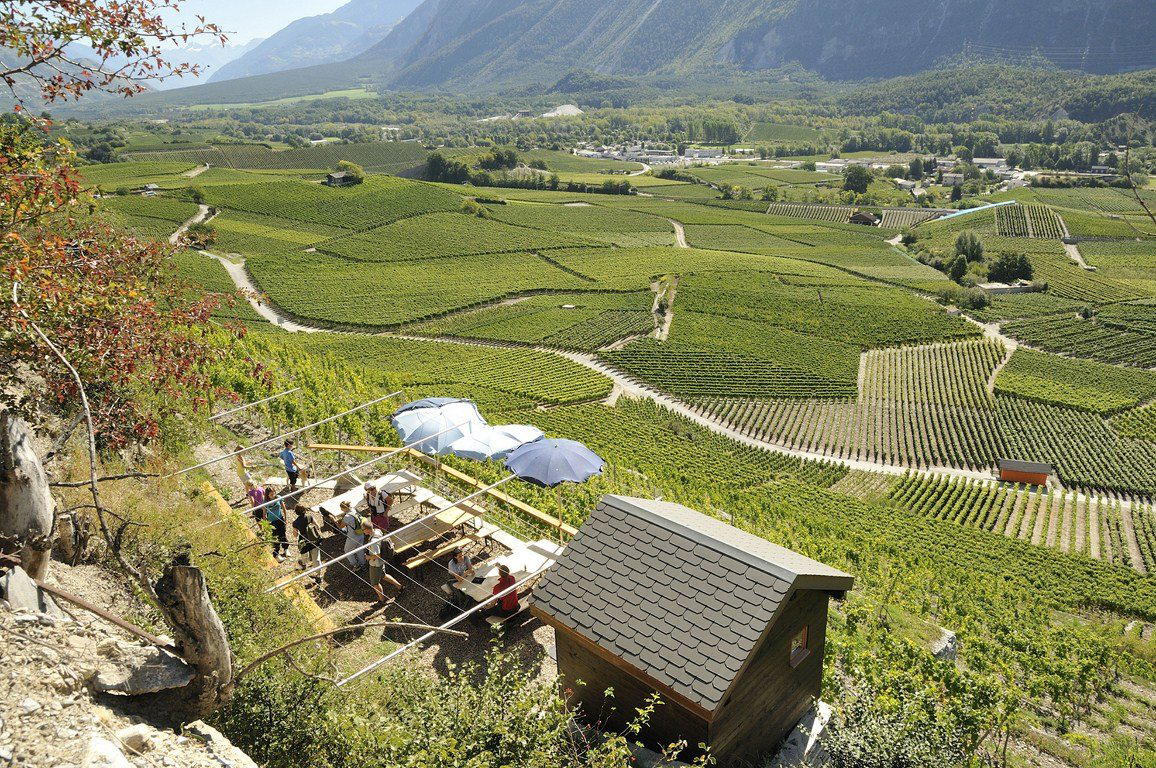
Cave de la Crettaz is a practical Venthône pick for a focused Valais wine visit, especially if an easy booking matters. Its 2026 Falstaff listing gives it a useful quality signal, but plan it as a wine-led stop rather than a food or large-group experience unless those details are confirmed in advance.
Château La Fleur Saint Georges
Neac, France
Book Château La Fleur Saint Georges if you want a relaxed Lalande-de-Pomerol wine stay with rural lodging and on-site dining, not a formal grand-château tasting. It suits couples and small groups who want the table, vineyard setting, and overnight rhythm in one place.
Bakonyi Winery
Villány, Hungary
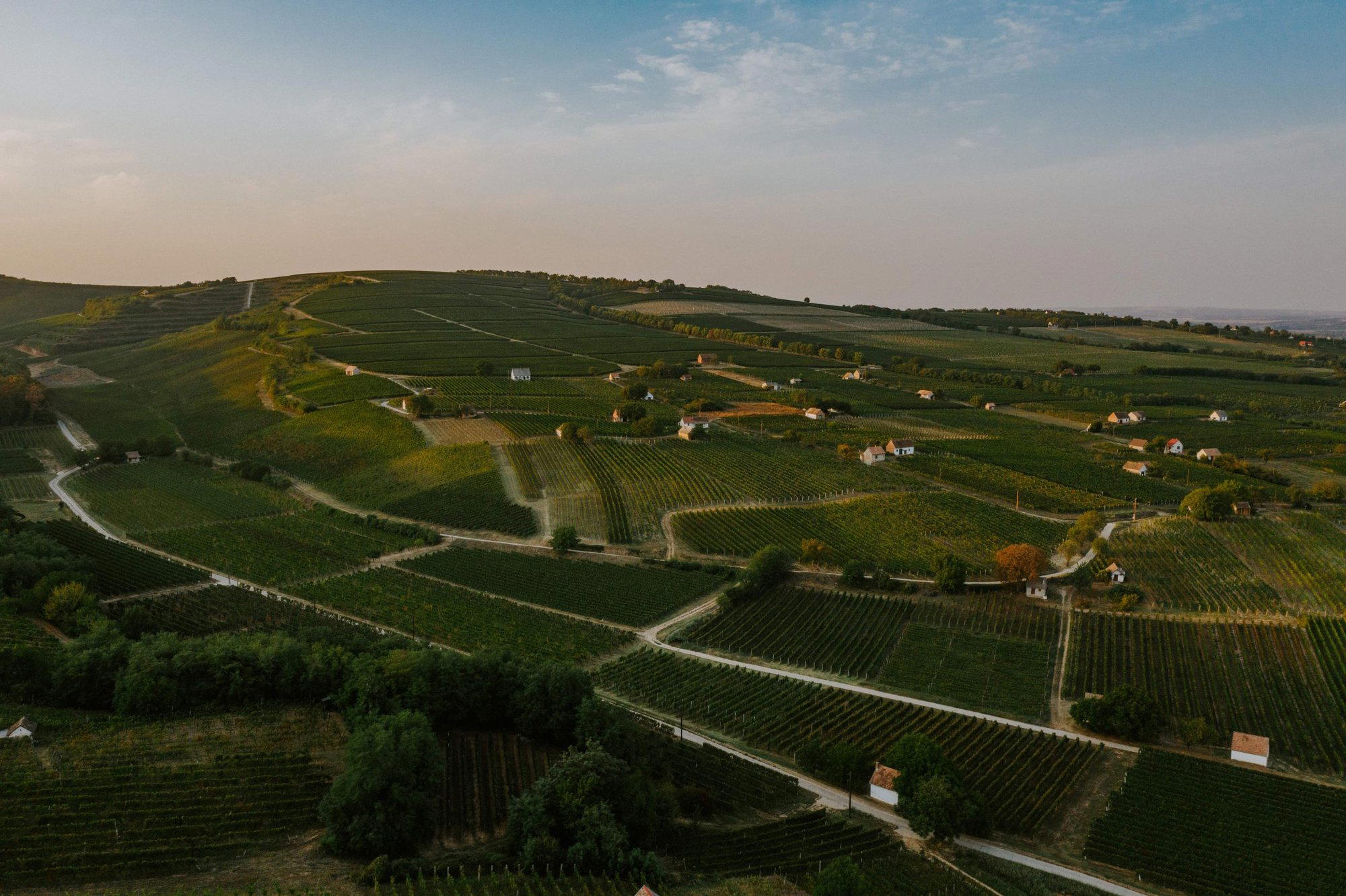
Book Bakonyi Winery if the goal is a quieter, research-led Villány wine stop rather than a dining-led estate experience. Its 2026 Falstaff listing gives it a credible reason to be on a serious itinerary, but any wine club or allocation decision should wait until after a tasting and a clear look at the terms.
Domaine du Château de Marsannay
Marsannay-la-Côte, France
Book Domaine du Château de Marsannay if you want a structured Burgundy tasting with cellar context, vineyard views, and enough polish for a celebration or business outing. It is stronger as a guided estate visit than as a casual drop-in, with the private format making sense for groups or occasions that need more control.
Cellier des Princes
Courthézon, France
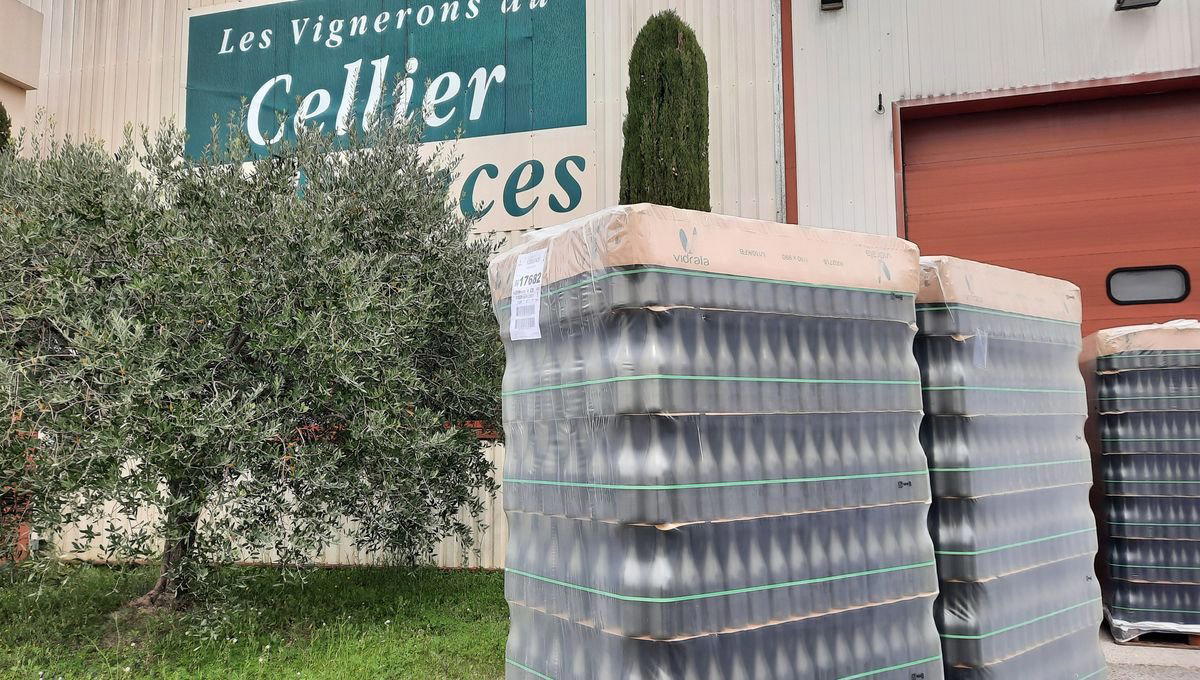
Cellier des Princes is a smart first stop in Courthézon if you want a broad, low-pressure read on Châteauneuf-du-Pape and the Southern Rhône. The cooperative format means less small-estate intimacy, but more range, easier browsing, and strong value for visitors who want to taste before buying.
How many of these have you visited?
Find out on Pearl and keep score across every place in 2026 Falstaff Winery Guide.