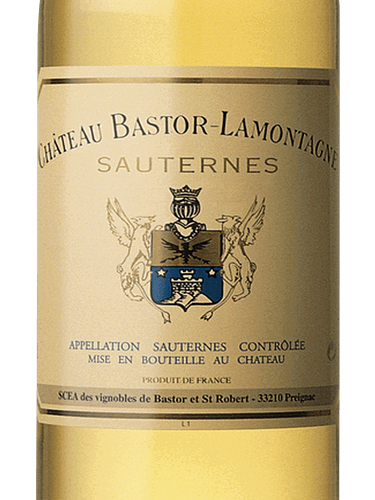


Château Bastor-Lamontagne
Preignac
Winery in Preignac, France
 Book with Pearl
The Read
Botrytis-Driven Sauternes
Why go
Château Bastor-Lamontagne is a strong Preignac choice for a quieter Sauternes-focused visit, especially for anniversaries, dates, or small business groups. Choose it over bigger-name peers when conversation and pacing matter more than status signaling; cross-shop Château d'Yquem or Château Suduiraut if the goal is a higher-profile stop.
About Château Bastor-Lamontagne
Is Château Bastor-Lamontagne worth planning a visit around in Preignac? It can be, if you want to prioritise a venue with confirmed recognition. Château Bastor-Lamontagne is in Preignac, Valérie Vialard is listed as chef/owner, the dress code is smart casual, and the venue holds Pearl 3 Star Prestige (2025).
Because public-facing specifics such as exact formats, pricing, hours, group capacity, and appointment requirements should be checked directly, the safest way to plan is to contact Château Bastor-Lamontagne in advance before building a day around it. For a comparison-led itinerary, names to consider include Château Suduiraut, Château Lafaurie-Peyraguey, Château Rabaud-Promis, Château Sigalas-Rabaud, and Château d'Yquem.
Book this for confirmed recognition, not assumed extras
The strongest reason to choose Château Bastor-Lamontagne is its confirmed positioning: it is a Preignac venue with Pearl 3 Star Prestige (2025), a smart casual dress code, and Valérie Vialard attached as chef/owner. Avoid assuming a particular visit style, tasting format, menu, price point, or schedule without checking directly.
For travellers comparing names in the area, Château Bastor-Lamontagne can sit naturally alongside Château Rabaud-Promis, Château Sigalas-Rabaud, Château Suduiraut, Château Lafaurie-Peyraguey, and Château d'Yquem. The choice should come down to what is actually available for your date and what kind of experience the venue confirms when you enquire.
How to place it in a Preignac day
Plan the day around Preignac and confirm practical details before committing to a fixed route. Since details such as opening times, booking policy, group handling, visit length, and pricing should be confirmed directly, leave space in the itinerary rather than stacking too many appointments tightly together. Other dining and hospitality options in Preignac can fill out the day, but they should be checked separately.
Verdict: shortlist Château Bastor-Lamontagne if you want a smart casual Preignac venue with confirmed Pearl 3 Star Prestige (2025). Keep expectations grounded, verify the current experience directly, and compare it with Château Suduiraut, Château Lafaurie-Peyraguey, Château Rabaud-Promis, Château Sigalas-Rabaud, or Château d'Yquem if you are building a broader visit in the area.
Planning details
- Location
- La Montagne-Est, 33210 Preignac
- Website
- chateaubastorlamontagne.fr
- Phone
- +33 5 56 63 27 66
The take
The Take
The Vibe
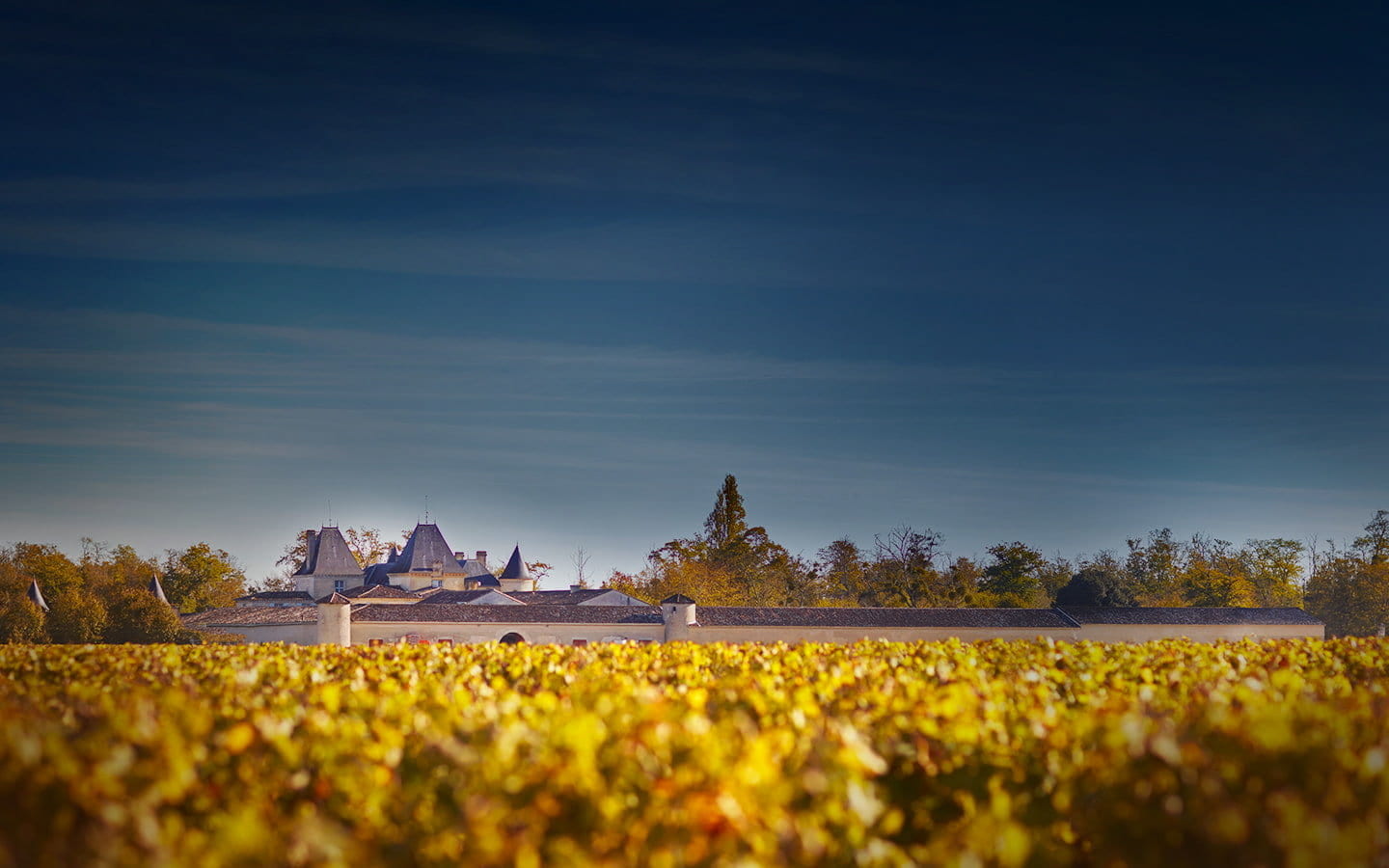
Château Bastor-Lamontagne reads as a refined, terroir-driven Sauternes estate that foregrounds precision and tradition. The write-up focuses on the local microclimate — the fog from the Ciron and the action of Botrytis cinerea — and on meticulous vineyard work: repeated hand-sorting passes and disciplined yield management. That emphasis creates a sense of craft and seriousness rather than flash; wines are described in terms of structure, mid-palate weight and aging potential. The overall impression is of a sophisticated, historically rooted domaine where soil, elevation and selective picking shape an expressive, ageworthy sweet wine.
Best For
This estate is best approached as a place for focused wine study and for buying bottles meant to mark special moments. The description repeatedly highlights the mechanics that define Sauternes — botrytis development, the number of tris and the influence of gravel versus clay-limestone — so tastings here reward curiosity about technique and terroir. Allocation dynamics and the estate’s selective practices also suggest that its top cuvées will appeal to collectors and to anyone choosing a carefully considered bottle for a celebration.
Tasting Tips
When engaging with wines from Bastor-Lamontagne, ask specific, vineyard-focused questions: how many sorting passes (tris) were completed in the vintage, and which parcels contributed to the cuvée. Inquire about the vineyard soils — gravel tends to give tension and finesse, clay-limestone adds glycerol and mid-palate weight — and about the Sémillon/Sauvignon Blanc proportions. Because the estate emphasizes selection and aging potential, consider tasting older vintages to judge development, and note whether a wine’s concentration and acidity balance suit immediate enjoyment or cellaring.
Venue details
Ambiance
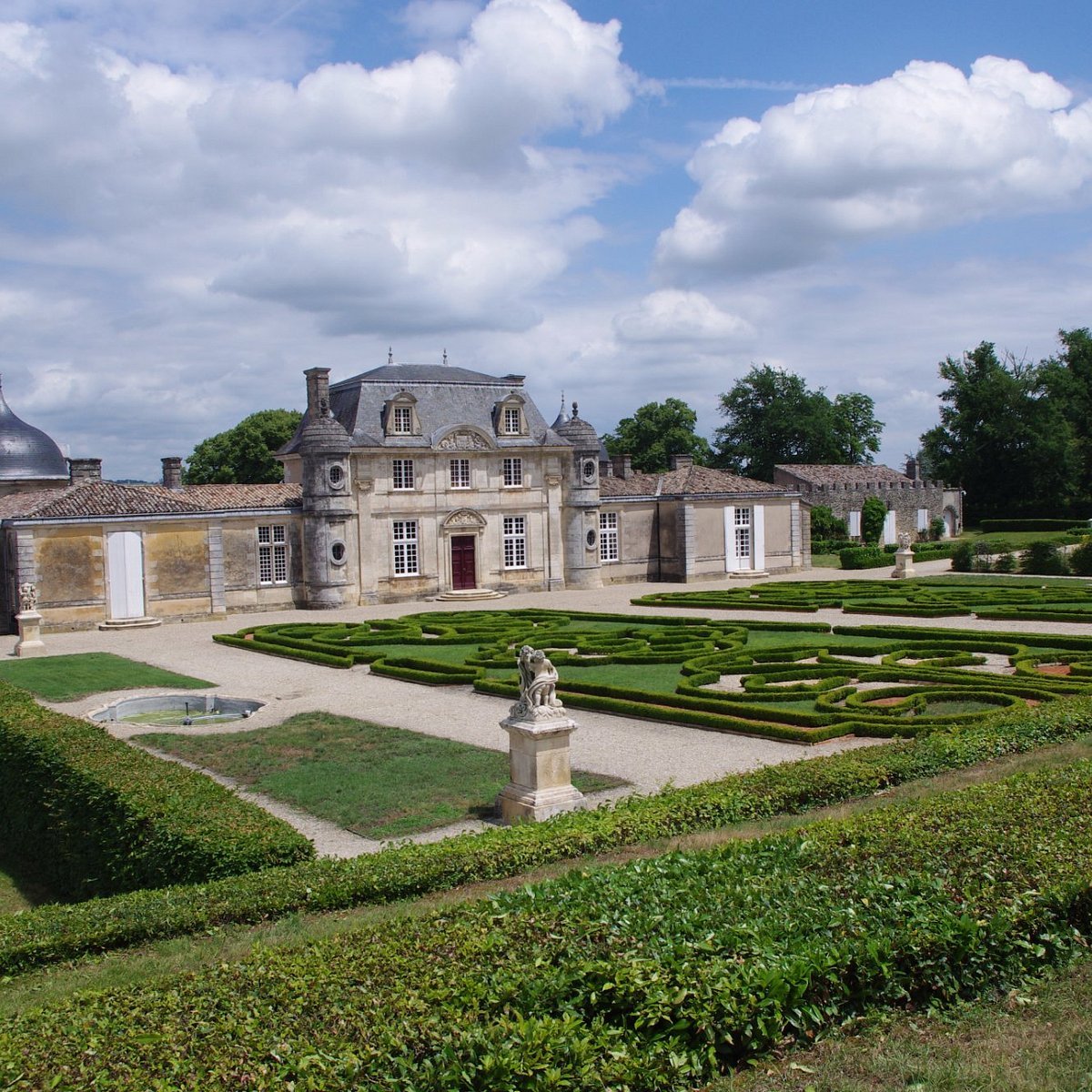
Elegant and fresh atmosphere with finesse, vivacity, and balance, reflecting a historic yet modern approach to Sauternes winemaking.
Tags
Vibe
Best For
Experience
Sourcing
View
At the Vineyard
- Appellation
- Sauternes AOC
- Varietals
- Semillon, Sauvignon Blanc, Sauvignon Gris, Muscadelle
- Tour Duration
- 60-90 minutes
- Visits
- By appointment only
- Farming
- Organic
- Production
- Mid-size producer
- Wine Styles
- Dessert, Still White
- Wine Club
- Not available
Know before you go
Know Before You Go
- Getting there
- La Montagne-Est, 33210 Preignac
Planning details
Location
Recognition and awards

Also consider
Where to Look If This Is Full
If Château Bastor-Lamontagne is not workable, try Château Suduiraut for a nearby Sauternes alternative with broader recognition. For a more expansive occasion-led outing, Château Lafaurie-Peyraguey is the stronger backup.
Winery context
How It Compares in Preignac and Sauternes
Choose Château Bastor-Lamontagne when the brief is a quieter, more composed Sauternes visit in Preignac. Château Suduiraut is the stronger cross-shop for travellers who want a more name-recognisable stop in the same area, while Château d'Yquem is the status play and the harder booking target.
Château Rabaud-Promis and Château Sigalas-Rabaud make sense for visitors building a broader Sauternes comparison day, especially if the goal is to understand producer differences rather than focus on one polished appointment. Bastor-Lamontagne is the better fit for a special-occasion tasting where the room needs to stay calm and the conversation matters.
Château Lafaurie-Peyraguey is the more experience-forward alternative for travellers who want a bigger overall château outing. Bastor-Lamontagne is easier to justify when value is defined by focus, atmosphere, and a Preignac anchor rather than by the broadest hospitality setup.
Explore Preignac
Around this place
Discover more on Pearl
Unlock the full Château Bastor-Lamontagne guide in Pearl, including awards, comparisons, FAQs, planning details, and nearby places.
Compare Château Bastor-Lamontagne
| Venue | Location | Awards |
|---|---|---|
| Château Bastor-Lamontagne | Preignac | 2026 Falstaff Winery Guide2025 Pearl 3 Star Prestige |
| Château Suduiraut | Preignac | 2026 Michelin 1 Grape - Bordeaux2026 Falstaff Winery Guide2025 Pearl 4 Star Prestige |
| Château Rabaud-Promis | Bommes | 2026 Falstaff Winery Guide |
| Château Sigalas-Rabaud | Bommes | 2026 Michelin 1 Grape - Bordeaux2026 Falstaff Winery Guide2025 Pearl 4 Star Prestige |
| Château Lafaurie-Peyraguey | Bommes | 2026 Wine Spectator Best of Award of Excellence2026 Falstaff Winery Guide2025 Pearl 4 Star Prestige |
| Château d'Yquem | Sauternes | 2026 Michelin 3 Grapes - Bordeaux2026 Falstaff Winery Guide2025 World's 50 Best Vineyards · #92025 Pearl 5 Star Prestige2024 World's 50 Best Vineyards · #132023 World's 50 Best Vineyards · #182022 World's 50 Best Vineyards · #232020 World's 50 Best Vineyards · #31 |


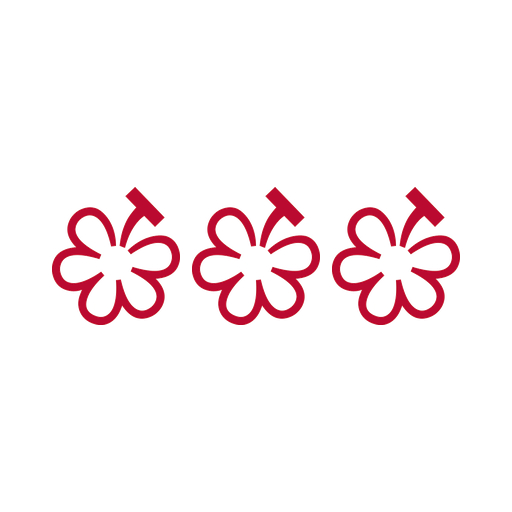

How Château Bastor-Lamontagne Preignac compares with similar nearby venues.
FAQ
Frequently Asked Questions
What other venues can I compare with Château Bastor-Lamontagne?
Useful comparison names include Château Suduiraut, Château Rabaud-Promis, Château Sigalas-Rabaud, Château Lafaurie-Peyraguey, and Château d'Yquem. Use them as reference points when planning, while checking each venue's current availability directly.
What is Château Bastor-Lamontagne known for in this guide?
Château Bastor-Lamontagne is in Preignac, Valérie Vialard is listed as chef/owner, the dress code is smart casual, and the venue holds Pearl 3 Star Prestige (2025). For more specific experience details, contact the venue directly.
Do I need a reservation at Château Bastor-Lamontagne?
Contact Château Bastor-Lamontagne directly to confirm current reservation requirements, availability, timing, and any booking conditions before making plans.
Are membership or loyalty details available for Château Bastor-Lamontagne?
For membership or loyalty details, contact Château Bastor-Lamontagne directly. If any such option is available, assess it based on the current terms provided by the venue and how often you expect to engage with it.
Can Château Bastor-Lamontagne handle large groups?
How long should I plan for a visit to Château Bastor-Lamontagne?
Confirm the current timing and recommended visit length directly with Château Bastor-Lamontagne, especially if you are also comparing names such as Château Rabaud-Promis, Château Sigalas-Rabaud, Château Suduiraut, or Château Lafaurie-Peyraguey.