
Weingut Jean Stodden
Rech
Winery in Rech, Germany
 Book with Pearl
The Read
Slate-Driven Spätburgunder
Price
$50–100tasting
Why go
Prioritize Weingut Jean Stodden if an Ahr trip is centered on serious red wine and regional context. It is a focused winery stop rather than a broad hospitality play, so plan early, keep the group small, and use nearby Rech options to complete the day.
About Weingut Jean Stodden
Weingut Jean Stodden is a venue in Rech with a smart casual dress code and Pearl 2 Star Prestige recognition for 2025. Before planning around it, confirm practical details such as visit format, food service, hours, pricing, group capacity, and tasting arrangements directly with the venue.
Why this Rech venue is worth noting
Weingut Jean Stodden is a Rech venue recognized with Pearl 2 Star Prestige (2025). That makes it relevant for travelers comparing notable premium stops, but do not assume a particular menu, tasting format, tour structure, or service style without checking in advance.
Plan conservatively. Confirm availability, timing, access, and any visit-specific requirements directly with the venue. If you are arranging a wider day in Rech, keep meals, hotels, bars, and other activities flexible until the venue-specific details are clear.
Who should choose it, and who should cross-shop
Choose Weingut Jean Stodden if you are specifically interested in a Pearl 2 Star Prestige-recognized Rech venue and are comfortable confirming the practical details yourself. Travelers who need certainty on hospitality format, group setup, food offering, or price level should check directly before committing.
For comparison planning, Weingut Meyer-Näkel, Weingut J.J. Adeneuer, and Winzergenossenschaft Mayschoss-Altenahr are natural names to consider alongside Weingut Jean Stodden. Jacquart and Weingut Heymann-Löwenstein may also be useful reference points when comparing a broader premium itinerary, though they should not be treated as identical substitutes without checking the details of each visit.
In short, keep the plan grounded: Weingut Jean Stodden is a smart casual Rech venue with Pearl 2 Star Prestige (2025). For exact visit format, service details, food availability, schedules, prices, or capacity, check directly before you build an itinerary around it.
Planning details
- Location
- Rotweinstraße 7, 53506 Rech
- Website
- stodden.de/aktuelles
- Phone
- +49 2643 3001
The take
The Take
The Vibe
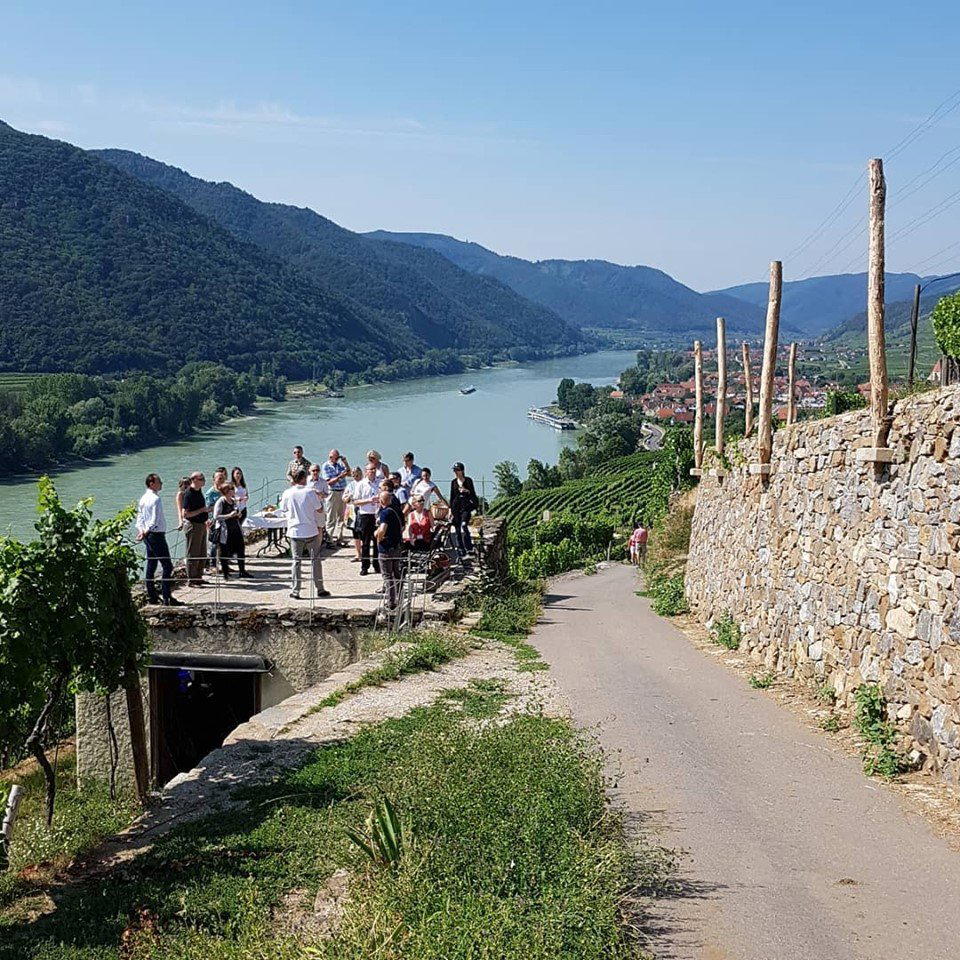
Weingut Jean Stodden feels like a quietly intense, site-driven estate set within the Ahr’s dramatic, steeply terraced landscape. The narrative here is geological as much as viticultural: dark volcanic slate and greywacke on near-vertical slopes shape wines that carry palpable mineral tension. The operation sits in Rech, a village small enough to cross on foot, and the setting’s modest scale amplifies the sense of intimacy and focus on terroir. Recognition such as a Pearl 2 Star Prestige rating underscores a measured seriousness — this is a place where careful vineyard work and a cool-climate expression of Spätburgunder define the character.
Best For
This estate is best for people interested in terroir-forward German red wines and anyone seeking a focused wine-country experience rather than tourist bustle. Because the Ahr is Germany’s northernmost significant red-wine region and Jean Stodden’s wines articulate site specificity, it suits visitors on wine-education outings and travelers marking a special occasion. The compact village setting and dramatic slopes also make the visit suitable for a quiet, scenic getaway. Expect an encounter framed by geology and Pinot Noir — especially Spätburgunder — rather than a bustling tasting-room spectacle.
Tasting Tips
When choosing bottles from Jean Stodden, prioritize Spätburgunder (Pinot Noir) and site-designated bottlings that reflect the Ahr’s slate and greywacke soils; the description emphasizes that those soils contribute a mineral tension and structure. Look for wines that balance ripeness with the cool-climate acidity the valley reliably produces — the estate’s Pearl 2 Star Prestige rating signals consistent, site-specific quality. In tastings, focus on expressions that reference slope and site; those labels are likelier to show the mineral thread and precision the write-up highlights.
Venue details
Ambiance
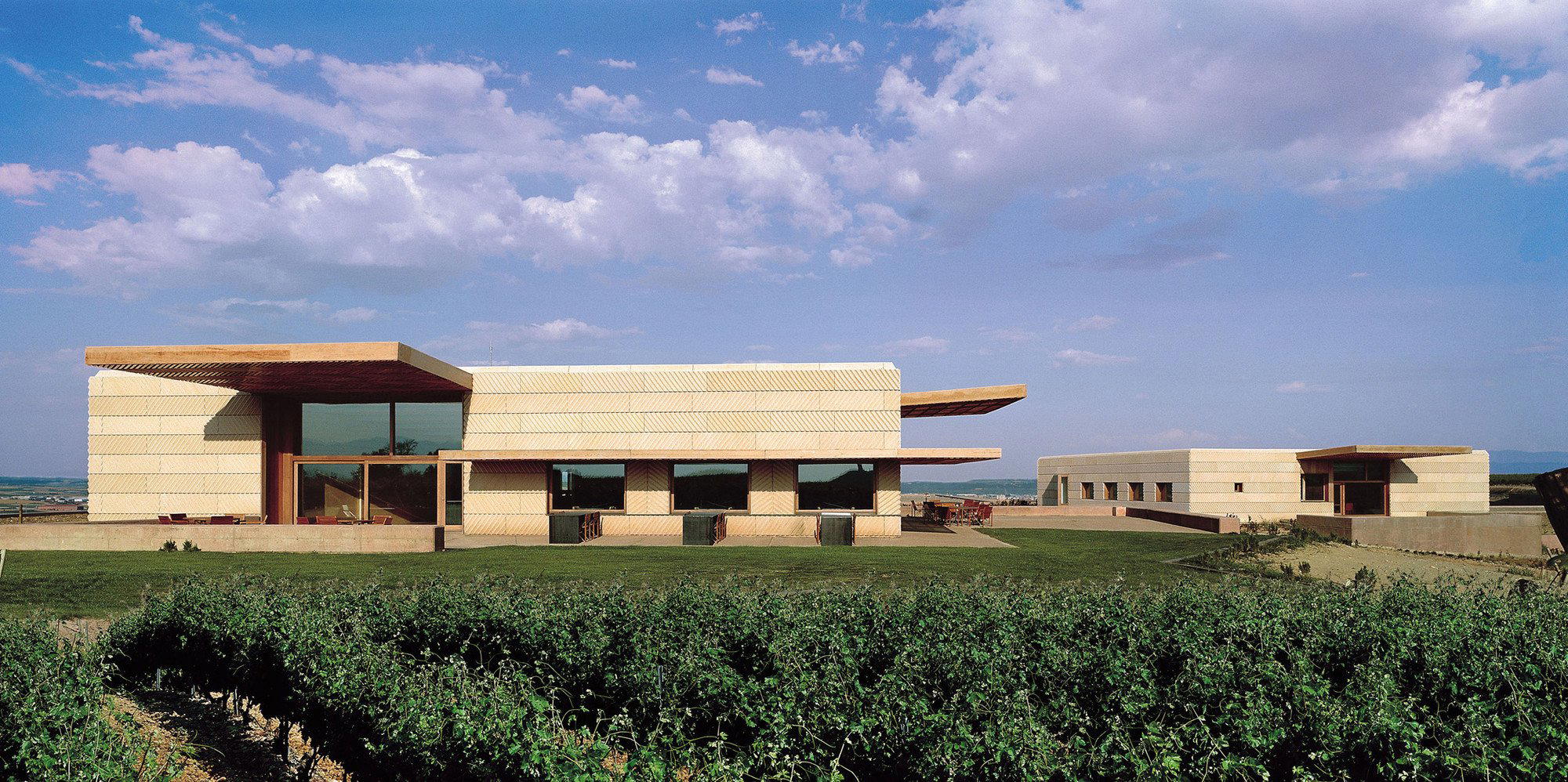
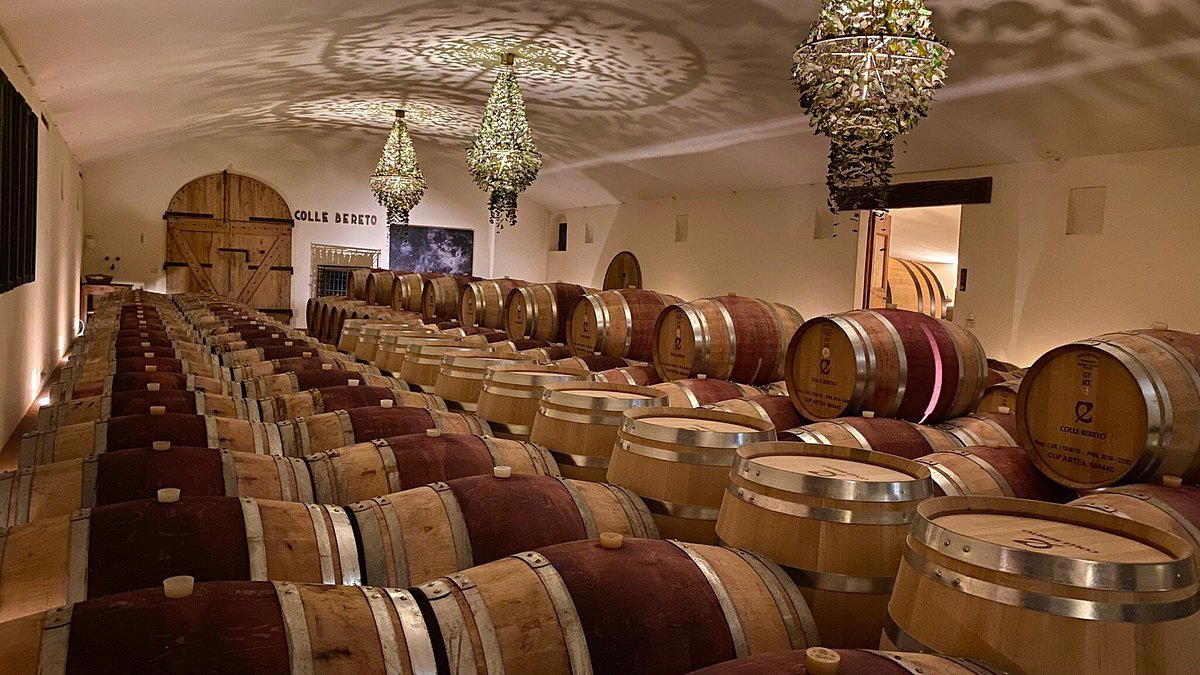
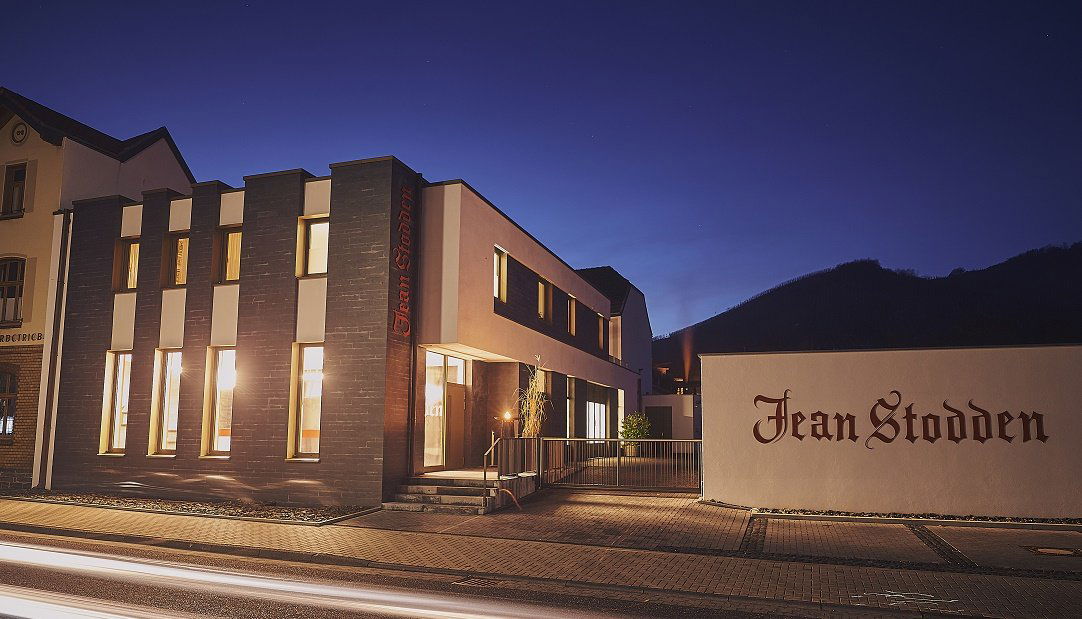
Modern, puristic tasting room with red as a supporting design element; traditional winemaking philosophy balanced with contemporary facilities.
Tags
Vibe
Best For
Experience
Sourcing
View
At the Vineyard
- Appellation
- Ahr
- Varietals
- Spätburgunder, Frühburgunder, Riesling
- Tour Duration
- 90-120 minutes
- Tour Languages
- German, English
- Visits
- By appointment only
- Farming
- Sustainable
- Wine Styles
- Still Red, Sparkling
- Shipping
- Available
- Wine Club
- Available
Know before you go
Know Before You Go
- Getting there
- Rotweinstraße 7, 53506 Rech
Planning details
Location
Recognition and awards

Also consider
Also Consider
- Weingut Meyer-Näkel, Notable alternative
- Winzergenossenschaft Mayschoss-Altenahr, Notable alternative
- Weingut J.J. Adeneuer, Notable alternative
- Jacquart, Notable alternative
- Weingut Heymann-Löwenstein, Notable alternative
Winery context
How it compares in and around Rech
Weingut Jean Stodden is the pick for travelers who want an Ahr-focused visit with a serious red-wine lens and are willing to plan around difficult access. Weingut Meyer-Näkel is the closest peer for a similar Ahr red-wine priority, so cross-shop it first if availability is the main constraint rather than style.
Winzergenossenschaft Mayschoss-Altenahr is the more practical choice for groups or travelers who want a broader, less producer-specific experience. Weingut J.J. Adeneuer suits visitors extending the Ahr plan beyond Rech and looking for another serious address rather than a hospitality-led stop.
Jacquart and Weingut Heymann-Löwenstein are better treated as wider-region alternatives, not direct Rech replacements. Choose them when the itinerary is about broader German wine context; choose Stodden when the day is specifically about the Ahr and access can be secured.
Explore Rech
Around this place
Discover more on Pearl
Unlock the full Weingut Jean Stodden guide in Pearl, including awards, comparisons, FAQs, planning details, and nearby places.
Compare Weingut Jean Stodden
| Venue | Location | Awards |
|---|---|---|
| Weingut Jean Stodden | Rech | 2026 Falstaff Winery Guide |
| Weingut Meyer-Näkel | Dernau | No published awards |
| Winzergenossenschaft Mayschoss-Altenahr | Mayschoß | No published awards |
| Weingut J.J. Adeneuer | Bad Neuenahr-Ahrweiler | 2026 Falstaff Winery Guide |
| Jacquart | Grafschaft | 2025 Pearl 2 Star Prestige |
| Weingut Heymann-Löwenstein | Winningen | 2026 Falstaff Winery Guide |

How Weingut Jean Stodden Rech compares with similar nearby venues.
FAQ
Frequently Asked Questions
Does Weingut Jean Stodden serve food?
Do not assume a meal, snack service, or any specific dining format without confirming directly with the venue.
Are memberships or regular purchasing options available at Weingut Jean Stodden?
If that is important to you, consult the venue's official information before deciding.
Can Weingut Jean Stodden handle large groups?
What other venues can I compare with Weingut Jean Stodden?
Comparison names to consider include Weingut Meyer-Näkel, Weingut J.J. Adeneuer, Winzergenossenschaft Mayschoss-Altenahr, Weingut Heymann-Löwenstein, and Jacquart. Check each venue's own details before treating it as a practical alternative.