

2026 Falstaff Winery Guide: The Ultimate Wine Authority — Page 12
Falstaff's 2026 Wineries guide.

Venues on this list
Domaine Cébène
Faugeres, France
Against more hospitality-heavy winery stops, Domaine Cébène is better treated as a focused Faugères buying lead than a full afternoon experience. Go if you are evaluating regional bottles or a possible allocation; skip it for food-led plans, large-group logistics, or a polished visitor setup unless those details are confirmed before you travel.
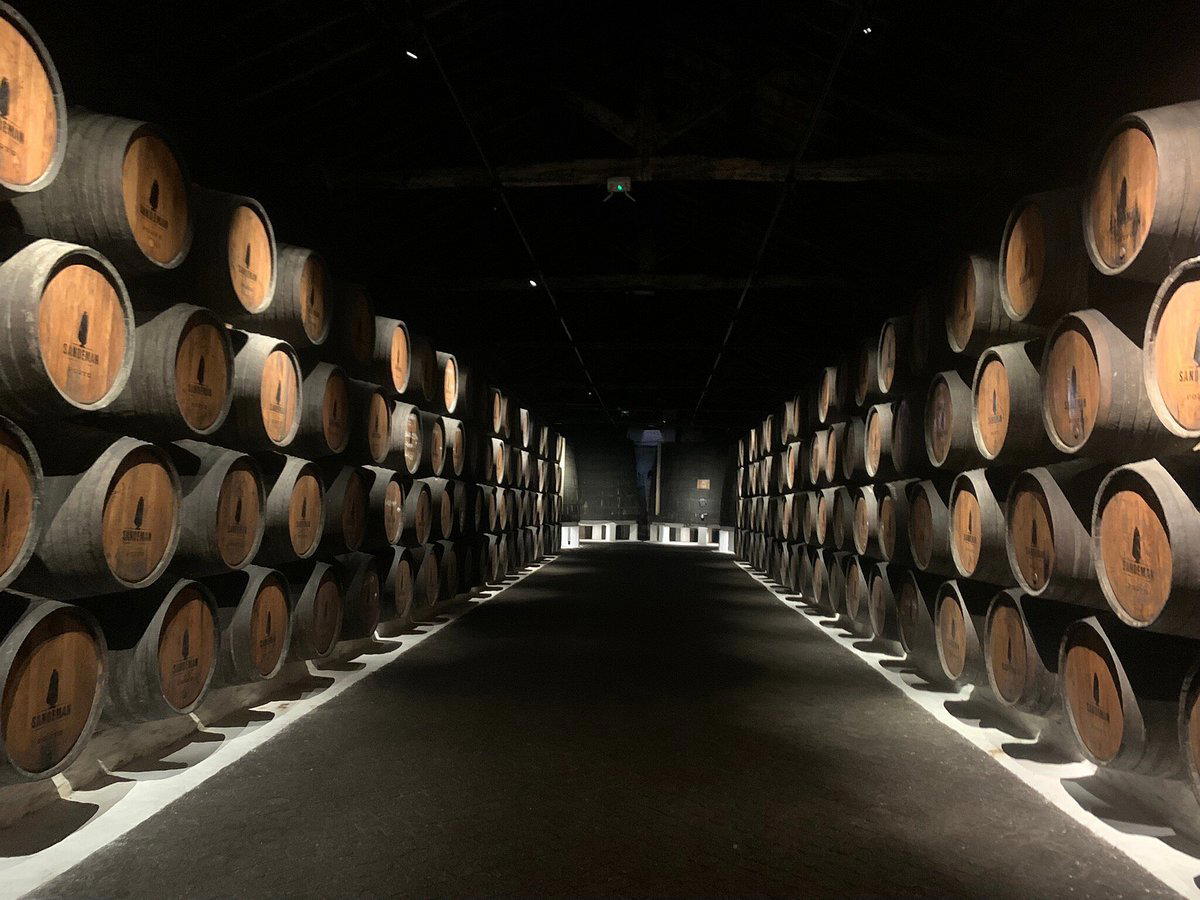
Sandeman
Vila Nova de Gaia, Portugal
Sandeman is the right Gaia booking if the plan calls for a central, established port-house visit rather than a small-producer detour. It works best as the anchor of a two-stop wine itinerary, with Ferreira, Fonseca Port, Taylor's Port, or Dow's Port used for contrast if availability and timing allow.
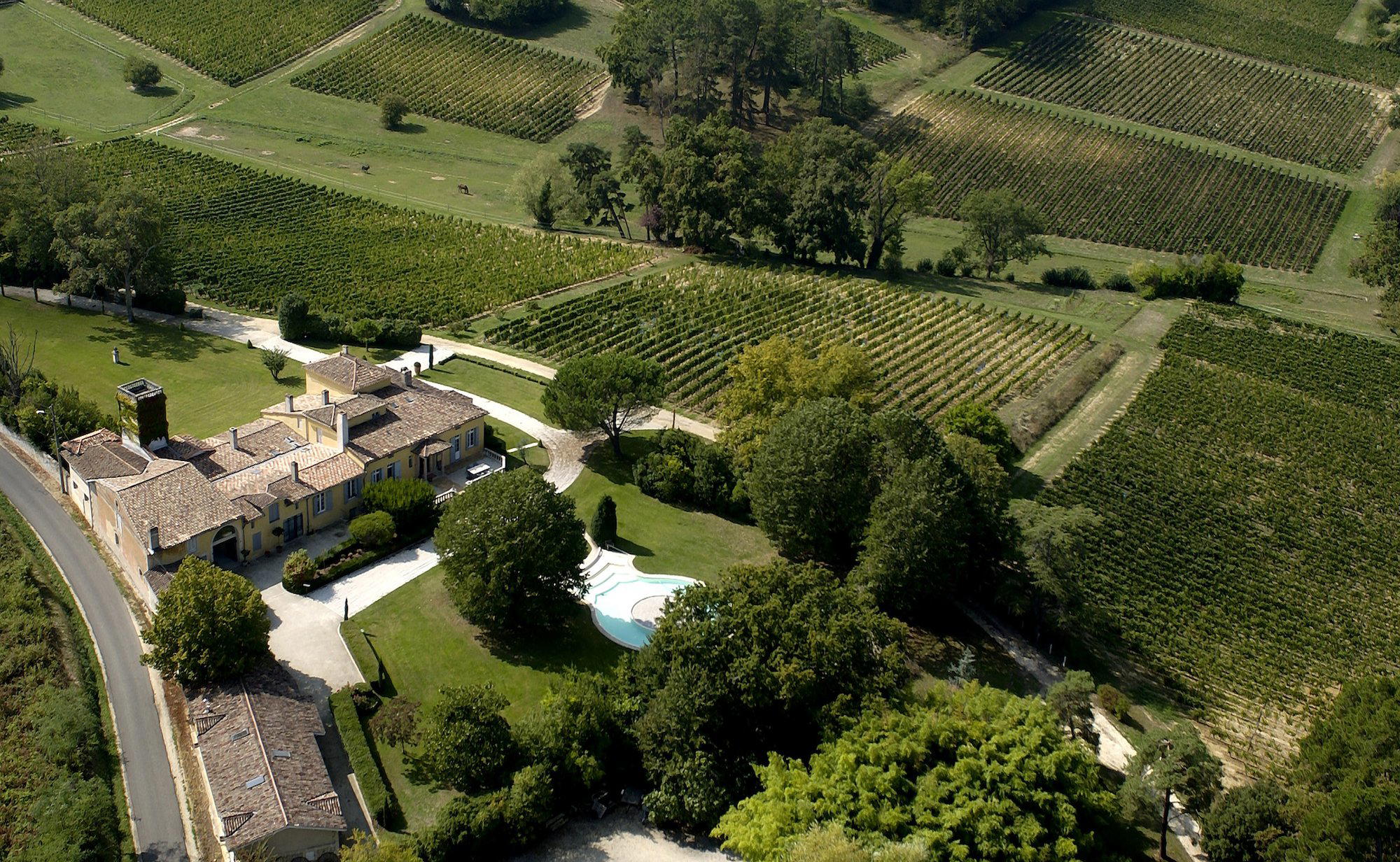
Château Le Doyenné
Saint Caprais De Bordeaux, France
Château Le Doyenné works for Bordeaux drinkers who want a focused Cadillac Côtes de Bordeaux producer with historic roots and a Merlot-led house style. It is Falstaff Listed for 2026 and sits in the $$ tier, but plan around the wine rather than a full visitor-center experience.
Julia Roch e Hijos
Jumilla Murcia, Spain
Julia Roch e Hijos is a cautious yes for wine-focused travelers already planning time in Jumilla, not a set-and-forget celebration stop. Its strongest signals are regional context, family-name identity, documented export activity, and Falstaff 2 Stars (2026); confirm the visitor format before building a day around it.
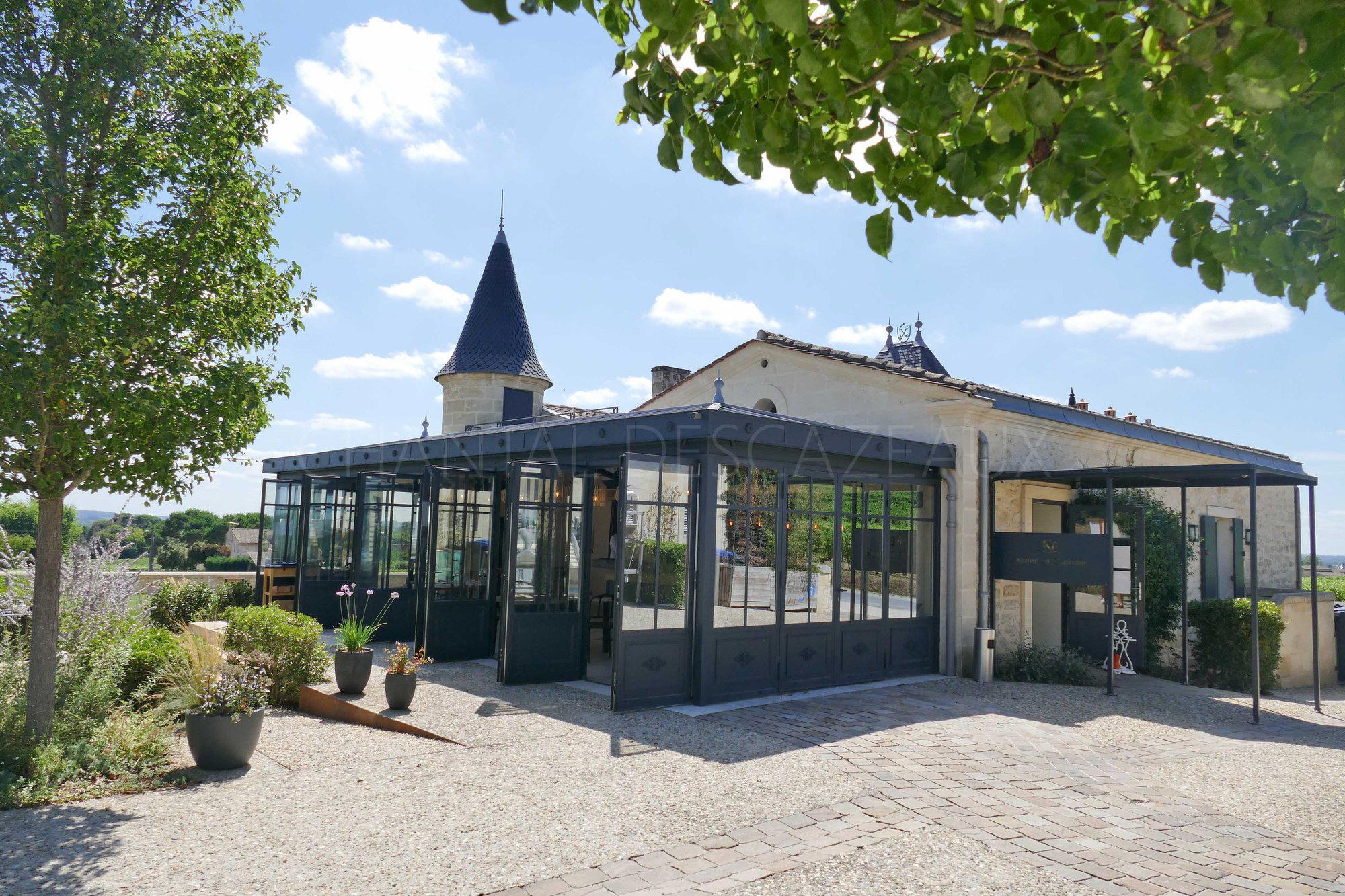
Château de Candale
Saint-Laurent-des-Combes, France
Château de Candale works for a calm Saint-Laurent-des-Combes wine stop, especially as part of a celebration itinerary in 2026. The 2026 Falstaff listing is the main trust signal; confirm tasting, food, shipping, and timing details before planning the rest of the day around it.
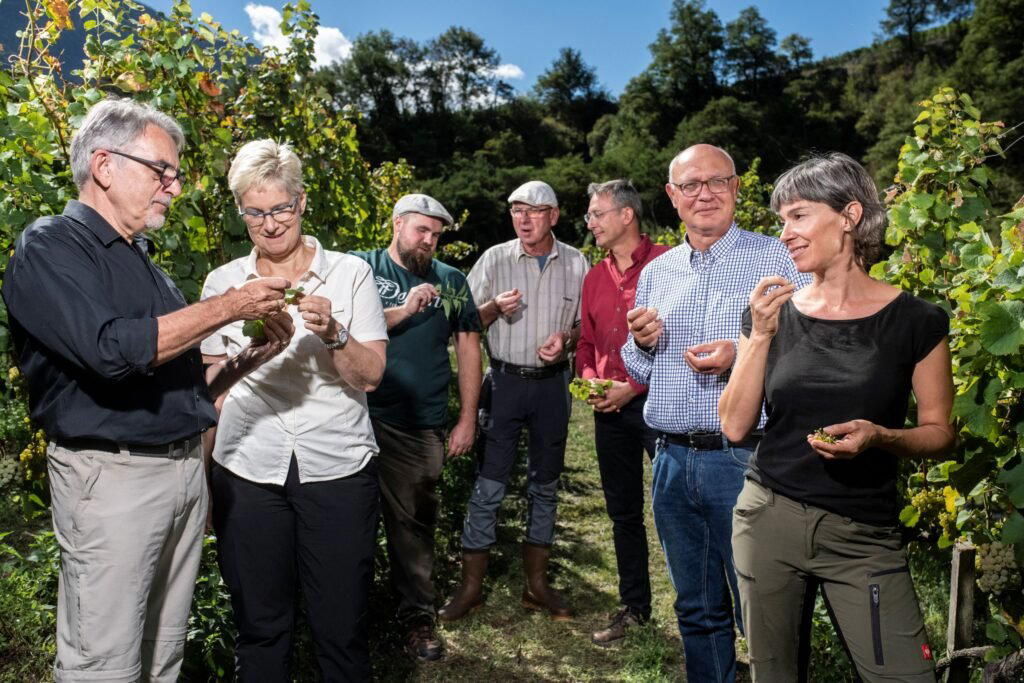
Cave Biber SA
Salquenen Salgesch, Switzerland
Cave Biber SA works if a Falstaff 3 Stars 2026 signal is enough to put a Valais producer on your research list. It is less suited to travelers who need confirmed food, pricing, hours, or tasting-format details before planning a stop in Salquenen Salgesch.
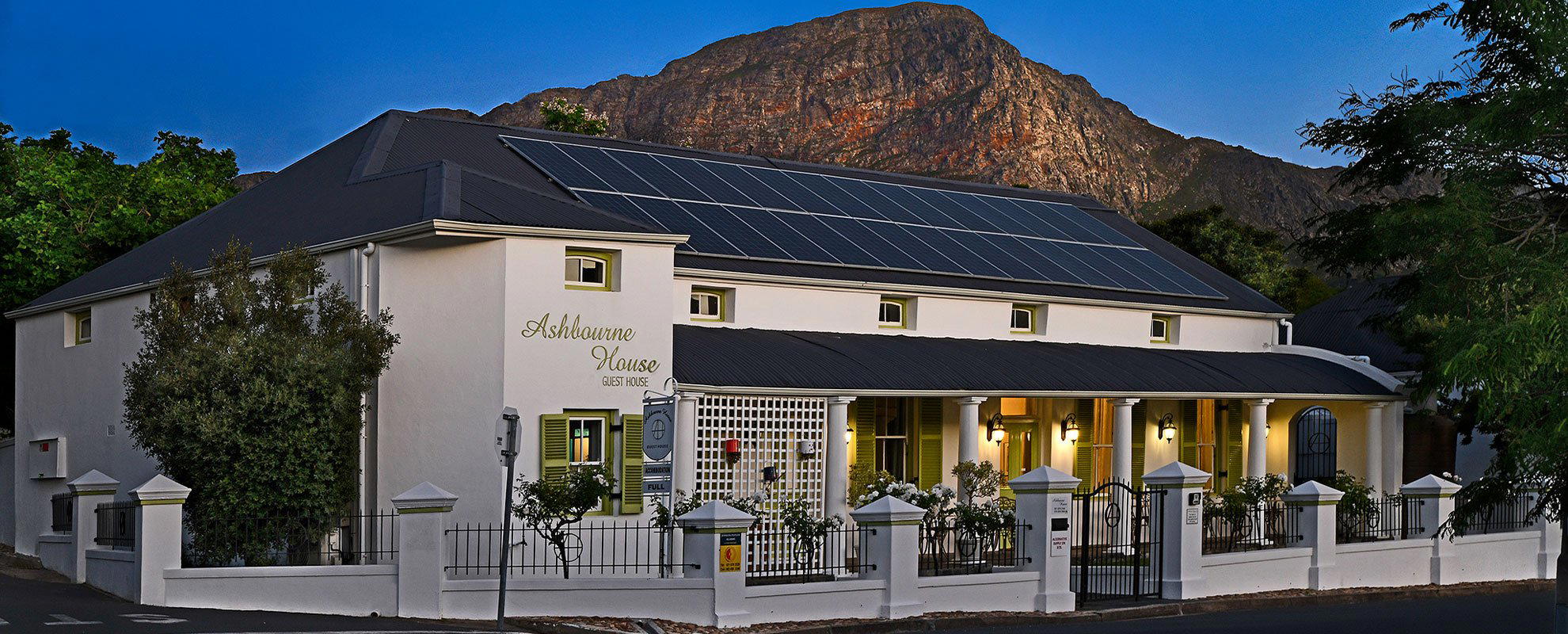
Ashbourne
Hermanus, South Africa
Ashbourne is a strong pick for wine travellers who want a focused Hemel-en-Aarde tasting built around refined Pinotage and a site-driven white blend. The $$$ positioning makes sense if depth matters more than hospitality scale; skip it if the priority is a casual drop-in cellar-door experience with broad food or group-friendly programming.
Cascina Valle Asinari
San Marzano Oliveto, Italy
Cascina Valle Asinari is worth booking for a focused Monferrato tasting built around Barbera, especially Nizza DOCG. Choose it if vineyard context, organic practices, and a mid-range cellar visit matter more than a polished restaurant-style hospitality setup.
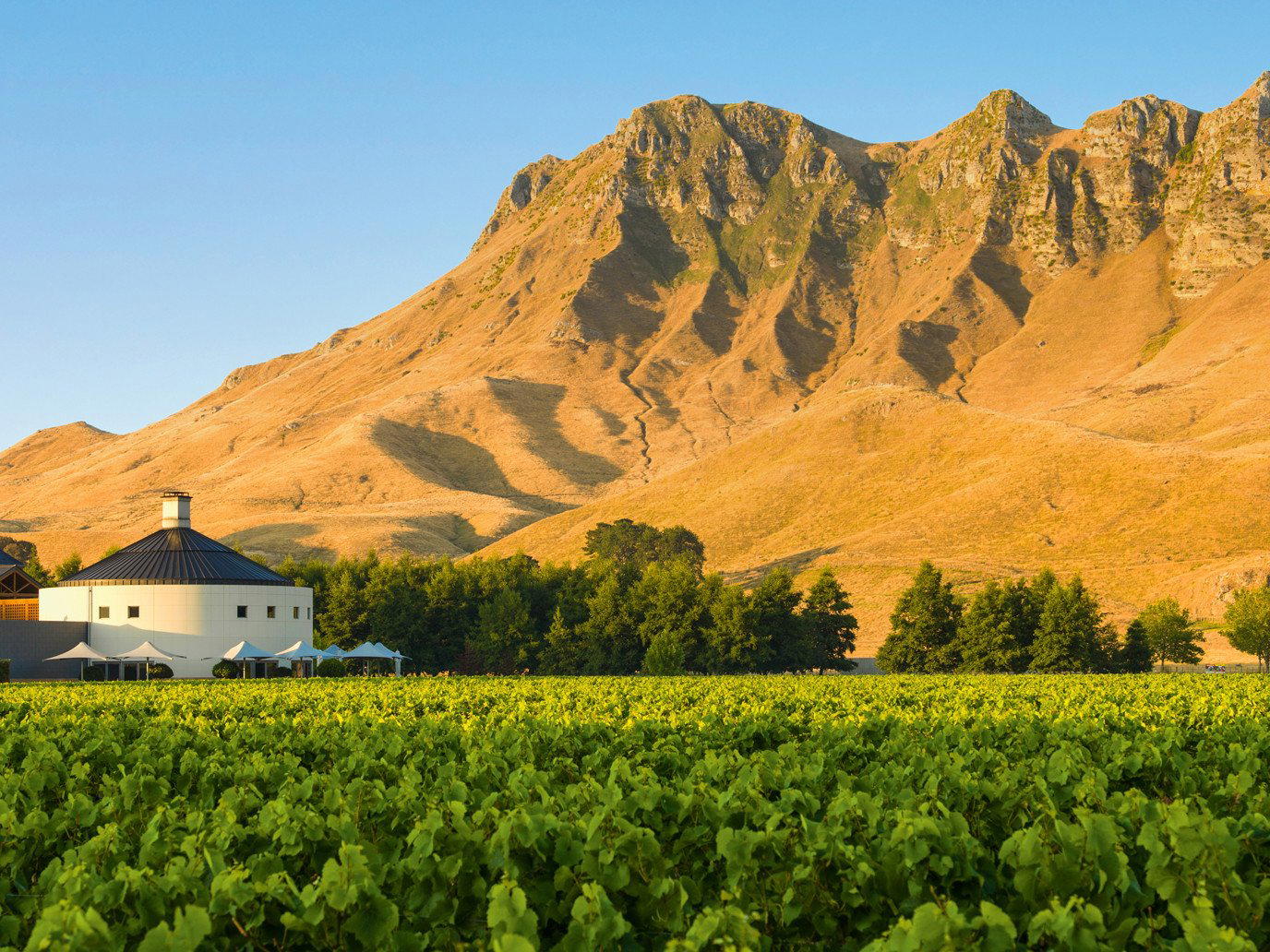
Weingut Mantlerhof
Gedersdorf, Austria
A focused Gedersdorf winery pick for travellers who care more about producer identity than a packaged hospitality experience. Worth planning as a deliberate appointment-style stop, especially for return visitors comparing Austrian producers, but not the safest choice if the day requires published hours, food service, or clear group logistics.
Johann Schweiger
Vienna, Austria
Johann Schweiger is a cautious yes for Vienna visitors who want a quiet, appointment-led wine stop at a $$ price point, with Falstaff Listed (2026) as the main trust signal. It is less suitable if you need a published tasting format, named flagship wine, food program, or clear shipping details before deciding.
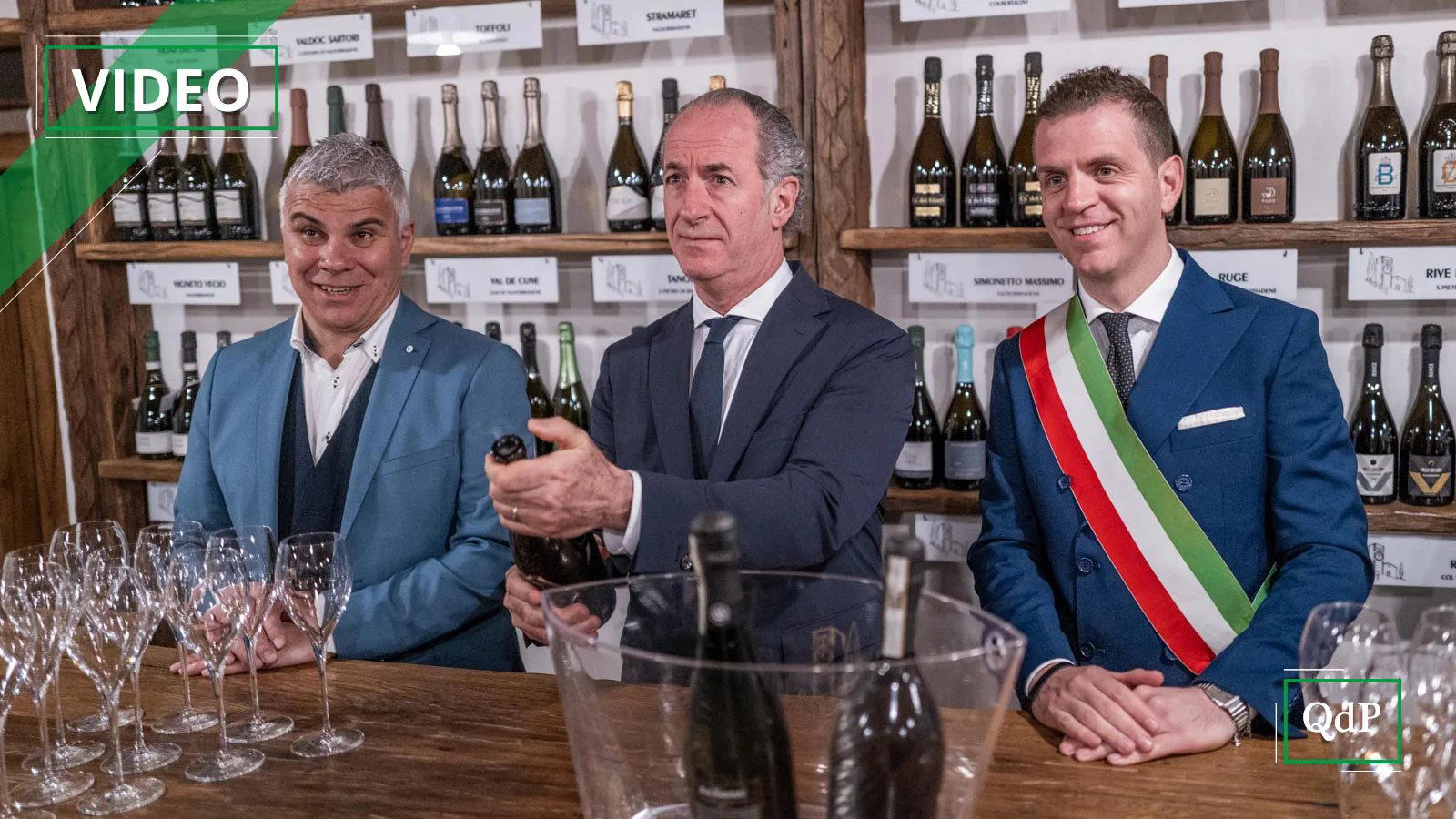
Ballianei
Farra di Soligo, Italy
Ballianei is a sensible Farra di Soligo wine-country stop if the goal is regional context and estate atmosphere rather than a heavily choreographed visit. Treat it as one part of a wider Prosecco-area itinerary, especially since detailed public visitor information is limited. Its Falstaff Listed 2026 recognition gives it a useful trust signal for wine-focused travelers.
Fradé
Borgo Priolo, Italy
Fradé is a sensible Borgo Priolo winery option if you want a focused local stop rather than a heavily staged tasting experience. Its Falstaff Listed recognition in 2026 gives it a useful trust signal, but the better fit is for visitors who are comfortable planning around a leaner set of public details and judging value on the visit itself.
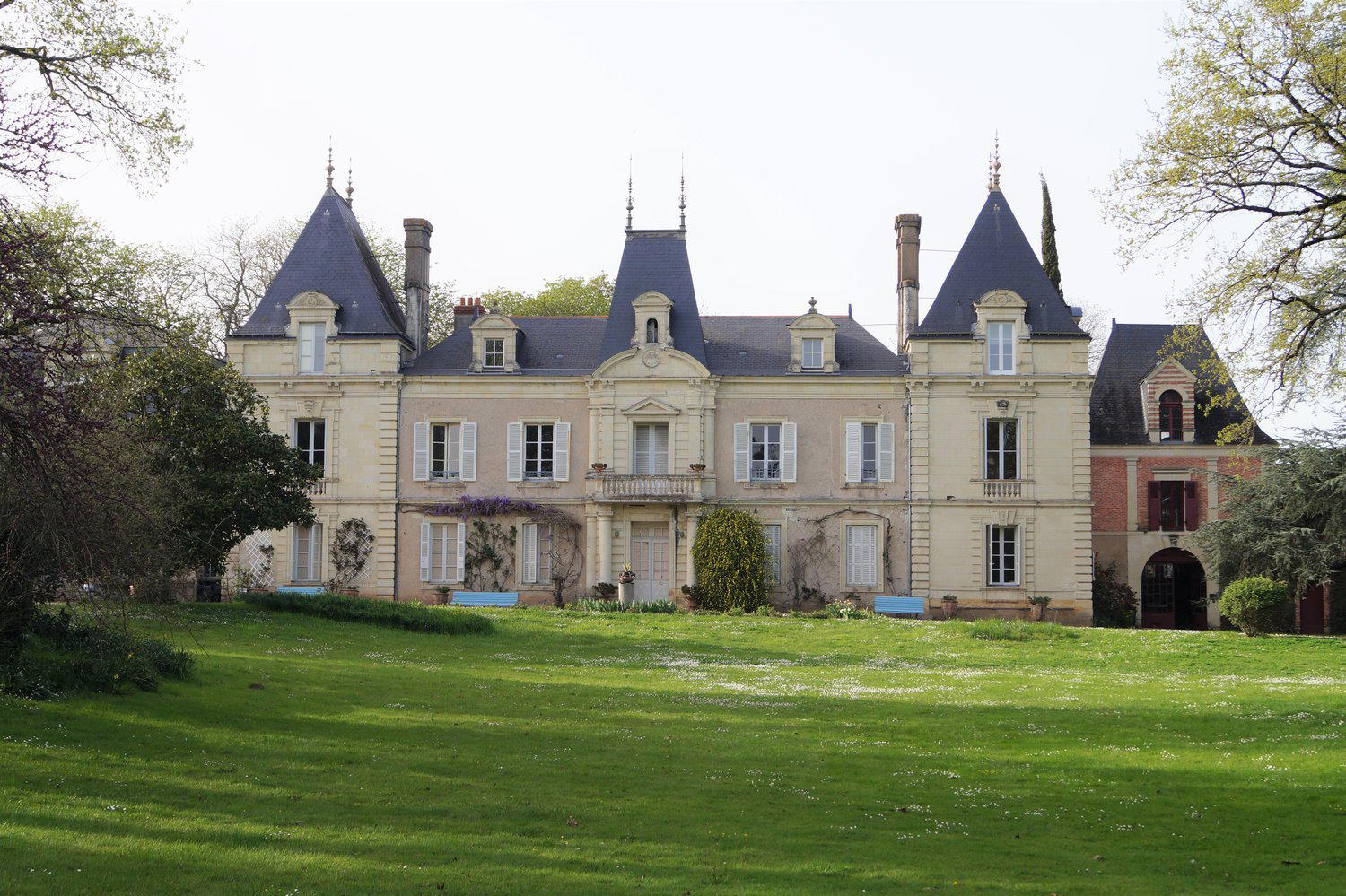
Domaine du Closel
Savennières, France
Domaine du Closel is a strong Savennières choice if the priority is a guided, vineyard-led Chenin Blanc tasting rather than a casual tasting-room stop. The château setting, Biodyvin-certified farming, parcel-specific wines, and five-wine format with mature cheeses make it better for focused Loire drinkers than mixed groups looking for broad variety.
Château de la Tour
Vougeot, France
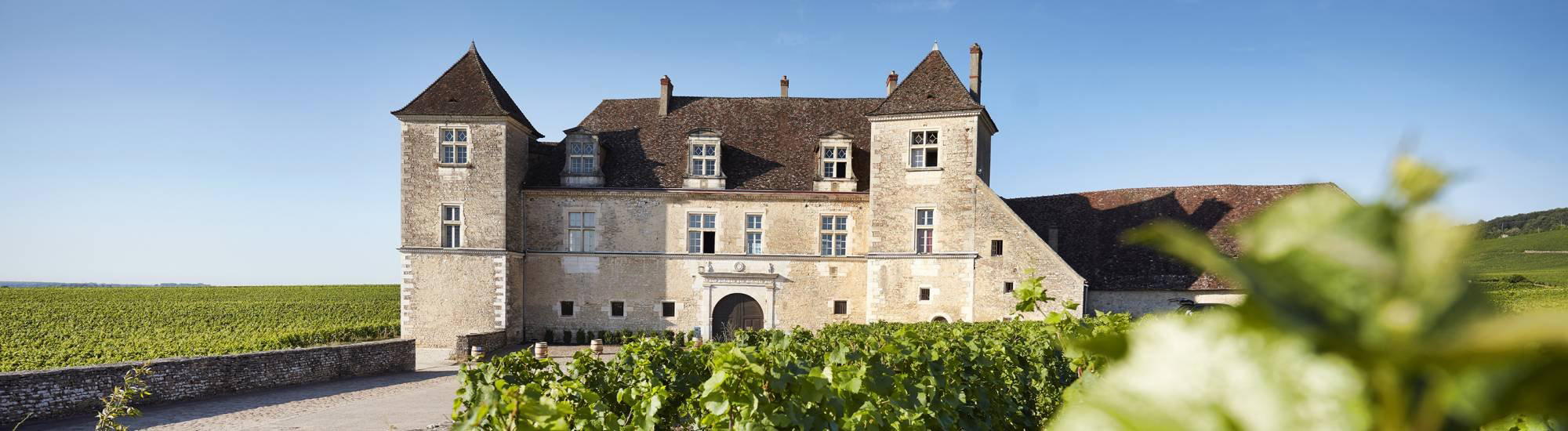
Château de la Tour is worth pursuing for Burgundy travelers who want serious Vougeot context rather than an easy public tasting. It suits wine-focused itineraries built around Clos de Vougeot and producer access, but it is a poor fit for casual drop-ins, large groups, or visitors looking for food-led hospitality.
Francois Noblecour
Chablis, France
A sensible Chablis appointment for drinkers who care more about the appellation’s Chardonnay profile than a highly programmed winery visit. The $$ positioning, easy booking difficulty, and Falstaff Listed status for 2026 make it a practical add-on to a Chablis day, especially for first-timers seeking dry, mineral-driven white Burgundy context.
Bodega Descendientes de J. Palacios
Villafranca Del Bierzo, Spain
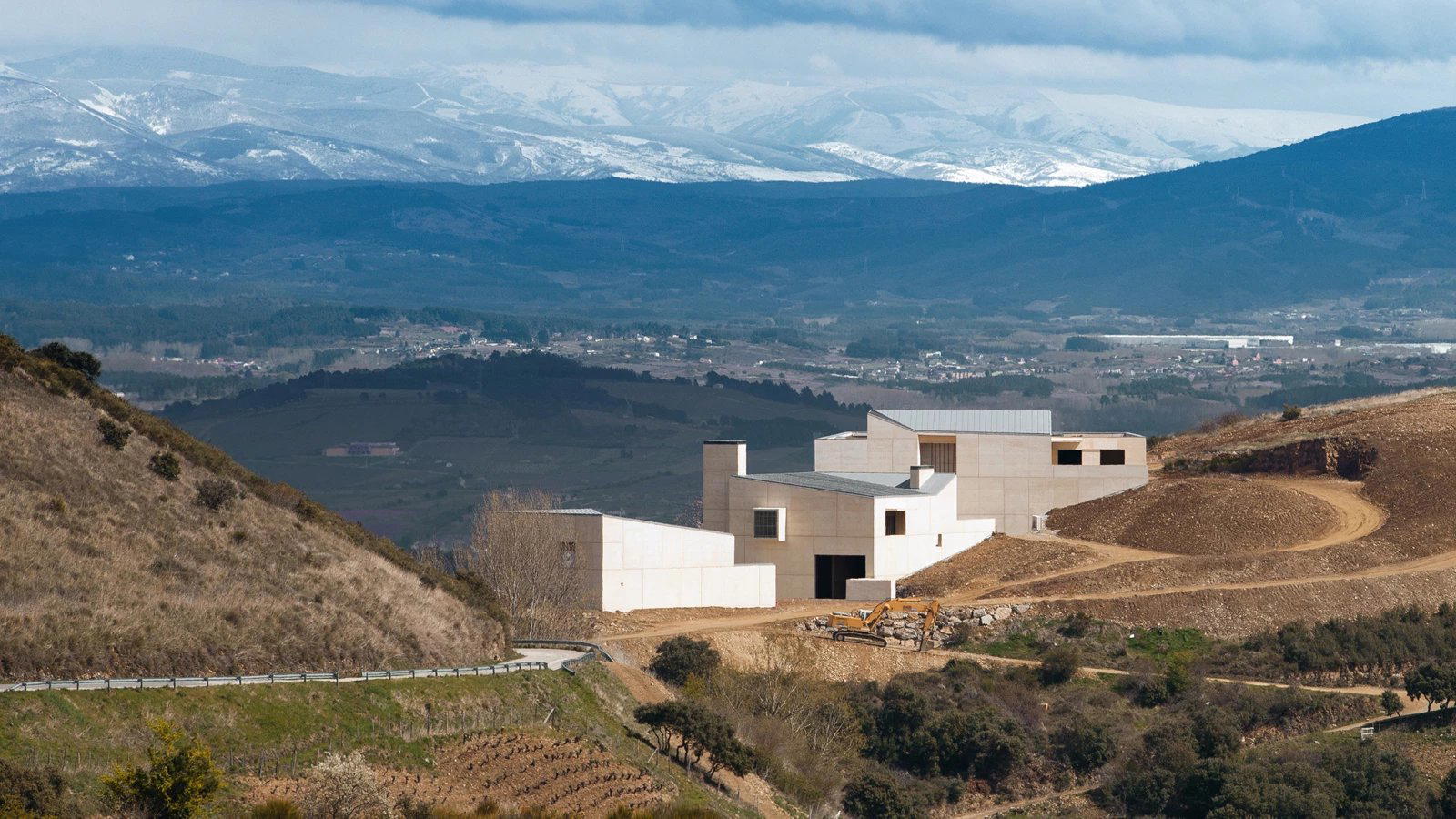
Prioritise Bodega Descendientes de J. Palacios if your Corullón trip is built around serious wine, not a casual tasting with a meal attached. The 2026 Falstaff 5 Stars signal real quality, but the visit is best treated as wine-first and planned with a light surrounding schedule.
Domaine Saparale
Sartène, France
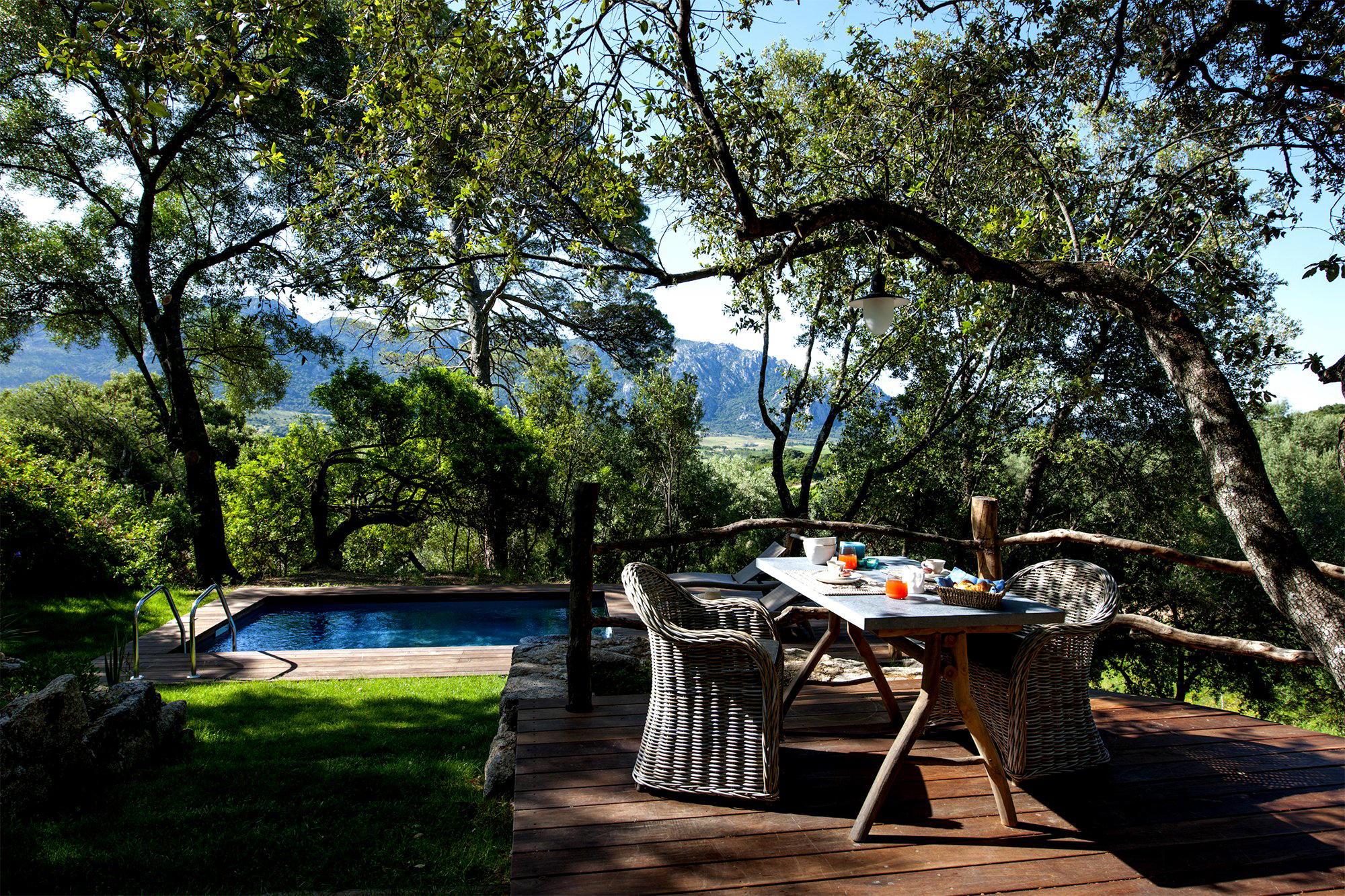
Domaine Saparale works for a wine-focused Sartène itinerary, especially for travelers who want a lower-friction Corsican winery stop with a 2026 Falstaff listing behind it. Treat it as a focused tasting stop rather than a meal-led destination, and confirm any private tasting, food, or group details before building the day around it.
Domaine Hippolyte Reverdy
Verdigny En Sancerre, France
Book Domaine Hippolyte Reverdy if the priority is serious Verdigny Sancerre Blanc rather than a polished tasting-room production. The flagship 100% Sauvignon Blanc, stainless-steel raised and rooted in Kimmeridgian limestone and silex, is the reason to go; plan meals elsewhere, since the experience is wine-focused and there is no on-site catering.
Château Haut-Batailley
Pauillac, France
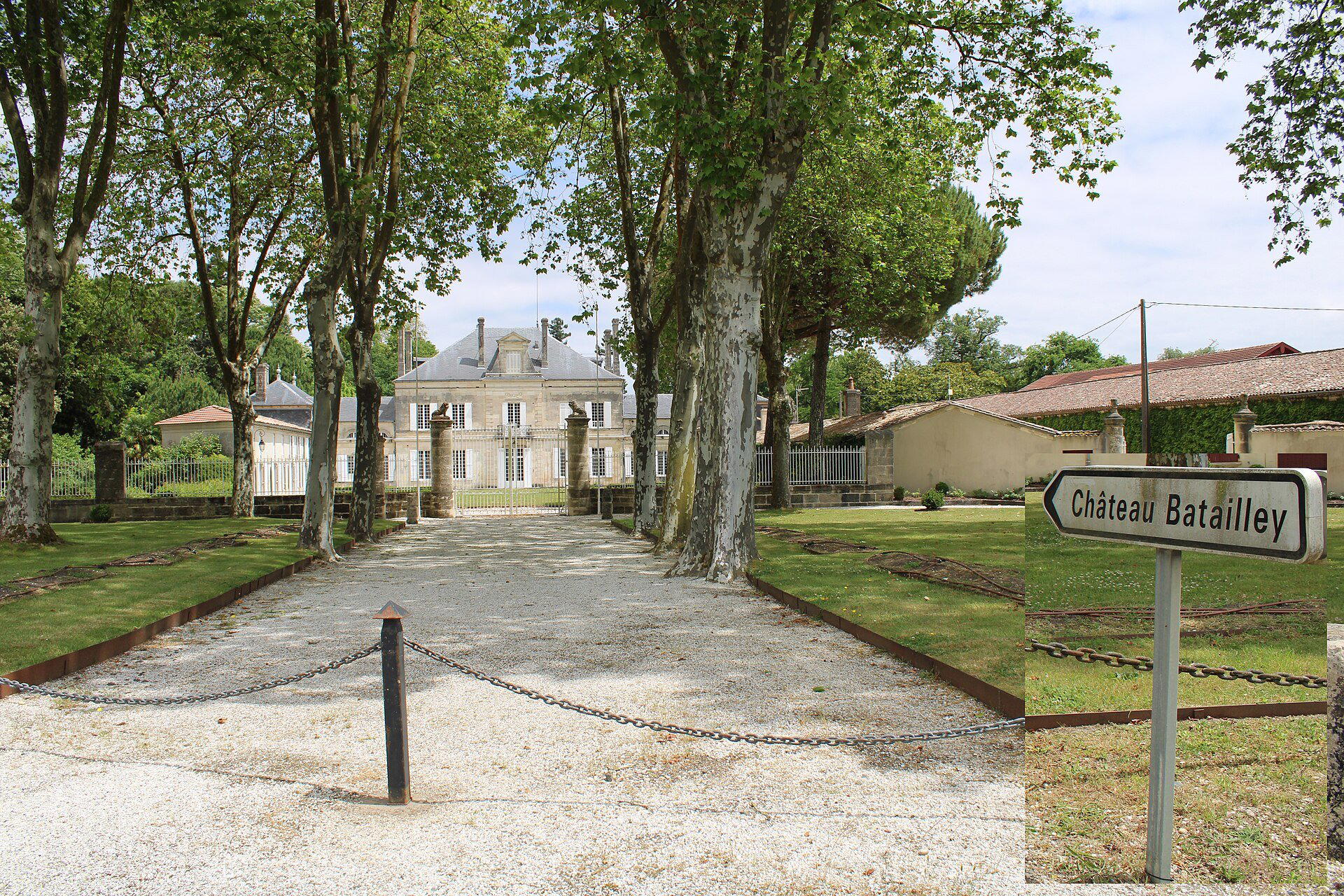
A serious Pauillac choice for collectors and special-occasion visitors who want classified-growth Bordeaux in a quieter, wine-led format. Château Haut-Batailley is strongest for Cabernet-focused drinkers weighing ageworthy Grand Vin against the more approachable Verso, with Falstaff Winery 3 Stars in 2026 adding a clear quality signal.
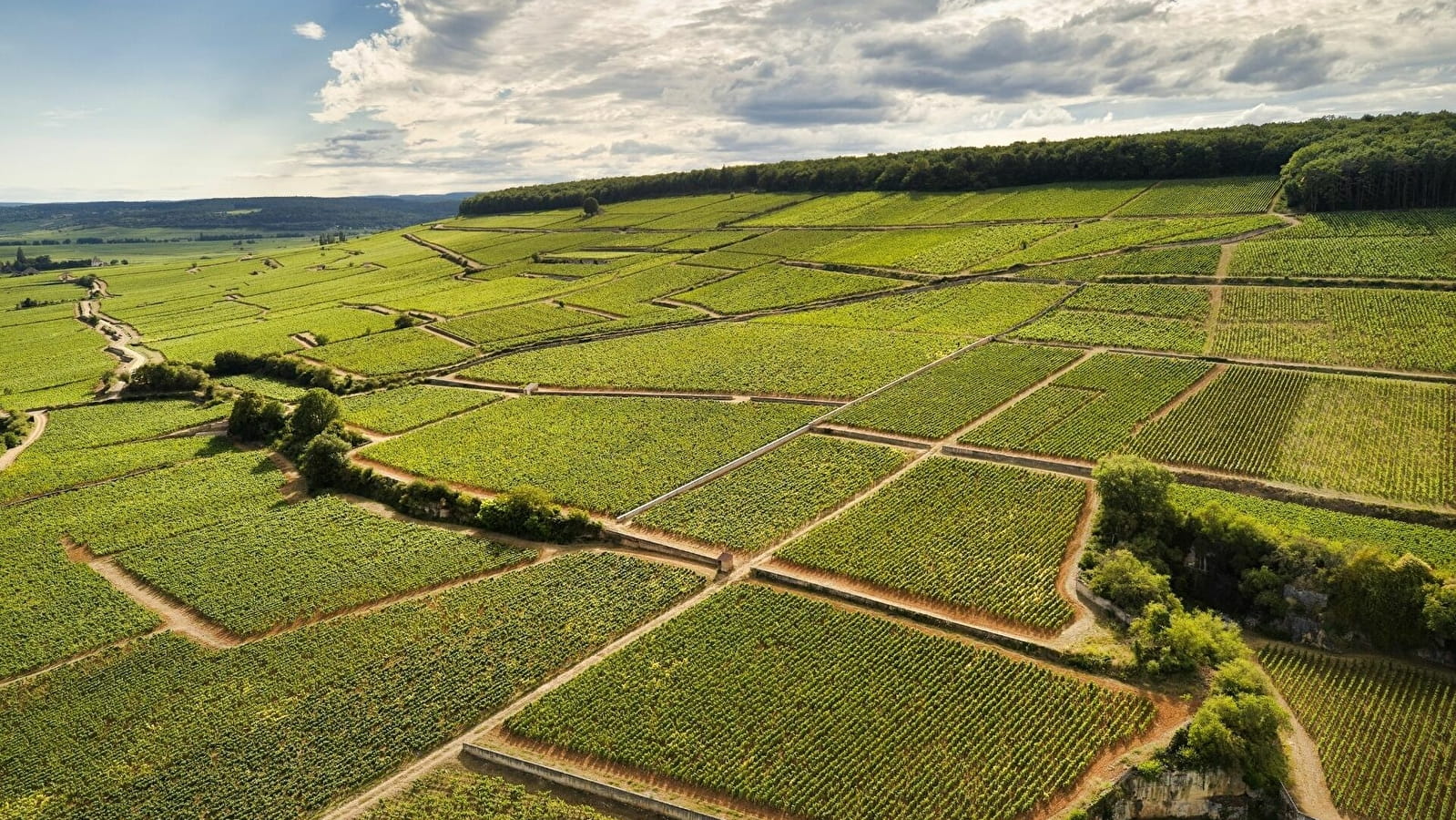
Domaine Taupenot-Merme
Morey-Saint-Denis, France
Domaine Taupenot-Merme is a serious Morey-Saint-Denis pick for travellers building a Burgundy trip around producer credibility rather than easy tasting-room access. Treat it as a special-occasion anchor, especially if Romain Taupenot's name is already on the group's radar. For flexible visits, compare nearby peers before committing the day.
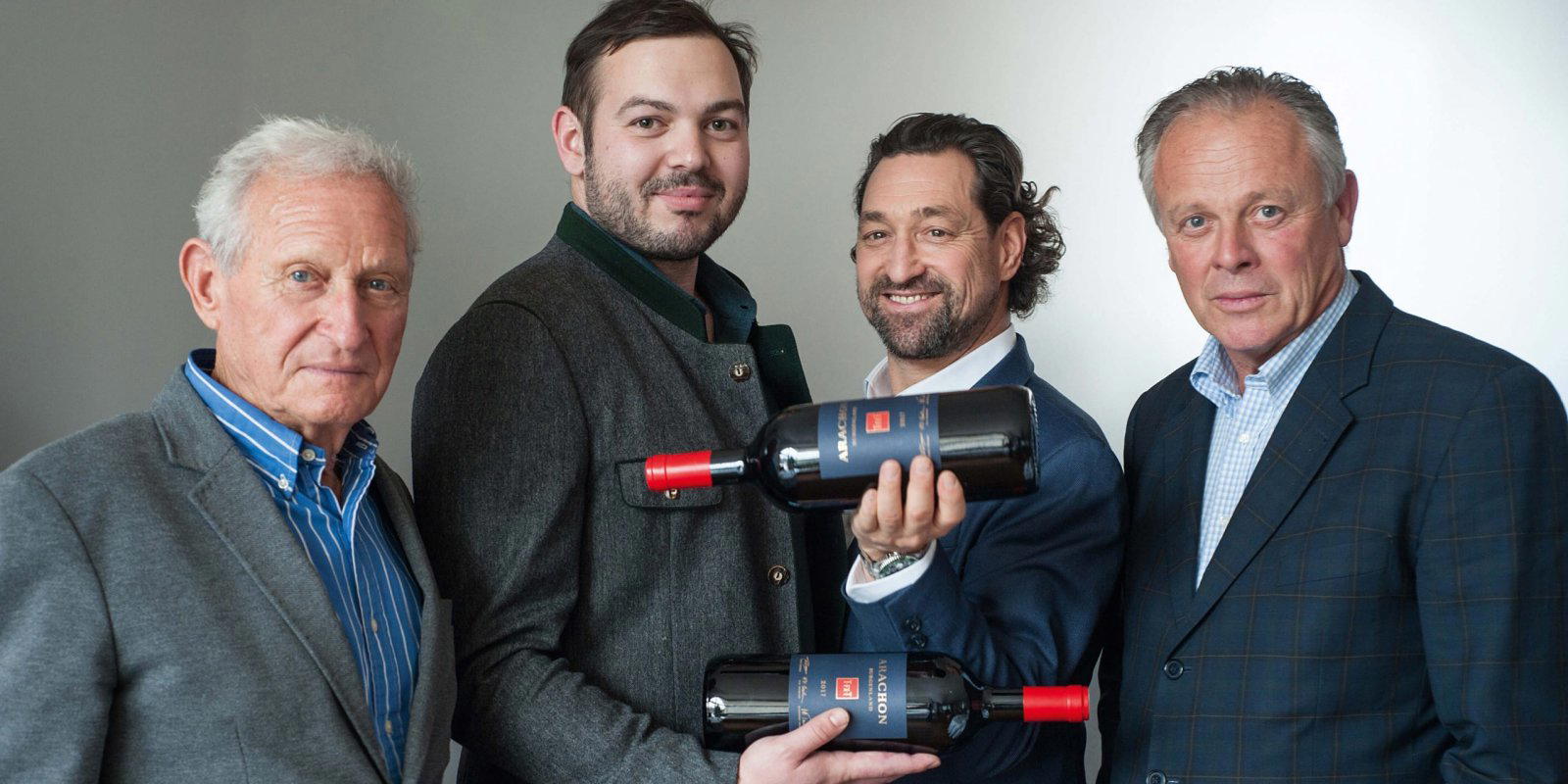
Arachon T.FX.T
Pinkafeld, Austria
Arachon T.FX.T works for a wine-led stop in Pinkafeld, especially if Falstaff recognition is a useful filter for your shortlist. Best for smaller parties and occasion-driven visits where the wine is the point; confirm logistics before shaping a full itinerary around it.
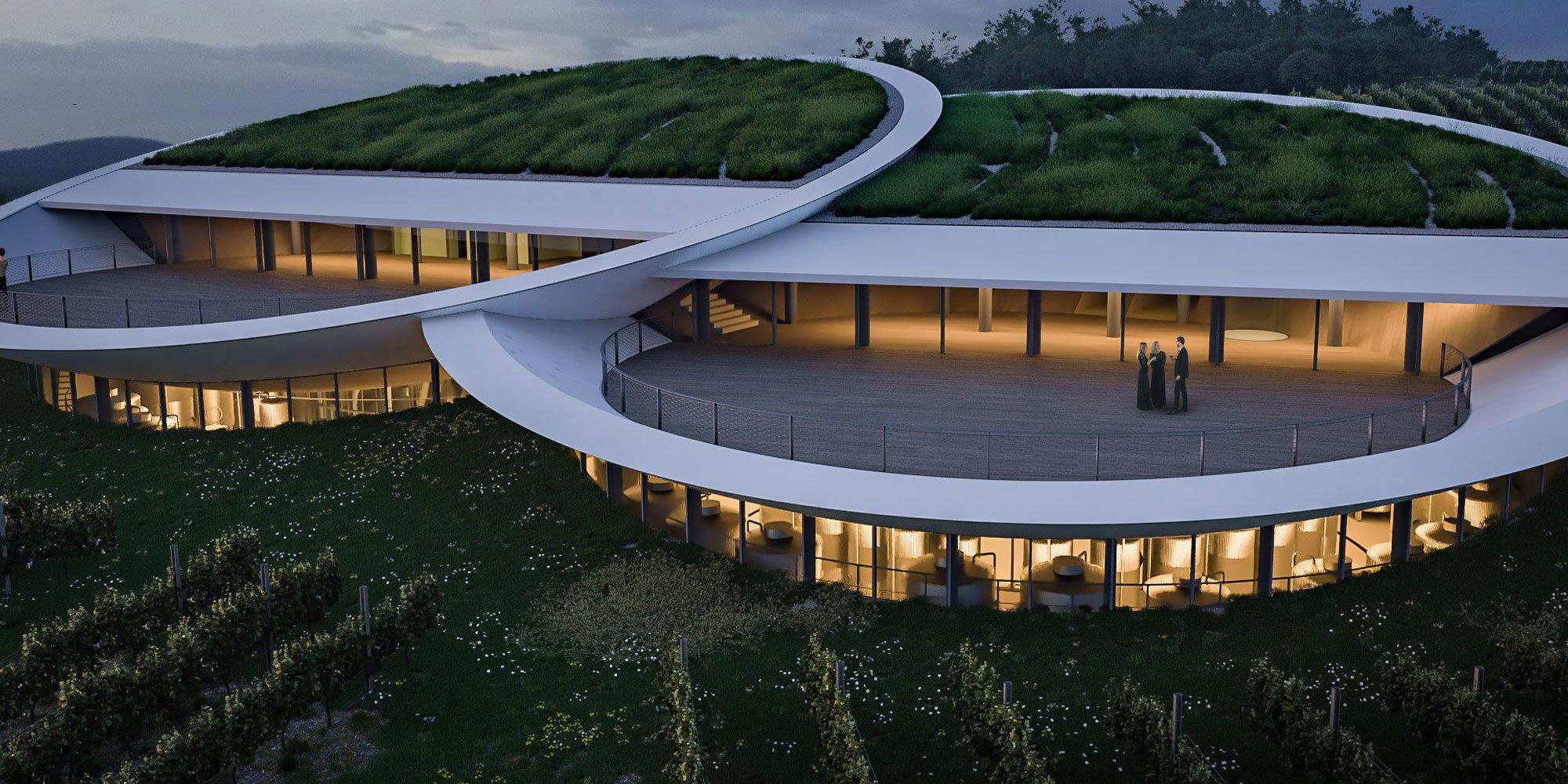
Sauska
Villány, Hungary
Sauska is the Villány winery to prioritize when the trip needs one serious, polished tasting rather than a loose cellar crawl. It is worth pursuing for private or upgraded formats, but only if the details are confirmed early; cross-shop Gere Attila Winery or Jammertal Wine Estate if convenience or a fuller estate-style visit matters more.
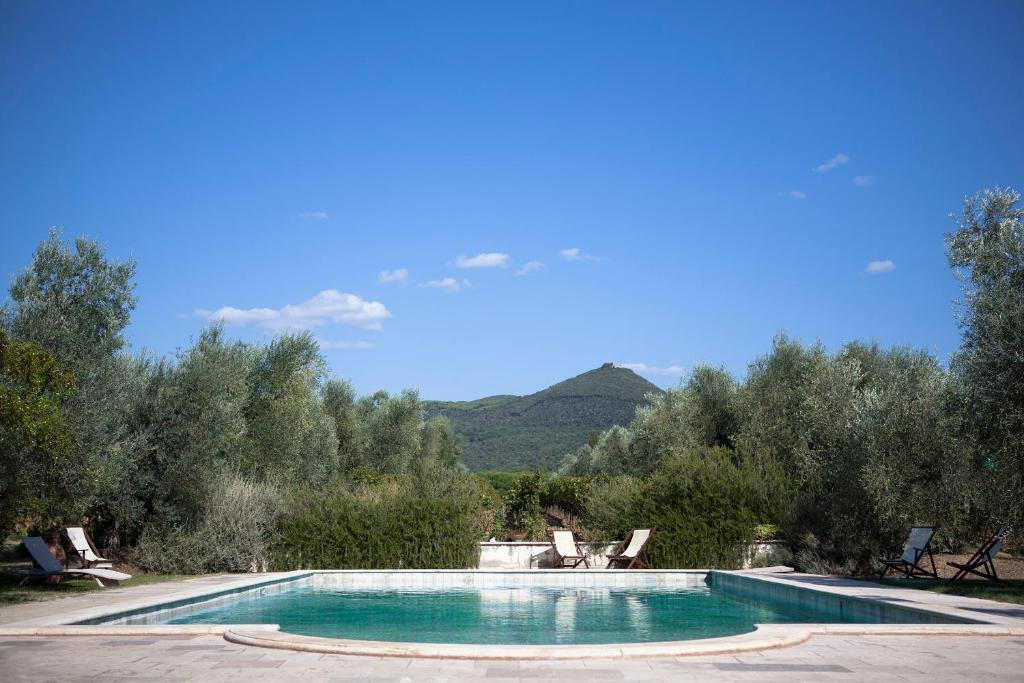
Chiappini
Bolgheri, Italy
Chiappini is a worthwhile Bolgheri winery target for travellers who care about estate context and recognised quality, with Falstaff 4 Stars in 2026 as the clearest trust signal. Plan it as an appointment-led wine stop, not a casual walk-in, and build the rest of the day around confirmed timing.
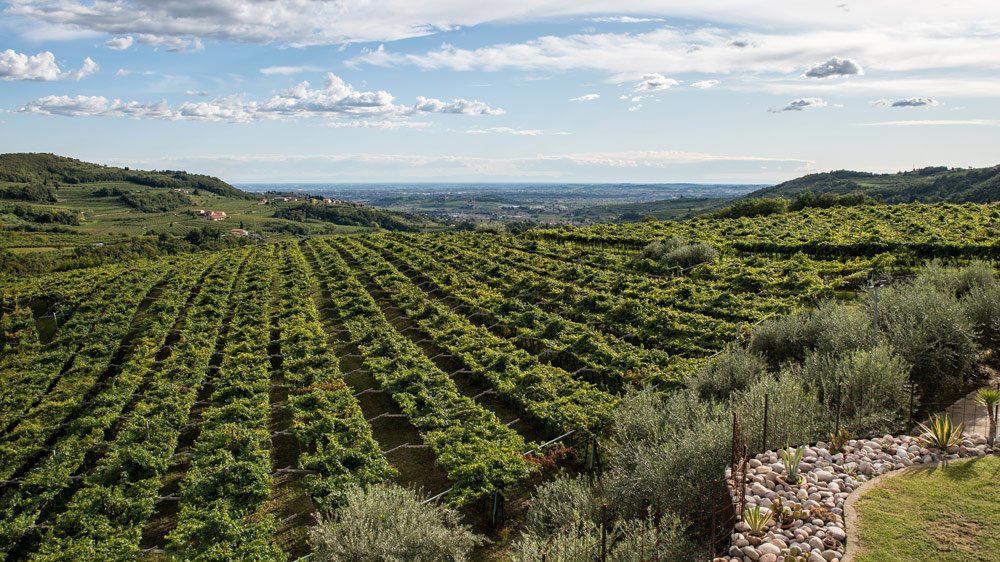
Azienda Agricola Novaia
Marano di Valpolicella, Italy
Book Azienda Agricola Novaia if you want a calm, educational Valpolicella Classica tasting with organic farming, family-run hospitality, and a clear route through Valpolicella, Ripasso, Amarone, and Recioto styles. It suits couples and small groups better than visitors looking for a large, highly polished winery circuit.
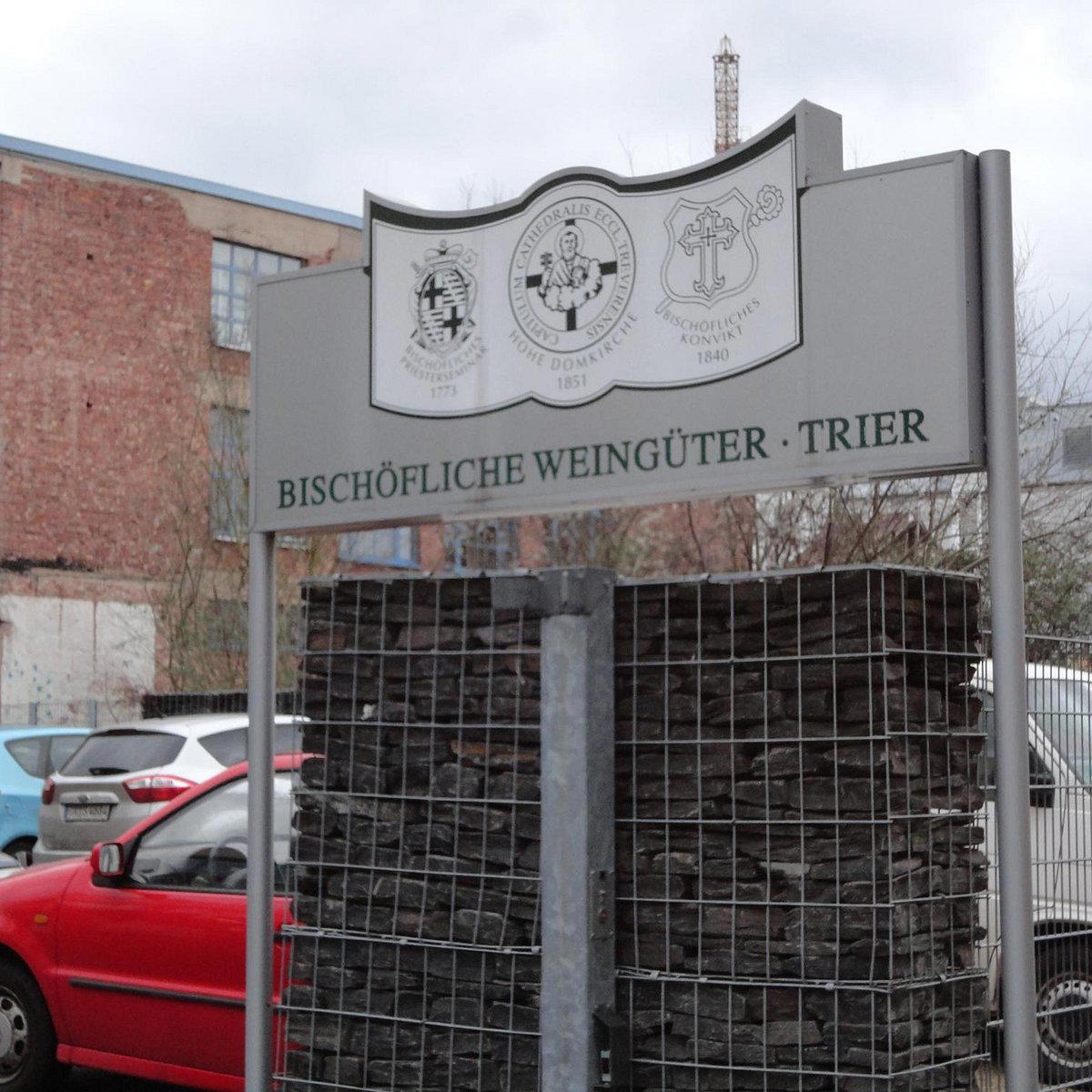
Bischöfliche Weingüter Trier
Trier, Germany
Book Bischöfliche Weingüter Trier if the priority is Mosel Riesling depth, cellar context, and a serious sense of Trier’s wine history. The €32 wine walk with four tastings and a cellar tour is the smart format; choose it over a quick tasting if production choices and vineyard range matter to you.
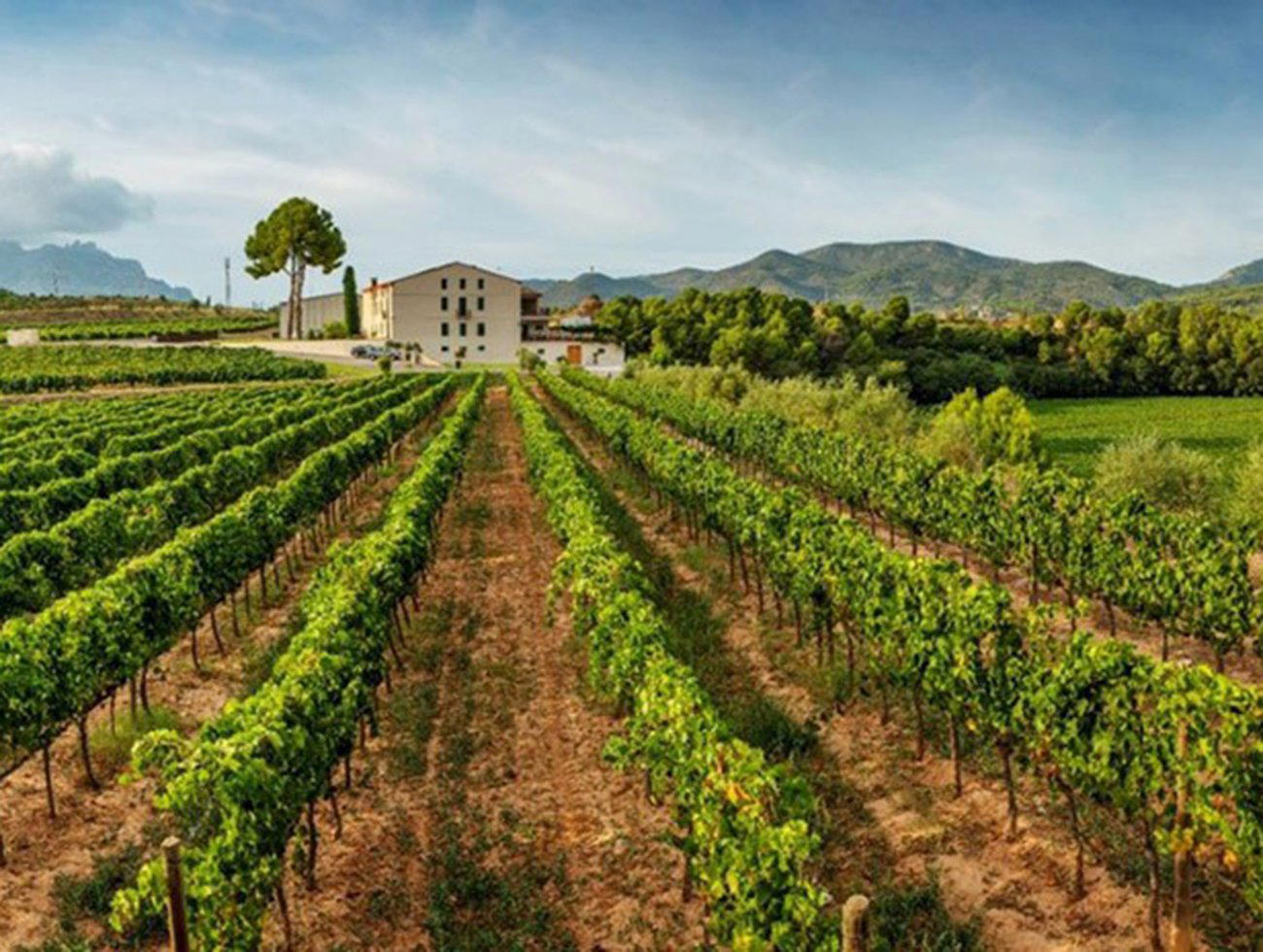
Ca N'Estruc
Esparreguera, Spain
A good fit for wine-focused travellers who want a quieter Esparreguera stop with recognised quality, not a casual drop-in tasting built around food or scene. Falstaff 3 Stars in 2026 gives Ca N'Estruc a useful credibility marker for deciding whether the bottles justify a visit, club enquiry, or shipping effort.
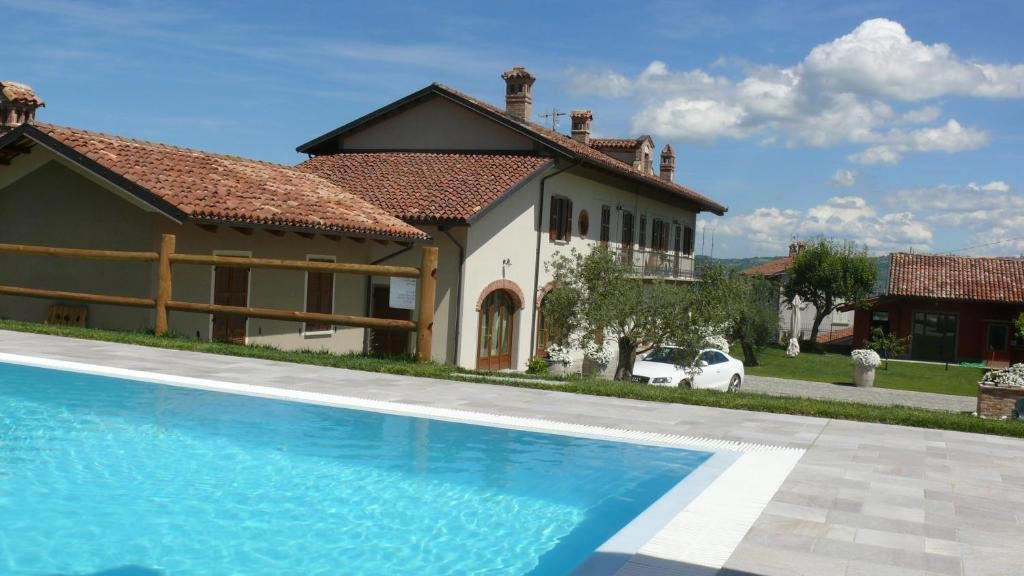
Azienda Agricola Alessandria Crissante
La Morra, Italy
Azienda Agricola Alessandria Crissante is a good fit for travelers using La Morra as a serious Barolo base, especially if the goal is producer context rather than a glossy tasting-room experience. The Falstaff 2026 listing adds credibility, but the stronger reason to go is itinerary logic: it works as a focused stop within a wine-led day in the village.
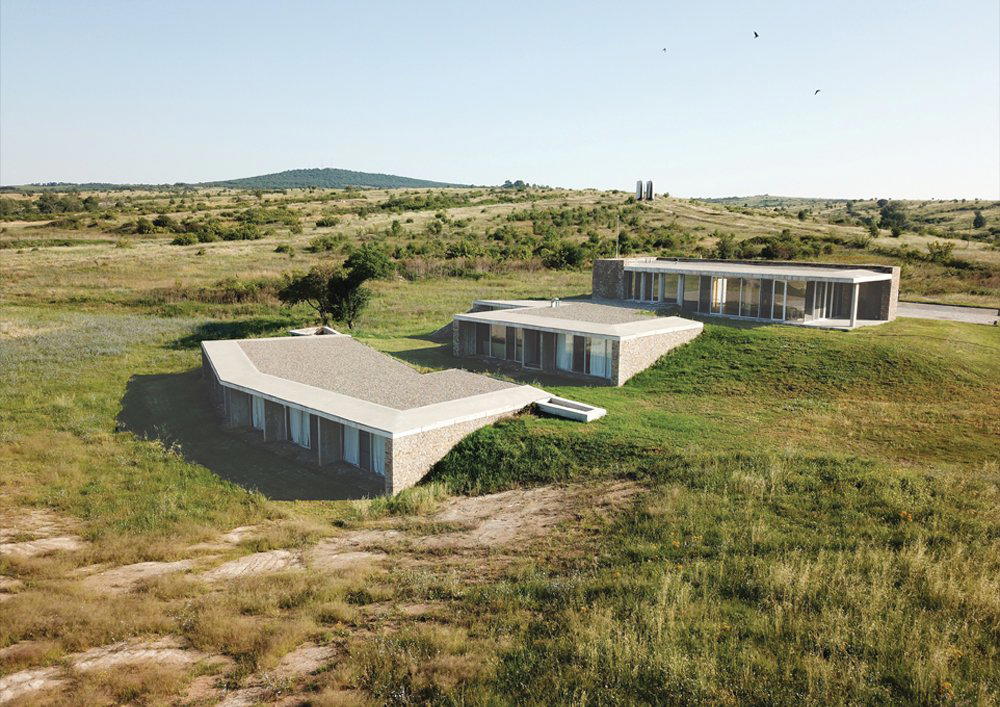
Castra Rubra
Sofia, Bulgaria
Book Castra Rubra if you want a structured Bulgarian winery tasting with a stronger food-pairing angle than a simple flight. At $23 per person and with a 2026 Falstaff listing, it is a sensible first-timer choice for visitors who want South Sakar reds, heritage context, and a polished room without turning the visit into a major splurge.
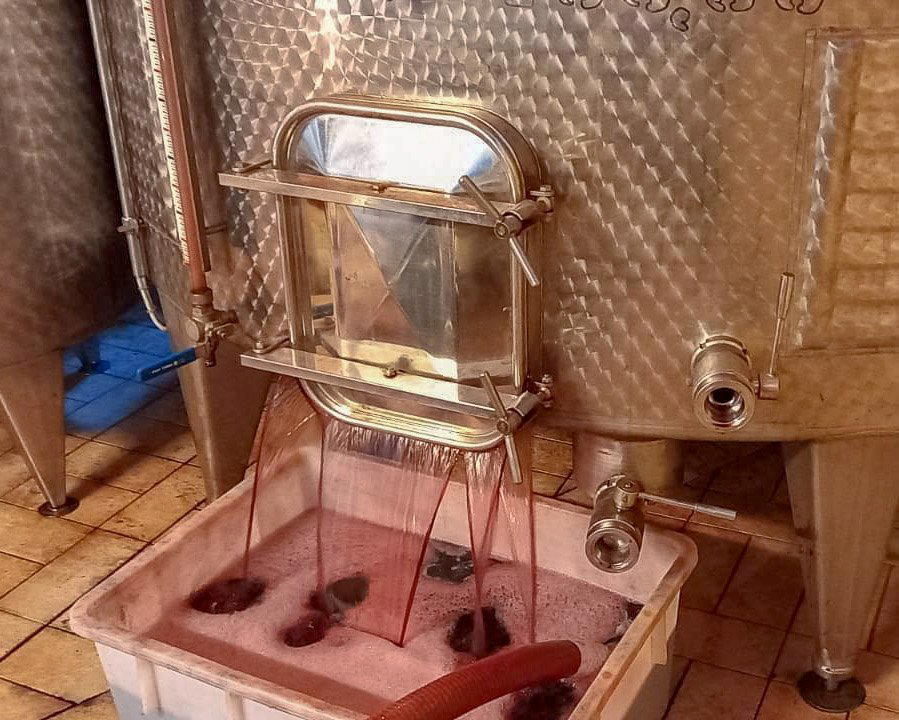
Fattoria Selvapiana
Rufina, Italy
Book Fattoria Selvapiana if the priority is serious Chianti Rufina rather than a polished tasting-room production. The case rests on organic Sangiovese, the long-running Bucerchiale Riserva, a rustic historic estate setting, and appointment-led visits that suit wine-focused first-timers more than casual groups looking for a full food-and-wine day.
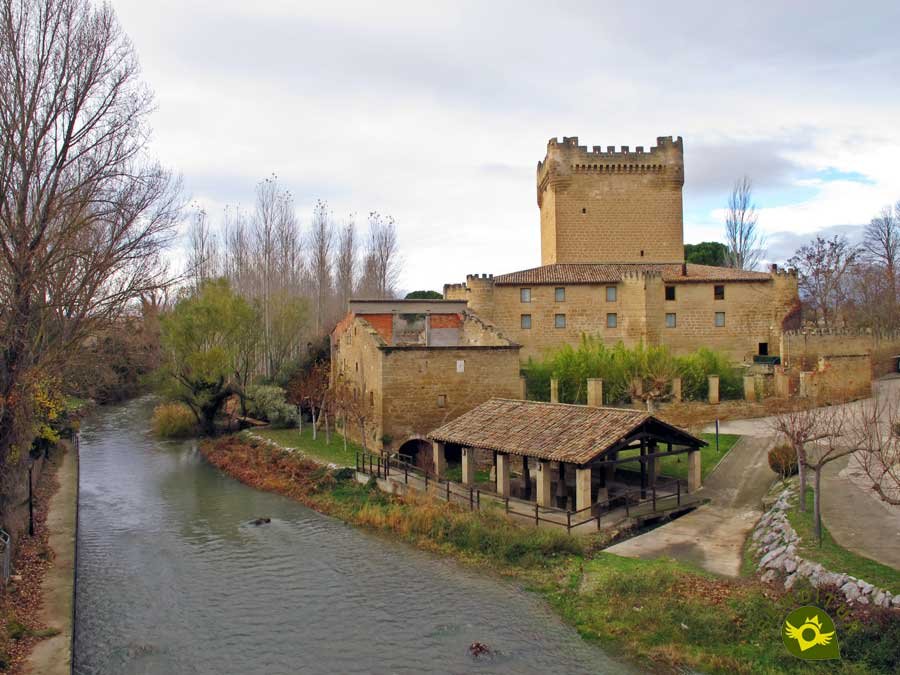
Castillo de Cuzcurrita
Cuzcurrita De Rio Tiron, Spain
Castillo de Cuzcurrita is a plan-ahead Rioja winery pick for visitors who want a focused, wine-led estate experience in Cuzcurrita de Río Tirón. Its 2026 Falstaff 4 Stars recognition gives it a credible quality signal, but first-timers should not assume food service, walk-in access, or large-group flexibility without confirmation.
Charly Rol
Langenlois, Austria
Charly Rol works for a wine-first stop in Langenlois, especially if a Falstaff-listed venue matters more than a fully documented dining format. Treat it as part of a Kamptal tasting route rather than a guaranteed food-pairing destination, and confirm group needs, shipping, and any food availability before building the day around it.
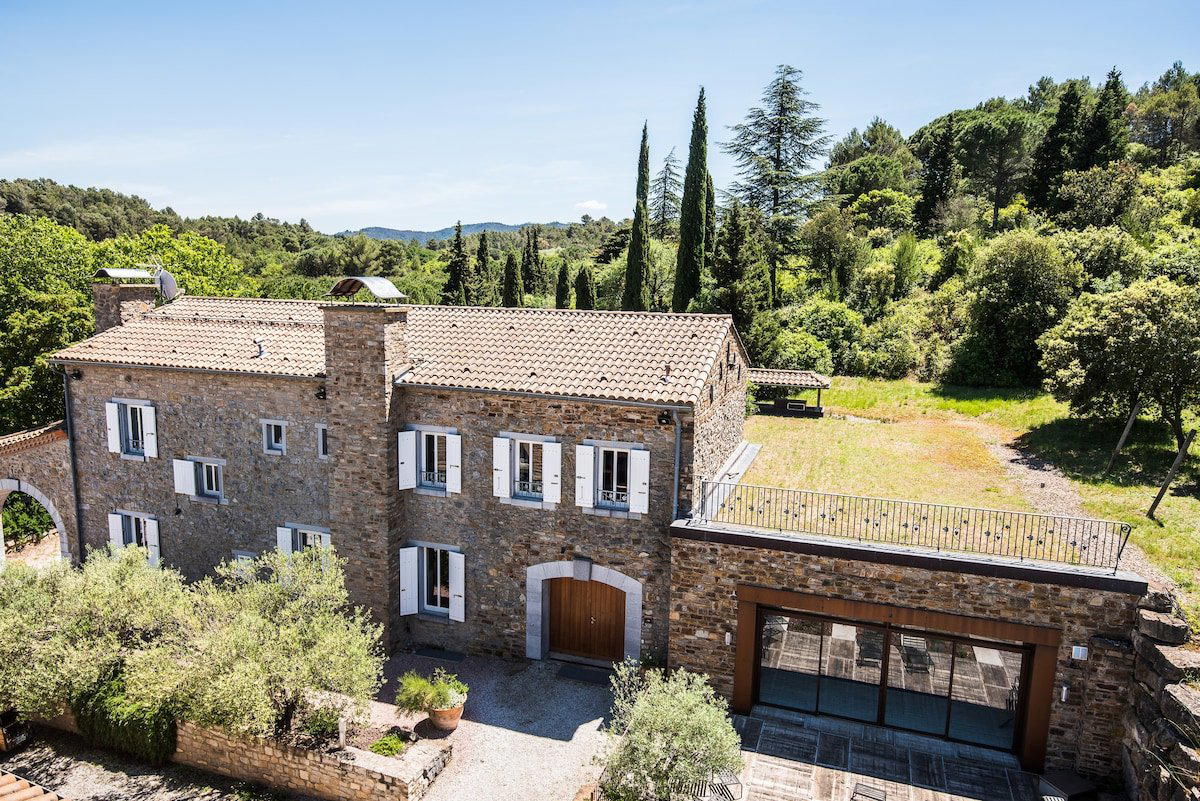
Calmel & Joseph
Montirat, France
Book Calmel & Joseph if the estate setting is part of the point: vines, garrigue, woods, terraces and cottage lodging make it more than a quick tasting stop. It suits relaxed wine travelers and small groups who want Languedoc context, regional range and countryside time, rather than a rushed cellar-to-cellar itinerary.
Diotisalvi
Susegana, Italy
A better fit for curious wine travelers than casual Prosecco drinkers, Diotisalvi works for its Demeter-certified biodynamic farming, organic range, PIWI Bronner, and old-vine Tai. Go for depth and context, not a packaged hospitality experience.
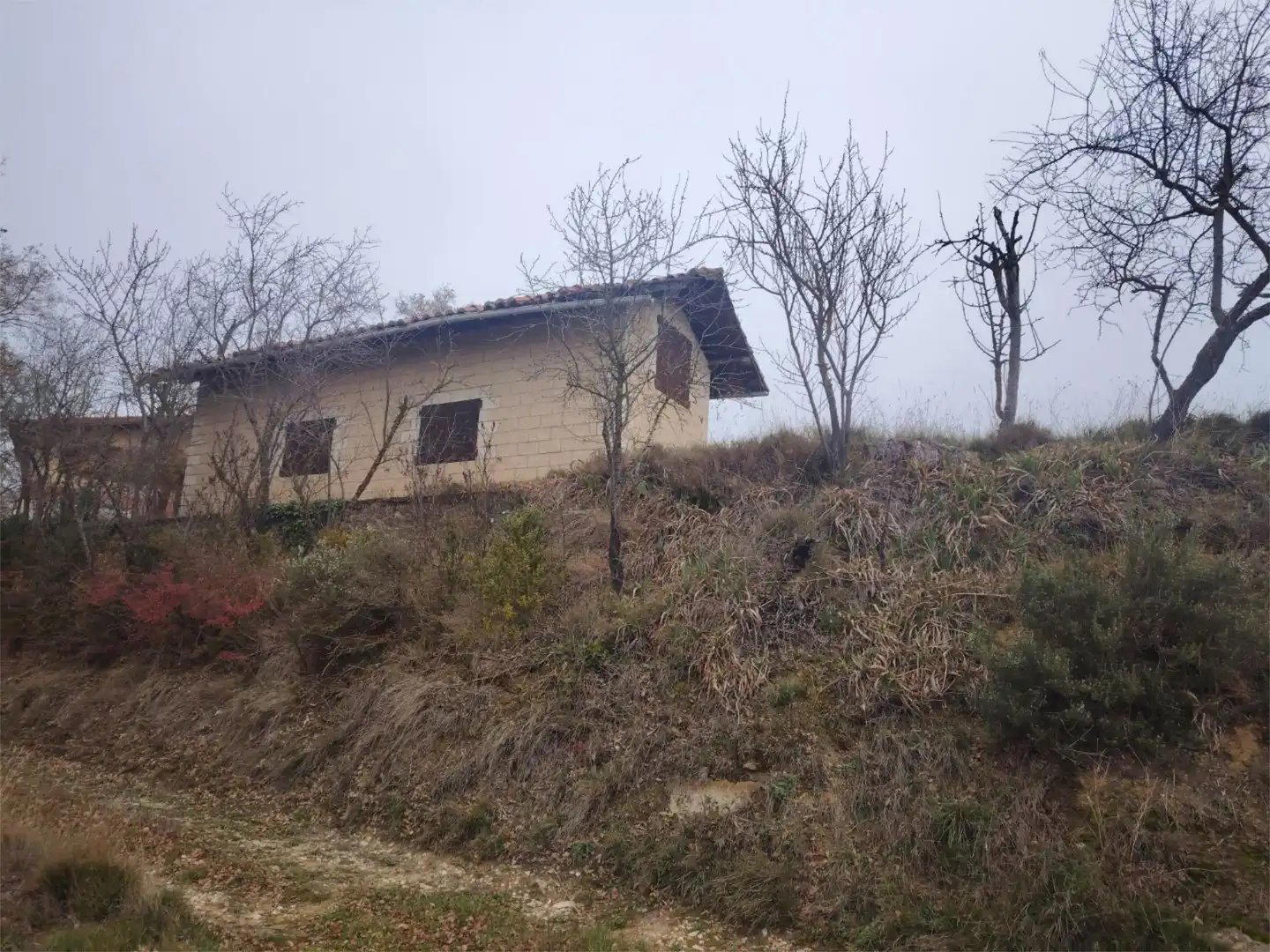
Bodegas Dominio Berzal
Banos De Ebro, Spain
Book Bodegas Dominio de Berzal if the goal is a guided, family-run Rioja Alavesa tasting with vineyard context rather than a casual walk-in pour. The $$ positioning and Falstaff Listed 2026 recognition make it a sensible value stop for travelers who want sustainability, Tempranillo, and carbonic maceration explained in a working winery setting.
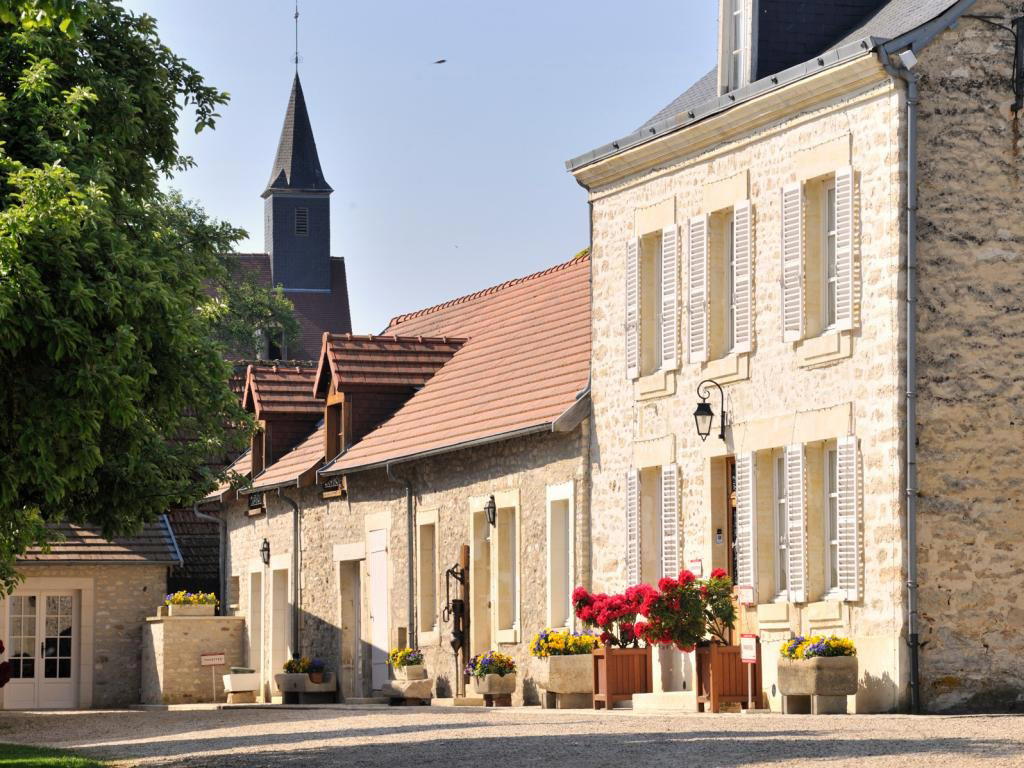
Champagne Aspasie
Brouillet, France
Champagne Aspasie is a practical Brouillet pick for travelers who want a producer-focused winery stop with credible recognition rather than a full hospitality production. The value is clearest for Champagne buyers and wine-led itineraries; confirm visit details before building a tight schedule around it.
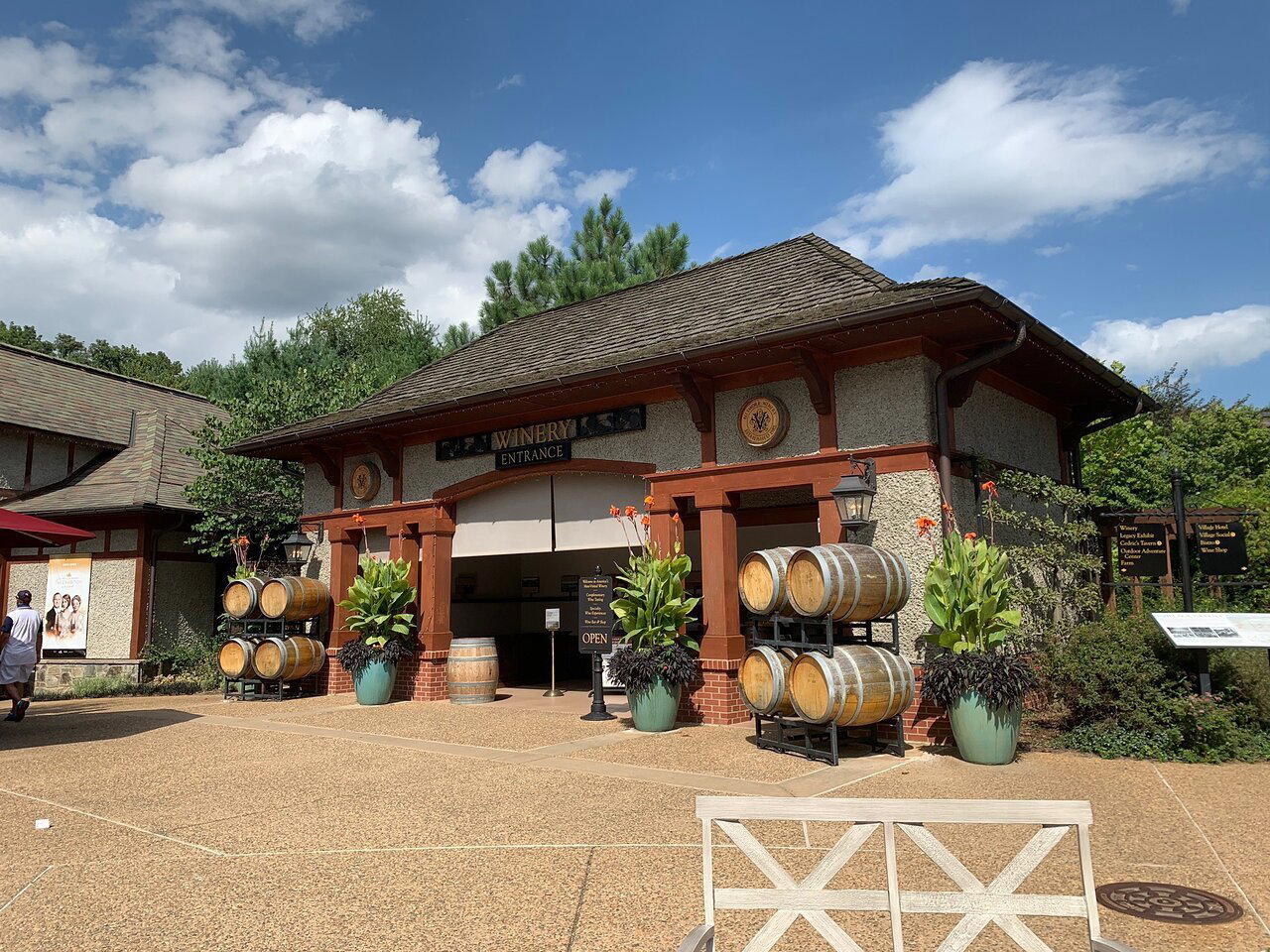
Biltmore Wine
Asheville, United States
Biltmore Wine works as an easy Asheville wine stop, especially if the trip already includes estate sightseeing or a broader city itinerary. It has a 2026 Falstaff listing, but plan it for convenience and context rather than a highly technical cellar-focused visit.
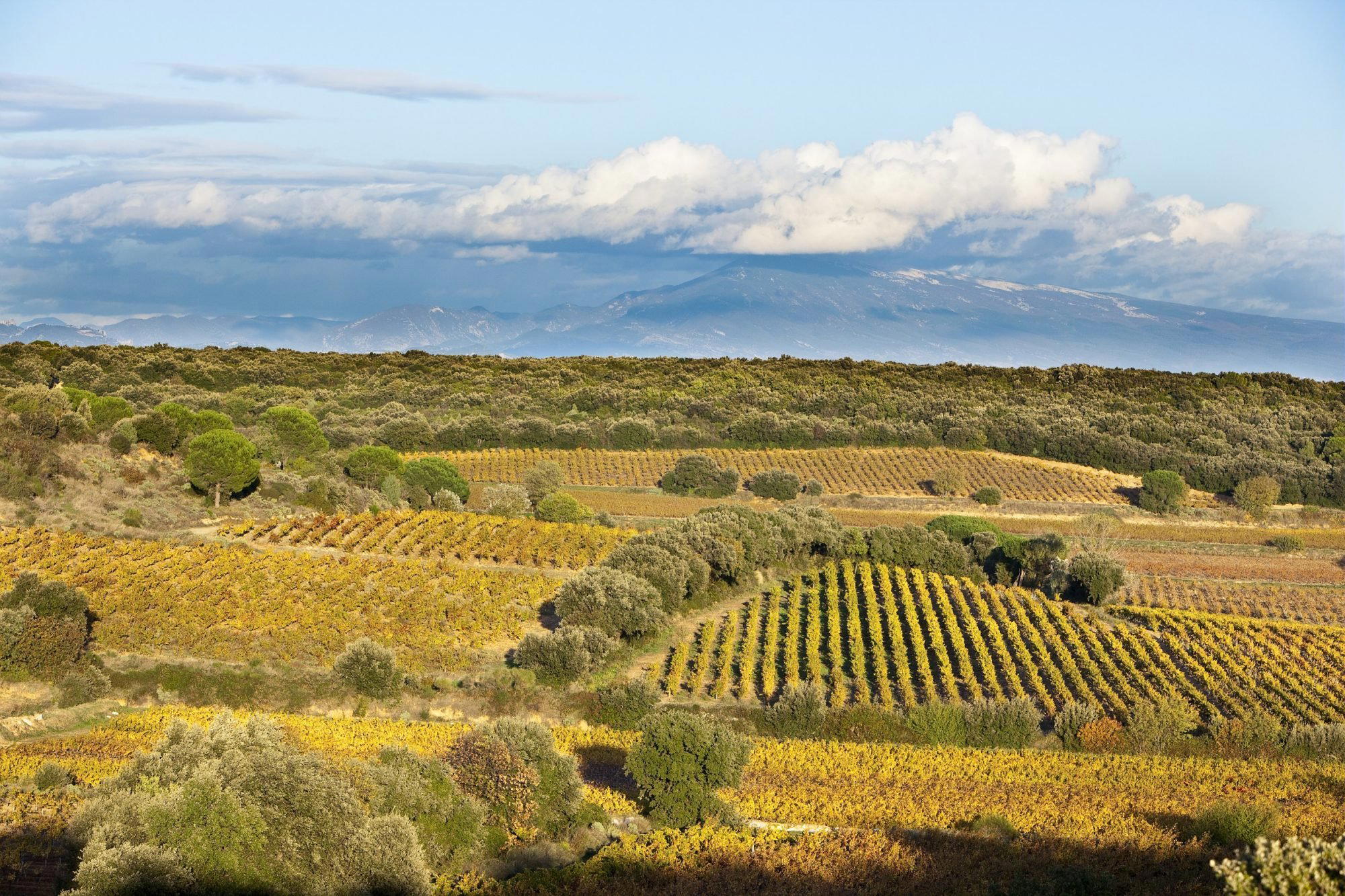
Château de Manissy
Tavel, France
Château de Manissy is a practical Tavel wine stop for travelers who want recognized credibility without a high-planning commitment. Treat it as a winery visit rather than a dining destination, since no restaurant format, menu, or tasting-price structure is confirmed. The Falstaff listing for 2026 is the main trust signal.
Domaine La Bérangeraie
Grezels, France
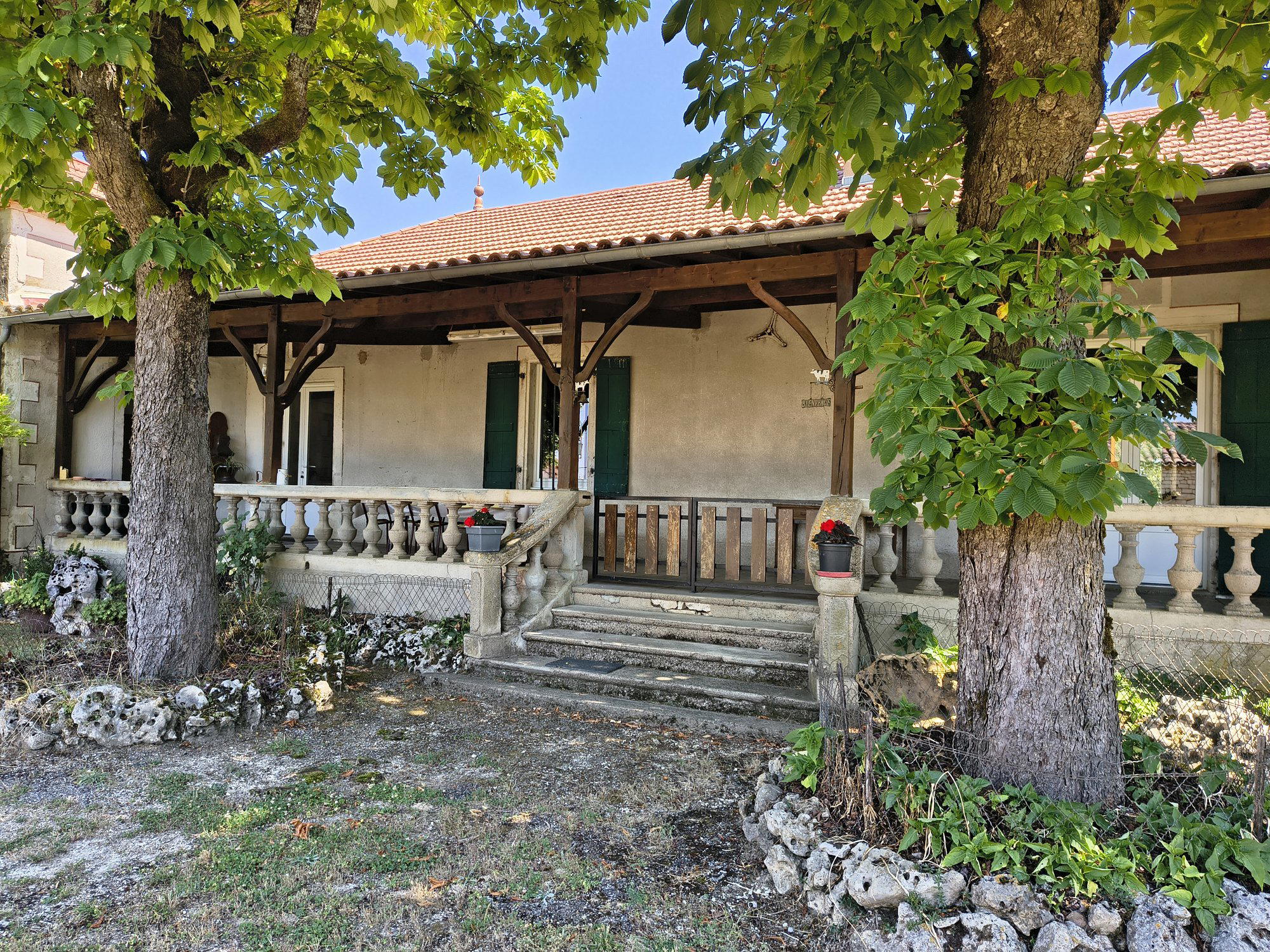
Domaine La Bérangeraie is worth booking if the draw is hillside Cahors context, family-run hospitality, and Malbec grown on iron-rich slopes. The experience is rustic and quiet rather than polished, with vineyard and cellar context doing the heavy lifting. Go for a grounded wine-country stop, especially if a private visit helps fit the estate into a Lot Valley day.
Cavit
Trento, Italy
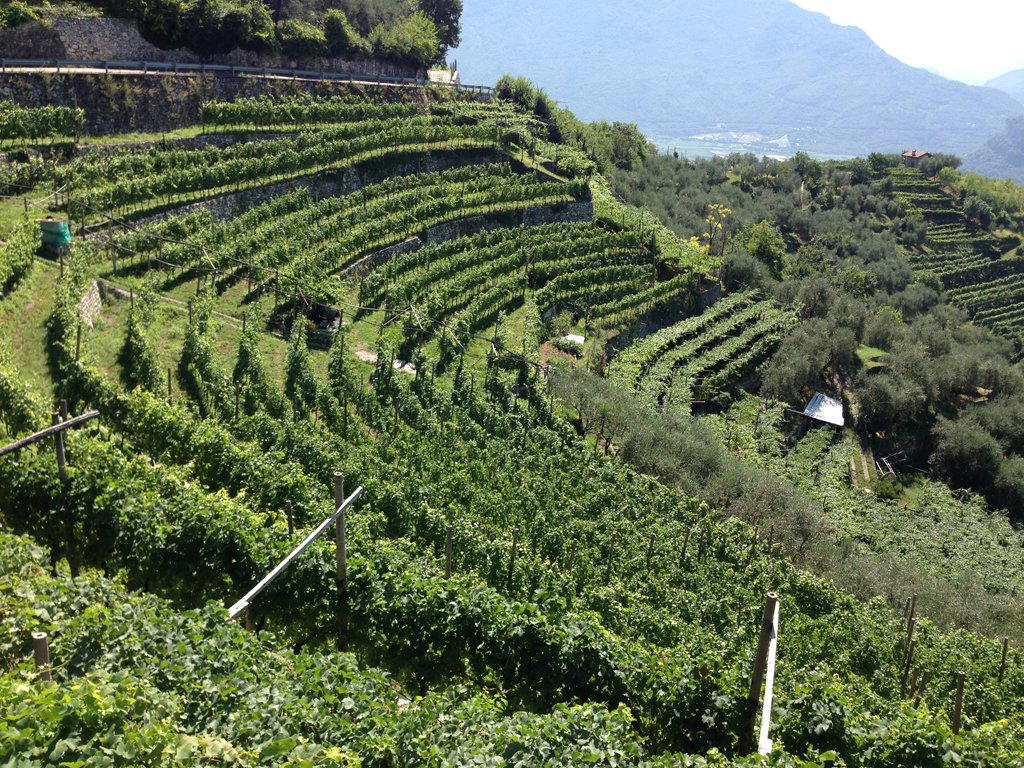
Cavit is worth booking if the goal is to understand Trentino wine at scale rather than chase a small-producer cellar experience. The polished wine shop, Enomatic tastings and broad portfolio make it useful for comparing Pinot Grigio, aromatic whites, Teroldego, sparkling wines and cellar buys in one stop.
Agricola Poggio Rubino
Montalcino, Italy
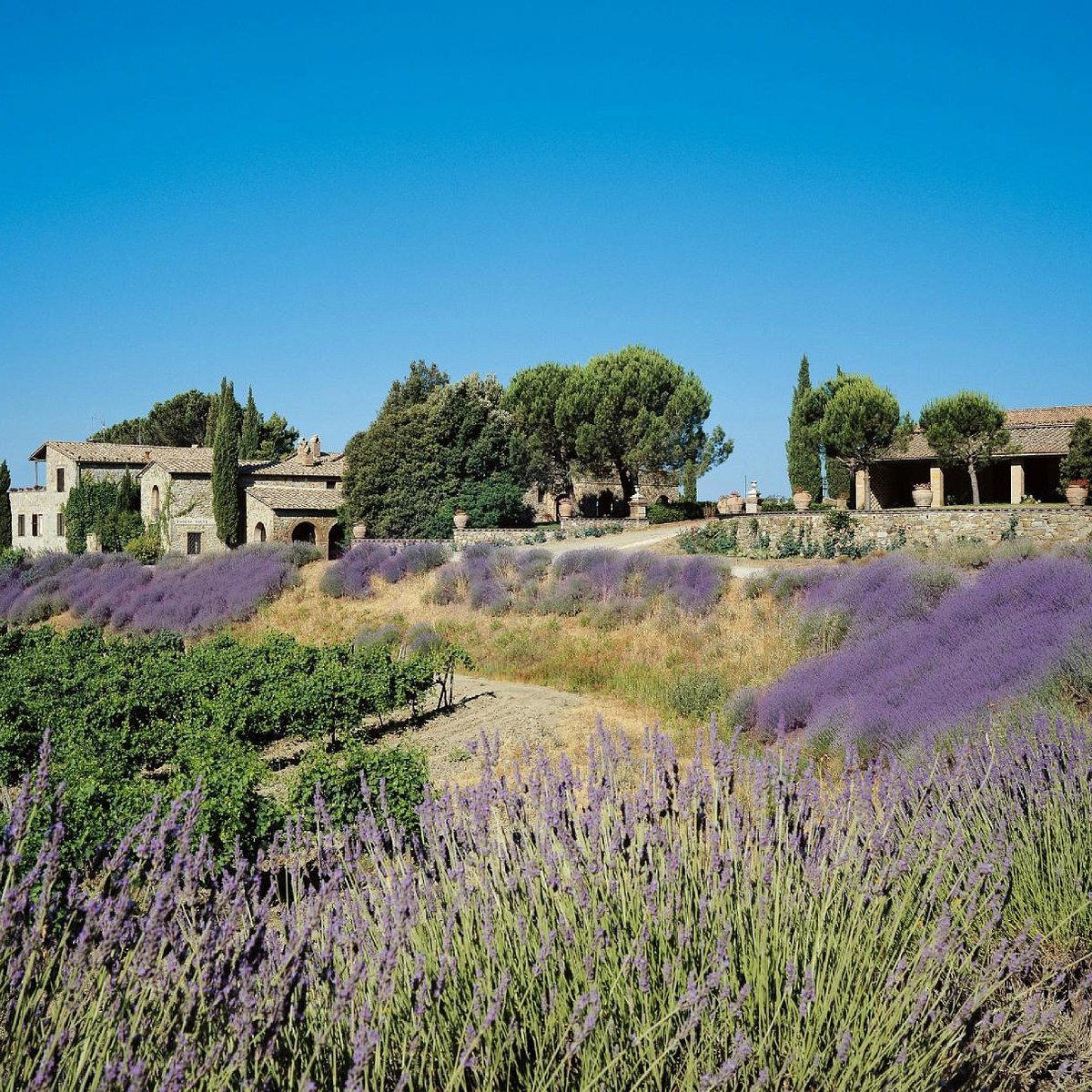
Book Agricola Poggio Rubino if you want a calm, hosted Brunello tasting with countryside views rather than a rushed cellar stop. The value is in the full format: guided explanations, a boutique family-run room, estate-grown wine context, and light Tuscan food at a modest tasting price.
Corte Lavel
San Martino Buon Albergo, Italy
Corte Lavel works if your priority is Valpolicella’s Amarone tradition rather than a broad hospitality setup. The smart move is to focus on the Amarone for a special occasion or cellar-minded purchase, with Valpolicella Ripasso as the more practical value check. Plan it as a compact, wine-led appointment in San Martino Buon Albergo.
Coolhurst Vineyards
Mannings Heath, United Kingdom
Coolhurst Vineyards is a good Mannings Heath pick for wine drinkers who want a quiet West Sussex sparkling stop with a clear bottle-led reason to go. The draw is its rosé demi-sec angle and secluded estate feel; skip it if you need confirmed food, large-group infrastructure, or a full-service wine-tourism setup.
Cantine di Marzo
Tufo, Italy
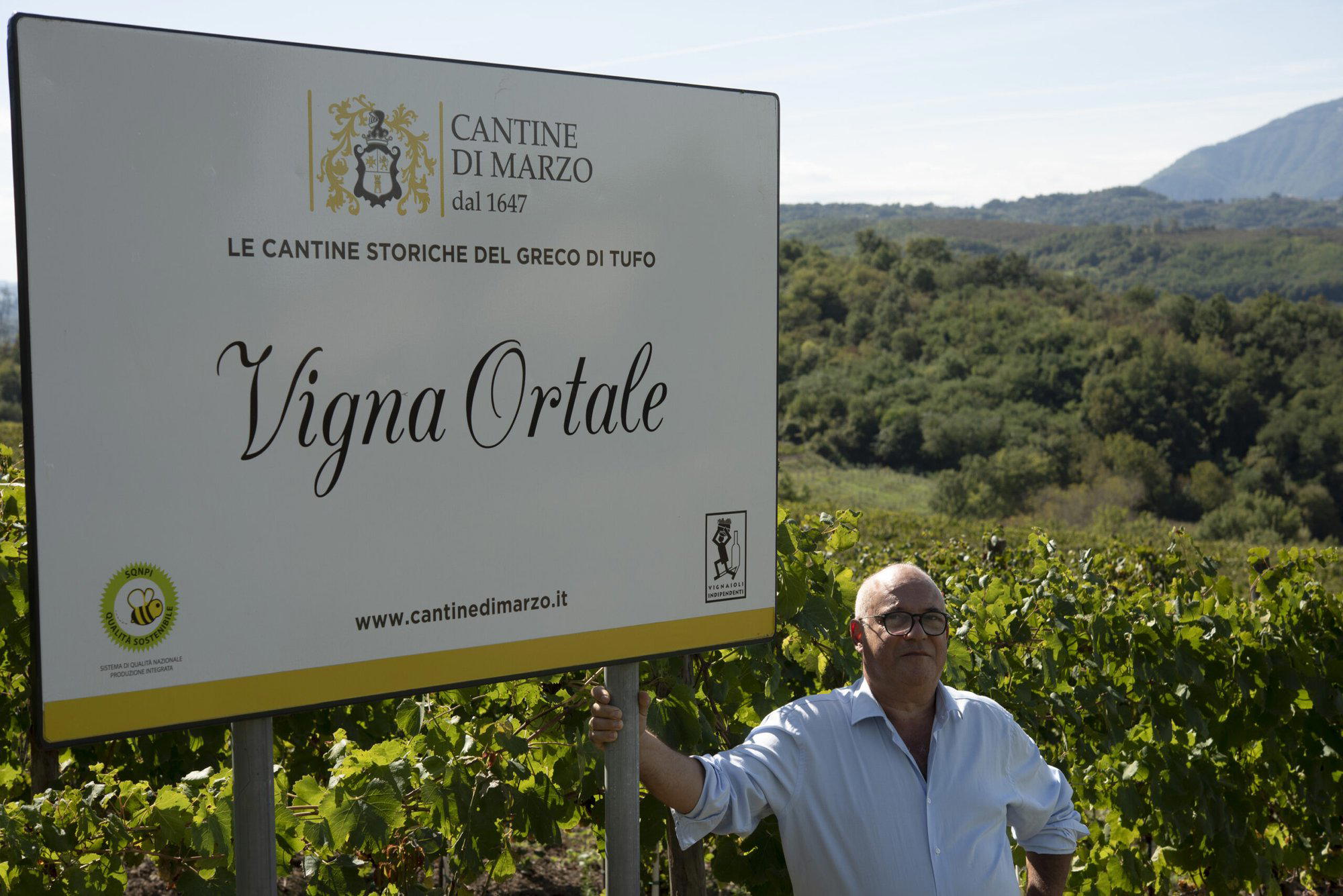
A focused Tufo winery pick for travelers who care about Greco di Tufo more than a broad hospitality setup. Cantine di Marzo has 2026 Falstaff recognition, making it a credible shortlist choice for wine-depth seekers, but plan food, group logistics, and timing through separate local research before building the day around it.
Fish Hoek Wines
Somerset West, South Africa
Book Fish Hoek Wines if value, ease, and a relaxed cellar-door format matter more than estate grandeur. The tasting is strongest for approachable Western Cape varietals, especially Pinotage and Chenin Blanc context, with the added range of the shared Flagstone, Kumala, and Fish Hoek setup. Falstaff Listed in 2026, it suits casual celebrations rather than high-ceremony wine tourism.
Farnese - Fantini
Ortona, Italy
Farnese - Fantini is a smart Ortona pick for a polished Abruzzo wine tasting, especially if you want regional breadth over a tiny estate-owned vineyard visit. The $$ positioning, appointment-only format and Falstaff Listed 2026 recognition make it a strong choice for couples, business guests or travellers who want modern cellar discipline tied to local farming traditions.
Cascina Val del Prete
Priocca, Italy
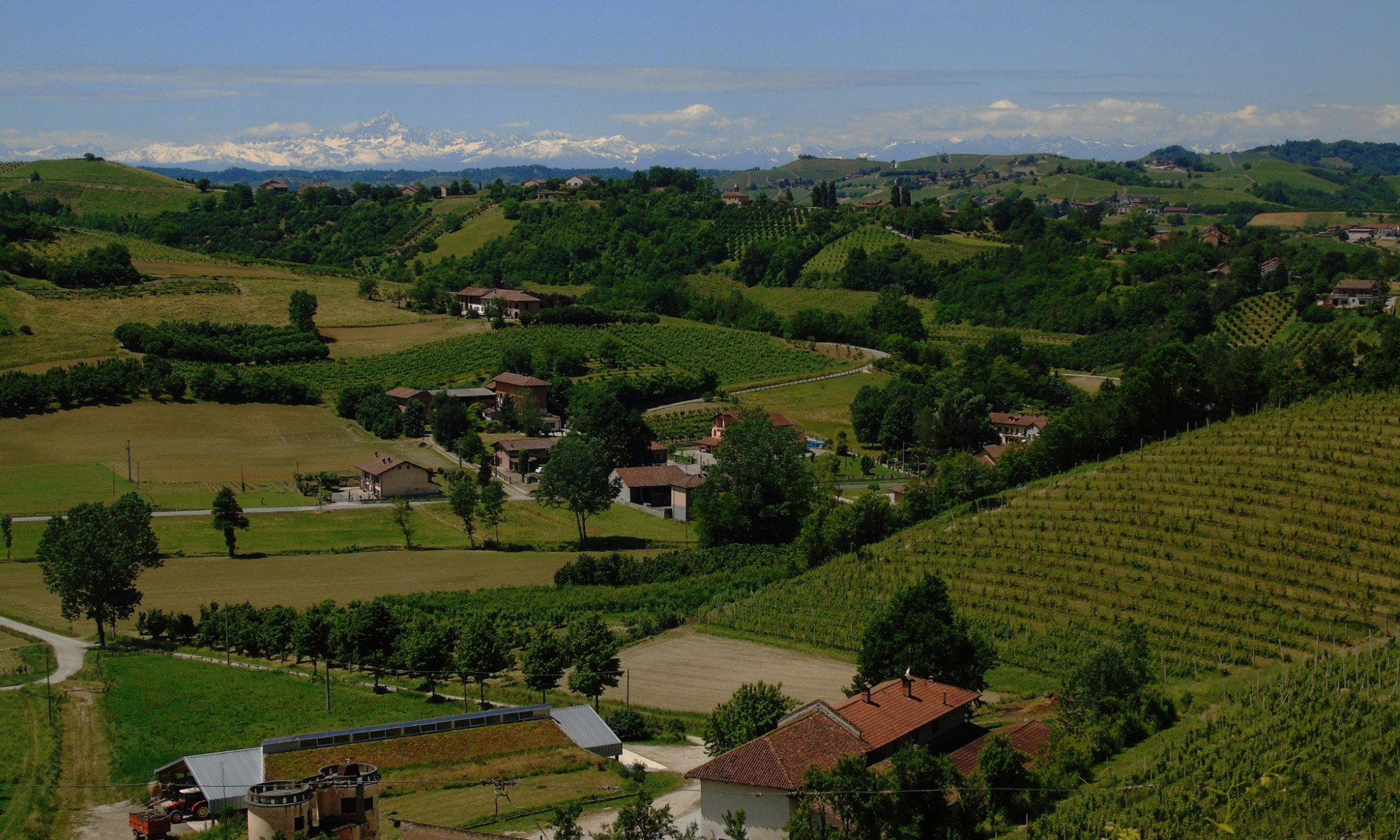
Cascina Val del Prete is a stronger choice for a focused Priocca winery visit than for a loose drop-in itinerary. The key reason to prioritise it is Falstaff 3 Stars recognition for 2026; the practical caution is that travellers should confirm visit format, food, shipping, and group suitability before building a day around it.
Castel di Salve
Depressa, Italy
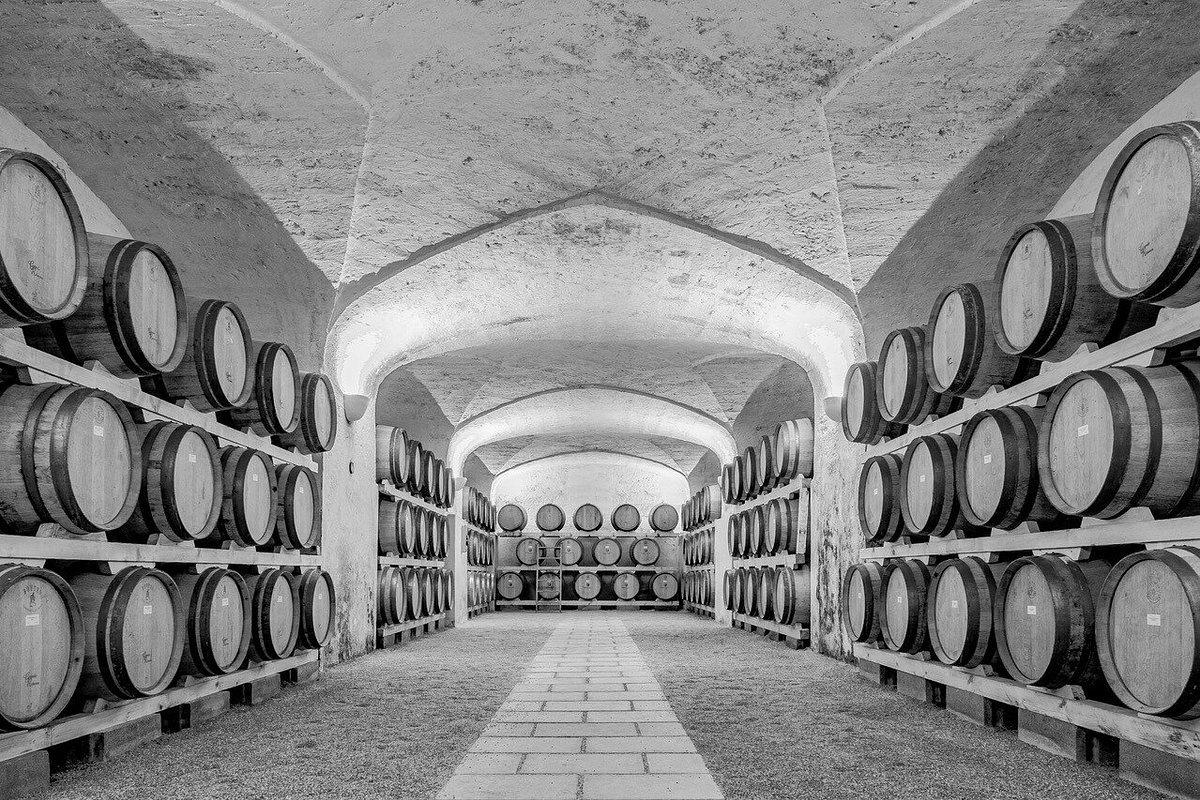
Castel di Salve is worth booking if you want a serious Salento winery visit with history, cellar access, and guided context rather than a quick tasting-room stop. The draw is the 19th-century Lecce-stone cellar, indigenous varieties, and family-run format; it suits couples and small groups who want depth, not a casual crowd scene.
How many of these have you visited?
Find out on Pearl and keep score across every place in 2026 Falstaff Winery Guide.