
Château de la Tour
Vougeot
Winery in Vougeot, France
 Book with Pearl
The Read
Single-Domaine Grand Cru
Why go
Château de la Tour is worth pursuing for Burgundy travelers who want serious Vougeot context rather than an easy public tasting. It suits wine-focused itineraries built around Clos de Vougeot and producer access, but it is a poor fit for casual drop-ins, large groups, or visitors looking for food-led hospitality.
About Château de la Tour
Should you consider Château de la Tour in Vougeot? The main reasons to keep it on a premium itinerary are concise: it is in Vougeot, it carries Pearl 2 Star Prestige (2025), and the stated dress code is smart casual. Beyond those points, specific claims about service format, visitor access, food, drinks, prices, hours, or reservations should be confirmed directly before you plan around them.
For trip planning, approach this as a thin-data listing rather than a page that can safely promise a full hospitality experience. If Château de la Tour is important to your Vougeot plans, verify the practical details with the venue first and build the rest of the day with enough flexibility.
Choose it for a Vougeot stop, not for assumed extras
The grounded case for Château de la Tour is simple: it is a Vougeot venue with Pearl 2 Star Prestige (2025). That recognition makes it a notable name to keep in view, but it does not establish a menu, tasting format, price point, opening hours, visitor capacity, or drinks program.
Do not treat this listing as confirmation of lunch, dinner, take-out, delivery, a specific tour, a visit, or any other defined service. Plan the day around confirmed arrangements only, and use broader Vougeot research for the parts of the itinerary not covered here.
Who should put in the effort
Château de la Tour is well suited to travelers who specifically want to include a Pearl-recognized stop in Vougeot and are willing to confirm the details before committing. It is less suitable for anyone who needs published certainty on hours, pricing, food, group handling, or a fixed public visitor format.
For nearby comparison, you may also be looking at names such as Château de la Tour, Domaine Comte de Vogue, Domaine Georges Roumier, Domaine Ghislaine Barthod, Domaine Hudelot-Baillet, or Domaine Hudelot-Noëllat as part of a broader Burgundy plan. Keep each venue's practical details separate and verify current arrangements directly rather than assuming that one local pattern applies to all.
The verdict: keep Château de la Tour on the shortlist if Vougeot and Pearl 2 Star Prestige (2025) matter to your itinerary. Do not build the visit around assumptions about food, drinks, reservations, or hospitality format.
Planning details
- Location
- Rue de la Montagne, 21640 Vougeot
- Website
- chateaudelatour.com
- Phone
- +33 3 80 62 86 13
The take
The Take
The Vibe
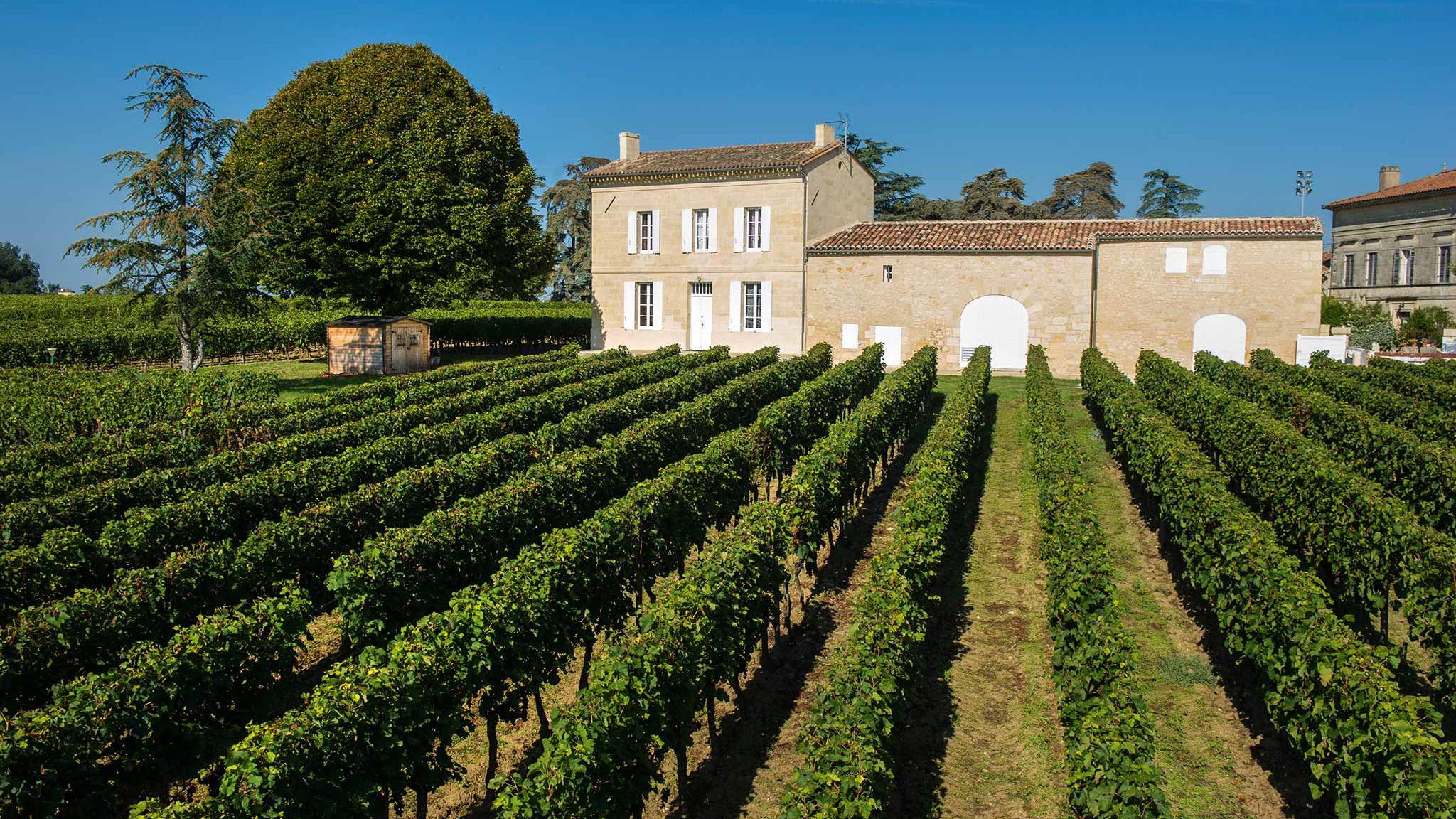
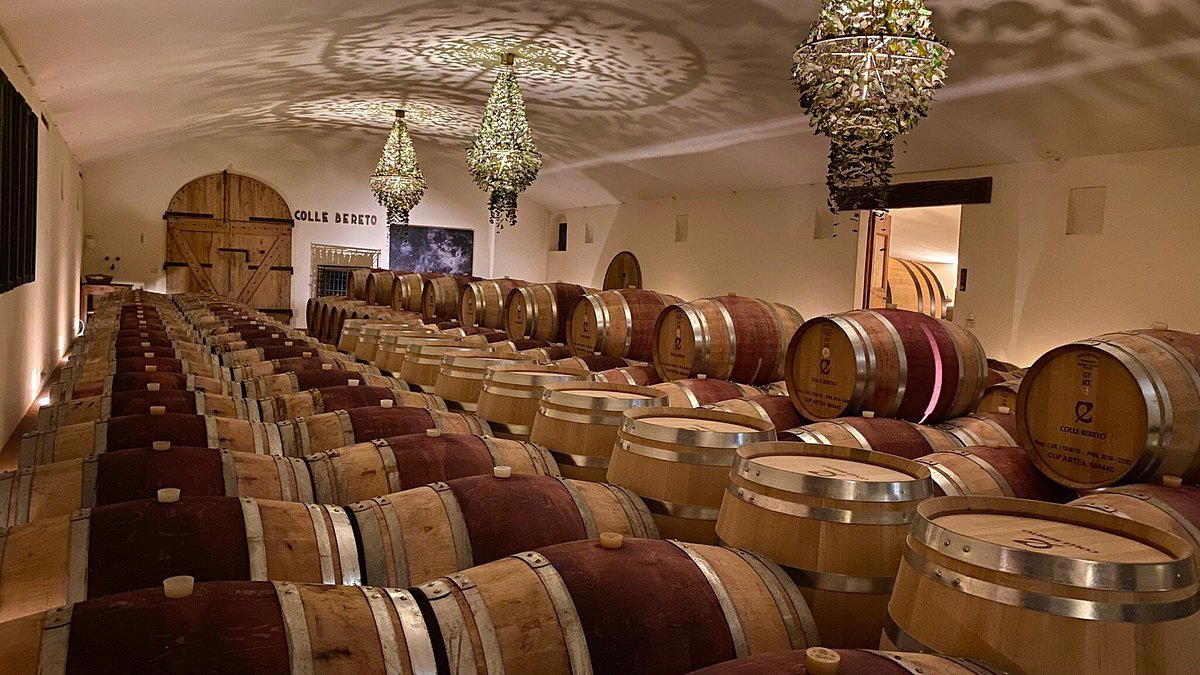
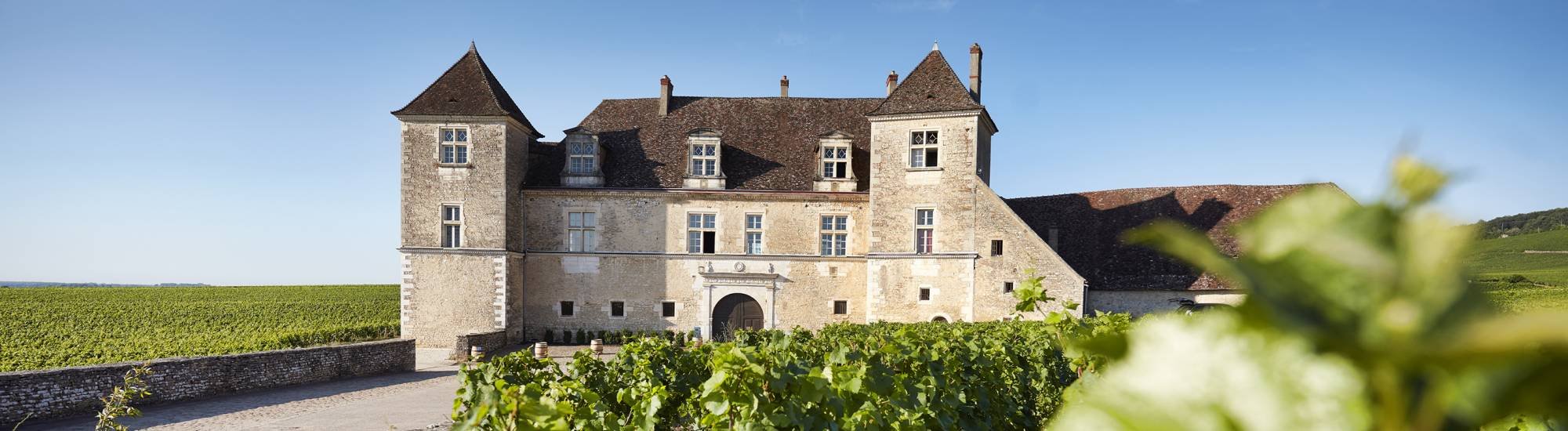
Château de la Tour registers as a place where history and precision coexist. Nestled within the medieval walls of the Clos de Vougeot, the estate reads as quietly refined: the prose emphasizes soil, slope and single-block expression rather than spectacle. Visitors encounter a terroir-first mentality that privileges geological nuance over stylistic flash, so even the language feels deliberate and measured. The setting is scenic and contemplative, and the château’s location inside one of Burgundy’s defining enclosures lends an understated gravitas that appeals to visitors seeking a sophisticated, place-driven wine experience.
Best For
This estate is best for people focused on wine education and those marking special occasions. The copy frames Château de la Tour as an interpretive laboratory for the Clos de Vougeot — ideal for students, collectors and curious tasters who want to parse how upper-slope limestone and lower-slope clay change Pinot Noir’s architecture. The 2025 Pearl 2 Star Prestige recognition underscores the estate’s credibility, making visits appropriate for milestone tastings or celebratory appointments where provenance and single-block clarity matter as much as the bottle.
Tasting Tips
When you taste here, make provenance your primary question. Ask where the estate’s parcels sit inside the Clos — the text highlights meaningful differences between upper slopes (Comblanchien limestone, tighter mineral profile) and lower reaches (more clay, broader structure). Prioritize single-block or single-parcel expressions if available; they illustrate how contiguous holdings translate to distinct flavors. Focus your notes on minerality, structure and mid-palate texture rather than oak or winemaker effects, because the château presents itself as a terroir-forward producer.
Venue details
Ambiance
Grandiose and imposing historic château with an atmosphere of timeless Burgundian elegance amid ancient vineyards.
Tags
Vibe
Best For
Experience
Sourcing
View
At the Vineyard
- Appellation
- Clos de Vougeot Grand Cru
- Varietals
- Pinot Noir, Chardonnay
- Tour Duration
- 60-90 minutes
- Tour Languages
- French, English
- Visits
- By appointment only
- Farming
- Biodynamic
- Wine Styles
- Still Red, Still White
- Wine Club
- Not available
Know before you go
Know Before You Go
- Getting there
- Rue de la Montagne, 21640 Vougeot
Planning details
Location
Recognition and awards

Also consider
Also Consider
- Domaine Hudelot-Noëllat, Notable alternative
- Domaine Ghislaine Barthod, Notable alternative
- Domaine Comte de Vogue, Notable alternative
- Domaine Hudelot-Baillet, Notable alternative
- Domaine Georges Roumier, Notable alternative
Winery context
How It Compares
Choose Château de la Tour when Vougeot itself is the point of the trip. Against Domaine Hudelot-Noëllat and Domaine Ghislaine Barthod, it is the more place-specific pick for readers who want to understand Clos de Vougeot rather than spread attention across nearby Côte de Nuits reference points.
Domaine Comte de Vogue and Domaine Georges Roumier are stronger targets if the trip is centered on Chambolle-Musigny prestige and the willingness to chase extremely difficult access. Château de la Tour is the better fit when the desired experience is narrower, quieter, and anchored in Vougeot's grand-cru identity.
Domaine Hudelot-Baillet is the more practical cross-shop if access and itinerary flexibility matter. For value, none of these should be treated as casual tasting alternatives; the smarter decision is to rank them by village focus first, then by realistic availability.
Explore Vougeot
Around this place
Discover more on Pearl
Unlock the full Château de la Tour guide in Pearl, including awards, comparisons, FAQs, planning details, and nearby places.
Compare Château de la Tour
| Venue | Location | Awards |
|---|---|---|
| Château de la Tour | Vougeot | 2026 Michelin 1 Grape - Burgundy2026 Falstaff Winery Guide |
| Domaine Hudelot-Noëllat | Chambolle-Musigny | 2026 Michelin 1 Grape - Burgundy2026 Falstaff Winery Guide2025 Pearl 4 Star Prestige |
| Domaine Ghislaine Barthod | Chambolle-Musigny | 2026 Falstaff Winery Guide2026 Michelin 1 Grape - Burgundy |
| Domaine Comte de Vogue | Chambolle-Musigny | No published awards |
| Domaine Hudelot-Baillet | Chambolle-Musigny | 2025 Pearl 4 Star Prestige |
| Domaine Georges Roumier | Chambolle-Musigny | 2026 Falstaff Winery Guide2026 Michelin 3 Grapes - Burgundy2025 Pearl 4 Star Prestige |

How Château de la Tour Vougeot compares with similar nearby venues.
FAQ
Frequently Asked Questions
How long should I plan for a visit to Château de la Tour?
Plan only after confirming current arrangements with the venue, and leave room in your Vougeot itinerary for practical timing changes.
What recognition does Château de la Tour have?
The recognition is Pearl 2 Star Prestige (2025). The grounded facts are the Vougeot location, Pearl 2 Star Prestige (2025), and smart casual dress code.