

Castello di Ugento Hotel
Ugento
Hotel in Ugento, Italy
 Book with Pearl
The Read
Medieval Stone Conversion
Why go
Castello di Ugento Hotel is worth booking when the hotel setting is part of the occasion, not just a base in Salento. Its castle address, MICHELIN hotel selection, La Liste Top Hotels 2026 score, and Mr & Mrs Smith recognition make it a safer special-occasion choice than a generic town stay, though loyalty-point travelers should compare booking benefits carefully.
About Castello di Ugento Hotel
Castello di Ugento Hotel is a hotel in Ugento with strong recognition signals: La Liste Top Hotels 2026 with 90.5 points, the Mr & Mrs Smith Seal of Approval 2026, and selection in the MICHELIN Guide Hotels in 2025. With a smart-casual dress code and high-profile accolades, it is best approached as a Ugento stay to check directly before booking.
A Ugento stay to verify directly before booking
Castello di Ugento Hotel is a recognized hotel in Ugento. Travelers comparing it with other stays should check the hotel's official channels for current room categories, amenities, dining format, service style, prices, inclusions, cancellation terms, on-property facilities, and arrival details.
For trip planning around Ugento, pair the hotel decision with current local research, including Ugento restaurants and other dining in Ugento. If the hotel itself is central to the trip, confirm the details that matter most before committing.
Book for recognition, then verify practical details
Castello di Ugento Hotel has meaningful external recognition, including La Liste Top Hotels 2026, the Mr & Mrs Smith Seal of Approval 2026, and MICHELIN Guide hotel selection in 2025. Those are useful signals when shortlisting a stay in Ugento, especially if you prefer properties with third-party recognition.
If points, elite benefits, or included extras matter, compare the exact booking terms before reserving. Other named options to compare in the broader area include Castello di Ugento Hotel, Critabianca, Il Giardino Grande - Dimora in Salento, Palais Gentile, Palazzo Daniele, and Palazzo Piccinno.
Know Before You Go
- Book if: you want a recognized hotel in Ugento and are comfortable confirming practical details directly before booking.
- Skip if: you need detailed amenities, room types, pricing, or loyalty benefits before shortlisting.
- Booking difficulty: check current availability for your dates.
- Location: Ugento.
- Dress code: smart casual.
Inside Castello di Ugento Hotel
Planning details
- Location
- Via Castello, 13, 73059 Ugento LE
- Website
- castellodiugento.com
- Phone
- +39 0833 185 0720
The take
The Take
The Vibe
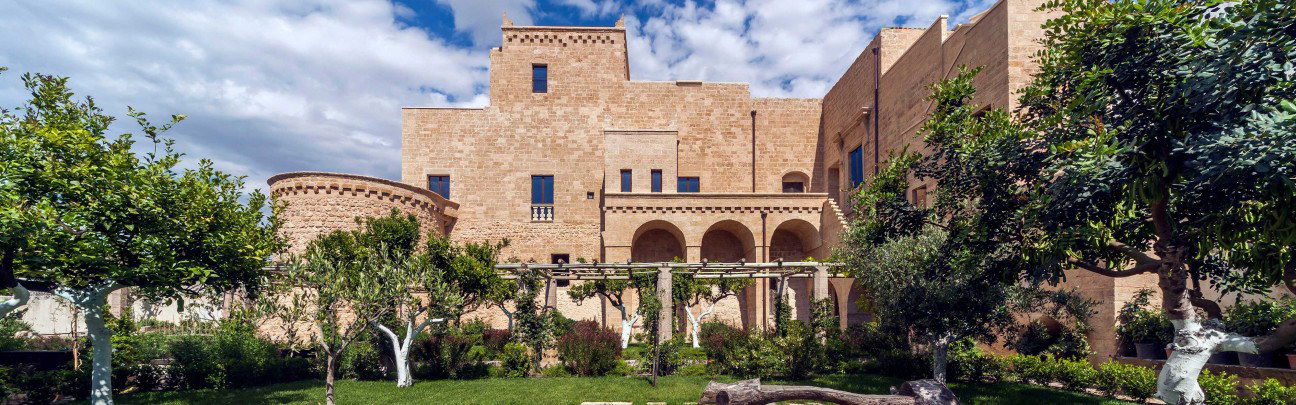
Castello di Ugento reads like a study in stone and restraint. The experience centers on medieval fabric — towers, fortified walls and an enclosed cortile — rather than polished, theatrical restoration. Thick masonry and small, defensive apertures shape light and temperature, producing a contained, calm interiority that feels more lived-in than staged. The property’s vertical presence makes the town itself part of the composition: approaching guests move from public street to private courtyard, and the castle’s material logic resists obvious contemporary gloss in favor of a slow, classic kind of luxury.
Best For
This is a stay for travelers who prize history, architectural authenticity and a quietly luxurious retreat. The hotel suits couples and small groups seeking a romantic, restorative escape inside a true medieval structure, as well as culture-minded visitors who want to be based in a small Salento town rather than a resort strip. Because the conversion keeps the castle’s original fabric intact, it particularly rewards guests interested in material craft and the feeling of inhabiting a reactivated historic building.
Venue details
Ambiance
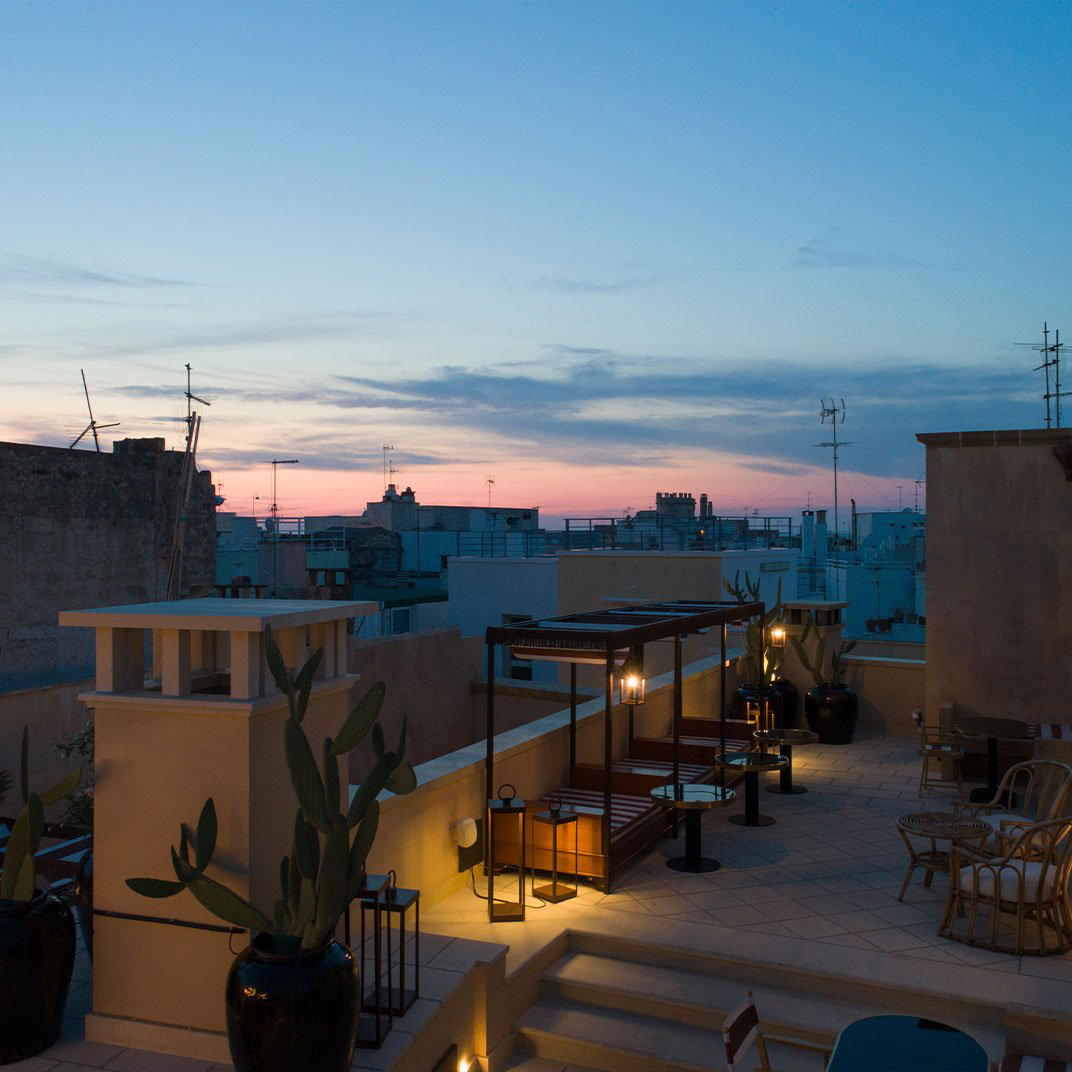
Softly lit courtyards and vaulted stone interiors create a magical, historical atmosphere blending antique elegance with modern comfort.
Tags
Vibe
Best For
Experience
Amenities
View
Accessibility
About the Stay
- Rooms
- 8
- Check-in
- 15:00
- Check-out
- 12:00
- Property Style
- Restored 17th Century Castle Blending Family Heritage with Contemporary Luxury.
- Design Style
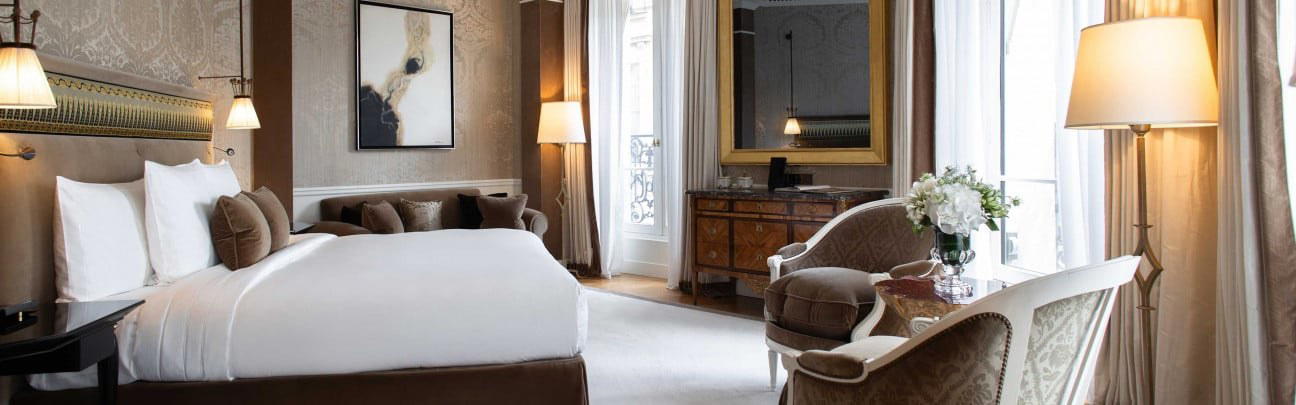
- Elegant Mix of Custom Walnut Antiques, Italian Designer Pieces, and Puglian Artisan Linens Under Vaulted Pietra Leccese Ceilings.
Know before you go
Know Before You Go
- Getting there
- Via Castello, 13, 73059 Ugento LE
Planning details
Location
Recognition and awards

Also consider
Also Consider
- Palais Gentile, Notable alternative
- Il Giardino Grande - Dimora in Salento, Notable alternative
- Palazzo Piccinno, Notable alternative
- Palazzo Daniele, Notable alternative
- Critabianca, Notable alternative
Hotel context
How It Compares
Choose Castello di Ugento Hotel if the priority is occasion value: a more formal historic setting, stronger recognition, and an easier decision for anniversaries or couples' trips. Palais Gentile, Il Giardino Grande - Dimora in Salento, and Palazzo Piccinno are better cross-shops if the goal is a smaller stay with less ceremony around the property itself.
Palazzo Daniele is the sharper comparison for design-led travelers who want a refined palazzo atmosphere, while Castello di Ugento Hotel is the better fit when a castle setting is central to the trip. Critabianca makes more sense for travelers prioritizing a quieter rural-feeling Salento base over a town-address hotel.
For booking ease, Castello di Ugento Hotel is not positioned as a high-friction reservation, so it is a practical choice when the trip dates are fixed. If value for money is the main filter, compare exact inclusions and room categories across Palais Gentile, Palazzo Piccinno, and Il Giardino Grande before paying for the more occasion-driven atmosphere here.
Explore Ugento
Around this place
Discover more on Pearl
Unlock the full Castello di Ugento Hotel guide in Pearl, including awards, comparisons, FAQs, planning details, and nearby places.
Compare Castello di Ugento Hotel
| Venue | Location | Awards |
|---|---|---|
| Castello di Ugento Hotel | Ugento | 2026 Mr & Mrs Smith Luxury Hotels2026 La Liste Top Hotels2025 Michelin Selected Hotels |
| Palais Gentile | Matino | No published awards |
| Il Giardino Grande - Dimora in Salento | Parabita | No published awards |
| Palazzo Piccinno | Parabita | No published awards |
| Palazzo Daniele | Gagliano Del Capo | 2026 Design Hotels Collection2026 Mr & Mrs Smith Luxury Hotels2025 Michelin 1 Key |
| Critabianca | Cutrofiano | 2025 Michelin 1 Key2024 Michelin 1 Key |


How Castello di Ugento Hotel compares with similar nearby venues.
FAQ
Frequently Asked Questions
What is check-in like at Castello di Ugento Hotel?
How does Castello di Ugento Hotel compare to other hotels?
Castello di Ugento Hotel stands out for its La Liste Top Hotels 2026 score, Mr & Mrs Smith Seal of Approval 2026, and MICHELIN Guide Hotels selection in 2025. For a broader comparison, you may also look at Critabianca, Il Giardino Grande - Dimora in Salento, Palais Gentile, Palazzo Daniele, and Palazzo Piccinno, while checking each property's current details directly.
Which room category is best at Castello di Ugento Hotel?
Choose based on the hotel's current descriptions, photos, inclusions, and cancellation terms, and contact the property if you are booking for a special trip.
Do loyalty programs work at Castello di Ugento Hotel?
If points, upgrades, or member benefits are important, confirm the booking channel and benefit terms before reserving.
When is the best time to book Castello di Ugento Hotel?
Is Castello di Ugento Hotel good for business travel?
For business travel, confirm practical needs such as arrival logistics, workspace, connectivity, and cancellation terms directly with the hotel before booking.