
Critabianca
Cutrofiano
Hotel in Cutrofiano, Italy
 Book with Pearl
The Read
Salentina Farmhouse Continuity
Why go
Critabianca is worth considering if the goal is a quiet Salento base rather than a convenience-first hotel. The Michelin 1 Key signal helps reduce risk, but the dining case should be checked before relying on it for a food-led stay. Value is strongest for leisure travelers with a car and flexible plans around Cutrofiano.
About Critabianca
Critabianca in Cutrofiano has Michelin 1 Key recognition from 2024, and the dress code is smart casual. It is worth confirming practical details such as services, amenities, dining, location details, prices, hours, or room format directly before booking.
The recommendation is therefore conditional. Choose Critabianca if a Michelin-recognized venue in Cutrofiano fits your trip and you are comfortable verifying practical details in advance. Skip or compare carefully if your decision depends on specifics such as on-site dining, transport logistics, or detailed service arrangements.
A Cutrofiano base that makes sense if the town is the plan
Critabianca is in Cutrofiano, which makes it relevant for travelers planning time there. The venue has Michelin 1 Key recognition from 2024, but details on the exact setting, facilities, room count, or operating model should be confirmed before booking.
For that reason, the safest approach is to treat Critabianca as a Cutrofiano venue with a confirmed Michelin Key distinction, then confirm the details that matter for your dates before committing. If the trip depends on particular amenities, transport assumptions, or seasonal services, verify those directly rather than relying on inference.
Dining is the question to settle before choosing it
Critabianca has a Michelin 1 Key distinction, which is a meaningful recognition signal, but it is not the same as a confirmed restaurant award, published cuisine, chef name, tasting format, or documented dining program. It is best to confirm what dining is available on site.
That makes it a sensible option to consider for travelers who want a Michelin-recognized base in Cutrofiano and are comfortable checking meal arrangements separately. If dining is central to the trip, confirm current details with the venue and compare with other dining in Cutrofiano before deciding.
Who should choose it, and who should cross-shop
Choose Critabianca if the confirmed facts are enough for your shortlist: Cutrofiano location, Michelin 1 Key recognition in 2024, and a smart casual dress code. It is less suitable for a decision that depends on claims about services, facilities, pricing, or dining.
Cross-shop if you need more certainty before booking. Palazzo Piccinno and Palais Gentile are natural alternatives to compare, while Il Giardino Grande - Dimora in Salento, Palazzo Tafuri, and Casa a Corte may also be useful reference points when deciding which venue best fits your trip.
Quick reference: Worth considering for a Michelin 1 Key venue in Cutrofiano; confirm practical details directly if dining, services, or logistics are central to the booking.
Planning details
- Location
- Via vicinale Corraturo, 73020 Cutrofiano LE
- Website
- critabianca.it
- Phone
- +39 331 766 8648
The take
The Take
The Vibe
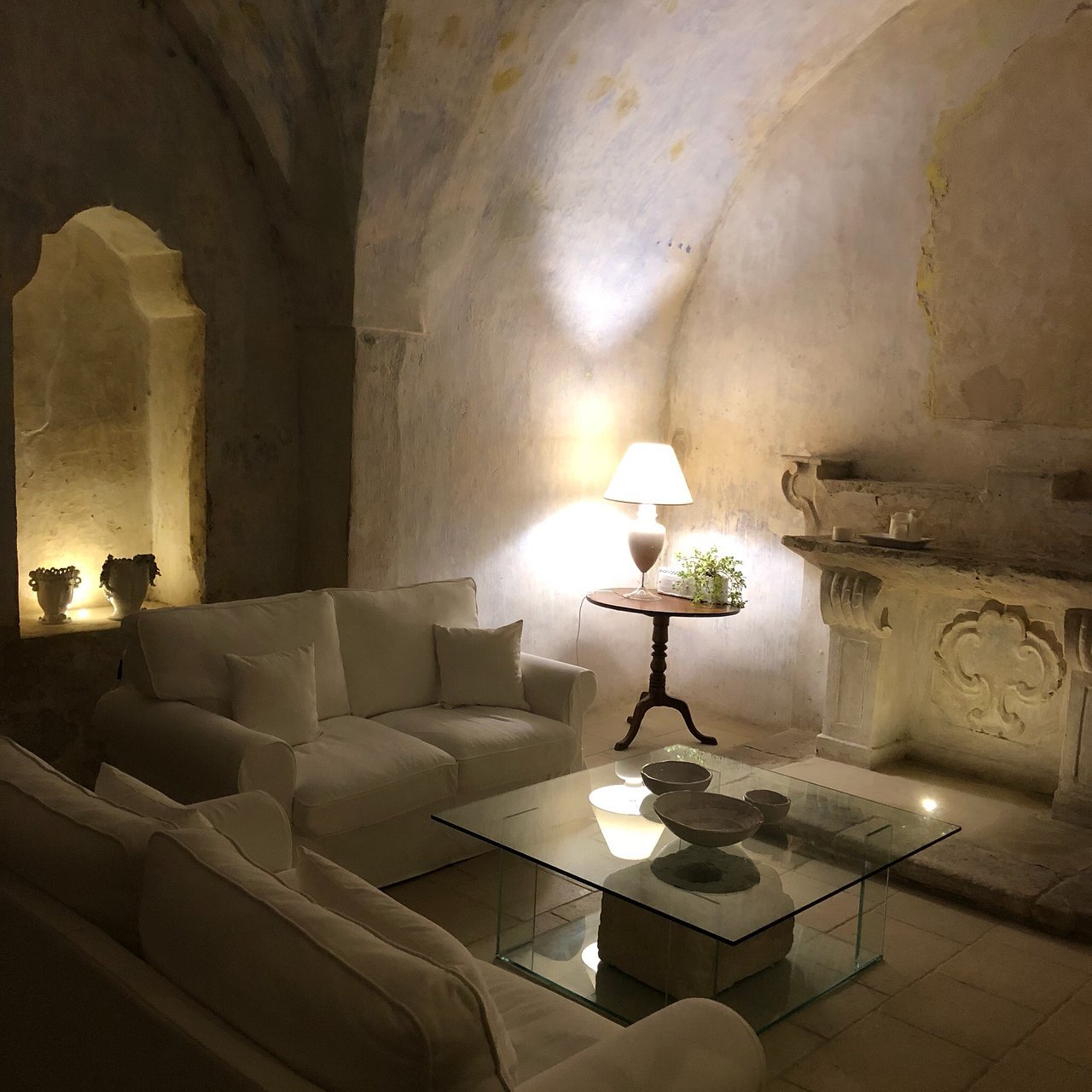
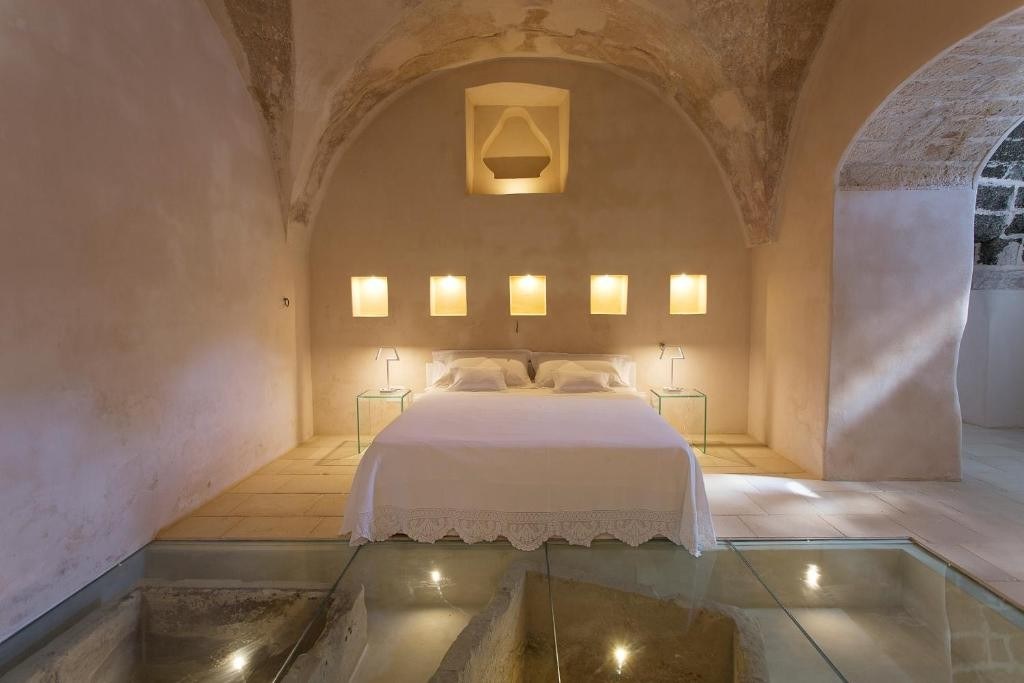
Critabianca reads like a concentrated study in southern Puglian restraint: a 14th-century farmhouse reshaped in the 18th century that keeps its original floor plan and thick, defensive walls. The property’s small scale—just six rooms within the main house—means guests encounter vaulted ceilings, period proportions and architectural details rather than a standardized, expanded resort layout. The writing stresses stillness and cultural layering: Byzantine-era roots of the surrounding Grecìa Salentina, rural austerity softened by aristocratic fittings. The effect is an intimately historic, quietly majestic retreat that foregrounds architecture and atmosphere over modern spectacle.
Best For
This is a place for travelers who prize architectural authenticity and quiet immersion. With only six rooms contained in the original fabric, Critabianca suits couples or solo travelers seeking a contemplative stay steeped in history and local culture. It also works for anniversaries or short weekend escapes when the goal is to unplug from the well-trafficked coast and experience the slower rhythms of the peninsula’s heel. The property’s retained vaulted ceilings and period proportions reward anyone interested in vernacular construction and understated, place-driven hospitality.
Venue details
Ambiance
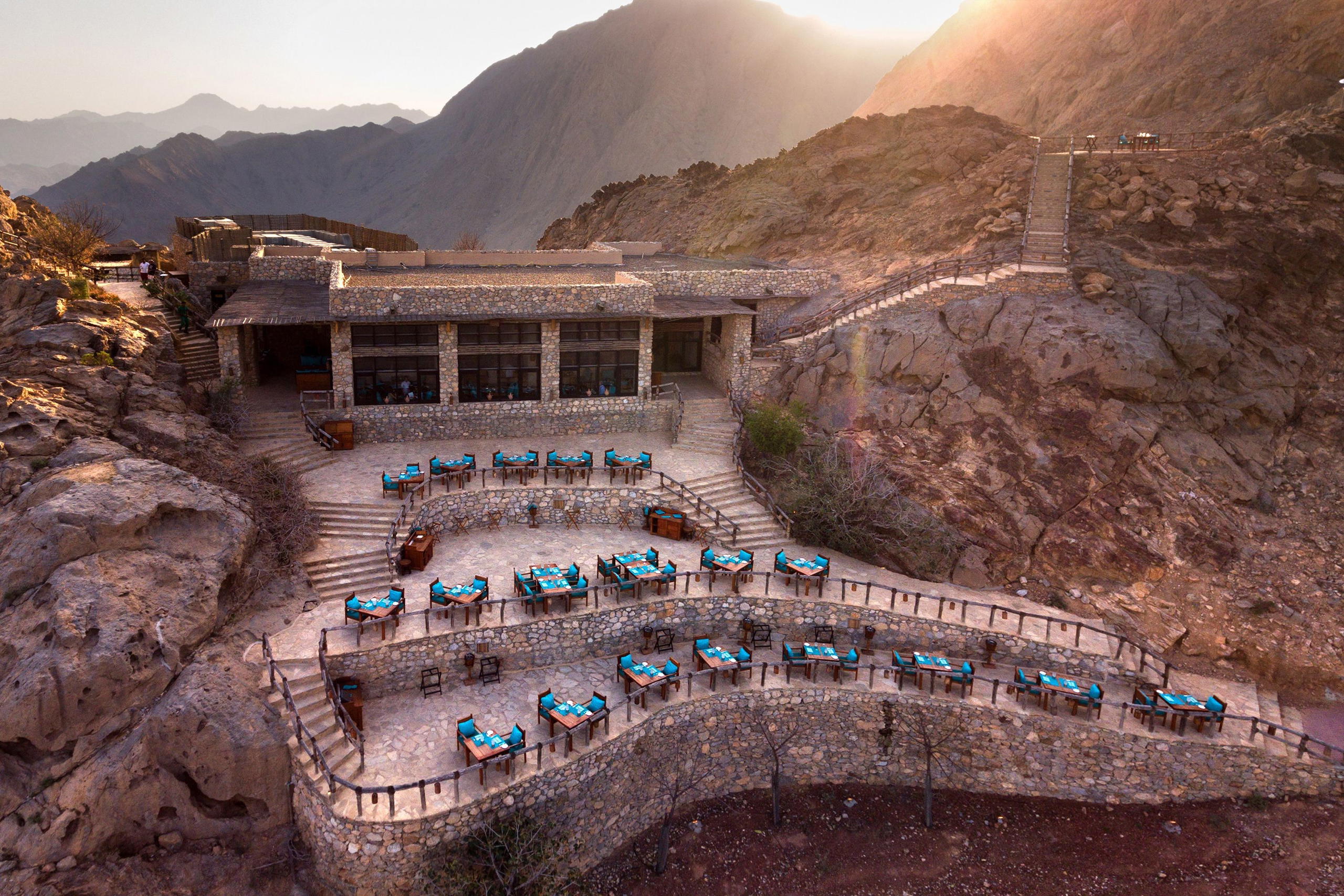
Serene and peaceful oasis with white lime-plastered walls, lush gardens, and a tranquil rural atmosphere ideal for relaxation.
Tags
Vibe
Best For
Experience
Amenities
View
About the Stay
- Rooms
- 6
- Check-in
- 14:00
- Check-out
- 11:00
- Property Style
- Historic Country House Masseria with Authentic Restoration Blending Ancient and Modern Charm.
- Design Style
- Elegant Rustic with White Lime Plastered Walls, Simple Elegance, and Local Hues.
Know before you go
Know Before You Go
- Getting there
- Via vicinale Corraturo, 73020 Cutrofiano LE
Planning details
Location
Recognition and awards
Also consider
Also Consider
- Palazzo Piccinno, Notable alternative
- Palais Gentile, Notable alternative
- Il Giardino Grande - Dimora in Salento, Notable alternative
- Palazzo Tafuri, Notable alternative
- Casa a Corte, Notable alternative
Hotel context
How it compares with nearby stays
Critabianca is the higher-confidence choice if recognition matters, because its Michelin 1 Key gives it a clearer quality signal than the comparison set. That does not automatically make it the right value pick: travelers who want a more town-based stay should compare Palazzo Piccinno and Palais Gentile first, especially if walking access and simpler logistics matter more than a rural setting.
For ambiance, Il Giardino Grande - Dimora in Salento is the peer to check if the stay should feel garden-led and relaxed, while Palazzo Tafuri is the better comparison for travelers drawn to a palazzo-style stay. Critabianca is the more convincing choice when quiet and recognition outweigh the need for an in-town feel.
If the hard booking profile becomes a problem, Casa a Corte is worth cross-shopping as a practical fallback. The decision is less about chasing a single winner and more about matching the trip: Critabianca for a calmer countryside base, Palazzo Piccinno or Palais Gentile for easier town logic, and Il Giardino Grande or Palazzo Tafuri for a different sense of place.
Explore Cutrofiano
Around this place
Discover more on Pearl
Unlock the full Critabianca guide in Pearl, including awards, comparisons, FAQs, planning details, and nearby places.
Compare Critabianca
| Venue | Location | Awards |
|---|---|---|
| Critabianca | Cutrofiano | Michelin 1 Key 20252025 Michelin 1 Key2024 Michelin 1 Key |
| Palazzo Piccinno | Parabita | No published awards |
| Palais Gentile | Matino | No published awards |
| Il Giardino Grande - Dimora in Salento | Parabita | No published awards |
| Palazzo Tafuri | Nardò | No published awards |
| Casa a Corte | Nardò | No published awards |
How Critabianca Cutrofiano compares with similar nearby venues.
FAQ
Frequently Asked Questions
What is check-in like at Critabianca?
Critabianca is in Cutrofiano and has Michelin 1 Key recognition from 2024. Confirm check-in timing directly with the venue before travel.
Is Critabianca good for business travel?
That depends on the practical details of your trip. Critabianca is in Cutrofiano and has Michelin 1 Key recognition from 2024, but business facilities, transport logistics, and service arrangements should be confirmed directly.
How is the location of Critabianca?
Critabianca is in Cutrofiano. Location-sensitive travelers should confirm the exact position directly before booking. If you want to compare other venues, consider Palazzo Piccinno or Palais Gentile.
How is the dining at Critabianca?
Dining details for Critabianca should be confirmed directly, including cuisine type, chef name, menu format, or restaurant details. The confirmed signal is Michelin 1 Key recognition from 2024, not a restaurant-specific award. If meals are central to your decision, compare with other dining in Cutrofiano and consider reference points such as Il Giardino Grande - Dimora in Salento or Palazzo Tafuri.
Do loyalty programs work at Critabianca?
Loyalty-program details for Critabianca should be confirmed directly. The confirmed facts are that it is in Cutrofiano, has Michelin 1 Key recognition from 2024, and lists a smart casual dress code. If loyalty benefits matter, compare the venue against other options such as Casa a Corte.