

Palazzo Daniele
Gagliano del Capo, Gagliano Del Capo
Hotel in Gagliano Del Capo, Italy
 Book with Pearl
The Read
Palazzo-Scale Minimalism
Why go
Palazzo Daniele is worth booking if the point of the trip is design, quiet, and a characterful base in southern Salento rather than resort facilities. It suits couples and repeat Puglia travelers better than families chasing beach convenience or extensive amenities.
About Palazzo Daniele
Palazzo Daniele is a venue in Gagliano Del Capo with a smart casual dress code and several recognition signals: Michelin 1 Key in 2025, 2026 Design Hotels Member - Palazzo Daniele, and the Mr & Mrs Smith Seal of Approval in 2026.
Use these details as the basis for deciding whether it belongs on your shortlist. The strongest hooks are the Gagliano Del Capo setting, the Design Hotels recognition, and the Michelin Key status; specific claims about room categories, dining, facilities, prices, or service formats should be checked directly with the venue before booking.
A design-recognized stay for travelers who do not need a resort checklist
The clearest positioning is as a design-recognized stay in Gagliano Del Capo. Palazzo Daniele is listed as a 2026 Design Hotels member and has a Michelin 1 Key for 2025, so it makes most sense to evaluate it through these credentials.
For practical planning, keep the comparison simple: if Michelin Key recognition, Design Hotels affiliation, and Gagliano Del Capo are important to the trip, Palazzo Daniele is worth close consideration. If your decision depends on specific facilities, menus, room layouts, or services, confirm those details with the venue rather than relying on assumptions.
Who should book, and who should cross-shop
Palazzo Daniele is best considered by travelers who are specifically looking at Gagliano Del Capo and who value recognition such as Michelin 1 Key status, Design Hotels membership, and the Mr & Mrs Smith Seal of Approval. The dress code is smart casual.
For broader trip planning, compare Palazzo Daniele with other named options such as Castello di Ugento Hotel, Il Giardino Grande - Dimora in Salento, Palais Gentile, Palazzo Ducale Venturi, and Palazzo Piccinno. You can also compare it with other Gagliano Del Capo dining options generically, depending on what details matter most for your trip.
Quick reference: shortlist Palazzo Daniele for Gagliano Del Capo, smart casual dress code, Michelin 1 Key recognition, Design Hotels membership, and Mr & Mrs Smith recognition; verify any operational details directly before booking.
Planning details
- Location
- Corso Umberto I, 60, 73034 Gagliano del Capo LE
- Website
- palazzodaniele.com
- Phone
- +39 338 870 5555
The take
The Take
The Vibe
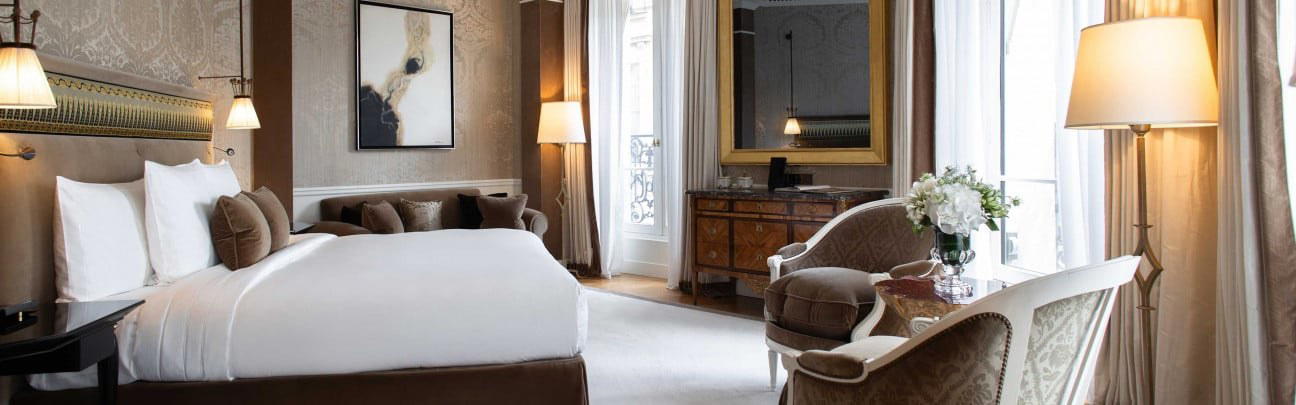
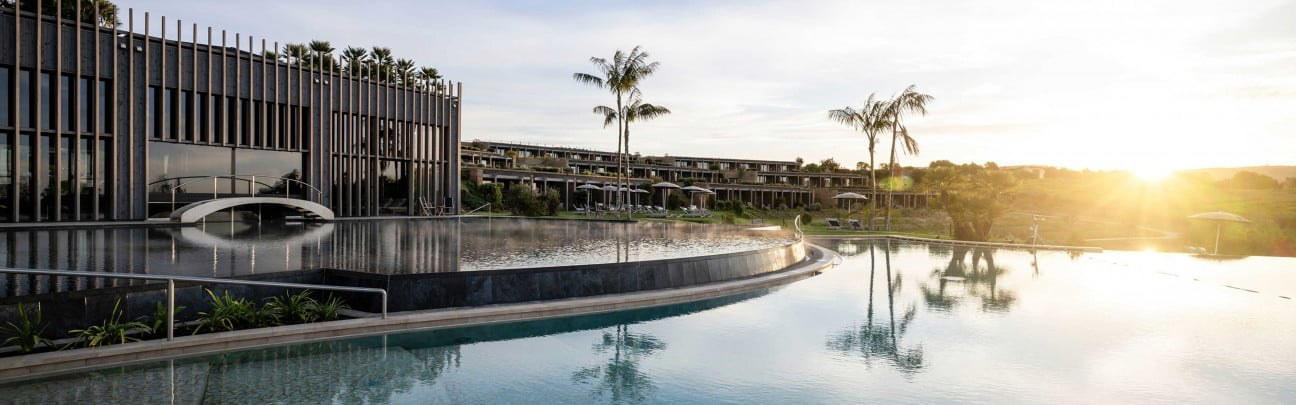
Palazzo Daniele occupies a 150-year-old palazzo on the main street of a small Salento town, and its sense of place is the point. The property leans into vernacular architecture and adaptive reuse, so historic fabric and pared-back design set the mood rather than theatrical grandeur. With only nine suites it feels more like a private house than a hotel, creating a quietly refined atmosphere for guests who prefer measured design and low-key luxury. The surrounding town’s absence of tourism infrastructure reinforces the hotel’s discreet, intimate character—an understated hideaway at the edge of Italy’s boot.
Best For
This is a stay for travelers who value calm, design-led hospitality and a strong sense of local context. The nine-suite scale and palazzo setting make it well suited to couples seeking a romantic or anniversary getaway, and to anyone after a slow, restorative break away from resort crowds. Its position at the tip of the Salento peninsula also appeals to travelers looking for a quiet base to explore nearby coastline and towns. Expect an intimate, low-key experience rather than bustling hotel services or a heavy itinerary.
Stay Tips
Book early—Palazzo Daniele is deliberately small, with just nine suites, so availability can be limited, especially in summer. Come prepared for a low-density, off-the-beaten-track stay: the description emphasizes the town’s lack of resort infrastructure, so guests should plan transport and local excursions in advance. Choose a longer stay if you want to move at the region’s unhurried pace; the hotel’s design-focused approach rewards time spent lingering in the palazzo and walking the nearby streets rather than rushing between attractions.
Venue details
Ambiance
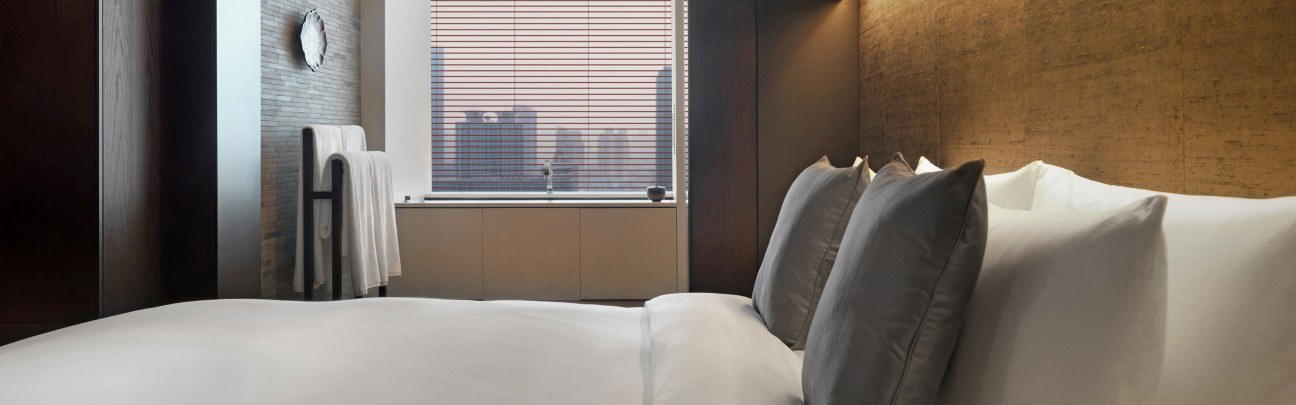
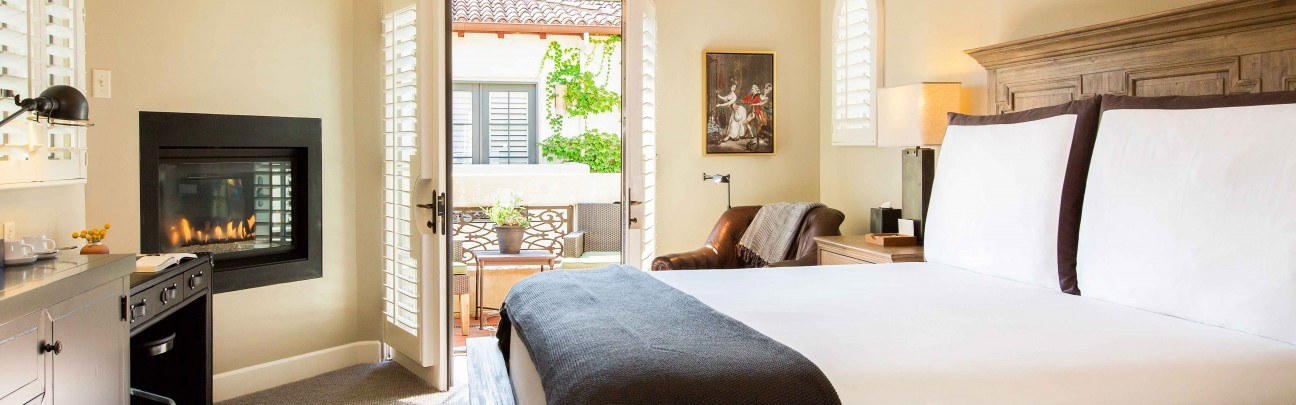
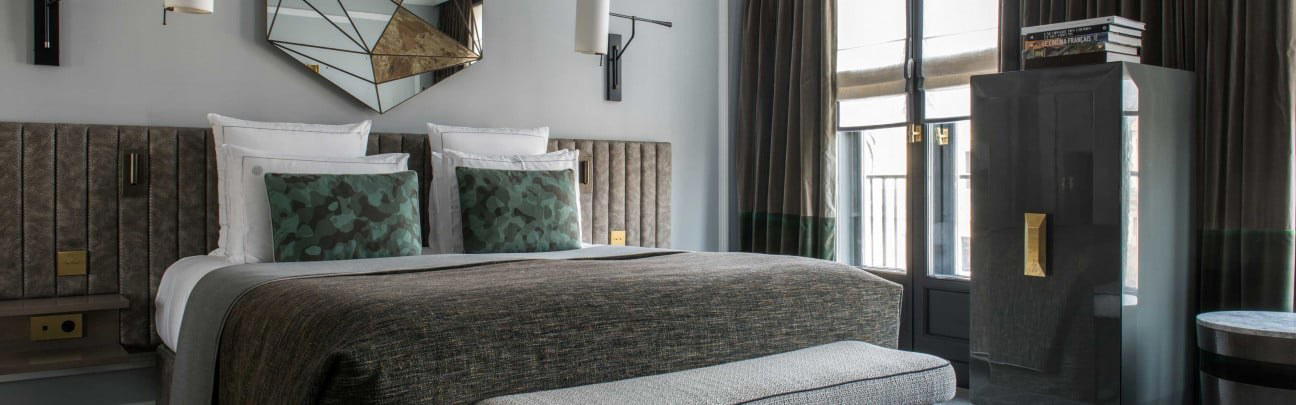
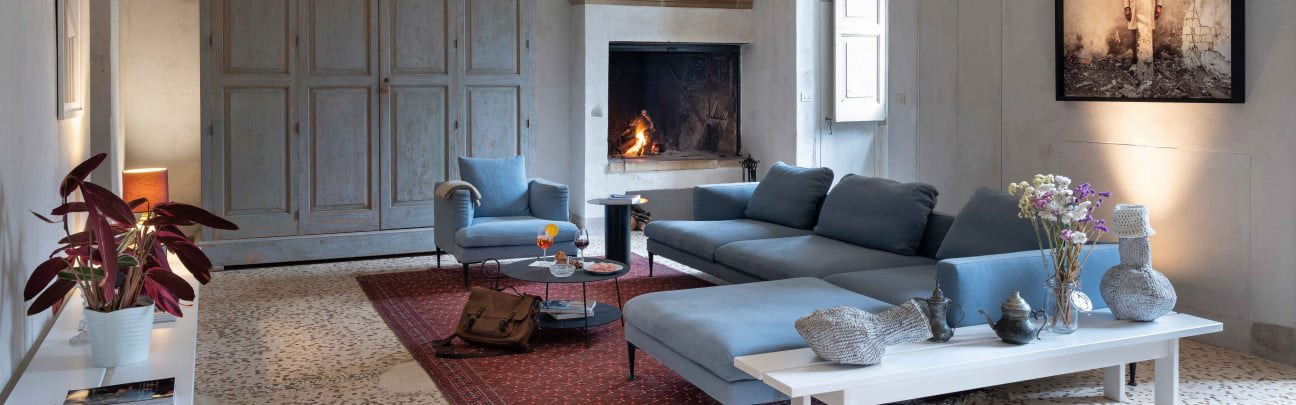
Majestic yet minimalist atmosphere with dramatic contrasts between contemporary art and historic palazzo elements, cozy living room fireplace, and relaxing courtyard garden.
Tags
Vibe
Best For
Experience
Amenities
View
About the Stay
- Rooms
- 11
- Check-in
- 14:00
- Check-out
- 12:00
- Property Style
- Aristocratic Palazzo Restored as Boutique Artist Guesthouse
- Design Style
- Minimalist Contemporary Italian Design Contrasting Historic Patina
Know before you go
Know Before You Go
- Getting there
- Corso Umberto I, 60, 73034 Gagliano del Capo LE
Planning details
Location
Recognition and awards
Also consider
Also Consider
- Castello di Ugento Hotel, Notable alternative
- Palazzo Ducale Venturi, Notable alternative
- Palais Gentile, Notable alternative
- Palazzo Piccinno, Notable alternative
- Il Giardino Grande - Dimora in Salento, Notable alternative
Hotel context
How it compares in southern Salento
Choose Palazzo Daniele if design and atmosphere are the reason for the stay. Against Castello di Ugento Hotel and Palazzo Ducale Venturi, it reads as the sharper pick for travelers who want a more edited palazzo experience rather than a broader historic-hotel setup.
Palais Gentile and Palazzo Piccinno are better cross-shops if the decision is mainly about charm, price sensitivity, or easier availability. Palazzo Daniele is the stronger call when the room and visual identity carry real weight in the trip, but it is less compelling if the hotel is only a sleeping base.
For a softer countryside-style alternative, compare Il Giardino Grande - Dimora in Salento. That makes more sense for guests prioritizing a relaxed Salento dimora feel, while Palazzo Daniele is the more design-forward choice for a harder-to-book, atmosphere-led stay.
Explore Gagliano Del Capo
Around this place
Discover more on Pearl
Unlock the full Palazzo Daniele guide in Pearl, including awards, comparisons, FAQs, planning details, and nearby places.
Compare Palazzo Daniele
| Venue | Location | Awards |
|---|---|---|
| Palazzo Daniele | Gagliano Del Capo | 2026 Design Hotels Collection2026 Mr & Mrs Smith Luxury Hotels2025 Michelin 1 KeyMichelin 1 Key 2025 |
| Castello di Ugento Hotel | Ugento | 2026 Mr & Mrs Smith Luxury Hotels2026 La Liste Top Hotels2025 Michelin Selected Hotels |
| Palazzo Ducale Venturi | Minervino di Lecce | No published awards |
| Palais Gentile | Matino | No published awards |
| Palazzo Piccinno | Parabita | No published awards |
| Il Giardino Grande - Dimora in Salento | Parabita | No published awards |


How Palazzo Daniele Gagliano Del Capo compares with similar nearby venues.
FAQ
Frequently Asked Questions
Which room category is best at Palazzo Daniele?
When is the best time to book Palazzo Daniele?
Palazzo Daniele has Michelin 1 Key recognition for 2025, so travelers who care about that credential may want to check availability directly and book when the venue's current terms suit their plans.
Do loyalty programs work at Palazzo Daniele?
Recognition signals include Michelin 1 Key in 2025, 2026 Design Hotels Member - Palazzo Daniele, and the Mr & Mrs Smith Seal of Approval in 2026.
Is Palazzo Daniele family-friendly?
How is the location of Palazzo Daniele?
Palazzo Daniele is in Gagliano Del Capo.
How does Palazzo Daniele compare to other venues?
Palazzo Daniele has Michelin 1 Key recognition for 2025, 2026 Design Hotels Member - Palazzo Daniele, and the Mr & Mrs Smith Seal of Approval in 2026. For comparison, consider Castello di Ugento Hotel, Il Giardino Grande - Dimora in Salento, Palais Gentile, Palazzo Ducale Venturi, and Palazzo Piccinno, while checking each venue directly for current details.