
The Prince Sakura Tower Tokyo, Autograph Collection
Minato, Tokyo
Hotel in Tokyo, Japan
 Book with Pearl
The Read
Garden-Anchored Urban Retreat
Why go
A polished Minato hotel for travelers who want a composed Tokyo base rather than a scene-driven stay. It is easiest to justify for celebrations, business travel, and trips where extra room space would actually be used; rate-focused travelers should compare nearby options before committing.
About The Prince Sakura Tower Tokyo, Autograph Collection
For a Tokyo stay where the hotel choice matters, The Prince Sakura Tower Tokyo, Autograph Collection is a hotel to consider when you want an external quality signal. Its core facts are straightforward: it is in Tokyo, it has Forbes 4-Star recognition for 2026, it was Forbes Recommended in 2025, and the dress code is smart casual. That restrained profile is still useful, because it gives the hotel a defined place in a crowded premium market without requiring assumptions about additional features.
The decision point is not whether this is the flashiest option in Tokyo. It is whether this hotel's profile fits the trip better than another Tokyo stay. For travelers comparing premium hotels, the value is in narrowing the choice without overstating the case. A quality marker can help when several properties look plausible, but it should sit alongside the practical questions that shape the actual stay. If your decision depends on specific room features, facilities, prices, or location advantages, confirm those details directly before booking.
Upgrade only when the room is part of the occasion
The room-category question should be handled as a practical trip-planning decision. Consider paying more only if the stay itself is an important part of the trip and the specific category you are booking matches your needs. In other words, the upgrade should have a clear purpose, not simply follow from the hotel's premium positioning. If the hotel is mainly a base between other plans, compare the current rate and included benefits before choosing a higher category.
This is a better fit for travelers who want a premium Tokyo hotel with a Forbes signal rather than a decision based on extras. That distinction matters: the Forbes recognition gives you a quality reference, while trip-critical details still need direct checking if they are central to the stay. If you are comparing alternatives, Grand Hyatt Tokyo, The Strings by InterContinental Tokyo, The Prince Park Tower Tokyo, Takanawa Hanakohro, and Fairmont Tokyo are natural names to consider alongside it.
The right guest: planned, polished, and not chasing spectacle
The strongest reason to choose this hotel is confidence. The 2026 Forbes 4-Star recognition gives it an external quality signal, and the Forbes Recommended recognition in 2025 adds useful context. That does not automatically make it the right spend for every traveler. It means the hotel is easier to justify when a third-party quality marker matters. It also suggests that the best match is a guest who values reassurance and polish over a decision driven by hype, novelty, or vague promise.
Book here if you want a Tokyo hotel with a smart casual standard and Forbes recognition. Skip it if your decision depends on specifics such as a particular neighborhood advantage, dining format, room count, price point, or service feature. The cleanest approach is to treat the hotel as a credible candidate, then pressure-test it against the exact requirements of your itinerary before committing. For broader trip planning, use Our full Tokyo hotels guide alongside Our full Tokyo restaurants guide and Our full Tokyo bars guide, since the better decision may be matching the hotel choice to the rest of the itinerary.
Part of
Autograph Collection160 locations on PearlPlanning details
- Location
- 3-chōme-13-1 Takanawa, Minato City, Tokyo 108-8612
- Website
- marriott.com/en-us/hotels/tyoak-the-prince-sakura-tower-tokyo-autograph-collection/overview/?scid=f2ae0541-1279-4f24-b197-a979c79310b0
- Phone
- +81 3-5798-1111
The take
The Take
The Vibe
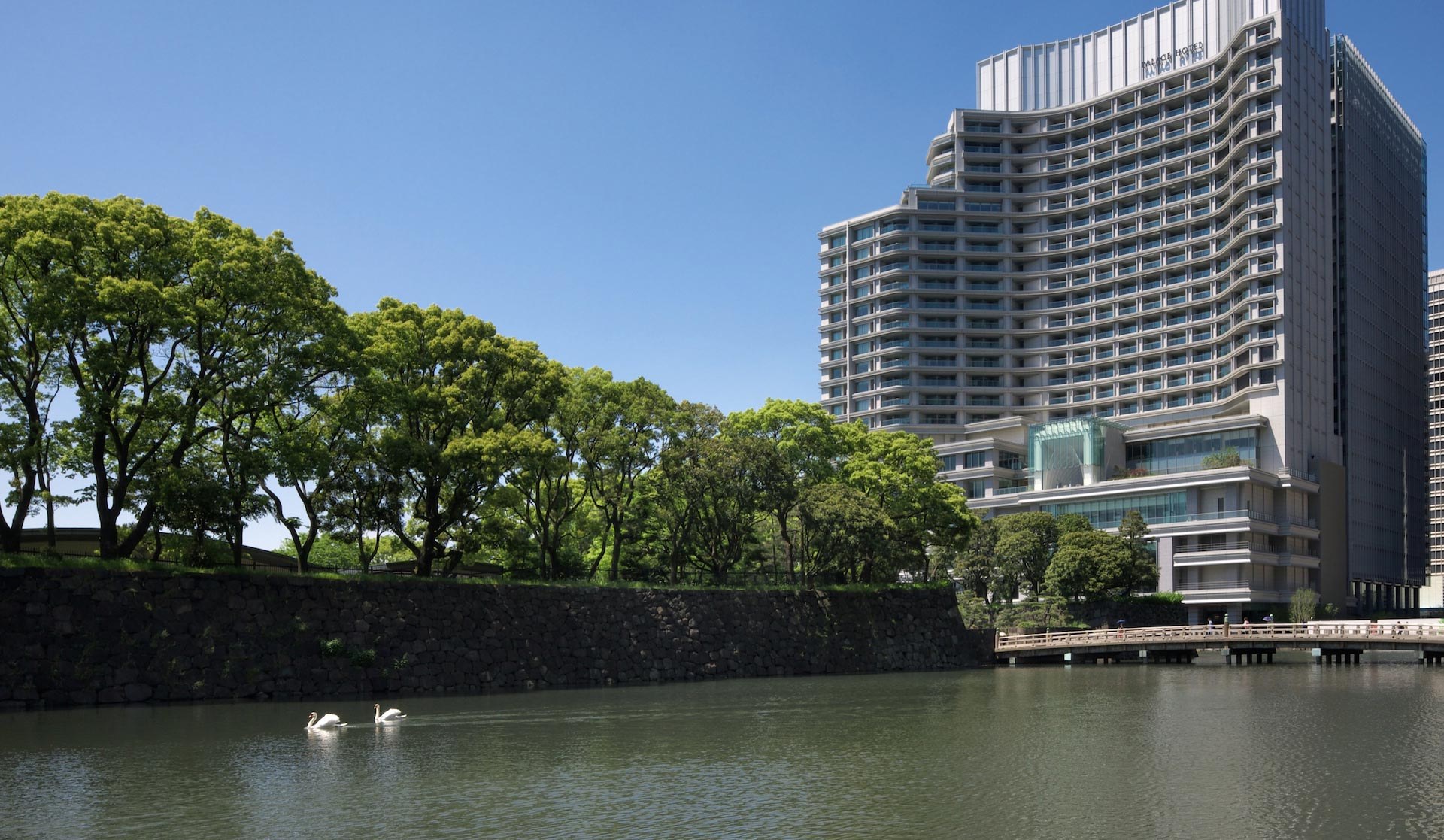
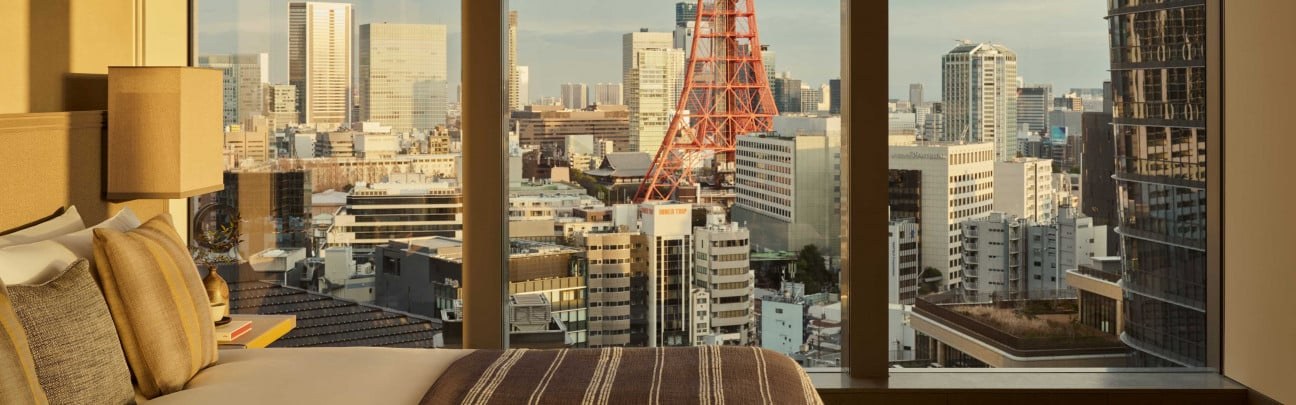
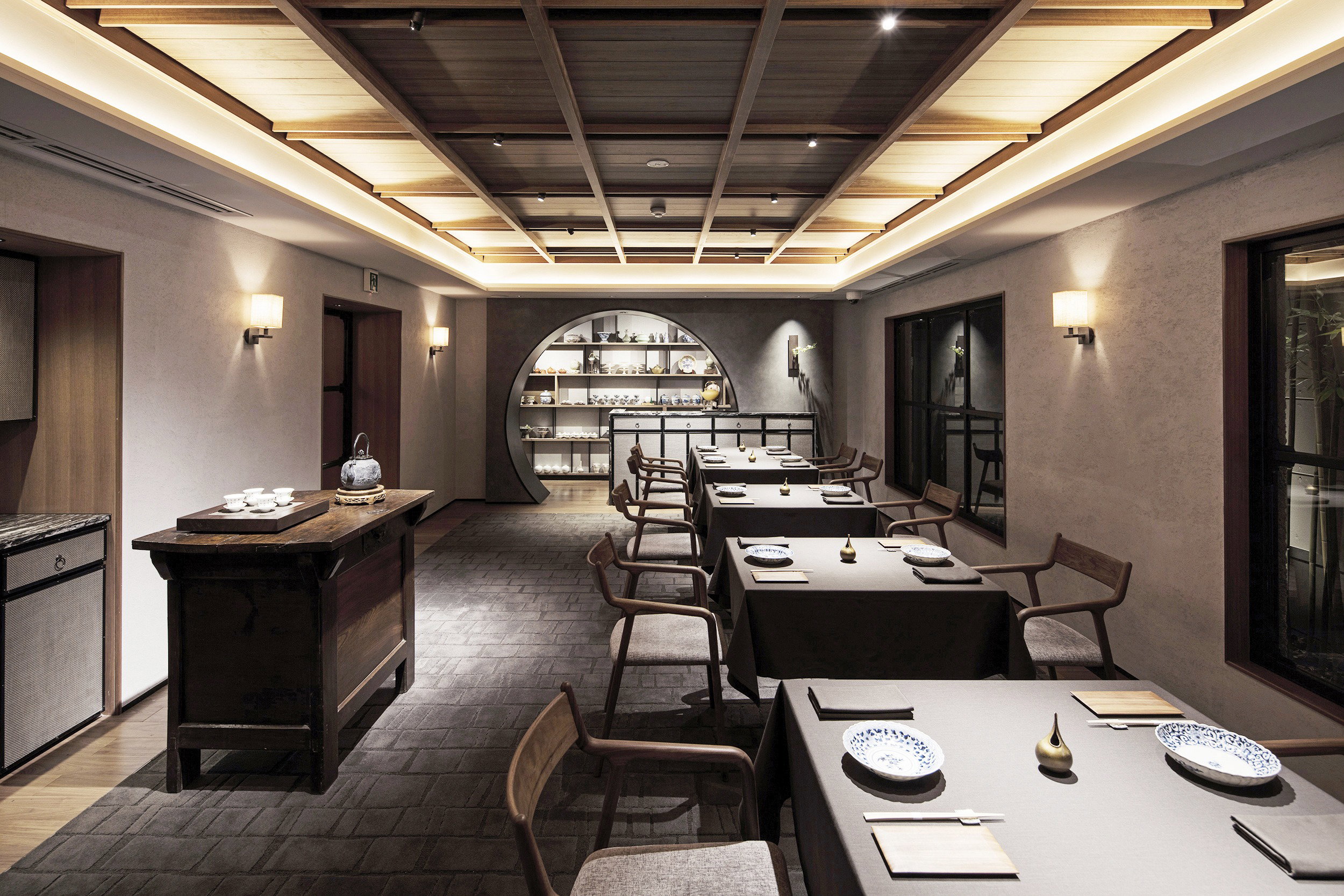
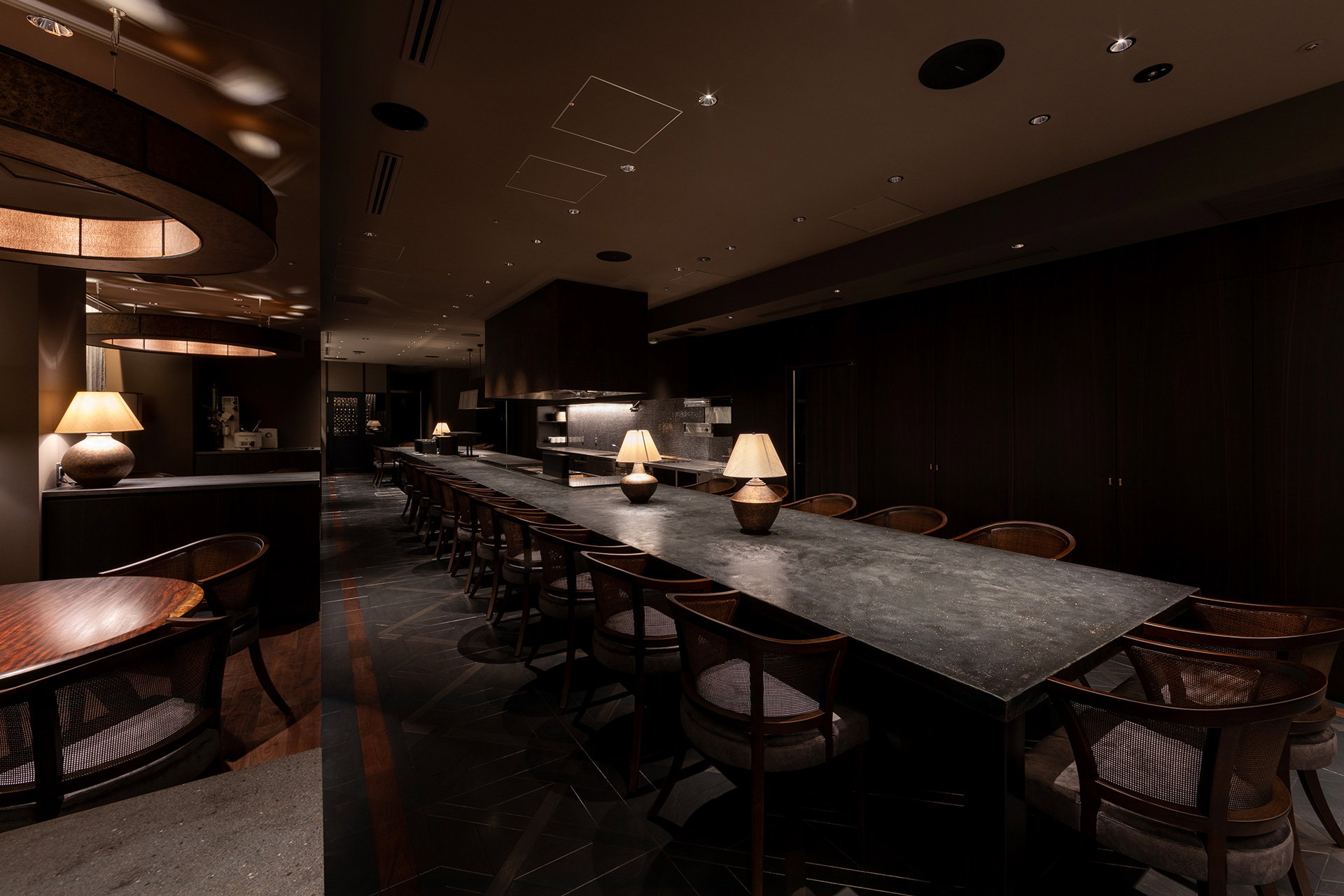
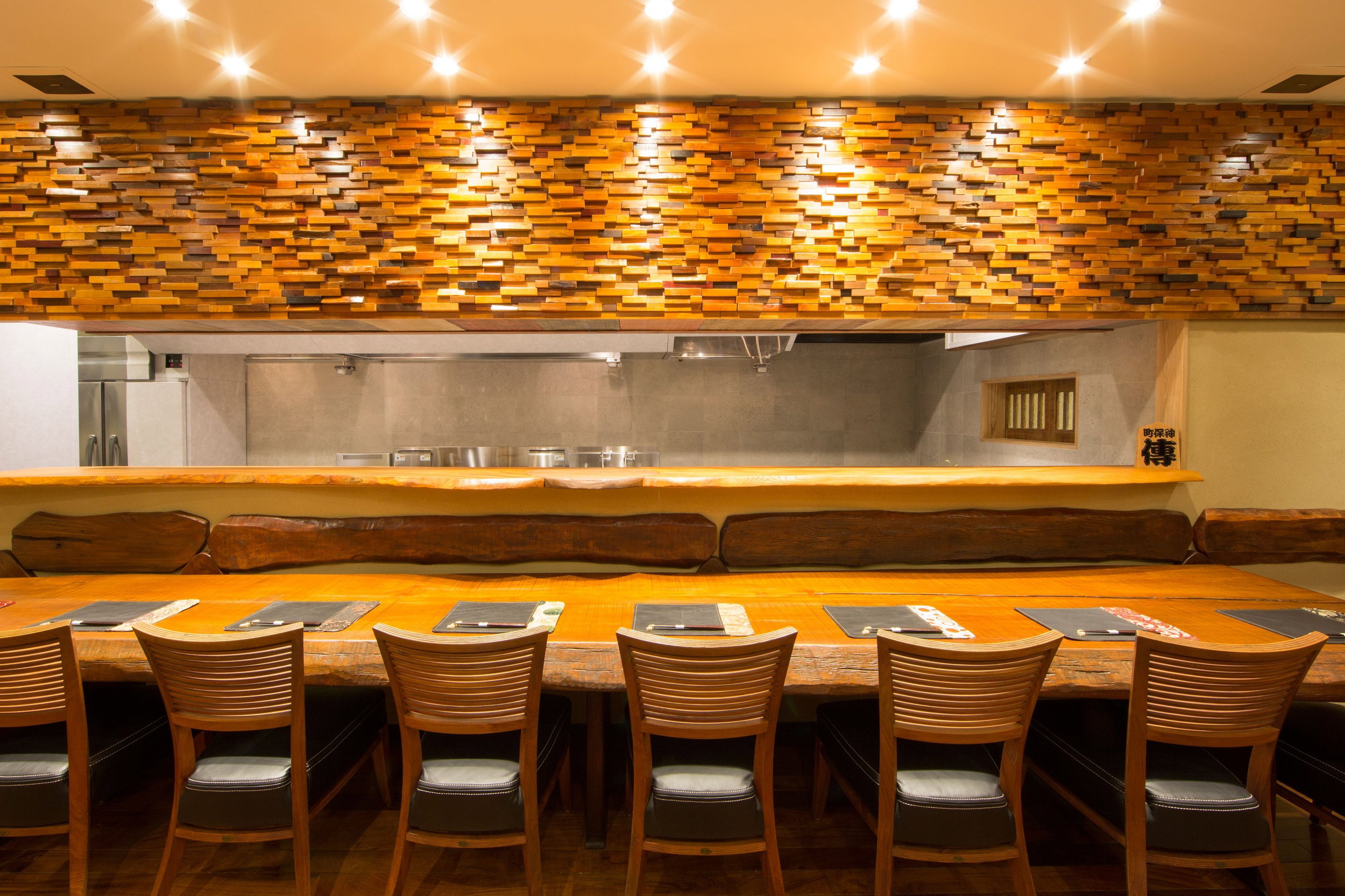
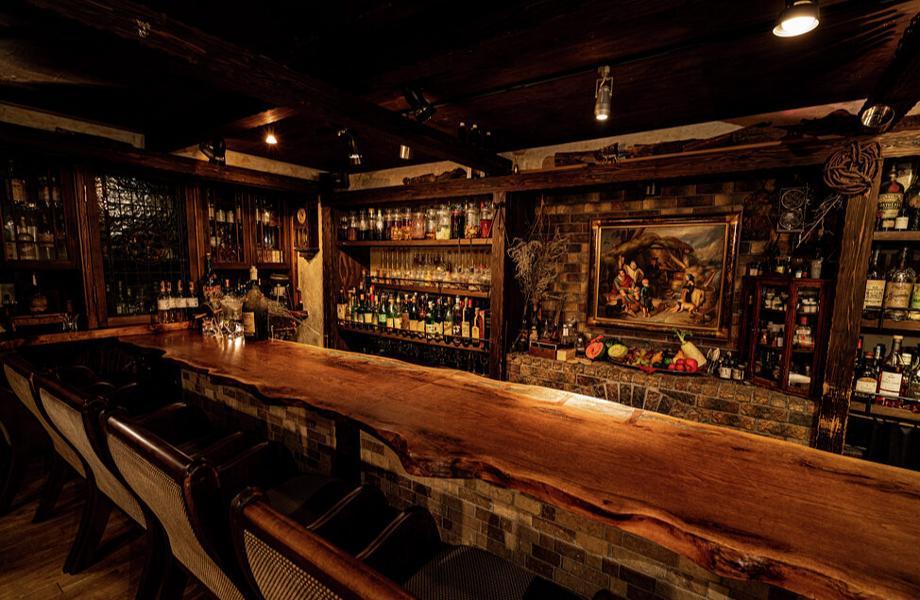
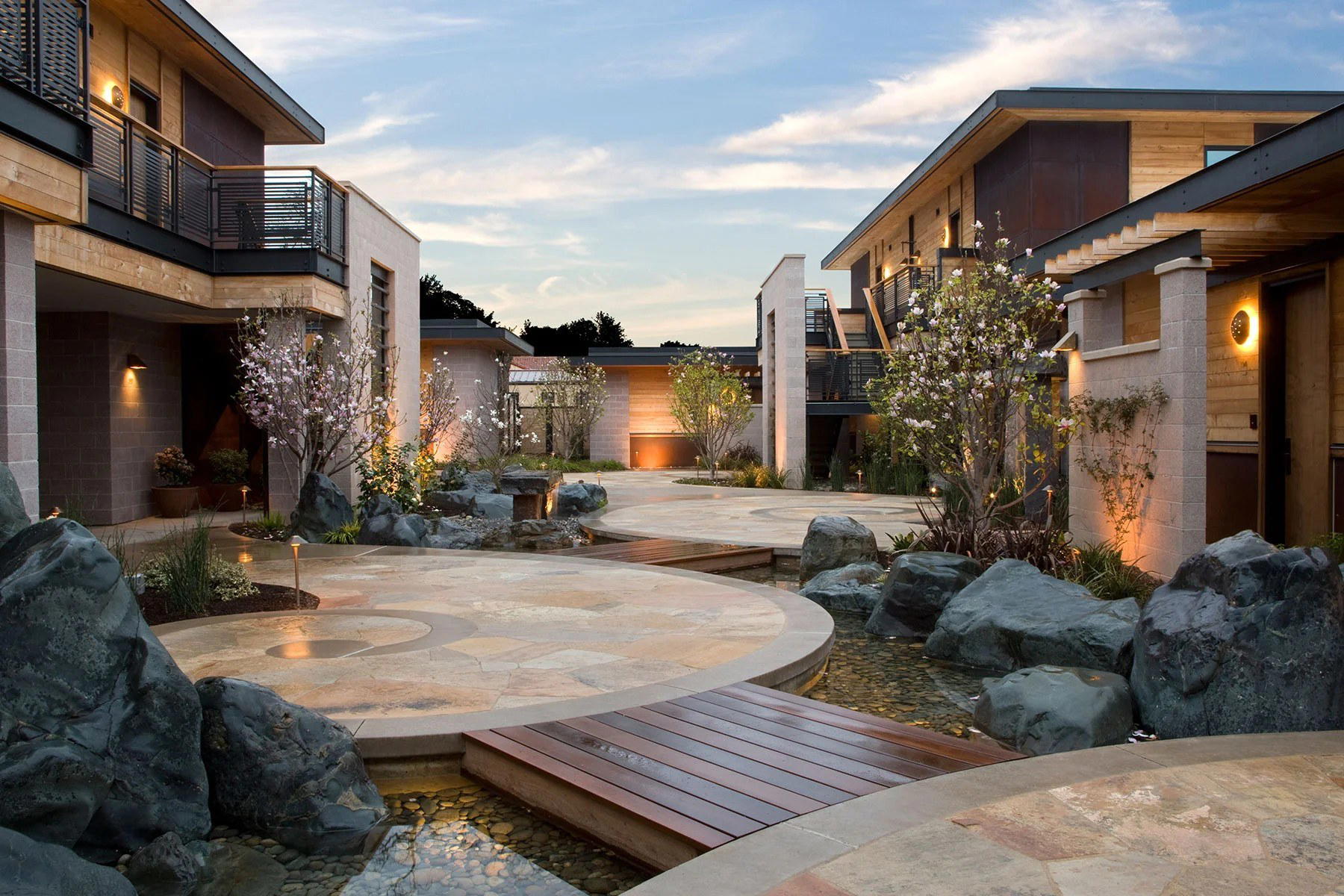
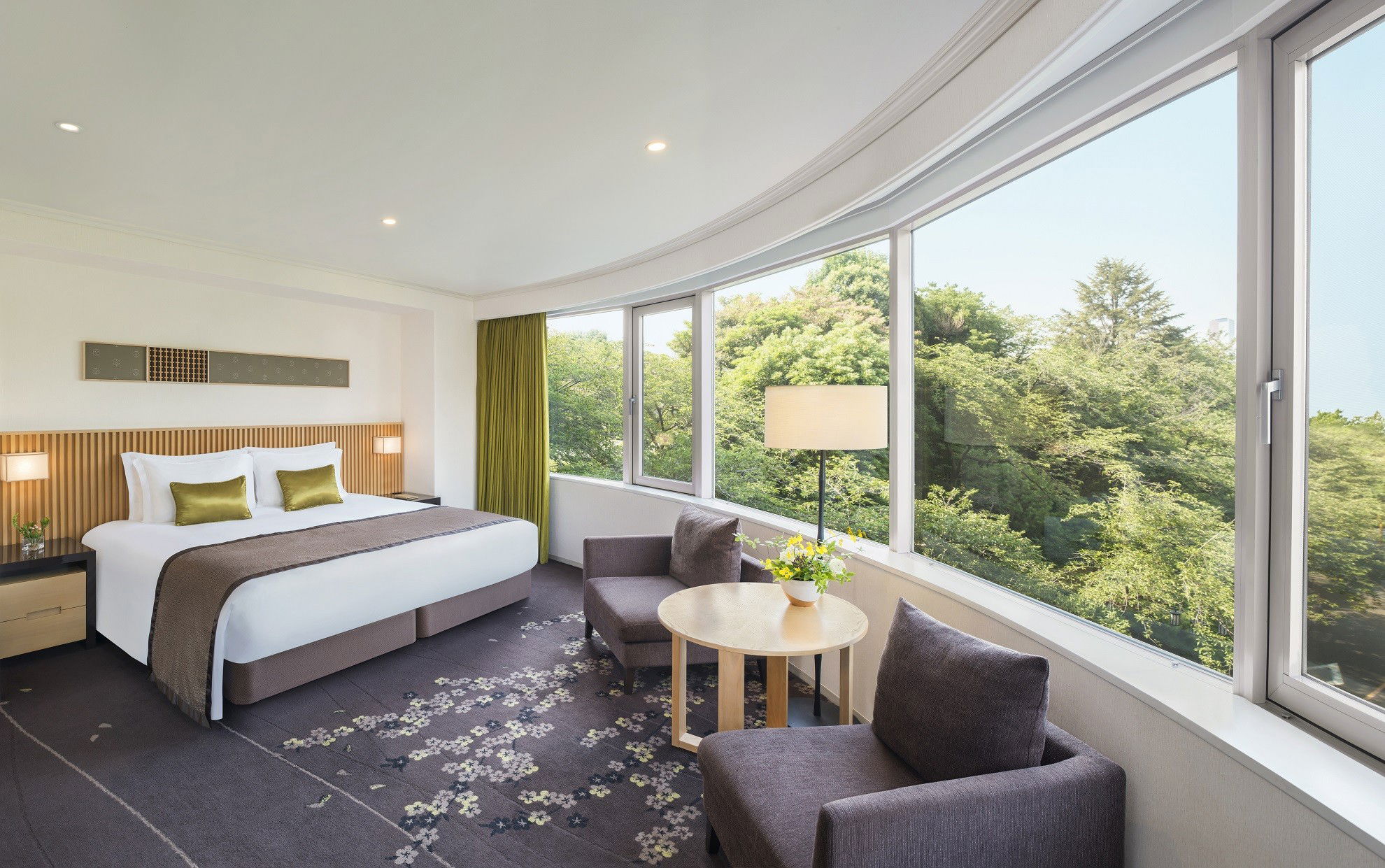
The Prince Sakura Tower Tokyo trades Tokyo’s vertical drama for a grounded, garden-first sensibility. Set within five acres of former royal grounds, the hotel strings together pine-lined approaches, a rock-lined koi pond and a traditional mon gate to create a distinctly calm tempo. Interiors follow a wa modern idiom — bold wooden structural lines, recessed tokonoma-style alcoves and washi-paper-inspired surfaces — that balances international luxury with Japanese architectural tradition. The result is a quietly refined retreat that feels rooted in history and landscape rather than skyline spectacle.
Best For
This hotel suits travelers who prize serenity and traditional design as much as luxury. It is particularly apt for business trips that benefit from a quieter base away from Tokyo’s high-rise districts, couples seeking a romantic getaway among manicured grounds, and anyone looking for a restorative weekend escape. The property appeals to guests interested in Japanese architectural references and garden-focused settings rather than panoramic city views — a low-rise alternative to Tokyo’s more vertical luxury hotels.
Venue details
Ambiance
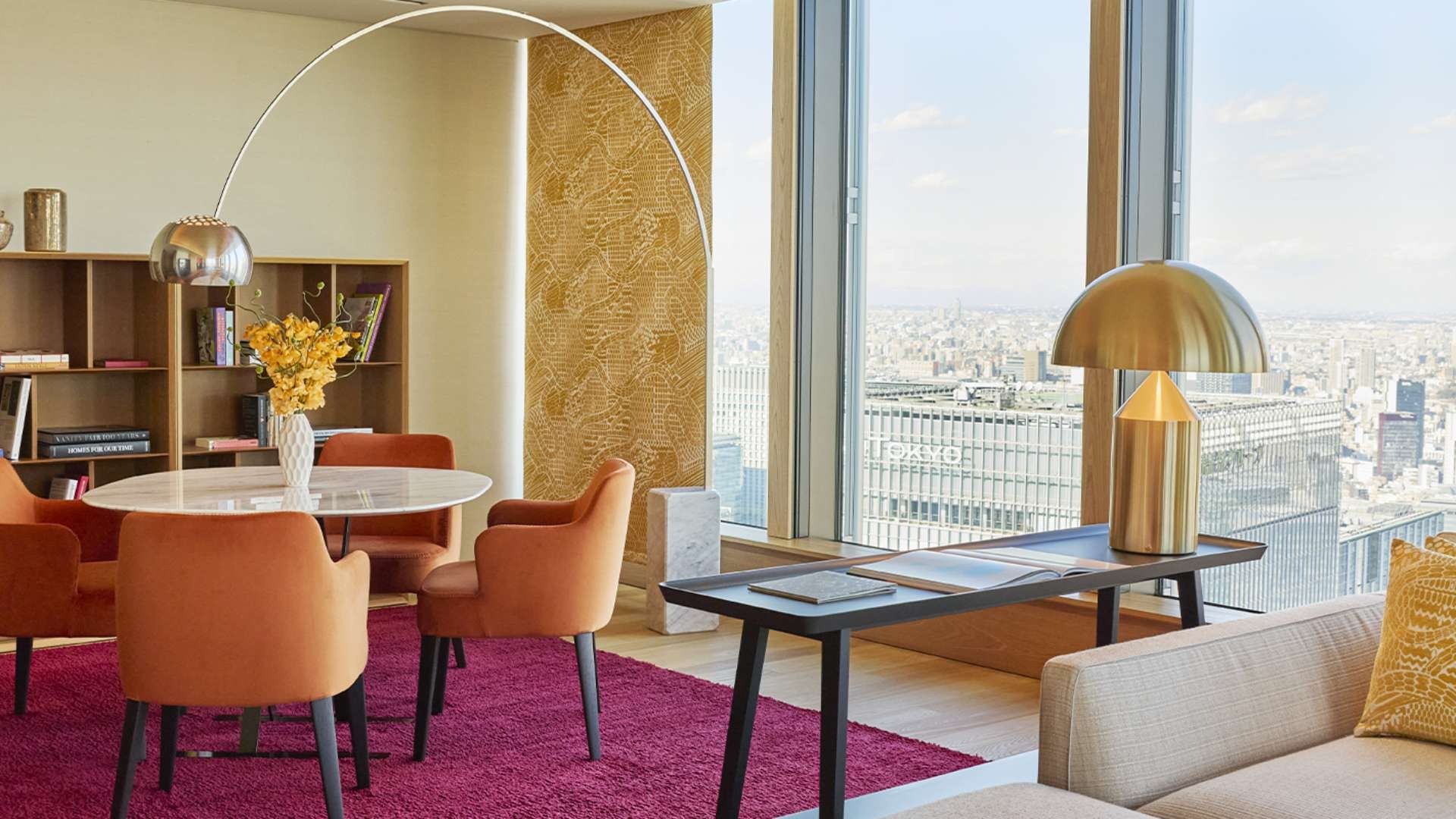
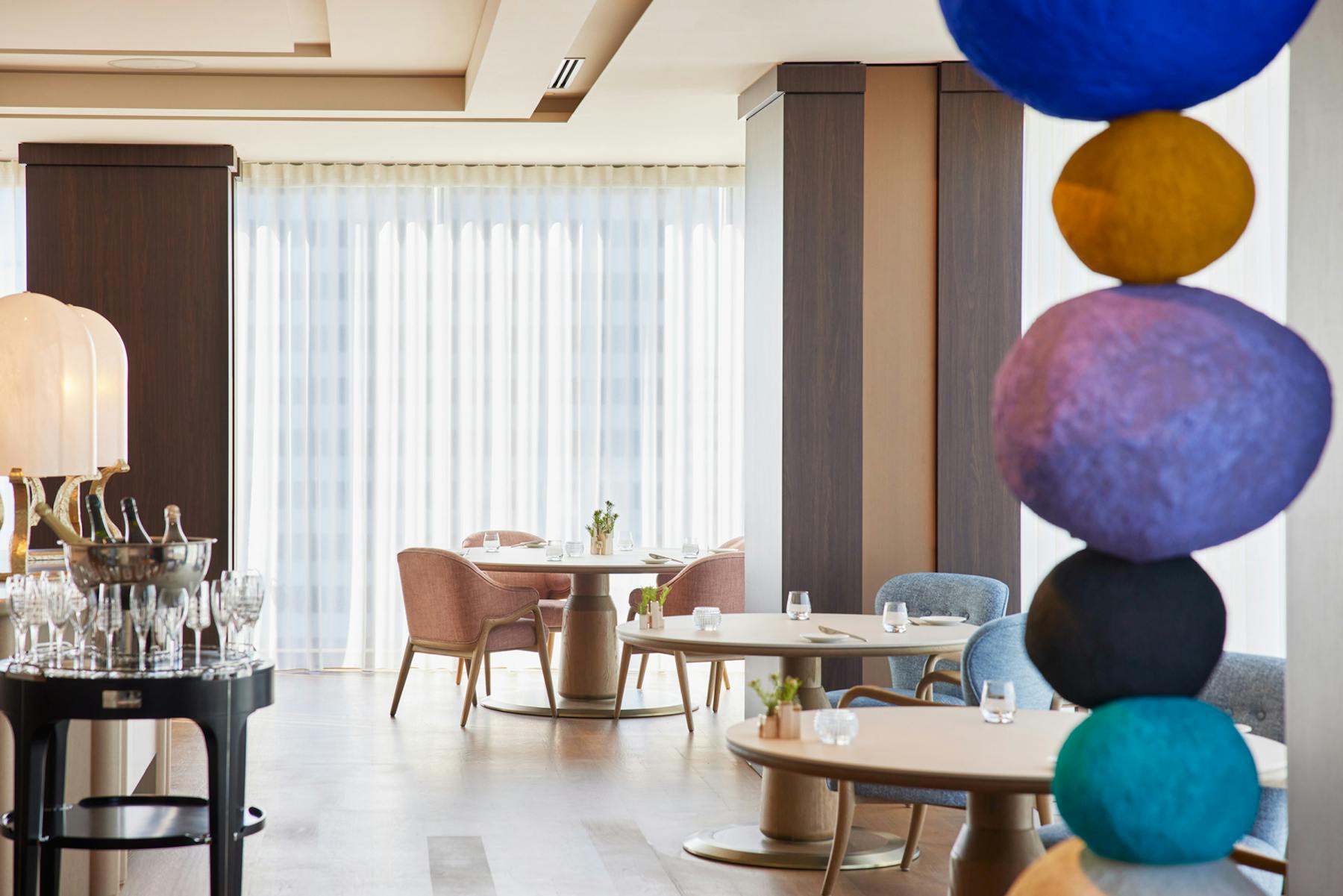
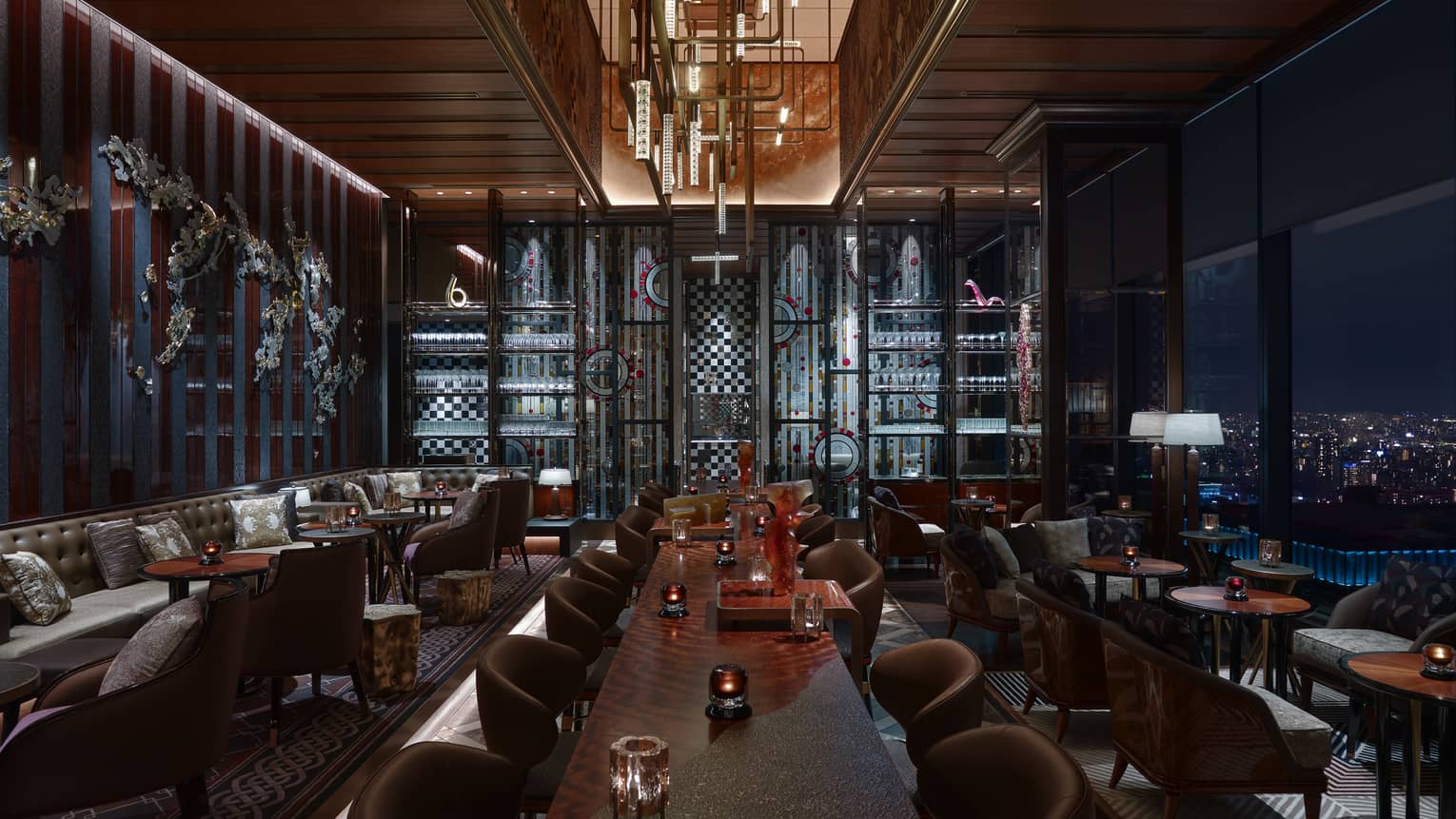
Sophisticated and tranquil atmosphere with soundproofed rooms, soft lighting, and relaxing Japanese garden views.
Tags
Vibe
Best For
Experience
Amenities
View
Accessibility
About the Stay
- Rooms
- 288
- Check-in
- 15:00
- Check-out
- 12:00
- Property Type
- Design hotel
- Property Style
- Luxury Urban Hotel Blending Japanese Tradition and Contemporary Design
- Design Style
- Modern Japanese Fusion by Ryu Kosaka
- Airport Transfer
- Available
- Pool
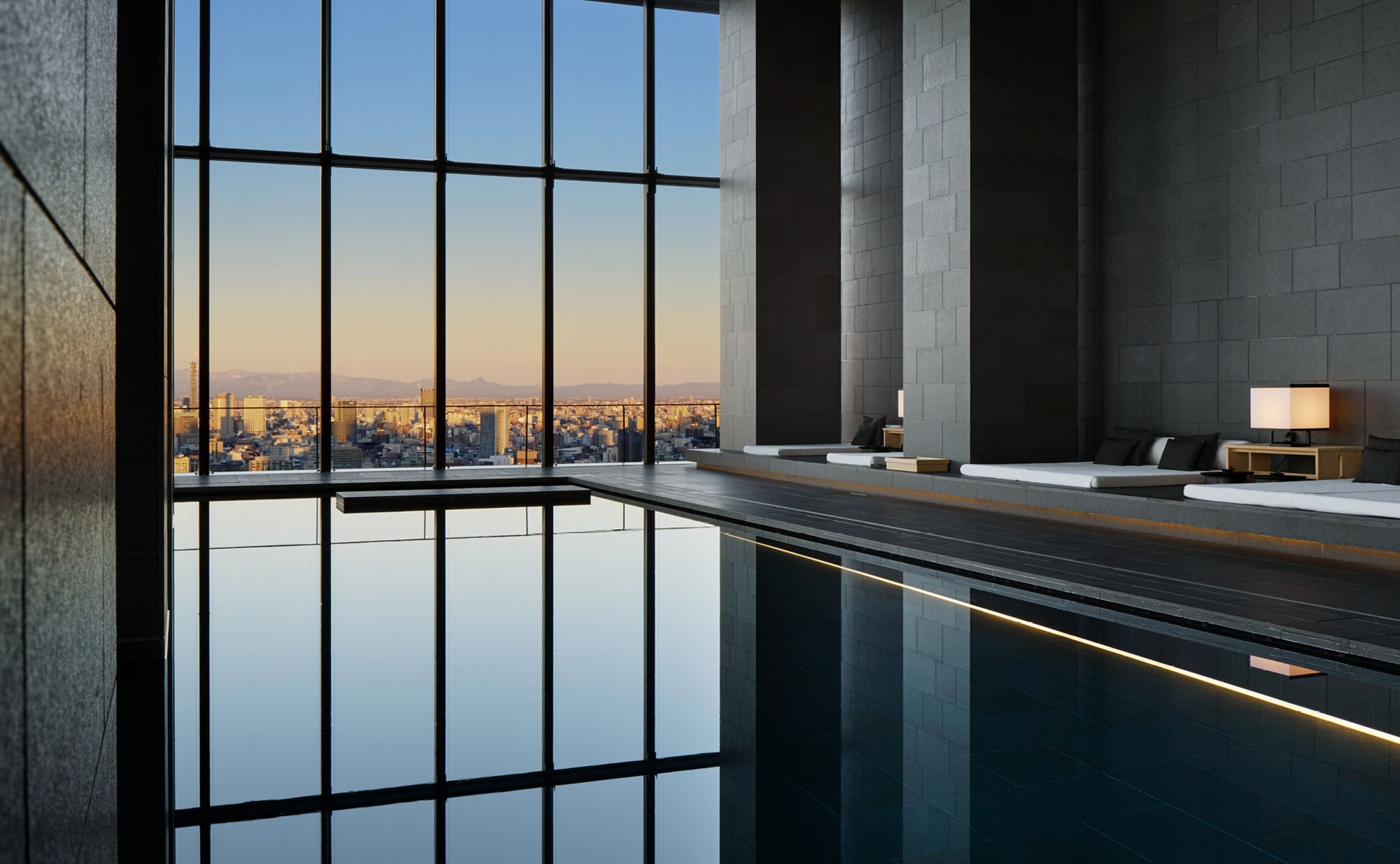
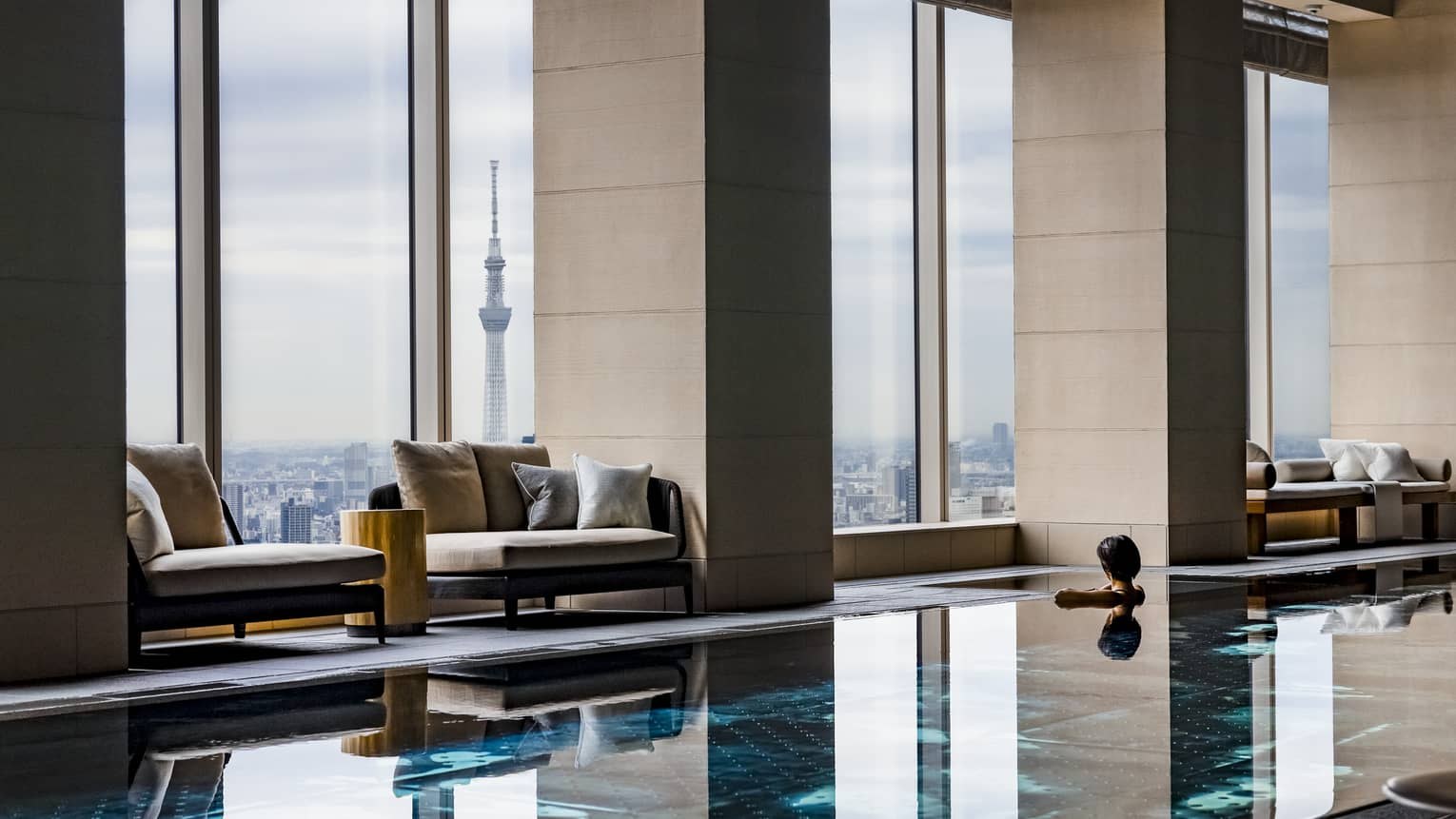
- Yes
- Spa
- Yes
- Families
- Welcome
- Cancellation
- Moderate
Know before you go
Know Before You Go
- Getting there
- 3-chōme-13-1 Takanawa, Minato City, Tokyo 108-8612
Planning details
Location
3-chōme-13-1 Takanawa, Minato City, Tokyo 108-8612 · Directions
Recognition and awards

Also consider
Also Consider
- Takanawa Hanakohro, Notable alternative
- The Strings by InterContinental Tokyo, Notable alternative
- The Prince Park Tower Tokyo, Notable alternative
- Fairmont Tokyo, Notable alternative
- Grand Hyatt Tokyo, Notable alternative
Hotel context
How It Compares
Choose The Prince Sakura Tower Tokyo, Autograph Collection over Grand Hyatt Tokyo if the stay calls for a calmer Minato base rather than a more social Roppongi hotel rhythm. Grand Hyatt Tokyo is the stronger cross-shop for nightlife and dining density; this hotel is the cleaner fit for a controlled celebration or business-leaning trip.
The Strings by InterContinental Tokyo is the practical rival if Shinagawa-area convenience is the deciding factor. Takanawa Hanakohro is the more intimate comparison for travelers who want a smaller-feeling stay in the same broad area, while The Prince Sakura Tower Tokyo, Autograph Collection makes more sense for guests who want a larger hotel framework with recognized service credentials.
The Prince Park Tower Tokyo and Fairmont Tokyo are worth checking when the brief is a more emphatic special-occasion hotel. If rates are close, pick by trip style: Sakura Tower for quieter polish, Prince Park Tower for a more landmark-driven stay, and Fairmont Tokyo if the newer luxury-hotel feel is the draw.
Explore Tokyo
Around this place
Discover more on Pearl
Unlock the full The Prince Sakura Tower Tokyo, Autograph Collection guide in Pearl, including awards, comparisons, FAQs, planning details, and nearby places.
Compare The Prince Sakura Tower Tokyo, Autograph Collection
| Venue | Location | Awards |
|---|---|---|
| The Prince Sakura Tower Tokyo, Autograph Collection | Tokyo | 2026 Forbes 4-Star2025 Forbes Recommended |
| Takanawa Hanakohro | Tokyo | 2026 Forbes 5-Star2025 Forbes 5-StarSmall Luxury Hotels Member 2025 |
| The Strings by InterContinental Tokyo | Tokyo | No published awards |
| The Prince Park Tower Tokyo | Tokyo | 2026 Forbes 4-Star2025 Forbes 4-StarPreferred Hotels L.V.X. Collection 2025 |
| Fairmont Tokyo | Tokyo | 2026 Virtuoso Luxury Hotel Collection2026 Robb Report Best Luxury Hotels in Tokyo2026 Michelin 1 Key2025 Michelin 1 Key |
| Grand Hyatt Tokyo | Tokyo | 2026 Forbes 4-Star2026 Virtuoso Luxury Hotel Collection2025 Michelin Selected Hotels2025 Forbes 4-Star |








How The Prince Sakura Tower Tokyo, Autograph Collection compares with similar nearby venues.
FAQ
Frequently Asked Questions
When is the best time to book The Prince Sakura Tower Tokyo, Autograph Collection?
Book once your Tokyo dates are firm, especially if the stay is important to the trip. The Forbes 4-Star recognition for 2026 makes it a serious hotel contender, while demand can vary by date. If you are still comparing, The Strings by InterContinental Tokyo is another Tokyo option to review.
Do loyalty programs work at The Prince Sakura Tower Tokyo, Autograph Collection?
If points, upgrades, or elite recognition matter, confirm the current terms directly before booking. Takanawa Hanakohro is another hotel to compare if you are weighing the overall stay experience rather than relying only on brand affiliation.
How is the location of The Prince Sakura Tower Tokyo, Autograph Collection?
The hotel is in Tokyo. Check the exact address, neighborhood, transport, and landmark details against your itinerary before committing. For another Tokyo comparison, The Prince Park Tower Tokyo is worth reviewing.
Is The Prince Sakura Tower Tokyo, Autograph Collection good for business travel?
It can be a reasonable business-travel candidate if you want a Tokyo hotel with Forbes 4-Star recognition for 2026 and a smart casual standard. If business facilities, meeting spaces, transport advantages, or service features matter, confirm those details directly before booking. Grand Hyatt Tokyo is another Tokyo hotel to compare if you are building a business-focused shortlist.
How does The Prince Sakura Tower Tokyo, Autograph Collection compare to other hotels?
Choose this hotel if you want a Tokyo stay with Forbes 4-Star recognition for 2026 and Forbes Recommended recognition in 2025. The Prince Park Tower Tokyo, Grand Hyatt Tokyo, Fairmont Tokyo, The Strings by InterContinental Tokyo, and Takanawa Hanakohro are useful comparison points, while specific differences in rooms, facilities, location advantages, or service style should be checked before booking.