



Shangri-La Tokyo
Chiyoda, Tokyo
Hotel in Tokyo, Japan
 Book with Pearl
The Read
Tower-Level Imperial Outlook
Why go
Book Shangri-La Tokyo when Marunouchi access matters more than hotel-as-destination drama. The Michelin 1 Key, La Liste 93.5 score, and Forbes 4-Star recognition give confidence, but the practical reason to stay is Tokyo Station convenience for business travel, rail-heavy itineraries, and repeat visitors who want fewer transfers.
About Shangri-La Tokyo
For a Tokyo stay, Shangri-La Tokyo is best approached as a luxury-hotel choice defined by major recognition rather than by any assumed neighborhood mood, dining format, room type, or travel style. The accolades are meaningful: Michelin 1 Key (2025), La Liste Top Hotels (2026) with 93.5pts, Forbes 4-Star (2026), and Virtuoso Luxury Hotel Partner (2026). The dress code is smart casual.
The safest planning frame is direct: consider Shangri-La Tokyo if those hotel-recognition signals matter to you, then confirm practical trip details directly before booking. For broader planning, keep Our full Tokyo hotels guide open, then cross-check dining separately through Our full Tokyo restaurants guide if the trip is restaurant-led.
Book it for hotel recognition, not assumed specifics
The strongest case for Shangri-La Tokyo is its set of hotel accolades. Michelin 1 Key, Forbes 4-Star recognition, La Liste Top Hotels scoring, and Virtuoso Luxury Hotel Partner status all point to a luxury-hotel profile worth considering in Tokyo. What should not be assumed from those facts alone are specific claims about restaurants, room categories, views, transport convenience, service formats, pricing, or neighborhood character.
That distinction matters when comparing Tokyo hotels. If your decision depends on a particular room layout, dining availability, arrival logistics, loyalty benefit, or work-trip setup, verify those details directly with the hotel or your booking channel before committing.
The trade-off: a recognized Tokyo luxury hotel, with details to confirm
Shangri-La Tokyo is best framed as a recognized Tokyo luxury hotel rather than a one-size-fits-all choice for every itinerary type. Compare it carefully against other high-end options. Aman Tokyo, Bvlgari Hotel Tokyo, Four Seasons Hotel Tokyo at Marunouchi, Mandarin Oriental Tokyo, and The Tokyo Station Hotel are natural alternatives to consider depending on your priorities.
For a regular visitor, the decision should come down to whether Shangri-La Tokyo's recognition and smart-casual dress code fit the trip. Choose it if the credentials are persuasive and the practical details check out for your dates. Choose another Tokyo hotel if you need a clearer match for a specific location preference, room need, or style of stay.
Travelers building a wider Japan itinerary should also compare how much of the budget belongs in Tokyo versus other parts of the trip. For the Tokyo portion, keep the comparison focused on hotel credentials, booking terms, and current availability rather than assumptions about exact service features.
Part of
Shangri-La66 locations on PearlInside Shangri-La Tokyo
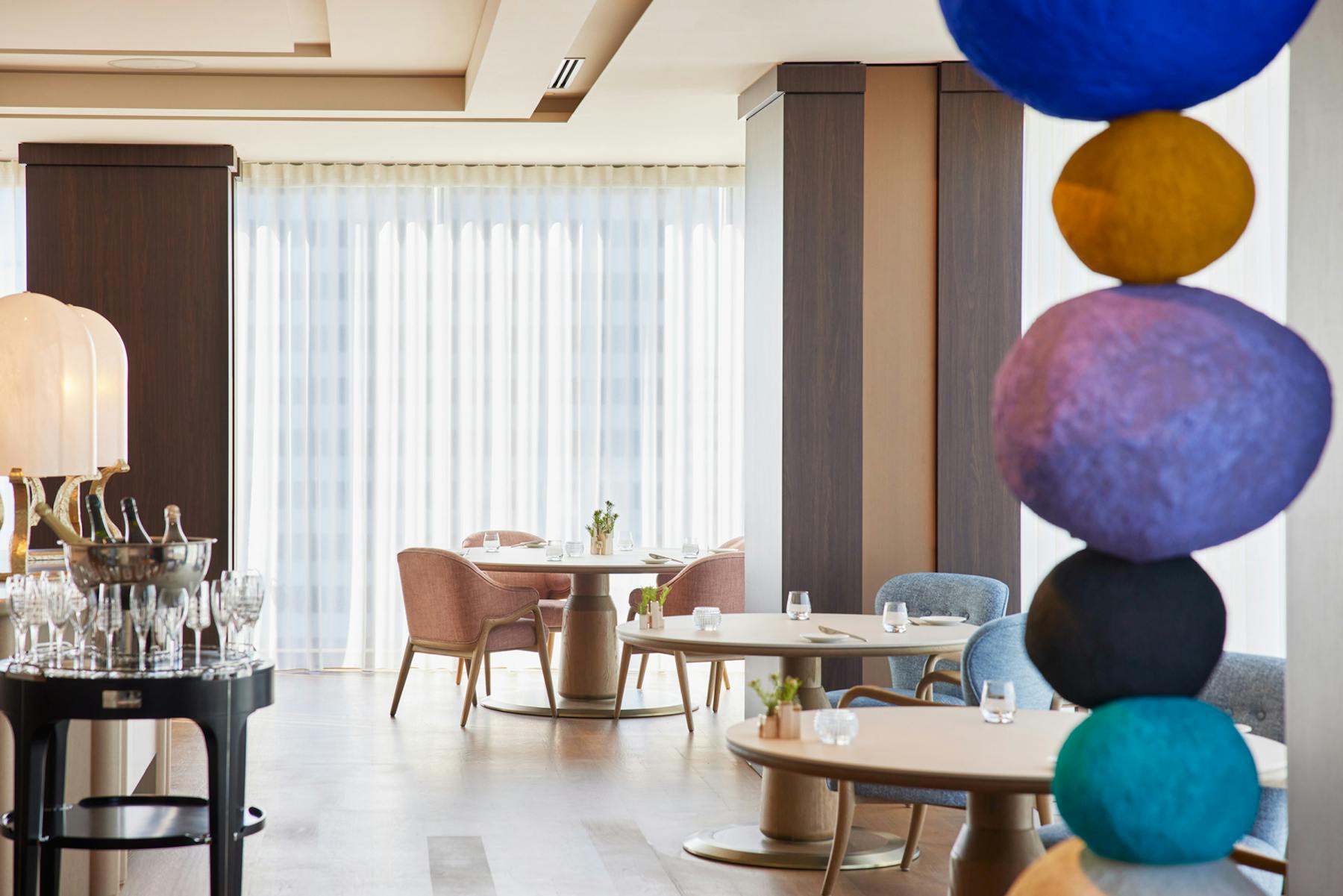
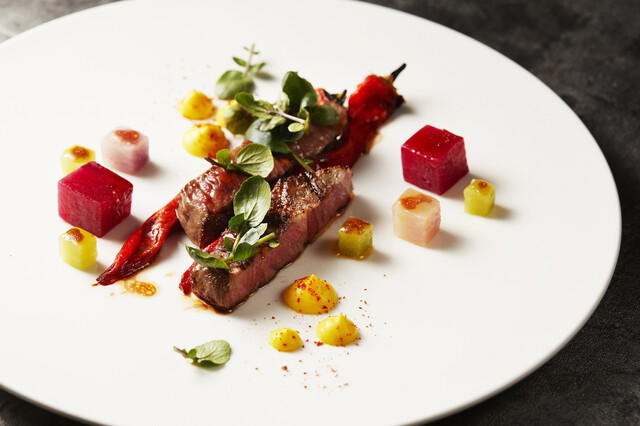 restaurantPiacerePiacere suits Tokyo diners who want Italian cooking in a polished hotel setting rather than a small counter or trattoria format. Its Tabelog Italian TOKYO “Tabelog 100” 2025 selection, 60-seat scale, wine focus, English-language support, and Marunouchi address put it in the city’s business-district dining tier, where service rhythm matters as much as the kitchen.
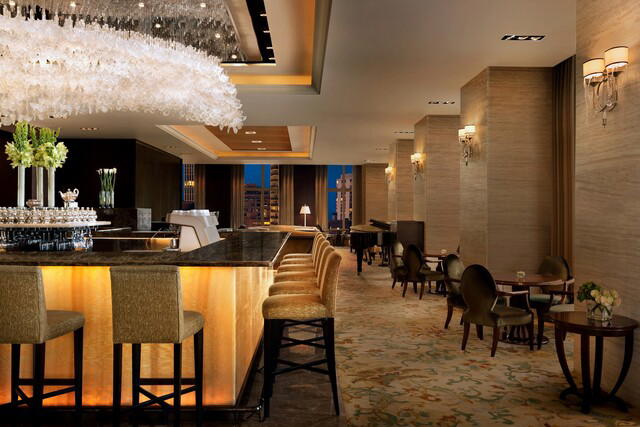 loungeTHE LOBBY LOUNGETokyo’s hotel-lounge culture has a sharper edge when it sits above the station grid rather than behind a resort-style driveway. THE LOBBY LOUNGE places afternoon tea, cocktails, European-leaning café service, and live-music polish inside the Shangri-La Tokyo orbit, with Tabelog 100 Cafe EAST 2025 recognition giving it firmer standing than the average hotel café.
Planning details
- Location
- MARUNOUCHI TRUST TOWER MAIN, 1-chōme-8-3 Marunouchi, Chiyoda City, Tokyo 100-8283
- Website
- shangri-la.com/tokyo/shangrila
- Phone
- +81 3-6739-7888
The take
The Take
The Vibe
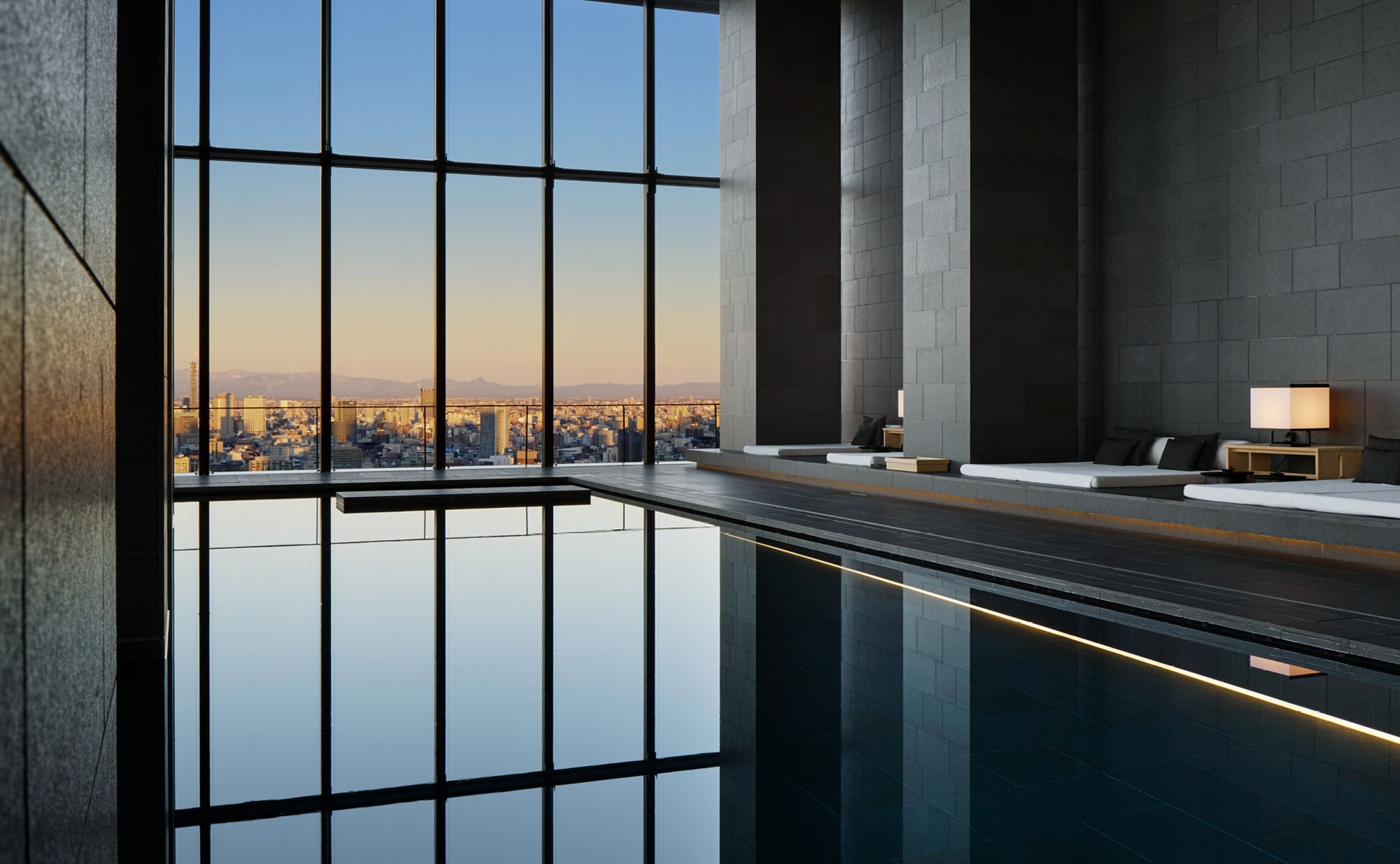
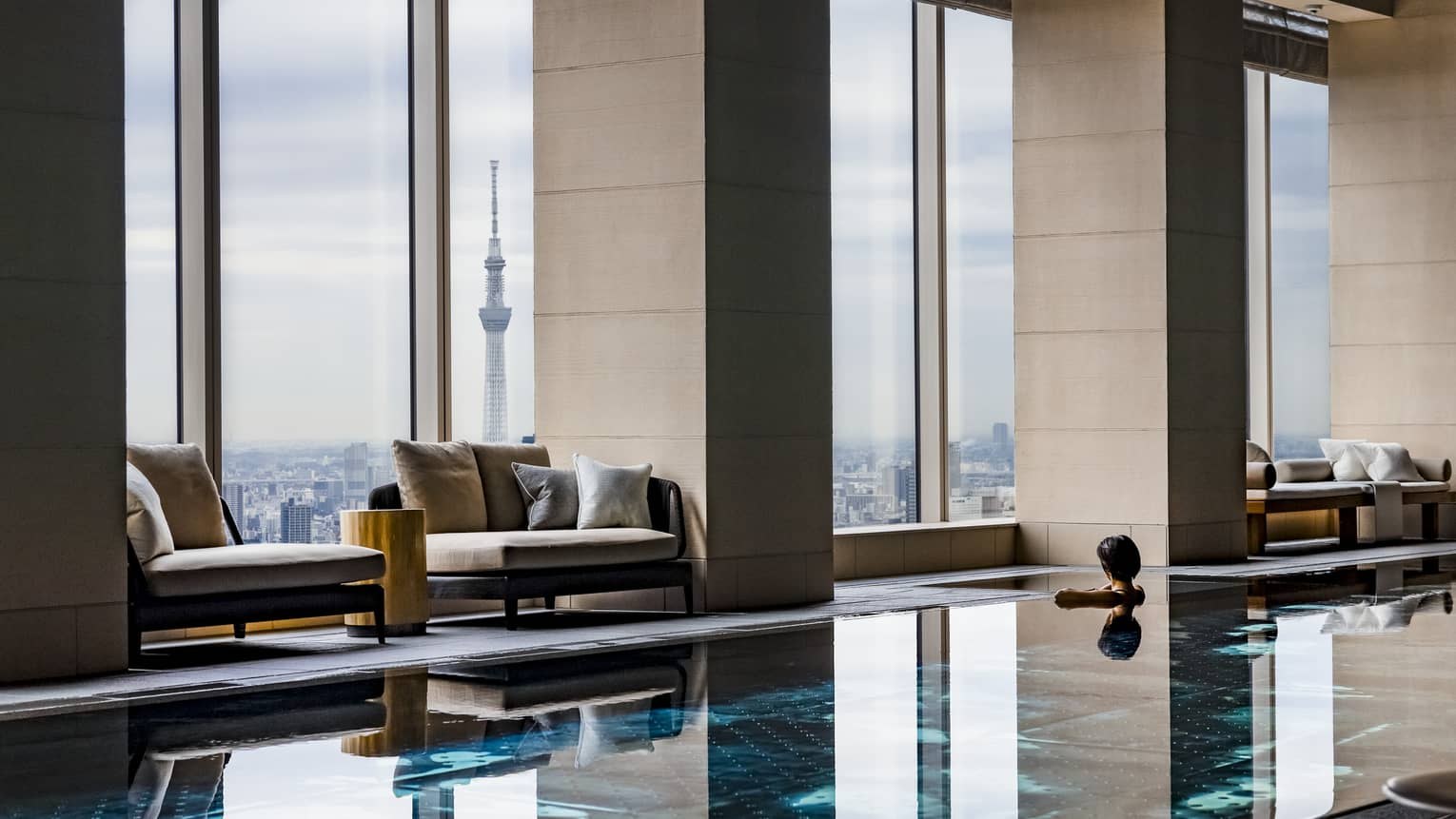
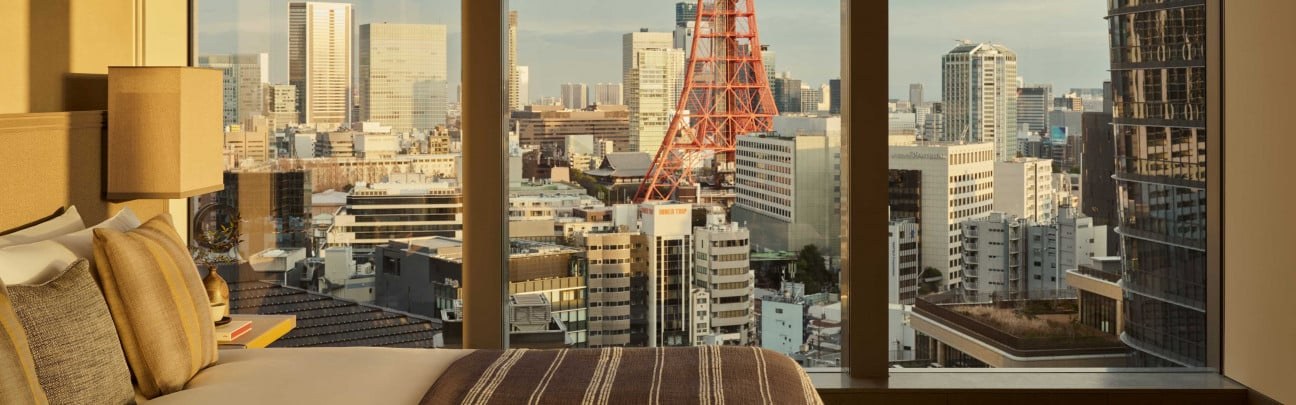
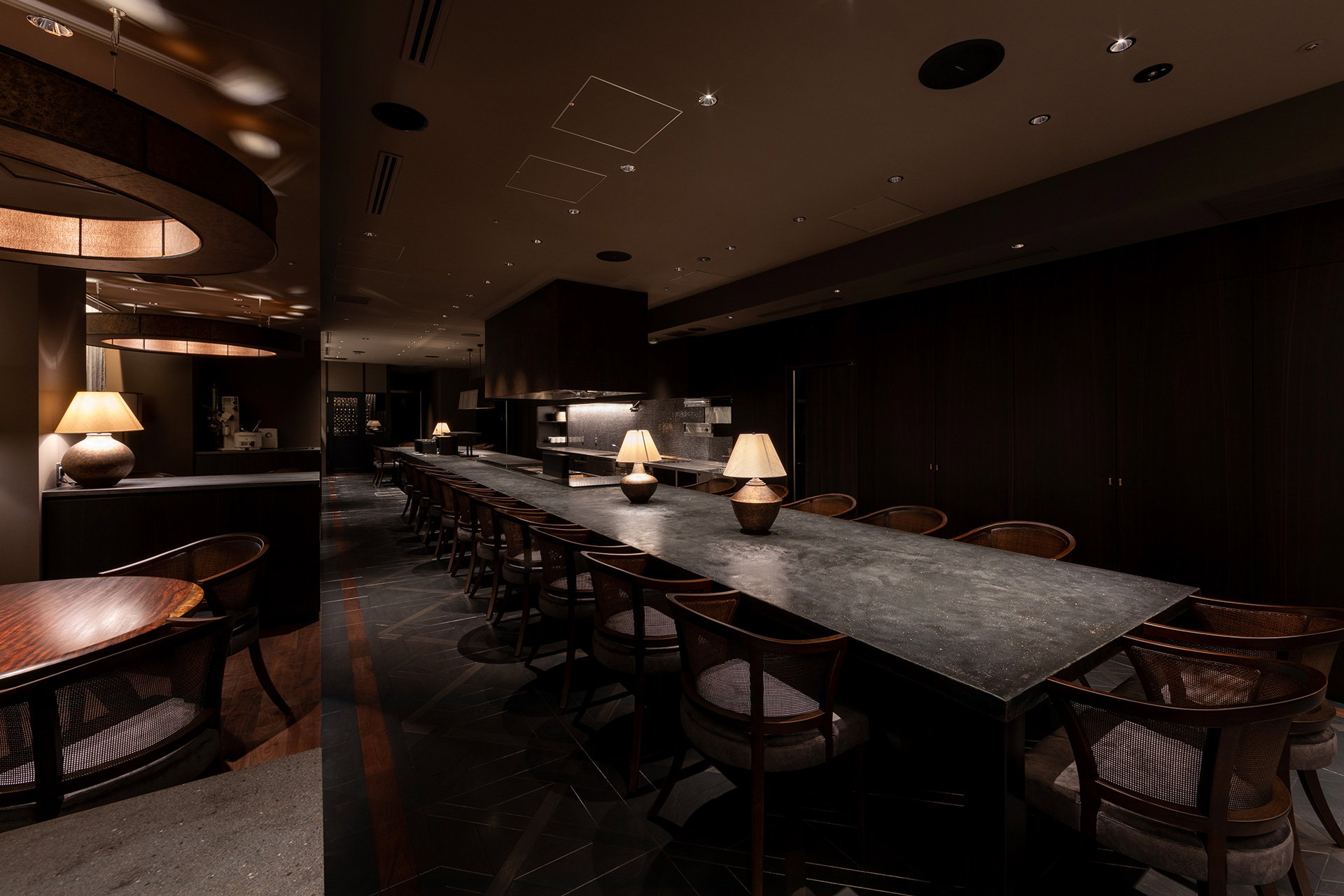
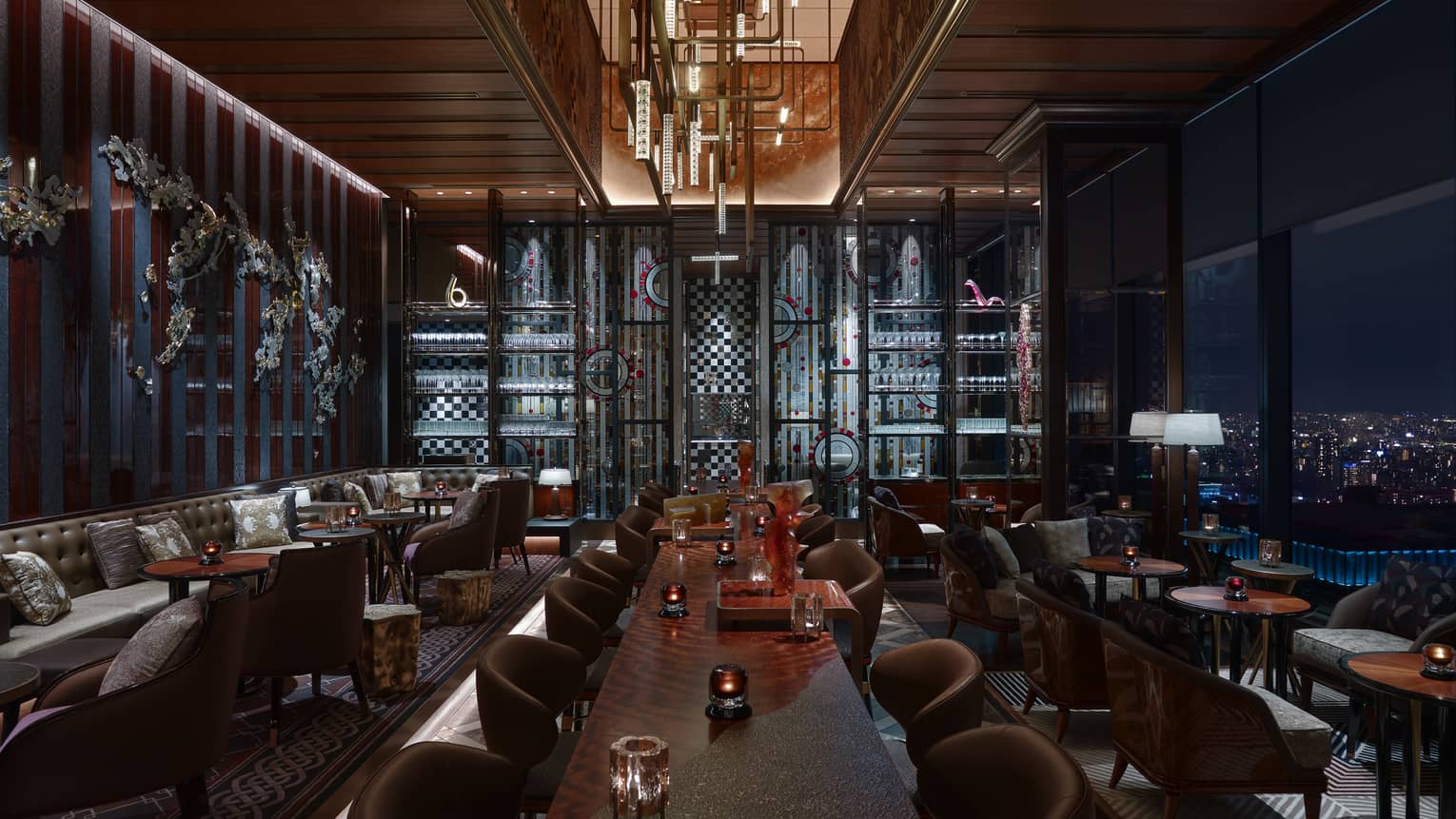
Perched high above Marunouchi, Shangri‑La Tokyo reads as a city observatory as much as a luxury hotel. The hotel converts elevation into perspective: from Level 28 the dining room frames the rare, dark sweep of the Imperial Palace grounds against an ordered grid of towers and expressways. That measured, panoramic vantage reinforces the property’s standing among Tokyo’s newer luxury addresses, where recognition—Forbes Five‑Star, a Michelin One Key and a strong La Liste showing—matters as much as décor. The result is a composed, high‑altitude experience that emphasizes place, precision and an unmistakable urban panorama.
Best For
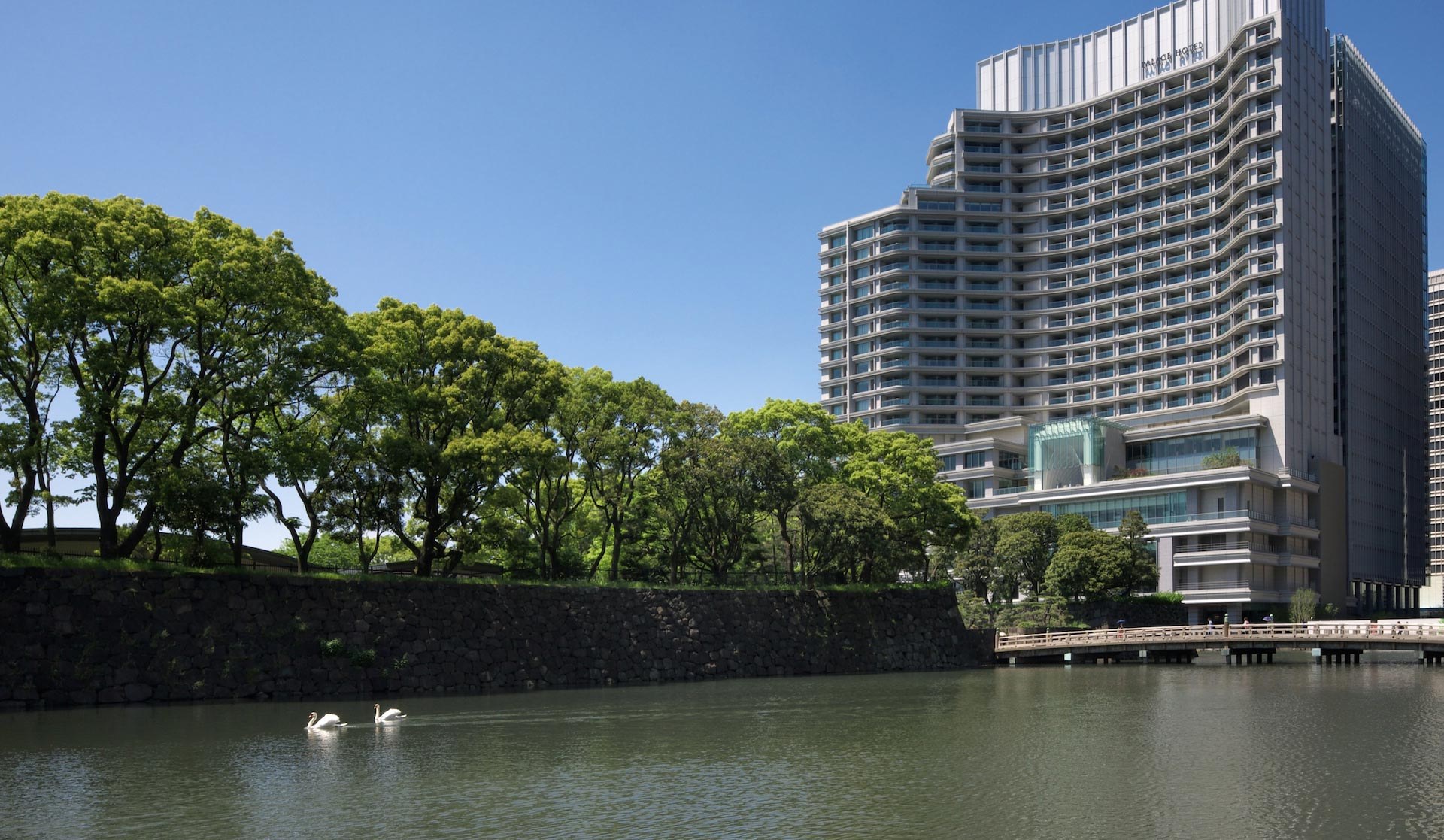
Shangri‑La Tokyo suits travelers who need seamless access to Tokyo Station and a concentration of corporate addresses, as well as guests looking for a high‑end hotel dining experience with a view. Its awards and rankings signal dependable, elevated service, making it a sensible choice for business visitors seeking proximity and polish, and for anyone prioritizing a commanding urban outlook. The hotel’s location in Marunouchi places guests within the city’s commercial core while giving dining and rooms a distinctly elevated perspective.
Stay Tips
Book Piacere on Level 28 for the view—ask for a window table to take in the Imperial Palace grounds and the city grid below. Plan dinner timing around dusk when the contrast between the palace’s dark expanse and the surrounding towers is most striking. Given the hotel’s high rankings and central location, reservations are prudent; mention any scheduling needs tied to Tokyo Station access to streamline logistics for business meetings or onward travel.
Venue details
Ambiance
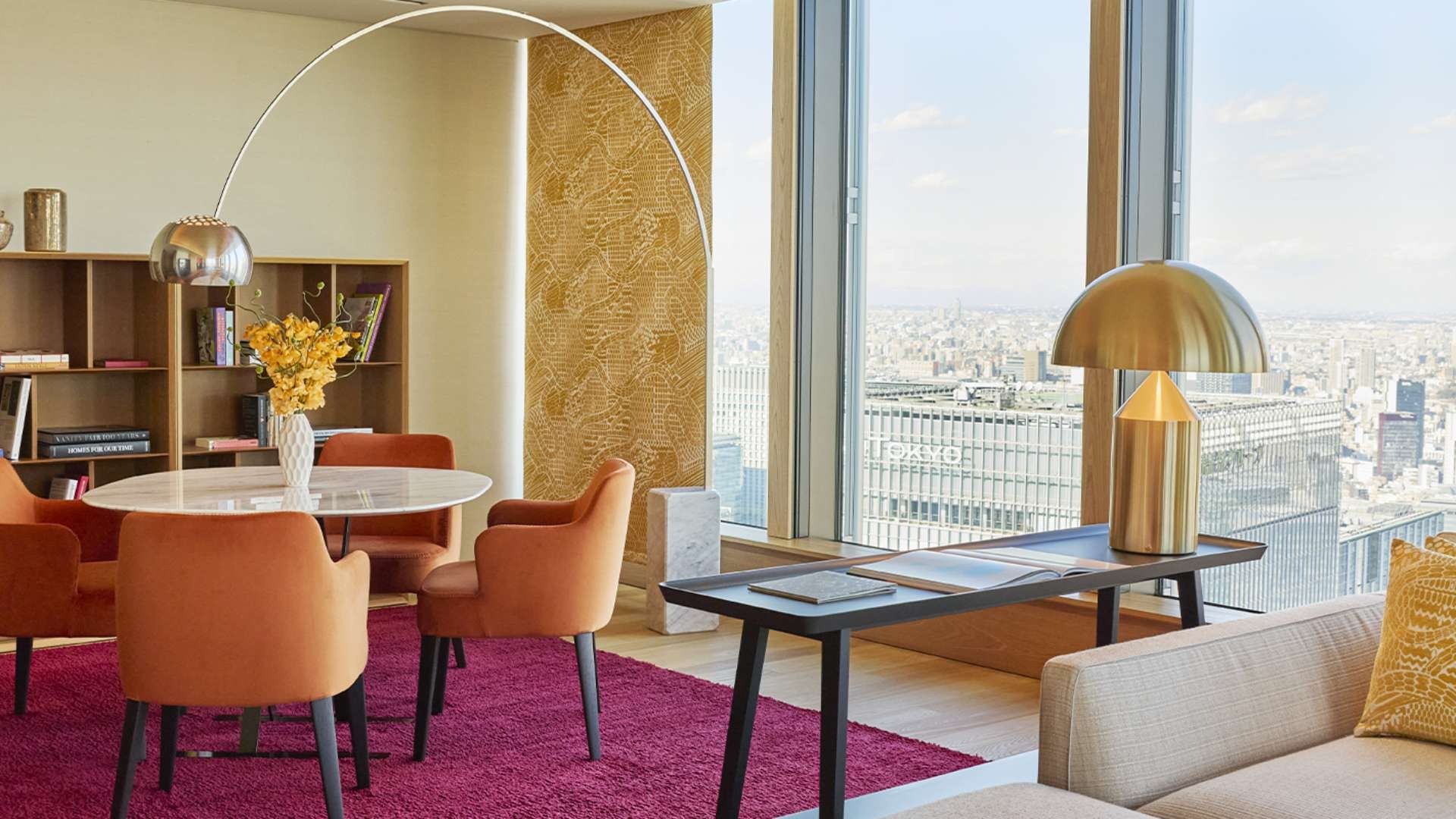
Elegant and serene atmosphere with soundproofed rooms, soft LED lighting, and panoramic city views creating a sophisticated urban retreat.
Tags
Vibe
Best For
Experience
Amenities
View
Accessibility
About the Stay
- Rooms
- 200
- Check-in
- 15:00
- Check-out
- 12:00
- Property Style
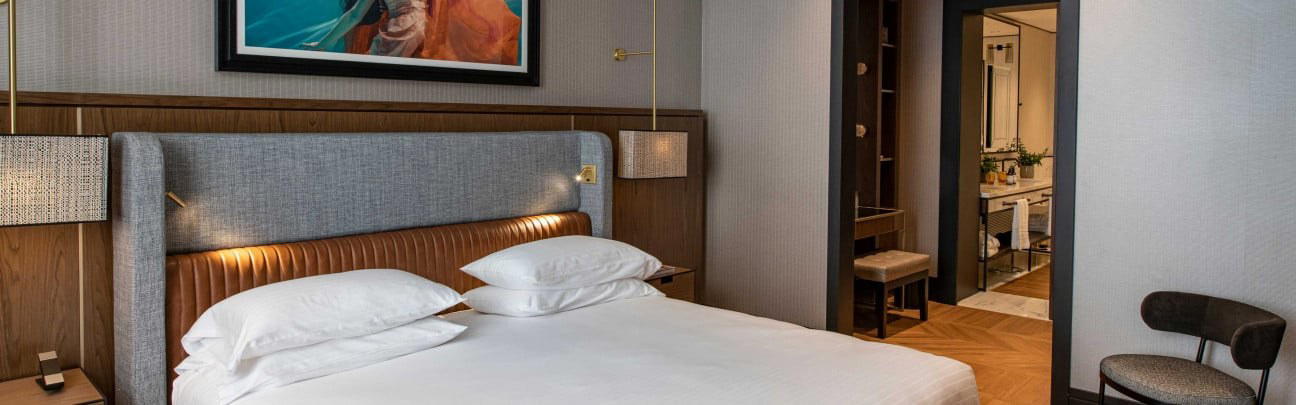
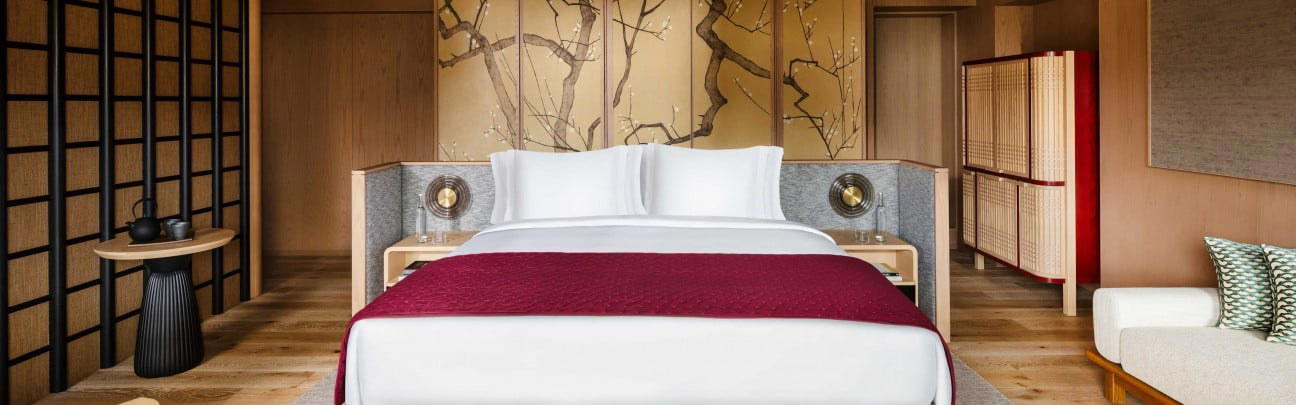
- Luxury High Rise Hotel Blending Japanese Tradition with Contemporary Elegance.
- Design Style
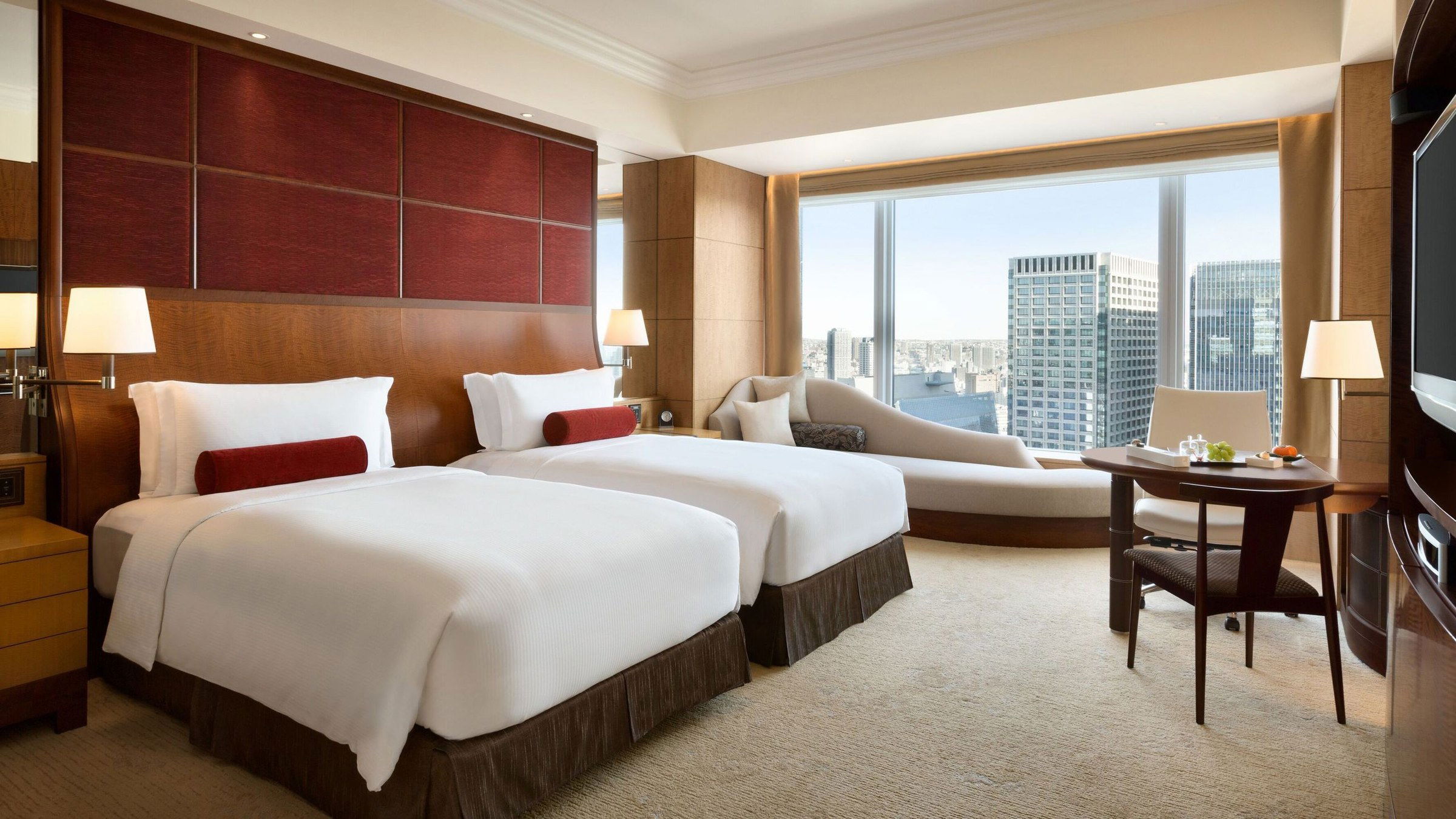
- Japanese Modern with Marble Bathrooms, Curvaceous Furniture, and Urban Sophistication.
Know before you go
Know Before You Go
- Getting there
- MARUNOUCHI TRUST TOWER MAIN, 1-chōme-8-3 Marunouchi, Chiyoda City, Tokyo 100-8283
Planning details
Location
MARUNOUCHI TRUST TOWER MAIN, 1-chōme-8-3 Marunouchi, Chiyoda City, Tokyo 100-8283 · Directions
Recognition and awards



Also consider
Also Consider
- The Tokyo Station Hotel, Notable alternative
- Bvlgari Hotel Tokyo, Notable alternative
- Aman Tokyo, Notable alternative
- Four Seasons Hotel Tokyo at Marunouchi, Notable alternative
- Mandarin Oriental Tokyo, Notable alternative
Hotel context
How it compares with Tokyo luxury hotels
Against The Tokyo Station Hotel, Shangri-La Tokyo is the more international luxury-hotel choice, while The Tokyo Station Hotel is the stronger pick for travelers who want the station itself to define the stay. If the priority is business efficiency with a high-rise luxury feel, choose Shangri-La; if heritage atmosphere matters more, cross-shop The Tokyo Station Hotel first.
Bvlgari Hotel Tokyo and Aman Tokyo are better fits when the hotel needs to feel like the main event. Bvlgari leans more fashion-house and occasion-driven, while Aman is the calmer retreat play. Shangri-La Tokyo makes more sense when the rate is materially lower than those two or when Tokyo Station access will save time every day.
Four Seasons Hotel Tokyo at Marunouchi is the closest practical comparison for Marunouchi-focused travelers: compare live rates carefully, because the better booking is often whichever gives more space or flexibility for the same spend. Mandarin Oriental Tokyo is the stronger cross-shop for travelers who want a different central Tokyo base with a more destination-dining feel. For bars, experiences, and other planning layers, use Our full Tokyo bars guide, Our full Tokyo experiences guide, and Our full Tokyo wineries guide.
Explore Tokyo
Around this place
Discover more on Pearl
Unlock the full Shangri-La Tokyo guide in Pearl, including awards, comparisons, FAQs, planning details, and nearby places.
Compare Shangri-La Tokyo
| Venue | Location | Awards |
|---|---|---|
| Shangri-La Tokyo | Tokyo | 2026 Forbes 4-Star2026 Virtuoso Luxury Hotel Collection2026 La Liste Top Hotels2026 Michelin 1 Key2025 Michelin 1 KeyMichelin 1 Key 20252024 Michelin 1 Key |
| The Tokyo Station Hotel | Tokyo | 2026 Forbes Recommended2026 Michelin 1 Key2025 Forbes Recommended2025 Michelin 1 KeySmall Luxury Hotels Member 2025 |
| Bvlgari Hotel Tokyo | Tokyo | 2026 World’s 50 Best Hotels 1-50 · #242026 Forbes 5-Star2026 Virtuoso Luxury Hotel Collection2026 Robb Report Best Luxury Hotels in Tokyo2026 La Liste Top Hotels2026 Michelin 3 Keys2025 World’s 50 Best Hotels · #15Tatler Best Hotels Asia-Pacific 20252025 Michelin 3 Keys |
| Aman Tokyo | Tokyo | 2026 Food & Wine Top 10 Global Hotels for Food and Drink · #52026 World’s 50 Best Hotels 1-50 · #112026 Forbes 4-Star2026 Virtuoso Luxury Hotel Collection2026 Robb Report Best Luxury Hotels in Tokyo2026 Mr & Mrs Smith Luxury Hotels2026 La Liste Top Hotels2026 Michelin 2 Keys2025 World’s 50 Best Hotels · #25 |
| Four Seasons Hotel Tokyo at Marunouchi | Tokyo | 2026 Forbes 4-Star2026 Michelin 1 Key2025 Forbes 4-Star2025 Michelin 1 Key2024 Michelin 1 KeyFour Seasons Hotels |
| Mandarin Oriental Tokyo | Tokyo | 2026 Virtuoso Luxury Hotel Collection2026 Forbes 5-Star2026 Robb Report Best Luxury Hotels in Tokyo2026 La Liste Top Hotels2026 Michelin 1 Key2025 Michelin 1 Key2025 Forbes 5-Star2024 Michelin 1 KeyPearl Recommended Hotels |











How Shangri-La Tokyo compares with similar nearby venues.
FAQ
Frequently Asked Questions
Is Shangri-La Tokyo good for business travel?
It may suit a business trip, especially if its Tokyo setting, smart casual dress code, Michelin 1 Key (2025), Forbes 4-Star (2026), La Liste Top Hotels (2026) score of 93.5pts, and Virtuoso Luxury Hotel Partner (2026) recognition fit your needs. Confirm any specific business-travel facilities or location advantages directly before booking.
Do loyalty programs work at Shangri-La Tokyo?
Virtuoso Luxury Hotel Partner (2026) status is a useful signal for guests booking through luxury travel channels, but specific loyalty-program details and benefits should be confirmed before booking.
Which room category is best at Shangri-La Tokyo?
Choose based on the room descriptions, size, view, and booking terms available through the hotel or your travel advisor.
How is the location of Shangri-La Tokyo?
How does Shangri-La Tokyo compare to other Tokyo hotels?
Choose Shangri-La Tokyo if its recognition is the right fit for your stay. Aman Tokyo, Four Seasons Hotel Tokyo at Marunouchi, Bvlgari Hotel Tokyo, Mandarin Oriental Tokyo, and The Tokyo Station Hotel are also worth comparing for a Tokyo luxury-hotel shortlist.