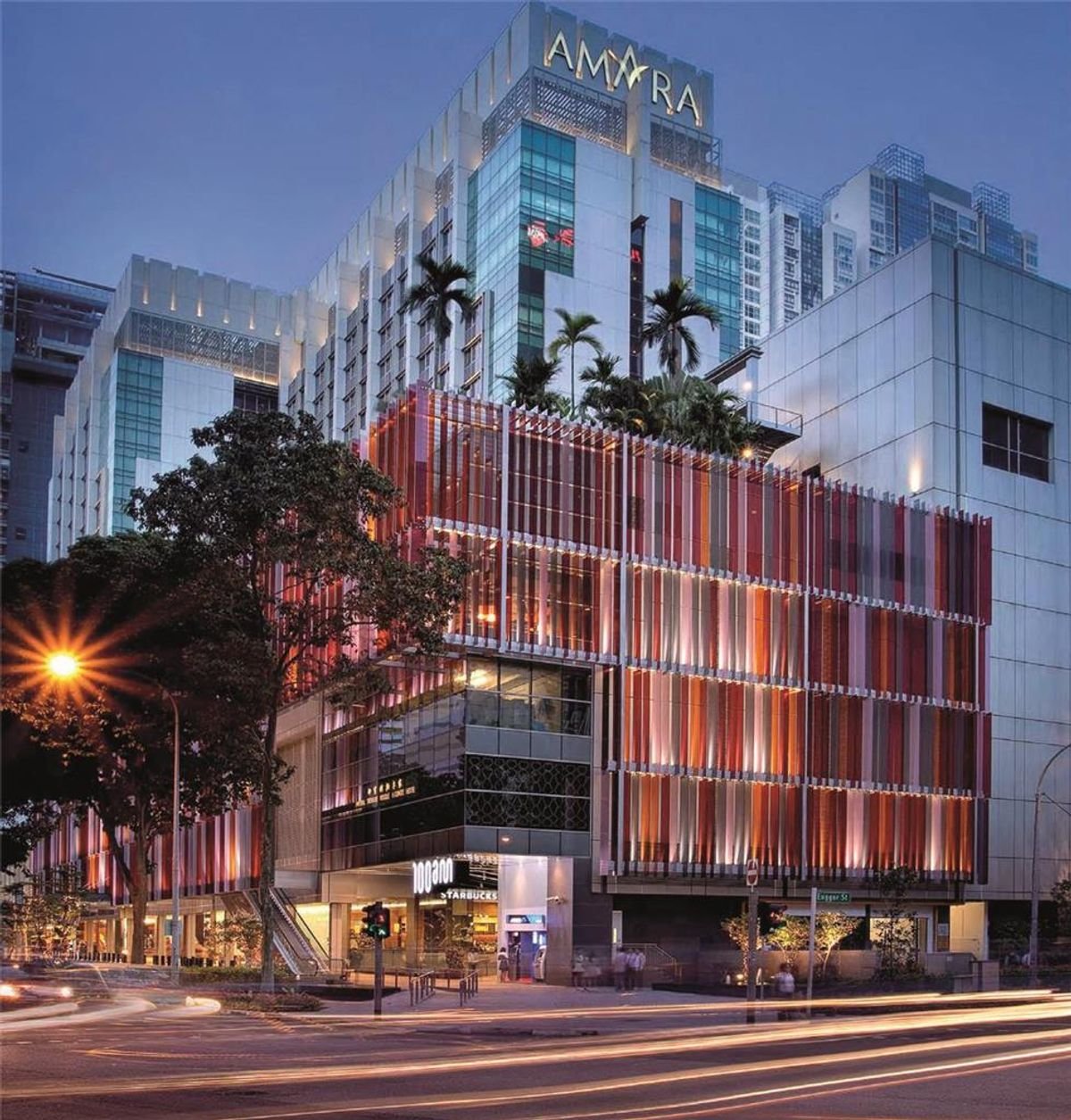

Amara Singapore
ANSON, Singapore
Hotel in Singapore, Singapore
 Book with Pearl
The Read
South CBD Urban Base
Price
$100–200per night
Why go
Amara Singapore is worth shortlisting for a practical Tanjong Pagar stay, especially if the trip is built around CBD access, nearby dining, and repeat-visitor convenience. Its 2025 Preferred Hotels Preferred Residences recognition helps, but design-led travelers should also compare Duxton Reserve, Mondrian Singapore Duxton, and Maxwell Reserve before deciding.
About Amara Singapore
For a stay in Singapore, the decision is less about novelty and more about whether Amara Singapore fits the role you need. Consider it as a Singapore base first, then check the amenities, dining, room layouts, and neighborhood fit that matter to your trip.
Amara Singapore has Preferred Hotels Preferred Residences recognition for 2025, which is a useful trust signal for travelers comparing Singapore options. Before committing, check current rates, room types, facilities, and booking terms directly.
Book for a Singapore stay, then check the extras
The clearest case for Amara Singapore is simple: it is in Singapore, has a smart casual dress code, and has Preferred Hotels Preferred Residences recognition in 2025. If your decision depends on particular facilities, dining venues, service style, or transportation details, check those directly with the hotel or your booking channel.
For travelers comparing several Singapore stays, Amara Singapore can be considered alongside Duxton Reserve, Mondrian Singapore Duxton, Maxwell Reserve, M Hotel Singapore City Centre, and QT Singapore. The right choice will depend on current availability, rates, benefits, and the type of stay you want rather than on assumptions about atmosphere or amenities.
Who should choose it on a second Singapore stay
Return visitors should consider Amara Singapore if they want a direct Singapore option and are comfortable checking the practical details before booking. For broader planning, compare it against Our full Singapore hotels guide before committing.
For travelers deciding between Singapore options, the clean recommendation is this: keep Amara Singapore on the shortlist, then compare it with M Hotel Singapore City Centre, QT Singapore, Duxton Reserve, Mondrian Singapore Duxton, and Maxwell Reserve based on current rates, room details, and booking terms.
Planning details
- Location
- 165 Tg Pagar Rd, Singapore 088539
- Website
- singapore.amarahotels.com
- Phone
- +65 6879 2555
The take
The Take
The Vibe
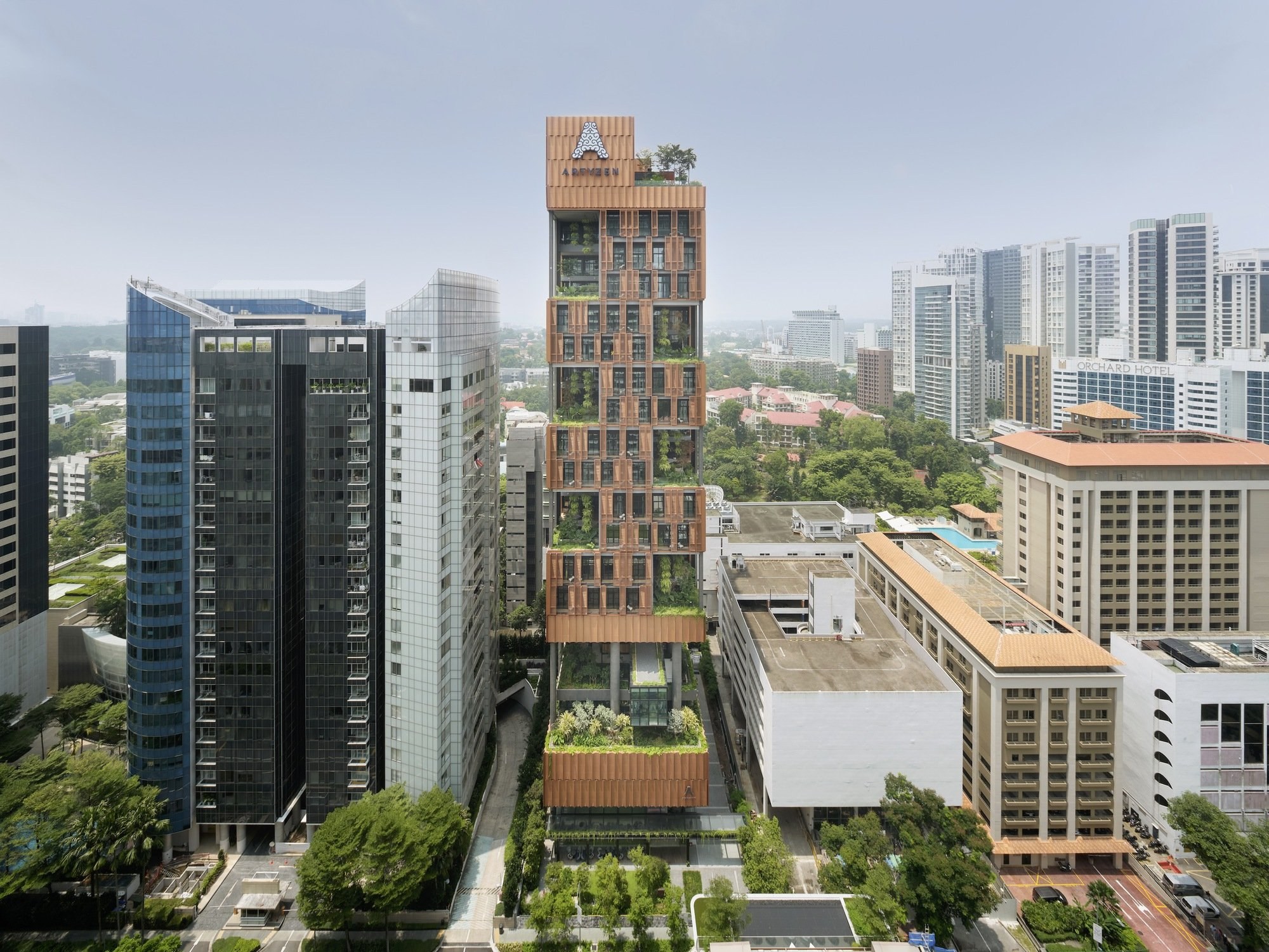
Amara Singapore presents itself as a location-first, pragmatic hotel rooted in Tanjong Pagar rather than a spectacle-driven address. At 389 rooms it reads as a mid-to-large urban property that trades on connectivity and neighbourhood layering instead of design awards or celebrity chefs. The surrounding streets mix ageing shophouse character with dense pockets of dining and nightlife, and the hotel benefits from being within easy walking distance of an active bar corridor and a concentration of Japanese restaurants. The voice of the property is practical and urban, geared toward travellers who value being plugged into the city's everyday life.
Best For
This hotel is best for travellers who prioritise access and efficiency over resort-style amenities. The write-up explicitly positions Amara for business travellers and those focused on structured city exploration: it sits within the Circle Line and East–West Line interchange, putting Marina Bay and Orchard Road a short MRT ride away. The neighbourhood provides a compact mix of dining and bars within walking distance, so guests who plan to move around the city, attend meetings across multiple districts, or explore local restaurants will find the location particularly advantageous.
Stay Tips
Choose Amara when your trip is about getting around Singapore rather than lingering on-site. The description repeatedly emphasizes the strategic advantage of the address — proximity to the Tanjong Pagar MRT interchange and easy access to multiple commercial districts — so book here if your itinerary depends on efficient transit. The piece advises viewing the hotel as a practical base: favour it for business or structured exploration and for easy walks to nearby dining and bars. Avoid expecting resort-style programming; the competitive logic is neighbourhood connectivity, not spectacle.
Venue details
Ambiance
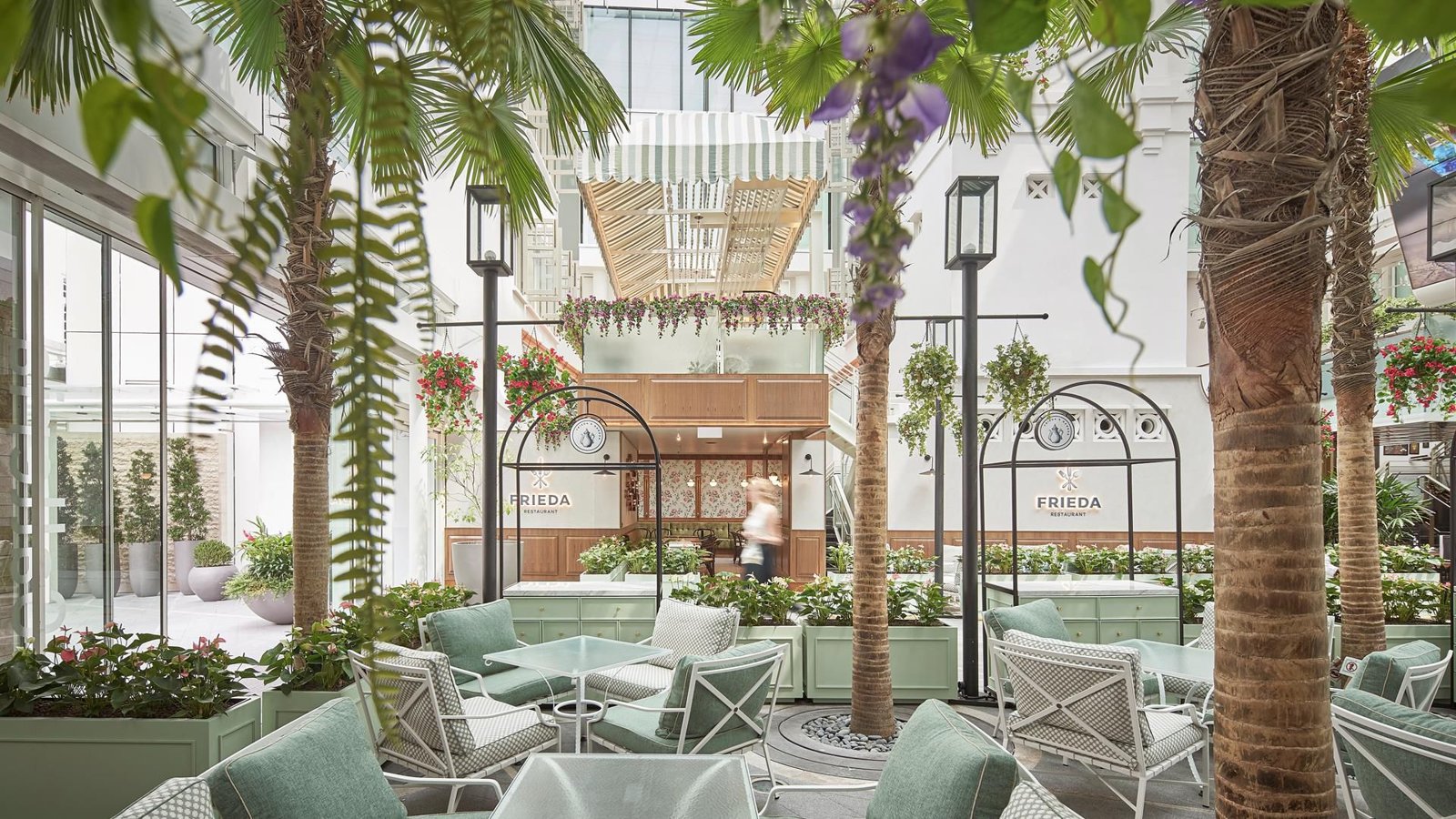
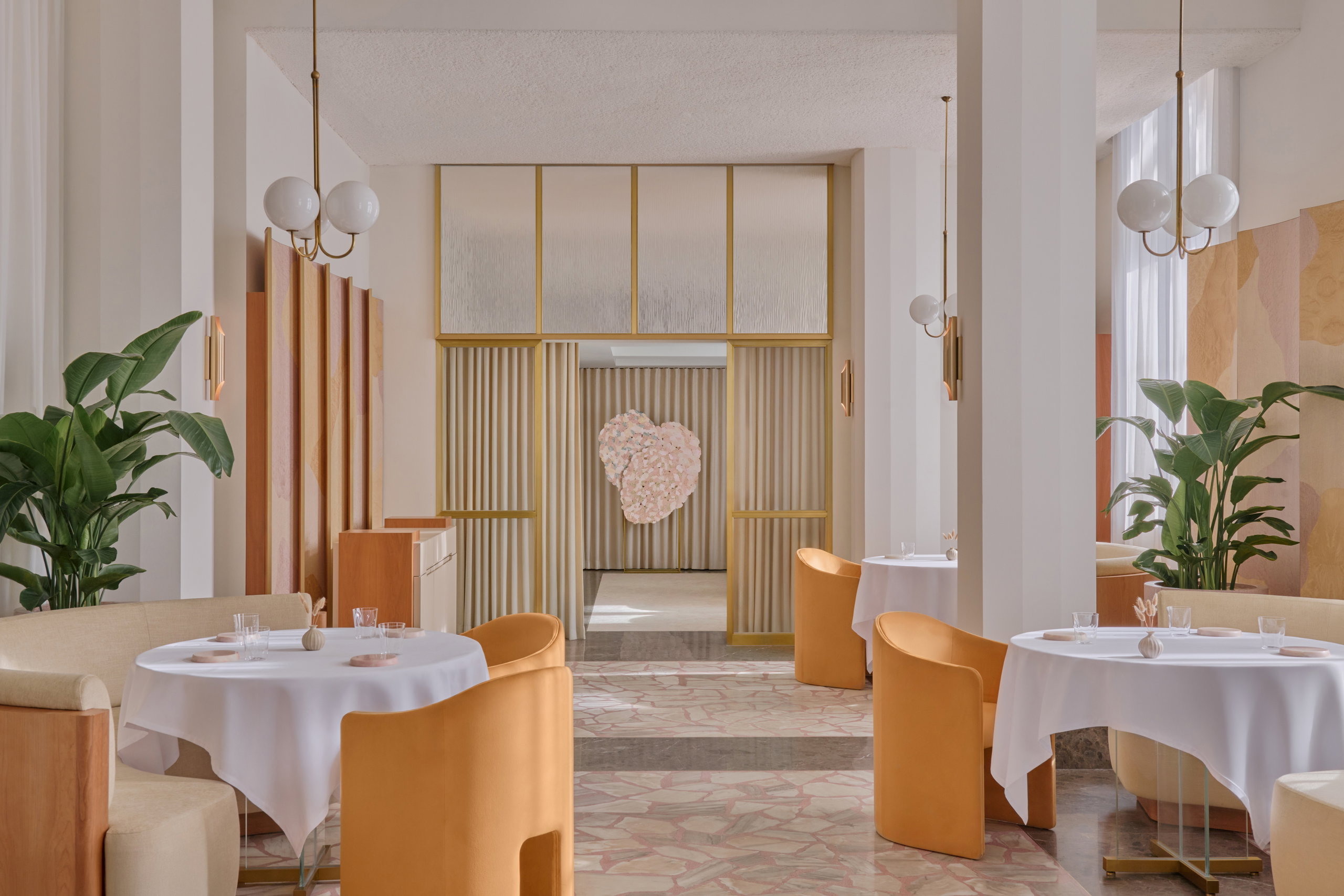
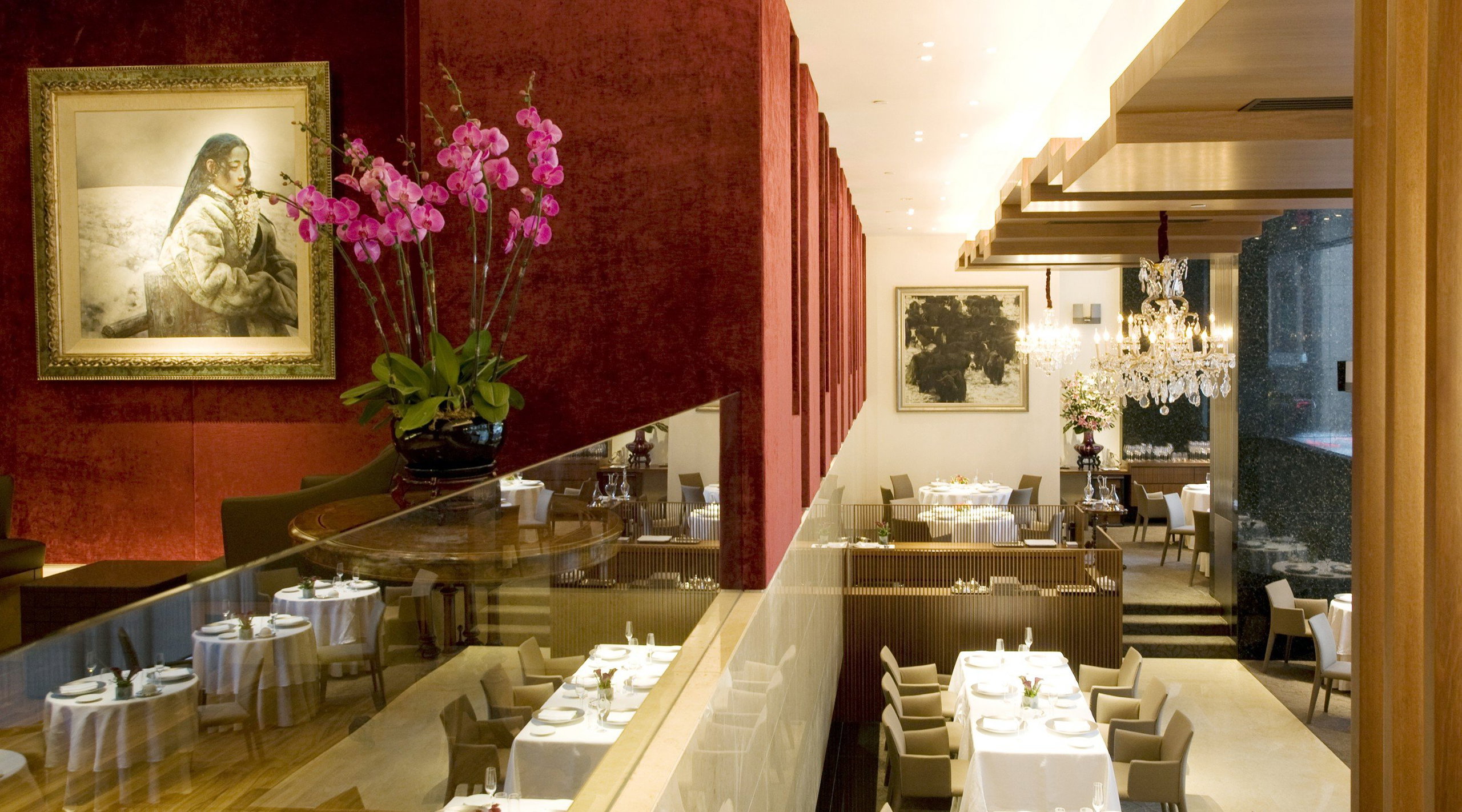
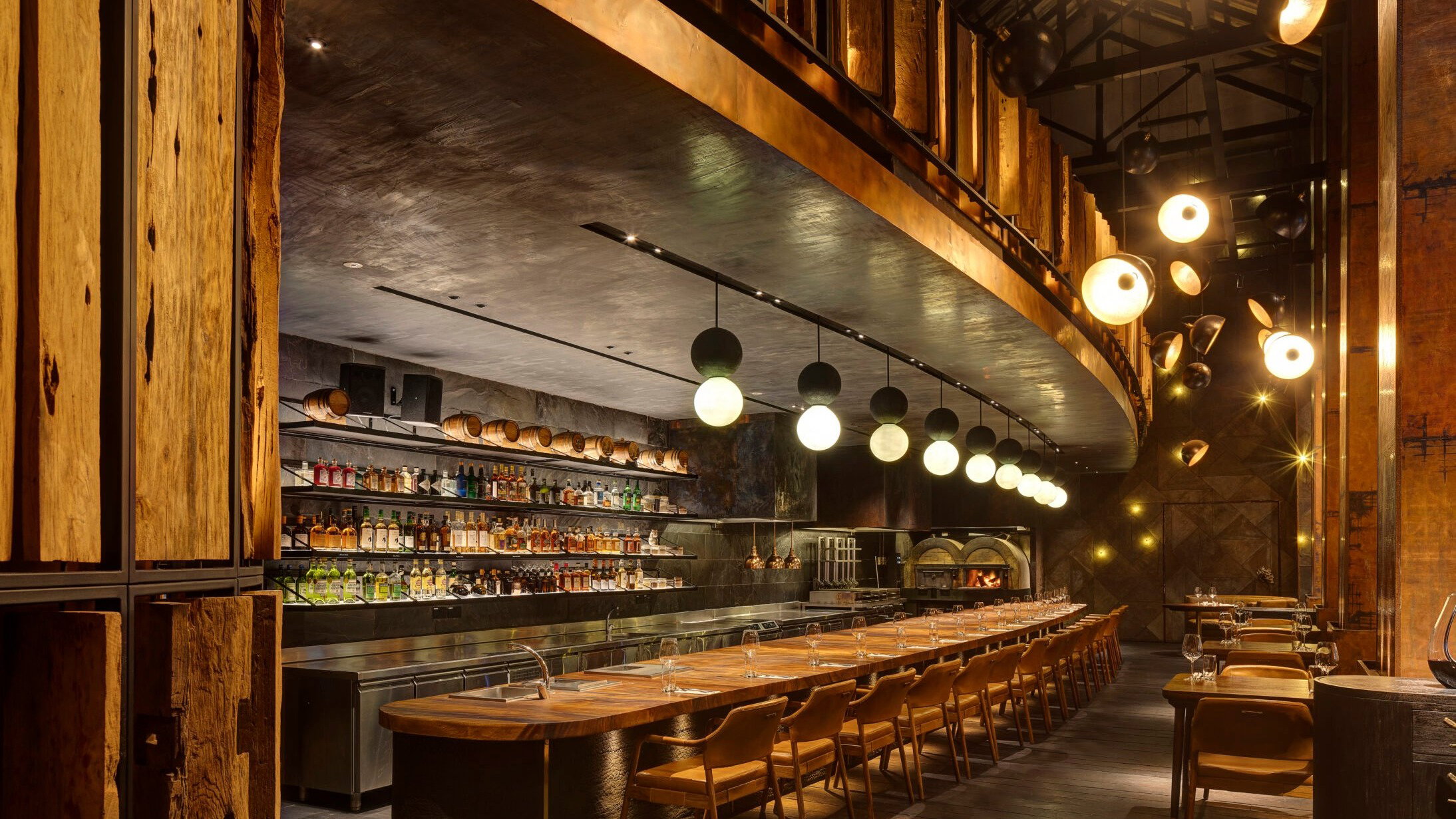
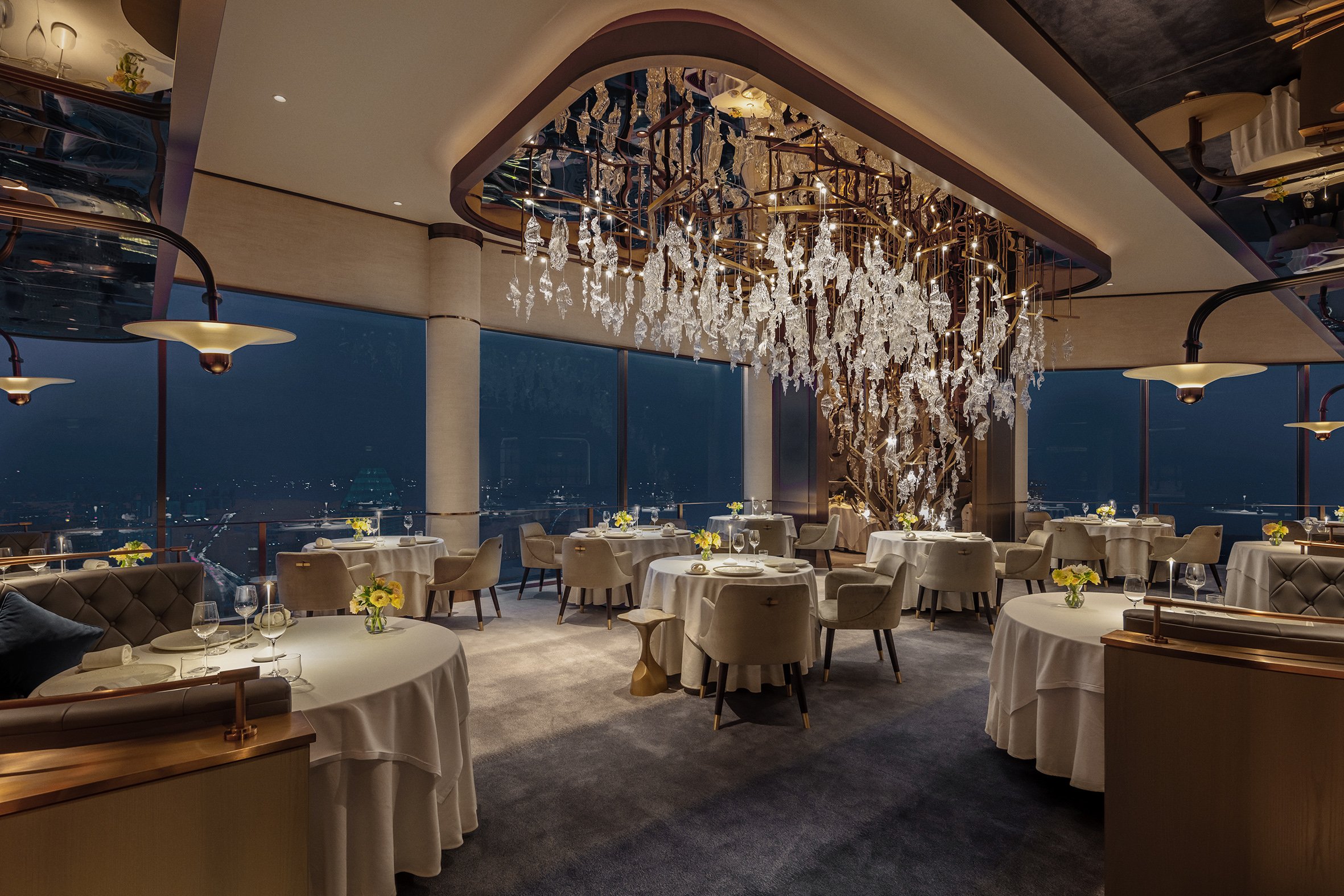
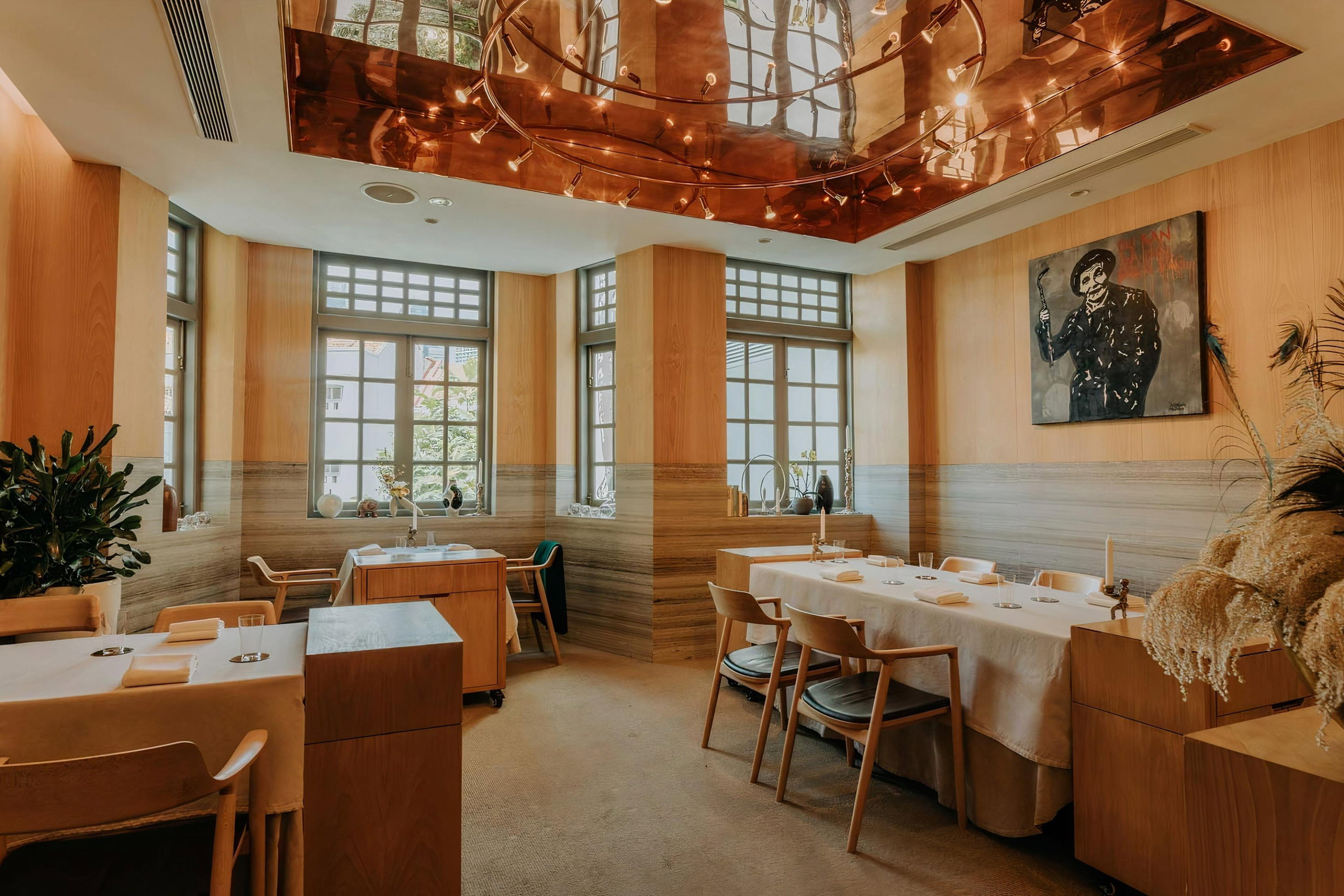
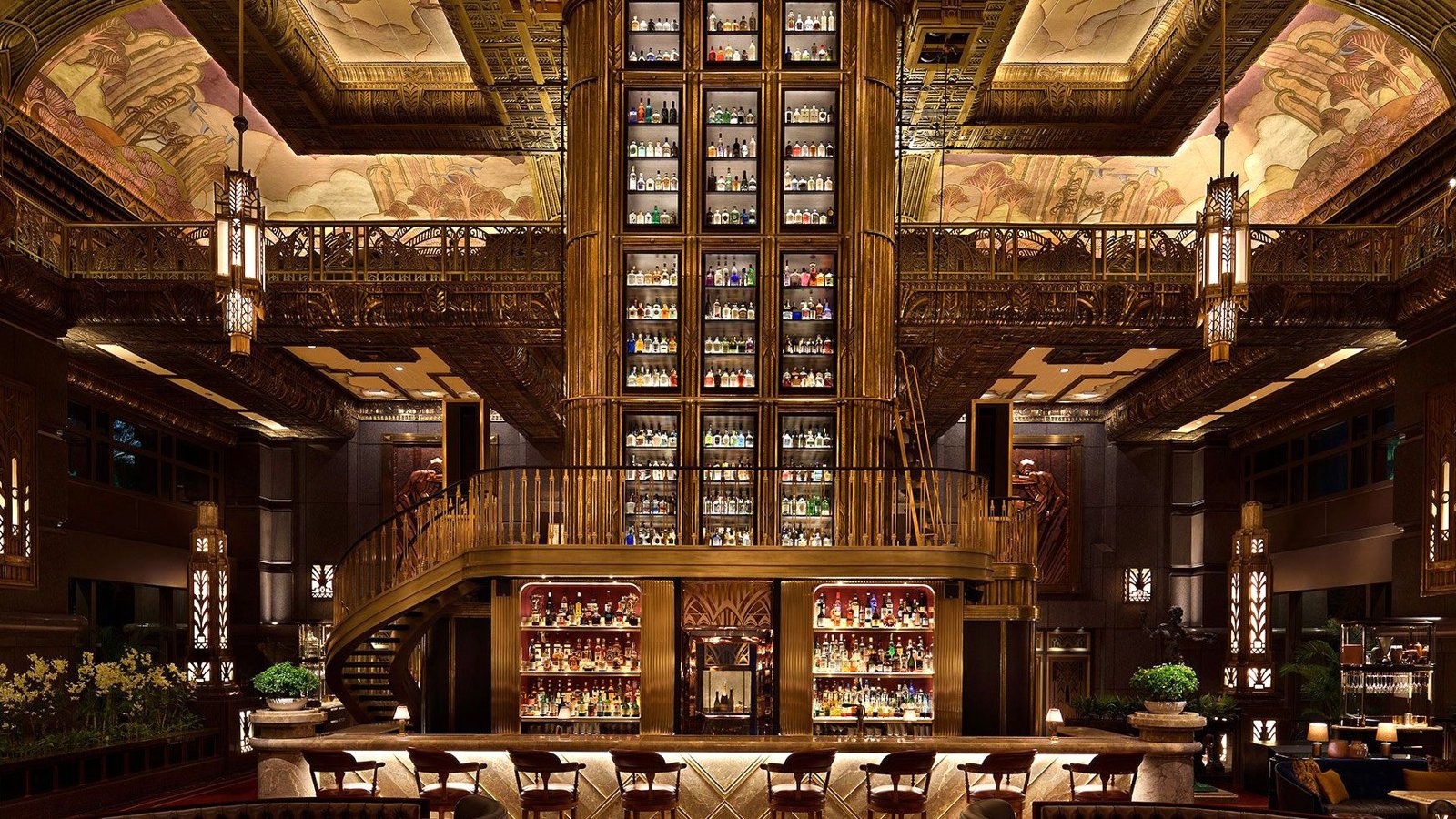
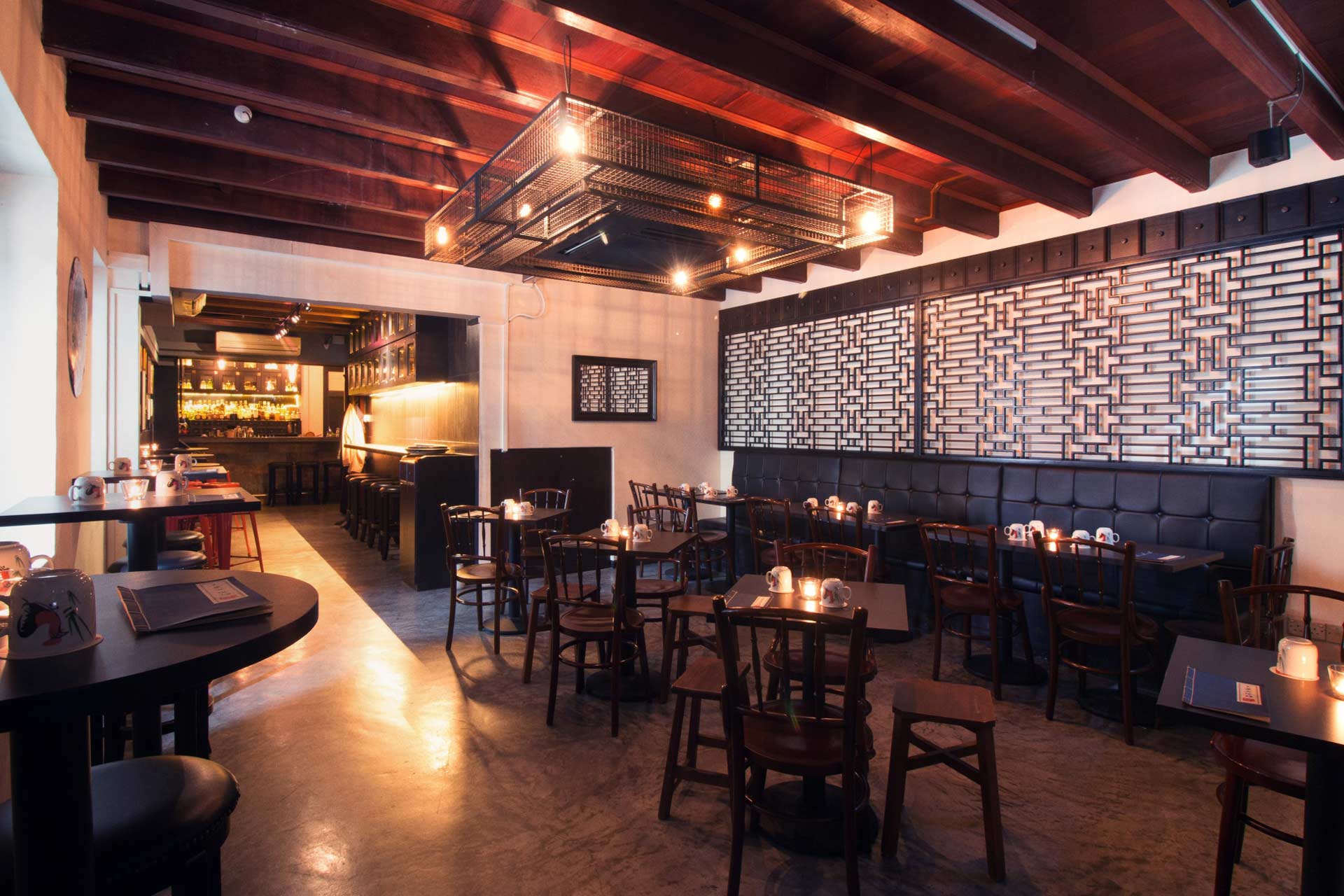
Modern, vibrant atmosphere with contemporary design; well-lit public spaces and contemporary furnishings create an upscale yet welcoming environment popular with business travelers and couples.
Tags
Vibe
Best For
Experience
Amenities
View
Accessibility
About the Stay
- Rooms
- 389
- Check-in
- 14:00
- Check-out
- 12:00
- Property Type
- Boutique hotel
- Property Style
- Contemporary Luxury Hotel with Balinese Inspired Wellness Facilities; Positioned as a Vibrant Community Hub Blending Modern Design with Local Cultural Elements.
- Design Style
- Modern with Balinese Influences; Newly Renovated Rooms Feature Contemporary Furnishings, Hardwood Flooring, and Smart Technology with Rain Showers and Premium Bathroom Amenities.
- Pool
- Yes
- Spa
- Yes
- Families
- Welcome
- Cancellation
- Flexible
Know before you go
Know Before You Go
- Getting there
- 165 Tg Pagar Rd, Singapore 088539
Planning details
Location
Recognition and awards
Also consider
Also Consider
- M Hotel Singapore City Centre, Notable alternative
- Duxton Reserve, Notable alternative
- Mondrian Singapore Duxton, Notable alternative
- Maxwell Reserve, Notable alternative
- QT Singapore, Notable alternative
Hotel context
How it compares in central Singapore
Amara Singapore is the practical Tanjong Pagar pick: easier to justify for business travel and repeat city stays than for a design-led weekend. M Hotel Singapore City Centre is the more conventionally corporate alternative, while Duxton Reserve and Maxwell Reserve make more sense when the room style and neighborhood atmosphere matter more than pure utility.
For ambiance, Mondrian Singapore Duxton is the stronger cross-shop if the trip needs a livelier, more design-forward setting. Amara Singapore is the calmer decision for travelers who want central access without making the hotel the main event.
If booking difficulty is the deciding factor, Amara Singapore should be one of the easier choices in this set. QT Singapore is better for guests who want a more playful city stay, but Amara Singapore is the cleaner pick when value is measured by location, convenience, and low-friction logistics.
Explore Singapore
Around this place
Discover more on Pearl
Unlock the full Amara Singapore guide in Pearl, including awards, comparisons, FAQs, planning details, and nearby places.
Compare Amara Singapore
| Venue | Location | Awards |
|---|---|---|
| Amara Singapore | Singapore | Preferred Hotels Preferred Residences 2025 |
| M Hotel Singapore City Centre | Singapore | No published awards |
| Duxton Reserve | Singapore | No published awards |
| Mondrian Singapore Duxton | Singapore | No published awards |
| Maxwell Reserve | Singapore | No published awards |
| QT Singapore | Singapore | No published awards |
How Amara Singapore compares with similar nearby venues.
FAQ
Frequently Asked Questions
Is Amara Singapore good for business travel?
Amara Singapore may be worth considering for a Singapore stay. For a work trip, check the current facilities, location logistics, and booking terms directly before reserving.
Do loyalty programs work at Amara Singapore?
Amara Singapore has Preferred Hotels Preferred Residences recognition for 2025. If loyalty benefits matter, check the current booking channel and benefit terms before you reserve, and compare the details with M Hotel Singapore City Centre or QT Singapore if they are also on your shortlist.
How does Amara Singapore compare to other Singapore options?
Use Amara Singapore as one Singapore option to compare with Duxton Reserve, Mondrian Singapore Duxton, Maxwell Reserve, and QT Singapore. Compare current rates, room information, amenities, service features, and booking benefits before deciding.
What is check-in like at Amara Singapore?
How is the dining at Amara Singapore?
How is the location of Amara Singapore?
Which room category is best at Amara Singapore?
Choose based on the room descriptions, size, inclusions, cancellation terms, and price difference shown at the time of booking.