



Shangri-La Singapore
NASSIM, Singapore
Hotel in Singapore, Singapore
 Book with Pearl
The Read
Garden City Sanctuary
Why go
Shangri-La Singapore is the practical Orchard-area luxury pick for travelers who want an established, externally recognized hotel rather than a novelty stay. It is strongest as a dependable full-service base; if dining is the main reason for the trip, compare the city's restaurant options separately before making the hotel decision.
About Shangri-La Singapore
For travelers comparing luxury hotels in Singapore, Shangri-La Singapore is best framed as a recognized hotel. The strongest reason to consider it is external recognition: La Liste Top Hotels 2026 scores it at 94.5 points, Tatler lists it among its 2025 Asia-Pacific hotel picks, it is a Virtuoso Luxury Hotel Partner for 2026, and it was selected by the MICHELIN Guide Hotels in 2025.
If the decision turns on detailed restaurant information, room categories, facilities, or service inclusions, those points should be checked directly before booking. If the priority is a hotel in Singapore with clearly confirmed recognition, Shangri-La Singapore belongs on the shortlist alongside The Singapore EDITION, Artyzen Singapore, Pan Pacific Orchard, Singapore, Conrad Singapore Orchard, and The St. Regis Singapore.
Choose it for established recognition, not unverified extras
The recent recognition matters because Singapore has a crowded high-end hotel market, and awards alone do not make every hotel the right booking. Here, they help answer the confidence question: this is a hotel with multiple forms of recognition rather than a choice that needs to be justified by unsupported claims.
Dining is an unresolved decision point. The hotel recognition supports confidence in the overall stay, but there is not enough restaurant detail to recommend the dining as a destination on its own. If the trip is being planned around meals, pair the hotel decision with our full Singapore restaurants guide rather than assuming the on-site offer should carry the itinerary.
Singapore is the practical setting
Shangri-La Singapore is in Singapore. For a broader hotel scan, compare it against our full Singapore hotels guide, especially if the stay needs to be evaluated against other styles of luxury hotel in the city.
Bottom line: pick Shangri-La Singapore if the priority is a recognized luxury hotel in Singapore with external validation. Cross-shop it if the stay depends on details such as a specific dining plan, room feature, facility, or service inclusion.
Part of
Shangri-La66 locations on PearlInside Shangri-La Singapore
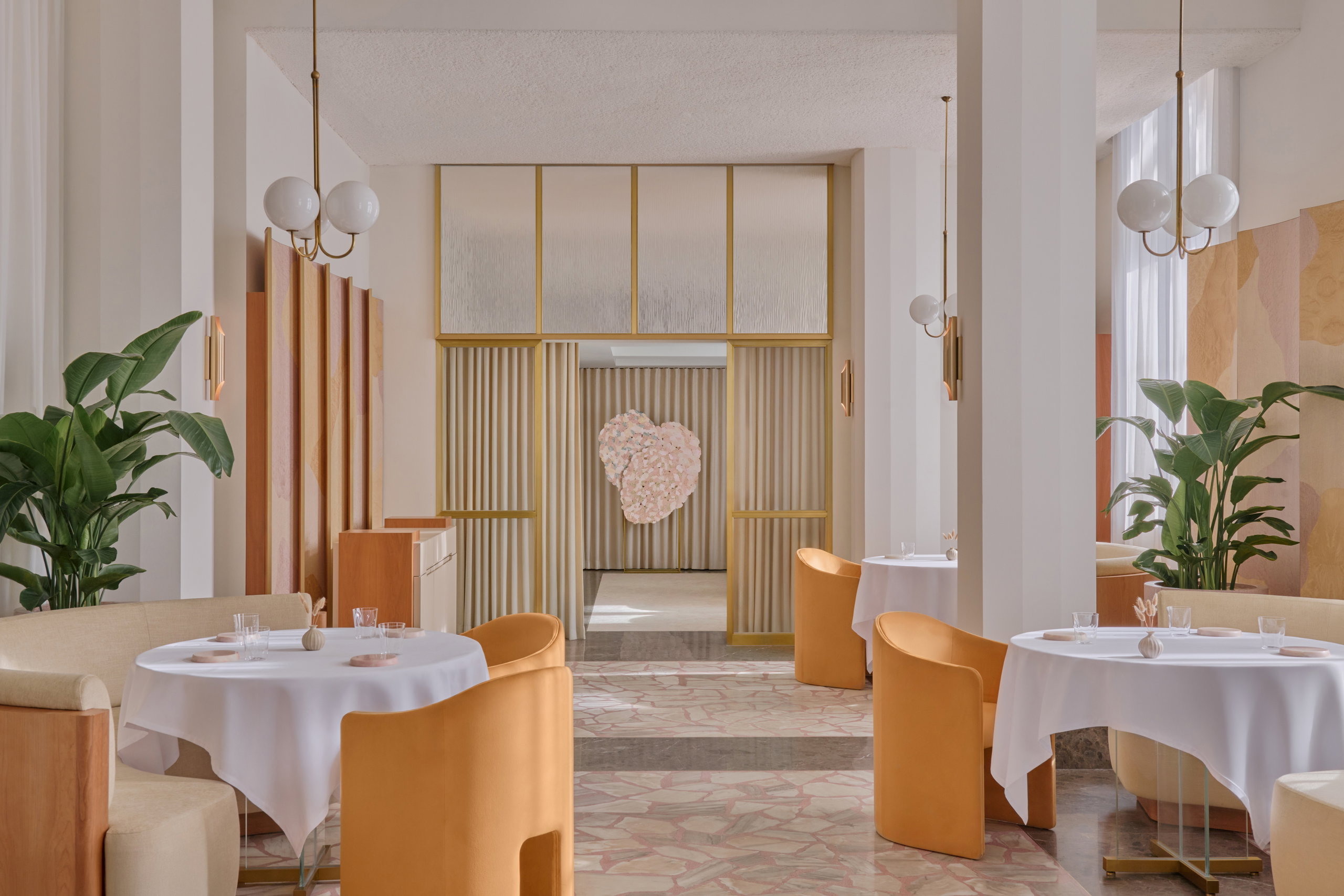
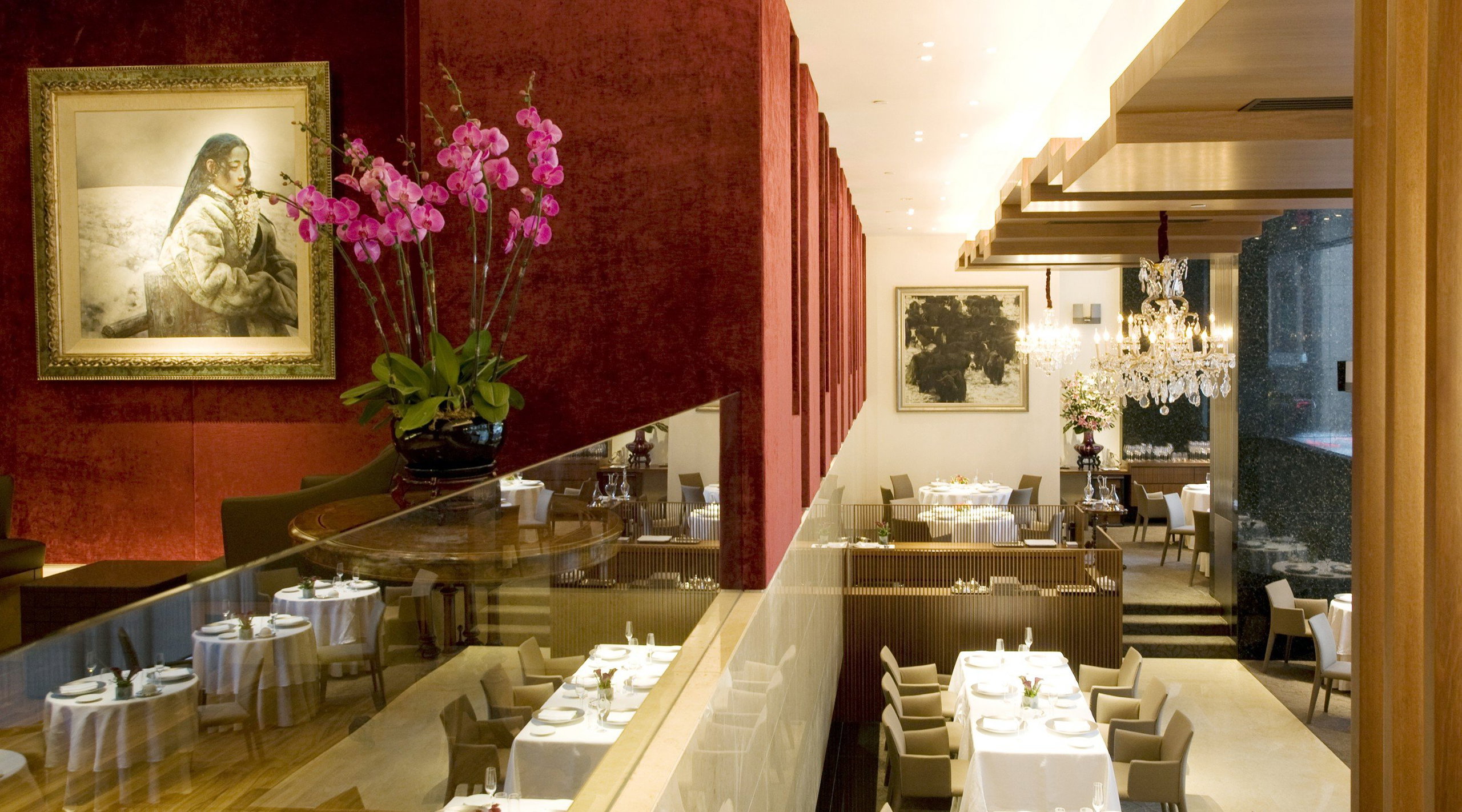
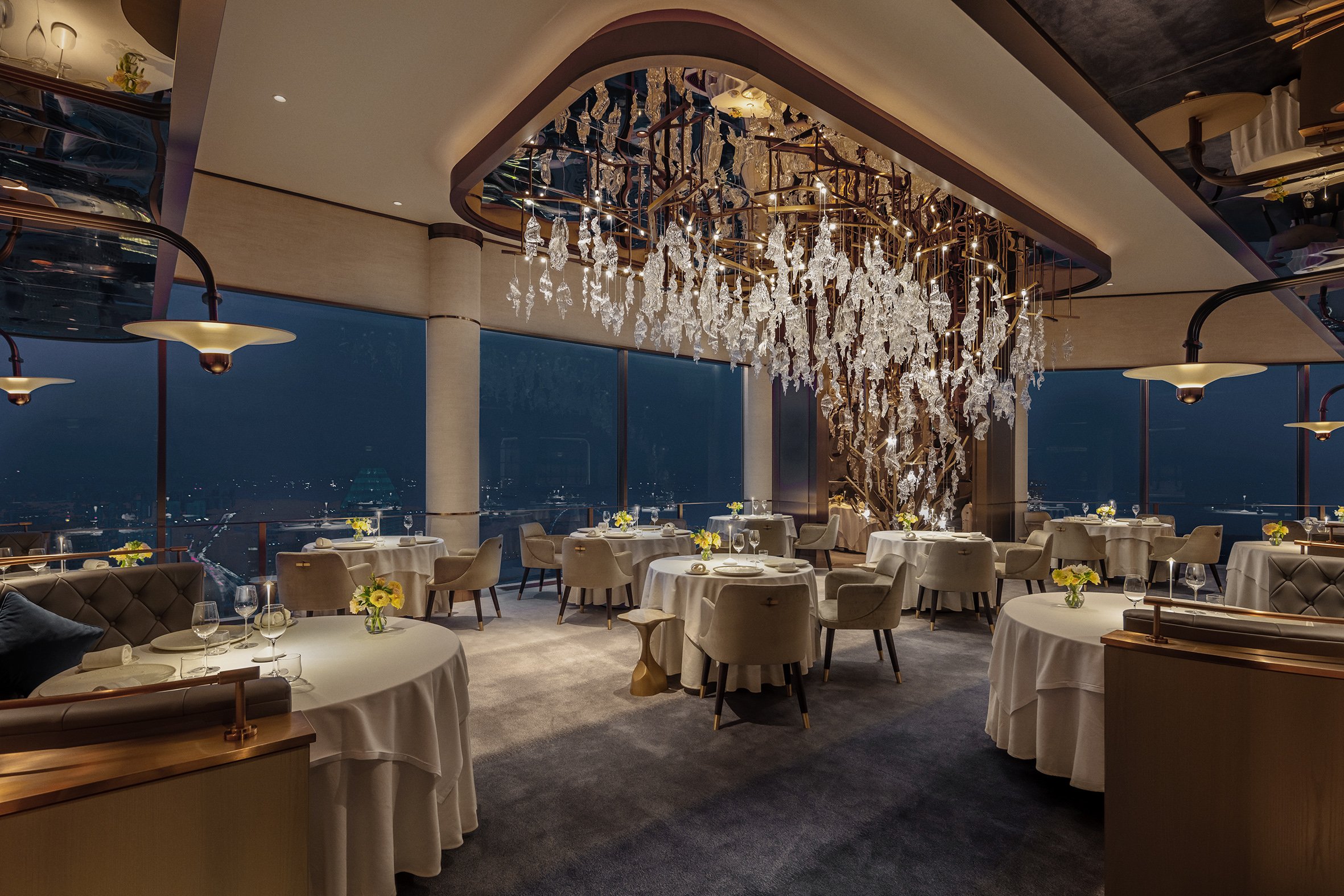
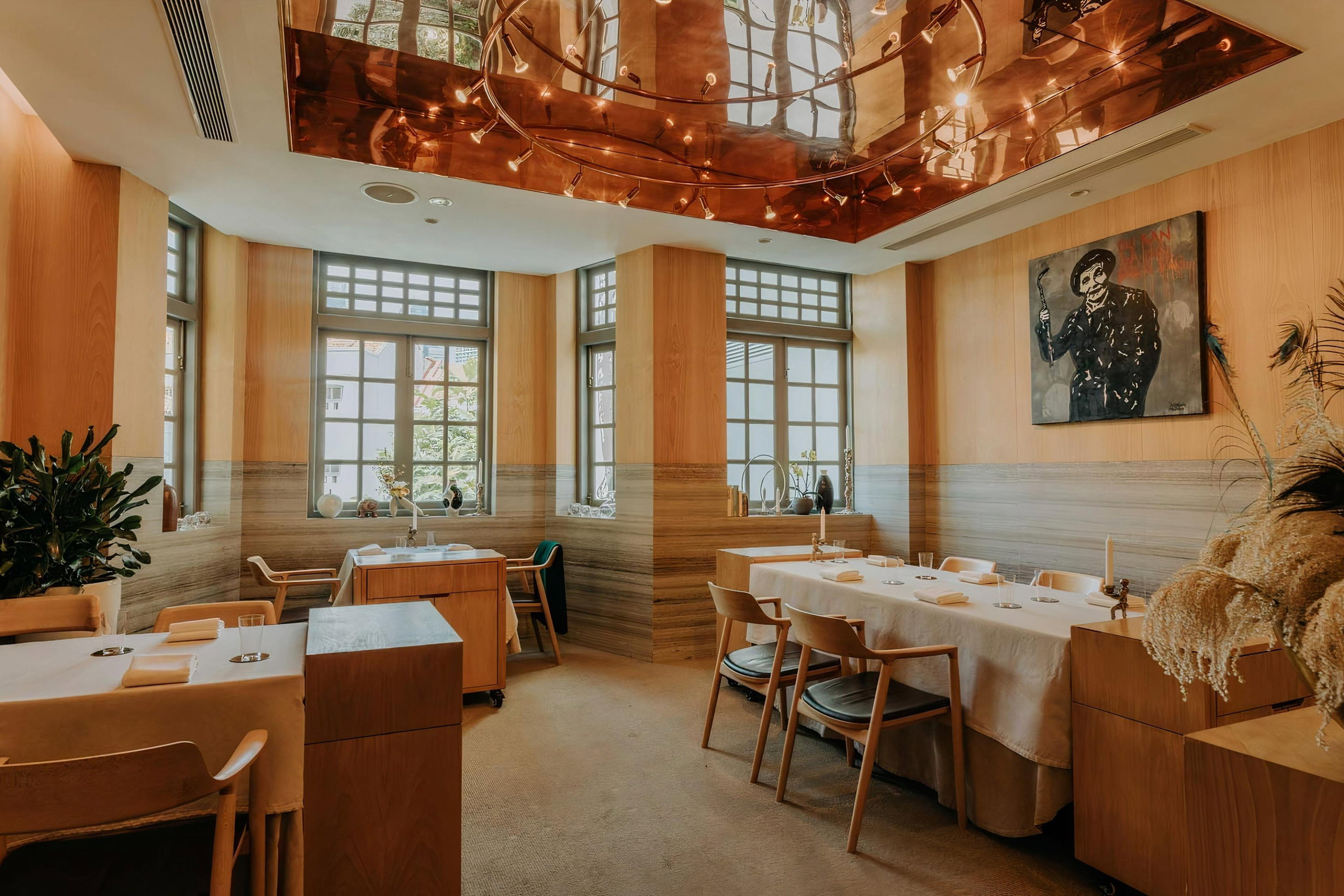
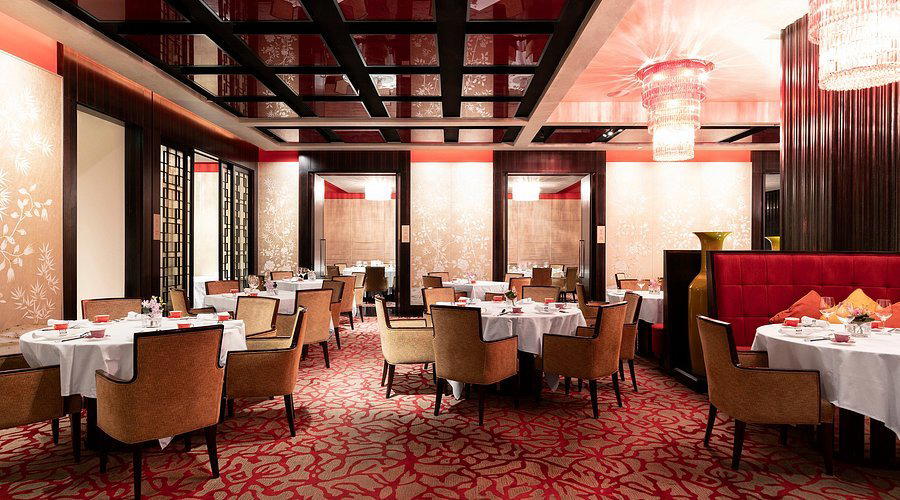 restaurantShang PalaceShang Palace at Singapore is one of the city-state's long-established Cantonese dining rooms, operating at the upper end of the price tier with a wine list of 360 selections and 1,000-bottle inventory weighted toward France. With sommeliers Marcus Tan and Harry Loh managing the floor and Chef Daniel Cheung in the kitchen, the restaurant draws both hotel guests and destination diners seeking classical Cantonese technique in an Orchard fringe setting.
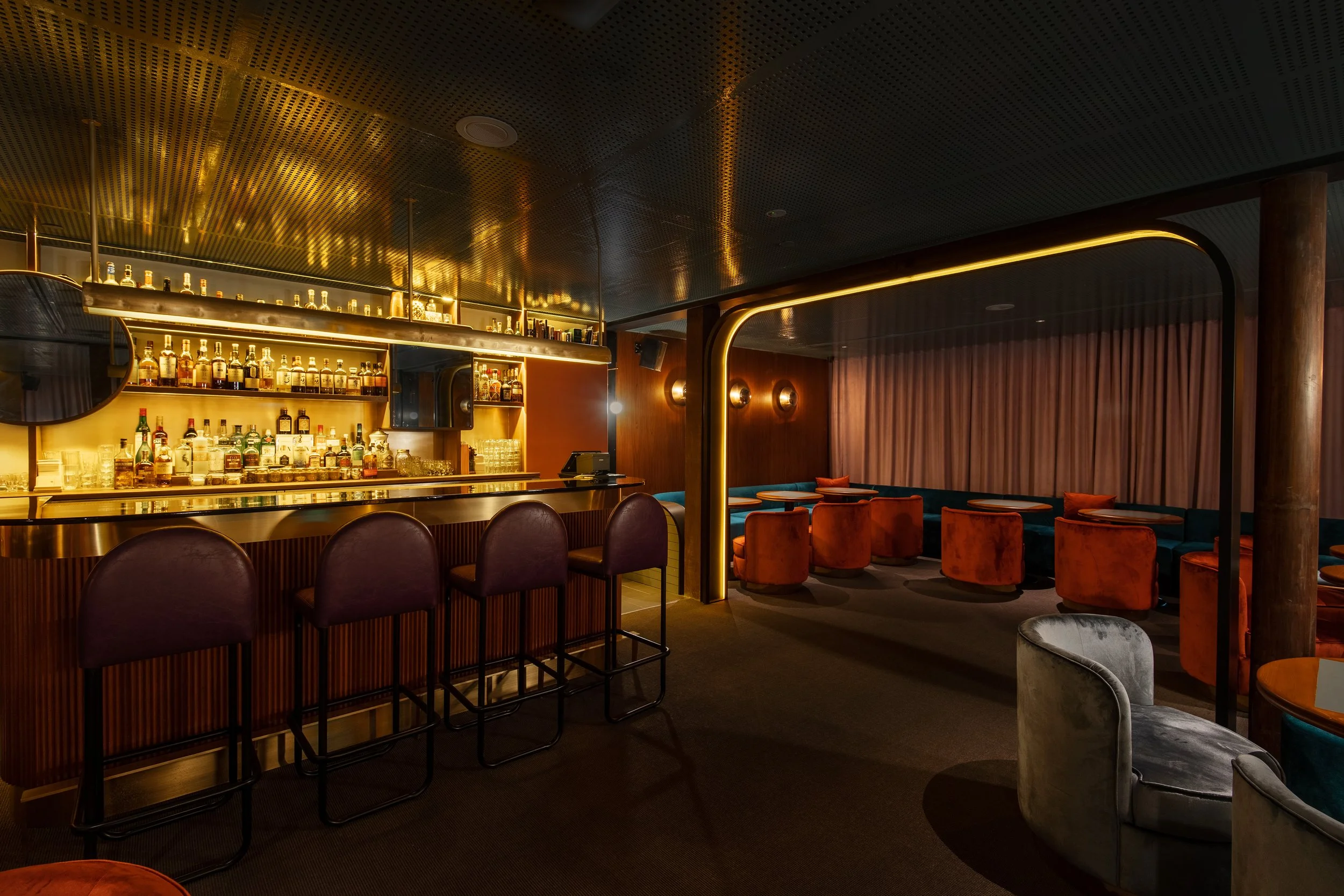
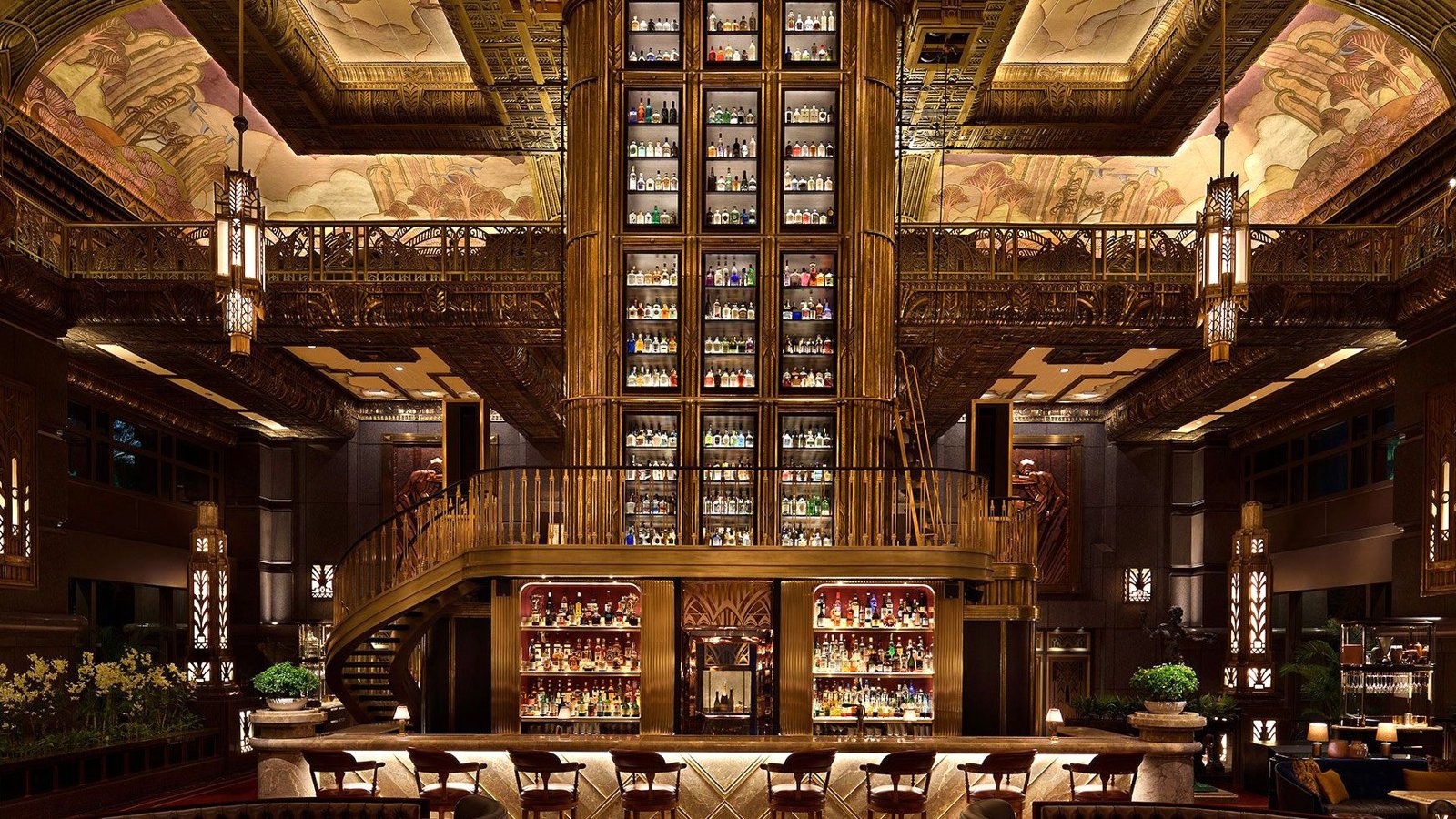
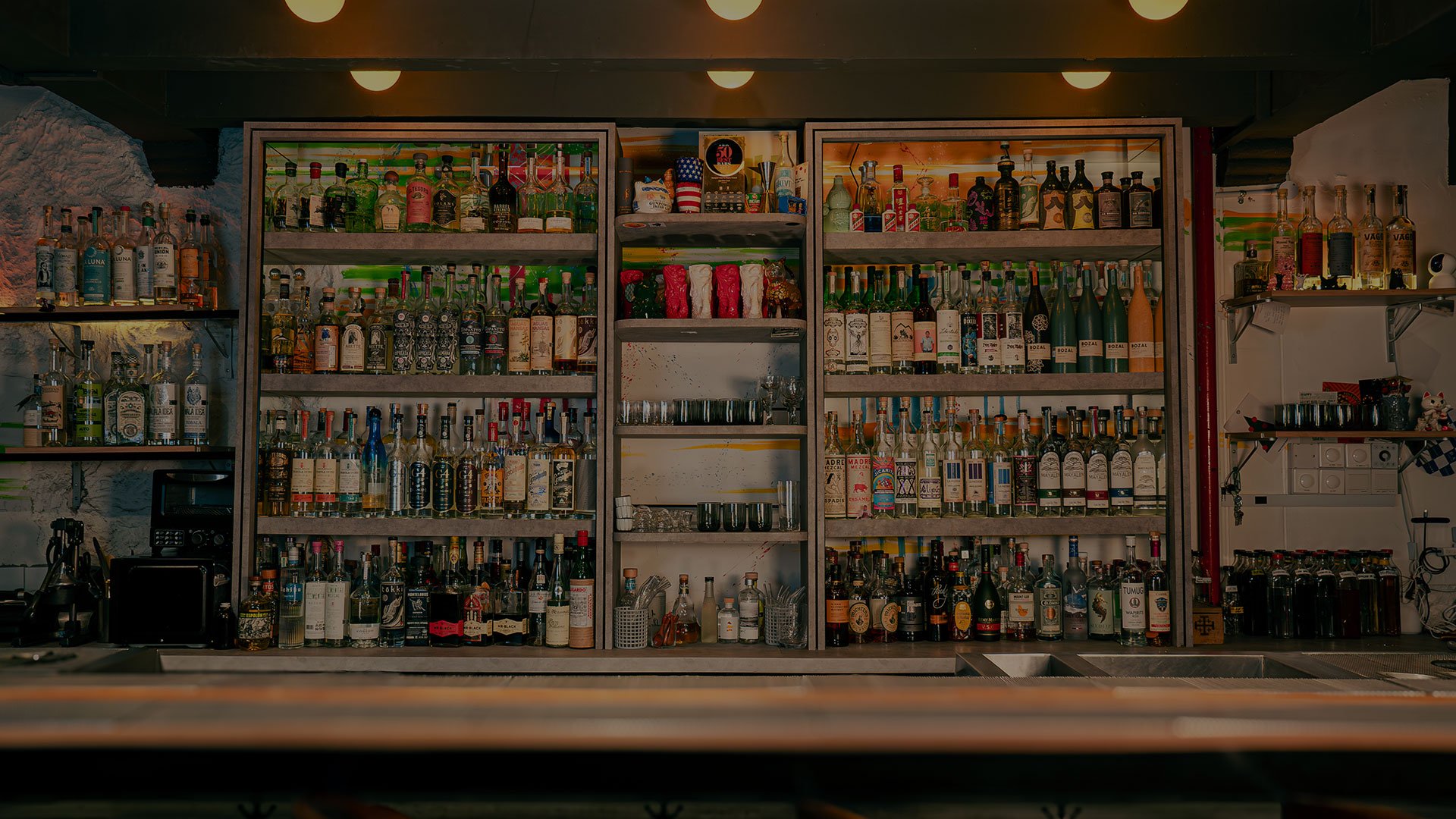
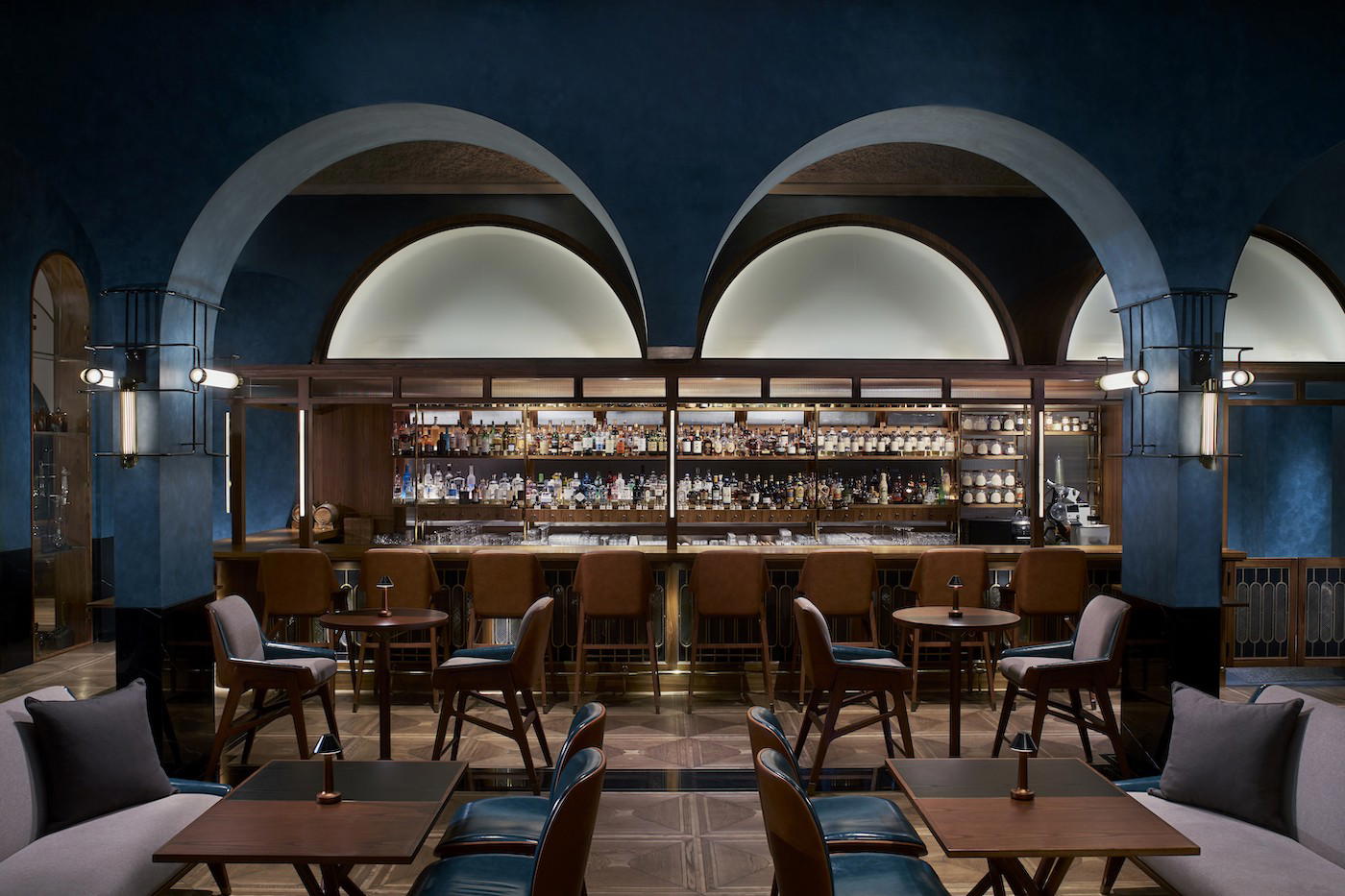 barOrigin BarOrigin Bar sits in the lobby of Singapore on Orange Grove Road, placing it among the city's most credentialed hotel bars. Named to the World's 50 Best Asia's Best Bars list in both 2024 and 2025, and included in Tatler's Best Bars Asia-Pacific 2025, the program balances technically considered cocktails with the kind of warm, unhurried hospitality that distinguishes the better luxury-hotel bar tier from standalone venues chasing awards alone.
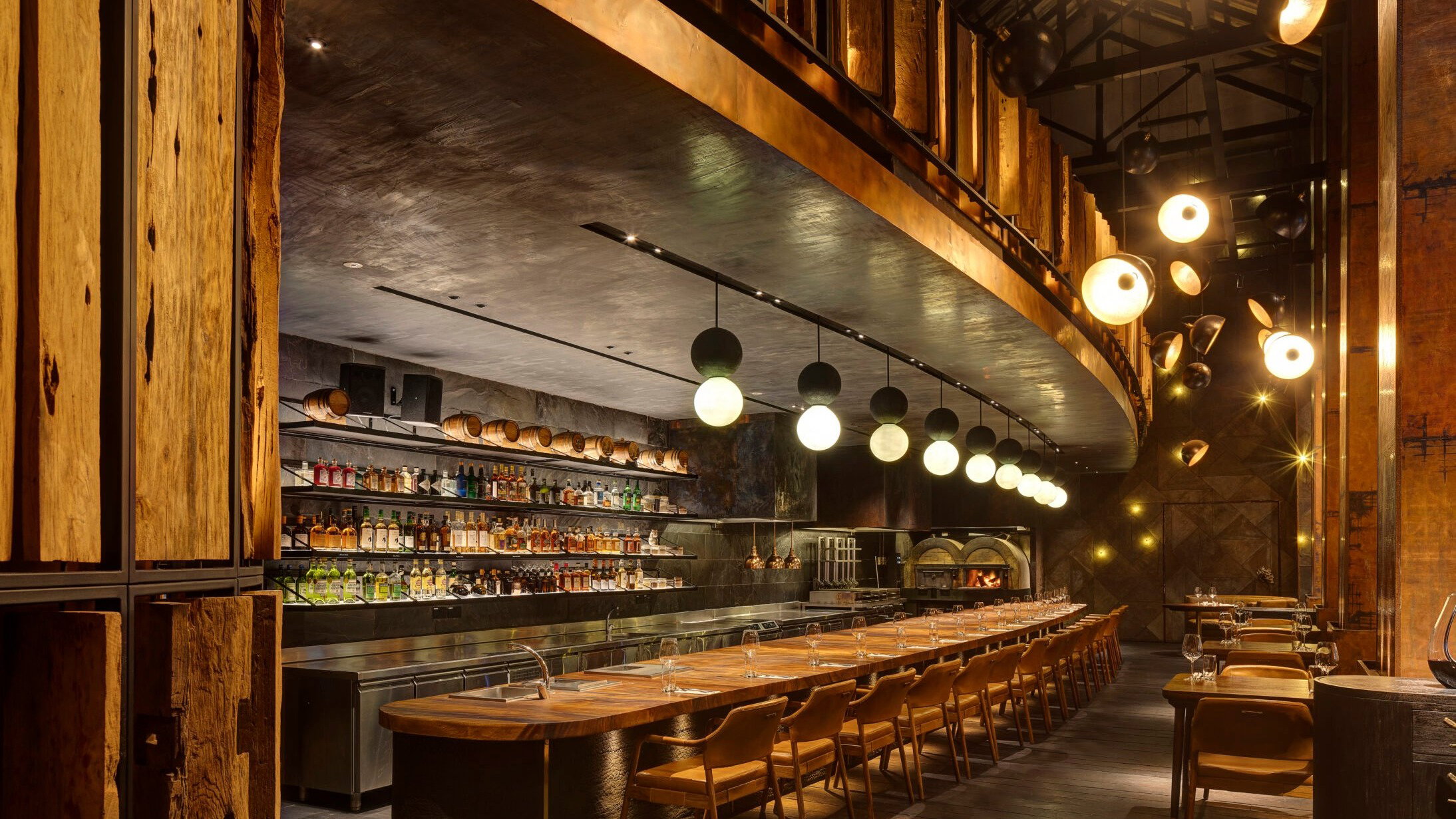
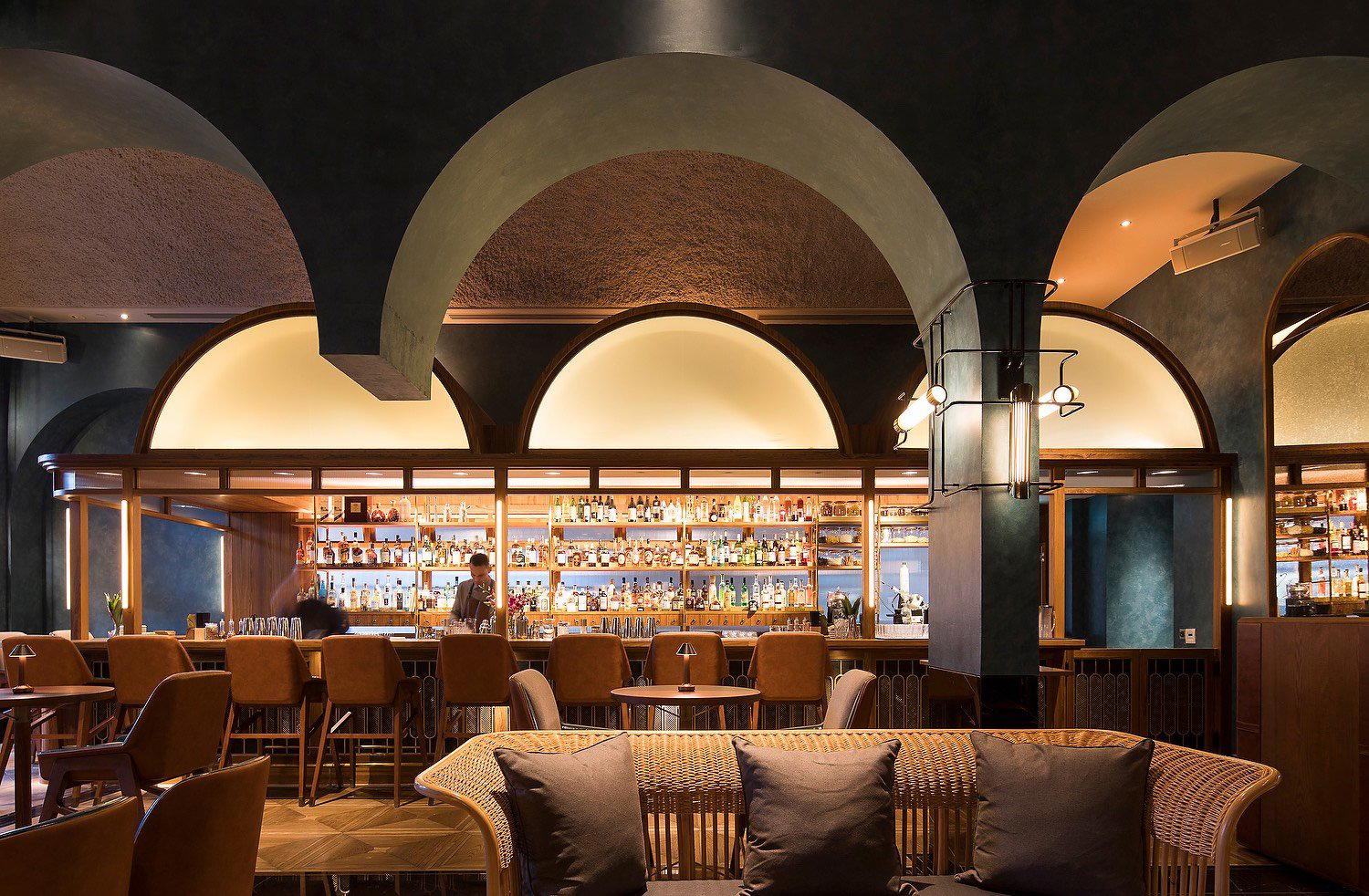 restaurantOrigin Grill in Shangri-la HotelOrigin Grill sits within the Hotel on Orange Grove Road, earning a White Star recognition from Star Wine List for its wine program. The room signals serious intent about sourcing and provenance, placing it in a tier of Singapore hotel dining where the wine list does as much work as the kitchen. For visitors already familiar with the hotel's reputation on the Orchard corridor, it rewards a closer look.
Planning details
- Location
- 22 Orange Grove Rd, Singapore 258350
- Website
- shangri-la.com/singapore/shangrila
- Phone
- +65 6737 3644
The take
The Take
The Vibe
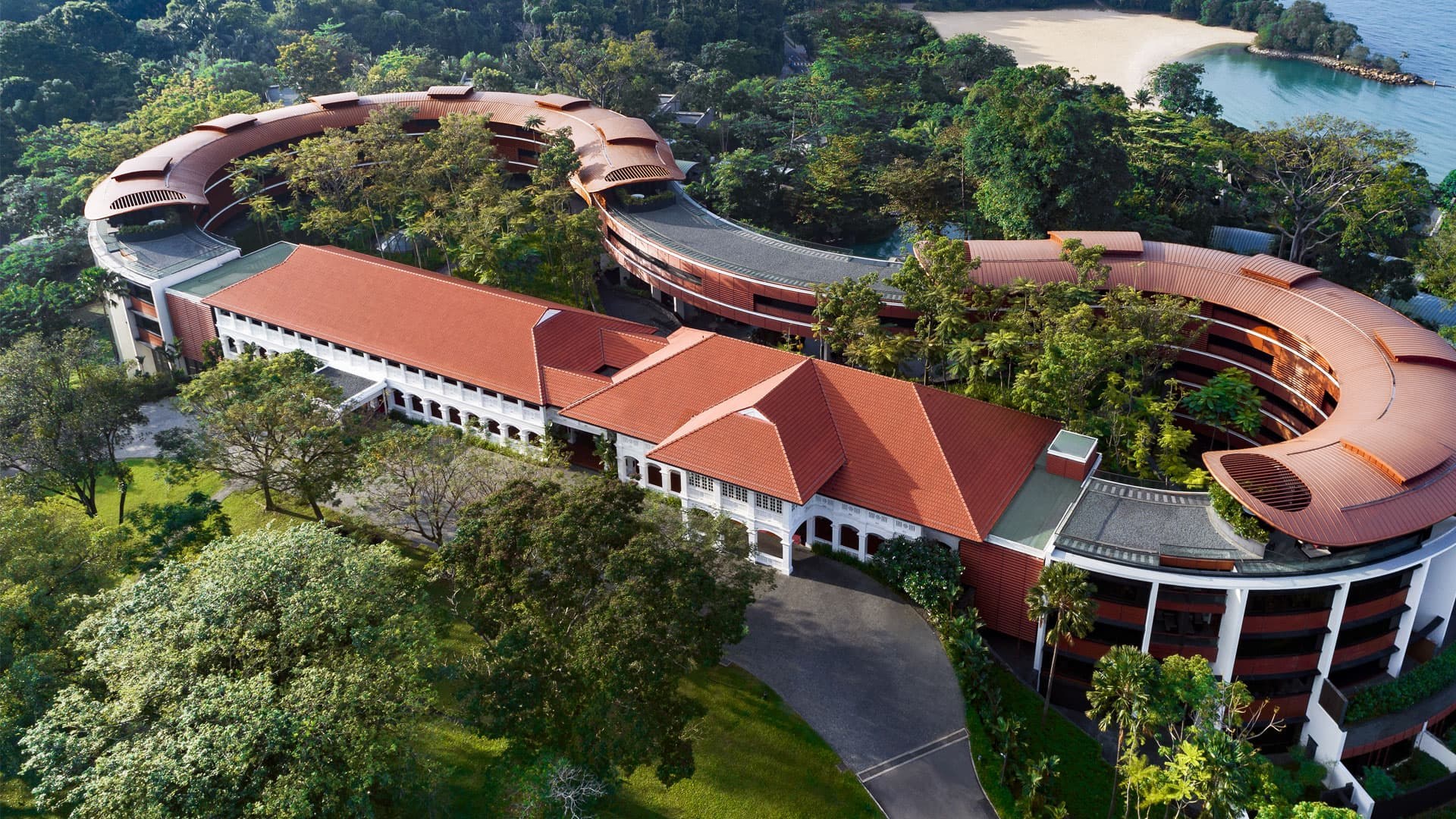
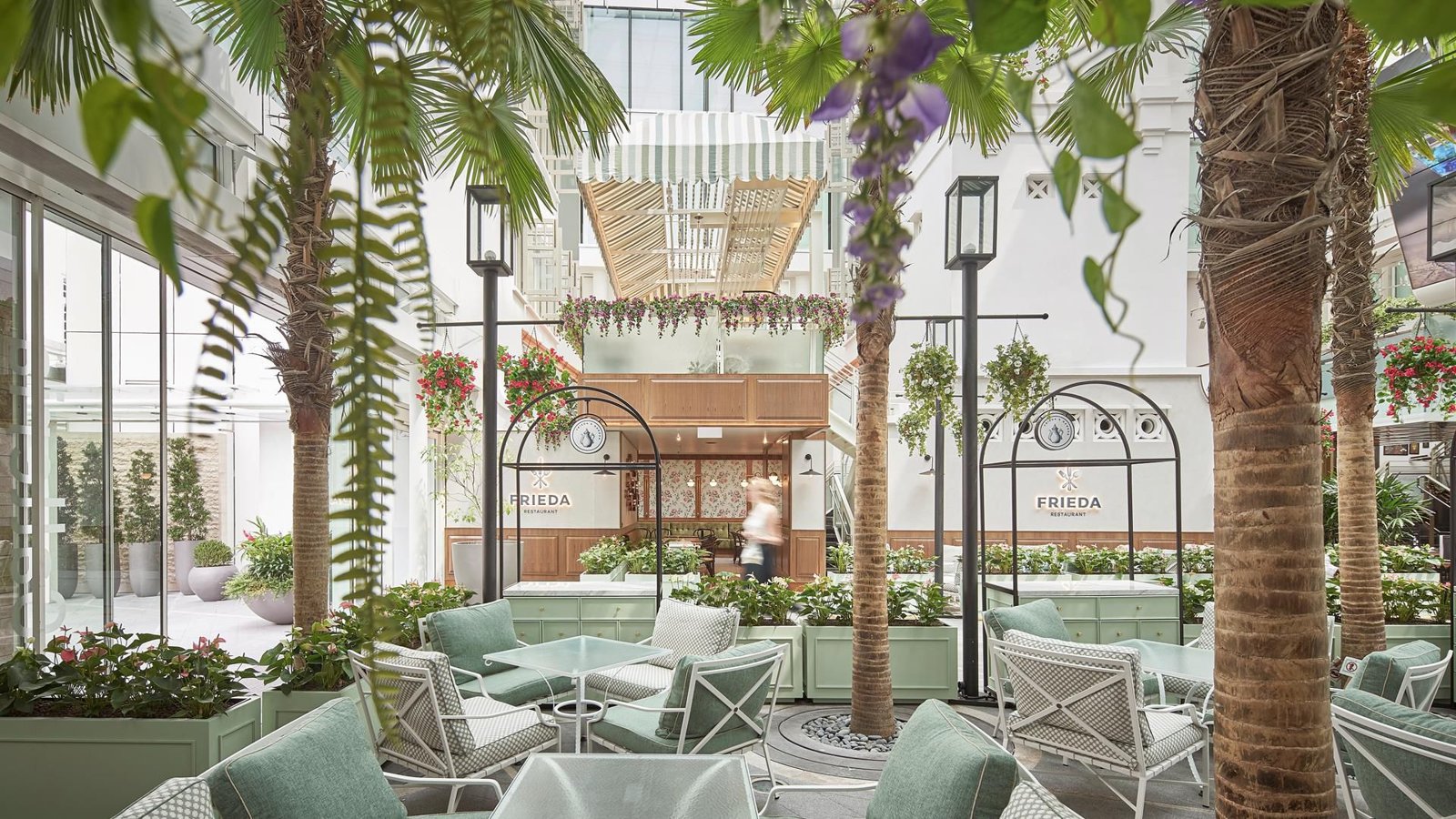
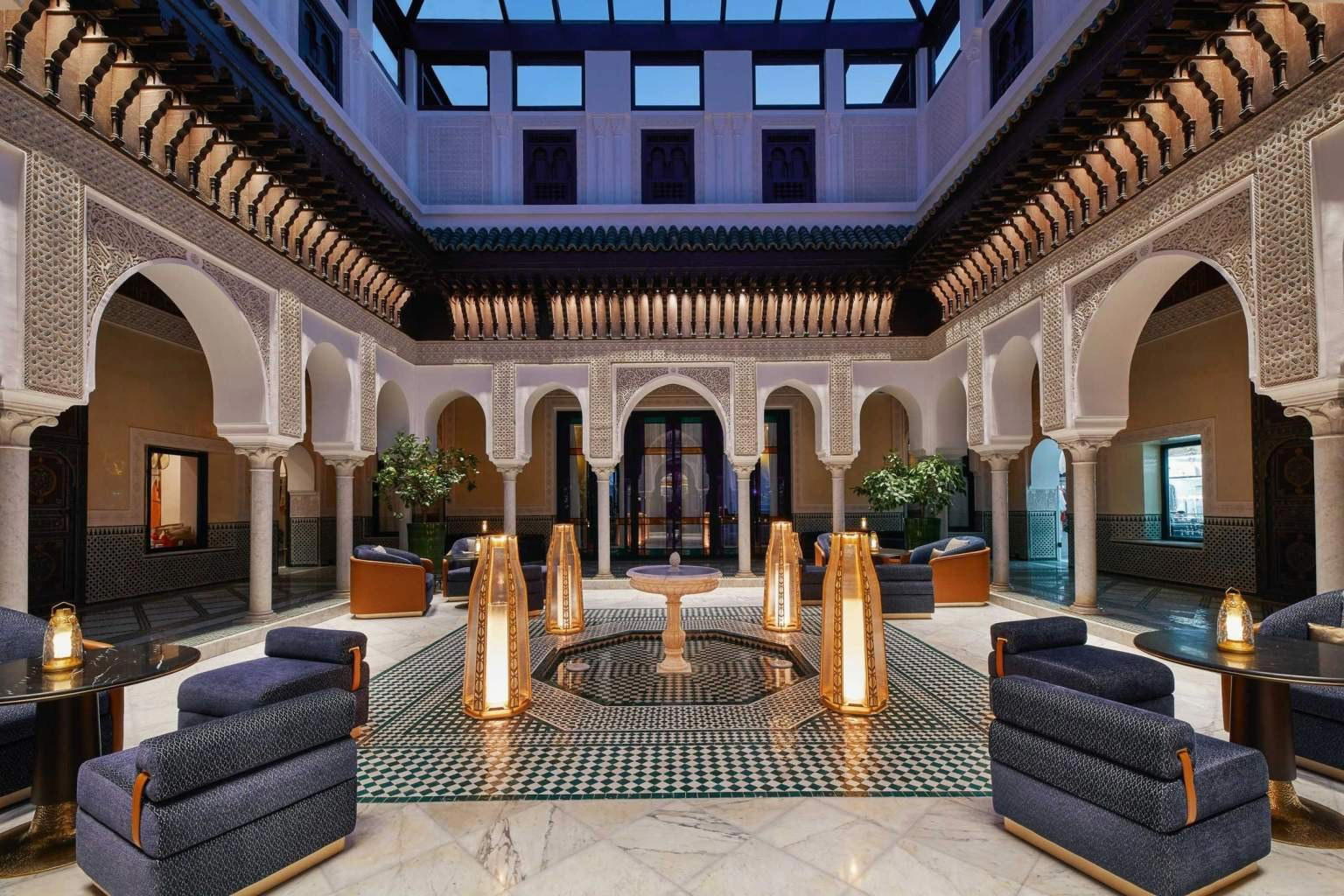
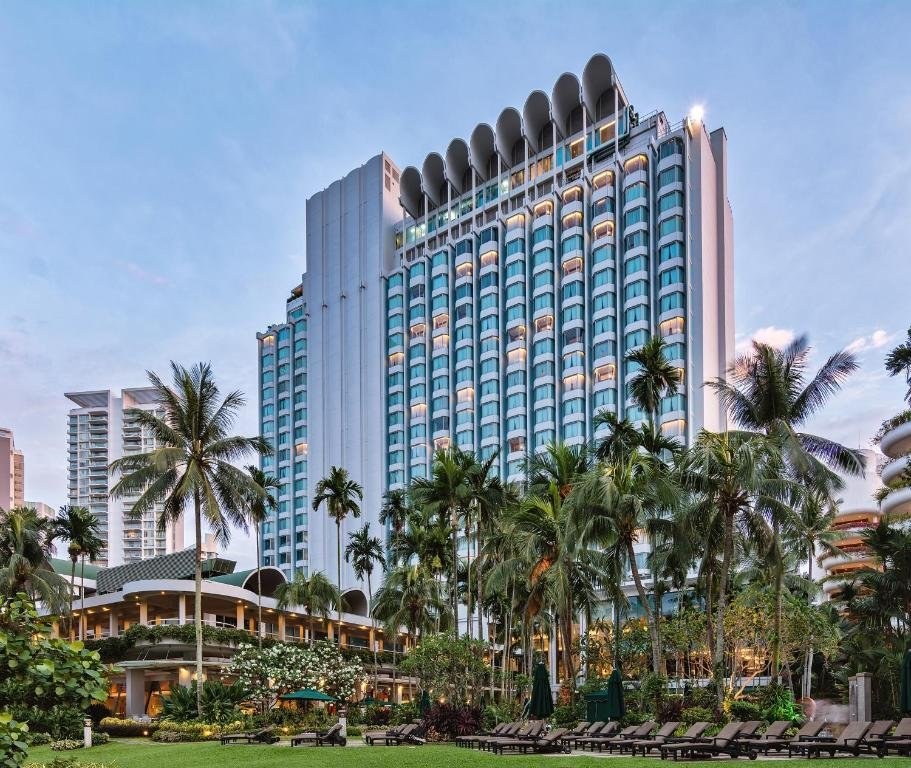
Shangri‑La Singapore reads like a grand urban resort: mature trees, expansive landscaped grounds and a large, multi‑wing building give the property a measured, traditional presence. The hotel leans into its legacy — decades of investment, a high La Liste score and inclusion in regional leading‑hotel lists — which yields a classic, formal character rather than experimental design‑hotel energy. Garden‑facing rooms and the sense of scale create a relaxed, resortlike atmosphere within the centre of the city, inviting guests to treat the hotel as a calm enclave rather than another node on Orchard Road.
Best For
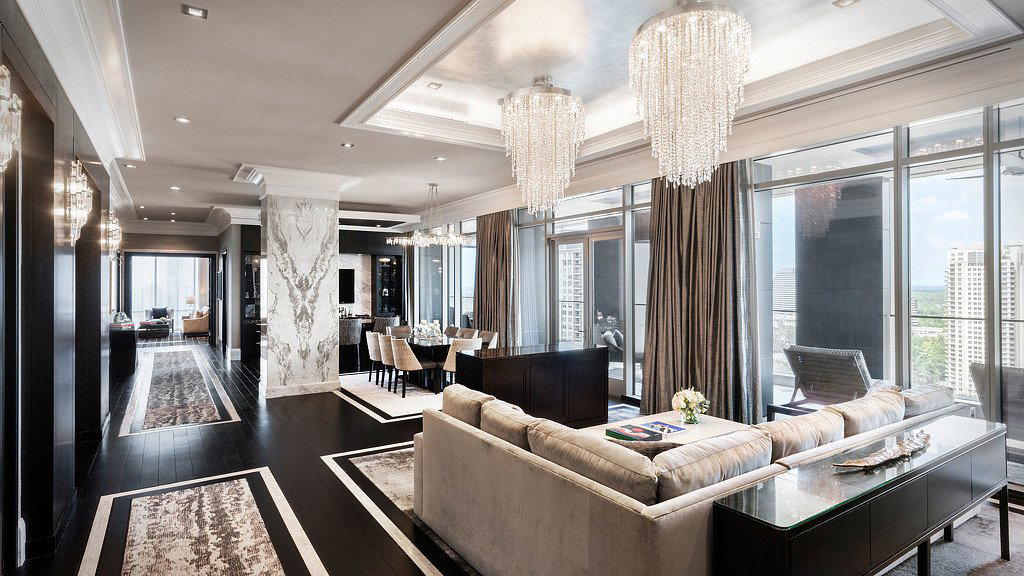
This is a property for travellers who prioritise space, consistency and classic luxury. Families and couples benefit from the gardens and room variety across three distinct wings, while business travellers can rely on the hotel’s proven operational standards and prestige. The hotel’s size and infrastructure also suit guests who value predictable service and a full‑service experience rather than boutique novelty. Because wings and room orientations materially affect outlook and proximity to the gardens, discerning guests who reserve deliberately will get a markedly better stay.
Stay Tips
Book with the wings in mind: the hotel’s three architecturally distinct wings deliver different room types, outlooks and proximity to the gardens, and the copy warns that treating them as interchangeable flattens the experience. If a quieter, green outlook matters, request a garden‑facing room in the Valley Wing. Because the property spans a large footprint and offers many room categories, confirm wing, view and room location at booking to avoid disappointment and to make the most of the grounds and setting.
Venue details
Ambiance
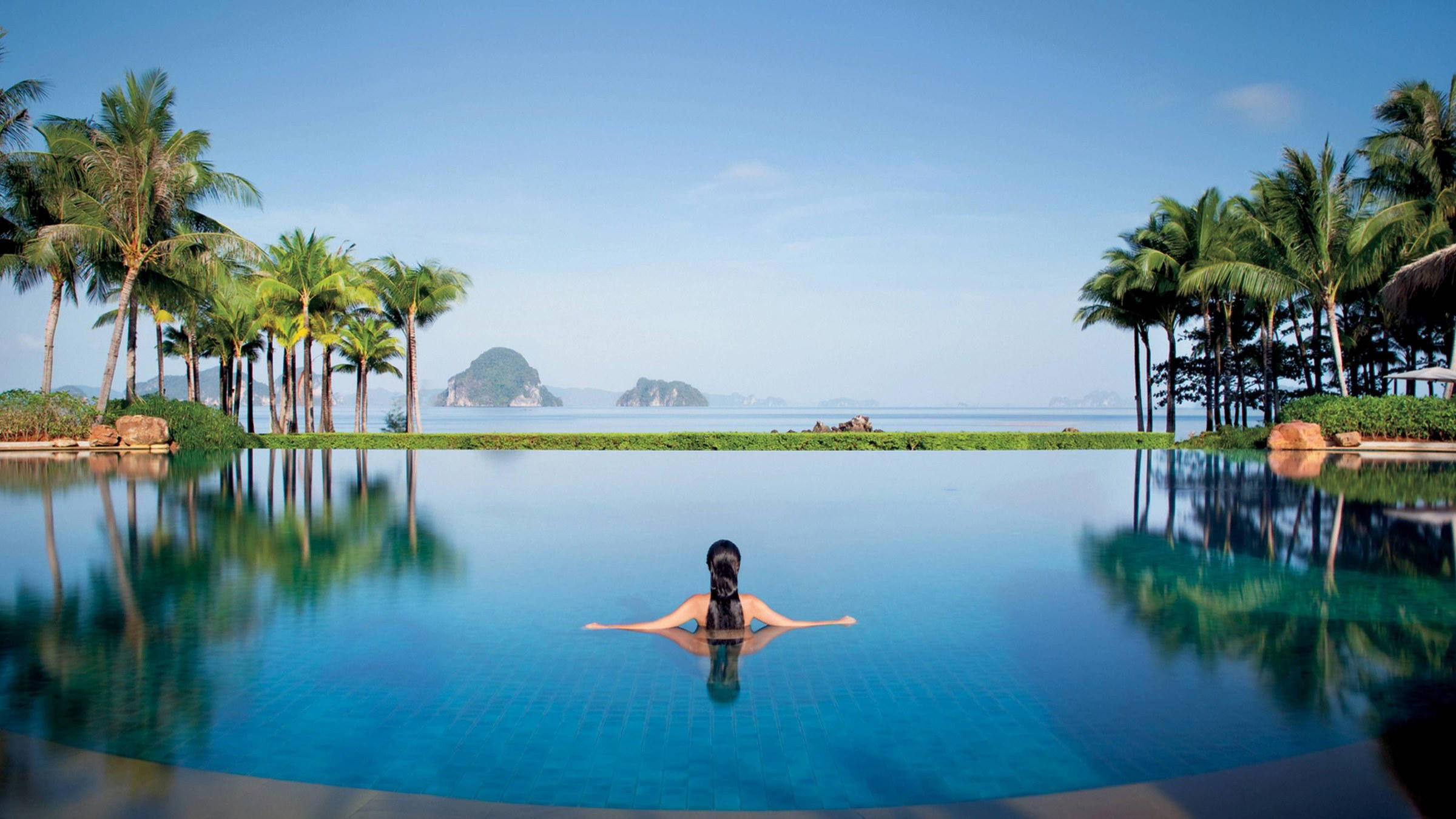
Tranquil and elegant with lush garden views, natural light, and a resort-like atmosphere amid city bustle.
Tags
Vibe
Best For
Experience
Amenities
View
Accessibility
About the Stay
- Rooms
- 747
- Check-in
- 15:00
- Check-out
- 12:00
- Property Type
- Heritage hotel
- Property Style
- Luxury Urban Resort with Garden Sanctuary
- Design Style
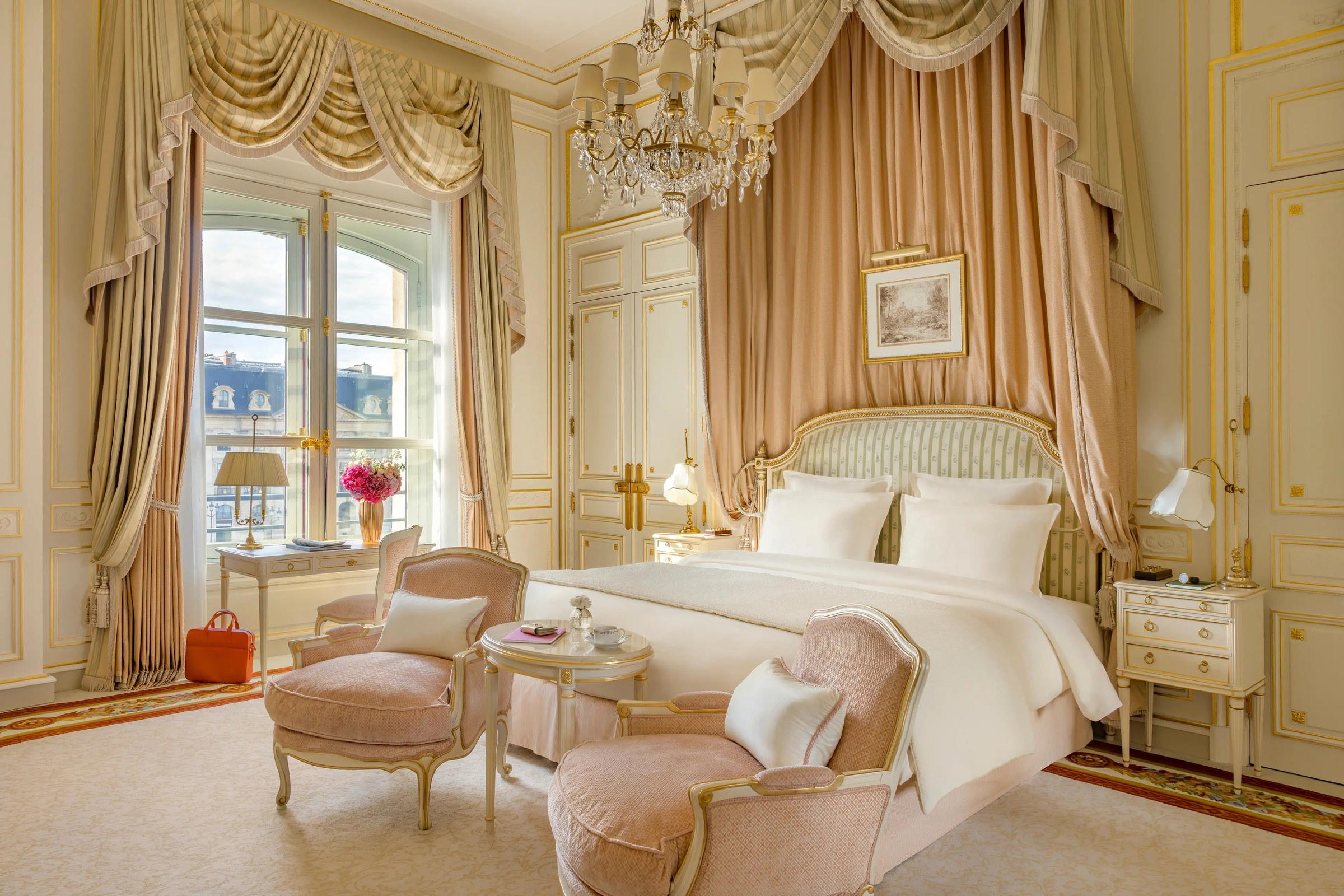
- Elegant Classic with Individual Furnishings
- Airport Transfer
- Available
- Pool
- Yes
- Spa
- Yes
- Families
- Welcome
- Cancellation
- Moderate
Know before you go
Know Before You Go
- Getting there
- 22 Orange Grove Rd, Singapore 258350
Planning details
Location
Recognition and awards


Also consider
Also Consider
- Pan Pacific Orchard, Singapore, Notable alternative
- The St. Regis Singapore, Notable alternative
- Artyzen Singapore, Notable alternative
- The Singapore EDITION, Notable alternative
- Conrad Singapore Orchard, Notable alternative
Hotel context
How Shangri-La Singapore compares in Orchard
Shangri-La Singapore is the safer value call if the priority is established luxury with strong recognition rather than a newer design statement. Pan Pacific Orchard, Singapore and The Singapore EDITION are better cross-shops for travelers who want a more contemporary visual identity and a livelier hotel mood.
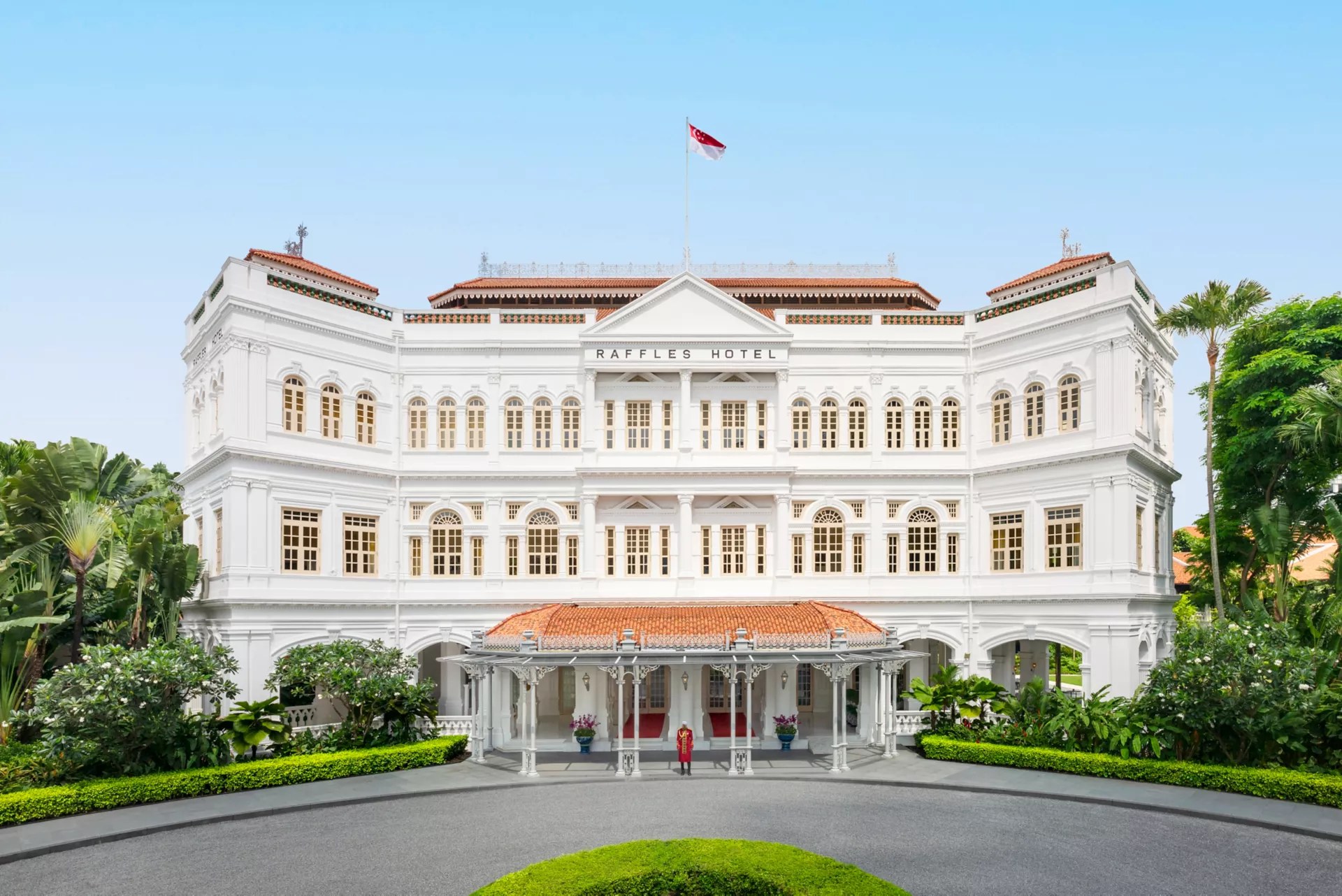
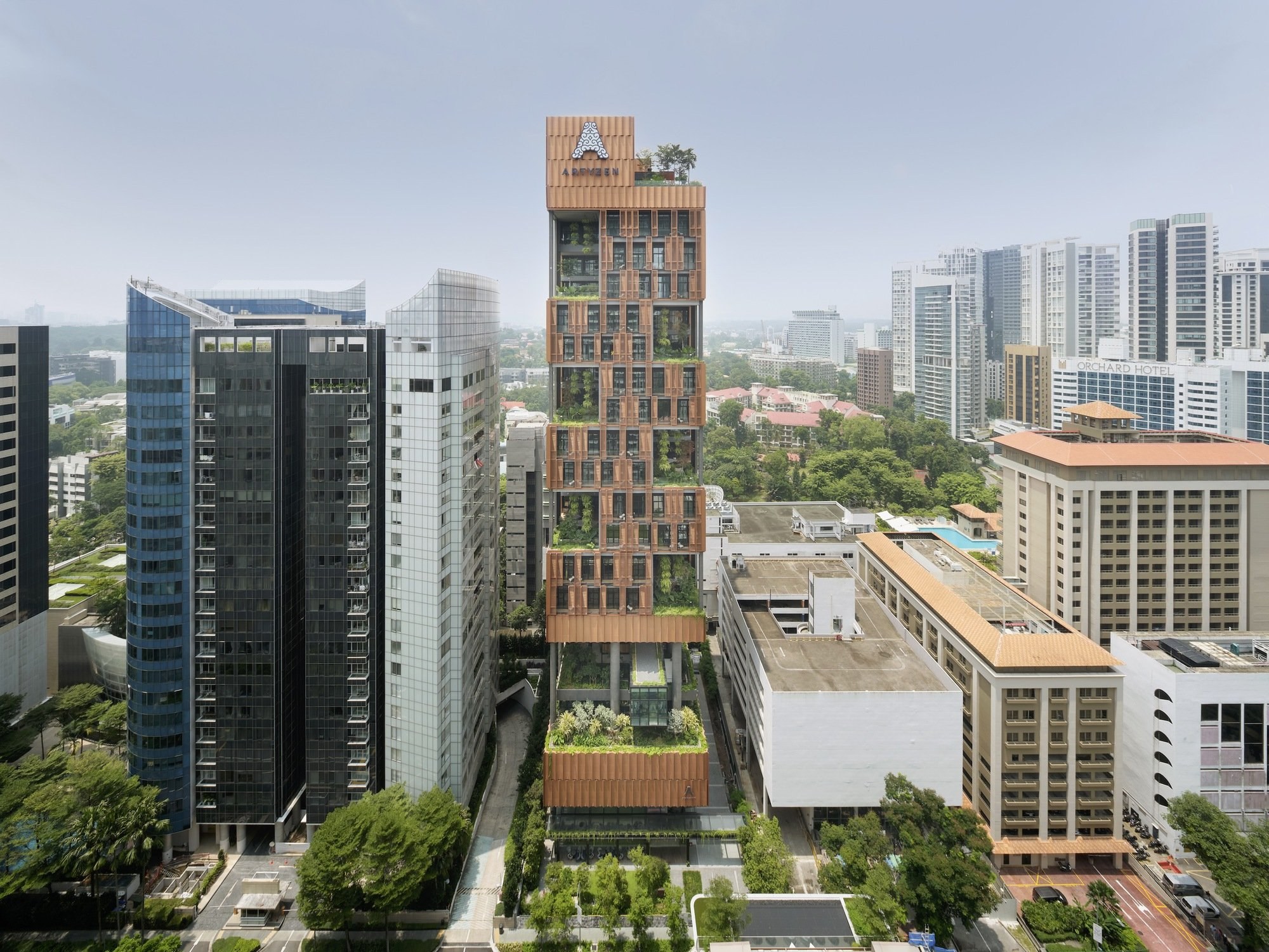
The St. Regis Singapore is the closer comparison for classic luxury positioning, so the decision comes down to whether the traveler wants a more formal grand-hotel feel or a broader resort-style base near Orchard. Artyzen Singapore is the smarter alternative for a smaller, more design-led stay.
Conrad Singapore Orchard is the practical cross-shop for travelers who want Orchard access with a major international hotel structure. Choose Shangri-La Singapore when external hotel recognition and a lower-risk luxury stay matter more than chasing the newest opening.
Explore Singapore
Around this place
Discover more on Pearl
Unlock the full Shangri-La Singapore guide in Pearl, including awards, comparisons, FAQs, planning details, and nearby places.
Compare Shangri-La Singapore
| Venue | Location | Awards |
|---|---|---|
| Shangri-La Singapore | Singapore | 2026 Virtuoso Luxury Hotel Collection2026 La Liste Top HotelsTatler Best Hotels Asia-Pacific 20252025 Michelin Selected Hotels |
| Pan Pacific Orchard, Singapore | Singapore | No published awards |
| The St. Regis Singapore | Singapore | 2026 Forbes 4-Star2026 Virtuoso Luxury Hotel Collection2026 La Liste Top Hotels2025 Forbes 4-Star |
| Artyzen Singapore | Singapore | 2026 Virtuoso Luxury Hotel Collection2026 Forbes Recommended2026 Michelin 1 KeyTatler Best Hotels Asia-Pacific 20252025 Michelin 1 KeyPreferred Hotels Member 2025 |
| The Singapore EDITION | Singapore | No published awards |
| Conrad Singapore Orchard | Singapore | 2026 Forbes 4-Star2025 Forbes 4-Star |




How Shangri-La Singapore compares with similar nearby venues.
FAQ
Frequently Asked Questions
Do loyalty programs work at Shangri-La Singapore?
Shangri-La Singapore is a Virtuoso Luxury Hotel Partner for 2026. For any specific loyalty, benefit, or booking-perk question, check the relevant program or booking channel directly before reserving.
When is the best time to book Shangri-La Singapore?
How does Shangri-La Singapore compare to nearby hotels?
Shangri-La Singapore is the stronger fit if confirmed recognition is the main priority: La Liste Top Hotels 2026 scores it at 94.5 points, Tatler lists it among its 2025 Asia-Pacific hotel picks, it is a Virtuoso Luxury Hotel Partner for 2026, and it was selected by the MICHELIN Guide Hotels in 2025. For a different hotel feel, compare it with The Singapore EDITION, Artyzen Singapore, Pan Pacific Orchard, Singapore, Conrad Singapore Orchard, or The St. Regis Singapore.
How is the location of Shangri-La Singapore?
Shangri-La Singapore is in Singapore. Use current maps and official hotel information for route planning.