


21 Carpenter
BOAT QUAY, Singapore
Hotel in Singapore, Singapore
 Book with Pearl
Why go
21 Carpenter is a good Singapore pick for travelers who want a design-led central base rather than a large landmark hotel. Book it for location and atmosphere; cross-shop The Fullerton or The Capitol Kempinski if the trip needs grander service infrastructure or a more self-contained hotel stay.
About 21 Carpenter
21 Carpenter is a hotel in Singapore with recognition from Tatler, the MICHELIN Guide, Design Hotels, and Mr & Mrs Smith. The dress code is smart casual. Those are the firm starting points for evaluating it, and they are useful because they come from named hotel-recognition sources rather than from assumptions about what the property may include.
The practical decision is whether 21 Carpenter fits the kind of Singapore stay you want. If you are comparing hotels, consider it alongside The Fullerton Hotel Singapore, The Capitol Kempinski Hotel Singapore, PARKROYAL COLLECTION Pickering, Singapore, Hotel Mono, and Mett Singapore, then confirm the details that matter most for your trip with each property. Use the recognition as a guide, then let direct confirmation answer the operational questions.
Book it for confirmed hotel recognition, not extras
The clearest trust signals for 21 Carpenter are its recognitions: Tatler 2025 listing in Best Hotels Asia-Pacific, MICHELIN Guide Hotels Selected 2025, 2026 Design Hotels Member status, and the Mr & Mrs Smith Seal of Approval for 2026. Those are the safest facts to rely on when assessing the hotel. Taken together, they indicate that the property has appeared in multiple established hotel-selection contexts, which can be meaningful for travelers who prefer to begin with vetted options. Still, the value of those recognitions is strongest when they are used for what they actually confirm: that 21 Carpenter has been acknowledged by those specific sources. They should not be stretched into promises about every part of the guest experience.
Consider the details that matter most before booking, including restaurant format, room views, facilities, loyalty benefits, meeting setup, family services, or exact location details beyond Singapore. Those are not minor details for many trips; they can affect the comfort, convenience, and overall fit of a stay. A smart casual dress code gives some guidance on tone, but it does not answer questions about what is available on-site, how rooms differ, or how the hotel handles particular guest needs. For dining plans, use Pearl's Singapore restaurants guide. For broader hotel research, use 's full Singapore hotels guide. For evening planning, use Pearl's Singapore bars guide.
Who should cross-shop before committing
Travelers who need specific facilities, a particular room type, a defined dining program, or detailed service information should cross-shop carefully and verify those points before booking. Relevant Singapore hotel comparisons include The Fullerton Hotel Singapore, The Capitol Kempinski Hotel Singapore, PARKROYAL COLLECTION Pickering, Singapore, Hotel Mono, and Mett Singapore. This is especially important when the success of a trip depends on confirmed logistics rather than general appeal. If you are traveling for a tightly planned itinerary, coordinating with others, or simply know that certain hotel features are non-negotiable, the safer move is to contact each property directly and compare answers side by side. 21 Carpenter may be a strong candidate on the basis of its recognition, but the final choice should rest on the details that are actually for your stay.
Planning details
- Location
- 21 Carpenter Street, Singapore 059984, Singapore
- Website
- marriott.com/en-us/hotels/sintc-21-carpenter-singapore-a-member-of-design-hotels/overview
- Phone
- +65 6373 6988
The take
The Take
The Vibe
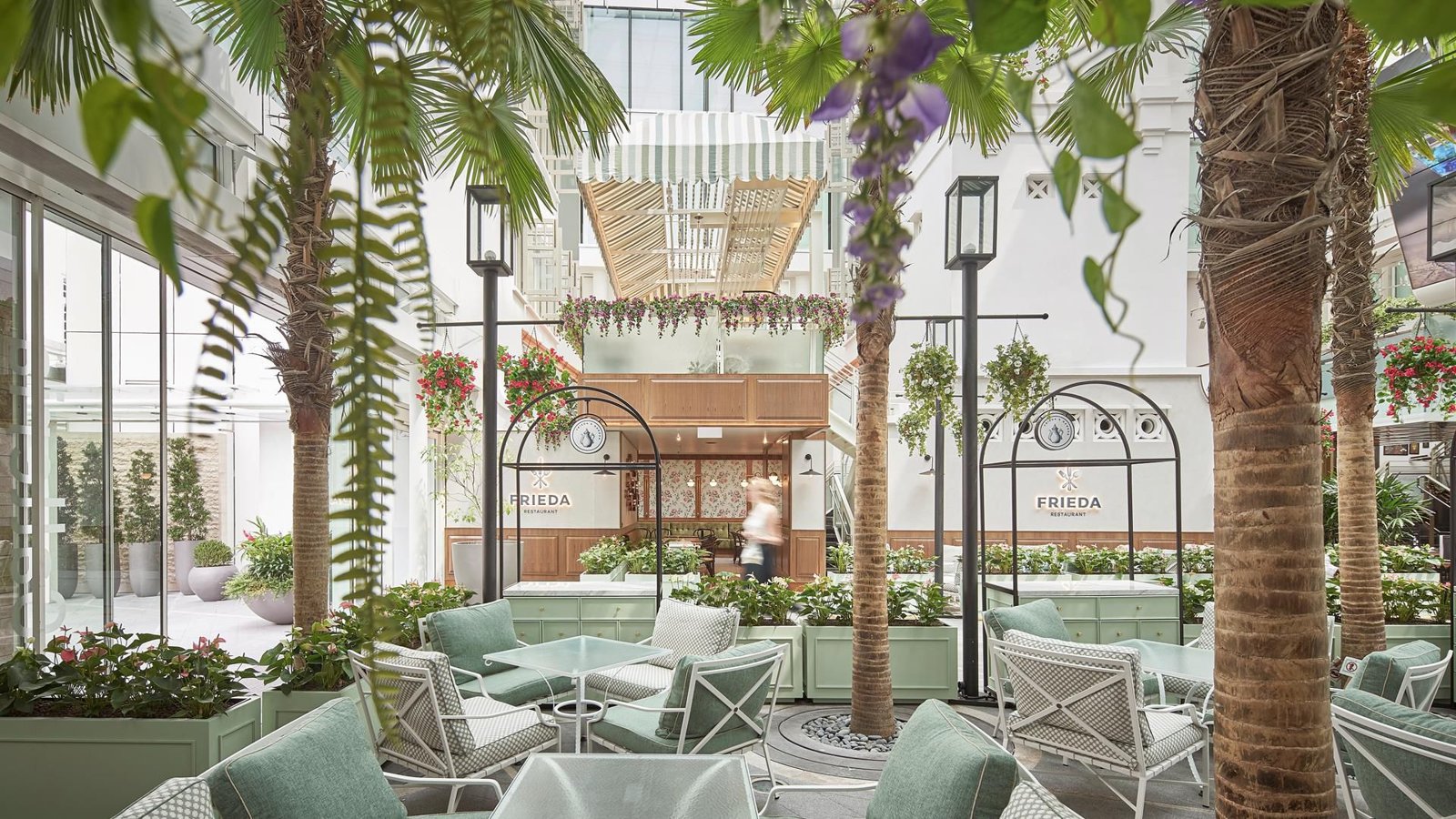
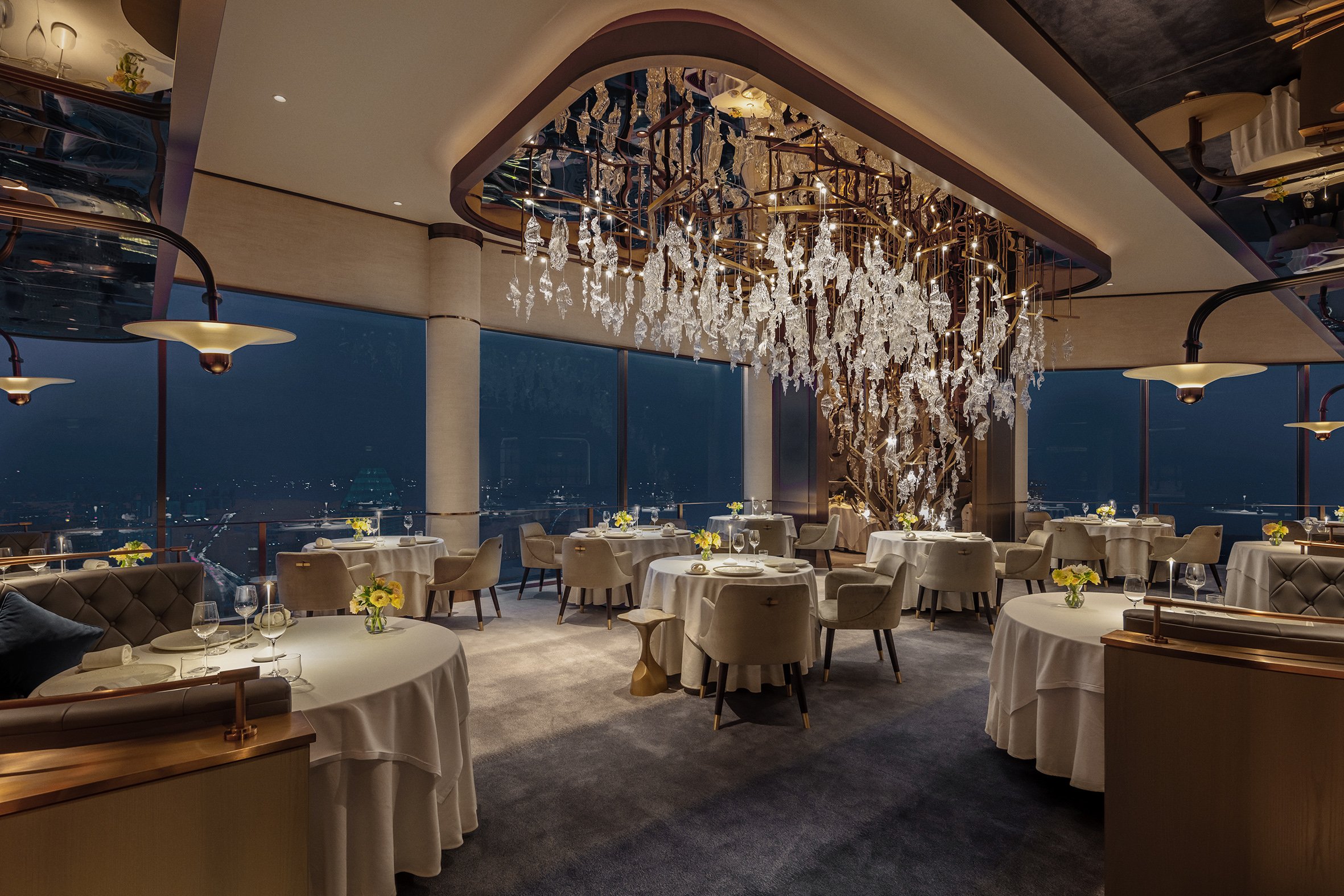
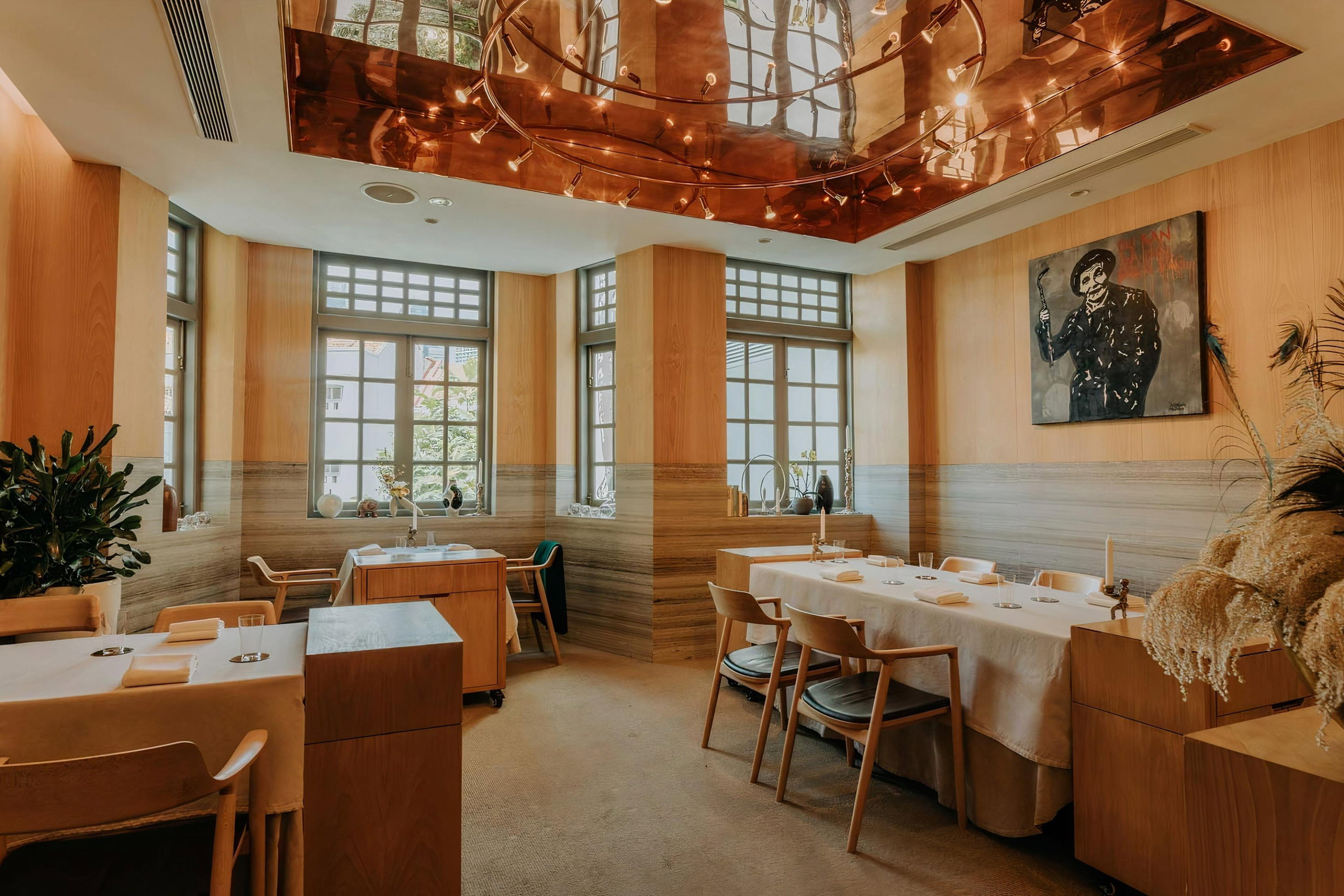
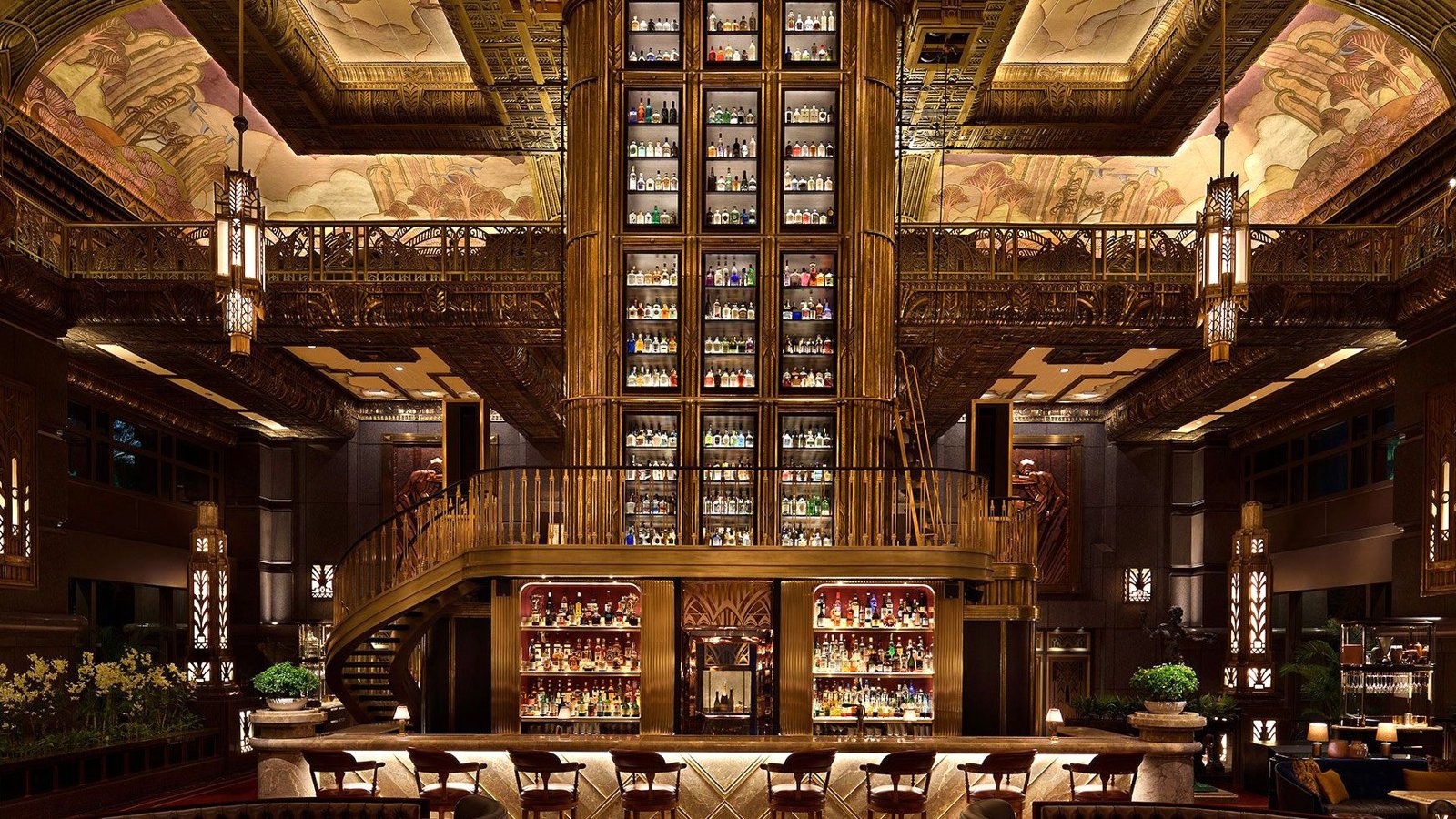
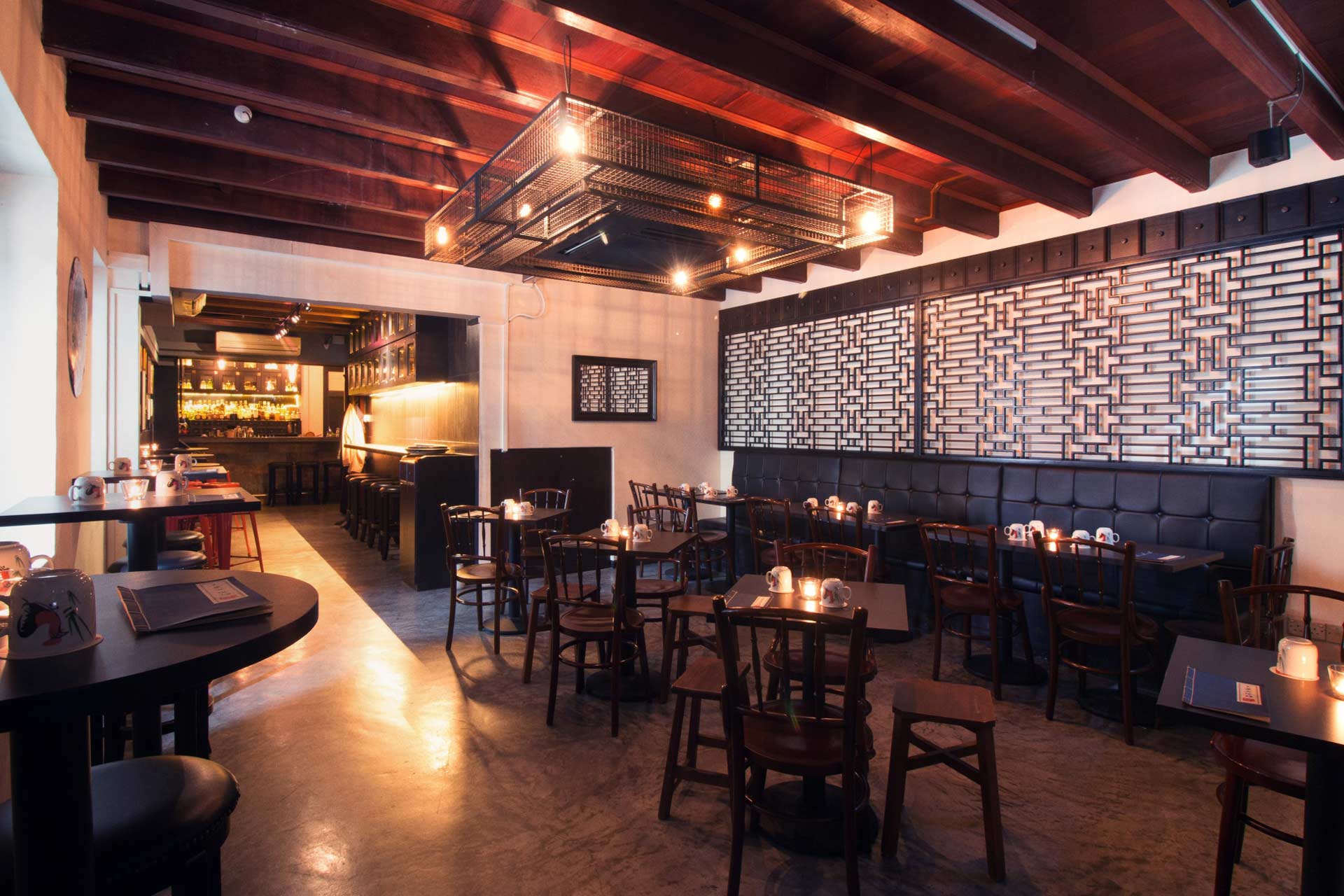
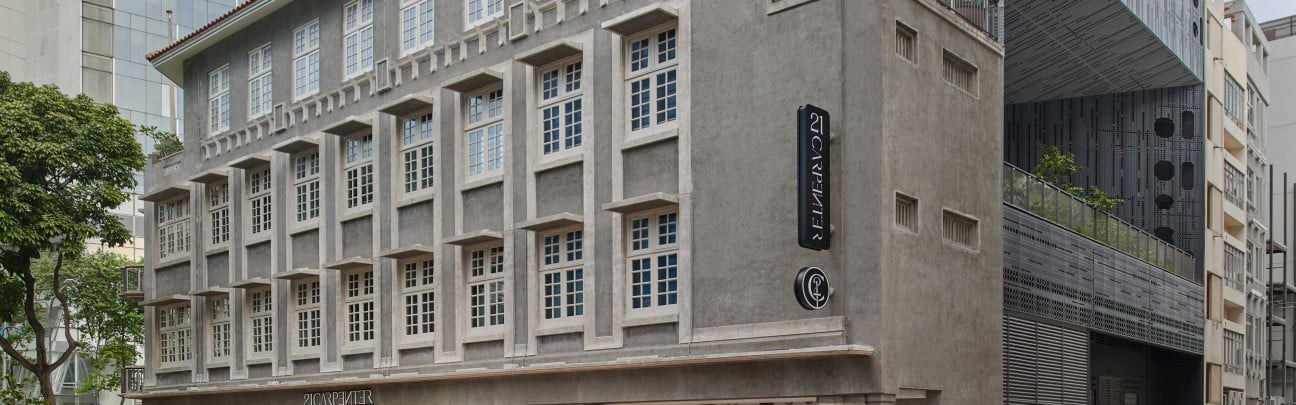
21 Carpenter presents itself as a quietly assured boutique rooted in Singapore’s conserved Chinatown–Clarke Quay fabric. The property reads like a restored 1930s remittance house: proportions, materiality and shophouse facades are preserved rather than reimagined. That restraint yields an understated but distinct personality — it leans away from spectacle and toward architectural integrity, small footprints and neighbourhood provenance. Guests encounter a hotel that favors context over trendiness, where the surrounding pedestrian energy and historic streetscape inform the experience more than bravura design gestures.
Best For
This is a hotel for travelers who prize intimacy and a strong sense of place. With a niche, limited-keys format and a location embedded in the conserved streetscapes of Chinatown and the river precinct, 21 Carpenter suits couples seeking a quiet, characterful romantic getaway, business travelers after a compact, well-located base, and visitors looking for a weekend escape that trades large-scale hotel amenities for architectural authenticity and proximity to local life.
Venue details
Ambiance
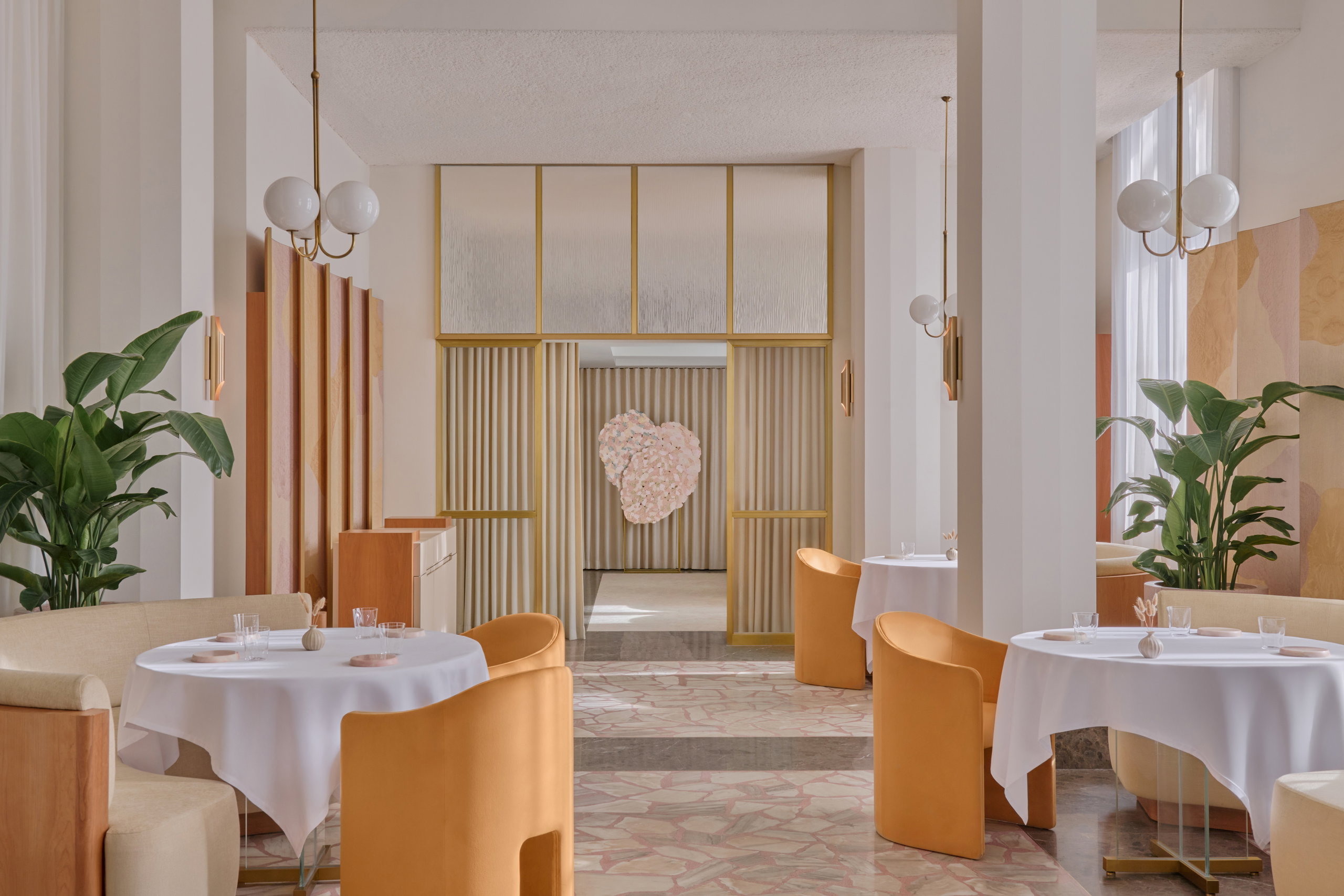
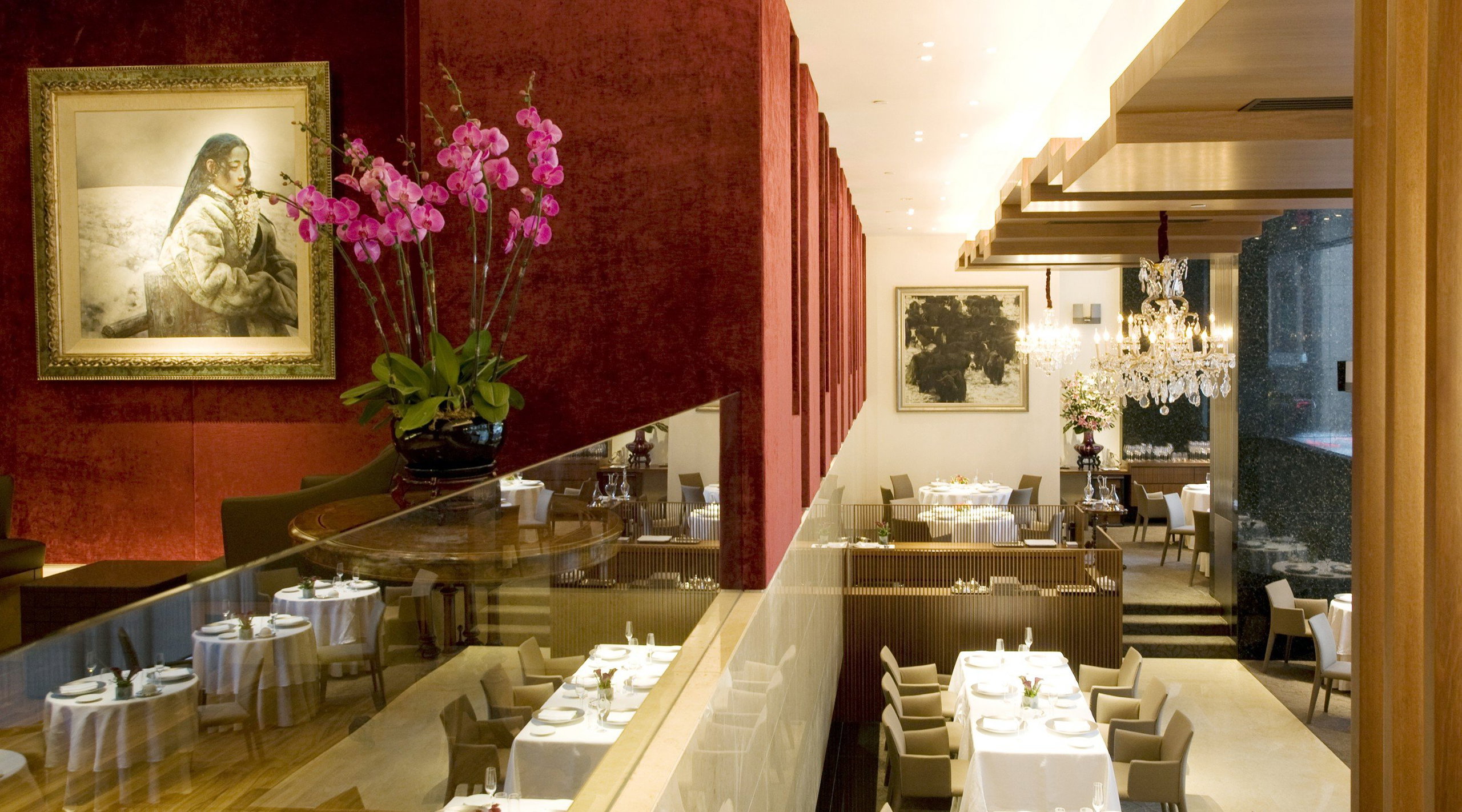
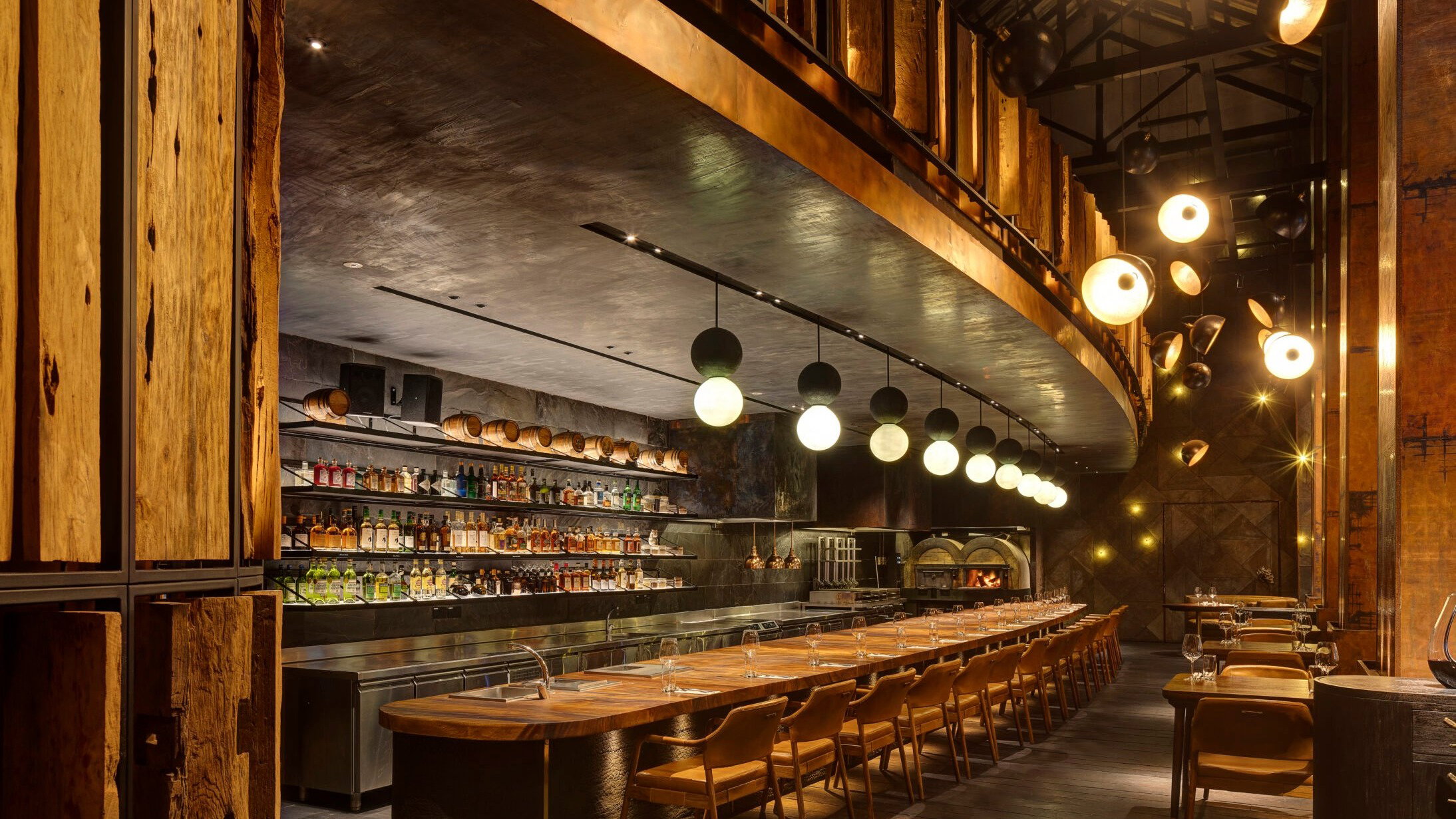
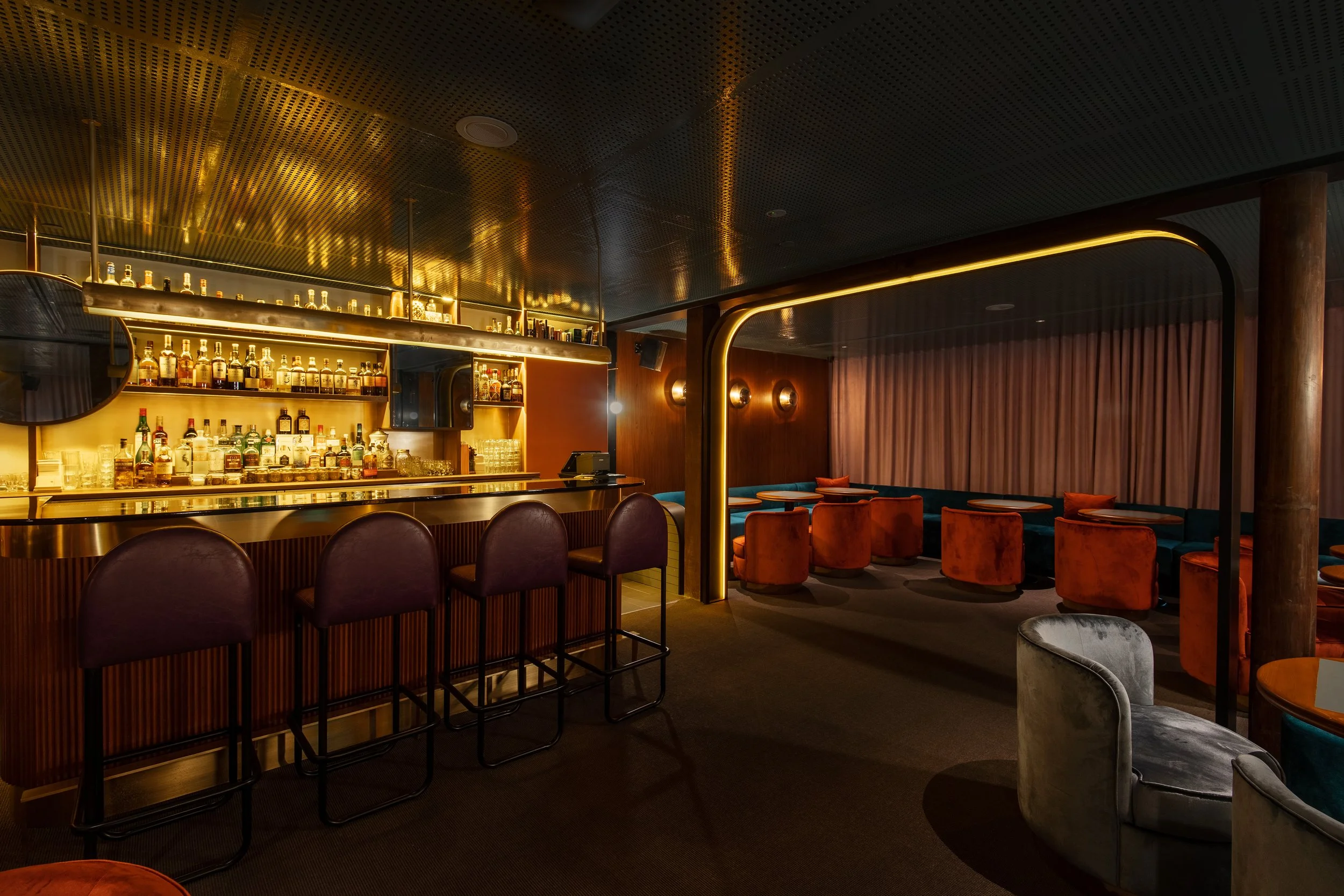
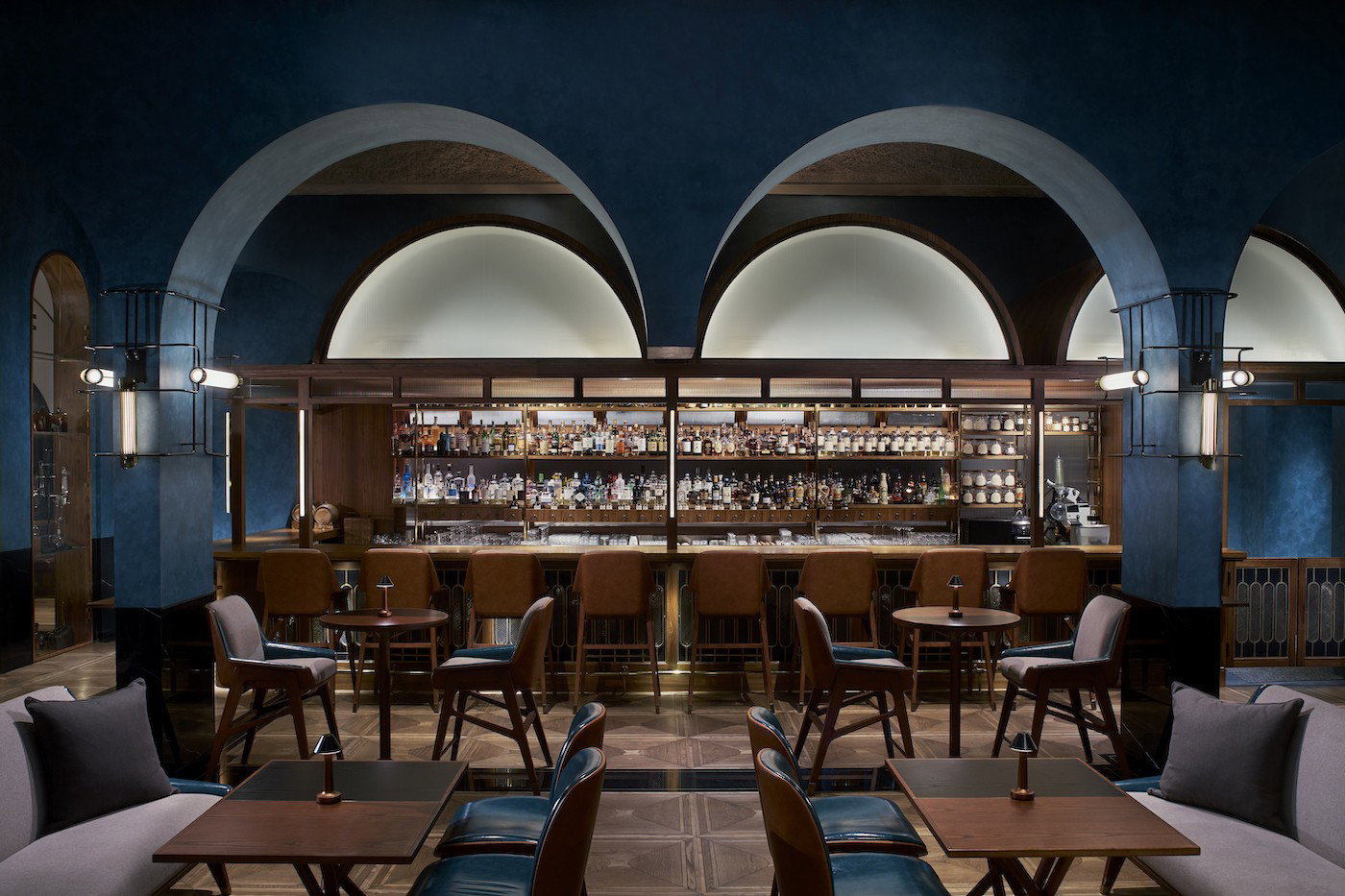
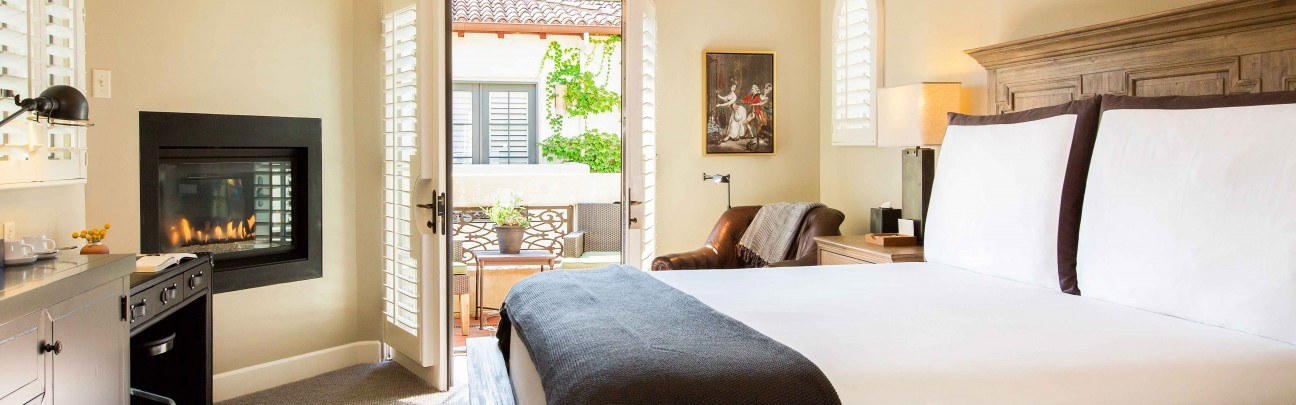
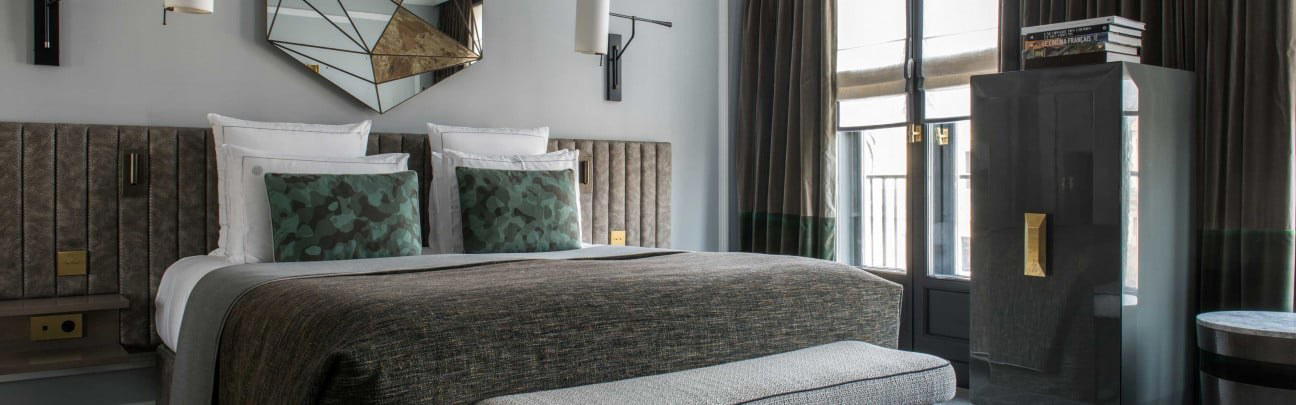
Cozy and intimate with warm lighting, blending heritage charm and modern design for a serene, homey atmosphere.
Tags
Vibe
Best For
Experience
Amenities
View
Accessibility
About the Stay
- Rooms
- 48
- Check-out
- 12:00
- Property Type
- Boutique hotel
- Property Style
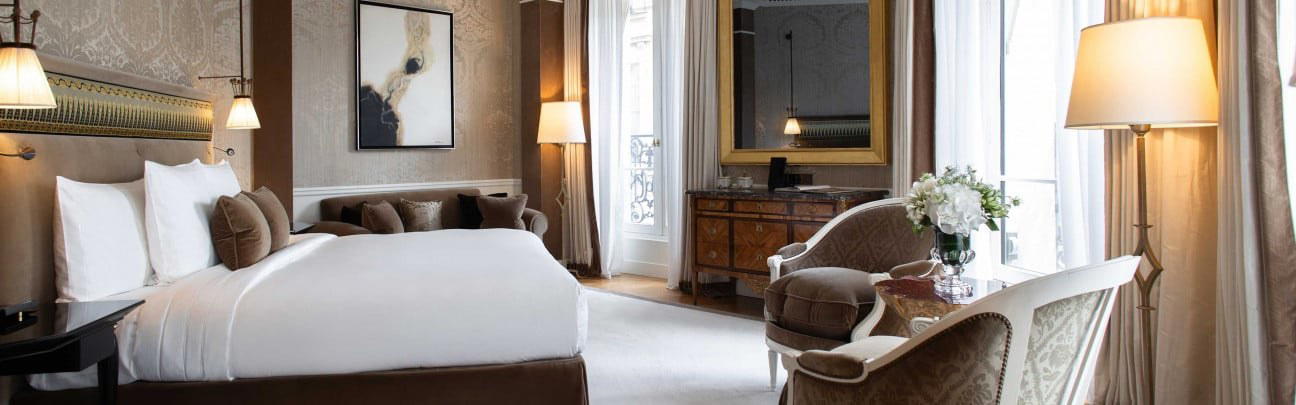
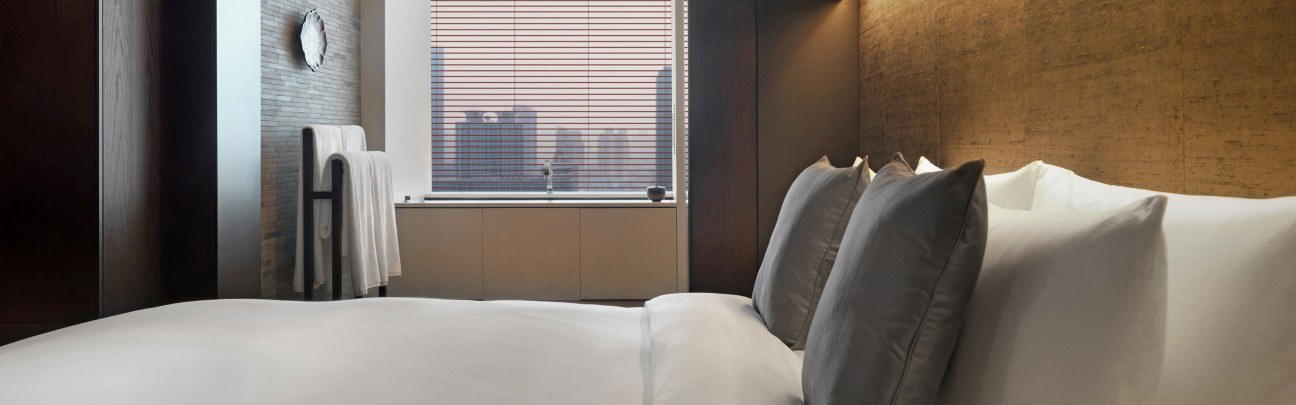
- Heritage Boutique Hotel Blending Restored Shophouse Architecture with Contemporary Luxury.
- Design Style
- Modern Minimalist with Earthy Tones, Wooden Finishes, and High End Fixtures.
- Airport Transfer
- Available
- Pool
- Yes
Know before you go
Know Before You Go
- Getting there
- 21 Carpenter Street, Singapore 059984, Singapore
Planning details
Location
21 Carpenter Street, Singapore 059984, Singapore · Directions
marriott.com/en-us/hotels/sintc-21-carpenter-singapore-a-member-of-design-hotels/overview
Also consider
If 21 Carpenter is not the right fit
Book The Fullerton Hotel Singapore instead if the trip calls for a landmark hotel with a more formal sense of occasion. Choose Hotel Mono if the priority is a leaner, style-forward stay and the room matters more than hotel facilities.
Hotel context
How 21 Carpenter compares in Singapore
Choose 21 Carpenter if the priority is a smaller, design-forward base in central Singapore. PARKROYAL COLLECTION Pickering, Singapore is the stronger choice for a larger, facilities-led stay, while Hotel Mono makes more sense for a leaner, style-conscious booking where value matters more than hotel depth.
The Fullerton Hotel Singapore is the better fit for travelers who want a landmark address and a more formal sense of occasion. The Capitol Kempinski Hotel Singapore should be the cross-shop for a more classic luxury stay. 21 Carpenter is easier to recommend for repeat Singapore visitors who want the city close at hand and do not need the hotel to supply the entire itinerary.
Mett Singapore is the peer to consider if the trip leans newer and lifestyle-oriented. For booking difficulty, 21 Carpenter is the low-friction option in this set; for ambiance, it sits between Hotel Mono's stripped-back style and the larger heritage polish of The Fullerton.
Explore Singapore
Around this place
Discover more on Pearl
Unlock the full 21 Carpenter guide in Pearl, including awards, comparisons, FAQs, planning details, and nearby places.
Compare 21 Carpenter
| Venue | Location | Awards |
|---|---|---|
| 21 Carpenter | Singapore | 2026 Design Hotels Collection2026 Mr & Mrs Smith Luxury HotelsTatler Best Hotels Asia-Pacific 20252025 Michelin Selected Hotels |
| PARKROYAL COLLECTION Pickering, Singapore | Singapore | 2026 Michelin 1 KeyWorld Luxury Hotel Awards 20252025 Michelin 1 Key |
| Hotel Mono | Singapore | No published awards |
| The Fullerton Hotel Singapore | Singapore | 2026 Virtuoso Luxury Hotel Collection2026 Forbes Recommended2026 La Liste Top Hotels2025 Michelin Selected Hotels2025 Forbes RecommendedPreferred Hotels Member 2025 |
| The Capitol Kempinski Hotel Singapore | Singapore | 2026 Virtuoso Luxury Hotel Collection2026 Forbes RecommendedLeading Hotels of the World 2026World Travel Awards 2025World Luxury Hotel Awards 20252025 Michelin Selected Hotels2025 Forbes Recommended |
| Mett Singapore | Singapore | No published awards |









How 21 Carpenter Singapore compares with similar nearby venues.
FAQ
Frequently Asked Questions
Which room category is best at 21 Carpenter?
Choose based on the room details, rate, and policies shown at the time of booking, and confirm any specific preferences directly with 21 Carpenter.
Is 21 Carpenter good for business travel?
It may suit a Singapore trip if its recognition and smart casual dress code match what you need. If you require specific business facilities or meeting support, verify those details directly before booking and compare options such as The Fullerton Hotel Singapore and The Capitol Kempinski Hotel Singapore.
How does 21 Carpenter compare to other hotels?
21 Carpenter is a recognized Singapore hotel with listings from Tatler, the MICHELIN Guide, Design Hotels, and Mr & Mrs Smith. For comparison, also review Hotel Mono, The Fullerton Hotel Singapore, The Capitol Kempinski Hotel Singapore, PARKROYAL COLLECTION Pickering, Singapore, and Mett Singapore.
Do loyalty programs work at 21 Carpenter?
The confirmed recognition is 2026 Design Hotels Member status, but travelers should check directly with 21 Carpenter before assuming any points, benefits, or booking privileges.
Is 21 Carpenter family-friendly?
Families should confirm room configurations, child policies, and any needed services directly with 21 Carpenter before booking.
What is check-in like at 21 Carpenter?
Confirm arrival time, check-in procedure, and any special requests directly with 21 Carpenter before travel.