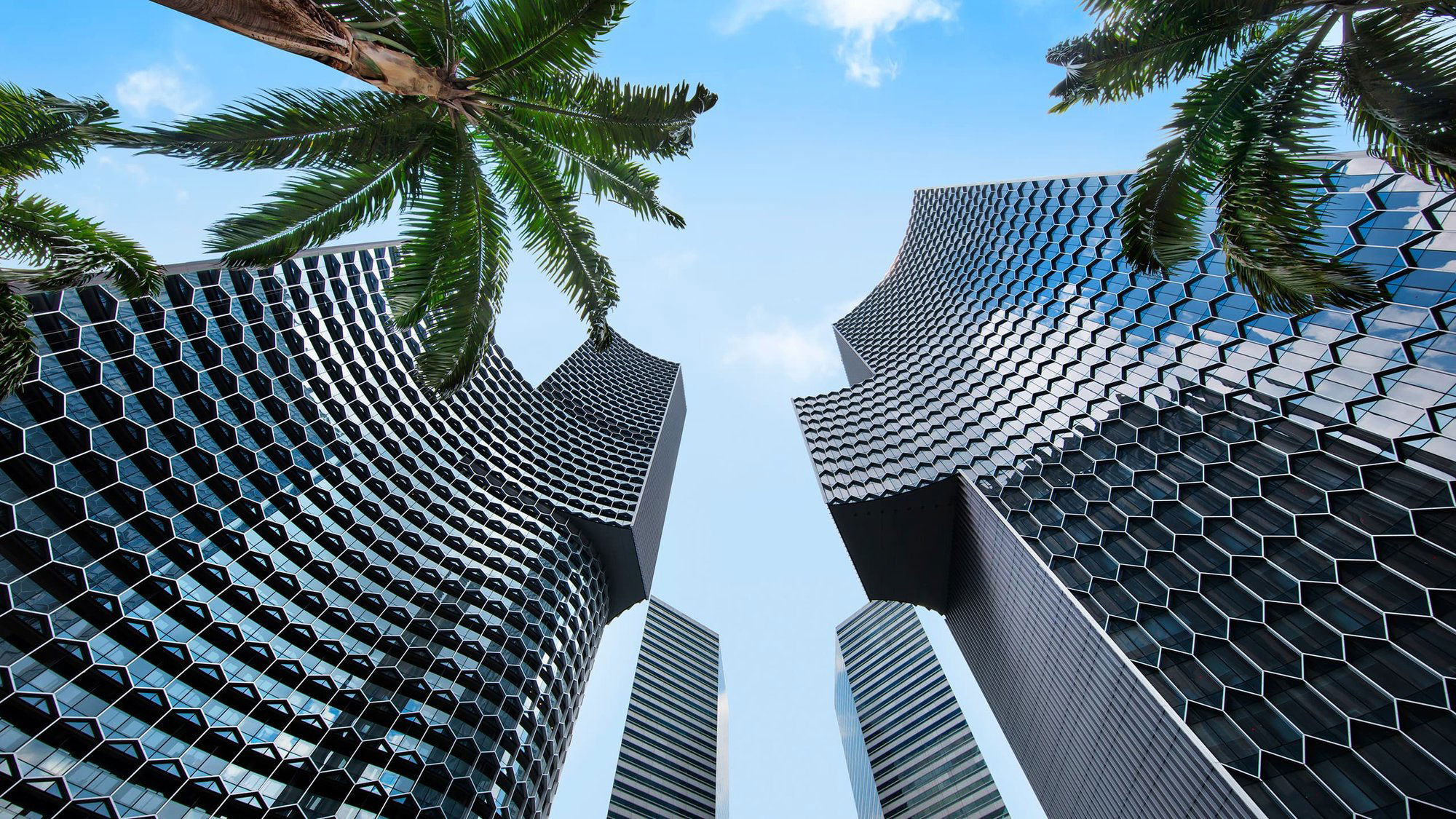


Andaz Singapore
BUGIS, Singapore
Hotel in Singapore, Singapore
 Book with Pearl
Why go
Andaz Singapore is worth booking for a design-led central stay in Singapore, especially if the trip is built around Bugis, Beach Road, and quick access across the city. It is a stronger fit for couples, solo travelers, and work trips than for long stays that need apartment-style space. Compare it with InterContinental Singapore for a more formal feel and the serviced-suite options for extra room.
About Andaz Singapore
Book Andaz Singapore if you are considering a hotel stay in Singapore and want a property with clear luxury-hotel recognition. Andaz Singapore is a Singapore hotel with a smart casual dress code and recognized hotel credentials. For specific details about rooms, dining, facilities, or neighborhood advantages, confirm directly rather than relying on general claims.
The strongest reason to keep it on a shortlist is recognition: Andaz Singapore is listed as a Virtuoso Luxury Hotel Partner (2026) and MICHELIN Guide, Hotels Selected (2025). Those signals support considering it for a premium Singapore stay, while the final booking decision should still be based on the current rate, room type, cancellation terms, and the needs of the trip.
Choose it for hotel recognition, not specific details
Andaz Singapore's positioning is direct: Andaz Singapore is a Singapore hotel with a smart casual dress code and recognition from Virtuoso and the MICHELIN Guide hotels selection. If you need detailed assurances about room layout, facilities, dining, or long-stay features, confirm those directly before booking rather than assuming them from the hotel name or general reputation.
For comparison, InterContinental Singapore, Naumi Hotel Singapore, PARKROYAL Serviced Suites, Singapore, PARKROYAL on Beach Road, Singapore, Pan Pacific Serviced Suites Beach Road, Singapore, and Andaz Singapore can all sit on a Singapore hotel shortlist. The right choice depends on the current booking details and the specific trip requirements rather than any claim about one property having a particular format, service style, or amenity advantage.
Who should book, and who should cross-shop
Book Andaz Singapore when its recognition matters to the trip and the available room, rate, and booking terms fit your plans. It is a sensible candidate for travelers who want to stay in Singapore and prefer a hotel with premium recognition rather than choosing solely on price.
Cross-shop when your decision depends on specific details, such as room configuration, in-room features, dining plans, family requirements, or extended-stay needs. In those cases, compare Andaz Singapore with InterContinental Singapore, Naumi Hotel Singapore, PARKROYAL Serviced Suites, Singapore, PARKROYAL on Beach Road, Singapore, and Pan Pacific Serviced Suites Beach Road, Singapore using the current official booking information for each property.
Booking timing and practical decision points
Before booking, check the current room types, cancellation policy, inclusions, and any stay conditions directly through the booking channel. The smart casual dress code and hotel recognition are established features. For specific prices, hours, dining formats, facilities, or room features, confirm directly with the booking channel.
The decision is simple: choose Andaz Singapore if its Singapore location, smart casual dress code, Virtuoso Luxury Hotel Partner (2026) status, and MICHELIN Guide, Hotels Selected (2025) recognition match what you want from the stay. Otherwise, compare it with the other Singapore options on your shortlist and book the property whose current terms best fit the trip.
Planning details
- Location
- 5 Fraser Street
- Phone
- +65 6408 1234
The take
The Take
The Vibe
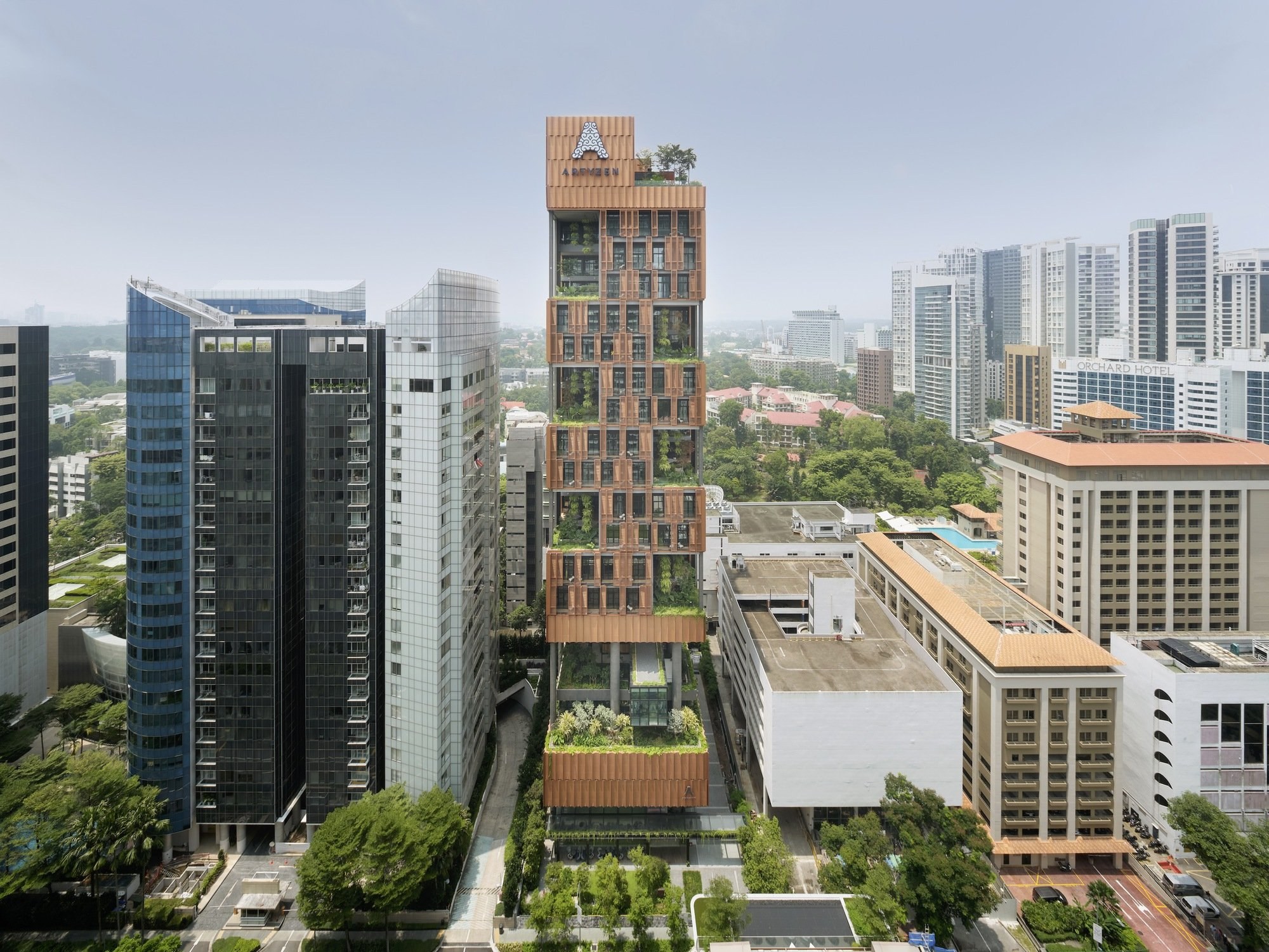
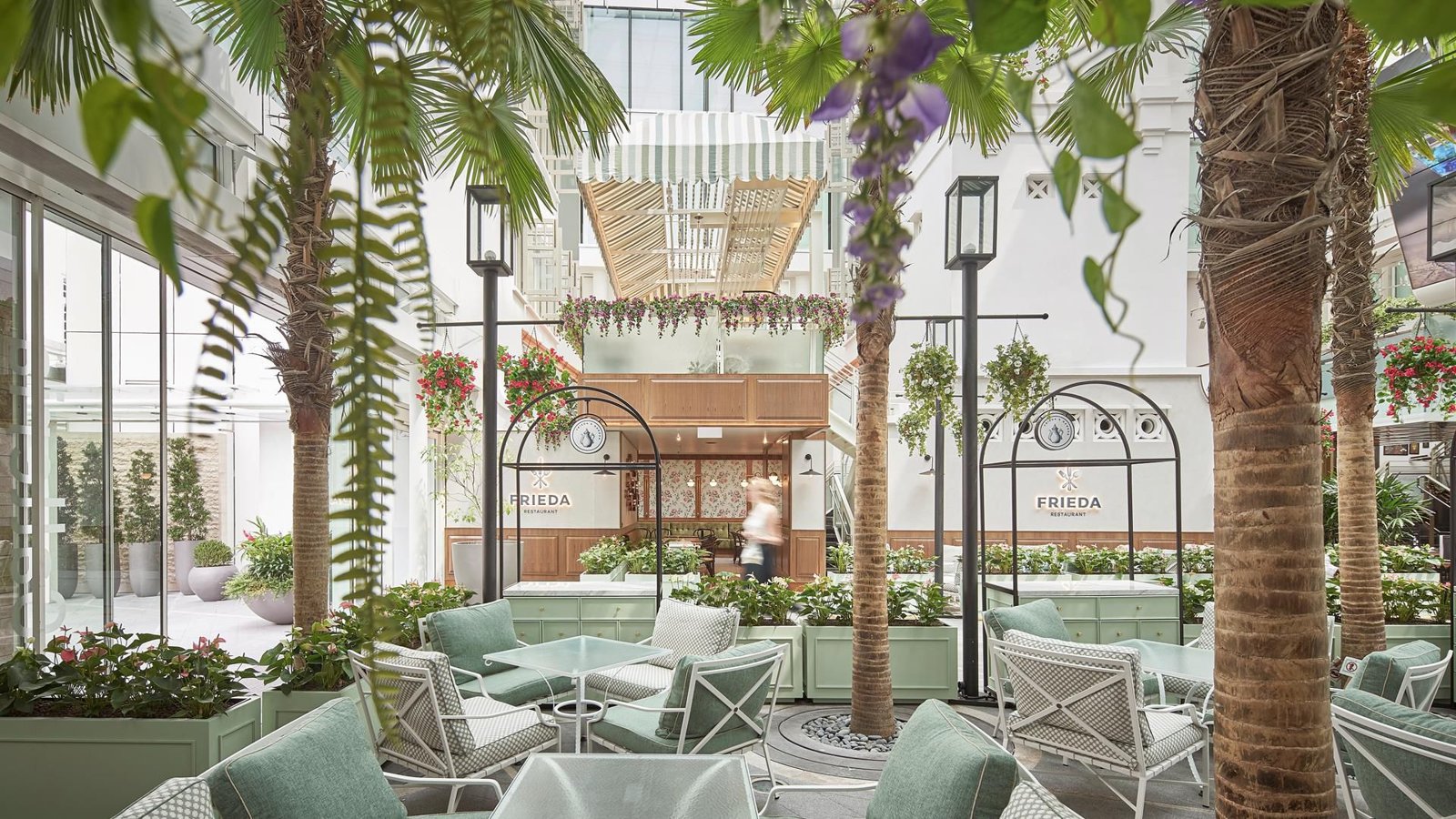
Andaz Singapore positions itself less as a self-contained resort and more as an extension of a living neighborhood. Located where Kampong Glam, the Bras Basah–Bugis arts precinct and Little India compress into a walkable pocket, the hotel leans on the surrounding streets and layered history to shape its identity. Rather than anchoring itself to landmark architecture or island seclusion, it foregrounds local culture, food rituals and urban rhythms. That neighborhood-first stance gives the property a quietly historic, locally engaged character that privileges slow exploration and cultural immersion over flashy, isolated amenities.
Best For
This is a strong pick for travelers who want to use Singapore as a neighborhood to be explored rather than a base of operations. The hotel suits guests seeking cultural immersion, museum- and food-focused walking days, and those interested in restorative urban wellness programming that centers slow walks and local rituals. It also works well for weekend escapes and stays where the priority is feeling like a local—making the surrounding streets and precincts the primary attraction of the visit.
Stay Tips
Prioritize the hotel’s neighborhood-facing programming: ask the front desk or concierge about the curated walking itineraries and food-ritual suggestions referenced in the wellness framing. Plan blocks of time for slow exploration of Kampong Glam, Arab Street and the nearby arts precinct rather than packing the schedule with transit-heavy sightseeing. Rely on the hotel to help sequence cultural stops and local food experiences rather than treating it as a conventional, amenity-driven stay.
Venue details
Ambiance
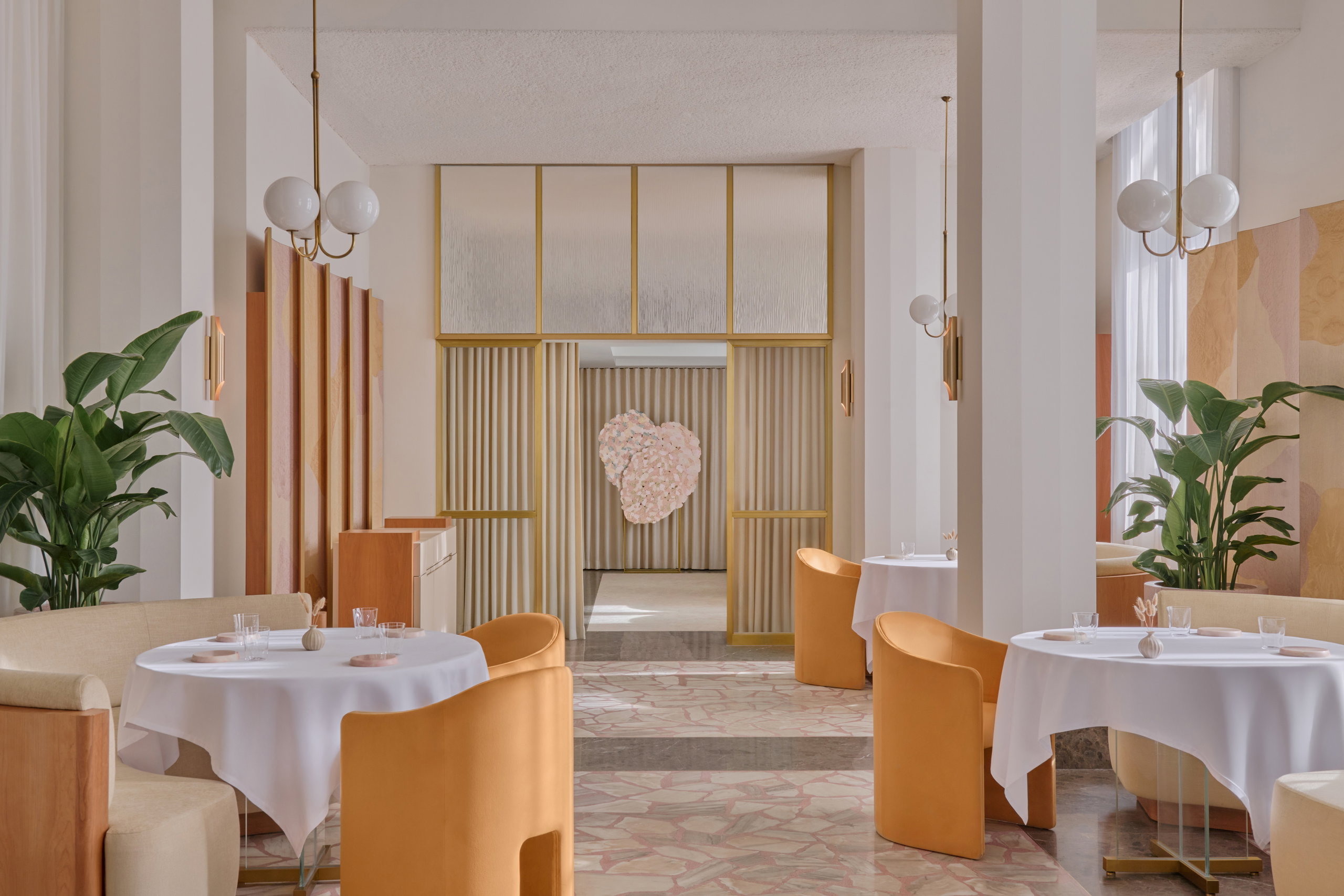
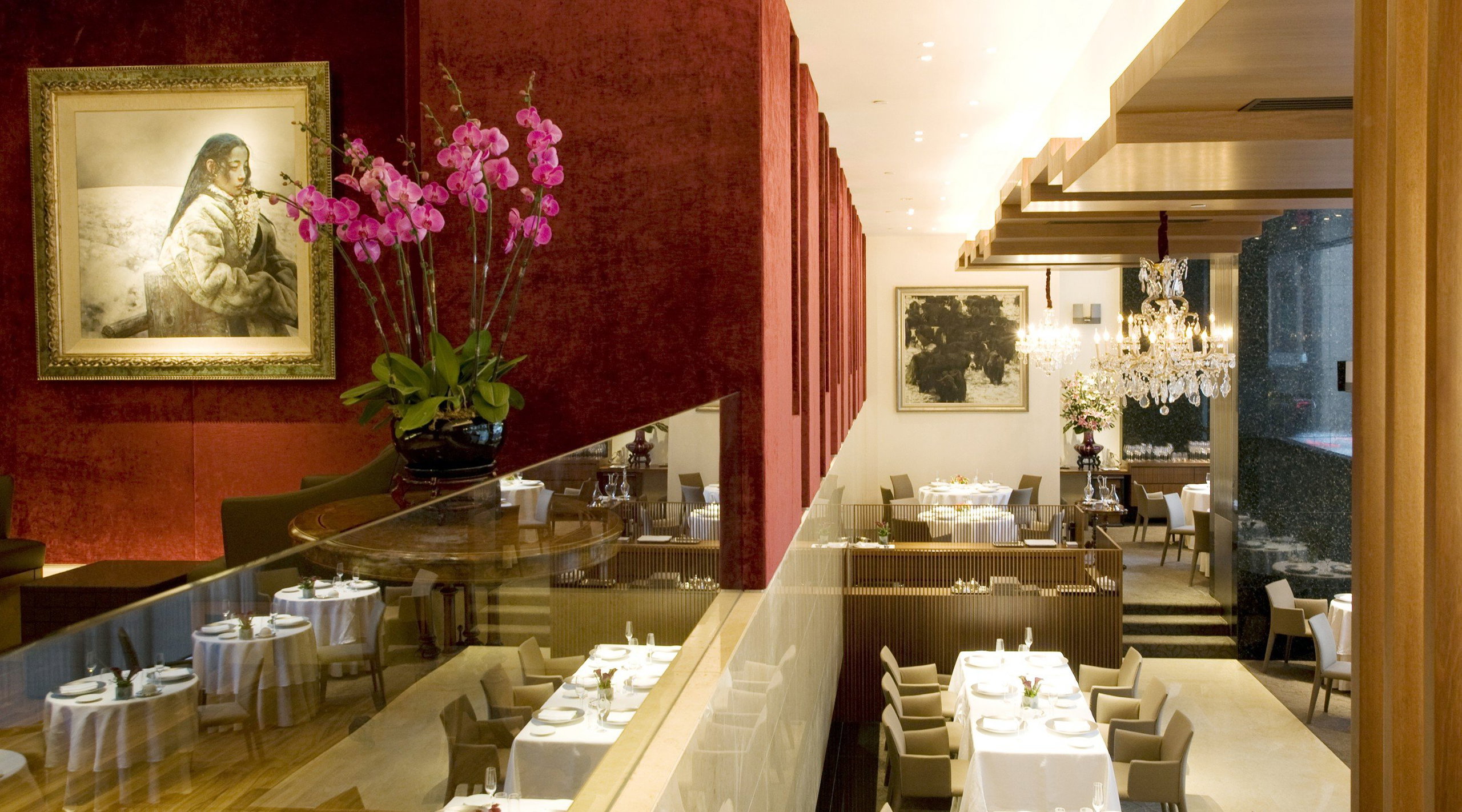
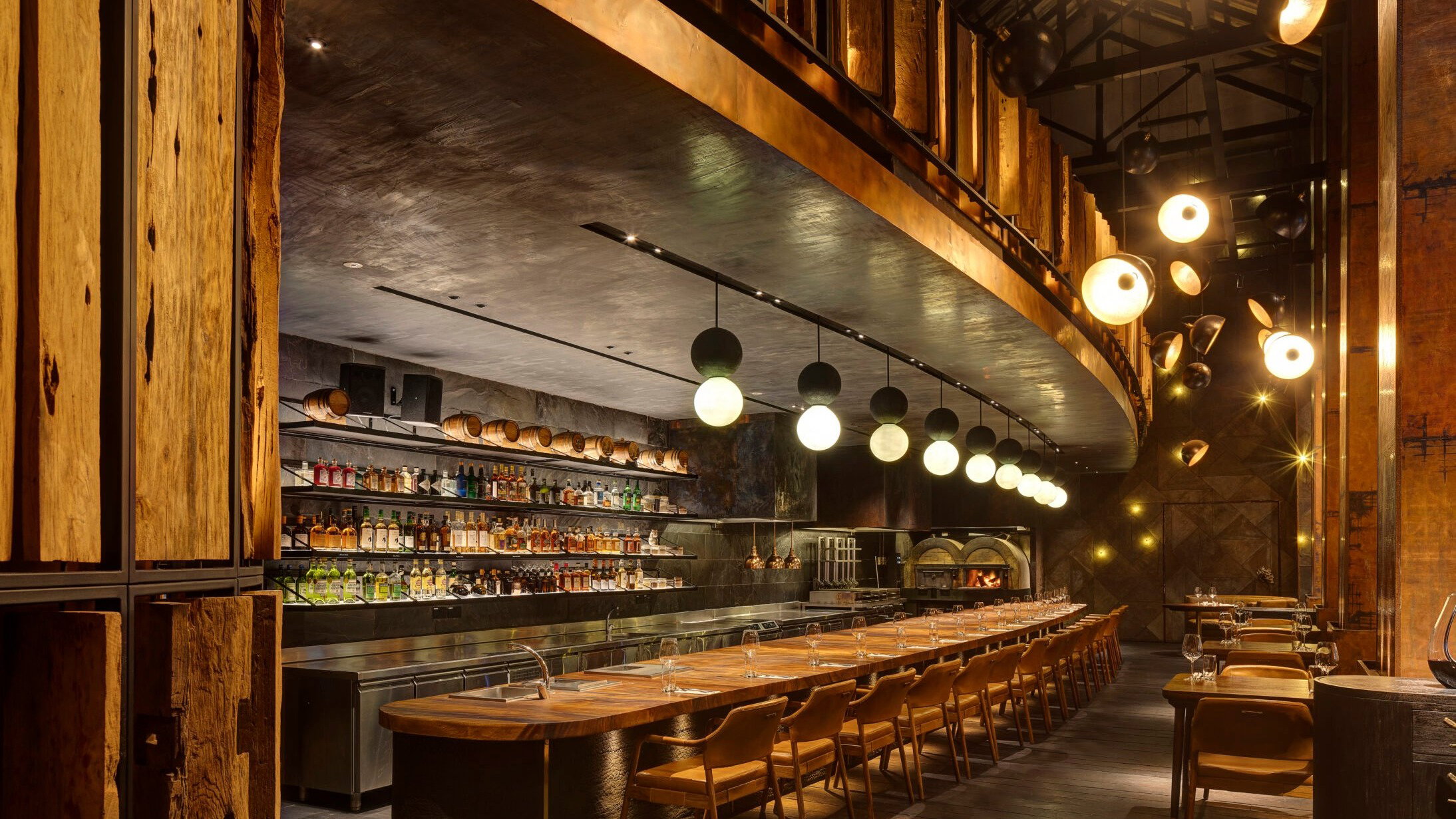
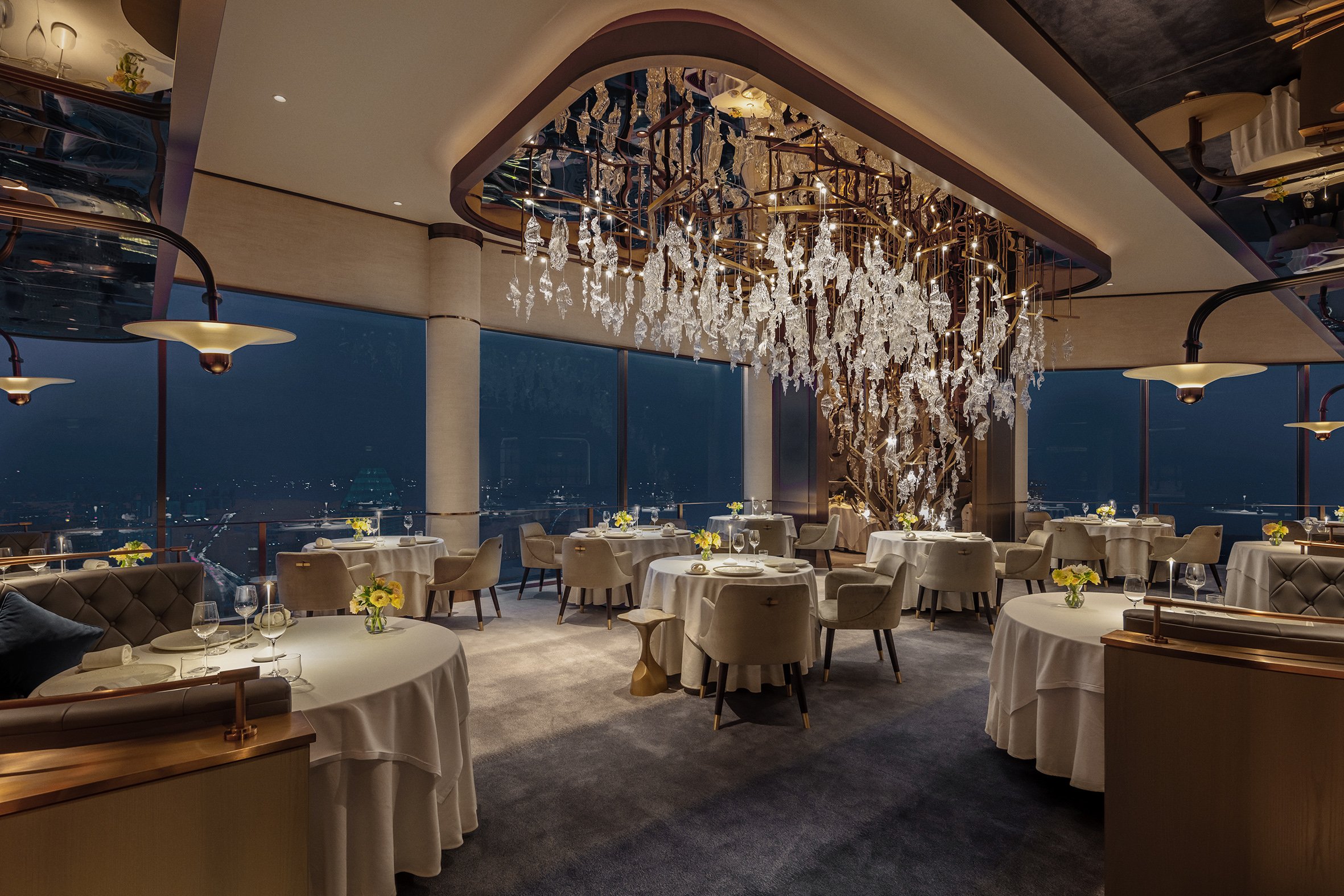
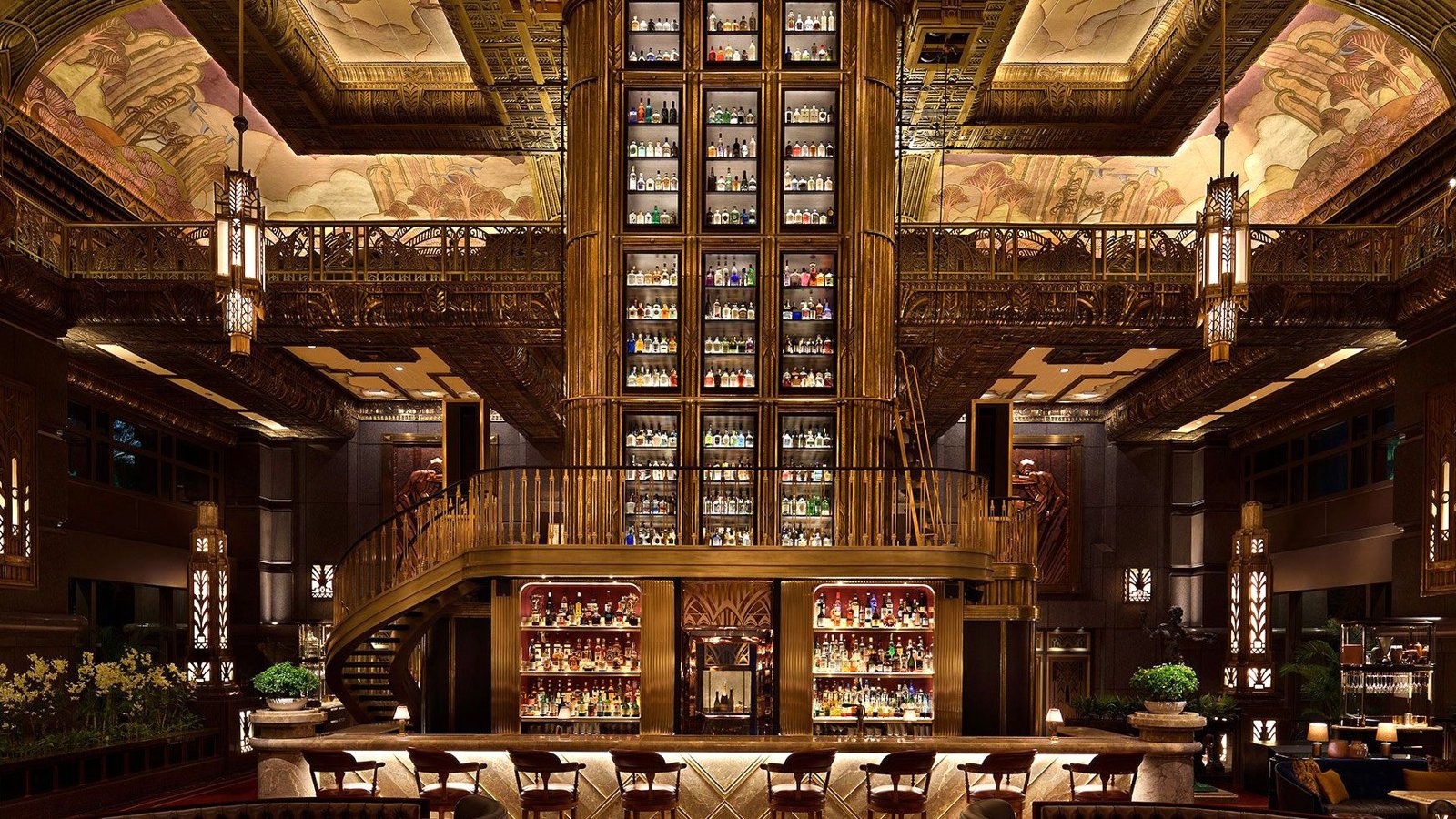
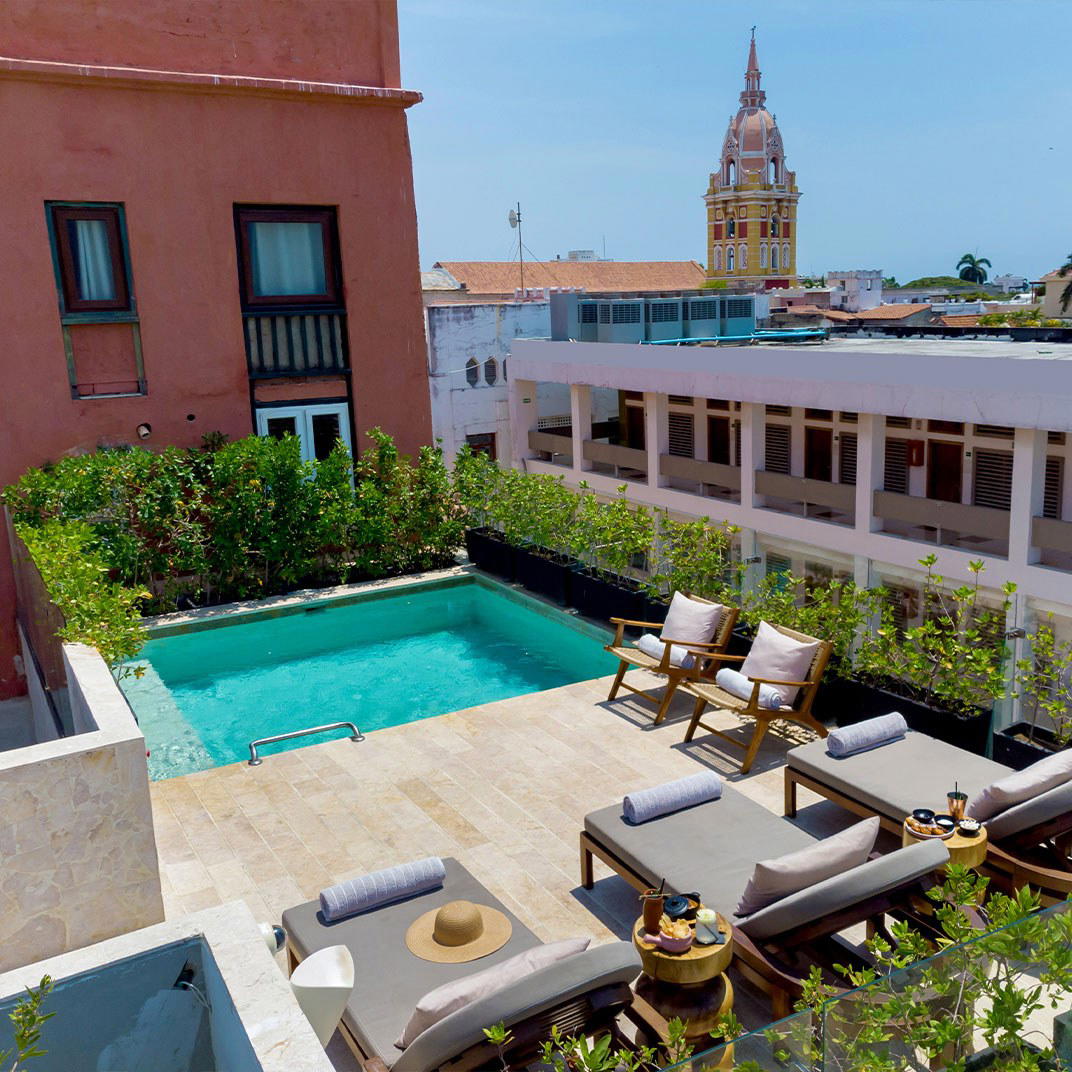
Sophisticated modern luxury with vibrant local cultural accents, floor-to-ceiling windows, and serene rooftop relaxation.
Tags
Vibe
Best For
Experience
Amenities
View
Accessibility
About the Stay
- Rooms
- 347
- Property Type
- Design hotel
- Property Style
- Contemporary Urban Luxury Infused with Singaporean Cultural Heritage
- Design Style
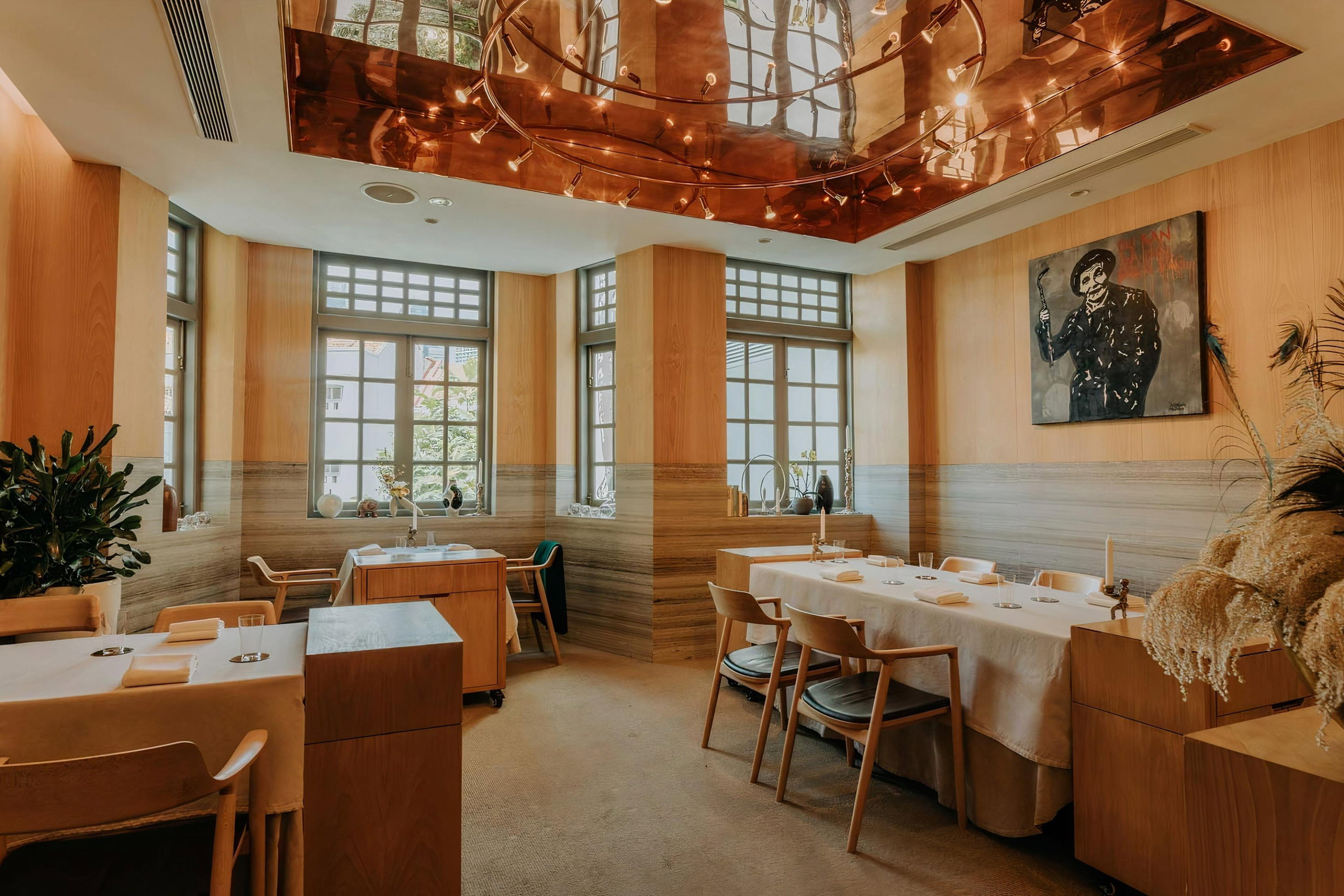
- Modern Minimalist with Vibrant Local Art Inspired Accents
- Pool
- Yes
- Spa
- Yes
- Families
- Welcome
Know before you go
Know Before You Go
- Getting there
- 5 Fraser Street
Planning details
Location
5 Fraser Street · Directions
Recognition and awards

Also consider
Where to look if this is not the right fit
If the stay needs more space or longer-stay practicality, start with Pan Pacific Serviced Suites Beach Road, Singapore or PARKROYAL Serviced Suites, Singapore. If the goal is a more traditional hotel experience in Singapore, InterContinental Singapore is the cleaner alternative.
Hotel context
How Andaz Singapore compares nearby
Andaz Singapore is the stronger choice if atmosphere matters and the stay is short enough that apartment-style space is not the priority. InterContinental Singapore is the more traditional hotel cross-shop: better for guests who want a formal, classic feel, while Andaz Singapore makes more sense for travelers who prefer a sharper design mood and a less conventional city-hotel experience.
For value and longer stays, the serviced-suite options are more practical. Pan Pacific Serviced Suites Beach Road, Singapore and PARKROYAL Serviced Suites, Singapore are better fits for families, extended work trips, or anyone who wants more residential function. PARKROYAL on Beach Road, Singapore is the easier value comparison if the brief is central, reliable, and less design-driven.
Naumi Hotel Singapore is the boutique alternative for travelers who prefer a smaller hotel feel. Pick Naumi for compact personality, InterContinental for classic polish, the serviced suites for space, and Andaz Singapore for the stronger design-led city stay.
Explore Singapore
Around this place
Discover more on Pearl
Unlock the full Andaz Singapore guide in Pearl, including awards, comparisons, FAQs, planning details, and nearby places.
Compare Andaz Singapore
| Venue | Location | Awards |
|---|---|---|
| Andaz Singapore | Singapore | 2026 Virtuoso Luxury Hotel Collection2025 Michelin Selected Hotels |
| InterContinental Singapore | Singapore | No published awards |
| Pan Pacific Serviced Suites Beach Road, Singapore | Singapore | No published awards |
| PARKROYAL on Beach Road, Singapore | Singapore | No published awards |
| PARKROYAL Serviced Suites, Singapore | Singapore | No published awards |
| Naumi Hotel Singapore | Singapore | World Travel Awards 20252025 Michelin Selected HotelsSmall Luxury Hotels Member 2025 |


How Andaz Singapore compares with similar nearby venues.
FAQ
Frequently Asked Questions
Which room category is best at Andaz Singapore?
Choose the room category based on the current space, view, rate, and cancellation terms shown at booking. Andaz Singapore is a Singapore hotel with a smart casual dress code and recognition as a Virtuoso Luxury Hotel Partner (2026) and MICHELIN Guide, Hotels Selected (2025), but the best room category depends on individual preferences and current availability.
When is the best time to book Andaz Singapore?
Book when the available rate, room type, and terms match your trip. Compare current availability before committing.
How does Andaz Singapore compare to other hotels in Singapore?
Andaz Singapore is best compared with other Singapore options using current booking details. InterContinental Singapore, Naumi Hotel Singapore, PARKROYAL Serviced Suites, Singapore, PARKROYAL on Beach Road, Singapore, and Pan Pacific Serviced Suites Beach Road, Singapore are natural cross-shops, but the right choice depends on current room, rate, and policy information.
Is Andaz Singapore family-friendly?
Specific family facilities or policies should be confirmed directly at Andaz Singapore. If you are booking for a family stay, confirm room configuration, occupancy rules, and any relevant services directly before booking.
How is the dining at Andaz Singapore?
Specific dining venues, cuisines, menus, or hours at Andaz Singapore should be confirmed directly through current hotel information.
What is check-in like at Andaz Singapore?
How is the location of Andaz Singapore?
Andaz Singapore is in Singapore. For a more specific address, neighborhood, landmark, or district, location planning should be checked against the current booking information and your itinerary.