


A MANDRIA DI MURTOLI
Ortolo Valley, Sartène
Hotel in Sartène, France
 Book with Pearl
Why go
A MANDRIA DI MURTOLI is worth considering for a quiet Sartène special-occasion stay, especially if privacy and a rural setting matter more than city convenience. Its recognition from Condé Nast, Travel + Leisure, and the MICHELIN Guide makes it a credible shortlist pick, but confirm the exact room setup before paying for an upgrade.
About A MANDRIA DI MURTOLI
A MANDRIA DI MURTOLI is a hotel in Sartène with recognition from the MICHELIN Guide hotel selection in 2025, plus Condé Nast Hot List Hotels and Travel + Leisure It List Hotels recognition for 2026. To ensure a perfect stay, confirm exact details directly before booking.
The dress code is smart casual. Room categories, facilities, dining details, prices, and arrival procedures should be confirmed directly with the hotel. If those details matter to the trip, check them before committing.
Book with key facts in mind
A MANDRIA DI MURTOLI stands out for its hotel recognition: MICHELIN Guide, Hotels Selected in 2025, Condé Nast Hot List Hotels in 2026, and Travel + Leisure It List Hotels in 2026. Those accolades make it a credible Sartène hotel to investigate for a premium stay.
Beyond that, avoid assuming specifics. The best booking approach is to ask directly about the room type, arrival timing, facilities, and any services you expect to use. If the stay depends on a particular layout, amenity, meal format, or on-property service, confirm it before paying for an upgrade.
Who should cross-shop before booking
If you want to compare related options, look at Hôtel Domaine de Murtoli and Domaine de Murtoli (L'Hôtel de la Ferme). Other named hotels to consider for a broader premium search include Hôtel Marinca et Spa, L'Hostellerie du Moulin des Oliviers, and A Pignata.
The verdict: A MANDRIA DI MURTOLI belongs on a Sartène shortlist because of its hotel recognition, but practical details should be confirmed directly. For readers still comparing the area, the useful next step is to consult broader guides to Sartène restaurants and other local planning resources, because the right hotel choice depends on what you plan to do during the stay.
Planning details
- Location
- Pont de l'Ortolo, 20100 Sartène, France
- Website
- amandriadimurtoli.com
- Phone
- +33 4 95 71 71 80
The take
The Take
The Vibe
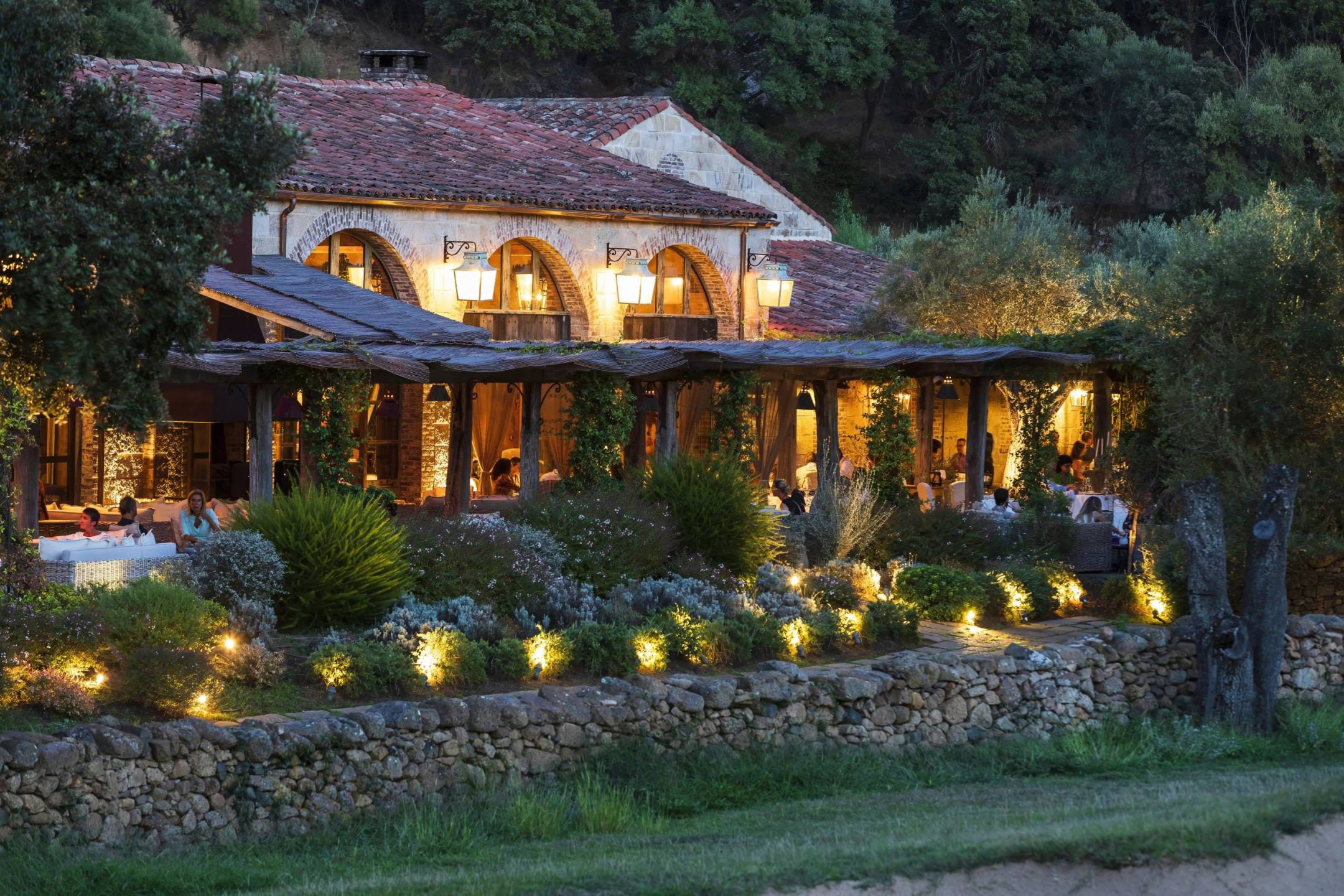
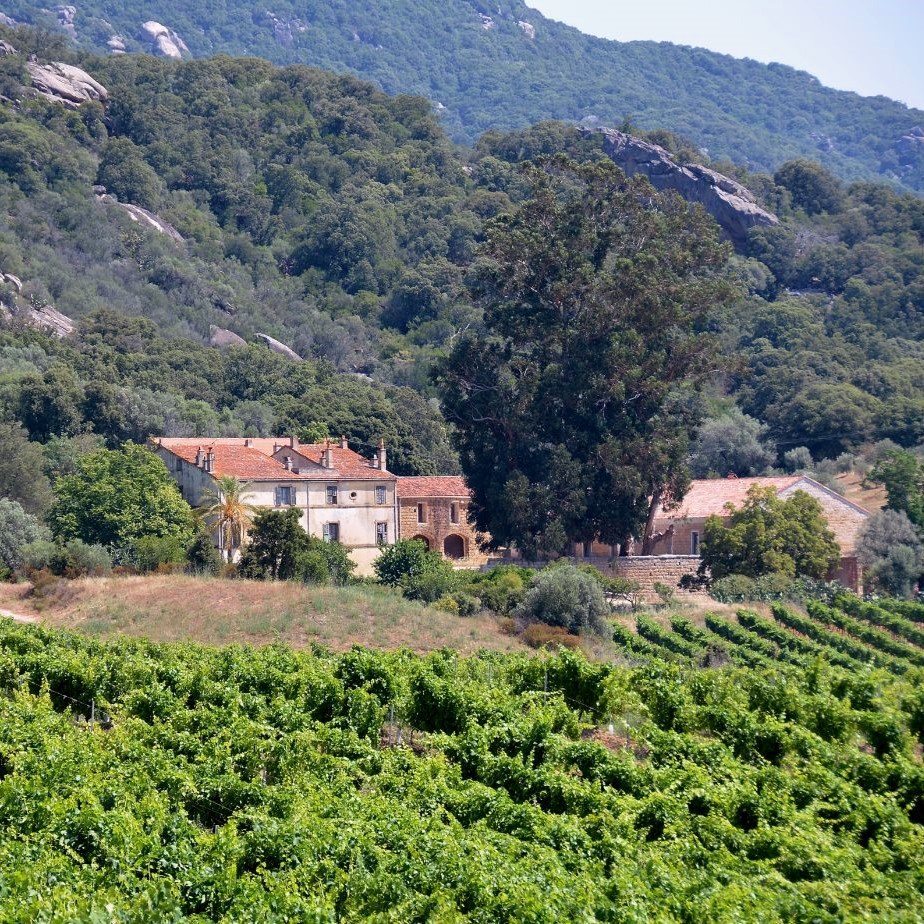
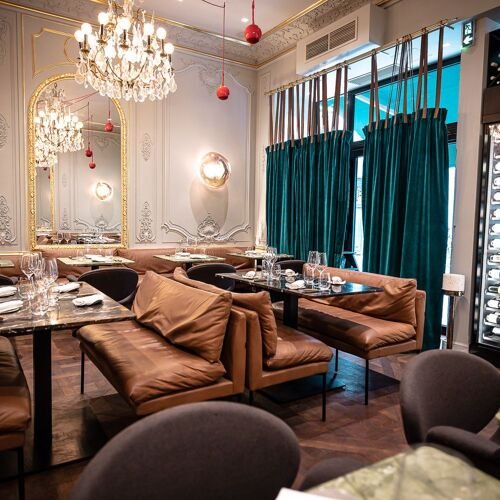
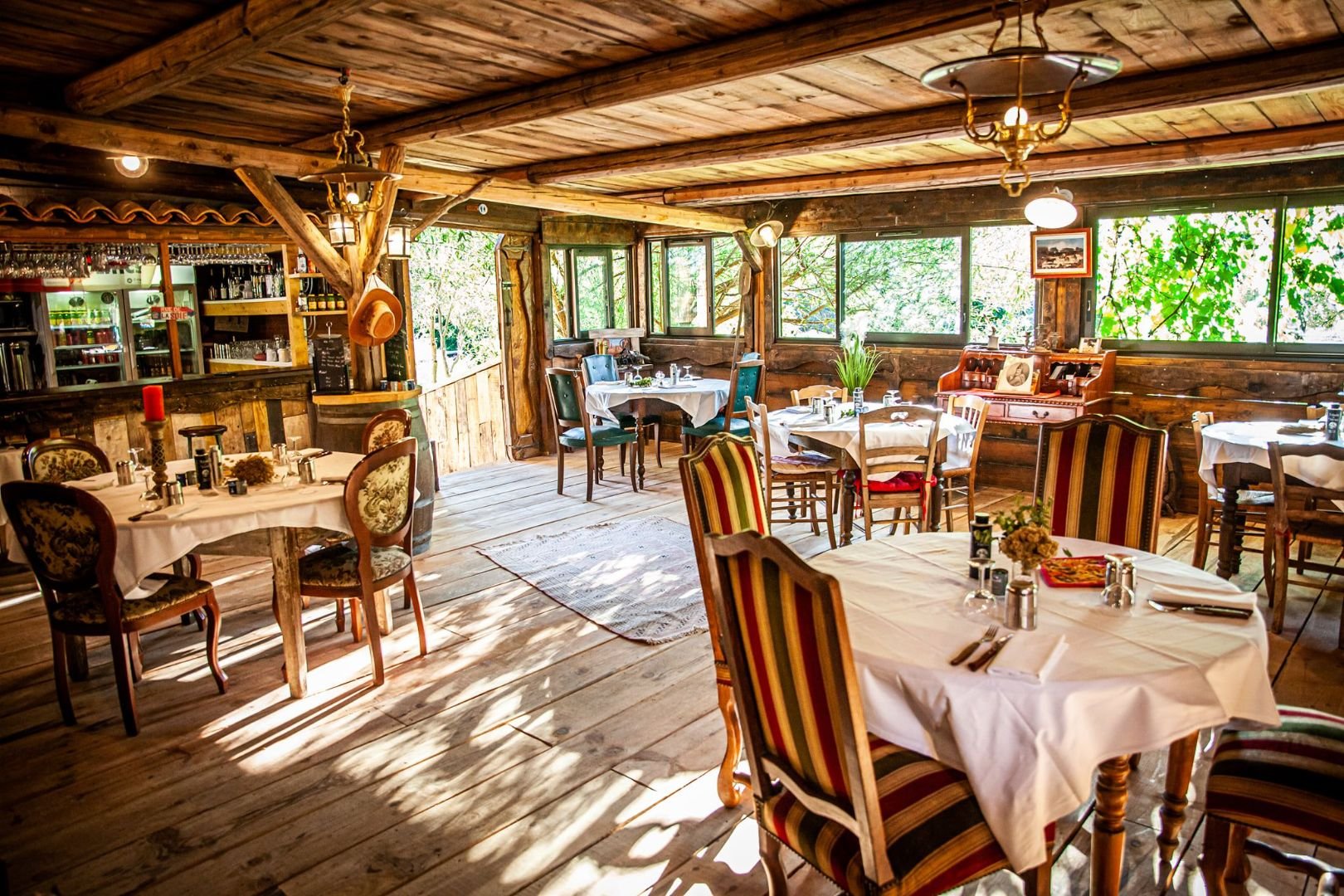
A Mandria di Murtoli feels like dining at the heart of a working Corsican estate. The restaurant is embedded in thousands of hectares of maquis and pastures, and its agricultural operations—herds and kitchen gardens—shape the menu and the experience. Rather than a polished urban outpost, dining here reads as an authentic, place-driven encounter: rustic estate logic meets considered hospitality. The setting is quietly secluded and resolutely rural, so meals unfold with a sense of calm intimacy and deep connection to local production and landscape.
Best For
This is a restaurant for travelers who prize seclusion and provenance. It suits romantic getaways, honeymoons and anniversaries where privacy and a strong sense of place matter, and it works well for wellness-oriented weekend escapes that favour restorative quiet. Food-focused guests who want to experience Corsican culinary traditions—charcuterie, local cheeses and estate-grown produce—will find the setting especially rewarding. The estate context makes visits feel like part of a longer, contemplative stay rather than a quick city meal.
Stay Tips
Menus lean on Corsican traditions and estate production, so seek out charcuterie drawn from the island’s pork practices, sheep’s-milk cheeses and chestnut-based preparations mentioned in the dining programme. Expect herbs from the maquis—nepita and other local aromatics—to flavor dishes; asking which items come from the estate’s kitchen gardens will often point you toward the freshest plates. Keep preparations simple and ingredient-led: the experience is about terroir and technique rather than elaborate reinterpretation.
Venue details
Ambiance
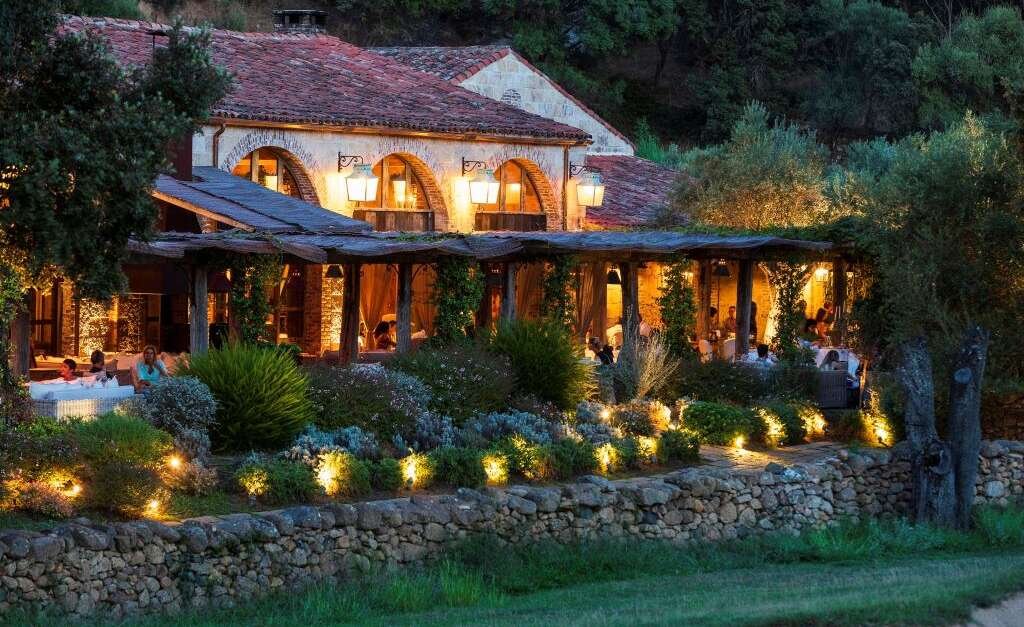
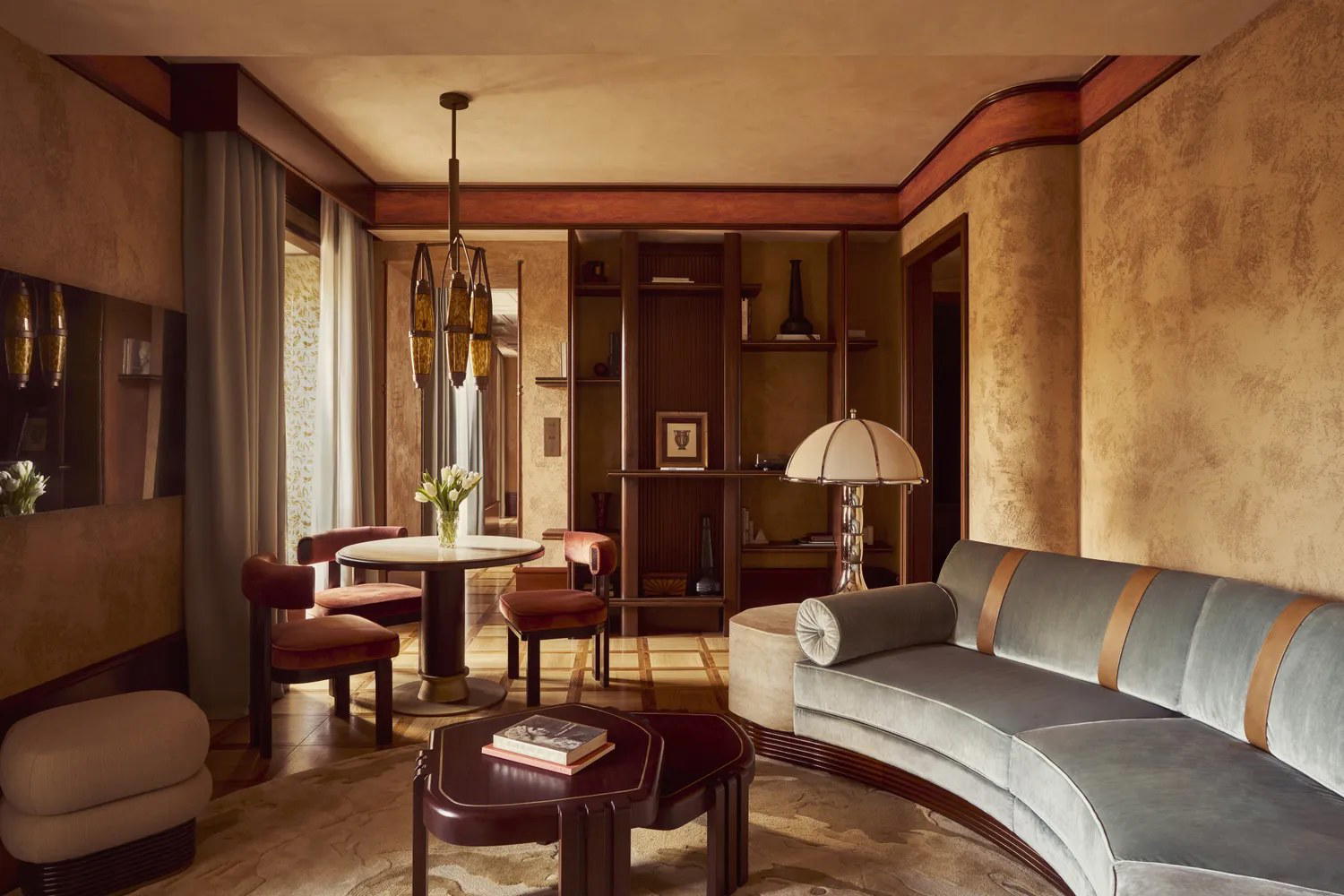
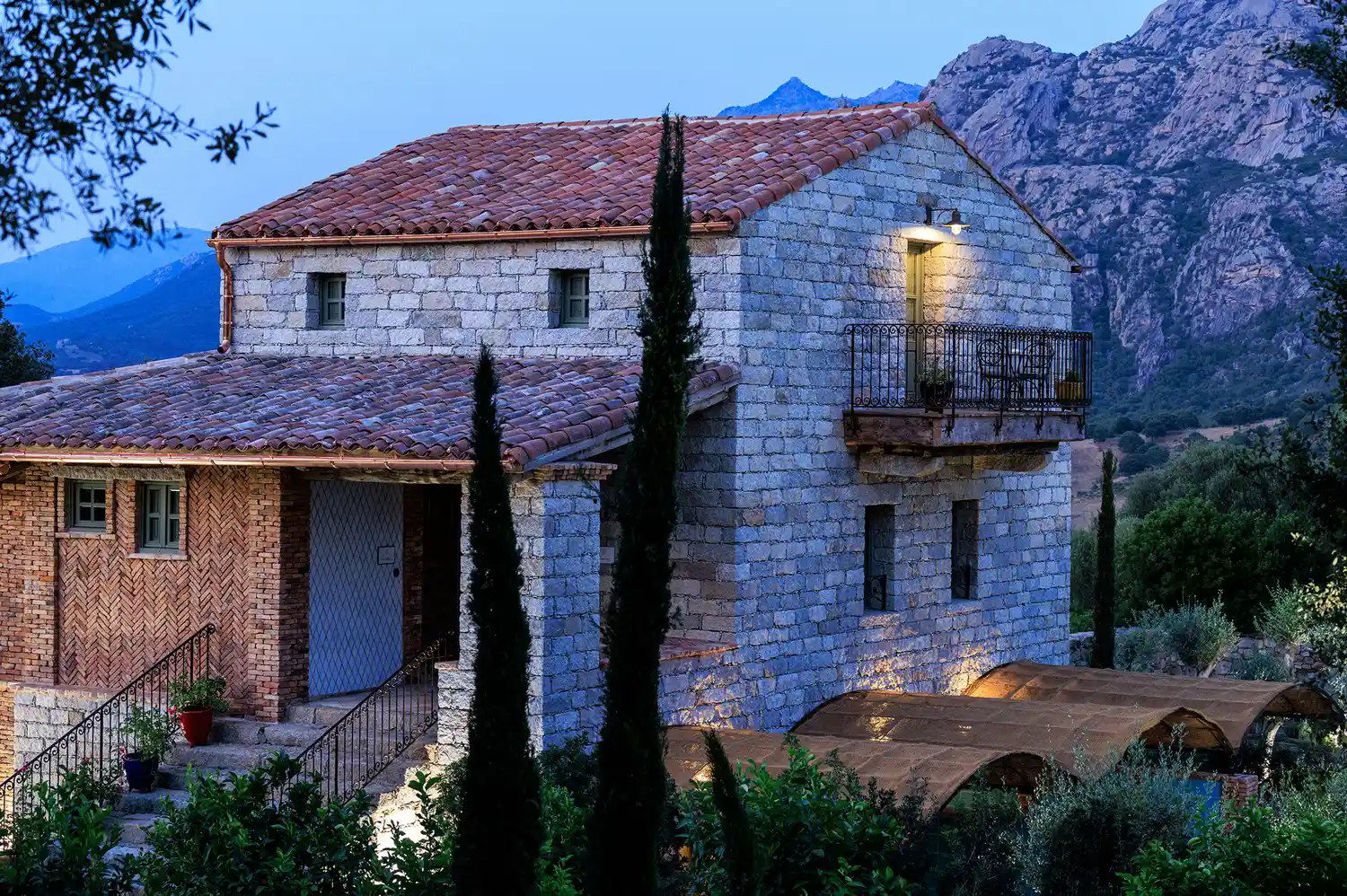
Starlit nights illuminating stone terraces and sapphire pool; Mediterranean warmth by day with rustic-luxury interiors featuring natural textures and simple, well-made furnishings.
Tags
Vibe
Best For
Experience
Amenities
View
About the Stay
- Rooms
- 10
- Property Style
- Reinvented Village Style Eco Luxury Retreat Designed as Converted Traditional Stone Sheepfolds Within a Private Estate.
- Design Style
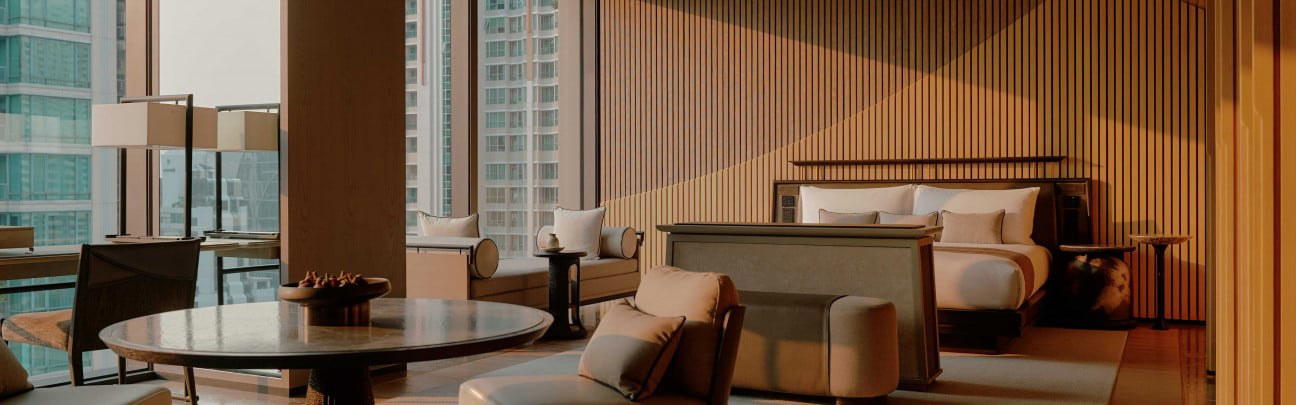
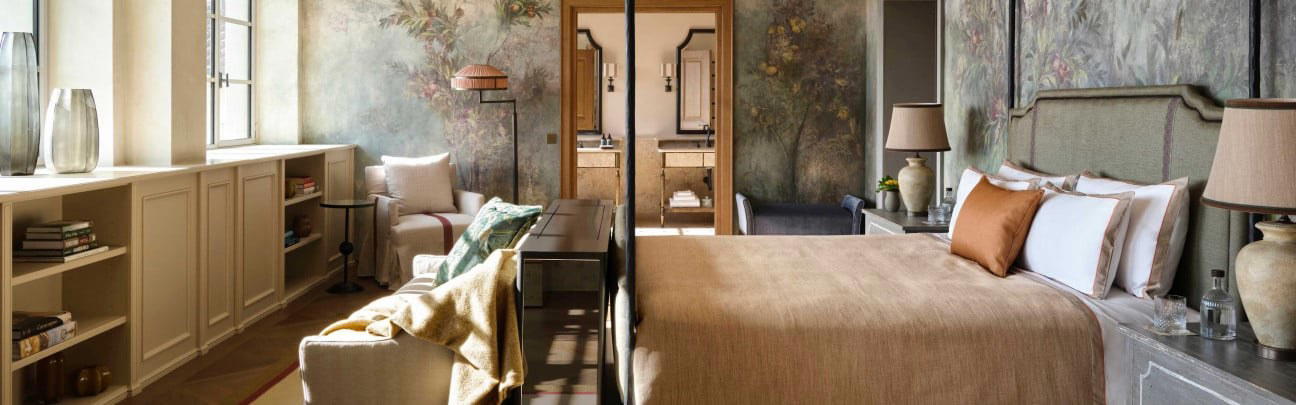
- Rustic Luxury with Natural Textures, Simple Well Made Furnishings, and Mediterranean Architectural Elements Evoking a Tuscan Village.
Know before you go
Know Before You Go
- Getting there
- Pont de l'Ortolo, 20100 Sartène, France
Planning details
Location
Recognition and awards


Also consider
Also Consider
- Hôtel Domaine de Murtoli, Notable alternative
- Domaine de Murtoli (L'Hôtel de la Ferme), Notable alternative
- Hôtel Marinca et Spa, Notable alternative
- L'Hostellerie du Moulin des Oliviers, Notable alternative
- A Pignata, Notable alternative
Hotel context
How it compares in and around Sartène
Choose A MANDRIA DI MURTOLI if the priority is privacy and a quieter, retreat-led stay. Hôtel Domaine de Murtoli is the closer cross-shop for travelers who want the same broad destination logic with a clearer hotel framing, while Domaine de Murtoli (L'Hôtel de la Ferme) is the one to compare if the room format and sense of place matter more than conventional resort cues.
For spa-led trips, Hôtel Marinca et Spa is the more practical alternative, especially if pool and wellness facilities are central to the stay. L'Hostellerie du Moulin des Oliviers makes more sense for travelers who want a softer, classic hotel feel outside the immediate Sartène choice set.
If value and Corsican rural character matter more than a polished special-occasion frame, A Pignata is the fallback to check. A MANDRIA DI MURTOLI is the stronger pick for privacy and occasion energy; the alternatives are better when the brief is spa access, a clearer hotel structure, or a simpler countryside stay.
Explore Sartène
Around this place
Discover more on Pearl
Unlock the full A MANDRIA DI MURTOLI guide in Pearl, including awards, comparisons, FAQs, planning details, and nearby places.
Compare A MANDRIA DI MURTOLI
| Venue | Location | Awards |
|---|---|---|
| A MANDRIA DI MURTOLI | Sartène | 2026 Travel + Leisure It List Hotels2026 Conde Nast Traveler Hot List Hotels2025 Michelin Selected Hotels |
| Hôtel Domaine de Murtoli | Sartène | 2026 La Liste Top HotelsMichelin 1 Key 20252025 Michelin 1 Key2025 Gault & Millau Exceptional Hotel2024 Michelin 1 Key |
| Domaine de Murtoli (L'Hôtel de la Ferme) | Sartène | No published awards |
| Hôtel Marinca et Spa | Olmeto | 2025 Gault & Millau Exceptional Hotel2025 Michelin 1 Key |
| L'Hostellerie du Moulin des Oliviers | Olmeto | No published awards |
| A Pignata | Levie | No published awards |



How A MANDRIA DI MURTOLI Sartène compares with similar nearby venues.
FAQ
Frequently Asked Questions
How is the location of A MANDRIA DI MURTOLI?
A MANDRIA DI MURTOLI is in Sartène. Specific address details should be confirmed, as well as arrival instructions, directly with the hotel before traveling.
How does A MANDRIA DI MURTOLI compare to other hotels?
A MANDRIA DI MURTOLI has recognition from the MICHELIN Guide hotel selection in 2025, Condé Nast Hot List Hotels in 2026, and Travel + Leisure It List Hotels in 2026. For comparison, consider Hôtel Domaine de Murtoli, Domaine de Murtoli (L'Hôtel de la Ferme), Hôtel Marinca et Spa, L'Hostellerie du Moulin des Oliviers, and A Pignata, then confirm current room and service details directly with each property.
Is A MANDRIA DI MURTOLI good for business travel?
Which room category is best at A MANDRIA DI MURTOLI?
What is check-in like at A MANDRIA DI MURTOLI?
Given its MICHELIN Guide hotel selection plus 2026 Condé Nast Hot List Hotels and Travel + Leisure It List Hotels recognition, it is worth confirming arrival timing and instructions in advance through the venue's official channels.
Do loyalty programs work at A MANDRIA DI MURTOLI?
How is the pool and spa at A MANDRIA DI MURTOLI?
Pool and spa details should be confirmed. If those facilities are central to the trip, confirm availability, access, and any booking requirements directly with the hotel before committing.