.png?width=1200&quality=80)
Santu Pultru
Traditional Cuisine · Sartène
Restaurant in Sartène, France
 Book with Pearl
The Read
Maquis-Country Corsican Table
Price
€€
Dress
Casual
Why go
Santu Pultru earns back-to-back Michelin Plate recognition (2024 and 2025) at a €€ price point, making it the clearest value proposition in Sartène for food-focused travellers. The kitchen works in traditional Corsican form — local charcuterie, brocciu, chestnut — and confirms consistent delivery. Book if you are serious about eating well in the Corsican interior without paying destination-restaurant prices.
About Santu Pultru
The Verdict
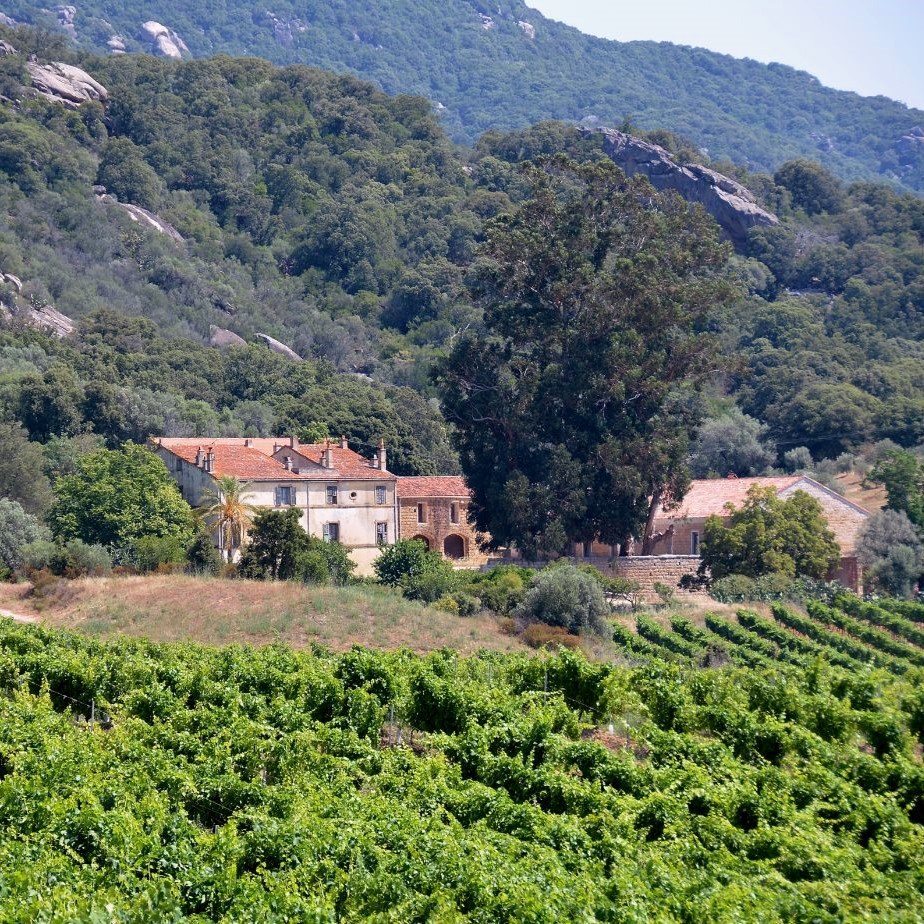
Imagine arriving at a remote Corsican address after a drive through sun-bleached maquis, with the faint drift of wood smoke and herb-scented air meeting you before you've even stepped inside. That arrival tells you something: Santu Pultru is not performing for a city crowd. It is simply cooking, seriously, in one of the most overlooked corners of French gastronomy. For food-focused travellers making the effort to reach Sartène, this is the table to book. A Michelin Plate in both 2024 and 2025 at a €€ price point is a clear signal: the kitchen is delivering quality that outpaces what you'd expect at this tier.
What Santu Pultru Is
Santu Pultru sits on the D 48 outside Sartène, a town that the writer Prosper Mérimée once called the most Corsican of Corsican towns — a description the place has done little to disprove. The restaurant occupies the Cavada di Santu Pultru address, which places it in the agricultural interior rather than along the tourist-facing coast. That geography shapes everything: the clientele is local-leaning, the cooking draws from Corsican tradition, and the pricing reflects a community that eats here regularly rather than once in a holiday lifetime.
The cuisine type is listed as Traditional, and in a Corsican context that means a larder built around charcuterie from the island's semi-wild black pigs, brocciu cheese in its many seasonal applications, chestnut in forms both savoury and sweet, and whatever the land and sea offer in a given week. This is not a kitchen filtering tradition through a modernist lens. The approach is more direct than that: source well, cook honestly, serve generously. For the explorer diner who travels specifically to understand a place through its food, that directness is exactly the point.
Pair that with back-to-back Michelin Plate recognition and you have two independent validation systems pointing in the same direction.
Who Should Book
If your travel priorities run toward understanding Corsican food culture rather than ticking off a famous chef's name, Santu Pultru is the right call. The €€ price range means this is an accessible meal by any standard, and certainly affordable relative to what a Michelin-recognised table in Paris or Lyon would cost you. Travellers who have eaten at places like Mirazur in Menton or Arpège in Paris and are looking for the opposite experience — regional specificity over global prestige, will find something genuinely different here.
It is also the stronger choice over the coastal options in the broader Sartène area if you want cooking that reflects the island's interior identity. La Table de la Grotte offers Corsican cooking closer to the town centre, and La Table de la Plage takes a Mediterranean approach with a beach-facing orientation. Santu Pultru sits apart from both in terms of its awarded status and its commitment to traditional form. For the full picture of what's available in the area, the Sartène restaurants guide covers the complete set.
Practical Details
Booking is rated Easy, which makes sense given the location and the local-rather-than-destination profile of the clientele. You are unlikely to need to plan weeks in advance for most visits, though peak summer travel in Corsica (July and August) compresses availability across the island, so a few days' notice is sensible during those months. No dress code is specified, and at a €€ traditional Corsican table on a rural road, that means smart-casual at most, wear what you'd wear to lunch in the countryside. The address is Cavada di Santu Pultru, D 48, 20100 Sartène. A car is effectively required; Sartène is not a walkable destination from any major transport hub, and the restaurant's out-of-town position makes it inaccessible without one. Check the Sartène hotels guide if you're planning to stay overnight, which is the more practical approach for a dinner booking.
Hours, phone, and booking method are not available in our current data, so contact the venue directly or ask your accommodation to assist with a reservation. If you are building a wider Sartène itinerary, the Sartène wineries guide, bars guide, and experiences guide are useful starting points.
The Wider Context
Corsican traditional cuisine occupies a specific and underappreciated position in the French dining world. The island's food culture developed in relative isolation from mainland trends, producing a repertoire built on preserved meats, mountain cheeses, chestnuts, and local seafood that has more in common with Sardinian or Ligurian cooking than with Parisian bistro tradition. When Michelin sends inspectors to recognise a table like Santu Pultru, it is acknowledging that quality in this tradition exists on its own terms, not as a consolation prize for restaurants that couldn't reach starred territory, but as genuine craft in a specific regional language.
To understand what that kind of regional dedication looks like elsewhere in France, compare the positioning of places like Bras in Laguiole or Auberge de l'Ill in Illhaeusern, both deeply rooted in their own landscapes. Santu Pultru operates at a more accessible tier than either, but the underlying logic is the same: the place matters because the region matters. For traditional cuisine at a comparable price point elsewhere, Cave à Vin & à Manger in Narbonne and Coto de Quevedo Evolución in Torre de Juan Abad offer useful reference points across the broader southern French and Iberian corridor, both Michelin-recognised, both rooted in place. Santu Pultru earns its comparison to either. The difference is the island setting and the particular flavour of Corsican tradition that no mainland alternative can replicate.
Pearl Picks Nearby
- La Table de la Grotte, Corsican, Sartène
- La Table de la Plage, Mediterranean, Sartène
- Mirazur, Menton, for a starred Côte d'Azur counterpoint
- Flocons de Sel, Megève, for French alpine tradition at a higher tier
- La Table du Castellet, Le Castellet, for southern French cooking in a comparable register
What should I order at Santu Pultru?
Specific menu items are not available in our current data, so we won't invent dishes. What the Michelin Plate recognition and Traditional Cuisine classification tell you is that the kitchen is working with Corsican fundamentals: charcuterie from the island's indigenous pigs, brocciu-based preparations, chestnut dishes, and local proteins. Order what your server recommends as the day's focus, at a traditional table at this tier, the kitchen tends to cook what's freshest rather than locking into a fixed menu.
How far ahead should I book Santu Pultru?
Booking is rated Easy, and for most of the year a few days' notice should be sufficient. The exception is peak Corsican summer (July and August), when island-wide demand tightens availability across all categories. During those months, book at least a week in advance. The €€ price point and out-of-town location keep the venue from attracting destination-diner pressure, which works in your favour for most travel windows.
What should I wear to Santu Pultru?
No dress code is specified, and at a €€ traditional Corsican table on a rural road, none is expected. Smart-casual is the sensible default, what you'd wear to a good countryside lunch. Leave the formal wear for starred rooms like Troisgros or Paul Bocuse. Here, comfort is appropriate.
Is the tasting menu worth it at Santu Pultru?
At a €€ price point, the financial risk of any multi-course option is low relative to the potential return. Ask when booking whether a set menu is available.
Is Santu Pultru worth the price?
Yes, directly. A Michelin Plate in back-to-back years (2024 and 2025) at a €€ price point is one of the cleaner value signals in French dining. You are getting inspector-validated quality at a price tier that most Michelin-recognised tables in France do not operate at. For traditional Corsican cooking at this standard, there is no cheaper way to eat as well in the region. Compare that to the €€€€ tiers at places like Plénitude or Le Cinq, and the value gap is significant. If you are in Sartène, this is where to spend your meal budget.
Planning details
- Location
- Cavada di Santu Pultru, D 48, 20100 Sartène, France
- Website
- randochevalcorse.fr
- Phone
- +33 6 82 33 61 28
The take
The Take
The Vibe
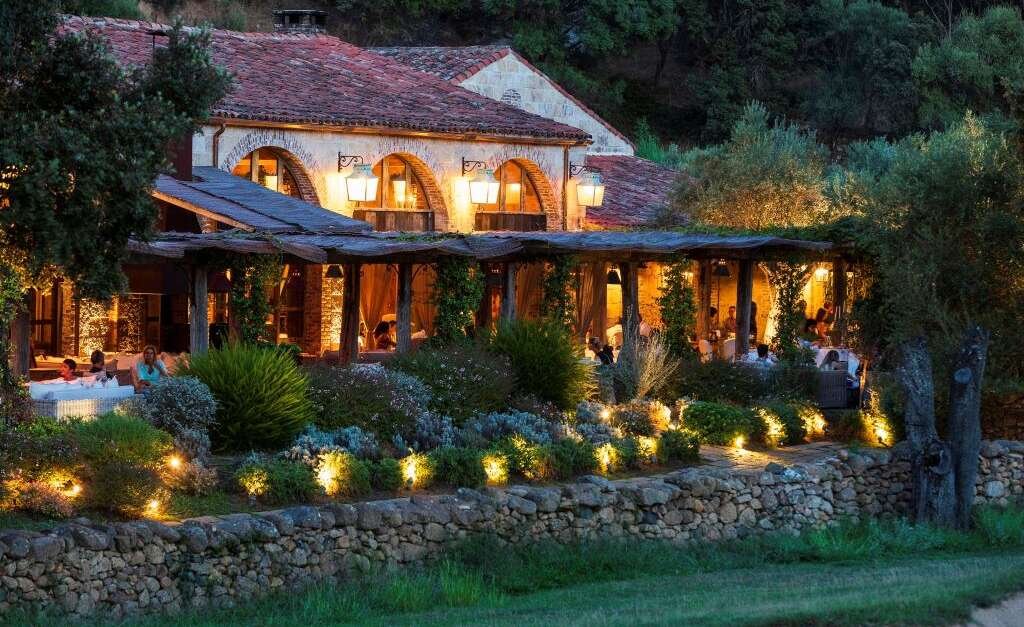
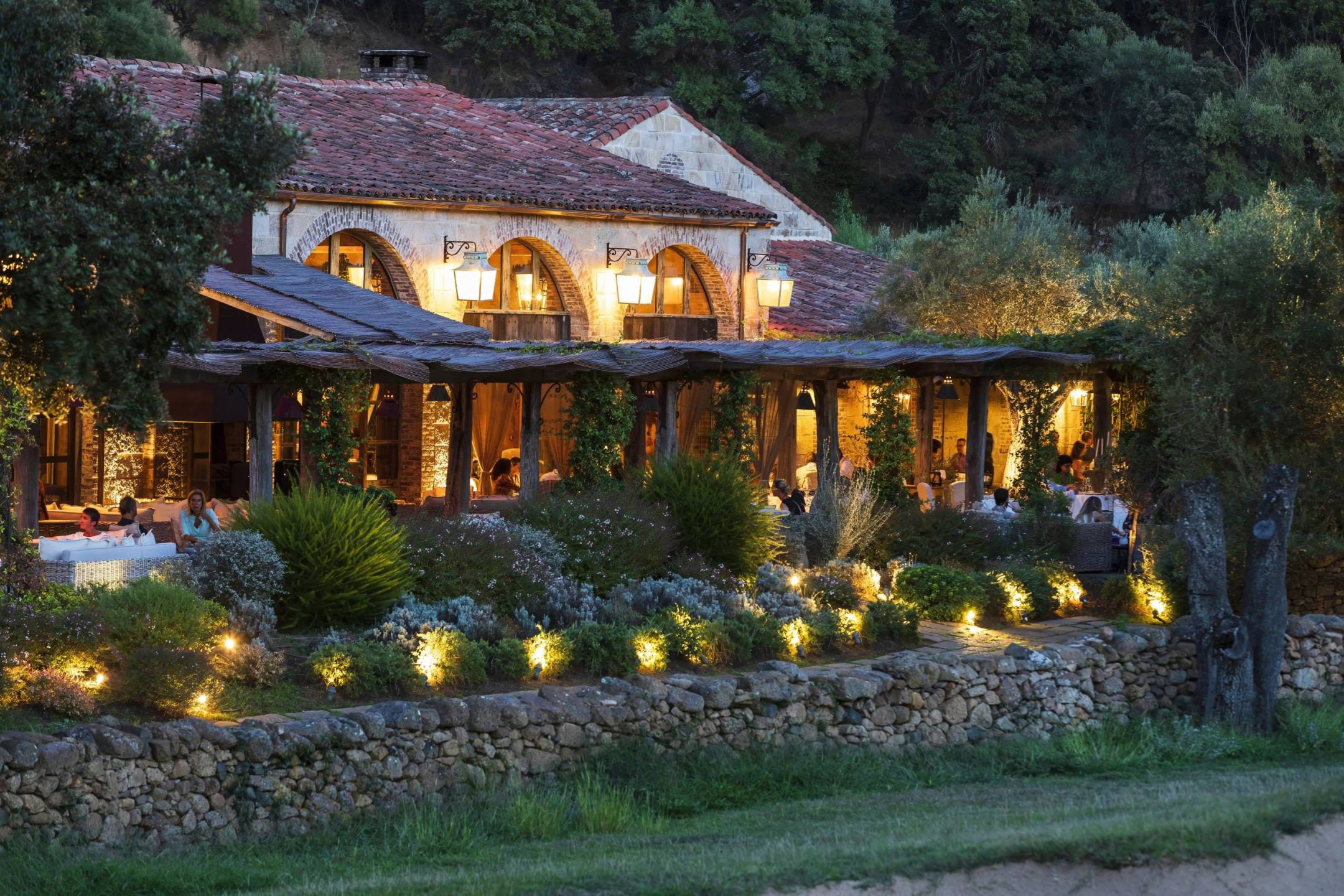
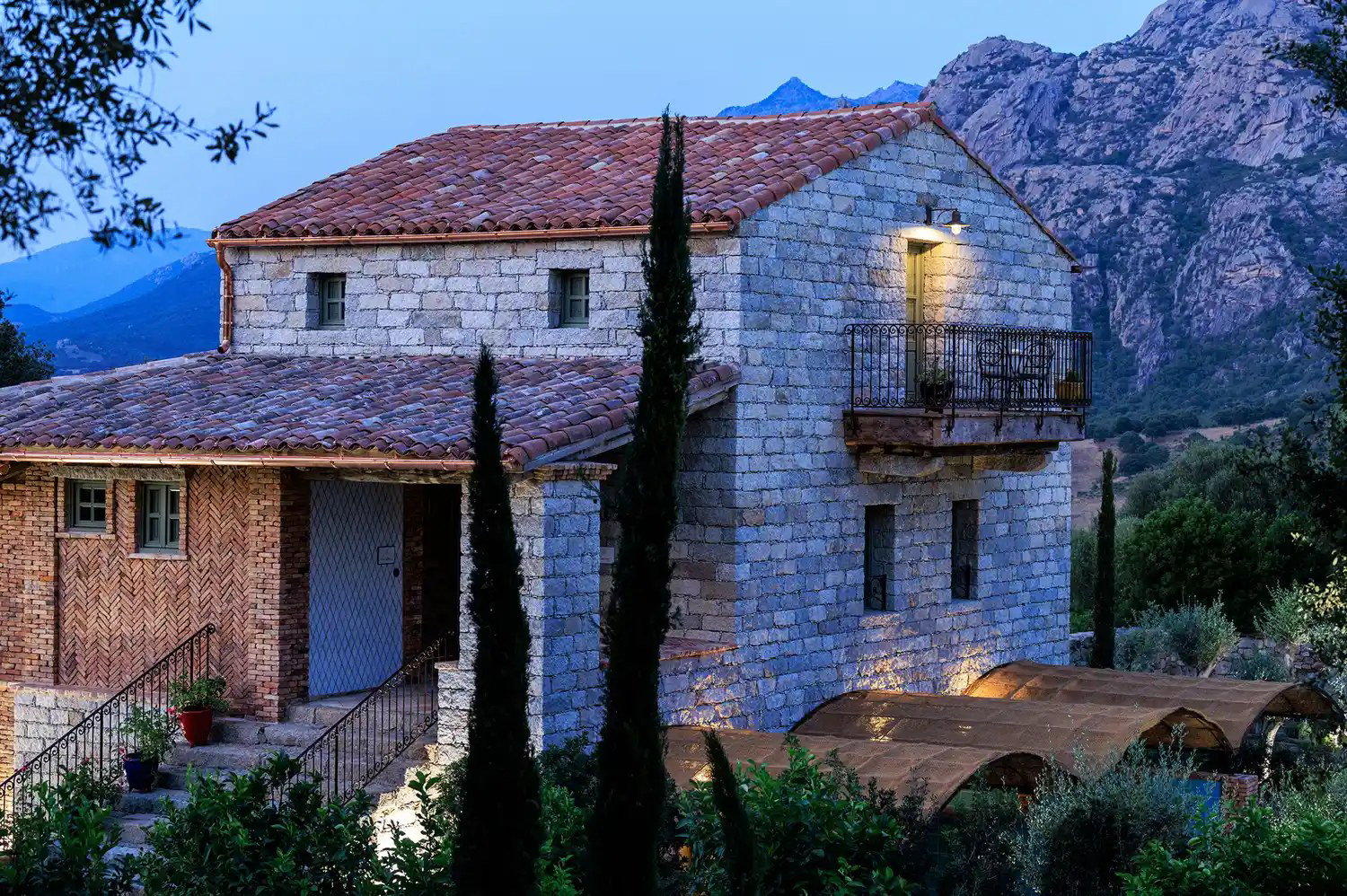
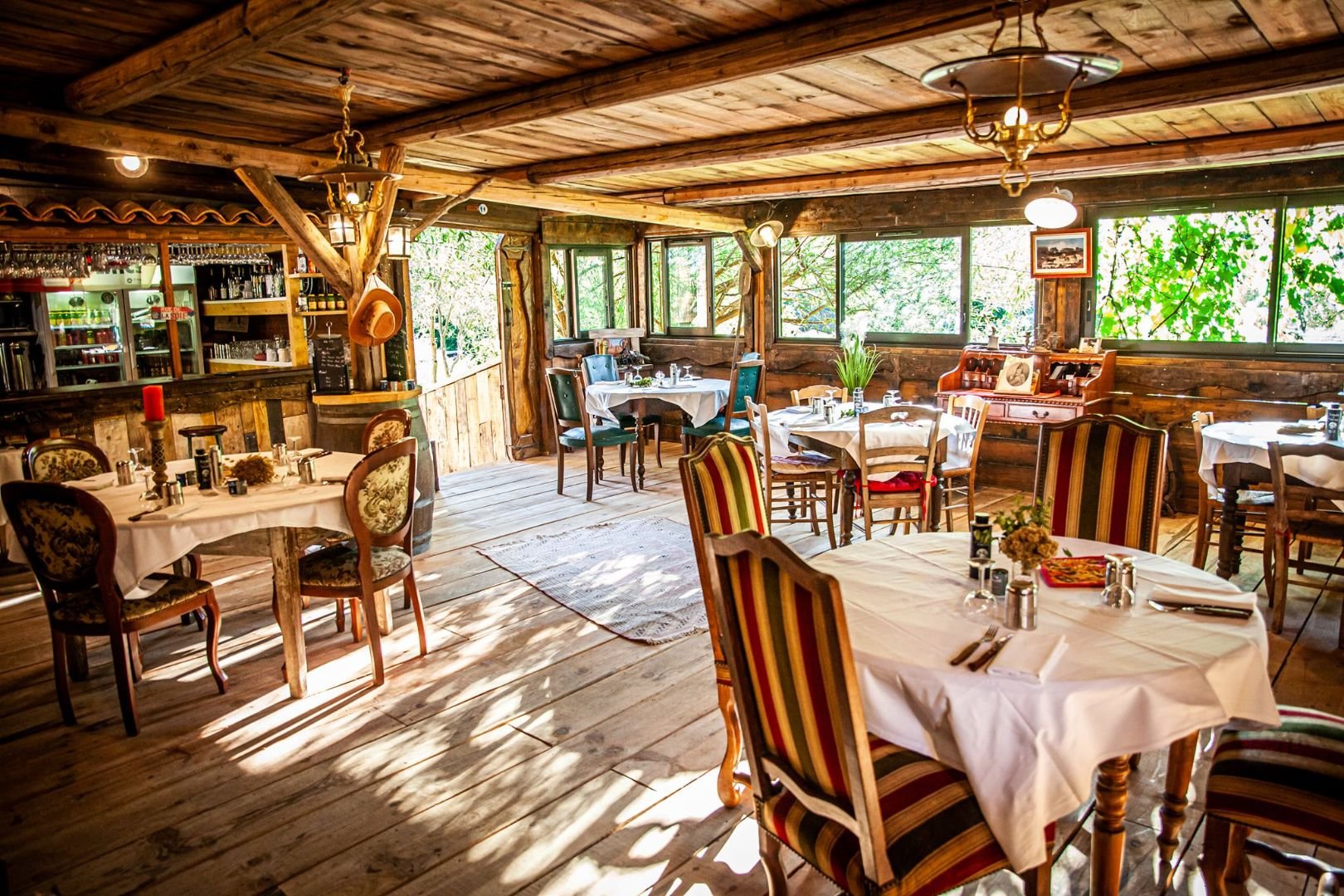
Santu Pultru reads like a genuine Corsican hideaway: the drive through maquis scrub and granite outcrops primes you for a meal that feels separated from ordinary life. The place leans into a rustic, cozy intimacy — there is no passing trade and the valley address rewards those willing to make the deliberate trip. Inside, the experience centers on communal rhythms rather than menu theatrics; the meal is a sequence, generous and unhurried, with the kitchen setting the tempo. It feels like a discovery you share with friends or family, quietly anchored in the island’s rural culinary traditions.
Best For
This is a destination for people who want a slow, communal meal rather than a quick stop. Families and groups who enjoy sharing and lingering over multiple courses will find the format particularly satisfying, as will anyone seeking an off-the-beaten-path outing in the Corsican interior. Because the restaurant functions as a deliberate appointment — reached by a rural drive and free from passing trade — it suits those planning an evening around the table d'hôte rhythm rather than a rushed lunch or transient visit.
Ordering Tips
Embrace the table d'hôte logic: courses arrive when they are ready and the kitchen sets the pace. Start by expecting charcuterie to anchor the opening — the write-up specifically names lonzu, coppa and figatelli — and allow the meal to unfold rather than trying to itemize every dish. This is a restaurant built on generosity and sequence, so resist insisting on strict timing or à la carte ordering; letting the kitchen guide the progression yields the most authentic experience. Come with patience and an appetite for sharing.
Venue details
Ambiance
Authentic rustic setting blending wood and stone with a warm, cozy atmosphere, featuring a fireplace in winter and equestrian decor.
Tags
Vibe
Best For
Experience
Sourcing
At the Table
- Dress Code
- Casual
- Noise Level
- Quiet
- Service Style
- Upscale Casual
- Meal Pacing
- Leisurely
- Capacity
- Small
Know before you go
Know Before You Go
- Getting there
- Cavada di Santu Pultru, D 48, 20100 Sartène, France
Planning details
Location
Cavada di Santu Pultru, D 48, 20100 Sartène, France · Directions
Recognition and awards
Also consider
Also Consider
- Plénitude, Contemporary French, €€€€
- Pierre Gagnaire, French, Creative, €€€€
- Alléno Paris au Pavillon Ledoyen, Creative, €€€€
- Kei, Contemporary French, Modern Cuisine, €€€€
- Le Cinq - Four Seasons Hôtel George V, French, Modern Cuisine, €€€€
Restaurant context
Comparing Santu Pultru against the €€€€ Paris rooms that share its Michelin recognition bracket is less useful than it might appear, but it clarifies the value question quickly. Plénitude, Pierre Gagnaire, Alléno Paris au Pavillon Ledoyen, Kei, and Le Cinq at the Four Seasons George V all operate at the upper end of Paris fine dining, with price structures to match. If you are choosing between a Paris starred evening and a meal at Santu Pultru, you are choosing between two fundamentally different types of experience: global technique and prestige on one side, regional specificity and value on the other. For a food traveller whose goal is to understand Corsican cooking as a distinct tradition, Santu Pultru is not a lesser version of those Paris rooms, it is a different answer to a different question.
Within the Sartène area specifically, Santu Pultru holds the strongest validated position. La Table de la Grotte offers Corsican cooking in a more central setting, and La Table de la Plage takes a Mediterranean direction with a coastal orientation. Neither carries Michelin recognition. If the combination of awarded quality and accessible pricing is your deciding factor, Santu Pultru is the clear choice among the three. Book La Table de la Plage if you want lunch with sea views; book Santu Pultru if the cooking itself is the priority.
For travellers who want Paris-level technical ambition and are willing to pay for it, the €€€€ rooms are the right call, Plénitude in particular for contemporary French precision, Le Cinq for the full grand-hotel experience. But if the trip is about eating where you are rather than eating at the best address your budget can reach, Santu Pultru at €€ with two consecutive Michelin Plates is the more honest choice for Sartène. Booking is easy, the price risk is low, and the regional return is high.
Explore Sartène
Around this place
Discover more on Pearl
Unlock the full Santu Pultru guide in Pearl, including awards, comparisons, FAQs, planning details, and nearby places.
Compare Santu Pultru
| Venue | Awards | Price |
|---|---|---|
| Santu Pultru | 2025 Michelin Plate2024 Michelin Plate | €€ |
| Plénitude | 2026 OAD Classical in Europe Ranked · #1Michelin Guide France & Monaco 20262026 La Liste Top Restaurants2026 Falstaff Restaurant Guide2025 OAD Classical in Europe Ranked · #12025 World's 50 Best Restaurants · #142025 The Best Chef Three Knives2025 La Liste Top Restaurants2025 Gault & Millau Exceptional Restaurant | €€€€ |
| Pierre Gagnaire | 2026 OAD Classical in Europe Ranked · #402026 Relais Chateaux RestaurantsMichelin Guide France & Monaco 20262026 Les Grandes Tables du Monde Members2026 La Liste Top Restaurants2026 Falstaff Restaurant Guide2025 OAD Classical in Europe Ranked · #902025 OAD Top Restaurants in Japan Ranked · #157We're Smart World Top Restaurants 2025 | €€€€ |
| Alléno Paris au Pavillon Ledoyen | 2026 OAD Classical in Europe Ranked · #35Michelin Guide France & Monaco 20262026 La Liste Top Restaurants2025 OAD Classical in Europe Ranked · #342025 The Best Chef Three Knives2025 Gault & Millau Exceptional Restaurant2025 Michelin 3 Stars2024 OAD Classical in Europe Ranked · #342024 World's 50 Best Restaurants · #79 | €€€€ |
| Kei | 2026 OAD Classical in Europe Ranked · #29Michelin Guide France & Monaco 20262026 Les Grandes Tables du Monde Members2026 La Liste Top Restaurants2026 Falstaff Restaurant Guide2025 OAD Classical in Europe Ranked · #262025 Michelin 3 Stars2025 Gault & Millau Prestige Restaurant2025 La Liste Top Restaurants | €€€€ |
| Le Cinq - Four Seasons Hôtel George V | No published awards | €€€€ |











A quick look at how Santu Pultru measures up.
FAQ
Frequently Asked Questions
What should I order at Santu Pultru?
Santu Pultru holds a Michelin Plate (2025) for traditional Corsican cuisine, so the kitchen's strengths run toward the island's larder: charcuterie, slow-cooked meat, and herb-forward preparations rooted in maquis produce. Specific menu items are not published, so arrive open to what is in season rather than hunting a particular dish. If the kitchen offers chestnut or brocciu preparations, those are the formats that define Corsican traditional cooking.
How far ahead should I book Santu Pultru?
Booking is rated Easy, and Santu Pultru draws a largely local rather than destination clientele, so you are unlikely to need weeks of lead time. A few days' notice should be sufficient in low season; for weekends in July and August, book at least a week ahead to be safe. The remote D 48 address outside Sartène means walk-ins are possible but require confirmation the kitchen is open that day.
What should I wear to Santu Pultru?
At €€ pricing and a Michelin Plate rather than a Michelin star, Santu Pultru sits comfortably in the relaxed end of recognised Corsican dining. Clean, casual clothes are appropriate; there is no indication of a formal dress requirement for a rural restaurant on the D 48 outside Sartène. Leave the jacket at the hotel.
Is the tasting menu worth it at Santu Pultru?
No tasting menu format is confirmed in the available venue data, and assuming a set menu exists at a rural €€ traditional Corsican restaurant would be speculative. If the question is whether a structured multi-course experience is available, confirm directly when booking. The Michelin Plate recognition (2024 and 2025) signals consistent kitchen quality rather than a destination-format experience.
Is Santu Pultru worth the price?
At €€ pricing with two consecutive Michelin Plate recognitions (2024 and 2025), Santu Pultru represents solid value for what it is: genuine traditional Corsican cooking in a remote setting outside one of the island's most characterful towns. It is not competing with starred restaurants in Ajaccio on ambition or format, but it is not priced like one either. If you are already in the Sartène area, the quality-to-price ratio makes it an easy yes.