Hotel in Rome, Italy

    Baccarat Hotel Rome

    150Pearl Points

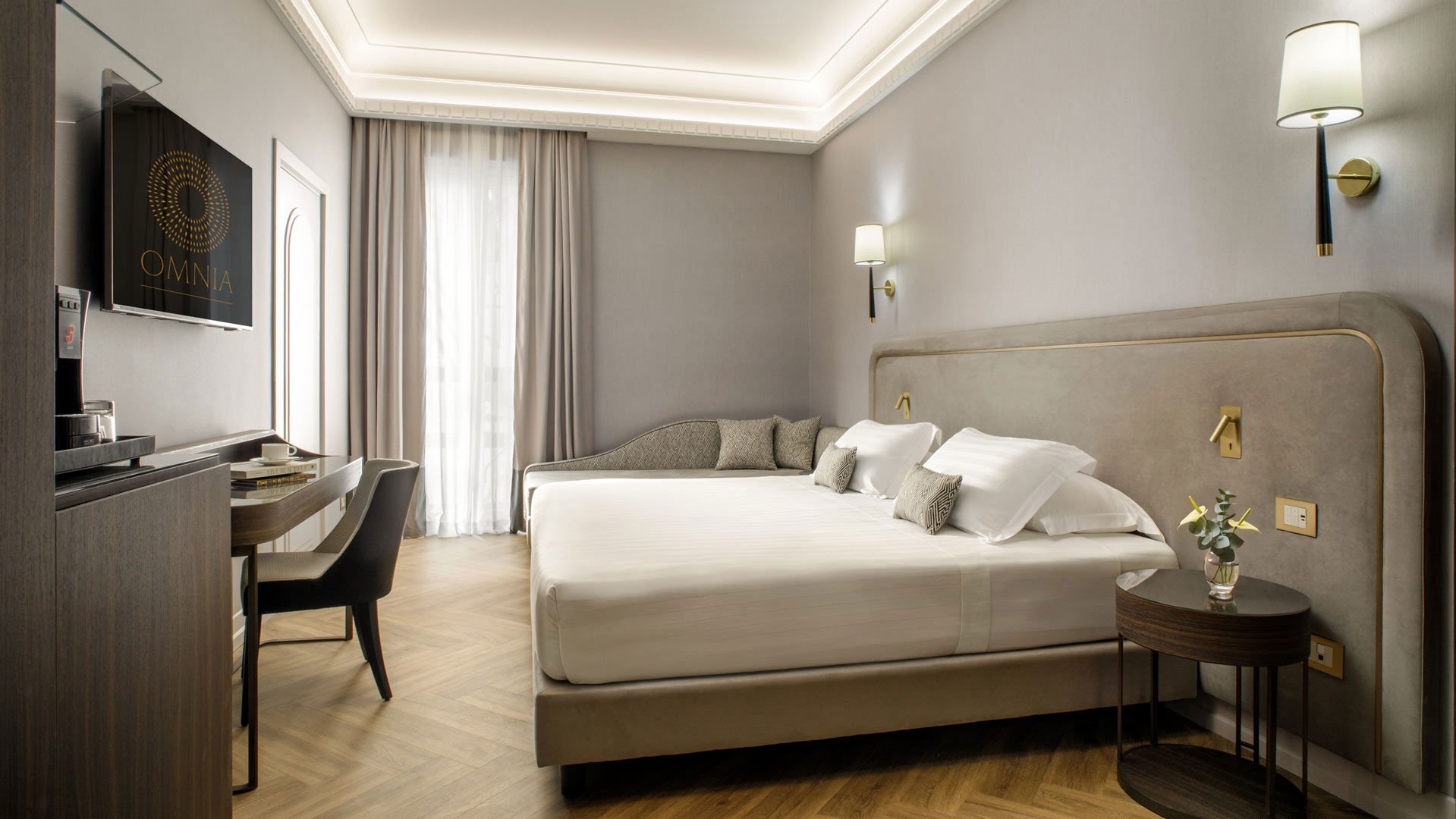
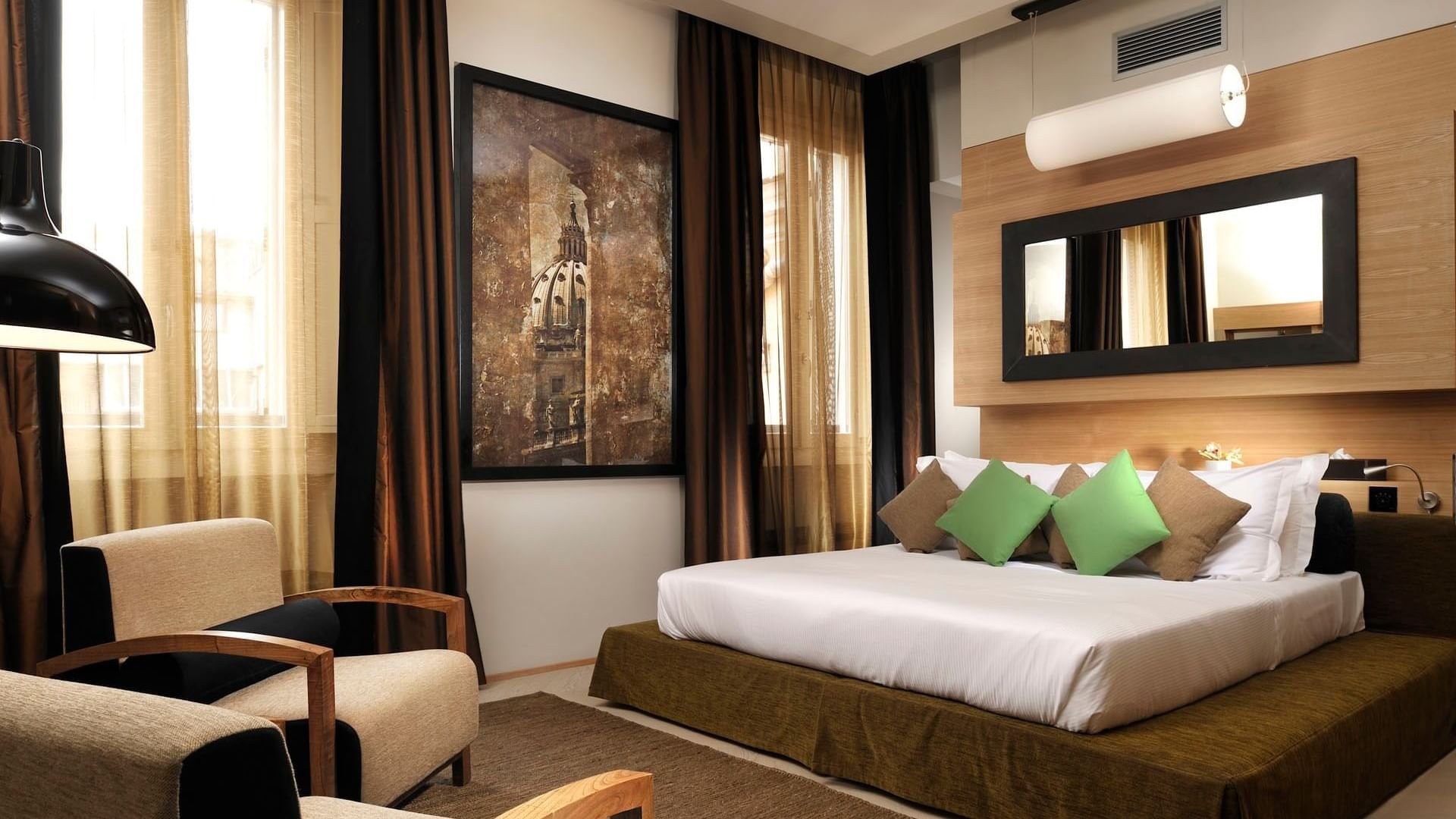
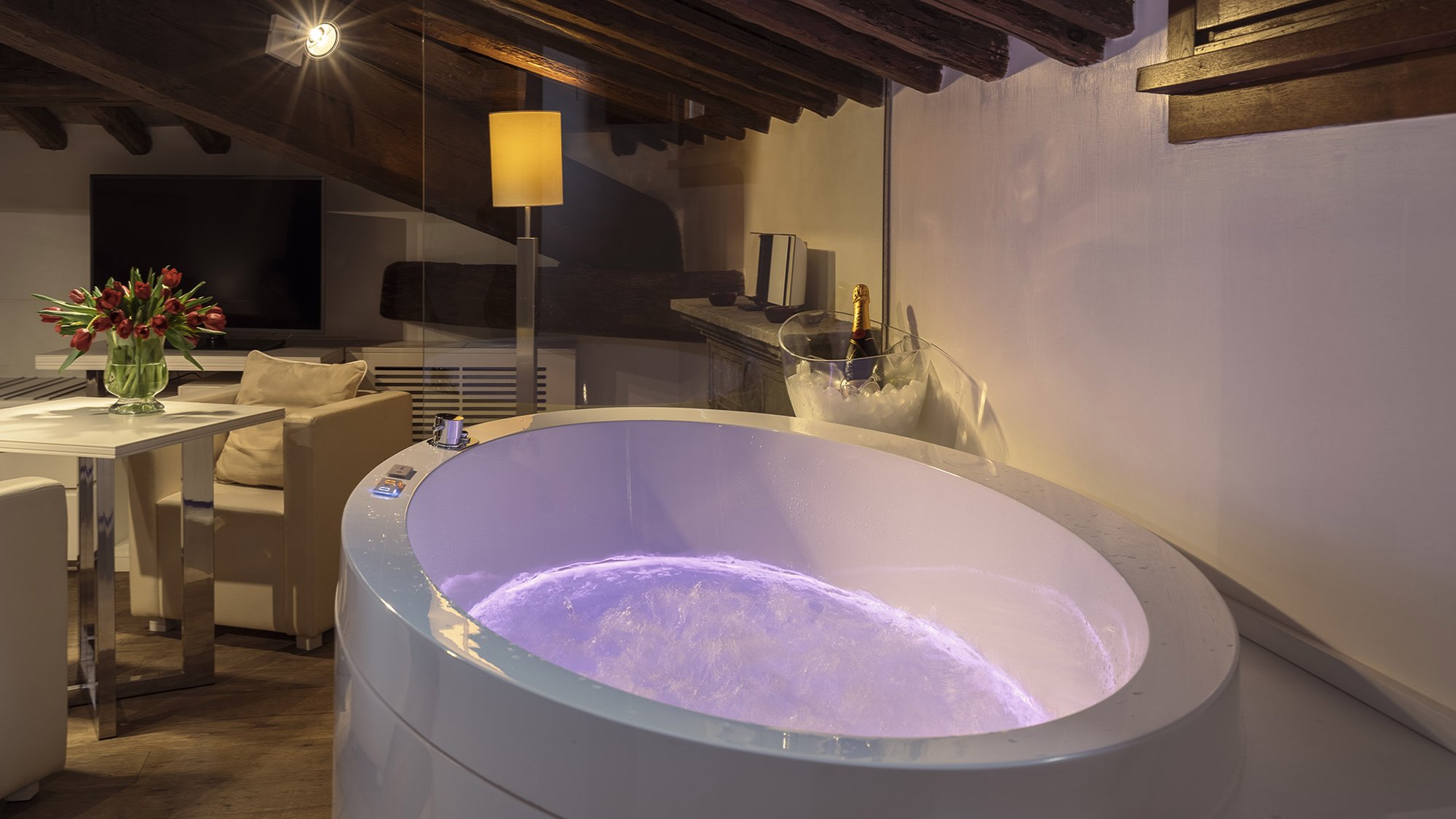
    Crystal-Led Design

    About Baccarat Hotel Rome

    Rome’s <strong>luxury hotel</strong> scene is shifting from palace grandeur toward sharper design identities, and <strong>Baccarat Hotel Rome</strong> belongs in that conversation by name alone. With public details still limited in the venue record, the useful reading is comparative: expect this address to be judged <strong>against Rome’s design-led and grand-hotel</strong> peers rather than against generic city stays.

    Rome luxury through glass, stone, and restraint

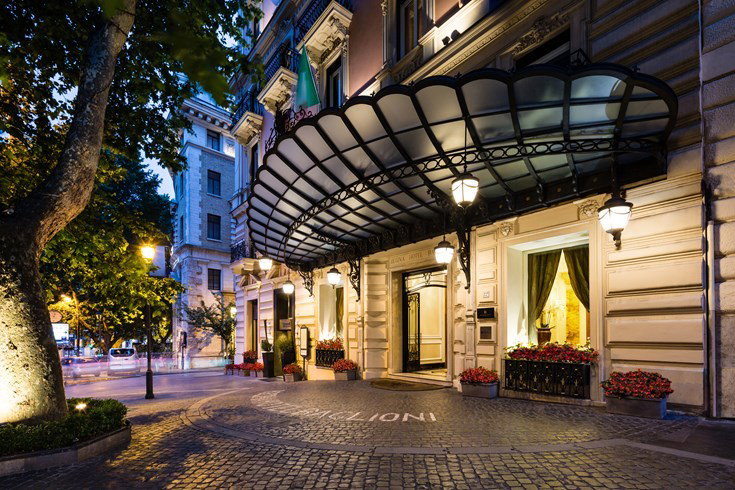
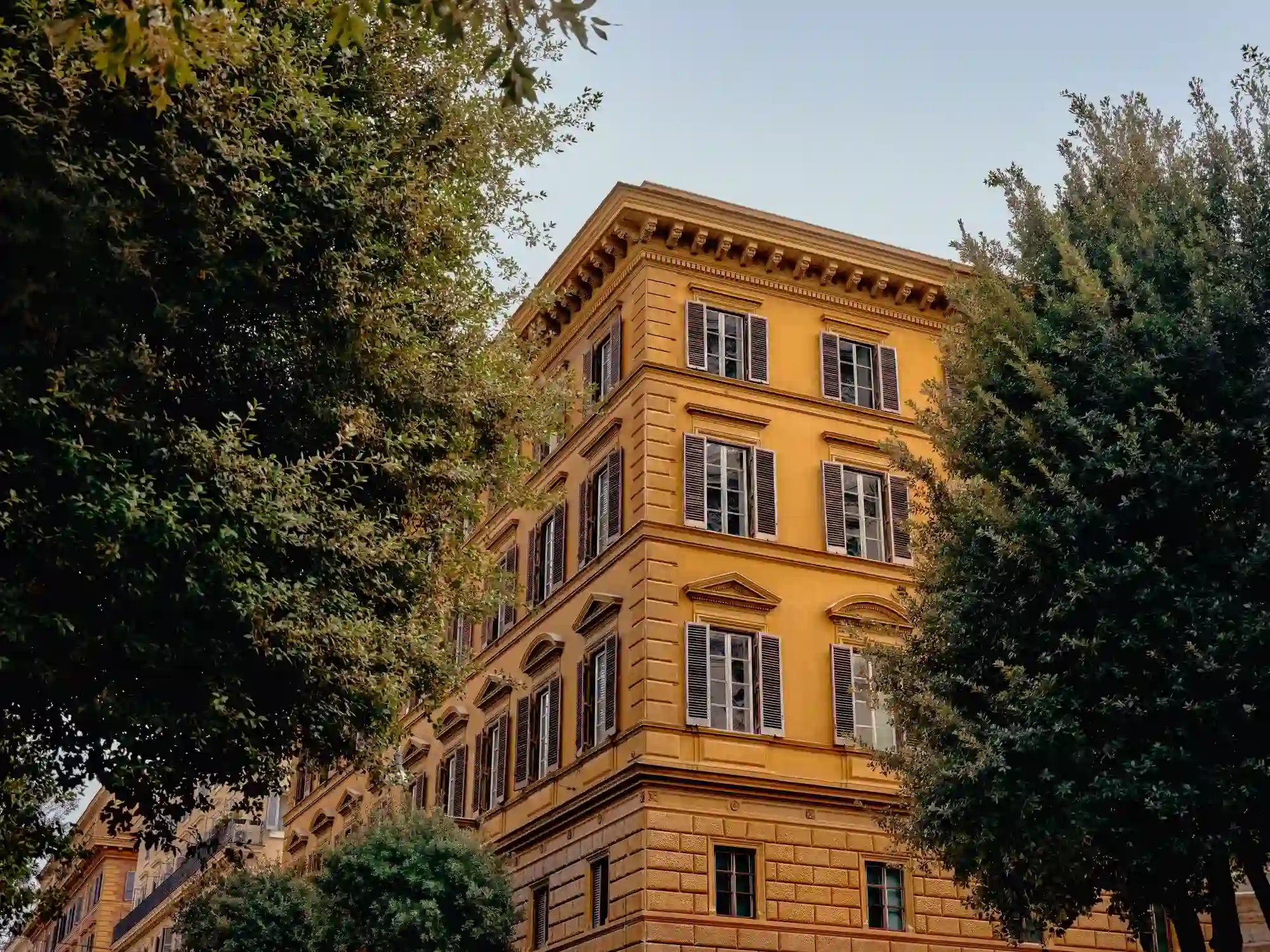
    Approaching a serious Roman hotel is rarely a neutral act. The city makes architecture do the first round of hospitality: travertine underfoot, church bells in the distance, ochre façades filtering afternoon light, and a constant negotiation between archaeological gravity and contemporary wealth. That is the frame in which Baccarat Hotel Rome has to be read. The name carries a design expectation before any room category, restaurant, or service ritual enters the conversation: crystal, reflection, polish, and a certain Franco-European formality translated into a city that usually prefers patina over sheen.

    Rome’s luxury hotel market has tightened into distinct camps. There are the grand addresses where history, stairs, and view corridors set the tone; the discreet townhouse hotels that trade on privacy and scale; and a newer group of design-forward properties that use material language as their main claim. Baccarat Hotel Rome sits in that third discussion, at least from the available record. The public database for this page does not list an address, star rating, opening date, room count, awards, restaurant, chef, price range, or booking channel, so specific promises would be false precision. The editorial point is narrower and more useful: this is a hotel to assess through design discipline and its fit within Rome’s increasingly competitive high-luxury set.

    For context, Rome now gives travelers several clearly differentiated ways to buy luxury. Bulgari Hotel Roma brings a Roman jewelry-house vocabulary to a large-format city hotel; Hotel Vilòn and JK Place Roma represent the smaller, residential end of the spectrum; Hassler Roma and Hotel Eden carry the city’s established grand-hotel grammar. A Baccarat-branded Roman hotel is not competing only on thread count or lobby flowers. It enters a market where brand identity has to survive comparison with actual palazzi, old aristocratic addresses, and hotels whose views have been part of the city’s travel imagination for generations.

    Why design is the real test in Rome

    Rome is a difficult city for polished luxury. Too much shine can look imported; too much nostalgia becomes stage set. The stronger hotels in the city understand proportion, shadow, and restraint. They know that marble is not enough, that a staircase can speak louder than a logo, and that guests paying premium rates often want the city’s texture rather than insulation from it. A Baccarat hotel in this context has a precise challenge: the house codes of crystal and ceremony need to meet Rome’s heavier architectural memory without turning the property into a showroom.

    This is where comparison matters. Hotel Locarno draws strength from a cultivated bohemian mood, while Maalot Roma plays in the intimate, personality-led boutique category. Portrait Roma speaks to a fashion-house version of Roman discretion. These are not interchangeable hotels. Their value lies in how clearly each one defines a version of the city. Baccarat Hotel Rome will be judged by the same standard: not whether it is luxurious in the abstract, but whether its physical environment gives travelers a coherent reason to choose this expression of Rome over another.

    The city’s design hotels now have narrower lanes

    A decade ago, a high-spec room near Rome’s historic center could carry much of the argument. The current market is less forgiving. Travelers now compare Italian city hotels across a national circuit: a design stay in Rome against Portrait Milano in Milan, a country-house retreat such as Rosewood Castiglion Del Bosco in Montalcino, or a destination property like Il San Pietro di Positano in Positano. That broader comparison raises the bar. A Roman hotel cannot rely on the city alone; the hotel has to explain, through space and service, why a night in Rome deserves its own allocation of the trip budget.

    The architecture-and-design lens is therefore not cosmetic. It determines how the stay functions. Does the hotel encourage long lobby hours or quick departures into the city? Does it make sense for an art-heavy weekend, a fashion-and-shopping itinerary, a diplomatic schedule, or a first Roman visit built around churches and ancient sites? With no confirmed room categories, amenities, or dining details in the database, those questions cannot be answered with invented specifics. They can, however, define the right way to evaluate the property once full operating information is public.

    Where it fits among Rome's luxury addresses

    The Roman hotel field is crowded at the premium end, but not crowded in the same way as Paris or London. Rome’s strongest properties tend to be anchored by place: a hill, a palazzo, a shopping street, a garden, a view. The competitive question for Baccarat Hotel Rome is whether its brand-led design identity can create an equally persuasive anchor. In cities where Baccarat operates or influences expectations, the name suggests a controlled atmosphere, formal service cues, and interiors built around light. Rome asks for a different intelligence: warmth, depth, and the ability to let age remain visible.

    That tension is useful for travelers. Anyone choosing between the city’s luxury hotels should start with the intended version of Rome. For ceremonial grandeur, the established grand hotels remain the reference points. For quieter residential scale, the townhouse category is stronger. For design as the main event, the newer branded and boutique properties are the relevant peer set. Baccarat Hotel Rome belongs in that last conversation, with the caveat that the venue record currently lacks the data needed to rank it by awards, room inventory, rate tier, or restaurant program.

    Comparisons beyond Rome sharpen the category

    Italy’s luxury hotels have become increasingly specific by region. Casa Maria Luigia in Modena connects hospitality to contemporary Emilia-Romagna food culture. Cipriani, A Belmond Hotel, Venice in Venice depends on lagoon mythology and resort separation. Castello di Reschio in Lisciano Niccone uses estate scale and Umbrian landscape as its language. Borgo Santandrea in Amalfi Coast is tied to cliffside leisure, while Four Seasons Hotel Firenze in Florence draws on Renaissance-city garden grandeur. Rome’s version of this specificity is more urban and more layered. A design hotel here needs to be comfortable with contradiction: sacred and commercial, ancient and theatrical, formal at dinner and chaotic at the curb.

    International comparisons also matter because Baccarat is a global luxury signal, not a local family name. A traveler who also considers The Fifth Avenue Hotel in New York City, One&Only Mandarina in Riviera Nayarit, or The Siam in Bangkok is not merely booking a bed. That traveler is comparing how strongly a property turns architecture, service rhythm, and local context into a complete stay. Rome rewards hotels that avoid generic luxury codes and punish those that ignore the city outside the door.

    Dining, drinking, and the hotel as a base

    The database does not list cuisine type, chef name, restaurant format, bar program, hours, or signature dishes for Baccarat Hotel Rome. That absence matters. Rome is a city where the hotel restaurant can either become a destination in its own right or function as a polished convenience between stronger meals elsewhere. Until confirmed dining details are available, the sensible assumption is that food-focused travelers should treat the hotel primarily as a design-led base and build meals independently across the city.

    Rome’s dining culture is not one thing. There is trattoria classicism built on carbonara, amatriciana, offal, puntarelle, and seasonal artichokes; there is a serious natural-wine and neo-bistro layer; and there are hotel dining rooms competing for international guests who expect tasting menus, exact service, and late-evening polish. The useful planning move is to separate hotel choice from restaurant choice. Use Our full Rome restaurants guide for the table strategy, then decide whether the hotel should be near shopping, galleries, ancient sites, or late-night bars.

    The same applies to drinking. Rome’s bar culture ranges from aperitivo counters to ambitious cocktail rooms and hotel bars that trade on atmosphere rather than experimentation. Without verified bar details for the property, no claims should be made about cocktails, wine lists, or lounge character. Travelers who care about that layer should cross-check Our full Rome bars guide and treat the hotel bar, if operating, as a convenience until its program is documented.

    How to plan a stay around this address

    Because the venue record does not provide a website, phone number, address, price range, room count, or booking method, planning should be handled with caution. Confirm the operating status, exact location, room categories, cancellation terms, breakfast policy, service inclusions, and any dining availability through a verified booking source before committing. Rome’s hotel pricing changes sharply by season: spring and autumn bring heavy cultural and leisure demand, while major holidays, fashion-adjacent travel, and Vatican-related periods can compress availability. Those patterns are city-level realities rather than property-specific claims.

    For first-time Rome travelers, location should drive the final decision as much as design. A hotel near the Spanish Steps creates a different rhythm from one nearer the Pantheon, Campo de’ Fiori, Trastevere, or the quieter embassy districts. Walking routes, taxi access, and the density of evening dining options change the feel of a stay. Since this record does not include an address or coordinates, the exact logistical advantage cannot be assessed here. Before booking, map the confirmed address against the places that will shape the trip: restaurants, museums, shopping streets, and train connections.

    Travelers building a wider Italian itinerary should decide whether Rome is the cultural anchor or a transit point. If the trip continues to Capri, JK Place Capri in Capri moves the mood toward coastal polish. If it continues to Venice, countryside Umbria, Tuscany, or the Amalfi Coast, Rome may need a hotel that offers efficiency rather than resort-style lingering. For broader comparison, Our full Rome hotels guide is the better starting point, while Our full Rome experiences guide helps shape the days around art, archaeology, and specialist access. Wine-focused travelers can also consult Our full Rome wineries guide for context beyond the hotel circuit.

    Editorial verdict

    Baccarat Hotel Rome is interesting because the city has reached a point where luxury branding alone is not enough. Rome already has grand hotels with deep memory, boutique hotels with sharper intimacy, and fashion-linked addresses with clear clientele. A Baccarat property has to justify itself through atmosphere, material control, and the way it handles Roman light and scale. Until verified details on rooms, dining, awards, and pricing are available, the responsible verdict is conditional: consider it within Rome’s design-led luxury tier, but compare it carefully against properties with documented location, service scope, and operating history.

    The likely appeal is not for travelers seeking rustic Roman character or a heavily local small-hotel mood. It is for those who want a more polished, design-coded stay and are comfortable judging a hotel by brand standards as well as city context. In Rome, that can work, but only when the interiors respect the city’s older, rougher intelligence. The right question is not whether the name is glamorous. The right question is whether the finished experience gives Rome another serious design hotel rather than another imported luxury vocabulary.

    Planning questions

    Is Baccarat Hotel Rome more formal or casual?

    Plan for the formal side of Rome’s luxury spectrum unless verified property details indicate otherwise. The Baccarat name signals polished design and service expectations, while Rome’s premium hotels generally reward smart dress in public rooms, especially in the evening. No dress code is listed in the venue record.

    What is the useful reference point for this hotel?

    The useful reference point is Rome’s design-led luxury tier, not the city’s trattoria culture or resort hotels elsewhere in Italy. The database does not list awards, cuisine, chef, or star rating, so comparisons should focus on design identity, confirmed location, and documented services once those are available.

    What defines Baccarat Hotel Rome?

    Its defining feature is the design proposition implied by the Baccarat name in a city where architecture carries unusual weight. With no verified room, dining, or awards data in the record, the property is leading understood through its likely role in Rome’s brand-led luxury hotel category.

    Is Baccarat Hotel Rome reservation-only?

    For overnight stays, treat advance booking as necessary. The record does not provide a website, phone number, booking method, or public hours, so confirm availability and terms through a verified channel before planning around the hotel. Do not assume walk-in access to dining or bar spaces without current confirmation.

    Which room category should travelers choose?

    The venue record does not list room types, sizes, views, or rates, so no specific category can be recommended responsibly. In Rome, the smarter approach is to compare confirmed room size, natural light, noise exposure, and view before paying for a higher category.

    How should a stay be planned?

    Start by confirming the exact address, operating status, room inclusions, cancellation terms, and any dining or spa access. Then map the hotel against the trip’s real priorities: ancient sites, shopping, restaurant reservations, evening bars, and rail or airport transfers. Rome rewards precise geography.

    Is staying here worth it?

    It is worth considering if the rate reflects a clearly documented design-led luxury experience and the confirmed location suits the itinerary. Since the record does not list price, awards, room count, or service details, value should be judged against Rome peers with transparent operating information before committing.

    Location

    Rome, Italy

    Keep this place

    Save or rate Baccarat Hotel Rome on Pearl

    Keep this venue in your Pearl passport, rate it after you visit, and track it alongside every other place you collect.