
Park Hyatt Ningbo Resort and Spa
Dongqian Lake District, Ningbo
Hotel in Ningbo, China
 Book with Pearl
Why go
A better pick for a calmer Ningbo stay than a tightly scheduled city trip. Park Hyatt Ningbo Resort and Spa makes the most sense when the setting and downtime are part of the value, with MICHELIN Guide hotel selection adding a credible quality signal. Business travelers should compare city convenience carefully before booking.
About Park Hyatt Ningbo Resort and Spa
Park Hyatt Ningbo Resort and Spa is a Ningbo hotel listed in the MICHELIN Guide hotel selection for 2025. Use that as a quality signal while checking directly with the hotel for details such as location convenience, facilities, dining, room style, and service format.
For planning, focus on the MICHELIN recognition and confirm practical details directly before booking. The dress code is smart casual, and the recognition is MICHELIN Guide, Hotels Selected (2025). For anything more specific, including dining options, arrival logistics, amenities, or current operating details, check the hotel directly before booking.
Book for a Ningbo stay with confirmed MICHELIN hotel recognition
The main reason to consider Park Hyatt Ningbo Resort and Spa is its inclusion in the MICHELIN Guide hotel selection for 2025. That gives travelers a useful quality signal; match it with current hotel details before setting expectations about the exact guest experience.
If the trip depends on specific logistics, compare the hotel's current details with your itinerary before committing. For trip planning around the city, keep the separate guides close: Ningbo restaurants, Ningbo bars, Ningbo wineries, and Ningbo experiences.
How to judge the price-to-quality tradeoff
The price-to-quality decision should be based on the rate you are seeing, the role the hotel will play in the trip, and any current details provided directly by the property. Do not assume specific dining, room, spa, family, business, or transport advantages unless the hotel has provided them for your dates.
Recognition from the MICHELIN Guide hotel selection gives it a useful external quality signal, but that alone should not settle the decision. For travelers building a wider China hotel shortlist, natural reference points include Amanyangyun, Conrad Hangzhou, InterContinental Shanghai Wonderland, POKKEI Hotel Shaoxing, and Sun Island Resorts, Shanghai.
Who should skip it
Skip this if your stay depends on detailed dining arrangements, precise transport planning, or facility-specific requirements. Consider it if a Ningbo hotel with MICHELIN Guide hotel-selection recognition fits your trip and you are comfortable checking the remaining details directly with the property.
Part of
Park Hyatt71 locations on PearlPlanning details
- Location
- China, Zhejiang, Ningbo, Yinzhou, 大堰路188号 邮政编码: 315123
- Website
- hyatt.com/zh-CN/hotel/china/park-hyatt-ningbo-resort-and-spa/ninph
- Phone
- +86 574 2888 1234
The take
The Take
The Vibe
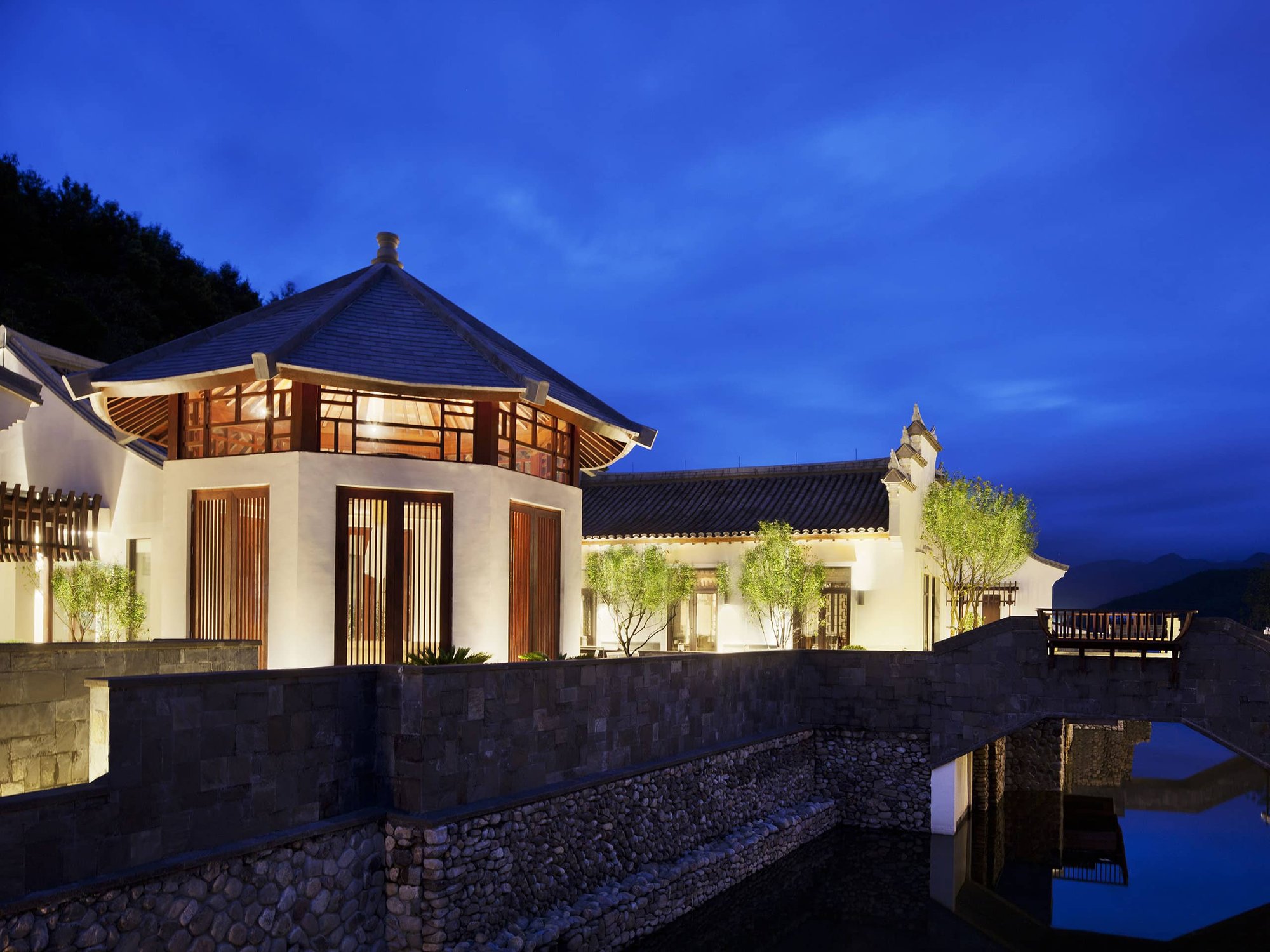
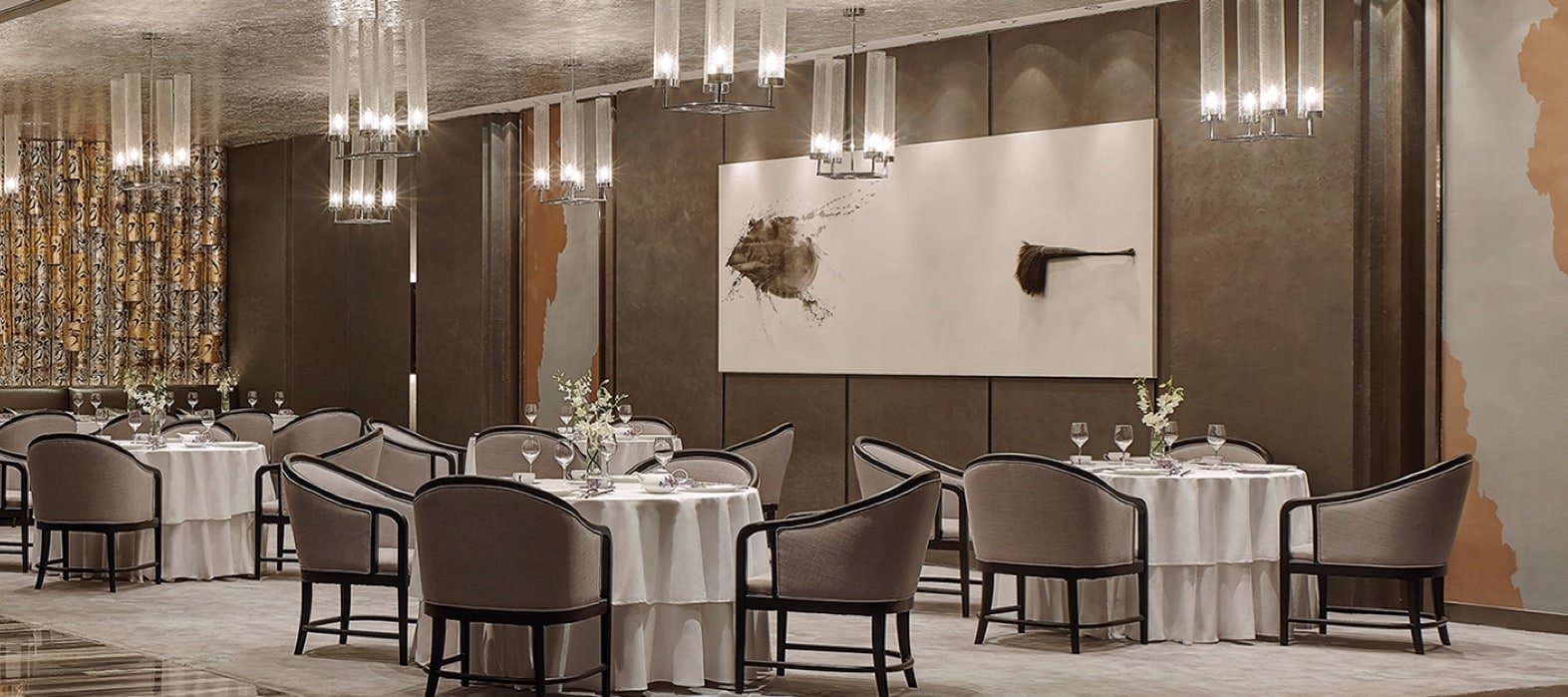
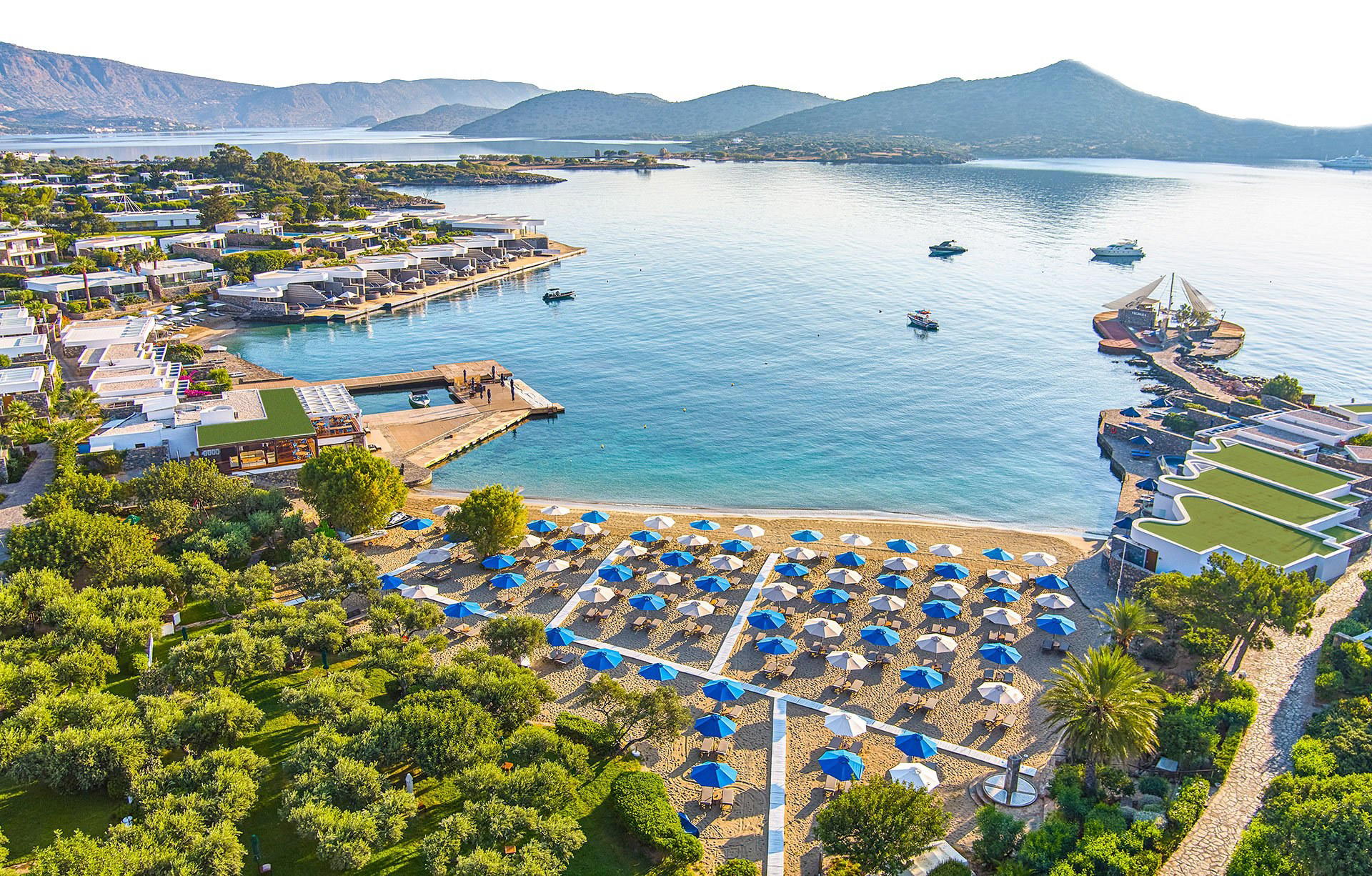
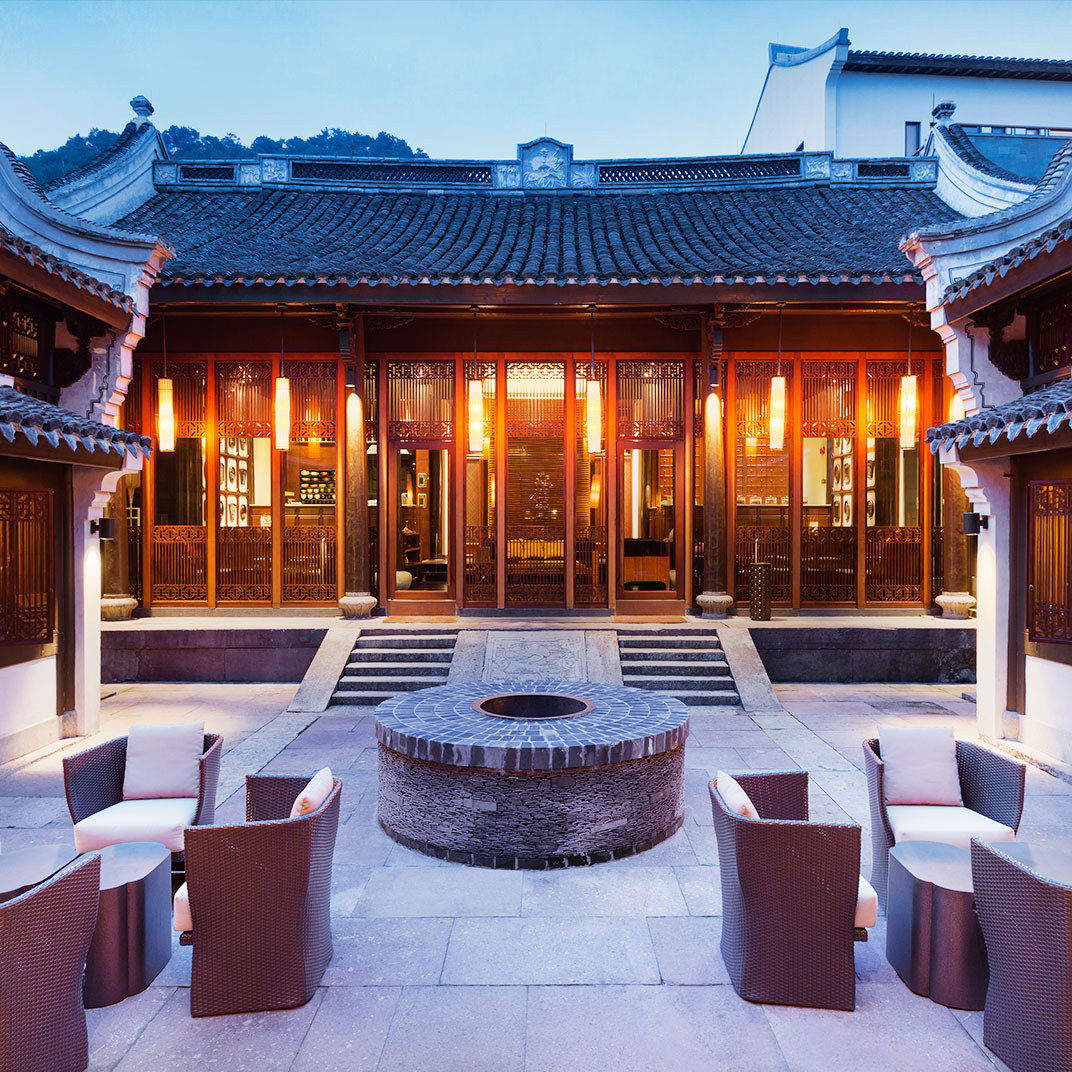
Park Hyatt Ningbo Resort and Spa presents a quietly refined lakeside modernism that reads more like a private compound than a conventional hotel. The architecture arranges low-slung pavilions and framed vistas so the lake becomes the organizing element; stone, timber and water features recur throughout public spaces. Design choices draw on the spatial logic of Yangtze Delta scholar gardens without literal pastiche, producing restrained, grounded interiors that prioritize reveal and enclosure over decorative flourishes. The overall effect is serene and measured — an architecture of calm that belongs to its specific landscape rather than announcing itself loudly.
Best For
This resort is well suited to quietly indulgent escapes — think romantic getaways, honeymoons and weekend retreats that center on privacy and lakeside calm. Its design and layout favor reflection and low-key luxury, while the hotel’s Michelin Selected status signals a dining experience geared toward special-occasion dinners. The compound-like arrangement makes it a good choice for travelers seeking a restorative wellness focus and generous separation from urban bustle. Overall, it appeals to guests who prioritize considered design, restrained service and memorable waterfront settings.
Stay Tips
Because the property is intentionally oriented toward the lake, request a water-facing room or pavilion to make the most of the setting. Reserve dinner in advance: the hotel’s Michelin Selected recognition indicates limited-seat, high-demand dining moments. The hotel name includes “Resort and Spa,” so book spa treatments early if you plan a wellness-focused stay. Expect understated, architecturally driven public spaces rather than flashy amenities; plan time to circulate the estate grounds to appreciate the framing of water, stone and timber that defines the guest experience.
Venue details
Ambiance
Serene and elegant with panoramic lake views, gentle landscaping, and a tranquil atmosphere blending contemporary luxury with classical Chinese elements.
Tags
Vibe
Best For
Experience
Amenities
View
About the Stay
- Rooms
- 236
- Check-in
- 14:00
- Check-out
- 12:00
- Property Style
- Lakeside Chinese Water Village Resort with Pavilions and Villas
- Design Style
- Classically Influenced Contemporary Chinese Architecture with Gabled Roofs and White Walls
Know before you go
Know Before You Go
- Getting there
- China, Zhejiang, Ningbo, Yinzhou, 大堰路188号 邮政编码: 315123
Planning details
Location
China, Zhejiang, Ningbo, Yinzhou, 大堰路188号 邮政编码: 315123 · Directions
hyatt.com/zh-CN/hotel/china/park-hyatt-ningbo-resort-and-spa/ninph
Recognition and awards
Also consider
Also Consider
- POKKEI Hotel Shaoxing, Notable alternative
- Amanyangyun, Notable alternative
- Conrad Hangzhou, Notable alternative
- Sun Island Resorts, Shanghai, Notable alternative
- InterContinental Shanghai Wonderland, Notable alternative
Hotel context
Against POKKEI Hotel Shaoxing and Conrad Hangzhou, Park Hyatt Ningbo Resort and Spa is the Ningbo choice for travelers who want a quieter resort-style base rather than an out-of-metro city stay. Conrad Hangzhou is the more obvious pick for a Hangzhou-focused corporate itinerary; Park Hyatt Ningbo makes more sense when the trip is anchored in Ningbo and the hotel setting matters.
Amanyangyun and Sun Island Resorts, Shanghai are stronger cross-shops for travelers planning a Shanghai-area resort escape. Choose those if the wider trip already points toward Shanghai. Choose Park Hyatt Ningbo Resort and Spa if Ningbo is the destination and the goal is a calmer stay with easier booking expectations.
InterContinental Shanghai Wonderland is the more dramatic ambiance play, while Park Hyatt Ningbo Resort and Spa is the more restrained value call for a Ningbo-based stay. For travelers chasing spectacle, the Shanghai option has the clearer hook. For travelers trying to balance comfort, recognition, and location within Ningbo, Park Hyatt Ningbo Resort and Spa is the cleaner fit.
Explore Ningbo
Around this place
Discover more on Pearl
Unlock the full Park Hyatt Ningbo Resort and Spa guide in Pearl, including awards, comparisons, FAQs, planning details, and nearby places.
Compare Park Hyatt Ningbo Resort and Spa
| Venue | Location | Awards |
|---|---|---|
| Park Hyatt Ningbo Resort and Spa | Ningbo | 2025 Michelin Selected Hotels |
| POKKEI Hotel Shaoxing | Shaoxing | Small Luxury Hotels Member 2025 |
| Amanyangyun | Shanghai | 2026 Forbes 4-Star2026 Virtuoso Luxury Hotel Collection2026 Vogue Best Hotels in Shanghai2026 Mr & Mrs Smith Luxury Hotels2025 Forbes 4-StarWorld Travel Awards 2025Tatler Best Hotels Asia-Pacific 20252025 Michelin 1 KeyAman Hotels |
| Conrad Hangzhou | Hangzhou | 2026 Forbes Recommended2025 Forbes Recommended |
| Sun Island Resorts, Shanghai | Shanghai Shi | No published awards |
| InterContinental Shanghai Wonderland | Shanghai | World Travel Awards 20252025 Michelin 1 Key |







How Park Hyatt Ningbo Resort and Spa compares with similar nearby venues.
FAQ
Frequently Asked Questions
Is Park Hyatt Ningbo Resort and Spa good for business travel?
It may work for a business trip to Ningbo, especially if its MICHELIN Guide Hotels Selected 2025 recognition appeals to you. Check practical requirements such as business facilities, transport convenience, and meeting services directly before booking.
How does Park Hyatt Ningbo Resort and Spa compare to other hotels?
Choose Park Hyatt Ningbo Resort and Spa if you want a Ningbo hotel with MICHELIN Guide Hotels Selected 2025 recognition and the remaining details fit your trip. For a wider China hotel shortlist, you might also compare it with Conrad Hangzhou, Sun Island Resorts, Shanghai, POKKEI Hotel Shaoxing, InterContinental Shanghai Wonderland, or Amanyangyun, while noting that those properties are in other destinations.