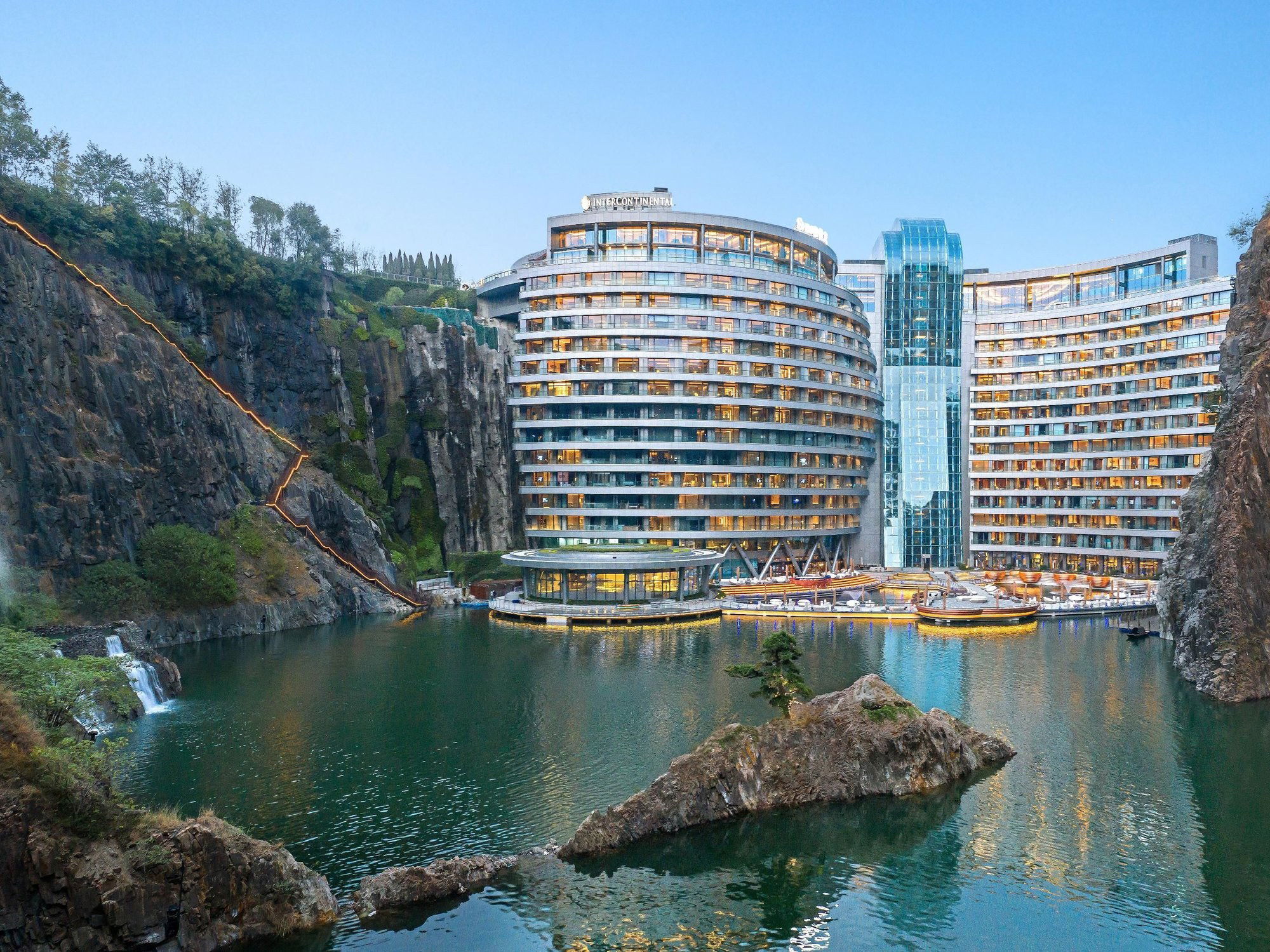


InterContinental Shanghai Wonderland
Songjiang, Shanghai
Hotel in Shanghai, China
 Book with Pearl
The Read
Subterranean Quarry Architecture
Why go
InterContinental Shanghai Wonderland is worth booking when the hotel experience is the main event: a design-led Shanghai stay with Michelin 1 Key recognition and a hard-to-book profile. It is less practical as a central city base, so compare Hongqiao hotels if convenience matters more than atmosphere.
About InterContinental Shanghai Wonderland
Michelin 1 Key is the clearest signal: in Shanghai's hotel set, InterContinental Shanghai Wonderland is a design-led stay for travelers who want the hotel itself to be a major part of the trip, not just a base. It is also recognized by the World Travel Awards 2025 as a Leading Design Hotel, which supports treating it as a destination hotel choice rather than a purely practical booking.
The decision is simple. Choose InterContinental Shanghai Wonderland if the stay is built around the property experience and a design-hotel detour within Shanghai. If the priority is convenience for a different itinerary, compare it with Primus Hotel Shanghai Hongqiao or Moxy Shanghai Hongqiao NECC before committing.
A destination check-in, not just a city-hopping base
For a first stay, treat this as a hotel you plan around. It is a design-led Shanghai hotel. If the trip depends on specific facilities, room types, dining formats, or a precise local address, confirm them directly before booking. If you are still comparing hotels across the city, start with Our full Shanghai hotels guide and compare other options before committing.
The strongest reasons to consider InterContinental Shanghai Wonderland are its Michelin 1 Key recognition and its World Travel Awards 2025 design-hotel recognition. Build the stay around these signals rather than assuming other services, facilities, or itinerary advantages.
Who should book it, and who should cross-shop
Book this over Artyzen Habitat Hongqiao Shanghai if design recognition carries more weight than a different style of Shanghai stay. Cross-shop Amanyangyun if the brief is another premium option in Shanghai. For a practical comparison, options such as Primus Hotel Shanghai Hongqiao or Moxy Shanghai Hongqiao NECC may be worth considering depending on the itinerary.
The award profile helps justify considering the hotel, but it should not override trip logistics. A traveler with a specific schedule should confirm transport, timing, facilities, and any dining plans directly. The dress code is smart casual. For broader planning across the city, pair it with Our full Shanghai restaurants guide, Our full Shanghai bars guide, and Our full Shanghai experiences guide before locking the itinerary.
Planning details
- Location
- Shang Hai Shi, Song Jiang Qu, CN Shanghai Songjiang District Chen Hua Road No. 5888 邮政编码: 201619
- Website
- ihg.com/intercontinental/hotels/us/en/shanghai/shghe/hoteldetail
- Phone
- +86 21 6766 1888
The take
The Take
The Vibe
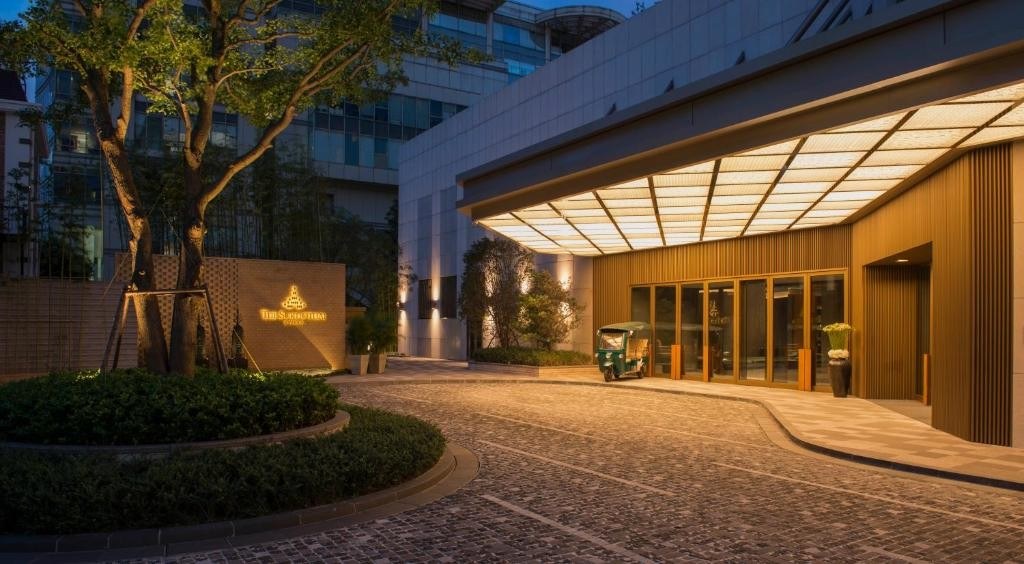
InterContinental Shanghai Wonderland presents luxury through geological circumstance rather than typical urban density. The property is literally carved into the near-vertical walls of a flooded quarry, with much of the structure descending into the rock and two floors sitting below the waterline of the quarry lake. The design and engineering brief drives the guest experience: channelling natural light into subterranean spaces and managing semi-aquatic structural challenges gives the hotel a thoughtful, design-led identity. Recognition as China’s Leading Design Hotel in 2025 underscores this focus; the result reads as a sophisticated, architecture-first destination rather than a conventional city trophy hotel.
Best For
This is a destination hotel that reads as a weekend escape or a design-minded short trip rather than a quick downtown stop. Its site-specific architecture and award recognition make it well suited to travelers who prioritize unique spatial experiences—couples seeking a romantic getaway, families looking for an out-of-the-ordinary stay, and weekenders drawn to architectural spectacle. Located roughly 40 kilometres southwest of central Shanghai in Songjiang District, the property functions as a deliberate destination outside the city core, so visits tend to centre on the hotel’s setting and design rather than proximity to urban sightseeing.
Stay Tips
Treat the property as a destination: the hotel is about 40 kilometres southwest of central Shanghai and is built into a flooded quarry, with two floors below the lake’s waterline. The World Travel Awards recognition signals a design-focused experience, and published rates begin at approximately $240 per night. Factor travel time to and from central Shanghai into plans and budget for the hotel’s nightly rates; the description positions the stay as an architecture-and-design proposition rather than a typical city-center convenience stay.
Venue details
Ambiance
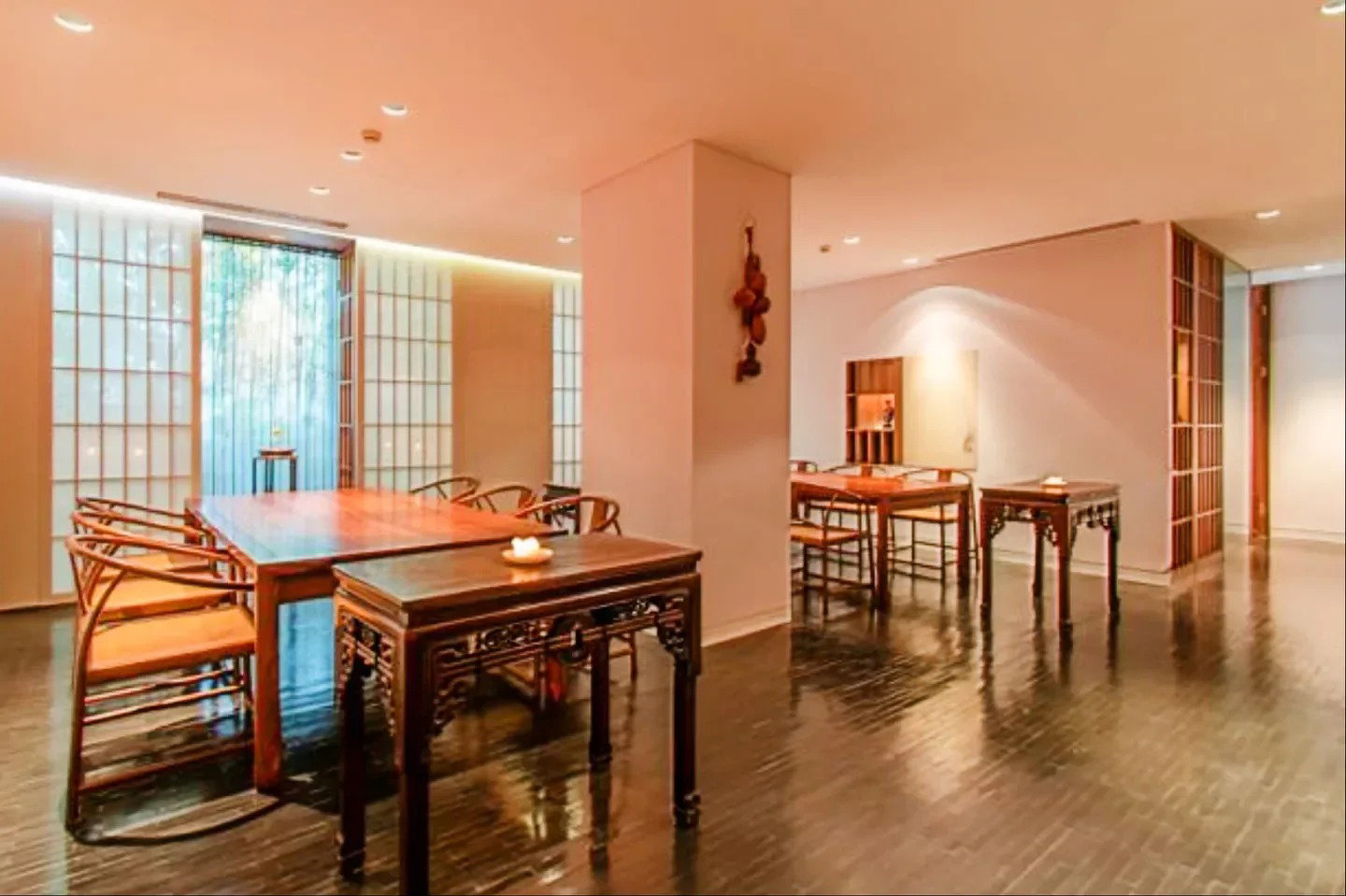
Soundproofed rooms with elegant, individually decorated interiors, dramatic natural light from quarry surroundings, and serene atmosphere enhanced by high-tech features and premium bedding.
Tags
Vibe
Best For
Experience
Amenities
View
Accessibility
About the Stay
- Rooms
- 330
- Check-in
- 15:00
- Check-out
- 12:00
- Property Style
- Quarry Built Luxury Resort
- Design Style
- Modern Opulent with Individual Room Decor
Know before you go
Know Before You Go
- Getting there
- Shang Hai Shi, Song Jiang Qu, CN Shanghai Songjiang District Chen Hua Road No. 5888 邮政编码: 201619
Planning details
Location
Shang Hai Shi, Song Jiang Qu, CN Shanghai Songjiang District Chen Hua Road No. 5888 邮政编码: 201619 · Directions
ihg.com/intercontinental/hotels/us/en/shanghai/shghe/hoteldetail
Recognition and awards

Also consider
Also Consider
- Sun Island Resorts, Shanghai, Notable alternative
- Moxy Shanghai Hongqiao NECC, Notable alternative
- Primus Hotel Shanghai Hongqiao, Notable alternative
- Amanyangyun, Notable alternative
- Artyzen Habitat Hongqiao Shanghai, Notable alternative
Hotel context
How it compares in Shanghai
InterContinental Shanghai Wonderland is the pick for travelers who want a destination-style hotel stay with stronger design credentials than a standard business base. Moxy Shanghai Hongqiao NECC is the more practical choice for value and Hongqiao access, while Primus Hotel Shanghai Hongqiao is better for travelers who want a more conventional full-service hotel rhythm near that side of the city.
For atmosphere, the sharper comparison is Amanyangyun. Choose Amanyangyun if the goal is a quieter luxury retreat; choose InterContinental Shanghai Wonderland if the design-hotel setting is the reason for the trip. Artyzen Habitat Hongqiao Shanghai sits in the easier, more urban lane: less occasion-driven, more useful for travelers who need Shanghai to stay convenient.
Sun Island Resorts, Shanghai is the better cross-shop for a resort-minded escape outside the city-center pattern. If booking difficulty or location creates friction here, start with Primus for convenience or Amanyangyun for a higher-end retreat feel.
Explore Shanghai
Around this place
Discover more on Pearl
Unlock the full InterContinental Shanghai Wonderland guide in Pearl, including awards, comparisons, FAQs, planning details, and nearby places.
Compare InterContinental Shanghai Wonderland
| Venue | Location | Awards |
|---|---|---|
| InterContinental Shanghai Wonderland | Shanghai | World Travel Awards 20252025 Michelin 1 KeyMichelin 1 Key 2025 |
| Sun Island Resorts, Shanghai | Shanghai Shi | No published awards |
| Moxy Shanghai Hongqiao NECC | Shanghai | No published awards |
| Primus Hotel Shanghai Hongqiao | Shanghai | Preferred Hotels Preferred Residences 2025Preferred Hotels L.V.X. Collection 2025 |
| Amanyangyun | Shanghai | 2026 Forbes 4-Star2026 Virtuoso Luxury Hotel Collection2026 Vogue Best Hotels in Shanghai2026 Mr & Mrs Smith Luxury Hotels2025 Forbes 4-StarWorld Travel Awards 2025Tatler Best Hotels Asia-Pacific 20252025 Michelin 1 KeyAman Hotels |
| Artyzen Habitat Hongqiao Shanghai | Shanghai | No published awards |






How InterContinental Shanghai Wonderland compares with similar nearby venues.
FAQ
Frequently Asked Questions
What is check-in like at InterContinental Shanghai Wonderland?
Treat check-in as the start of a design-led Shanghai hotel stay rather than assuming it will function like any other city base. Specific check-in procedures and a precise address should be confirmed directly with the hotel before traveling.
How is the pool and spa at InterContinental Shanghai Wonderland?
The hotel's Michelin 1 Key recognition and World Travel Awards 2025 Leading Design Hotel recognition are its primary design and hospitality credentials. Confirm individual facilities directly before booking.
How is the dining at InterContinental Shanghai Wonderland?
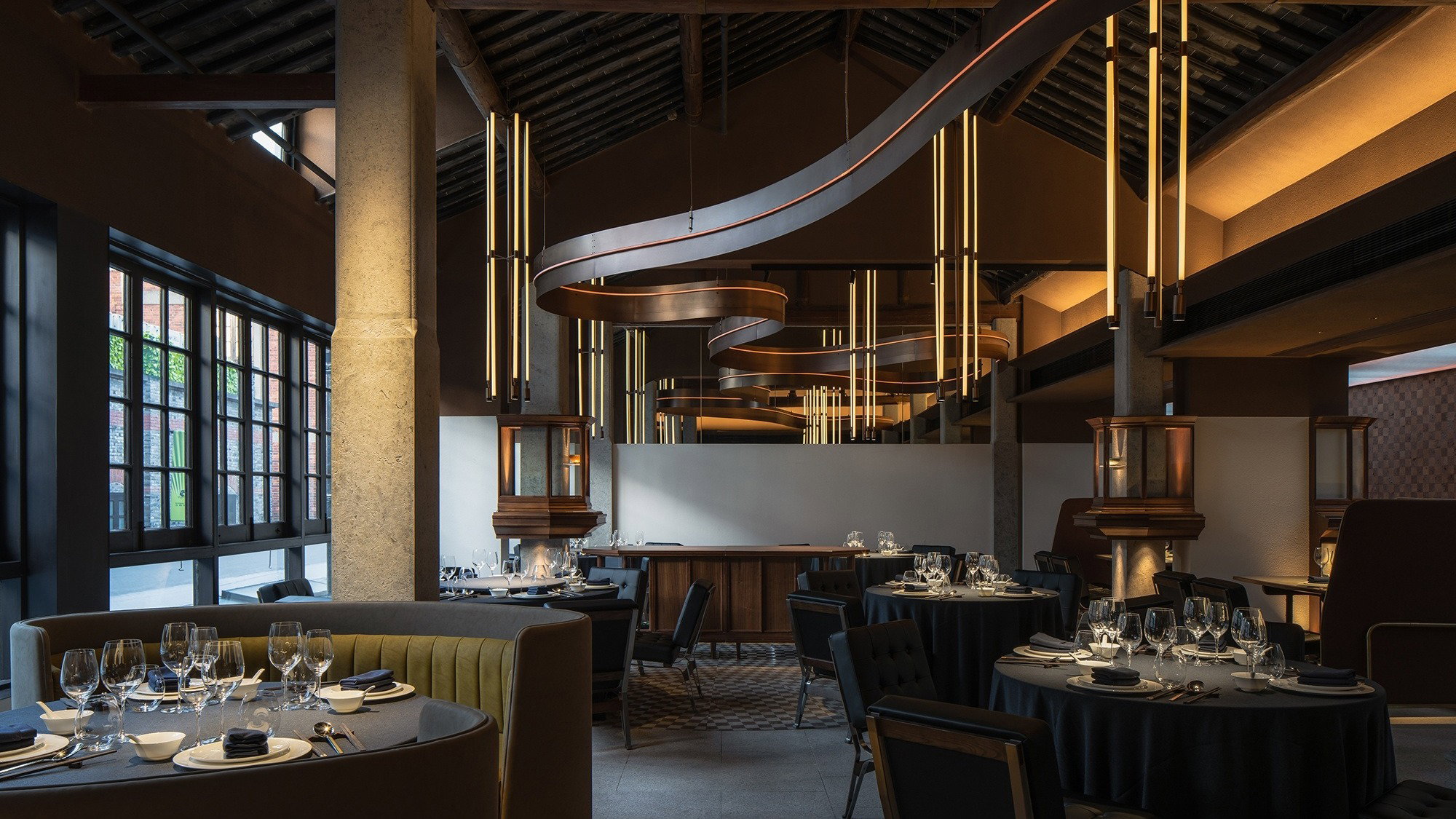
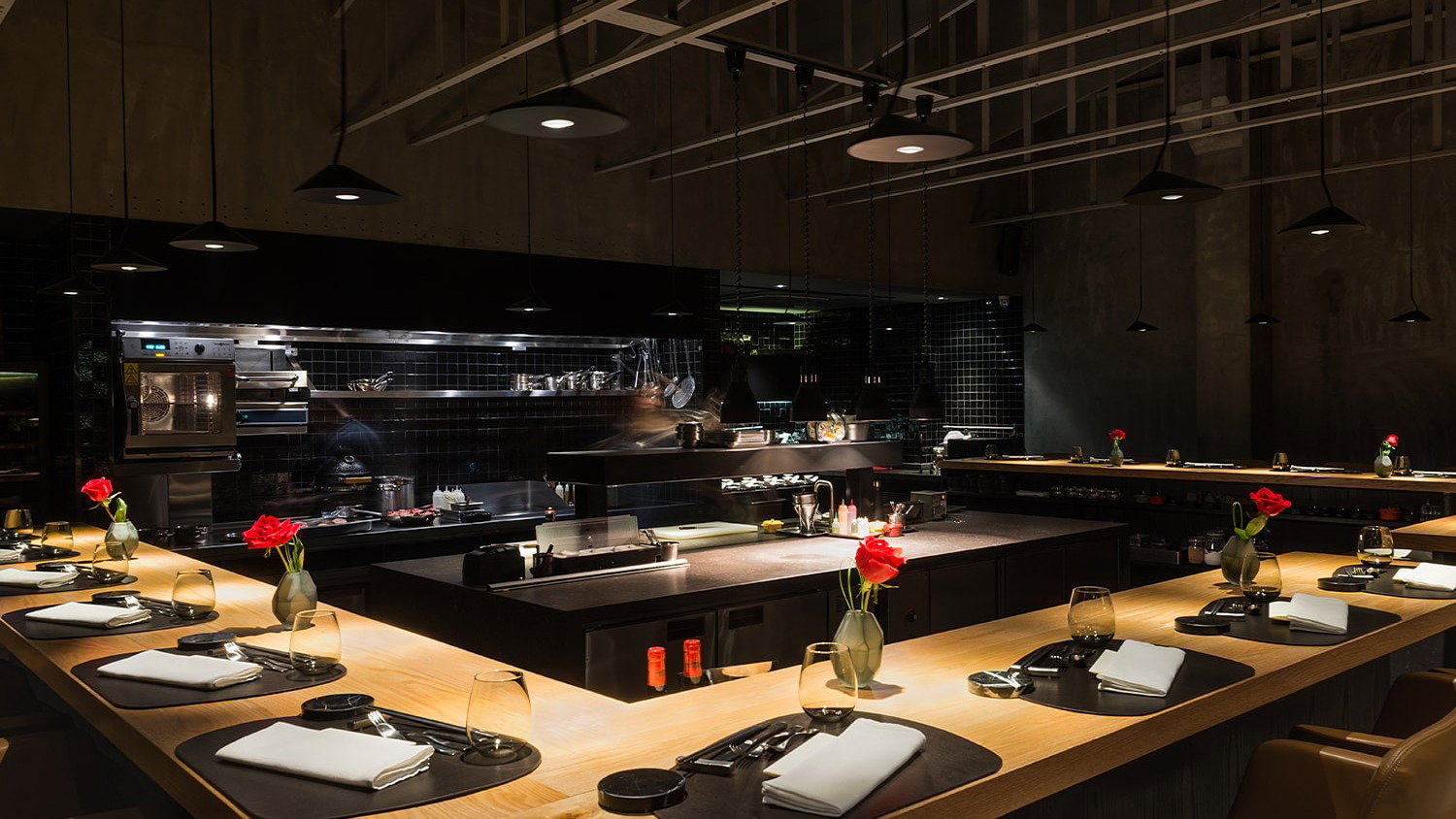
Plan any important meals by confirming directly with the hotel, or use Shanghai's wider dining scene for additional options after booking.
What is InterContinental Shanghai Wonderland known for?
InterContinental Shanghai Wonderland is known for its Michelin 1 Key recognition in 2025 and its World Travel Awards 2025 recognition as a Leading Design Hotel in Shanghai.