
Tembo Plains Camp
Sapi Private Reserve, Mana Pools Region
Hotel in Mana Pools Region, Zimbabwe
 Book with Pearl
The Read
Open-Canvas Wilderness Immersion
Why go
Tembo Plains Camp is worth shortlisting if the goal is a quieter, premium safari base in the Sapi Private Reserve near Mana Pools. The 2026 Relais & Châteaux recognition is the main trust signal; families should book for reserve access and calm rather than resort-style facilities or a long amenity list.
About Tembo Plains Camp
Tembo Plains Camp is a premium camp listing in the Mana Pools Region. Travelers should confirm specific details about facilities, dining, transfers, family services, or business amenities directly with the camp or their travel planner before booking.
The clearest quality signal is the Relais Chateaux Award (2026). Beyond that recognition and the Mana Pools Region location, the camp's exact service format, activity schedule, room setup, dining program, and on-site amenities should be confirmed directly.
Worth considering for travelers comparing premium stays
Tembo Plains Camp is worth considering if you are building a Mana Pools Region itinerary and want to compare premium camp options on recognition and location. Because specific family facilities should be confirmed directly, families should ask about age policies, room configurations, activities, and any child-focused support before booking.
Book after confirming the details that matter to your trip
Choose Tembo Plains Camp only after confirming the practical details that will shape your stay, including arrival logistics, activities, meals, and any amenities you consider essential. Travelers comparing broader options may also look at Lolebezi, Royal Zambezi Lodge, and Somalisa Camp, while treating each property on its own facts rather than assuming the same services across camps.
Inside Tembo Plains Camp
Planning details
- Location
- Sapi Private Reserve, Sapi
- Website
- greatplainsconservation.com/tembo-plains-camp-luxury-zimbabwe-safari
- Phone
- +27 87 354 6591
The take
The Take
The Vibe
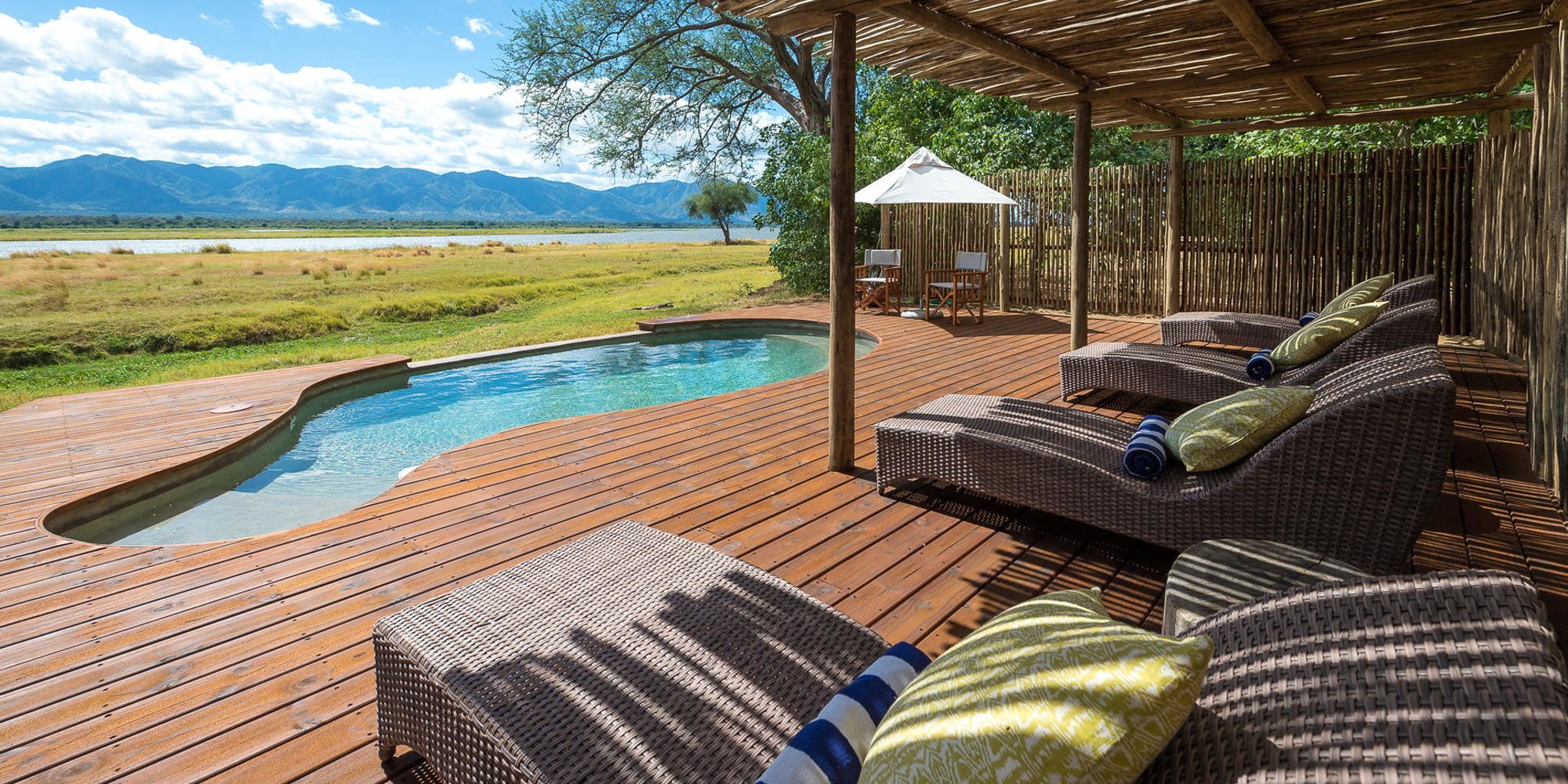
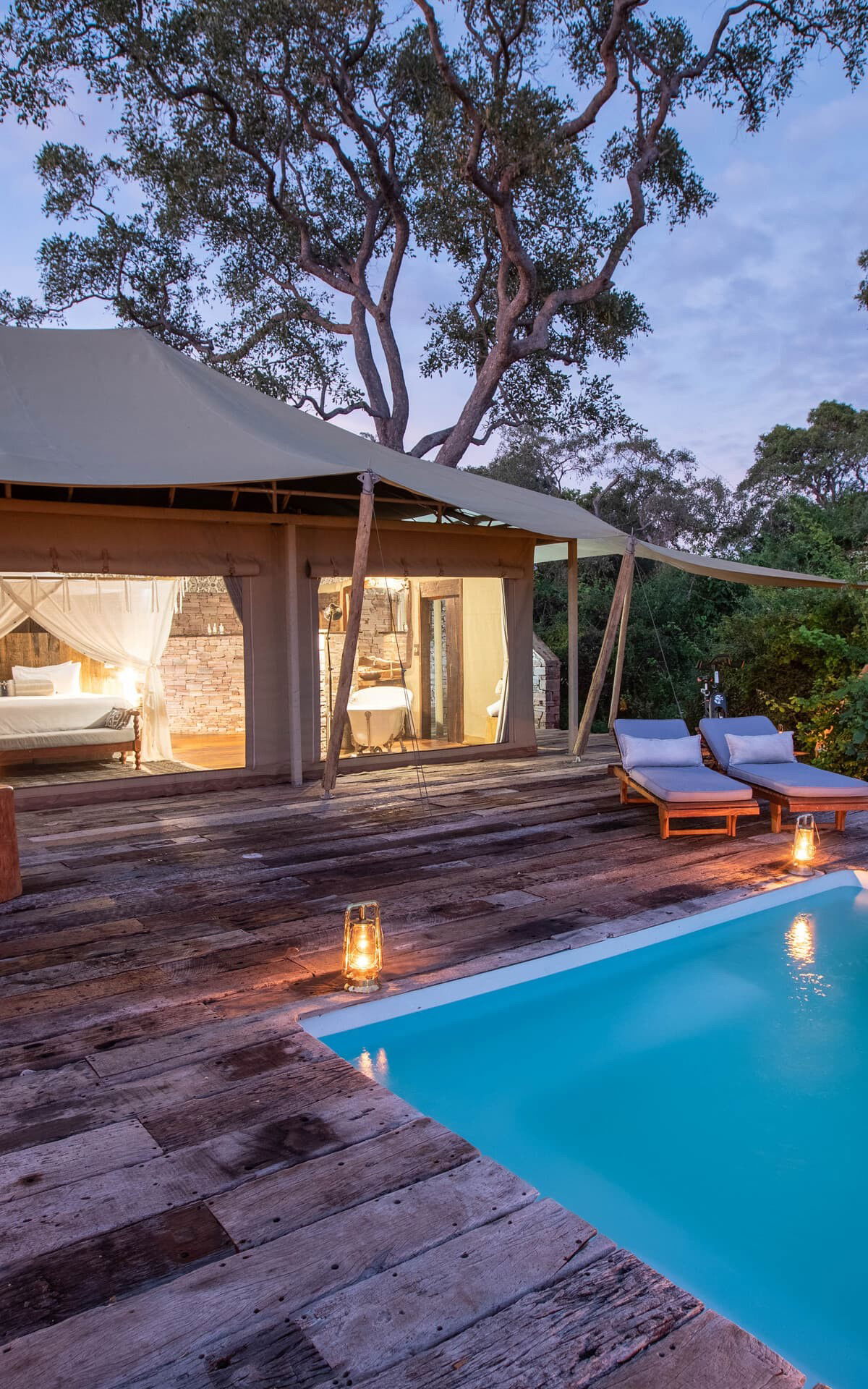
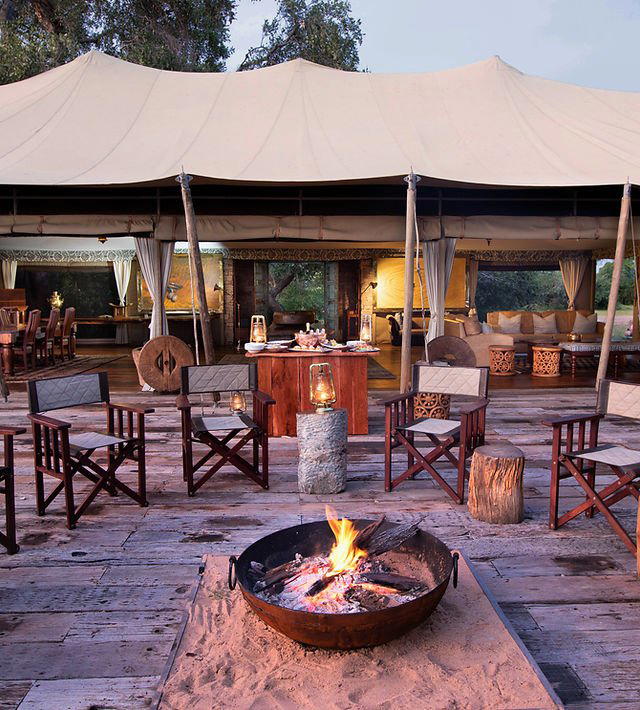
Tembo Plains Camp foregrounds immersion: accommodation is delivered as large canvas suites and open-sided living zones that intentionally let the bush in. Rather than locating wildlife behind glass or inside fixed structures, the camp’s soft-structure design preserves sound, temperature and movement from the surrounding reserve, so the riverine forest and Zambezi air are part of the daily rhythm. That approach produces a quiet, rustic elegance—scenic and intimate rather than hard-edged—where nights are shaped by faint animal calls and days are measured by proximity to wildlife rather than by distant observation.
Best For
This camp suits travelers who prize close, multi-sensory encounters with the bush. The format rewards patience and proximity, so it is ideal for romantic getaways and honeymoons that favor intimacy and quiet immersion, as well as small group retreats oriented toward wildlife and solitude. Guests who want an unvarnished safari feel—hearing the riverine forest at night and feeling Zambezi air through open living zones—will find the property especially well matched to their expectations, rather than visitors seeking polished, fixed-structure lodge comforts.
Stay Tips
Prioritise a large canvas suite to experience the camp’s design intent: the accommodation itself is the primary vehicle for immersion. Because the property changes what a stay feels like across a full 24-hour cycle—rather than only during guided activity hours—plan for multiple nights so the subtle rhythms of the reserve register fully. Expect open-sided living zones rather than enclosed rooms; book with that sensory openness in mind and confirm suite placement if proximity to riverine areas is a priority.
Venue details
Ambiance
Serene and luxurious bush atmosphere in thick riverine forest with calming river views, enhanced by canvas tents, stone walls, fire pits, and starlit outdoor dining.
Tags
Vibe
Best For
Experience
Amenities
View
About the Stay
- Rooms
- 5
- Check-in
- 14:00
- Check-out
- 11:00
- Property Type
- Eco-lodge
- Property Style
- Luxury Tented Safari Camp Blending Canvas and Stone Inspired by Zimbabwe Ruins
- Design Style
- Rustic Out of Africa Style with Private Lounges and Plunge Pools
- Breakfast
- Included
- Airport Transfer
- Available
- Pool
- Yes
- Spa
- Yes
- Families
- Welcome
- Cancellation
- Strict
Know before you go
Know Before You Go
- Getting there
- Sapi Private Reserve, Sapi
Planning details
Location
Sapi Private Reserve, Sapi · Directions
greatplainsconservation.com/tembo-plains-camp-luxury-zimbabwe-safari
Recognition and awards

Also consider
Also Consider
- Lolebezi, Notable alternative
- Royal Zambezi Lodge, Notable alternative
- Sungani Lodge, Notable alternative
- Anantara Kafue River Tented Camp - Virtuoso Preview, Notable alternative
- Somalisa Camp, Notable alternative
Hotel context
How it compares in the Mana Pools safari set
Tembo Plains Camp is the pick for travelers who want a private-reserve safari feel with a strong hospitality signal attached. Compared with Lolebezi and Royal Zambezi Lodge, it reads as the quieter, more contained choice for guests prioritizing atmosphere and reserve setting over a broader lodge-style feature list.
If value is the main filter, compare it carefully with Somalisa Camp and Sungani Lodge. Those may suit travelers who want a different safari region or a clearer alternative to the Mana Pools-adjacent circuit. Tembo Plains Camp makes more sense when the Sapi Private Reserve location is central to the trip.
Anantara Kafue River Tented Camp - Virtuoso Preview is the cross-shop for travelers considering Zambia rather than Zimbabwe. Choose that route if the broader Kafue itinerary matters more; stay with Tembo Plains Camp if Mana Pools access and a quieter private-reserve base are the point.
Explore Mana Pools Region
Around this place
Discover more on Pearl
Unlock the full Tembo Plains Camp guide in Pearl, including awards, comparisons, FAQs, planning details, and nearby places.
Compare Tembo Plains Camp
| Venue | Location | Awards |
|---|---|---|
| Tembo Plains Camp | Mana Pools Region | 2026 Relais Chateaux Hotels2025 Relais Chateaux Award |
| Lolebezi | Jeki | 2025 Conde Nast Best Resorts · #31 |
| Royal Zambezi Lodge | Lower Zambezi National Park | 2026 Michelin 1 Key2025 Michelin 1 Key |
| Sungani Lodge | Luangwa | No published awards |
| Anantara Kafue River Tented Camp - Virtuoso Preview | Kafue | No published awards |
| Somalisa Camp | Hwange | Conde Nast Gold List 2026 |



How Tembo Plains Camp Mana Pools Region compares with similar nearby venues.
FAQ
Frequently Asked Questions
How does Tembo Plains Camp compare to nearby hotels?
Tembo Plains Camp is a camp option in the Mana Pools Region, while a conventional hotel may be more suitable for travelers who need standard urban-hotel logistics. The Relais Chateaux Award (2026) is a quality signal, but specific facilities and services should be confirmed directly before booking.
What is check-in like at Tembo Plains Camp?
Contact Tembo Plains Camp or your travel planner directly to confirm arrival procedures, timing, and any transfer requirements for a stay in the Mana Pools Region.
Is Tembo Plains Camp good for business travel?
Is Tembo Plains Camp family-friendly?
Before booking with children, ask Tembo Plains Camp directly about age policies, room arrangements, activities, and any family support.
How is the dining at Tembo Plains Camp?
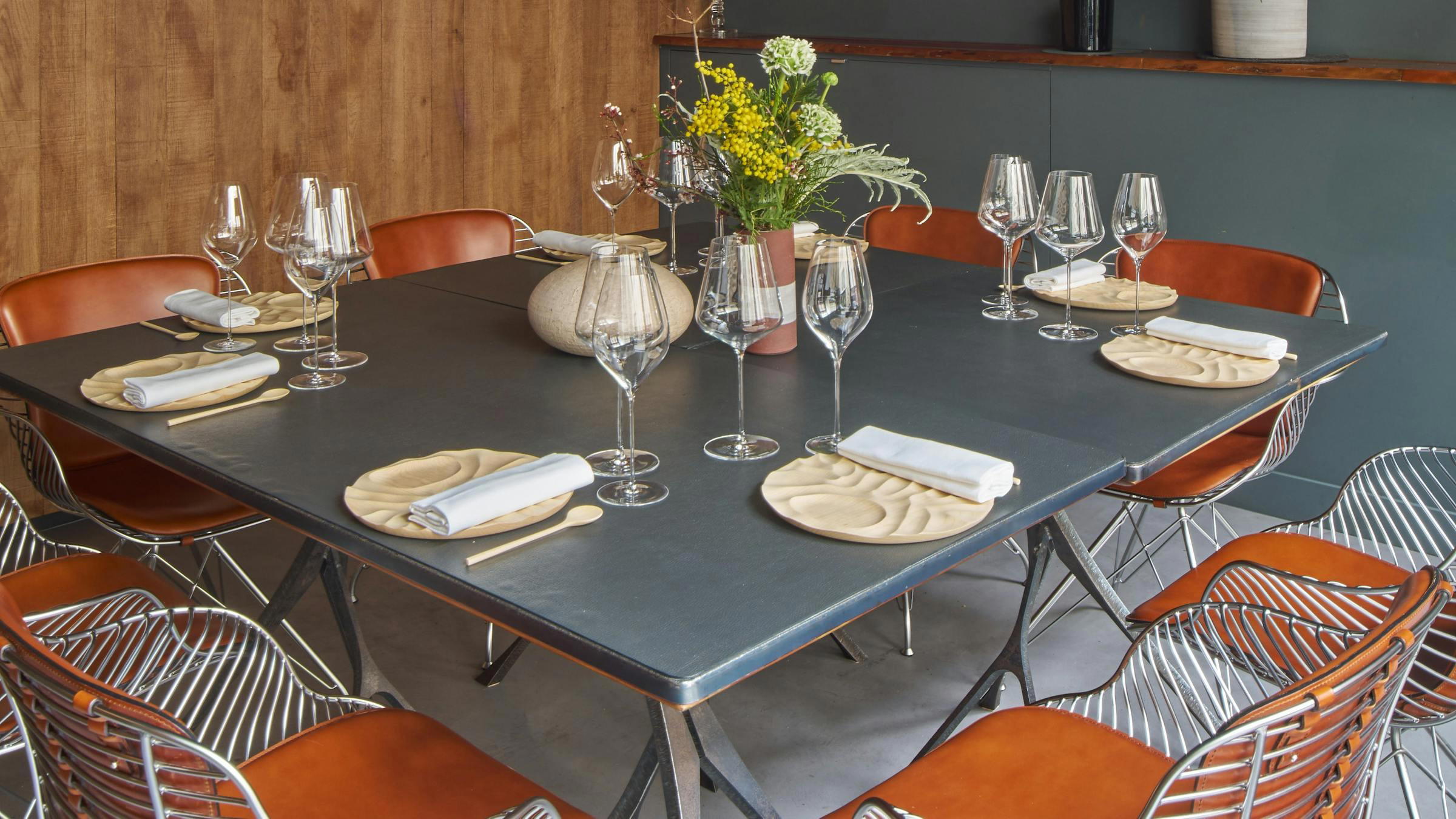
The Relais Chateaux Award (2026) is a recognition, but travelers should confirm meal formats, dietary support, and dining arrangements directly before booking.
Do loyalty programs work at Tembo Plains Camp?
How is the pool and spa at Tembo Plains Camp?
If wellness facilities or downtime amenities are important to your stay, confirm exactly what is available at Tembo Plains Camp before booking.