
Lolebezi
Lower Zambezi National Park, Jeki
Hotel in Jeki, Zambia
 Book with Pearl
The Read
Riverine Immersion Lodge
Why go
Lolebezi is the right kind of shortlist pick for a special-occasion safari stay in Jeki, especially if destination setting matters more than city-hotel convenience. Conde Nast Best Resorts #31 (2025) gives it a credible luxury signal, while easy booking makes it less stressful than harder-to-secure safari options.
About Lolebezi
Lolebezi in Jeki has one clear recognition signal: Conde Nast Best Resorts #31 (2025). Consider it a strong shortlist candidate, then confirm trip-specific details directly before booking.
Book for the confirmed recognition, then verify the practical details
Lolebezi is worth considering if Conde Nast Best Resorts #31 (2025) recognition matters in your decision. That gives it a clear trust signal, but it does not answer every practical booking question.
Before committing, confirm the details that matter for your stay through the venue's official channels or your booking provider. Keep Lolebezi high on the Jeki shortlist for travelers who value recognized resort credentials, but do not treat amenities or services as guaranteed without checking directly.
Who should choose it over another stay
Choose Lolebezi if you want a Jeki option with Conde Nast Best Resorts #31 (2025) recognition and you are comfortable checking the rest of the stay details before booking. If you are comparing other lodge or camp options, consider Tembo Plains Camp and Royal Zambezi Lodge as alternative reference points, and look at Sungani Lodge or Puku Ridge if they fit your broader itinerary.
The strongest signals are the recognition and the smart casual dress code. For any other requirements, compare carefully before booking and rely on current information from the venue or booking provider.
Planning details
- Location
- 8JX5+3C, Jeki
- Website
- africanbushcamps.com/camps/lolebezi
- Phone
- +27 21 201 6787
The take
The Take
The Vibe
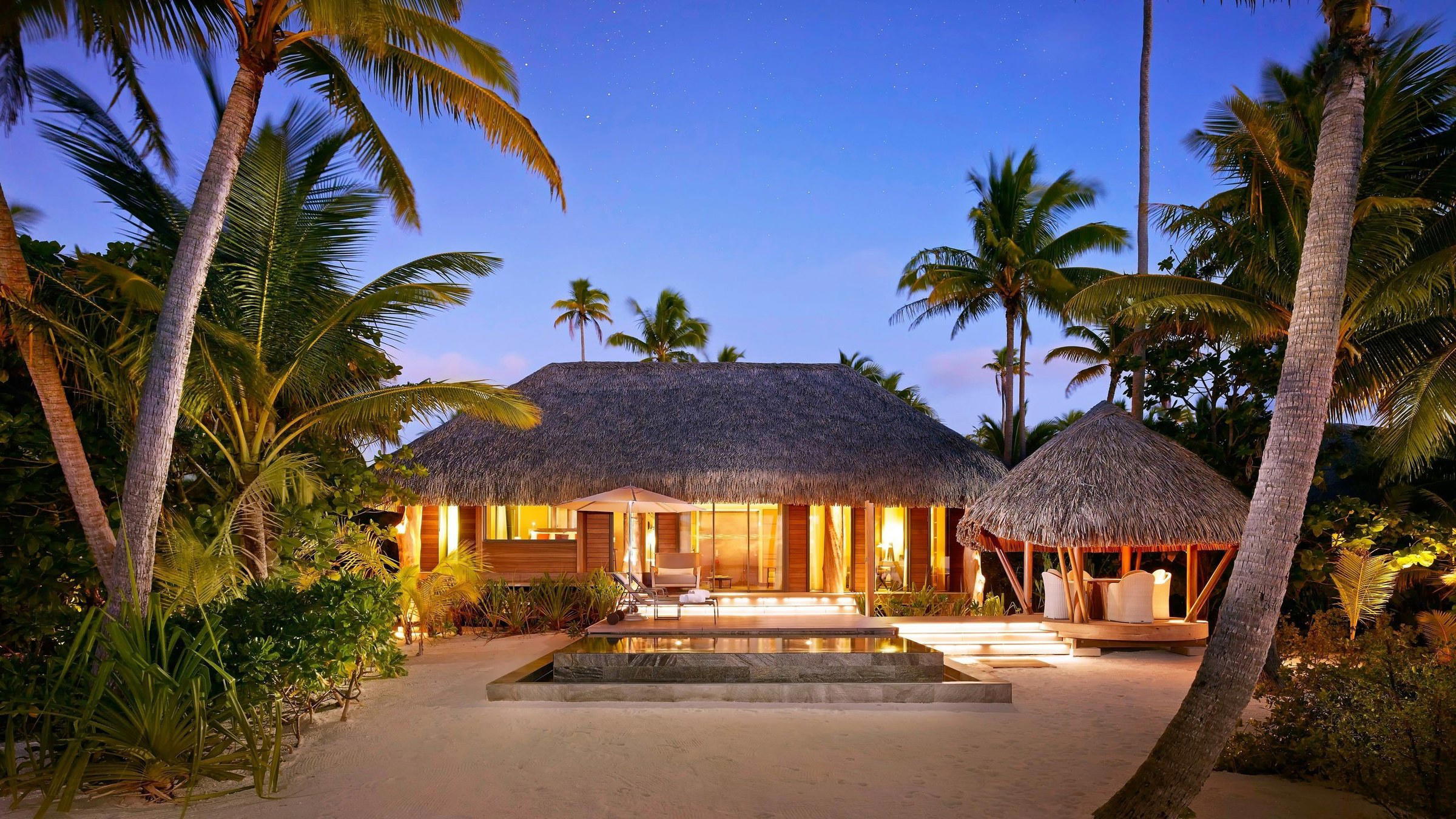
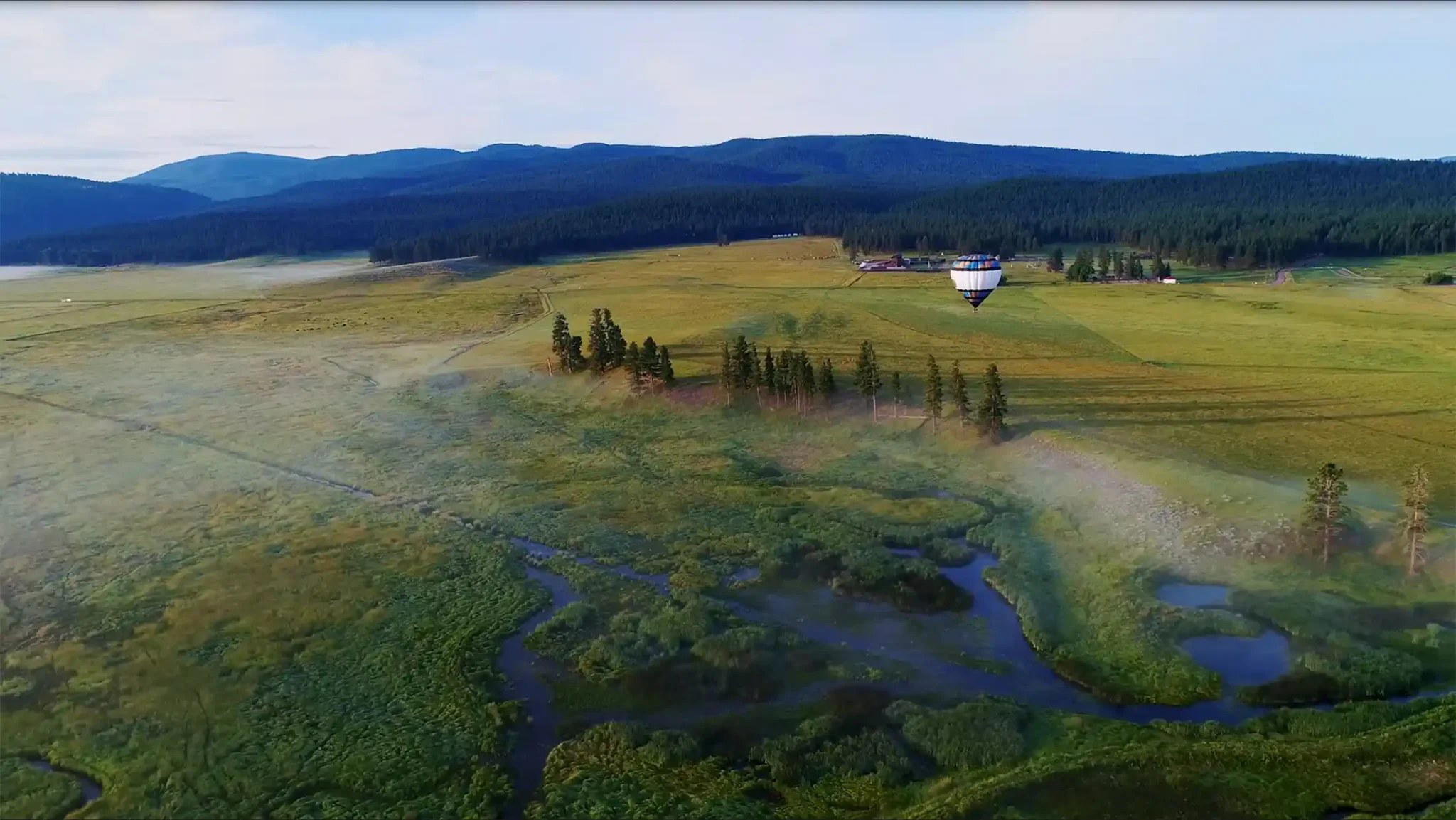
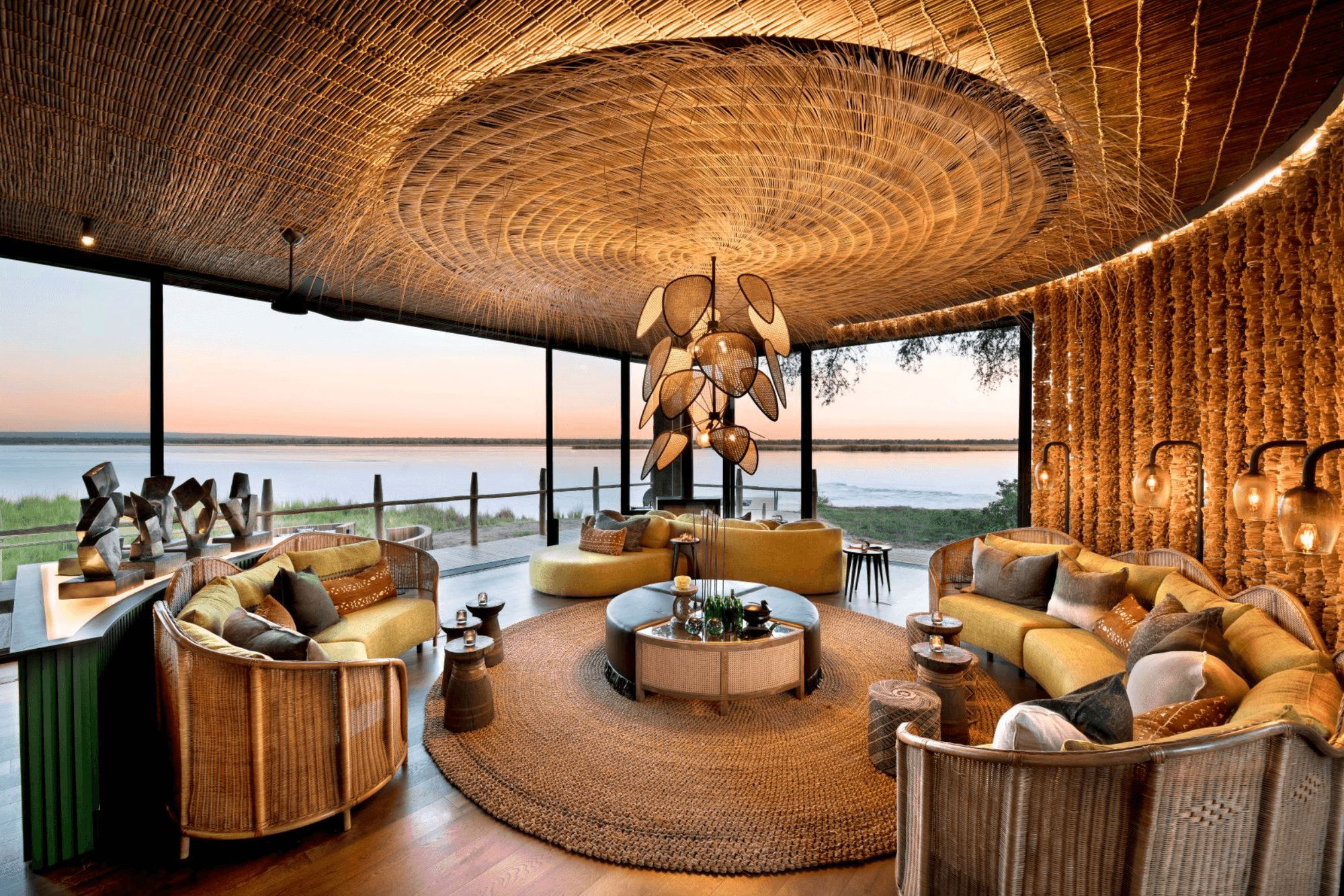
Lolebezi reads like a design-led safari camp where the landscape is the primary author. Structures are deliberately modest, folding into the river corridor and canopy rather than competing with them. The tone is quietly modern and refined — a contemporary interpretation of camp life that privileges material restraint and site fidelity. Wildlife viewing is a living backdrop: elephants crossing shallow points and hippos in deep channels animate the property’s rhythms. The result is a serene, relaxed atmosphere that rewards patient observation and a willingness to move on the animals’ timetable rather than one prescribed by the lodge.
Best For
This riverside camp is best for travelers who prize immersive, nature-first experiences delivered with refined design sensibilities. It suits couples seeking a romantic or honeymoon escape and small groups or families who want close proximity to active wildlife viewing along the Zambezi. Given its placement on a global best-resorts list, it also works well as a special-occasion destination for those who expect thoughtful architecture and an intimate, site-driven safari rather than a standardized, brand-managed lodge experience.
Stay Tips
Plan your days around the river’s natural rhythms: the property’s most compelling wildlife moments are tied to shallow crossings and early-morning floodplain activity, so prioritize dawn and dusk outings. Expect an itinerary that flexes to animal movement — the description stresses that the ecological system is indifferent to check-in times — and request river-facing accommodations when possible to maximize sightings from camp. Keep expectations oriented toward observation and patience rather than regimented schedules; the camp’s appeal is how it dissolves guests into the landscape rather than placing them apart from it.
Venue details
Ambiance
Stylish, natural, and immersive bush atmosphere blending luxury with the wild Zambezi riverside setting, featuring thoughtful design and warm hospitality.
Tags
Vibe
Best For
Experience
Amenities
View
About the Stay
- Rooms
- 6
- Property Type
- Eco-lodge
- Property Style
- Contemporary Luxury Safari Lodge
- Design Style
- Elegant Rustic with Modern African Bush Simplicity
- Breakfast
- Included
- Airport Transfer
- Available
- Pool
- Yes
- Spa
- Yes
- Families
- Welcome
Know before you go
Know Before You Go
- Getting there
- 8JX5+3C, Jeki
Planning details
Location
Recognition and awards

Also consider
Also Consider
- Tembo Plains Camp, Notable alternative
- Royal Zambezi Lodge, Notable alternative
- Sungani Lodge, Notable alternative
- Anantara Kafue River Tented Camp - Virtuoso Preview, Notable alternative
- Puku Ridge, Notable alternative
Hotel context
How it compares in the Zambia safari set
Lolebezi is the cleaner pick for travelers who want a recognized luxury-resort signal in the Jeki area and do not want a high-friction booking process. Tembo Plains Camp is the sharper cross-shop if the brief is a camp-style safari atmosphere, while Royal Zambezi Lodge is the obvious alternative for readers comparing Lower Zambezi-style stays by ambiance rather than city convenience.
If the trip is more about Zambia as a full safari circuit than Jeki specifically, compare Sungani Lodge and Puku Ridge before deciding. Those make more sense when the destination choice is still open. Lolebezi makes more sense once Jeki is already the anchor and the traveler wants the stay to feel occasion-worthy.
Anantara Kafue River Tented Camp - Virtuoso Preview is the better comparison for travelers who value a more brand-led tented-camp proposition. Lolebezi is the easier recommendation for a celebration where location, recognition, and lower booking friction matter more than loyalty mechanics or a familiar global hotel framework.
Explore Jeki
Around this place
Discover more on Pearl
Unlock the full Lolebezi guide in Pearl, including awards, comparisons, FAQs, planning details, and nearby places.
Compare Lolebezi
| Venue | Location | Awards |
|---|---|---|
| Lolebezi | Jeki | 2025 Conde Nast Best Resorts · #31 |
| Tembo Plains Camp | Mana Pools Region | 2026 Relais Chateaux Hotels2025 Relais Chateaux Award |
| Royal Zambezi Lodge | Lower Zambezi National Park | 2026 Michelin 1 Key2025 Michelin 1 Key |
| Sungani Lodge | Luangwa | No published awards |
| Anantara Kafue River Tented Camp - Virtuoso Preview | Kafue | No published awards |
| Puku Ridge | South Luangwa National Park | No published awards |



How Lolebezi Jeki compares with similar nearby venues.
FAQ
Frequently Asked Questions
How is the pool and spa at Lolebezi?
If pool and spa facilities are a priority, confirm current details directly before booking. Conde Nast Best Resorts #31 (2025) recognition makes Lolebezi a worthwhile shortlist option; compare facilities with Royal Zambezi Lodge or Tembo Plains Camp.
Is Lolebezi good for business travel?
Lolebezi is a Jeki venue with Conde Nast Best Resorts #31 (2025) recognition, but practical business-travel requirements should be checked directly. If the trip requires work-friendly logistics, compare carefully with other options, including Anantara Kafue River Tented Camp - Virtuoso Preview where relevant.
When is the best time to book Lolebezi?
If your dates are fixed, confirm availability and terms directly before making plans. Conde Nast Best Resorts #31 (2025) recognition makes Lolebezi worth shortlisting, and flexible travelers can compare availability with Puku Ridge and Royal Zambezi Lodge before deciding.