Somalisa Camp
Hwange National Park, Hwange
Hotel in Hwange, Zimbabwe
 Book with Pearl
The Read
Waterhole-Front Immersion
Why go
Somalisa Camp is the better choice if the trip is centered on Hwange rather than Victoria Falls. The case for booking rests on its Somalisa Concession location, service-dependent safari format, and Conde Nast Gold List (2026) recognition; compare total package cost carefully before treating it as better value than a falls-area hotel.
About Somalisa Camp
Somalisa Camp is a venue in Hwange. Assess it first as a Hwange stay rather than by assuming specific amenities, services, dining formats, or activity inclusions.
Its inclusion on the Conde Nast Gold List (2026) is a meaningful luxury-travel signal, but travelers should still confirm practical details such as rates, meal style, facilities, transfers, and on-property services directly before booking.
Book for a Hwange stay, not for assumed extras
Somalisa Camp is in Hwange, which is the core location fact for planning. If your trip is centered on Hwange, it belongs on the shortlist. If you are comparing it with Victoria Falls or Livingstone-area stays, treat those as different trip bases rather than direct substitutes in the same local setting.
Value comes from location and recognition
The strongest public signal is recognition on the Conde Nast Gold List (2026). That does not answer every practical question, especially around pricing or service details. Value-seekers should confirm the full booking terms, inclusions, and logistics directly with the venue or booking provider before comparing it with other premium stays.
Planning details
- Location
- Somalisa Concession Hwange National Park
- Website
- africanbushcamps.com/camps/somalisa-camp
- Phone
- +27 21 701 0270
The take
The Take
The Vibe
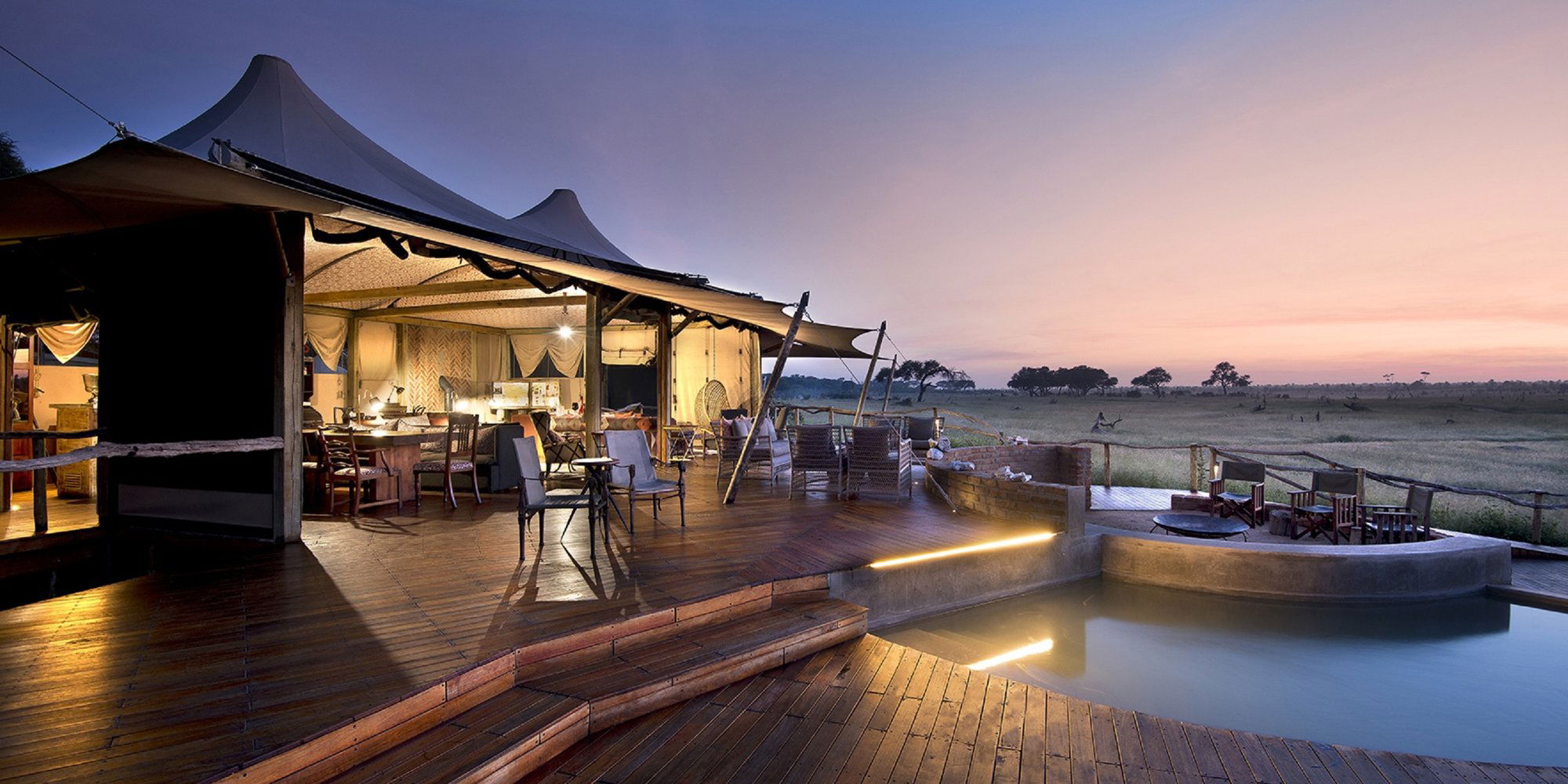
Somalisa Camp centers on a natural waterhole so deliberately that the pool reads as the camp’s principal room. Architecture and program defer to the bush: dining areas, viewing platforms and communal spaces are all oriented toward the water, creating a singular, sit-and-watch relationship with wildlife. Guests experience elephants and other animals at extraordinarily close range with no glass, vehicles or artificial buffers between them and the animals. The result is a quietly intense safari posture—calm, intimate and scenic—where the landscape and its rhythms set the tempo of the stay rather than the built environment.
Best For
This camp suits travelers whose primary aim is immersive, close-range wildlife observation rather than high-energy safari activity. It works well for couples seeking a serene, nature-focused escape and for photographers or serious wildlife observers who want to watch animals from a fixed, well-placed vantage. Because encounters are unmediated—animals approach the waterhole within sight of communal areas—the camp is best for guests comfortable with very close wildlife presence and who appreciate contemplative, seated viewing over vehicle-based tracking.
Stay Tips
Plan to make the waterhole and the camp’s main communal spaces the centerpiece of your time here: the dining area and viewing platforms face the pool, and the experience is intentionally sedentary. To maximize wildlife encounters, allocate periods when you can remain in the main guest area or on the viewing platforms rather than moving between activities. Expect unmediated animal presence—the text notes there is no vehicle, glass or managed buffer—so bring binoculars and a camera, and prepare for close, uninterrupted observation from the camp’s outdoor-facing spaces.
Venue details
Ambiance
Elegant and authentic bush-camp atmosphere with natural wood, copper accents, Kudhinda fabrics, and an intimate firelit lounge-and-deck setting overlooking wildlife waterholes.
Tags
Vibe
Best For
Experience
Amenities
View
About the Stay
- Rooms
- 7
- Property Type
- Eco-lodge
- Property Style
- Luxury Tented Safari Camp
- Design Style
- Contemporary African Safari Style Blending Organic Bush Materials, Natural Wood, Copper Finishes, and Kudhinda Fabric with Modern Decor.
- Airport Transfer
- Available
- Pool
- Yes
- Opened
- 2015
Know before you go
Know Before You Go
- Getting there
- Somalisa Concession Hwange National Park
Planning details
Location
Somalisa Concession Hwange National Park · Directions
Recognition and awards
Also consider
Also Consider
- Anantara Stanley & Livingstone Victoria Falls Hotel - Virtuoso Preview, Notable alternative
- The Victoria Falls Hotel, Notable alternative
- Victoria Falls River Lodge, Notable alternative
- Radisson Blu Mosi-Oa-Tunya Livingstone Resort, Notable alternative
- The Royal Livingstone Anantara, Notable alternative
Hotel context
How Somalisa Camp compares in the Hwange and Victoria Falls set
Choose Somalisa Camp when Hwange is the main event. Compared with The Victoria Falls Hotel or Anantara Stanley & Livingstone Victoria Falls Hotel - Virtuoso Preview, the trade is simple: less convenience for falls sightseeing, more direct alignment with a safari-led stay.
Victoria Falls River Lodge is the closer cross-shop for travelers who want a nature-forward stay without committing the whole trip to Hwange. Radisson Blu Mosi-Oa-Tunya Livingstone Resort and The Royal Livingstone Anantara make more sense for easier access and resort-style pacing.
Booking difficulty is listed as easy, so the decision is less about fighting for availability and more about fit. Pick Somalisa Camp for the safari setting and Gold List signal; pick the Victoria Falls peers if smoother transfers, falls access, or broader resort facilities matter more.
Explore Hwange
Around this place
Discover more on Pearl
Unlock the full Somalisa Camp guide in Pearl, including awards, comparisons, FAQs, planning details, and nearby places.
Compare Somalisa Camp
| Venue | Location | Awards |
|---|---|---|
| Somalisa Camp | Hwange | Conde Nast Gold List 2026 |
| Anantara Stanley & Livingstone Victoria Falls Hotel - Virtuoso Preview | Victoria Falls | No published awards |
| The Victoria Falls Hotel | Victoria Falls | No published awards |
| Victoria Falls River Lodge | Victoria Falls | No published awards |
| Radisson Blu Mosi-Oa-Tunya Livingstone Resort | Livingstone | No published awards |
| The Royal Livingstone Anantara | Livingstone | 2026 Virtuoso Luxury Hotel Collection |

How Somalisa Camp Hwange compares with similar nearby venues.
FAQ
Frequently Asked Questions
How does Somalisa Camp compare to other premium stays?
Pick Somalisa Camp if you specifically want a stay in Hwange. Options such as The Victoria Falls Hotel, The Royal Livingstone Anantara, Radisson Blu Mosi-Oa-Tunya Livingstone Resort, and Victoria Falls River Lodge may suit travelers comparing broader regional hotel choices, but they should not be treated as the same Hwange base. Somalisa Camp also has Conde Nast Gold List (2026) recognition.
How is the pool and spa at Somalisa Camp?
Is Somalisa Camp good for business travel?
Somalisa Camp is best evaluated first as a Hwange venue; business travelers should confirm connectivity, work space, transfers, and any meeting requirements directly before booking.
Is Somalisa Camp family-friendly?
Families should confirm age policies, room arrangements, supervision requirements, and any relevant services directly with the venue before booking.
How is the dining at Somalisa Camp?
Do not choose Somalisa Camp on the basis of an assumed cuisine, menu format, or restaurant program without confirming those details directly. Its main planning anchors are its Hwange location and Conde Nast Gold List (2026) recognition.
Do loyalty programs work at Somalisa Camp?
When is the best time to book Somalisa Camp?
If your dates are important, check availability and terms directly with the venue or booking provider, and compare only confirmed inclusions before making a decision.