
MOGANA
Nakagyō, Kyoto
Hotel in Kyoto, Japan
 Book with Pearl
Why go
MOGANA is a smart Kyoto pick for travelers who want a quiet, central, design-led stay rather than a points-driven business hotel. The Michelin Guide hotel selection adds confidence, but this is better for independent work trips than for teams needing large-hotel infrastructure.
About MOGANA
MOGANA is a Kyoto hotel with MICHELIN Guide recognition: Hotels Selected (2025). Kyoto hotel choice can be shaped by very specific expectations around location, atmosphere, and on-property conveniences, so confirm current practical details directly with the hotel before booking.
For travelers comparing Kyoto hotels, MOGANA can be considered alongside Ace Hotel Kyoto, Garrya Nijo Castle Kyoto, HOTEL THE MITSUI KYOTO, Mimaru Suites Kyoto Central, and THE HIRAMATSU Kyoto. Avoid making the booking decision on assumed extras such as a particular dining program, loyalty setup, meeting infrastructure, room configuration, or neighborhood-specific convenience unless those details are confirmed through official channels for your dates. In practice, that means treating MOGANA as a serious option rather than filling in the blanks from other Kyoto hotel categories or from expectations attached to similarly positioned properties.
A Kyoto hotel with confirmed Michelin hotel selection
The clearest point for MOGANA is its MICHELIN Guide Hotels Selected recognition for 2025. That gives travelers a useful quality signal, but it should not be stretched into claims about a particular service level, dining format, price point, room count, or business-travel setup. Michelin selection can help narrow a search, especially in a city with many compelling hotels, yet it is not a substitute for checking the details that affect a specific stay. If your trip depends on specific facilities or a detailed hotel operating model, verify those items before committing.
Use MOGANA as a candidate when you want a Kyoto hotel with a Michelin hotel-selection mention and a smart-casual dress code. If you are still deciding among hotel styles, compare it with HOTEL THE MITSUI KYOTO, Mimaru Suites Kyoto Central, THE HIRAMATSU Kyoto, Ace Hotel Kyoto, and Garrya Nijo Castle Kyoto without assuming that any one property fits a particular need until you check current details. This approach keeps the comparison clean: the Michelin signal remains meaningful, while practical questions stay tied to current information rather than inference.
Who should book it, and who should cross-shop
MOGANA is best approached by travelers who are comfortable making a decision from a limited set of facts: Kyoto location, smart-casual dress code, and MICHELIN Guide Hotels Selected (2025). For those travelers, the appeal is the presence of a recognized hotel-selection marker without overcomplicating the choice with unsupported assumptions. Travelers who need confirmed details on dining, room layout, accessibility, meeting space, loyalty benefits, or other services should contact the hotel or booking channel directly before treating it as the right fit.
The booking call is direct: keep MOGANA on the shortlist if its Kyoto location and Michelin hotel-selection signal are enough to begin planning; cross-shop if your trip requires more operational detail. That is especially important when the hotel is part of a larger Kyoto itinerary, because the right stay often depends on how much certainty you need before arrival. For broader planning, use our full Kyoto hotels guide, then pair the stay with our full Kyoto restaurants guide, our full Kyoto bars guide, or our full Kyoto experiences guide if the itinerary extends beyond the hotel.
Planning details
- Location
- 450 Tsuboyacho, Nakagyo Ward, Kyoto, 604-8276, Japan
- Website
- yadomogana.com
- Phone
- +81 75-606-5281
The take
The Take
The Vibe
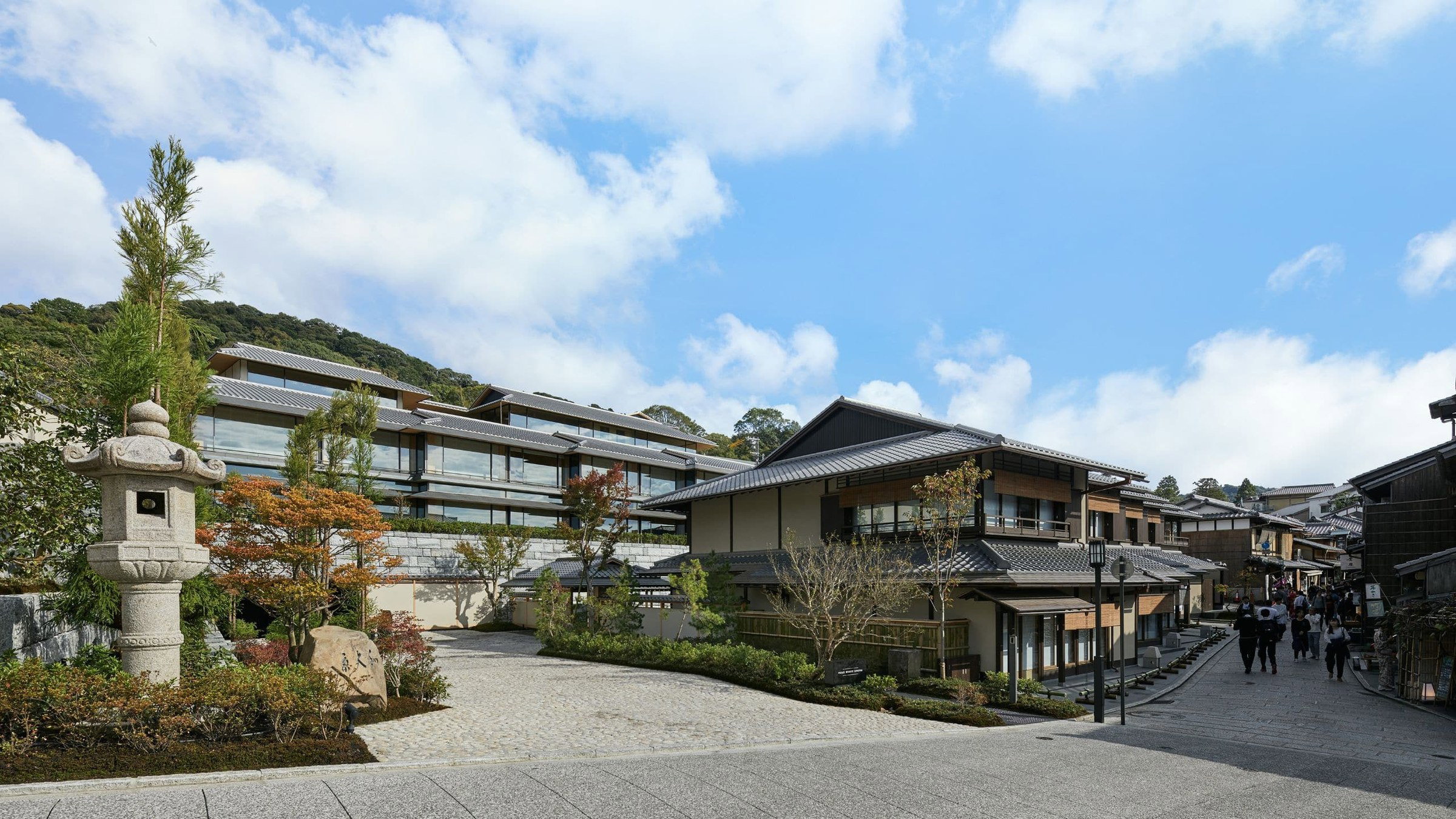
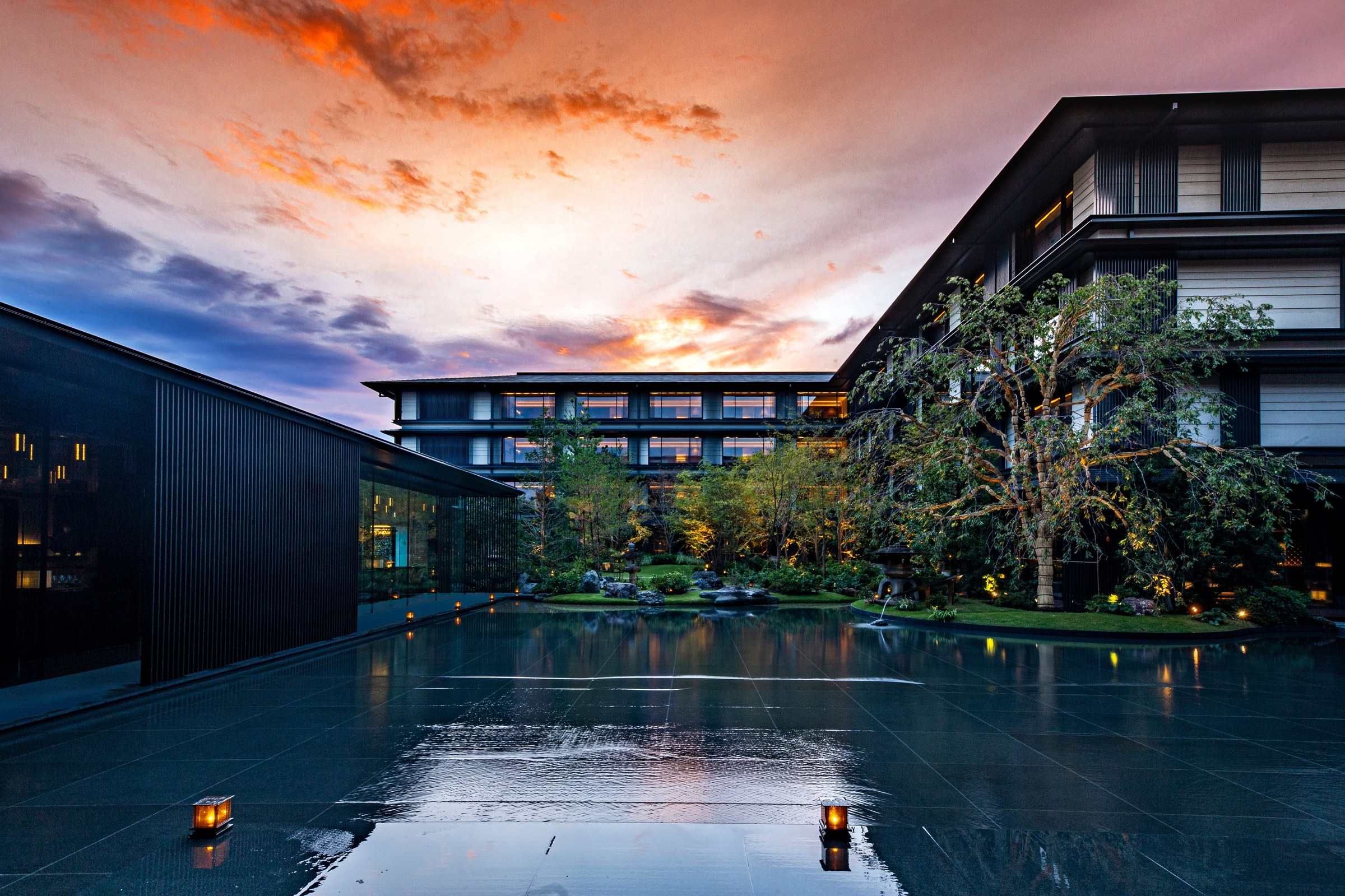
MOGANA presents a carefully measured quiet rather than theatrical staging. Set in Nakagyo Ward among machiya townhouses and local commerce, the hotel privileges restraint, proportion and material over scale. The copy leans on Kyoto's small-property tradition—where light, season and intimate architecture define comfort—so the stay feels rooted in place rather than in a branded template. Michelin’s selection underscores that the property’s value lies in character and coherence: it’s a low-key, considered refuge for travelers seeking an understated, architecturally minded experience in a less touristy pocket of the city.
Best For
This property suits travelers who prize calm, local texture and architectural detail. Couples find it appealing for quiet romantic getaways and anniversaries; short-stay visitors treat it as a weekend escape from busier neighbourhoods. The narrative emphasizes a stay centered on sense of place—guests who want Kyoto’s measured traditions, modest scale and thoughtfully managed light will find the hotel rewarding. MOGANA works best for visitors who favor restraint and authenticity over spectacle and for those who appreciate a small, Michelin-recognised property that reads as part of everyday Kyoto life.
Venue details
Ambiance
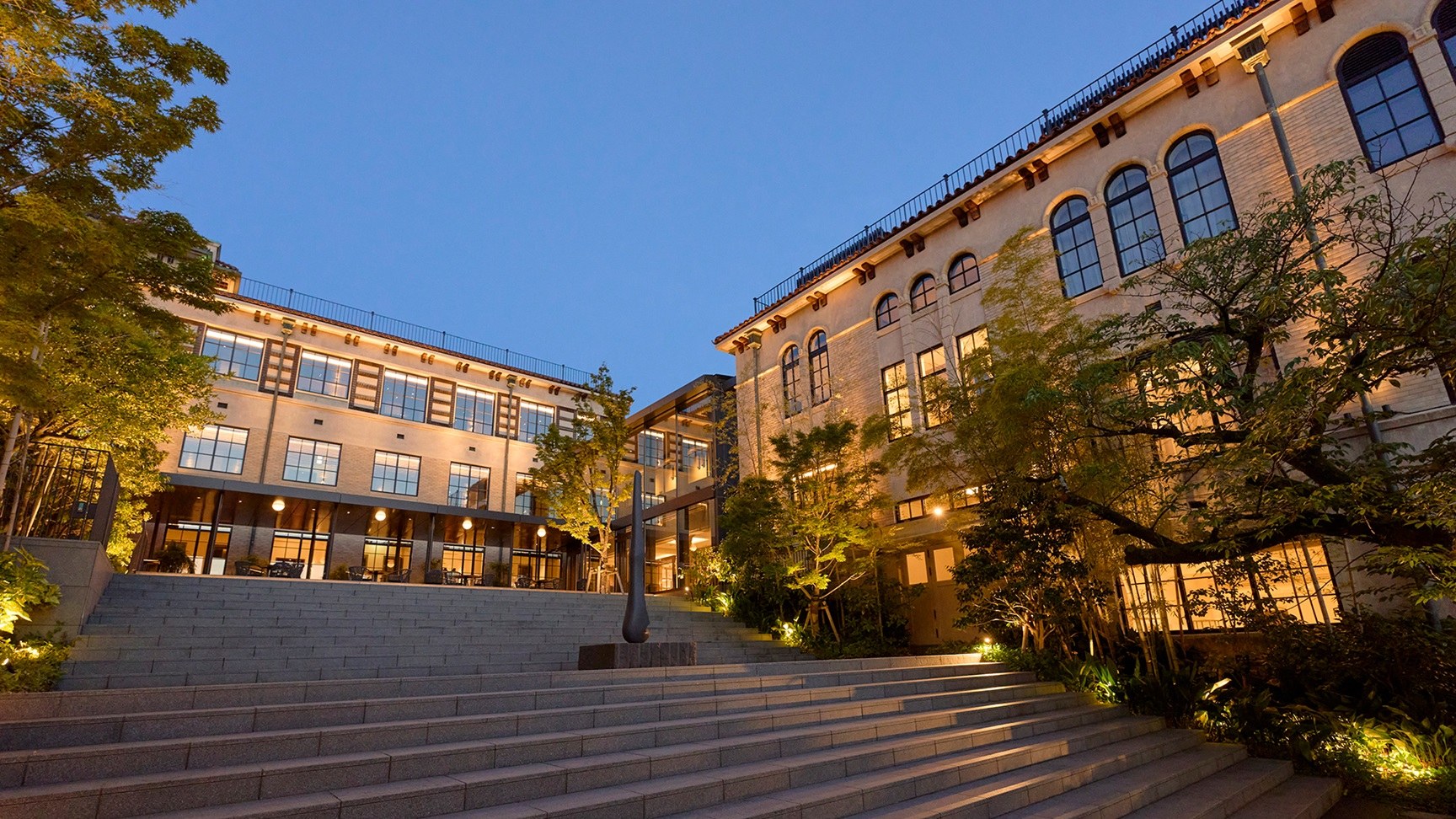
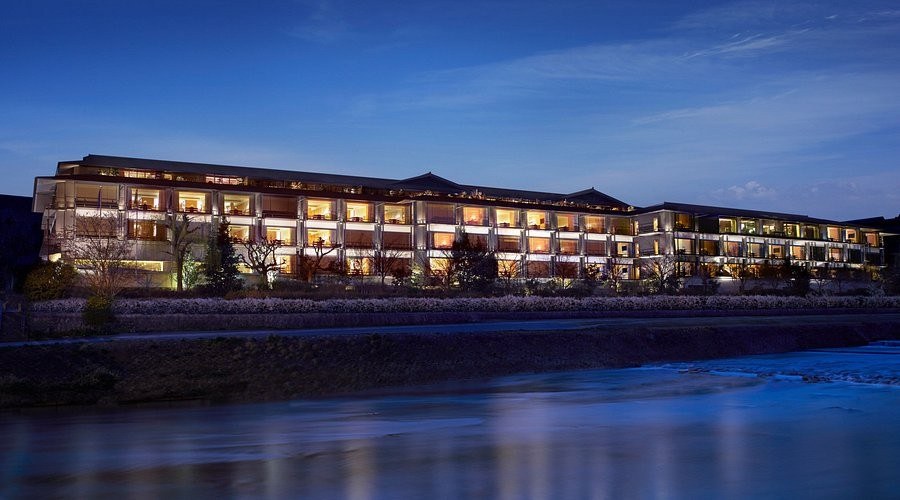
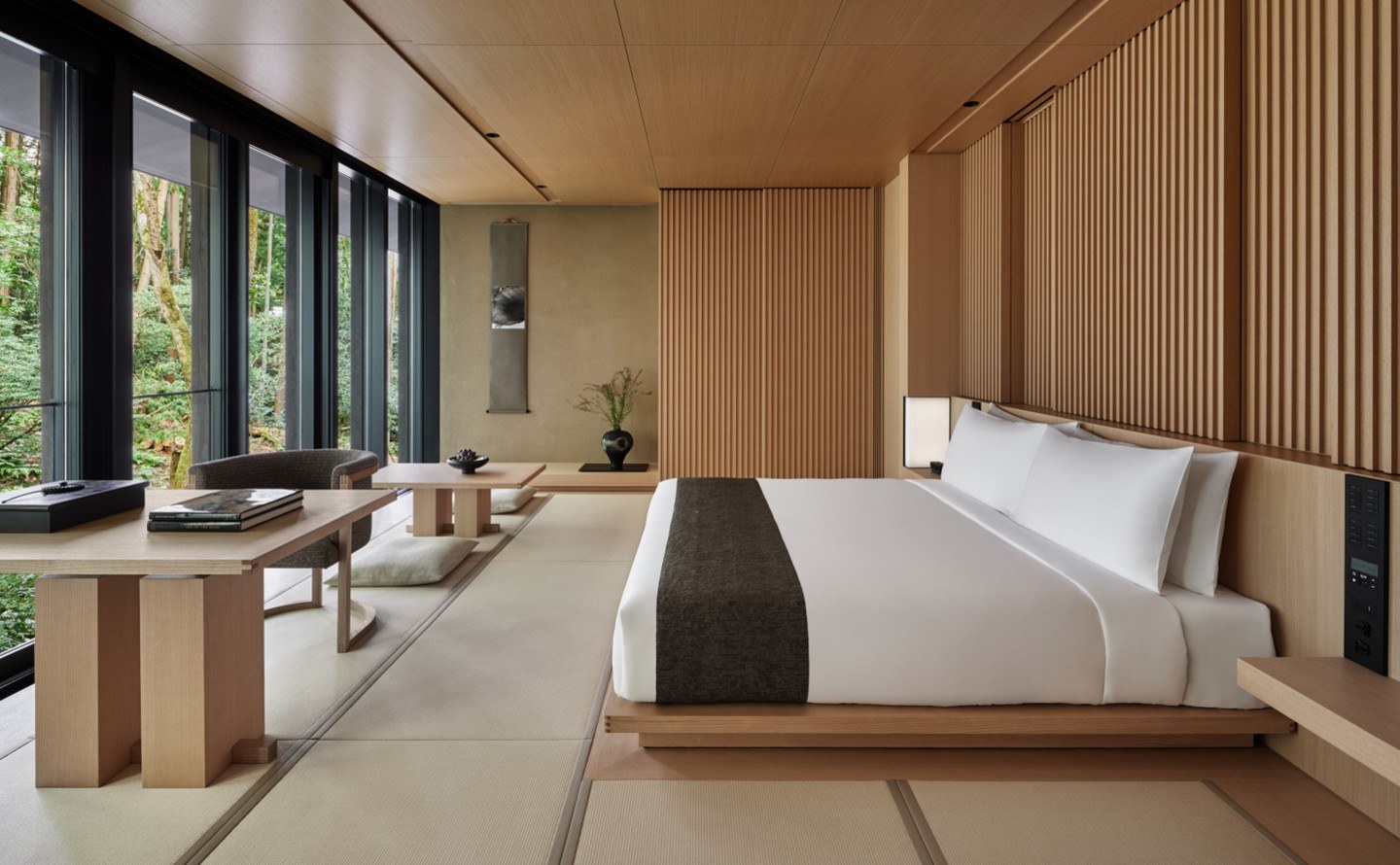
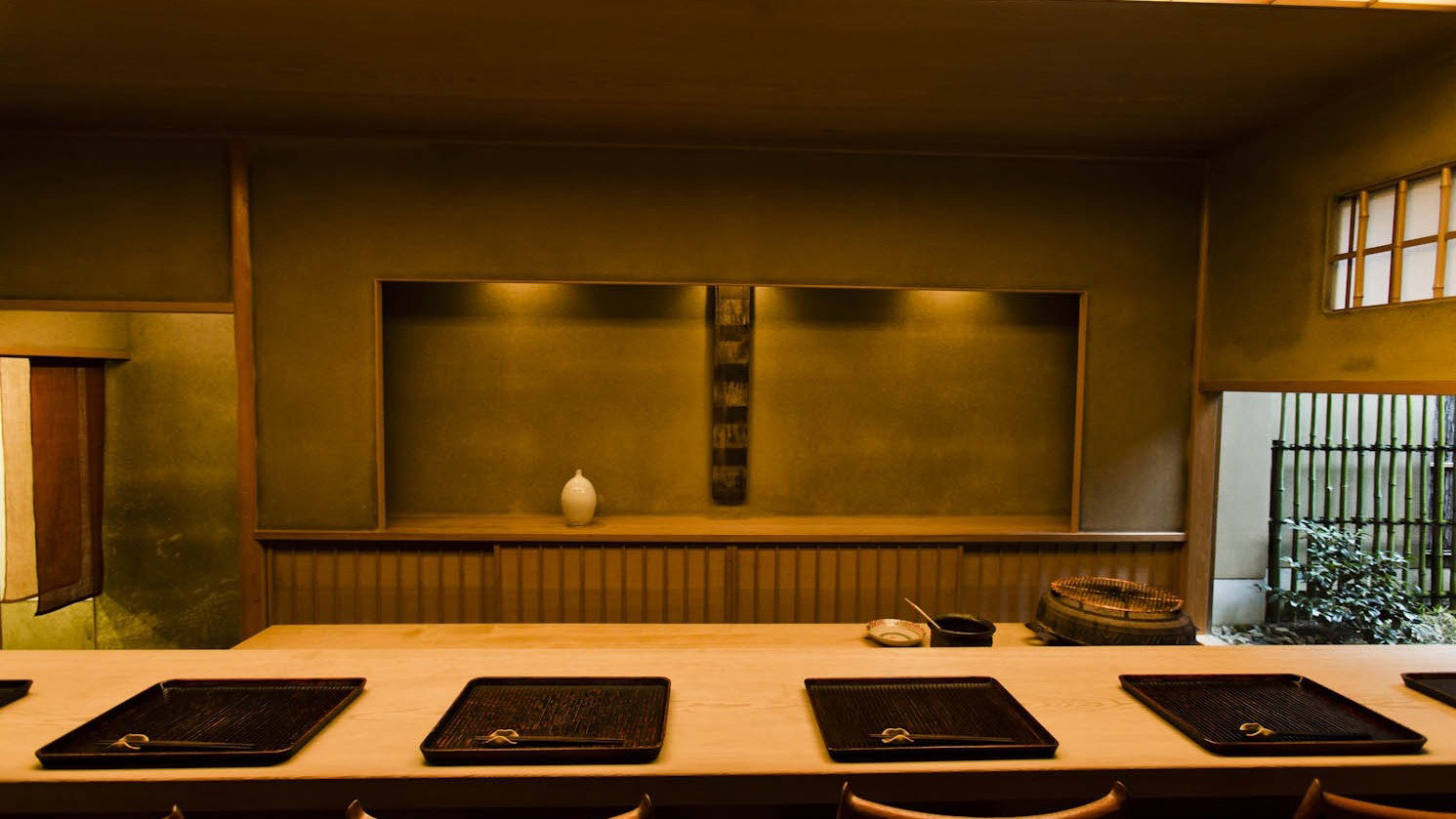
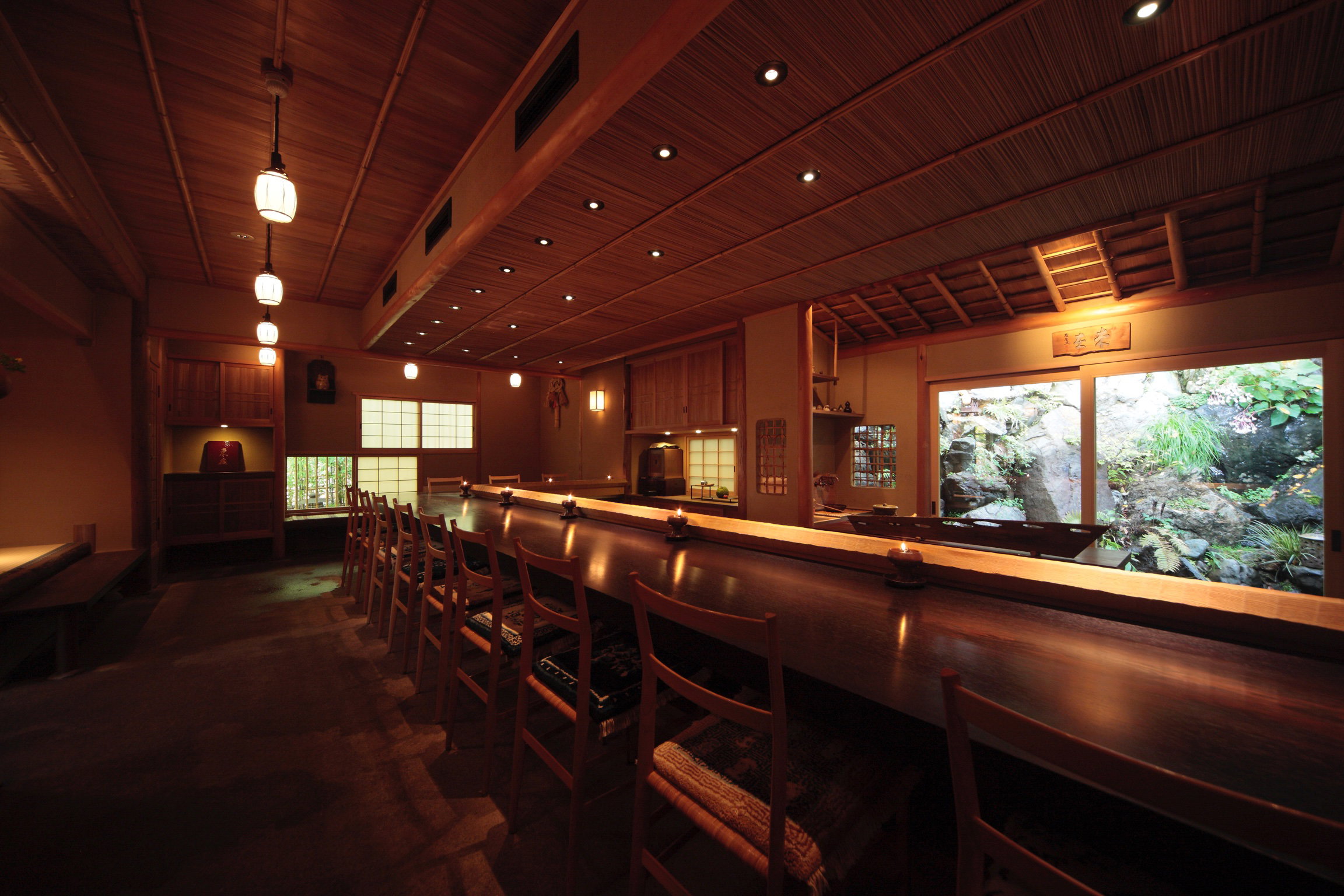
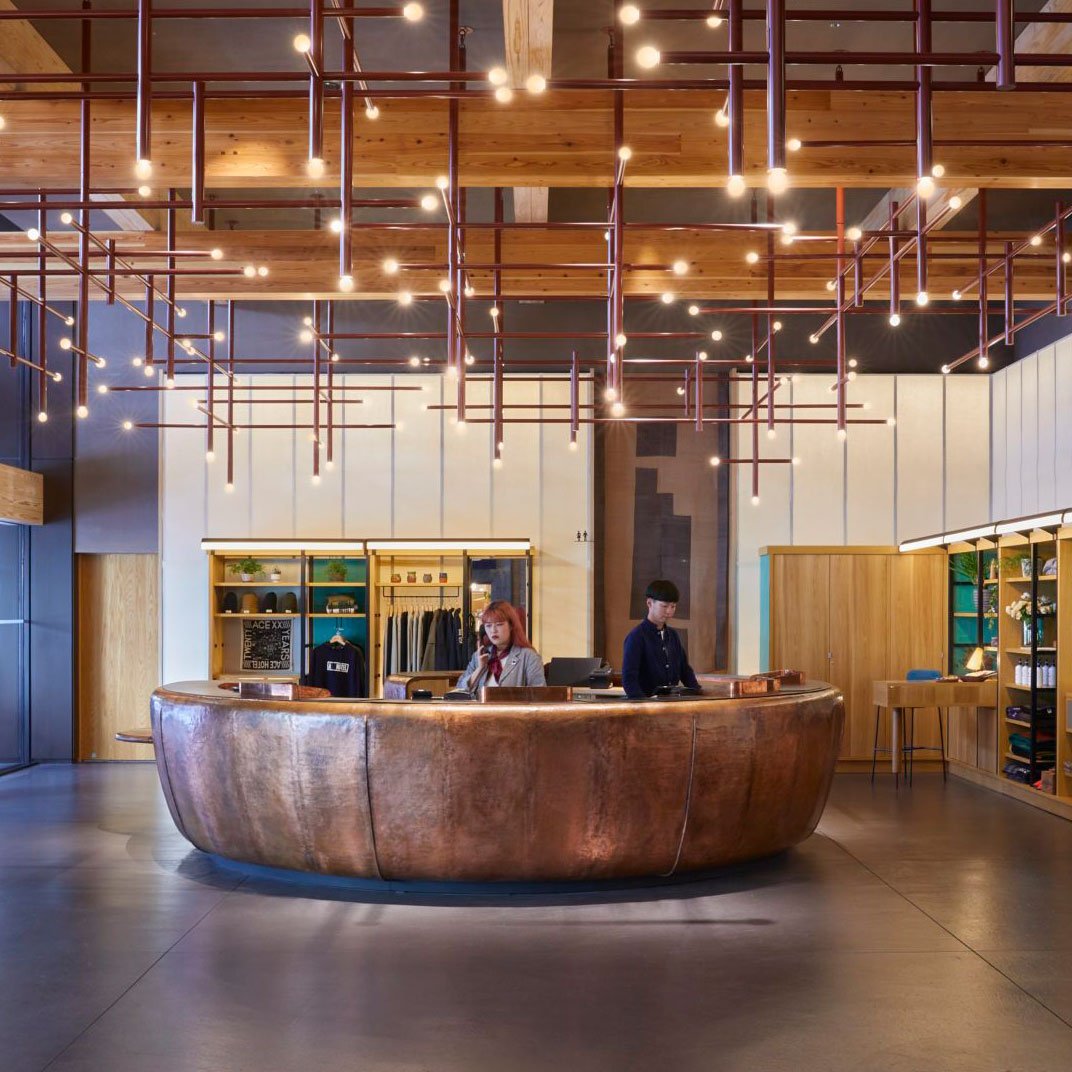
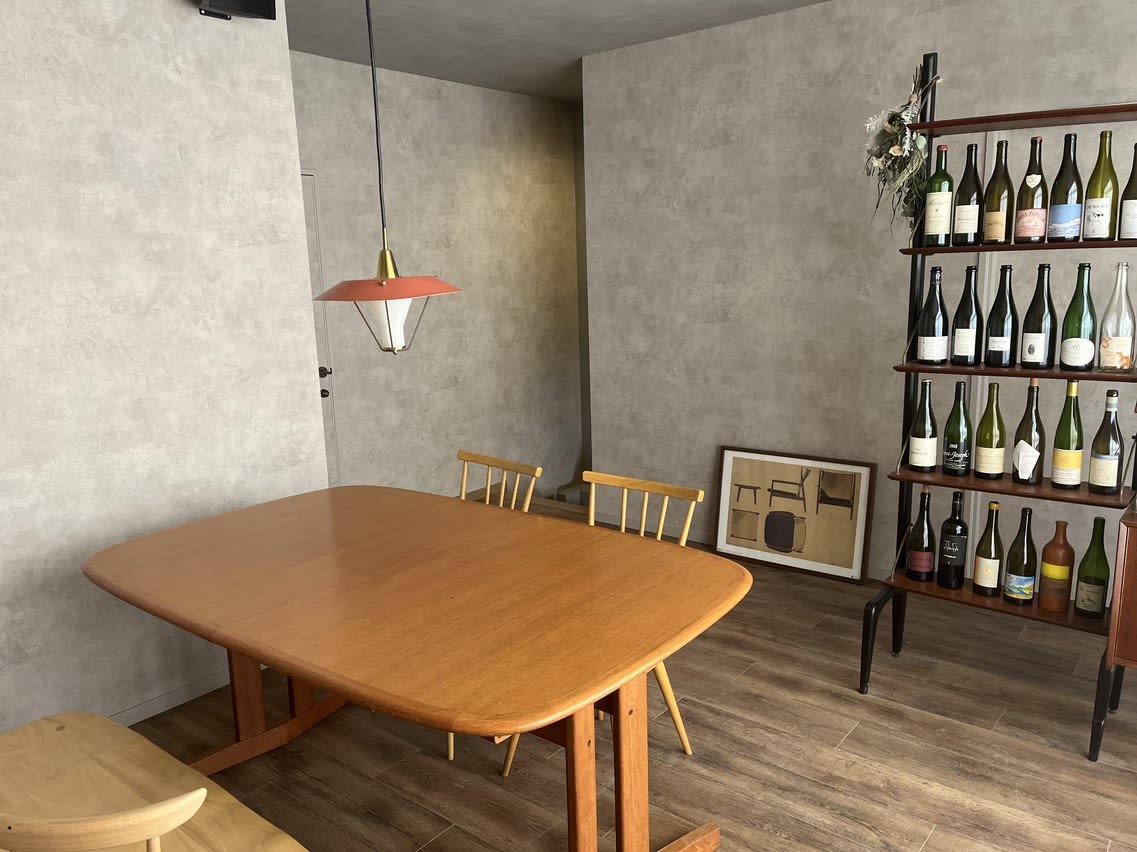
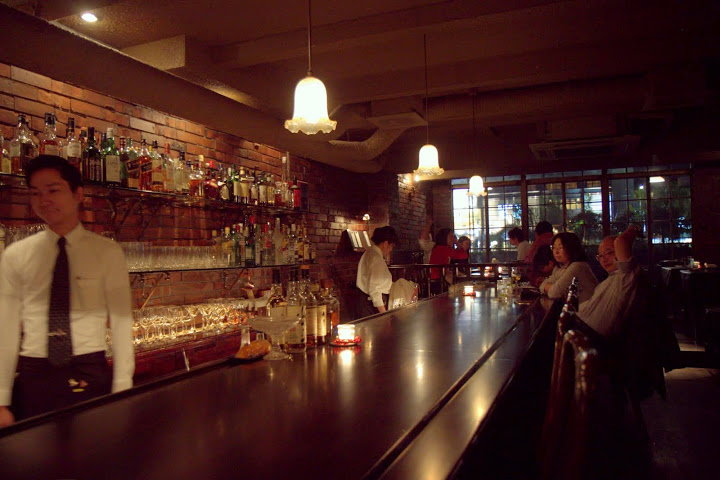
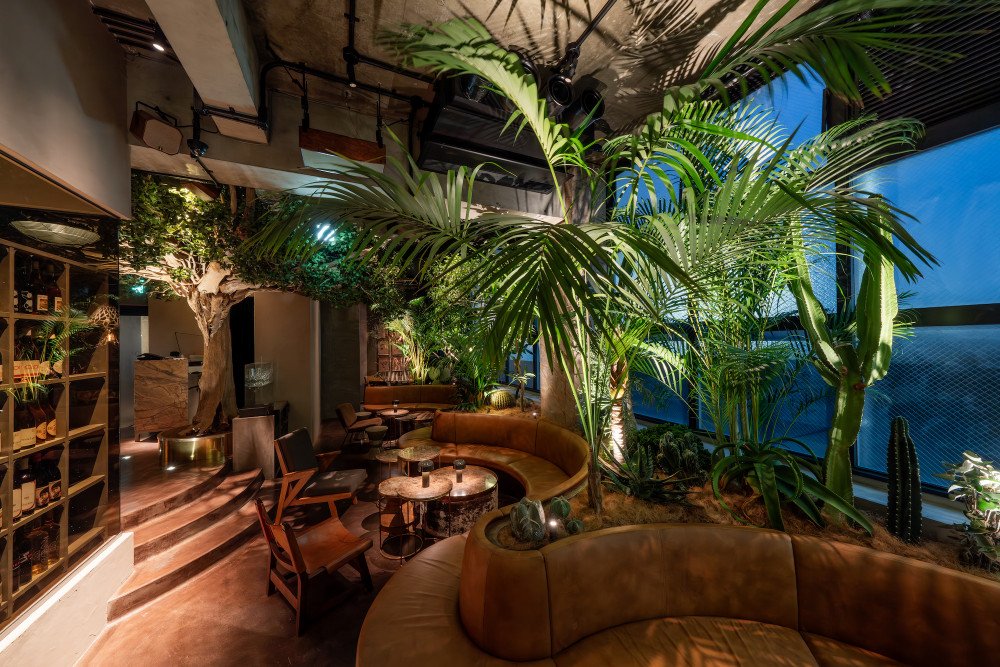
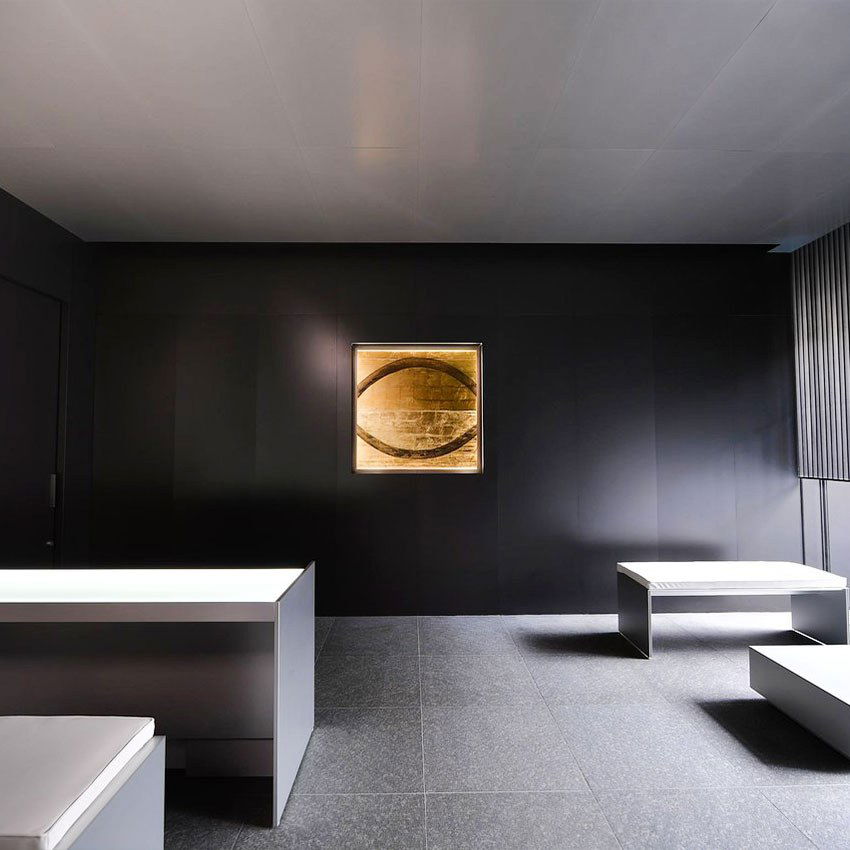
Sleek, minimalist spaces with clean crisp lines and monochromatic design palettes (black, white, or wooden tones) creating a peaceful, refined retreat in the heart of Kyoto's historic district.
Tags
Vibe
Best For
Experience
Amenities
View
Accessibility
About the Stay
- Rooms
- 23
- Check-in
- 15:00
- Check-out
- 12:00
- Property Type
- Boutique hotel
- Property Style
- Modernist Reimagination of Traditional Japanese Aesthetics with Contemporary European Design Influences, Positioned as an Intimate Design Focused Luxury Boutique Hotel.
- Design Style
- Minimalist Monochromatic Design with Unified Color Palettes (black, White, or Natural Wood), Featuring Hand Curated in Room Amenities, Japanese Style Granite Baths, and an Inner Gardenia Wall Garden Visible From Select Rooms.
- Breakfast
- Included
- Spa
- Yes
- Cancellation
- Moderate
Know before you go
Know Before You Go
- Getting there
- 450 Tsuboyacho, Nakagyo Ward, Kyoto, 604-8276, Japan
Planning details
Location
Recognition and awards
Also consider
Also Consider
- Mimaru Suites Kyoto Central, Notable alternative
- THE HIRAMATSU Kyoto, Notable alternative
- HOTEL THE MITSUI KYOTO, Notable alternative
- Garrya Nijo Castle Kyoto, Notable alternative
- Ace Hotel Kyoto, Notable alternative
Hotel context
How It Compares
MOGANA is the quieter, more design-led choice in this Kyoto set. Compared with Mimaru Suites Kyoto Central, it is better for a short solo or couple work trip where atmosphere matters more than apartment-style space. Mimaru is the more practical call for longer stays, families, or colleagues who need suite-style flexibility.
For a higher-touch luxury stay, cross-shop THE HIRAMATSU Kyoto and HOTEL THE MITSUI KYOTO. Those are stronger picks when service depth, hosting, and a more complete luxury-hotel experience matter. MOGANA is more compelling when the goal is a lower-key base and the schedule is mostly outside the hotel.
Garrya Nijo Castle Kyoto and Ace Hotel Kyoto are the useful alternates if MOGANA is not the right fit. Garrya leans calmer and wellness-oriented, while Ace is better for travelers who want a more social, design-forward hotel environment. For booking ease, MOGANA's “easy” signal makes it less stressful than the more in-demand luxury names, but it is not the right substitute for a full-service flagship hotel.
Explore Kyoto
Around this place
Discover more on Pearl
Unlock the full MOGANA guide in Pearl, including awards, comparisons, FAQs, planning details, and nearby places.
Compare MOGANA
| Venue | Location | Awards |
|---|---|---|
| MOGANA | Kyoto | 2025 Michelin Selected Hotels |
| Mimaru Suites Kyoto Central | Kyoto | No published awards |
| THE HIRAMATSU Kyoto | Kyoto | No published awards |
| HOTEL THE MITSUI KYOTO | Kyoto | 2026 World’s 50 Best Hotels 51-100 · #792026 Forbes 5-Star2026 Virtuoso Luxury Hotel Collection2026 La Liste Top Hotels2025 World’s 50 Best Hotels · #462024 Michelin 3 Keys |
| Garrya Nijo Castle Kyoto | Kyoto | 2026 Michelin 1 Key2025 Michelin 1 Key2024 Michelin 1 Key |
| Ace Hotel Kyoto | Kyoto | 2026 Mr & Mrs Smith Luxury Hotels2026 Michelin 1 KeyTatler Best Hotels Asia-Pacific 20252025 Michelin 1 Key2024 Michelin 1 Key |








How MOGANA Kyoto compares with similar nearby venues.
FAQ
Frequently Asked Questions
How is the location of MOGANA?
MOGANA is in Kyoto. Specific street, neighborhood, landmark, or transit details should be confirmed directly with the hotel or your booking channel before travel.
Do loyalty programs work at MOGANA?
The clearest trust signal is MICHELIN Guide Hotels Selected (2025).
What is check-in like at MOGANA?
Confirm arrival time, identification requirements, luggage handling, and any late-arrival instructions directly with MOGANA before your stay.
Which room category is best at MOGANA?
Choose only after reviewing the hotel's current room descriptions and confirming any needs around space, bedding, work setup, or accessibility.
When is the best time to book MOGANA?
Book when your Kyoto dates and requirements are firm, and confirm current availability and cancellation terms through the hotel or booking platform.
How does MOGANA compare to other Kyoto hotels?
MOGANA can be compared with HOTEL THE MITSUI KYOTO, Ace Hotel Kyoto, Mimaru Suites Kyoto Central, Garrya Nijo Castle Kyoto, and THE HIRAMATSU Kyoto. Compare current official details for each property before deciding.