


Mamilla Hotel
Mamilla, Jerusalem
Hotel in Jerusalem, Israel
 Book with Pearl
The Read
Price
$300–500per night
Why go
Mamilla Hotel is worth booking when the priority is a central Jerusalem base with luxury credentials and easy movement around the city. Forbes Recommended, Virtuoso Luxury Hotel Partner, and Star Wine List recognition give it credible backing, but compare it against The King David for heritage, Waldorf Astoria Jerusalem for formality, and The American Colony Hotel for a quieter stay.
About Mamilla Hotel
Mamilla Hotel is a Jerusalem hotel with planning signals that include a smart casual dress code, Forbes Recommended (2026), Virtuoso Luxury Hotel Partner (2026), and Star Wine List (2026) recognition. Travelers should confirm dining format, room style, services, prices, and operating details directly with the hotel before booking.
The cleanest way to evaluate Mamilla Hotel is against other established hotel options in Jerusalem. Travelers may compare it with The King David, Waldorf Astoria Jerusalem, David Citadel Hotel, The American Colony Hotel, and InterContinental Jerusalem- A Virtuoso Preview Property, depending on the kind of stay they want. Treat Mamilla Hotel as a recognized Jerusalem hotel, while checking any details that matter for the trip, including neighborhood, address, service style, or guest profile.
Book this for recognition, then check the stay details
The strongest case for Mamilla Hotel is its recognition set: Forbes Recommended (2026), Virtuoso Luxury Hotel Partner (2026), and Star Wine List (2026). Those signals can matter for travelers who value third-party hotel recognition, but they should not be stretched into claims about specific restaurants, menus, amenities, or service inclusions.
For dining research beyond the hotel, use Our full Jerusalem restaurants guide for meals where the food is the main event. The Star Wine List (2026) recognition is relevant for travelers comparing recognition signals, but any specific food, bar, or restaurant plans should be checked separately before booking.
Who should cross-shop before committing
Travelers comparing Jerusalem hotels should look at the broader set before committing. Mamilla Hotel can be considered alongside David Citadel Hotel, Waldorf Astoria Jerusalem, The American Colony Hotel, The King David, and InterContinental Jerusalem- A Virtuoso Preview Property. The best choice depends on preferences such as exact services, room needs, rates, and trip purpose.
If Jerusalem is the reason for the trip, Mamilla Hotel belongs on the shortlist. If the hotel itself needs to meet a specific requirement, family services, business facilities, dining format, loyalty benefits, or accessibility details, confirm those points directly with the property before booking.
Planning details
- Location
- 11 King Solomon Street
- Website
- mamillahotel.com
- Phone
- 888-866-5338
The take
The Take
The Vibe
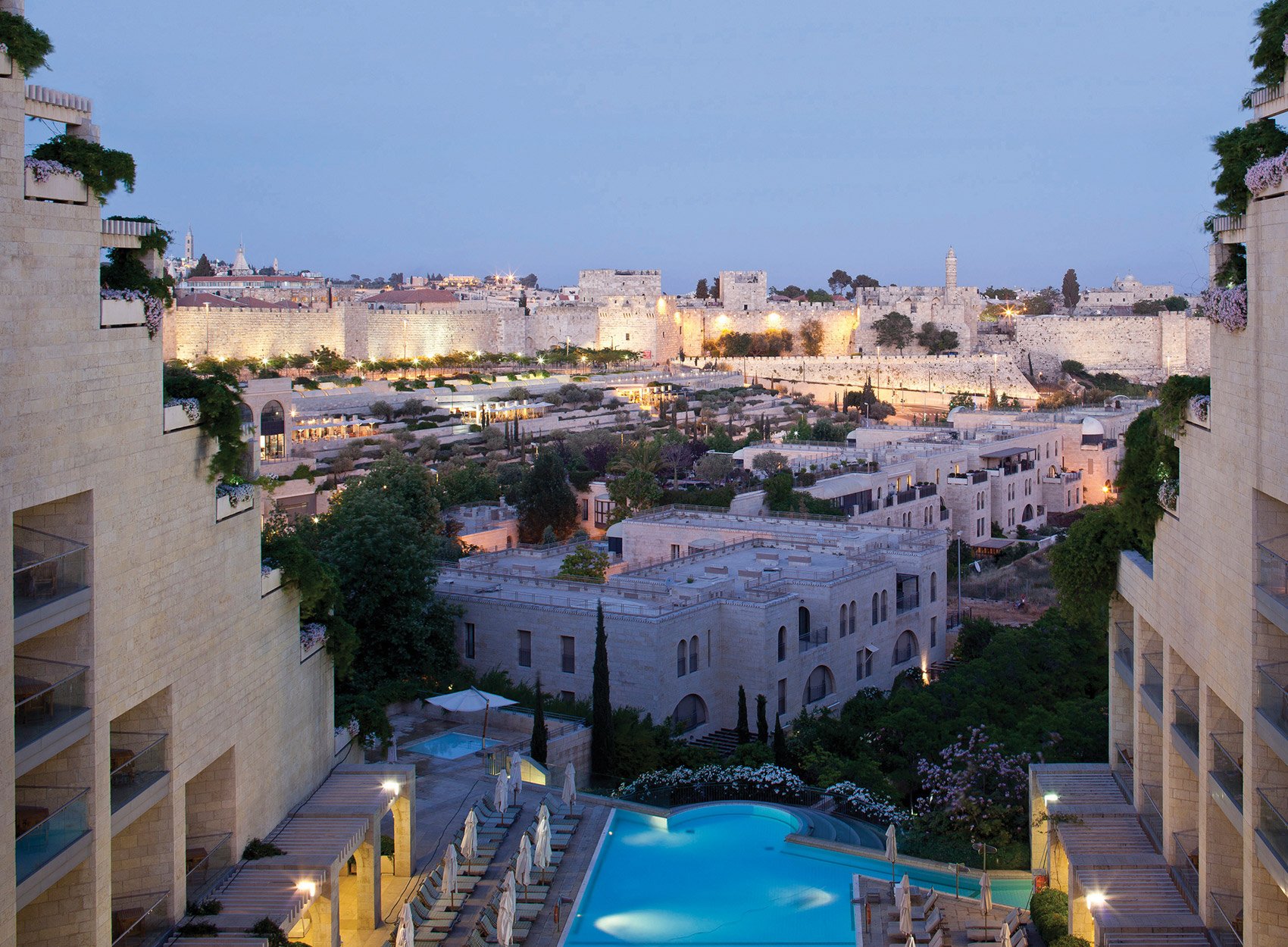
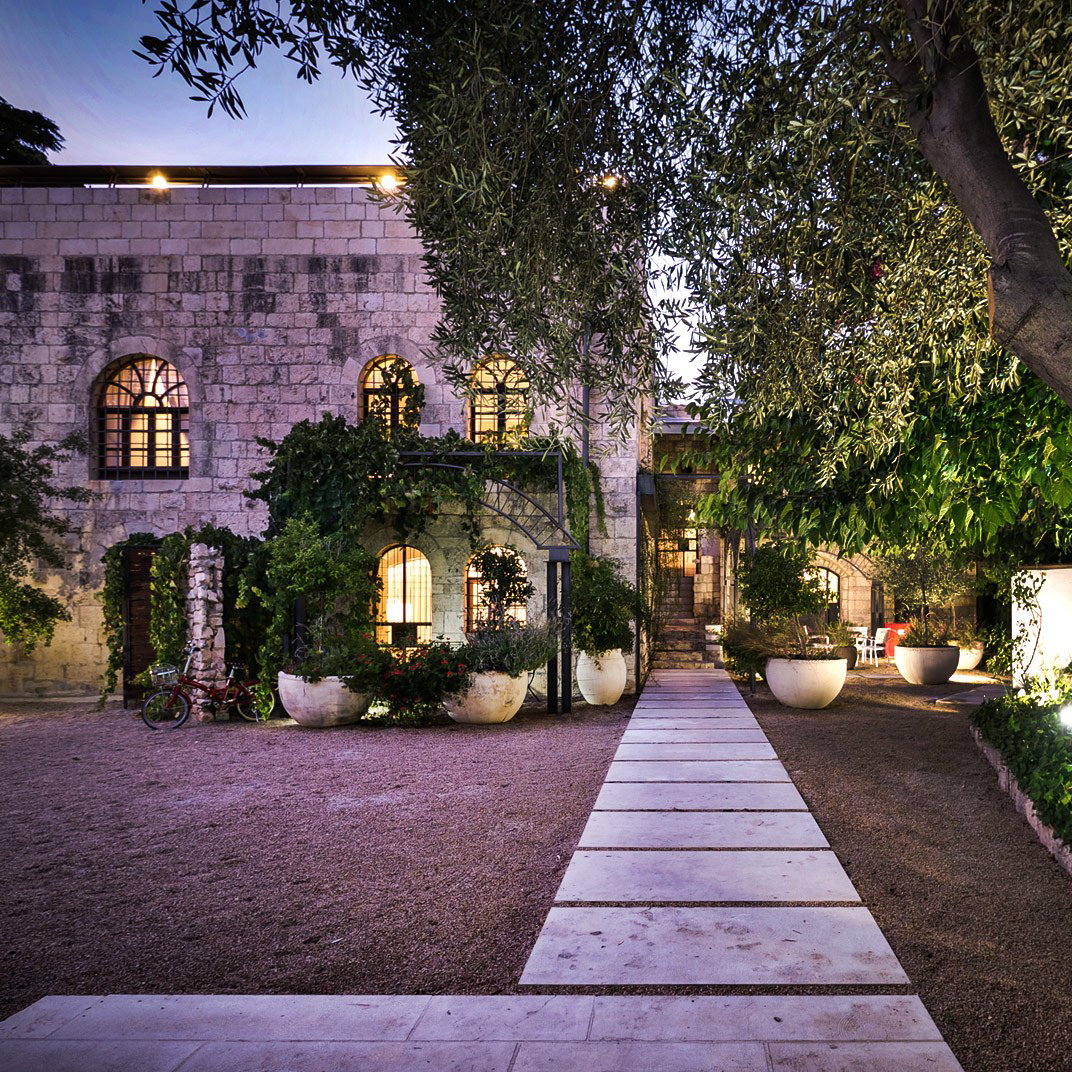
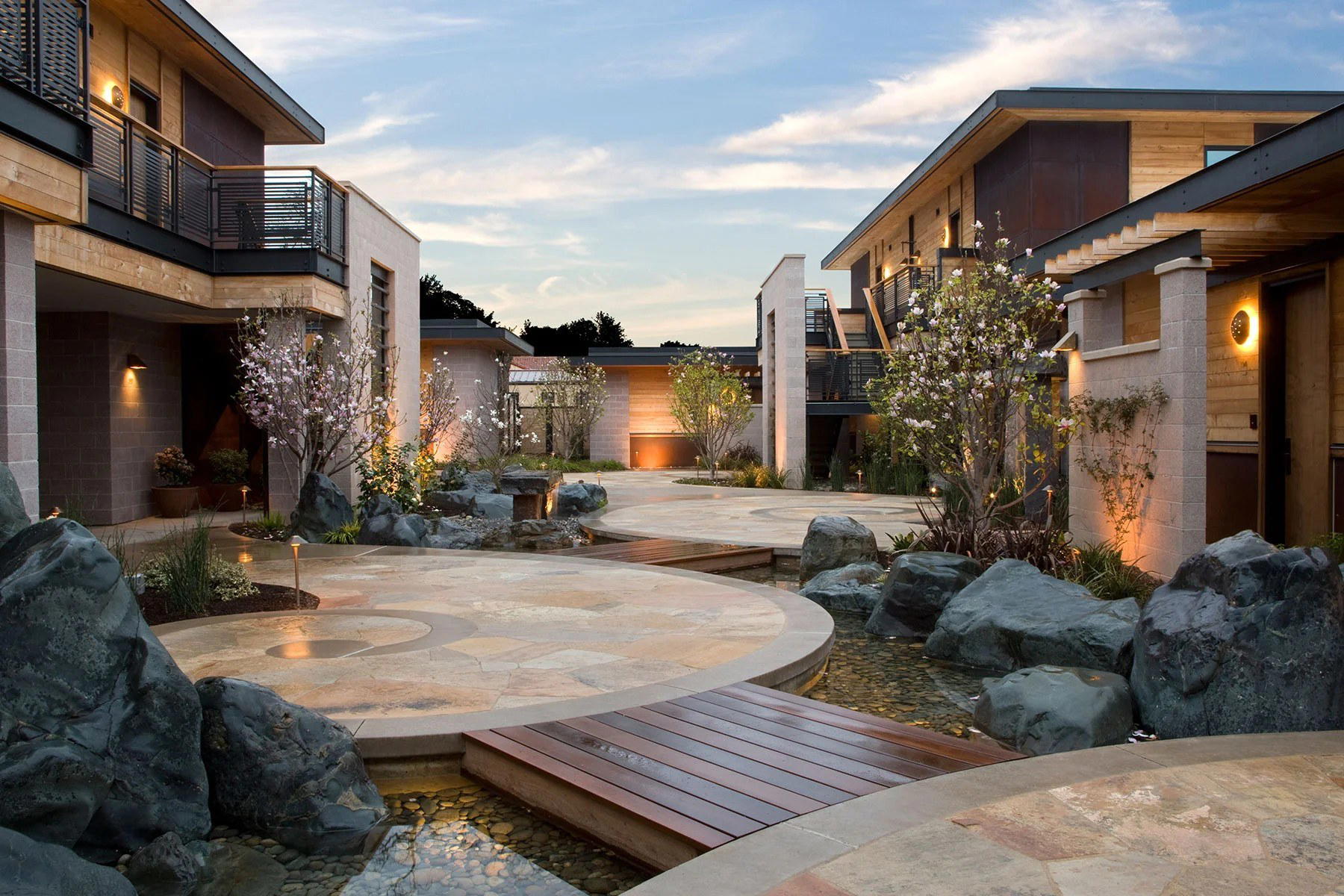
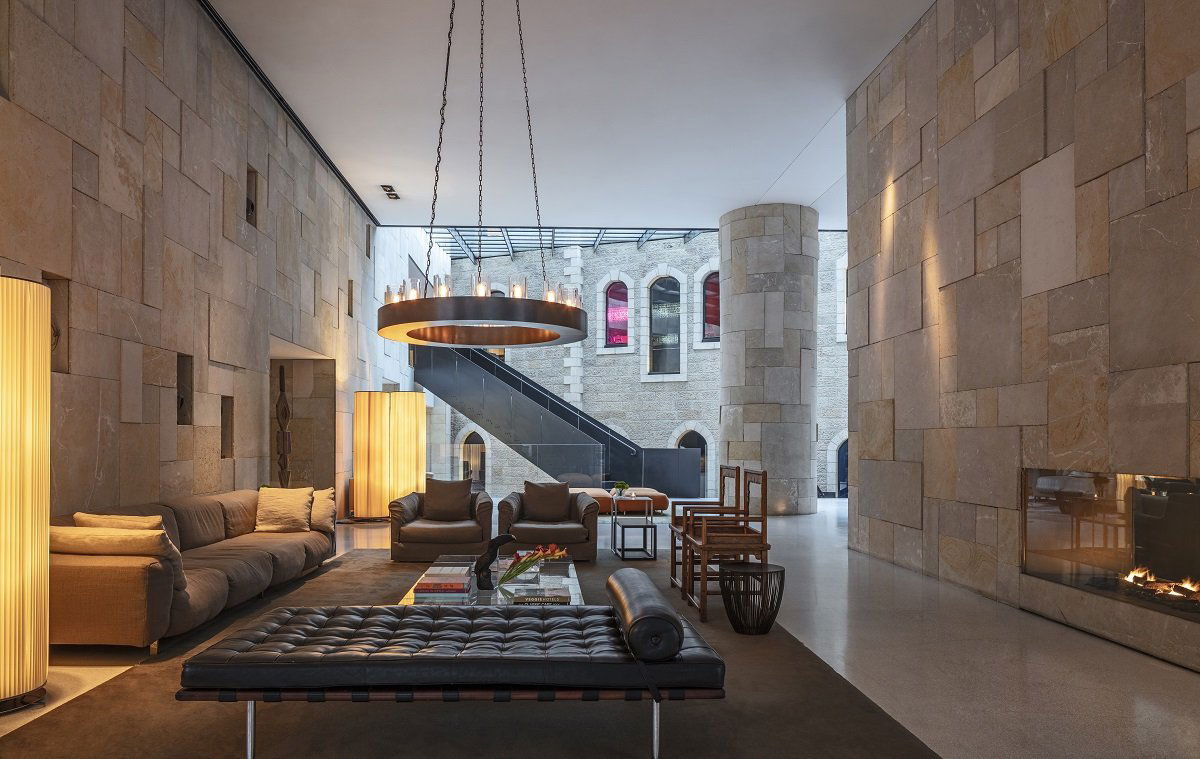
Mamilla presents contemporary design as an act of civic conversation rather than a stylistic break. The hotel sits where the Old City walls meet modern Mamilla Avenue, and its architecture—shaped by Moshe Safdie and Piero Lissoni—frames that junction. Interiors and rooms emphasize restrained, material-led luxury; the spatial experience is treated as service. The effect is a layered stay that feels rooted in Jerusalem’s history while asserting a confident, design-forward identity. Guests experience the city visibly and viscerally: ancient stone and landmark silhouettes form the backdrop to a quietly assertive, architecturally minded hotel.
Best For
Mamilla is best for travelers who prioritize context and design. The property suits visitors who want immediate access to the Old City and a stay that doubles as an architectural experience—luxury-minded explorers, couples seeking a memorable city setting, and business travelers who value provenance and place. The hotel’s positioning adjacent to Jaffa Gate and the Tower of David makes it convenient for sightseeing, while its material-led interiors and thoughtful spatial design cater to guests who view their room as part of the cultural itinerary rather than merely a place to sleep.
Stay Tips
When booking, aim for accommodation that faces the Old City so the Jaffa Gate and Tower of David form the room’s backdrop; the description emphasizes the hotel’s threshold location. Ask about suites or rooms that showcase the design details—rooms and suites are noted for architectural features such as liquid-crystal bathroom walls that switch from transparent to opaque. For arrivals, approach via Mamilla Avenue to experience the hotel’s relationship to the open-air retail and city wall setting. These choices maximize the hotel’s defining assets: view, architecture, and urban context.
Venue details
Ambiance
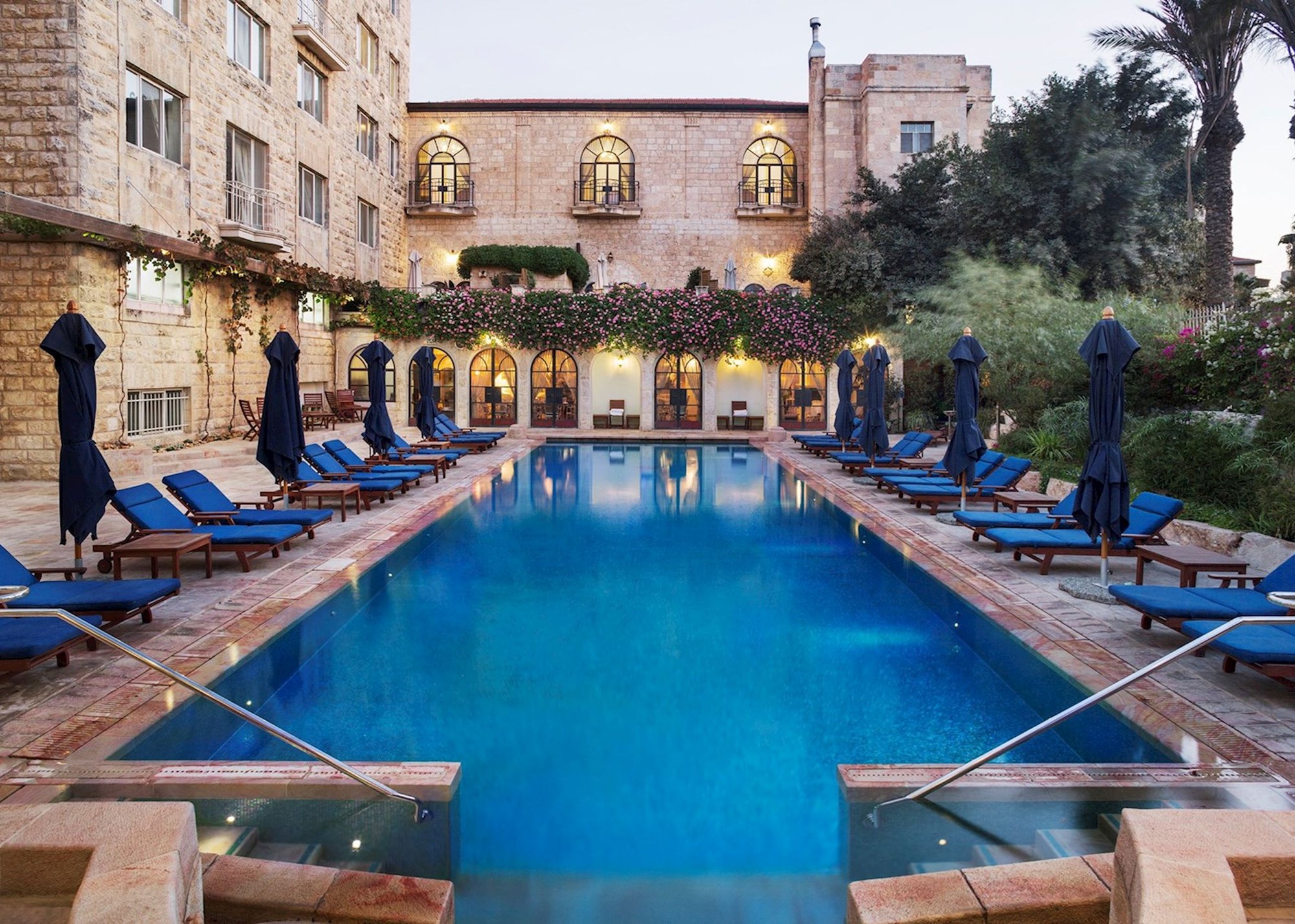
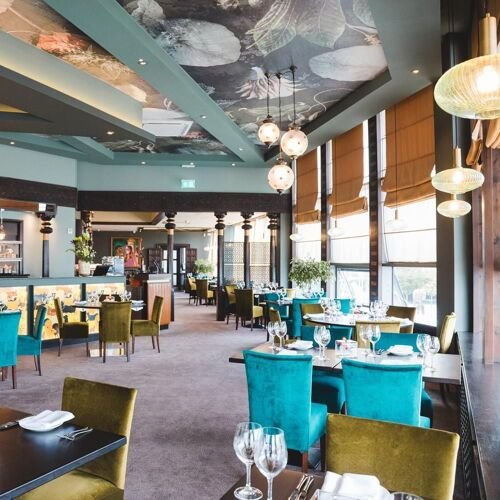
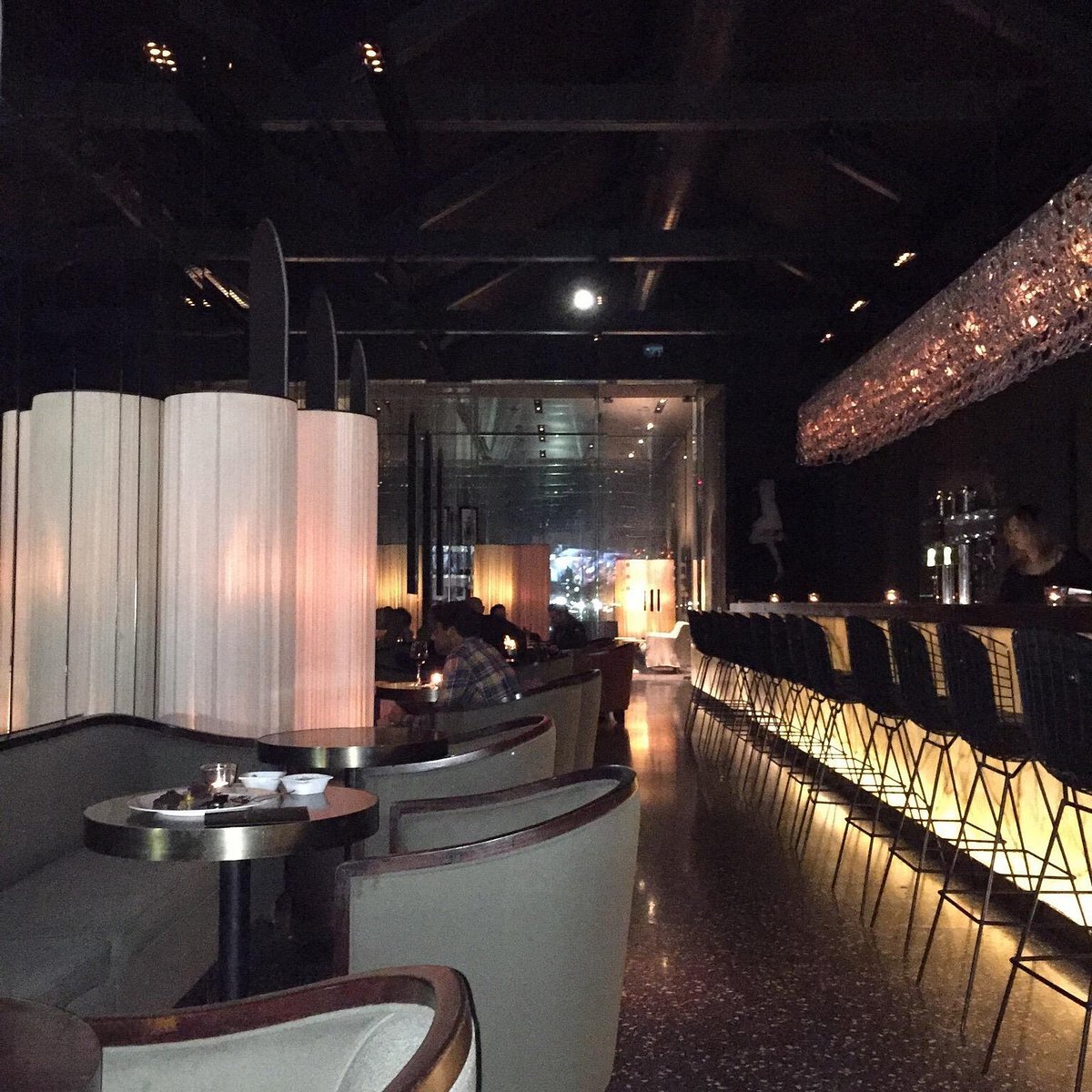
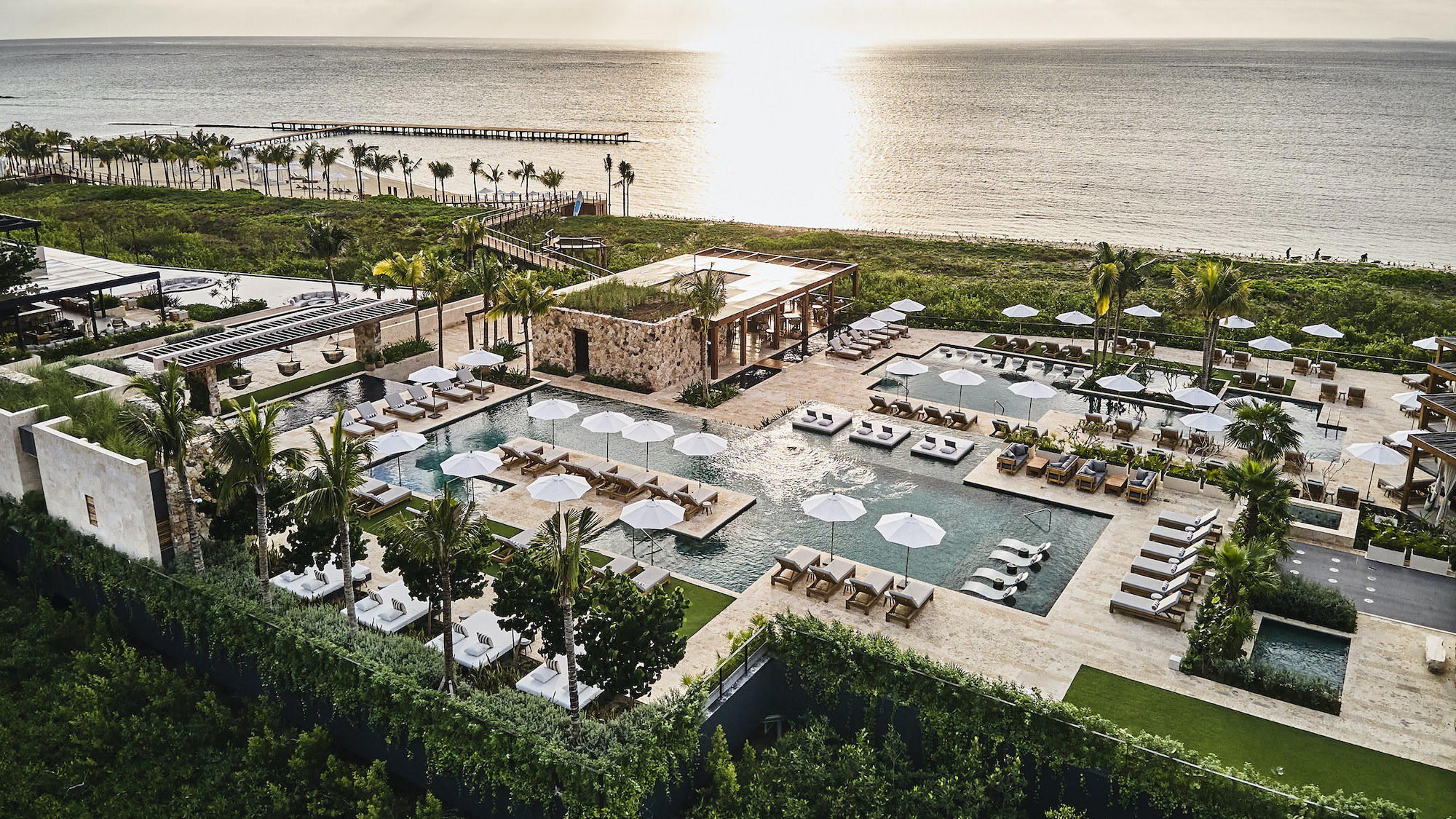
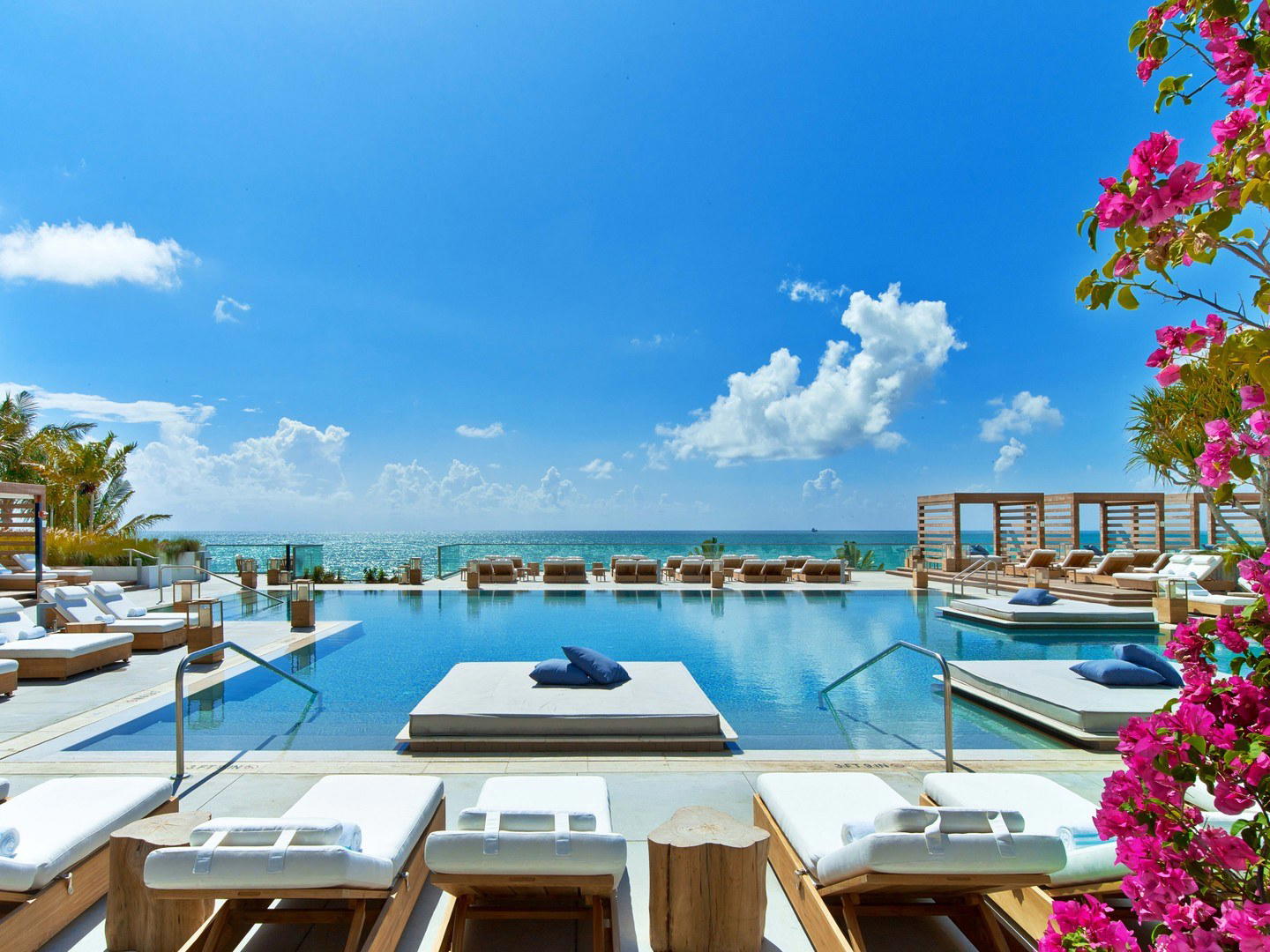
Contemporary minimalist design featuring light Jerusalem stone, high ceilings, marble flooring, and serene spa oasis atmosphere.
Tags
Vibe
Best For
Experience
Amenities
View
Accessibility
About the Stay
- Rooms
- 194
- Check-in
- 15:00
- Check-out
- 12:00
- Property Type
- Boutique hotel
- Property Style
- Contemporary Urban Luxury with Art Deco Influences
- Design Style
- Modern Minimalist with Jerusalem Stone and Curated Art
- Pool
- Yes
- Spa
- Yes
- Families
- Welcome
- Cancellation
- Moderate
Know before you go
Know Before You Go
- Getting there
- 11 King Solomon Street
Planning details
Location
Recognition and awards



Also consider
Also Consider
- David Citadel Hotel, Notable alternative
- Waldorf Astoria Jerusalem, Notable alternative
- The King David, Notable alternative
- InterContinental Jerusalem- A Virtuoso Preview Property, Notable alternative
- The American Colony Hotel, Notable alternative
Hotel context
How Mamilla Hotel compares in Jerusalem
Mamilla Hotel is the practical luxury choice when location carries more weight than heritage. Compared with David Citadel Hotel, it plays in a similar central-luxury lane, so the decision comes down to which room style and availability work better for the dates. If both are pricing high, choose the one that reduces transit and schedule friction for the trip.
Waldorf Astoria Jerusalem is the stronger cross-shop for guests who want a more formal hotel mood, while The King David is the better fit for travelers who care most about Jerusalem hotel heritage. Mamilla is easier to justify for repeat visitors who already know the city and want a polished base rather than a landmark stay.
If quiet atmosphere matters more than central positioning, compare The American Colony Hotel before booking. InterContinental Jerusalem- A Virtuoso Preview Property is worth checking when luxury-program access or future availability is part of the decision. Booking difficulty is marked hard here, so cross-shop early rather than treating nearby alternatives as last-minute fallbacks.
Explore Jerusalem
Around this place
Discover more on Pearl
Unlock the full Mamilla Hotel guide in Pearl, including awards, comparisons, FAQs, planning details, and nearby places.
Compare Mamilla Hotel
| Venue | Location | Awards |
|---|---|---|
| Mamilla Hotel | Jerusalem | 2026 Virtuoso Luxury Hotel Collection2026 Forbes RecommendedStar Wine Lists 2026 |
| David Citadel Hotel | Jerusalem | No published awards |
| Waldorf Astoria Jerusalem | Jerusalem | No published awards |
| The King David | Jerusalem | 2026 Virtuoso Luxury Hotel CollectionLeading Hotels of the World 20262026 La Liste Top Hotels |
| InterContinental Jerusalem- A Virtuoso Preview Property | Jerusalem | No published awards |
| The American Colony Hotel | Jerusalem | World Travel Awards 2025Small Luxury Hotels Member 2025 |




How Mamilla Hotel Jerusalem compares with similar nearby venues.
FAQ
Frequently Asked Questions
How does Mamilla Hotel compare to other hotels?
Mamilla Hotel is a recognized Jerusalem hotel with Forbes Recommended (2026), Virtuoso Luxury Hotel Partner (2026), and Star Wine List (2026) recognition. Compare it with David Citadel Hotel, Waldorf Astoria Jerusalem, The American Colony Hotel, The King David, and InterContinental Jerusalem- A Virtuoso Preview Property, then check the specific services and rates that matter for your stay.
When is the best time to book Mamilla Hotel?
Is Mamilla Hotel good for business travel?
Mamilla Hotel is in Jerusalem and has Forbes Recommended (2026) and Virtuoso Luxury Hotel Partner (2026) recognition. Meeting rooms, work amenities, and business services should be confirmed directly.
Is Mamilla Hotel family-friendly?
Families considering Mamilla Hotel should check current room options, family services, room configurations, child-focused amenities, and policies directly with the hotel.
How is the dining at Mamilla Hotel?
The dining-related signal is Star Wine List (2026) recognition. Check current restaurants, dishes, menus, meal periods, and dietary accommodations directly before planning around them.
Do loyalty programs work at Mamilla Hotel?
Mamilla Hotel is a Virtuoso Luxury Hotel Partner (2026), but any points, elite benefits, or booking-channel perks should be checked directly before booking.
What is check-in like at Mamilla Hotel?
Confirm arrival time, identification requirements, deposit policies, and any special requests directly with Mamilla Hotel before travel.