
Alegra Boutique Hotel
Ein Kerem, Jerusalem
Hotel in Jerusalem, Israel
 Book with Pearl
The Read
Price
$300–500per night
Why go
Alegra Boutique Hotel is worth considering for a quieter, design-led Jerusalem stay, especially if boutique atmosphere matters more than large-hotel services. Its 2025 MICHELIN Guide hotel selection adds credibility, but business travelers or first-time visitors who want full-service scale may prefer The King David, Waldorf Astoria Jerusalem, David Citadel Hotel, or Mamilla Hotel.
About Alegra Boutique Hotel
Consider Alegra Boutique Hotel if you are looking at a hotel in Jerusalem and want to compare it with other named hotel options in the city. This Jerusalem hotel has a smart casual dress code and MICHELIN Guide Hotels Selected recognition for 2025.
Before booking, travelers should check practical details such as facilities, room count, dining, service style, and business amenities directly with the hotel.
A boutique choice in Jerusalem
The clearest reason to keep Alegra Boutique Hotel on a Jerusalem shortlist is that it is a named hotel option in the city with MICHELIN Guide Hotels Selected recognition. For specifics on scale, amenities, room count, or format, check directly with the hotel.
If you want to compare it with other Jerusalem hotels, consider The King David, Waldorf Astoria Jerusalem, David Citadel Hotel, Mamilla Hotel, or InterContinental Jerusalem- A Virtuoso Preview Property. Alegra Boutique Hotel may appeal to travelers considering a stay in Jerusalem, while those other properties provide natural points of comparison.
Who should choose it, and who should cross-shop
Alegra Boutique Hotel is best evaluated as a Jerusalem hotel option rather than through assumptions about dining, meeting space, room categories, or service style. The smart casual dress code is useful to know, especially for guests planning what to pack.
The MICHELIN Guide Hotels Selected recognition for 2025 gives Alegra Boutique Hotel an external credibility signal. Still, the booking decision should remain practical: compare the hotel directly with Mamilla Hotel, Waldorf Astoria Jerusalem, The King David, David Citadel Hotel, and InterContinental Jerusalem- A Virtuoso Preview Property, then check the details that matter for your trip.
Planning details
- Location
- Derech HaAhayot 13, Jerusalem, Israel
- Website
- hotelalegra.co.il
- Phone
- +972 2-650-0506
The take
The Take
The Vibe
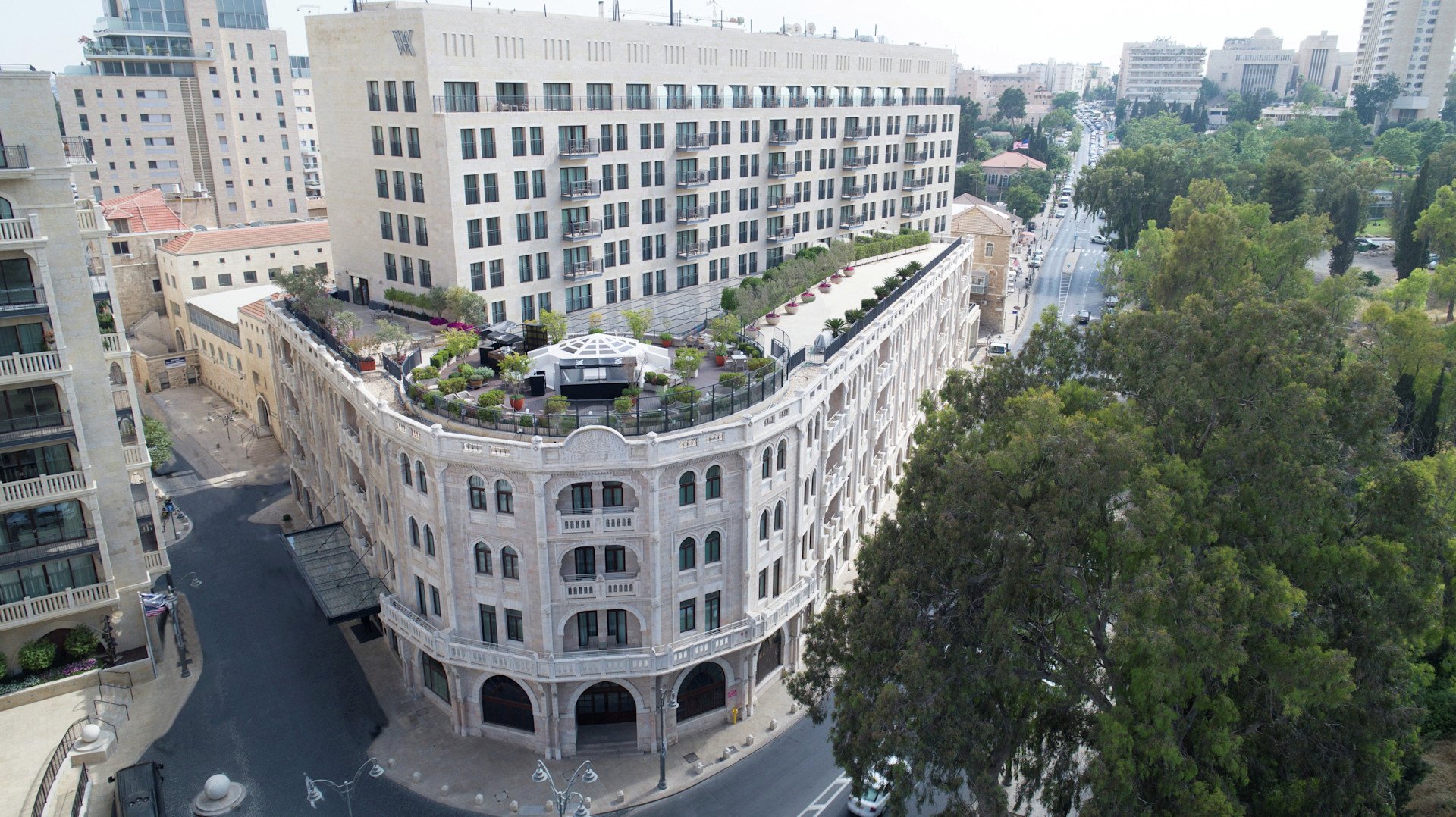
Alegra reads as a small, design-focused counterpoint to Jerusalem’s grand hotels. The property foregrounds scale and material — the narrative repeatedly returns to "intimate scale" and the city’s limestone fabric — and treats hospitality as a matter of considered design rather than marketing reach. The 2025 Michelin Selected designation underscores that the hotel’s discipline in space, service attentiveness and overall guest experience is resonant. Expect a restrained, sophisticated aesthetic that privileges thoughtful details and a quieter, boutique rhythm over the theatrics of larger, branded properties.
Best For
Alegra best serves travelers who prize design discipline and an intimate hotel experience over the amenities and loyalty benefits of large international chains. Its small-footprint, design-conscious approach and recognition by the Michelin hotel programme make it a strong fit for visitors seeking a curated stay that engages closely with Jerusalem’s architectural character. Guests looking for a thoughtful, quietly sophisticated base — rather than scale, extensive public programming or brand-driven services — will find Alegra aligned with those priorities.
Stay Tips
Because Alegra operates on a deliberately small footprint and is positioned as a design-led boutique, availability can be limited compared with larger hotels. The property’s 2025 Michelin Selected placement signals attentive service and a curated guest experience, so book early if your dates are fixed. Also note that Alegra competes on design and experience rather than brand distribution or loyalty programmes; if those perks matter to you, confirm specifics before booking. For most guests seeking a considered, design-focused stay in Jerusalem, advance reservations are the prudent choice.
Venue details
Ambiance
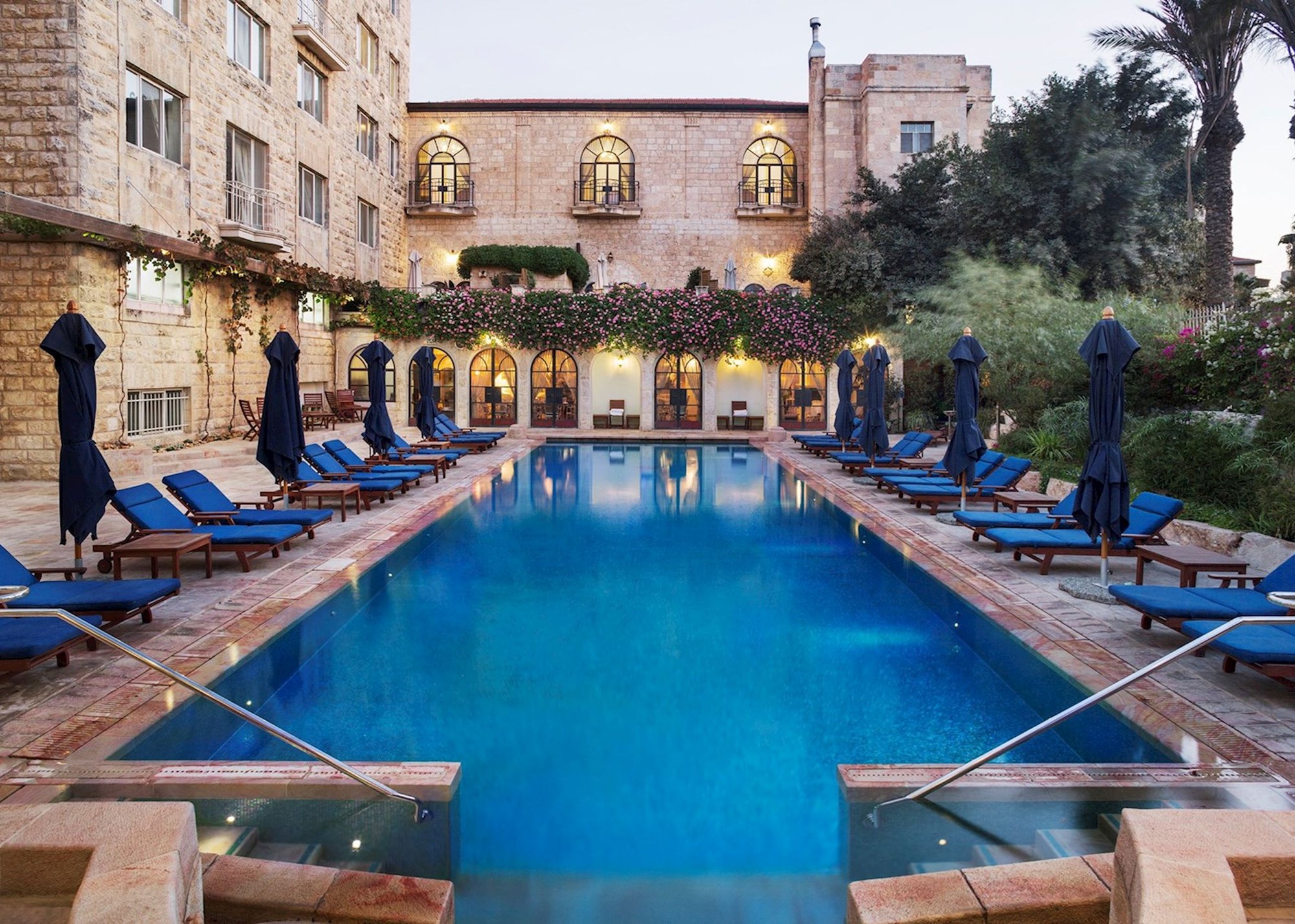
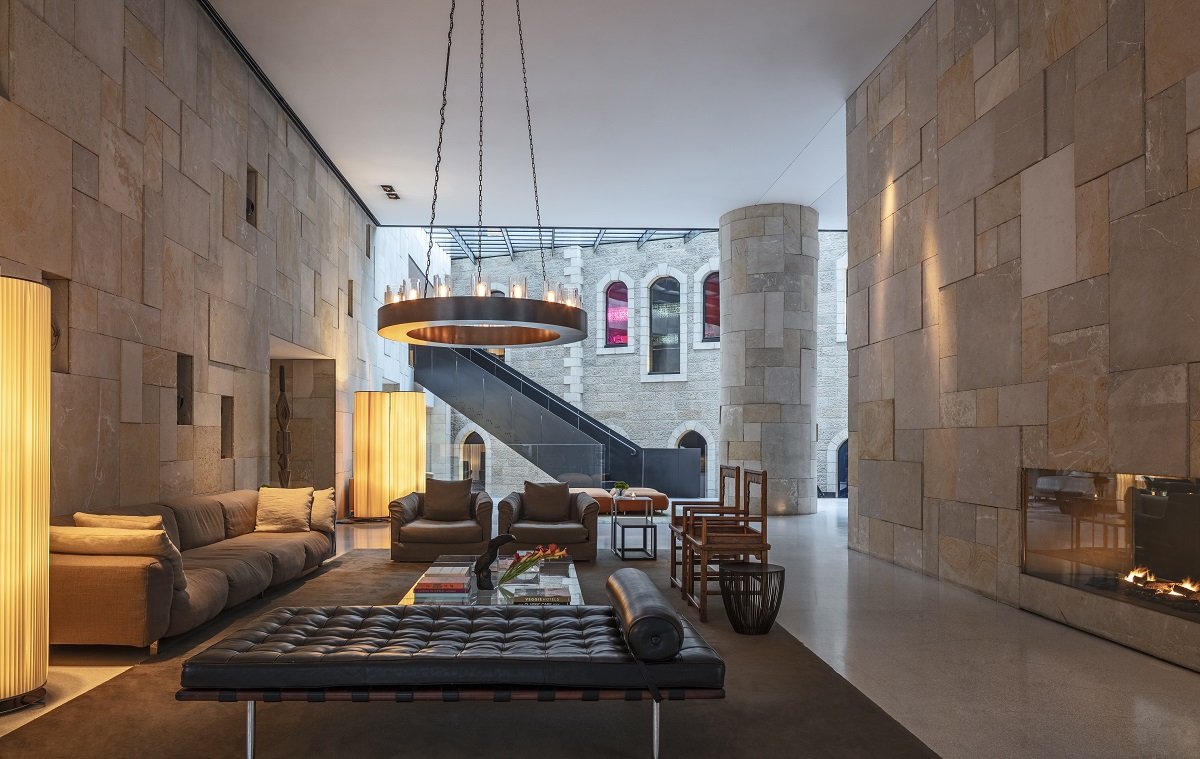
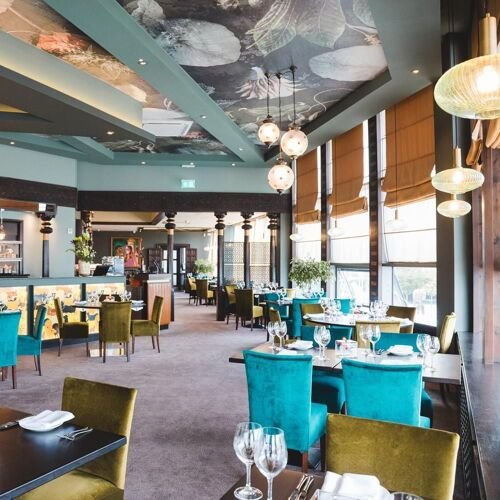
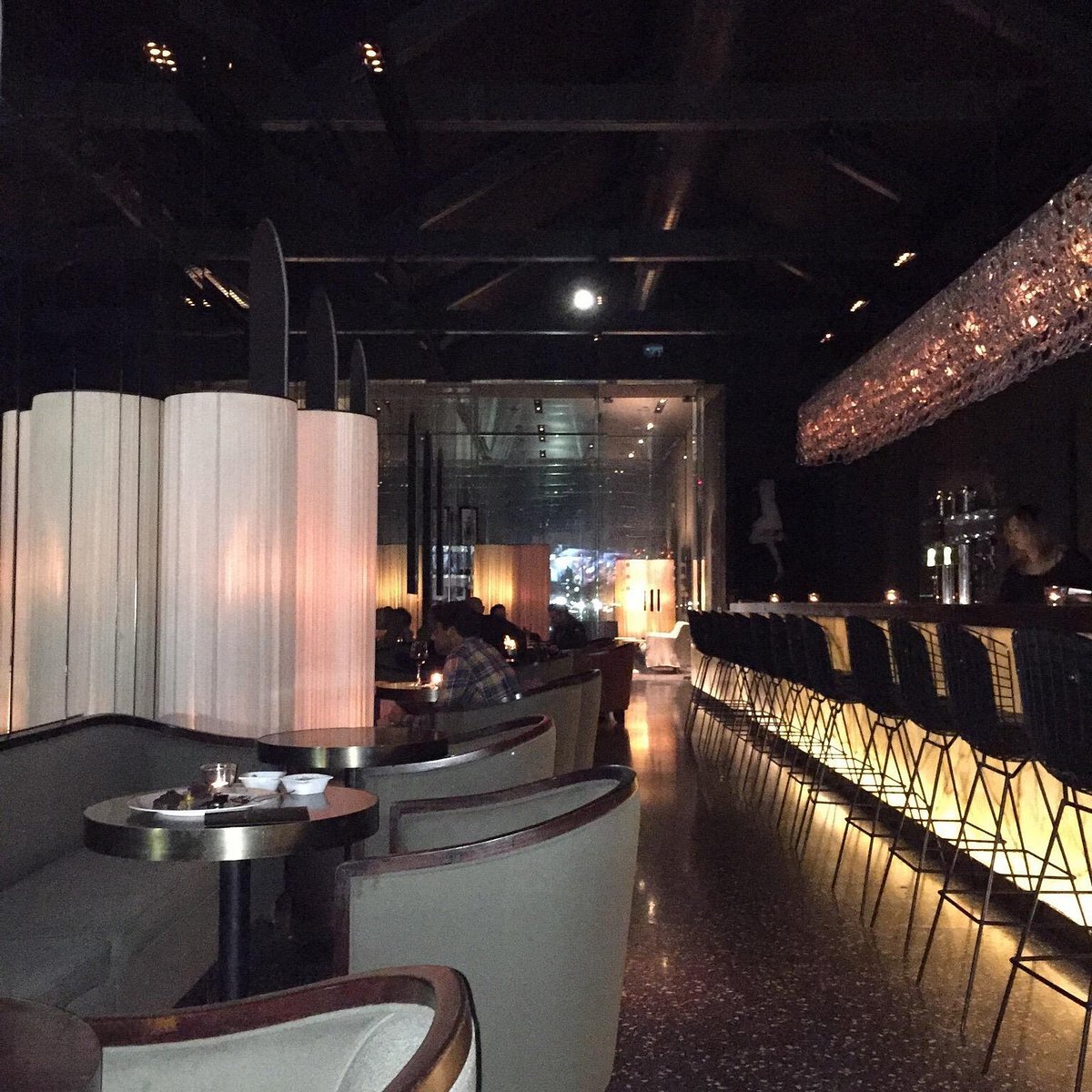
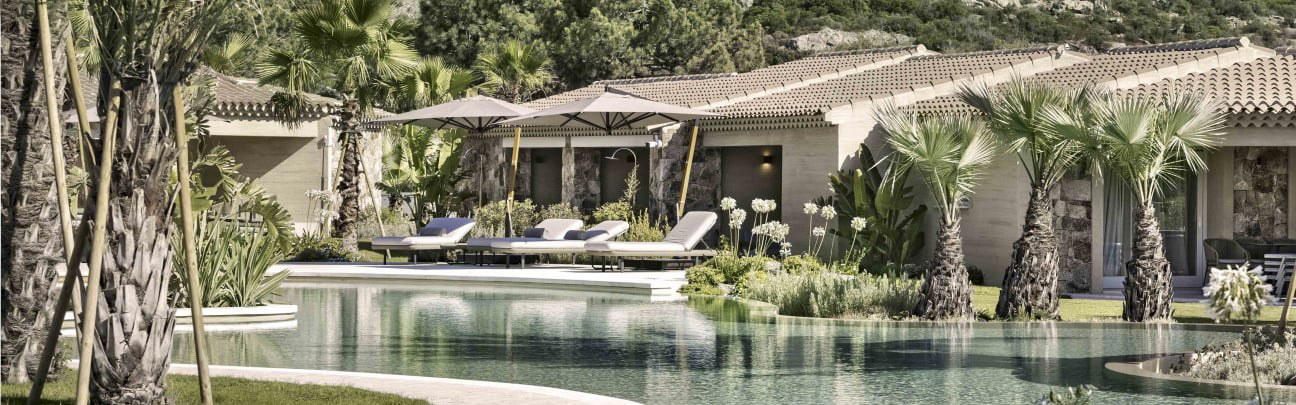
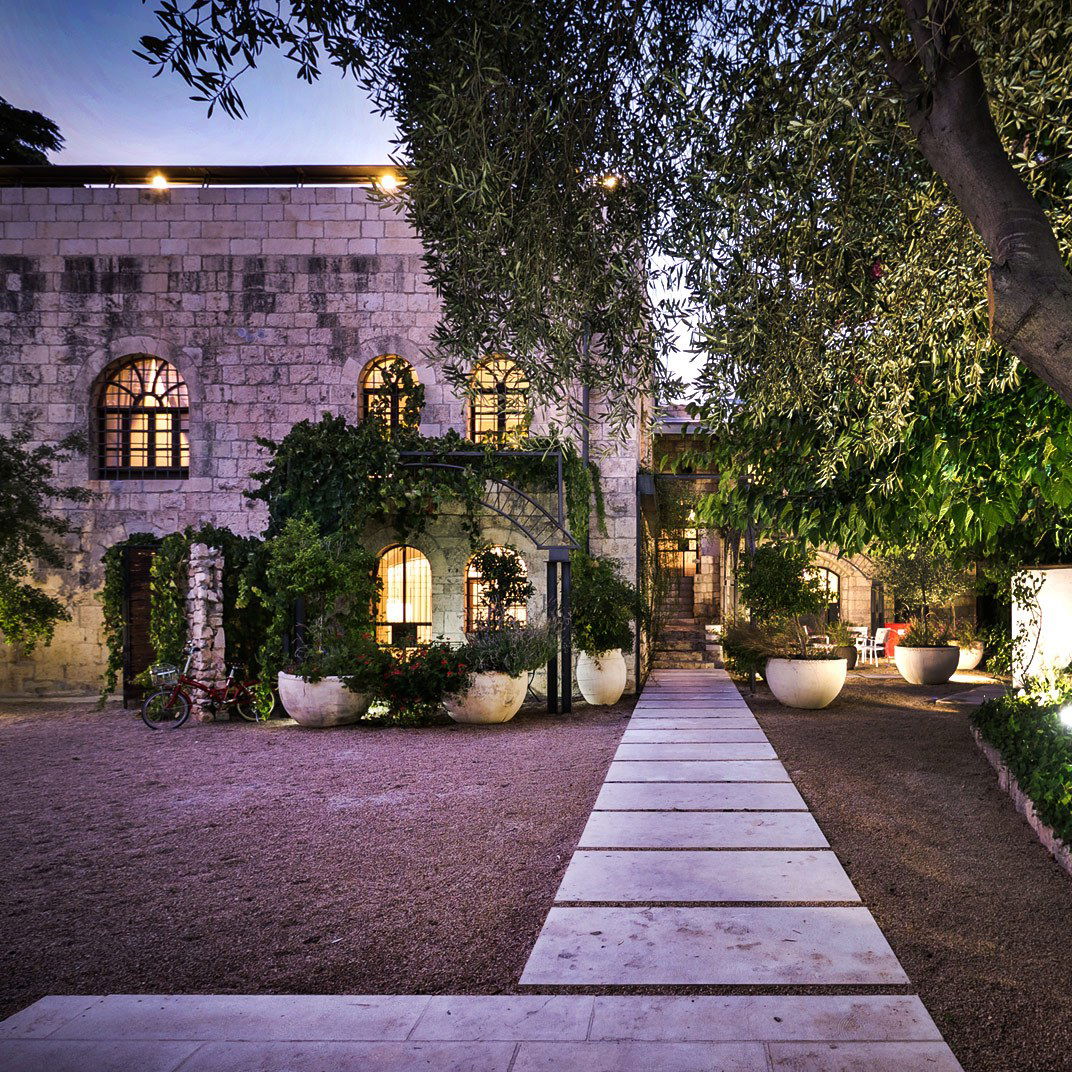
Warmly decorated public spaces with original artwork and rich fabrics, thoughtfully illuminated with grand structure; intimate and romantic atmosphere throughout.
Tags
Vibe
Best For
Experience
Amenities
View
About the Stay
- Rooms
- 14
- Check-in
- 15:00
- Check-out
- 12:00
- Property Type
- Boutique hotel
- Property Style
- Luxury Boutique Hotel Blending Classical Arab Architecture with Contemporary Design, Featuring Jerusalem Stone and Modern Furnishings in a Historic Neighborhood Setting.
- Design Style
- Contemporary Classic Fusion of Traditional Arab Architectural Elements with Modern Luxury Aesthetics, Incorporating Oriental Motifs and Original Artwork Throughout.
- Breakfast
- Included
- Pool
- Yes
- Spa
- Yes
- Cancellation
- Moderate
Know before you go
Know Before You Go
- Getting there
- Derech HaAhayot 13, Jerusalem, Israel
Planning details
Location
Recognition and awards
Also consider
Also Consider
- InterContinental Jerusalem- A Virtuoso Preview Property, Notable alternative
- The King David, Notable alternative
- Waldorf Astoria Jerusalem, Notable alternative
- David Citadel Hotel, Notable alternative
- Mamilla Hotel, Notable alternative
Hotel context
How It Compares
Alegra Boutique Hotel is the boutique alternative in this Jerusalem set: smaller in feel and better for travelers who want atmosphere over a big-hotel machine. The King David is the more formal heritage choice, while Waldorf Astoria Jerusalem is better for guests who want a larger luxury hotel with more predictable full-service structure.
For location-led convenience and a more contemporary city-hotel feel, compare Mamilla Hotel and David Citadel Hotel. Those make more sense for travelers who want a bigger operation and easier group logistics. Alegra is the stronger choice when the stay is leisure-focused and the room atmosphere matters more than breadth of facilities.
InterContinental Jerusalem- A Virtuoso Preview Property is the one to cross-shop if brand familiarity and a more conventional luxury-hotel framework are priorities. Booking difficulty is marked easy for Alegra, so it is a practical fallback when the better-known names feel too large, too formal, or too heavily programmed for the trip.
Explore Jerusalem
Around this place
Discover more on Pearl
Unlock the full Alegra Boutique Hotel guide in Pearl, including awards, comparisons, FAQs, planning details, and nearby places.
Compare Alegra Boutique Hotel
| Venue | Location | Awards |
|---|---|---|
| Alegra Boutique Hotel | Jerusalem | 2025 Michelin Selected Hotels |
| InterContinental Jerusalem- A Virtuoso Preview Property | Jerusalem | No published awards |
| The King David | Jerusalem | 2026 Virtuoso Luxury Hotel CollectionLeading Hotels of the World 20262026 La Liste Top Hotels |
| Waldorf Astoria Jerusalem | Jerusalem | No published awards |
| David Citadel Hotel | Jerusalem | No published awards |
| Mamilla Hotel | Jerusalem | No published awards |



How Alegra Boutique Hotel Jerusalem compares with similar nearby venues.
FAQ
Frequently Asked Questions
How is the dining at Alegra Boutique Hotel?
For dining, check current restaurant details directly with the hotel. The MICHELIN Guide Hotels Selected recognition for 2025 is a hotel selection rather than a restaurant award. If dining is central to the trip, compare other Jerusalem dining options as part of your planning.
How does Alegra Boutique Hotel compare to other hotels?
Alegra Boutique Hotel is a Jerusalem hotel option with MICHELIN Guide Hotels Selected recognition for 2025. For comparison, travelers may also look at The King David, Waldorf Astoria Jerusalem, David Citadel Hotel, Mamilla Hotel, and InterContinental Jerusalem- A Virtuoso Preview Property, depending on the style of stay they want.
Is Alegra Boutique Hotel good for business travel?
If the trip depends on business facilities, meeting rooms, or corporate services, confirm them directly before booking and compare with other Jerusalem hotels such as InterContinental Jerusalem- A Virtuoso Preview Property.
Which room category is best at Alegra Boutique Hotel?
For the best room category, ask the hotel directly about current room categories, availability, and the features that matter most for your stay in Jerusalem.
How is the location of Alegra Boutique Hotel?
What is check-in like at Alegra Boutique Hotel?
When is the best time to book Alegra Boutique Hotel?
If your Jerusalem travel dates are fixed, compare availability and terms directly with Alegra Boutique Hotel and any other hotels you are considering.