


The King David
near Old City, Jerusalem
Hotel in Jerusalem, Israel
 Book with Pearl
The Read
Old City Orientation
Why go
The King David is the classic luxury-hotel pick in central Jerusalem: book it for heritage, address, and vetted recognition rather than for a bargain. It makes the strongest sense for first-time visitors, business travelers, and couples who want a known full-service base near the city's key hotel corridor.
About The King David
Book The King David if the priority is a Jerusalem hotel with clear luxury-hotel recognition. The signals are direct: Leading Hotels of World Member (2025), La Liste Top Hotels (2026): 91pts, and Virtuoso Luxury Hotel Partner (2026). For specific room design, facilities, restaurants, prices, or service details, check directly with the hotel before booking.
For planning, treat The King David as a recognized Jerusalem luxury-hotel option rather than a hotel profile with exhaustive operational detail. The dress code is smart casual. If the decision depends on exact amenities, room categories, dining formats, or wellness facilities, confirm those details directly before booking.
Choose it for recognized luxury credentials and confirm trip-specific details
The strongest reason to consider The King David is its recognition from Leading Hotels of World, La Liste Top Hotels, and Virtuoso. Those credentials place it in a well-known luxury-hotel context for travelers comparing Jerusalem stays. For any particular restaurant, room style, facility, or service format, check the current details directly with the hotel.
If you are comparing other Jerusalem luxury hotels, Mamilla Hotel, Waldorf Astoria Jerusalem, David Citadel Hotel, The American Colony Hotel, and InterContinental Jerusalem- A Virtuoso Preview Property are natural names to consider alongside The King David. The right choice depends on the details that matter to your trip, so verify current offerings directly with each hotel.
Who should book, and who should cross-shop
This is a sensible fit for travelers who want a Jerusalem hotel with luxury recognition and are comfortable checking practical details before committing. It is less clear-cut for travelers whose decision depends on specific room layouts, dining, wellness facilities, family services, business amenities, or price-value comparisons.
Use the full Jerusalem hotels guide to compare the city set, and pair it with the Jerusalem restaurants guide if the hotel is only one part of the trip. The grounded verdict: worth considering when luxury recognition in Jerusalem is the priority; compare carefully if the decision turns on trip-specific details.
Planning details
- Location
- King David St 23, Jerusalem, 94101
- Website
- danhotels.com/JerusalemHotels/KingDavidJerusalemHotel
- Phone
- +972 2-620-8888
The take
The Take
The Vibe
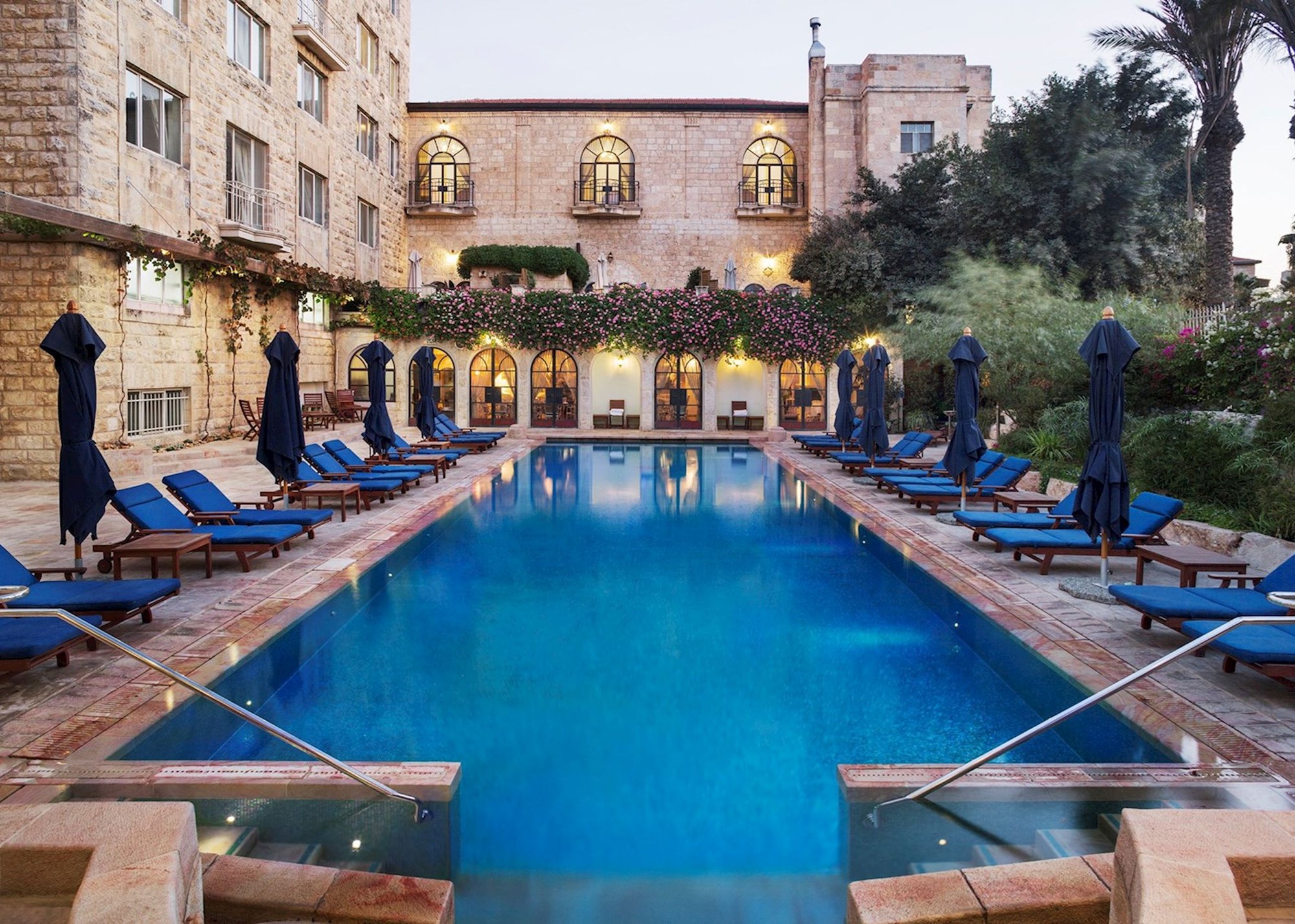
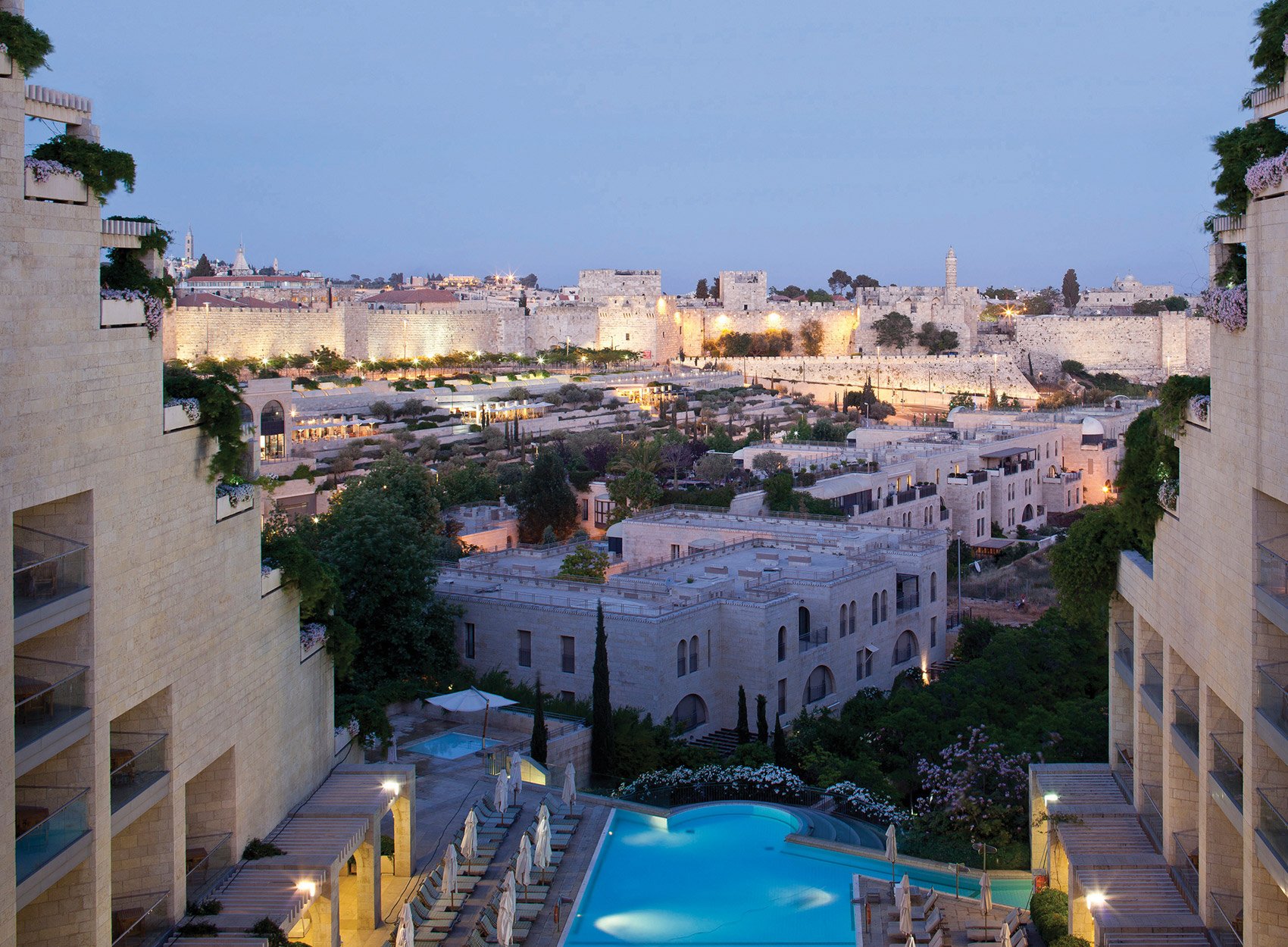
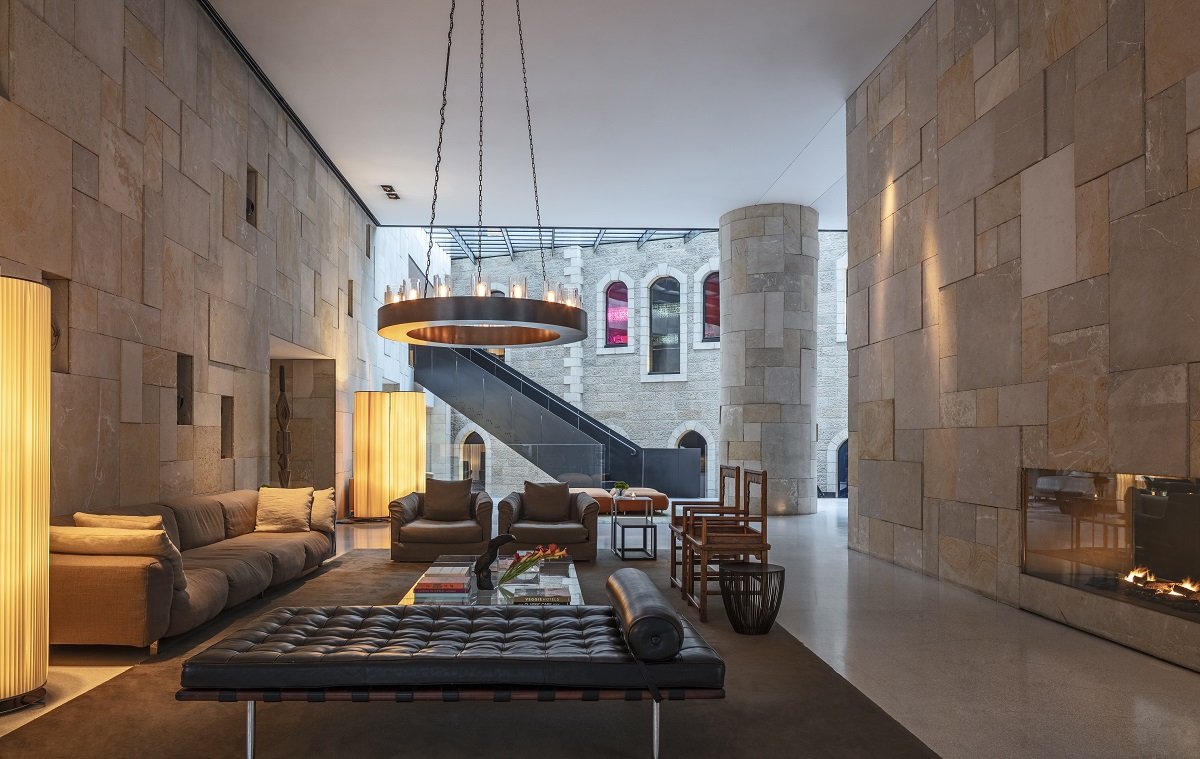
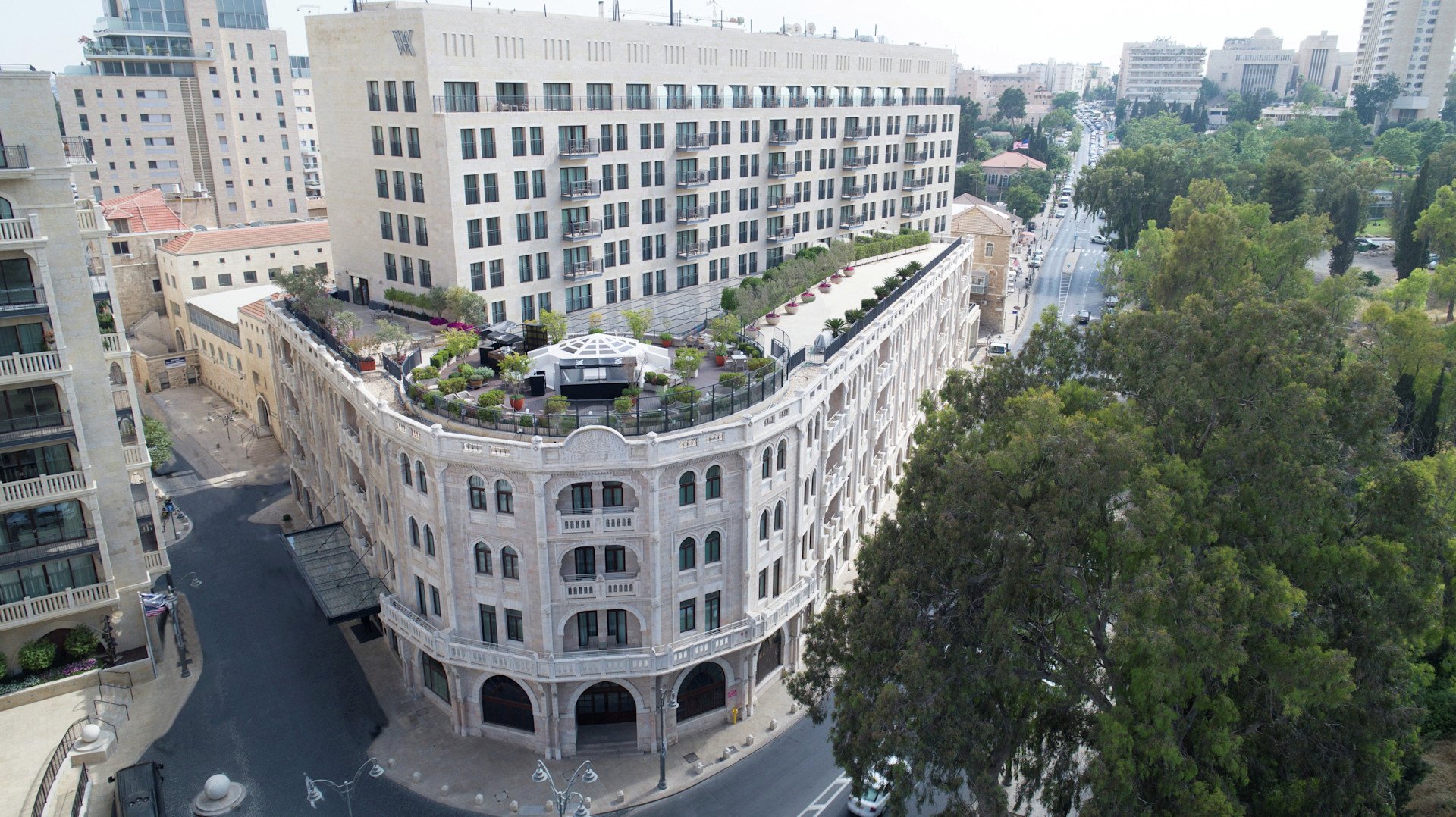
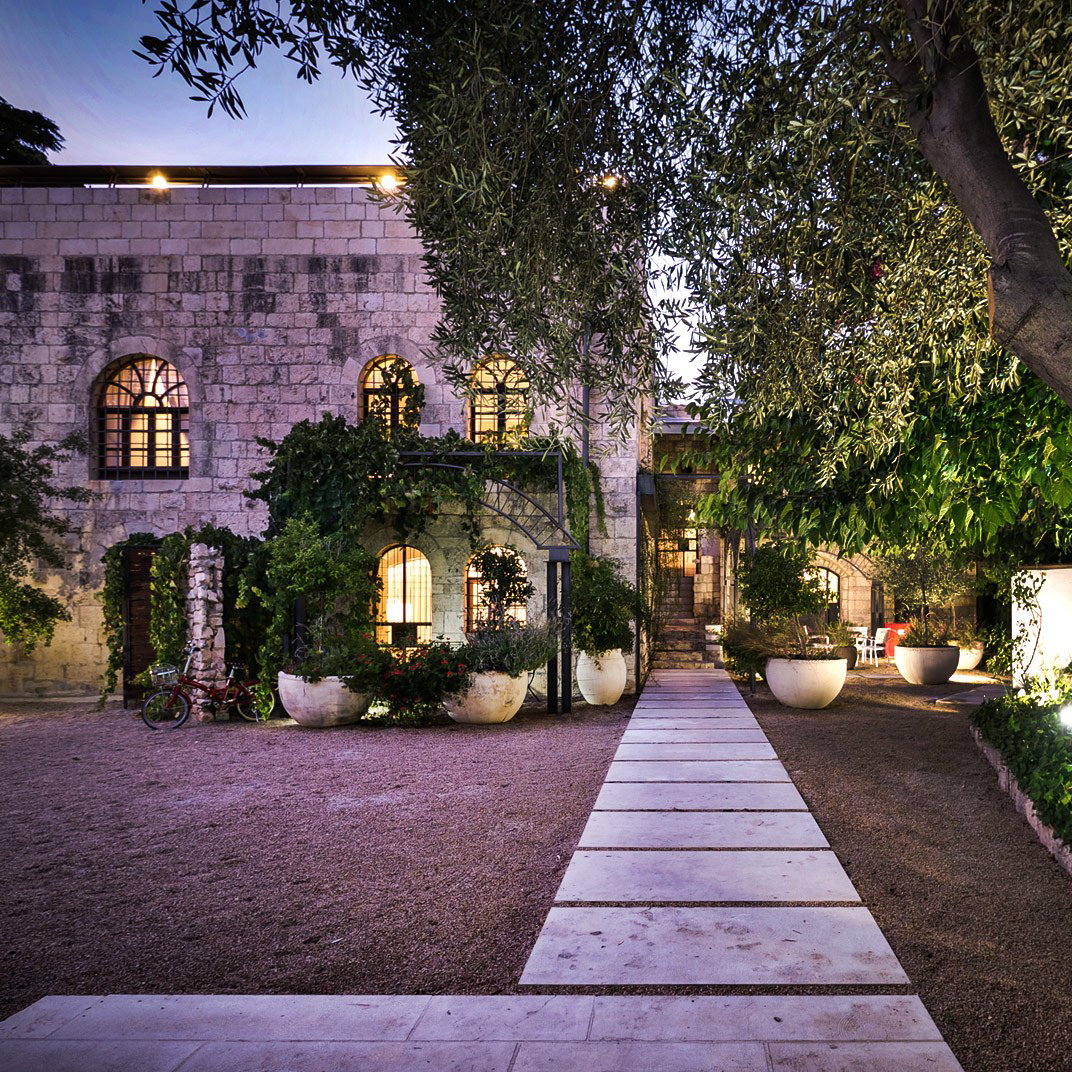
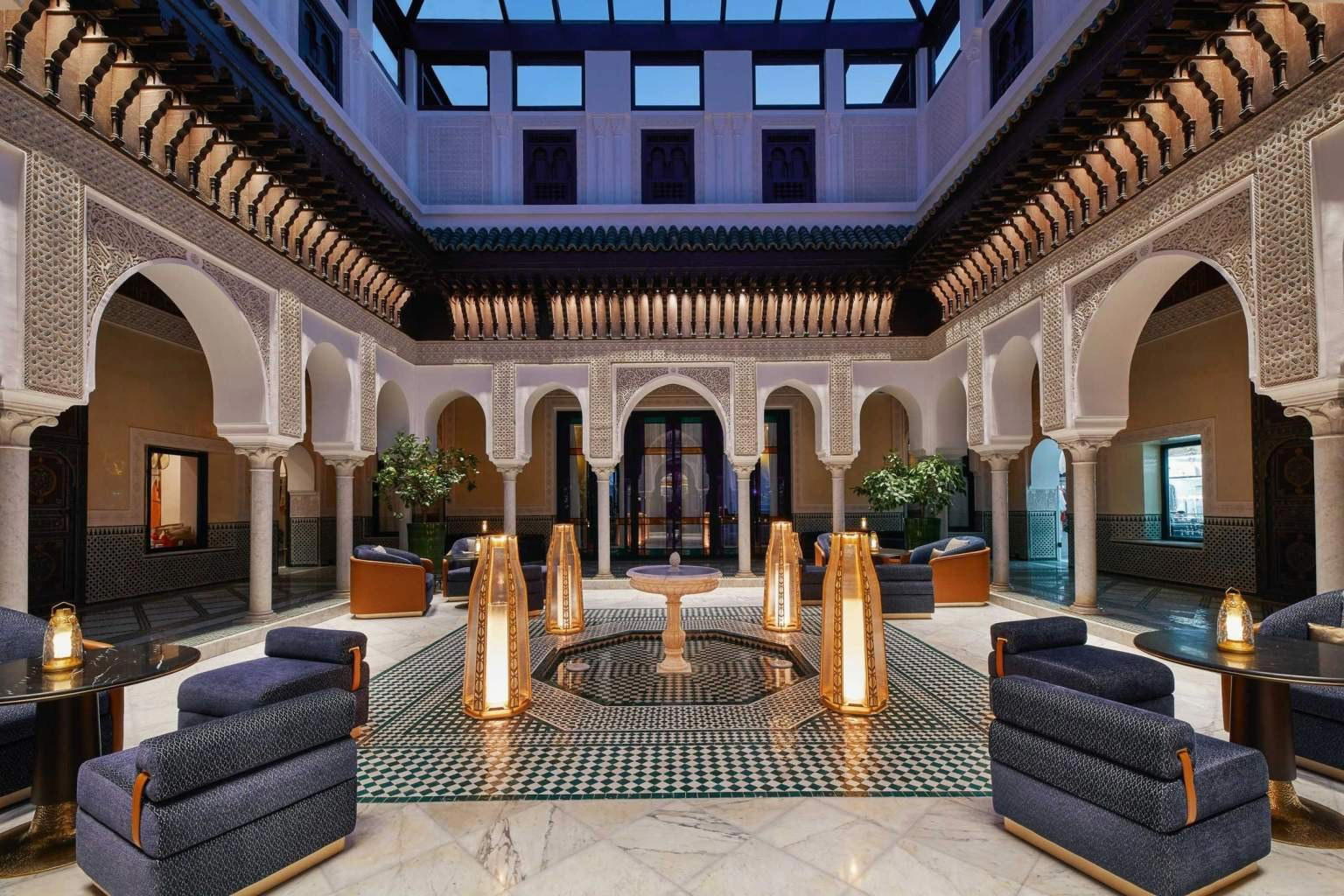
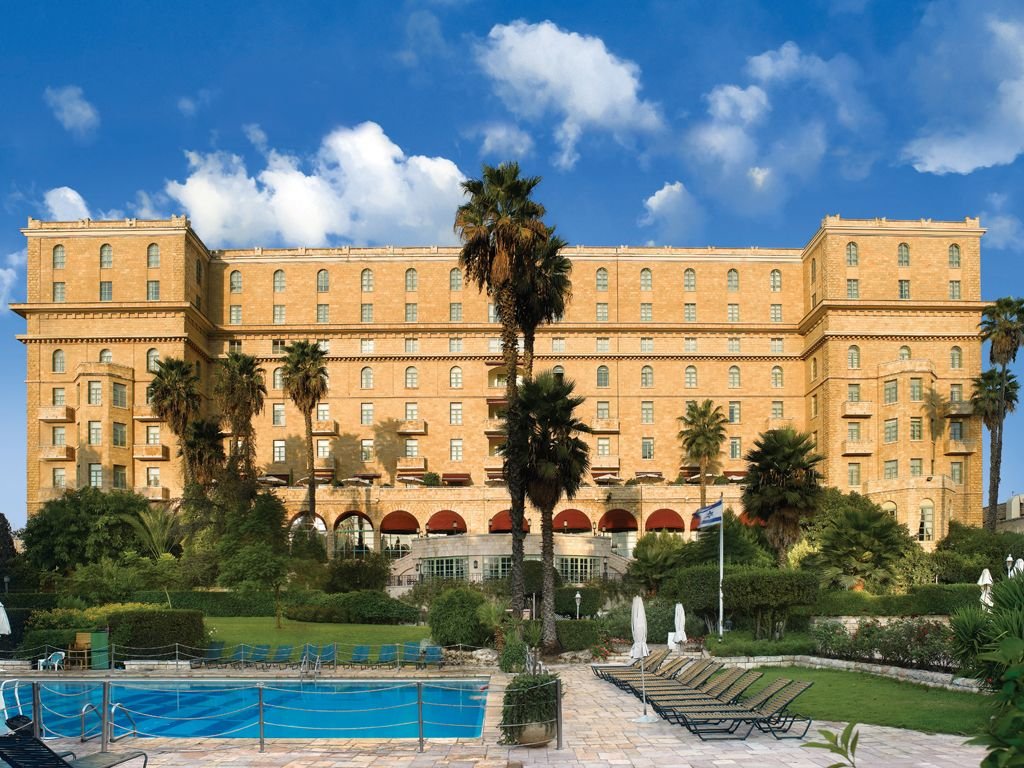
The King David reads as a document of Jerusalem’s twentieth-century civic imagination. Approaching the six‑storey pink Jerusalem quartz façade, guests meet a building that announces itself with civic gravity before hospitality; interiors register as an applied archaeology of 1930s Orientalist motifs, arranged between grand hotel classicism and museum‑like display. Public rooms and guest-facing windows frame silhouettes of minarets, domes and ancient walls, giving the property a rooted, historically saturated presence. The overall tone is formal and stately rather than playful — a hotel that foregrounds institutional memory, diplomatic ceremony and architectural provenance as its defining character.
Best For
The King David is best for travelers who prioritize history, ceremony and a central location by the Old City. It suits guests on business or diplomatic visits — the hotel has long hosted state occasions, banquets and visiting heads of state — and groups arranging formal private events or corporate gatherings. Couples seeking a high‑profile romantic stay also find its ritualized rooms and storied reputation appealing. Because the property literally overlooks Jerusalem’s layered cityscape, it works well for anyone who wants immediate proximity to the walled Old City and a base steeped in historical significance.
Venue details
Ambiance
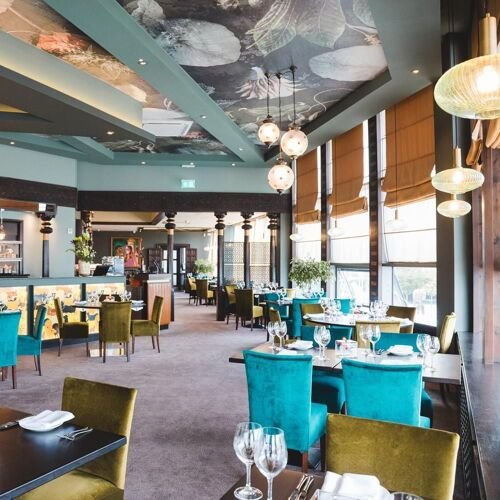
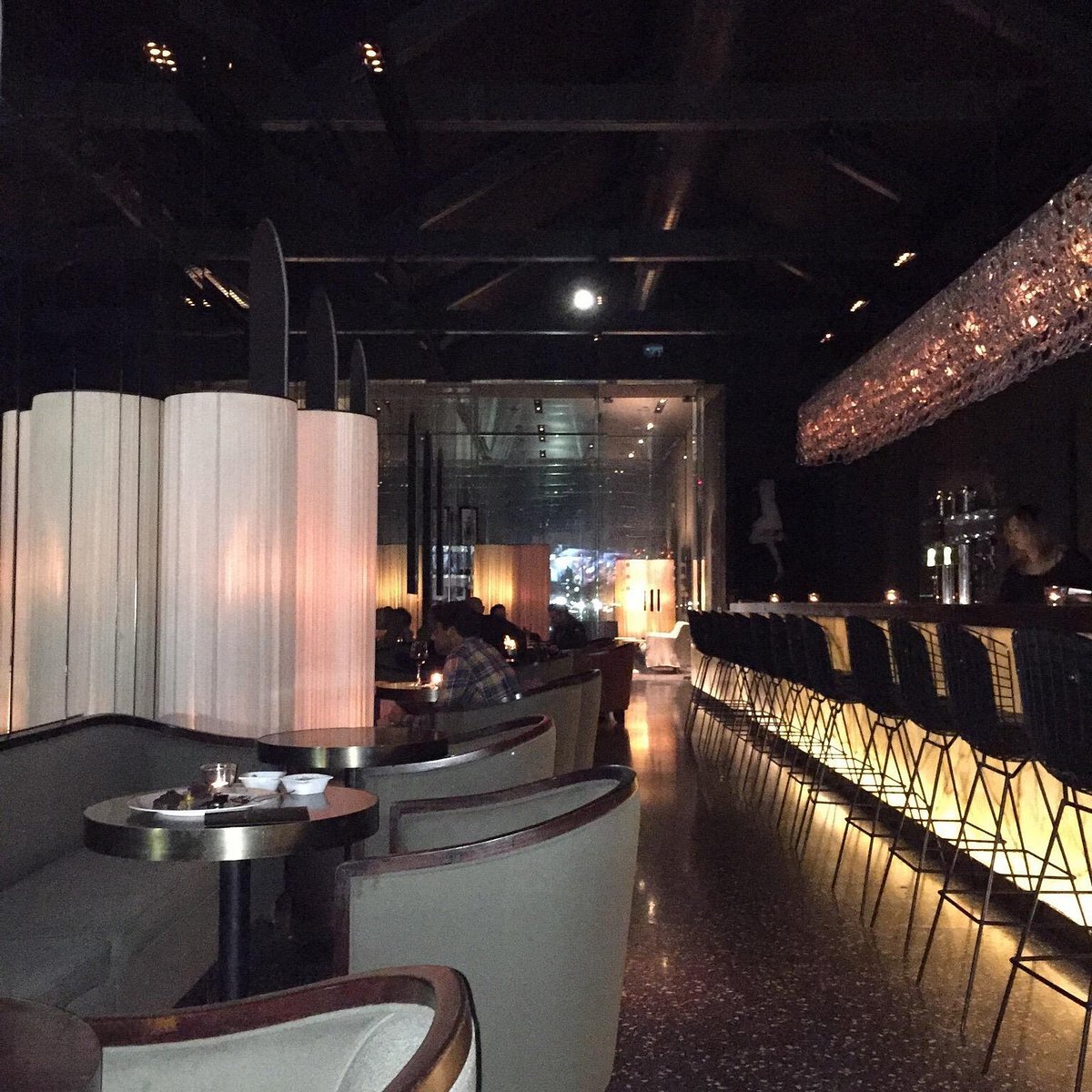
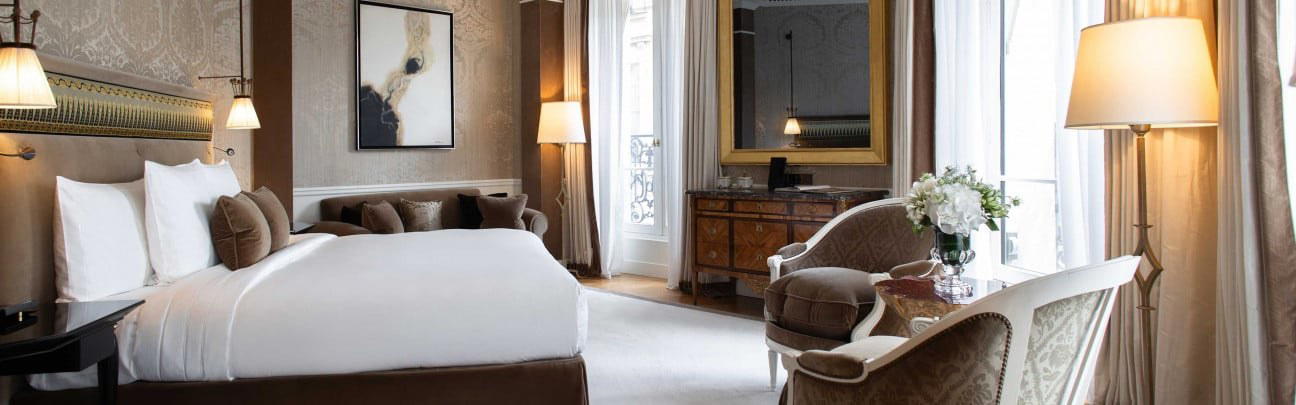
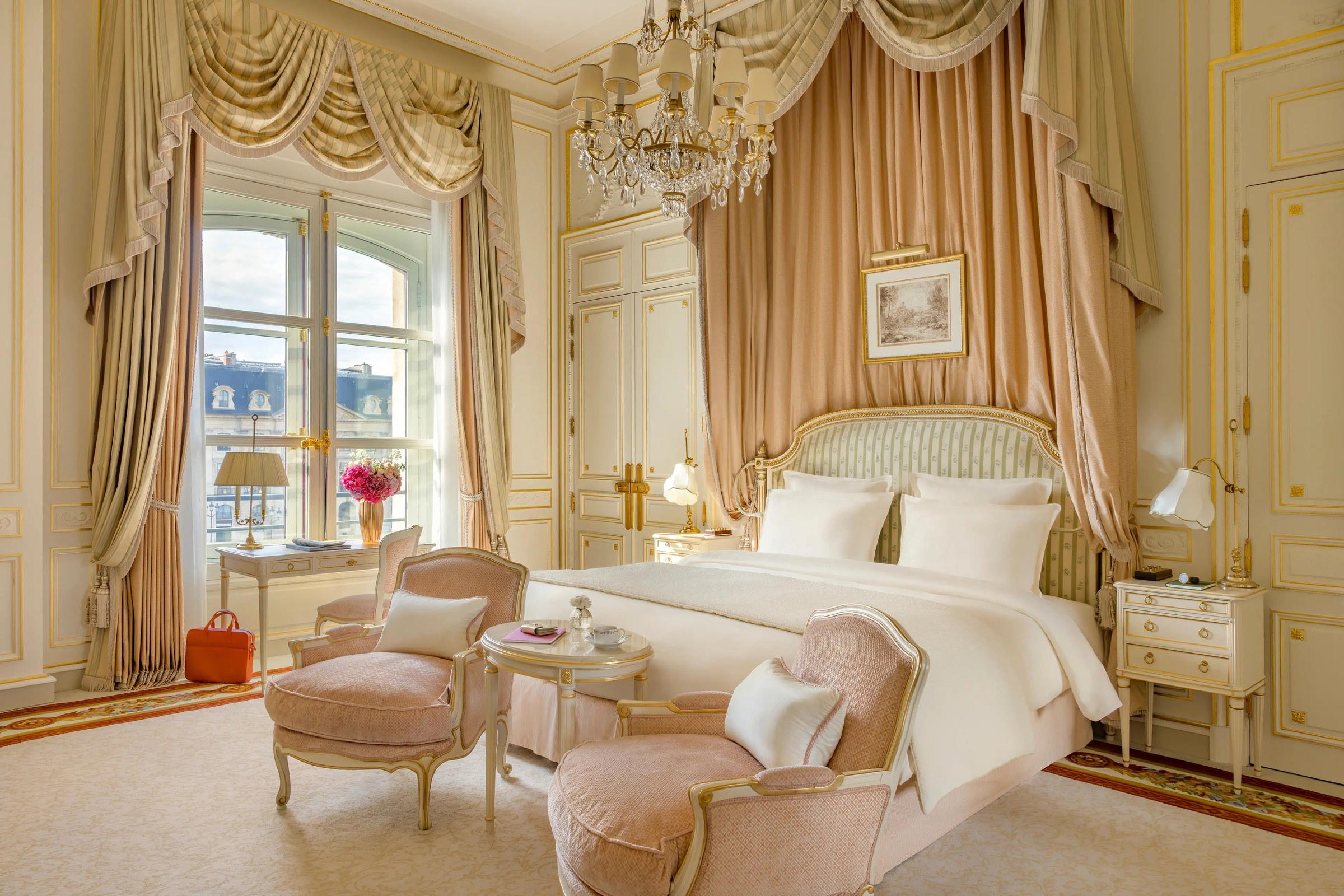
Elegant and luxurious atmosphere with warm golden lighting, tasteful decor, fresh flowers, and a sense of regal comfort.
Tags
Vibe
Best For
Experience
Amenities
Accessibility
About the Stay
- Rooms
- 233
- Check-in
- 15:00
- Check-out
- 12:00
- Property Type
- Heritage hotel
- Property Style
- Stately Historic Luxury Property with Pink Quartz Facade and Lush Gardens.
- Design Style
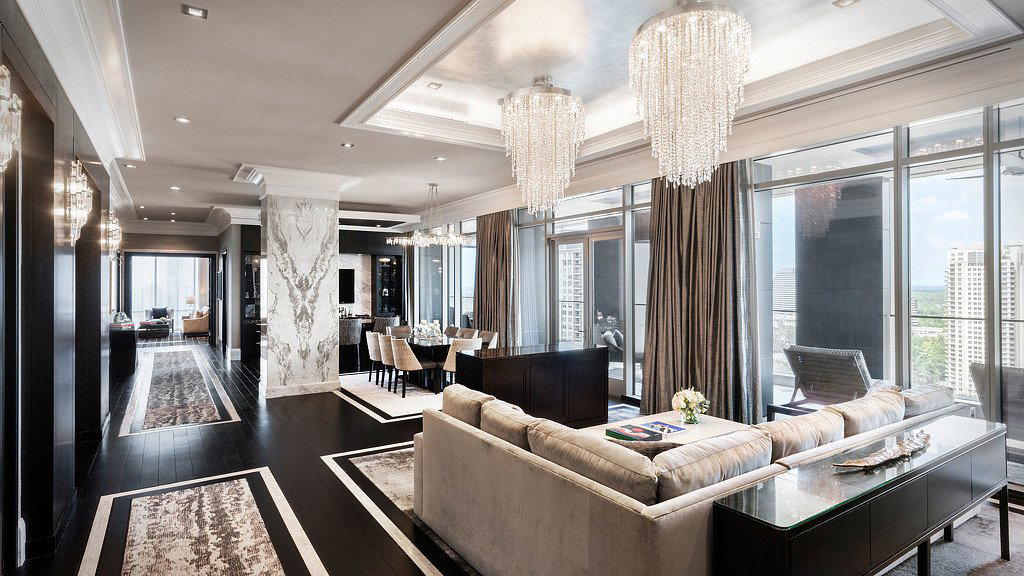
- Classic Opulent Design with Gossamer Linens, Fresh Flowers, and Modern Technological Amenities.
- Airport Transfer
- Available
- Pool
- Yes
- Spa
- Yes
- Pets
- Allowed
- Families
- Welcome
Know before you go
Know Before You Go
- Getting there
- King David St 23, Jerusalem, 94101
Planning details
Location
King David St 23, Jerusalem, 94101 · Directions
Recognition and awards



Also consider
Where to look if this is not the right fit
If the hesitation is design, check Mamilla Hotel first. If the hesitation is atmosphere, check The American Colony Hotel. Both are better alternatives when the classic grand-hotel proposition is not the main reason for the trip.
Hotel context
How It Compares
David Citadel Hotel is the closest practical comparison for travelers who want a central, full-service Jerusalem stay with less emphasis on old-guard heritage. Choose The King David for the more established luxury signal; choose David Citadel if the decision is driven by contemporary convenience and a large-hotel feel in the same general luxury lane.
Waldorf Astoria Jerusalem is the better cross-shop for travelers who want international-brand polish and a more formal grand-hotel mood. Mamilla Hotel is better for guests who prefer a sharper urban setting and design-led stay. The King David is the safer choice when the brief is heritage, recognition, and a classic Jerusalem address.
InterContinental Jerusalem- A Virtuoso Preview Property is worth checking if loyalty-style brand familiarity matters, while The American Colony Hotel is the stronger alternative for atmosphere and a different side of the city. Booking difficulty is easy here, so it is a practical fallback when tighter-demand peers are not lining up.
Explore Jerusalem
Around this place
Discover more on Pearl
Unlock the full The King David guide in Pearl, including awards, comparisons, FAQs, planning details, and nearby places.
Compare The King David
| Venue | Location | Awards |
|---|---|---|
| The King David | Jerusalem | 2026 Virtuoso Luxury Hotel CollectionLeading Hotels of the World 20262026 La Liste Top Hotels |
| David Citadel Hotel | Jerusalem | No published awards |
| Waldorf Astoria Jerusalem | Jerusalem | No published awards |
| Mamilla Hotel | Jerusalem | No published awards |
| InterContinental Jerusalem- A Virtuoso Preview Property | Jerusalem | No published awards |
| The American Colony Hotel | Jerusalem | World Travel Awards 2025Small Luxury Hotels Member 2025 |


How The King David Jerusalem compares with similar nearby venues.
FAQ
Frequently Asked Questions
How is the dining at The King David?
Treat The King David as a Jerusalem hotel with luxury recognition, including Leading Hotels of World Member (2025) and La Liste Top Hotels (2026): 91pts. Confirm current restaurant details directly before planning around them.
What is check-in like at The King David?
The King David is in Jerusalem and is a Virtuoso Luxury Hotel Partner (2026). Confirm arrival process, timing, and service format directly with the hotel.
Do loyalty programs work at The King David?
Recognition includes Leading Hotels of World Member (2025) and Virtuoso Luxury Hotel Partner (2026). For specific loyalty, booking, or partner-benefit details, confirm the current terms through the relevant program or the hotel before booking.
How is the location of The King David?
The King David is in Jerusalem. If location within the city is a deciding factor, confirm the precise address and transit plans directly before booking. The American Colony Hotel is another Jerusalem option to compare if you are considering different hotel settings.
Which room category is best at The King David?
Choose only after checking current room descriptions directly with the hotel, and compare with Mamilla Hotel or David Citadel Hotel if you are weighing other Jerusalem luxury options.
Is The King David good for business travel?
Consider The King David for its Jerusalem location and recognized luxury credentials. If meetings, work facilities, or arrival logistics matter, confirm those details directly before booking.
Is The King David family-friendly?
The King David may be compared with InterContinental Jerusalem- A Virtuoso Preview Property and Waldorf Astoria Jerusalem when considering Jerusalem luxury hotels. Confirm current family amenities directly with each property.