
Magia De Uma
Canggu
Hotel in Canggu, Indonesia
 Book with Pearl
Why go
Magia De Uma is a design-led Canggu hotel to consider if the trip is about calm, room style, and a softer base rather than resort scale. Its 2026 Design Hotels member credential is the main trust signal; compare it with W Bali – Seminyak for full-service resort energy and Bliss Sanctuary for Women Canggu for a more wellness-led stay.
About Magia De Uma
Magia De Uma is a Canggu venue to shortlist if design recognition is the main trust signal for you, rather than a fully detailed public checklist. Magia De Uma is in Canggu, has a casual dress code, and is listed as a 2026 Design Hotels member. Confirm any trip-specific needs directly before booking.
The clearest reason to consider it is its 2026 Design Hotels member status. That is a useful signal if design quality is part of the decision, but it does not, by itself, indicate dining depth, room categories, wellness programming, service style, or resort-scale facilities. If you are comparing beyond Canggu, W Bali – Seminyak is a natural reference point. If the priority is staying in Canggu, compare Magia De Uma with other local options on the basis of their details and current availability.
Book for the confirmed design signal, not for an assumed checklist
Treat Magia De Uma as a Canggu venue with a confirmed Design Hotels affiliation rather than a choice built around specific dining, published scale, or a detailed amenity list. Dining specifics are not available, so the smarter move is to plan meals around Canggu and check the venue directly for current on-site details. For broader planning, Our full Canggu restaurants guide, Our full Canggu bars guide, and Our full Canggu experiences guide are more useful than assuming Magia De Uma itself should carry the whole trip.
Planning advice should stay practical because category, layout, and inclusion details are not available. If those details will be central to the trip, confirm them with the venue before committing. If Magia De Uma is mainly a Canggu base, focus on the essentials you can confirm for your dates rather than relying on assumptions.
Where it sits in the Canggu decision
Magia De Uma is best evaluated through its confirmed 2026 Design Hotels membership and casual dress code. Bliss Sanctuary for Women Canggu, Blue Karma Village, and Berawa Village are useful comparison names to review separately, while Je Ne Sais Quoi, Seminyak and W Bali – Seminyak are references outside Canggu. Keep each comparison tied to the current details available.
First-timers should also compare it with other Canggu venues before committing. Because public details are limited, use Our full Canggu hotels guide if the decision is between location, scale, and style, and then confirm current specifics directly with each venue.
The bottom line: book if a Canggu base with a confirmed 2026 Design Hotels member credential is the right signal for your trip. Cross-shop if the trip depends on specific facilities, published dining details, or a clearly defined program. For design-minded travelers, it belongs on the shortlist; for detail-driven travelers, compare carefully before paying a premium.
Planning details
- Location
- Jl. Umalas Tunon No. 8A, Canggu 80361, Indonesia
- Website
- marriott.com/en-us/hotels/dpsma-magia-de-uma-a-member-of-design-hotels/overview
The take
The Take
The Vibe
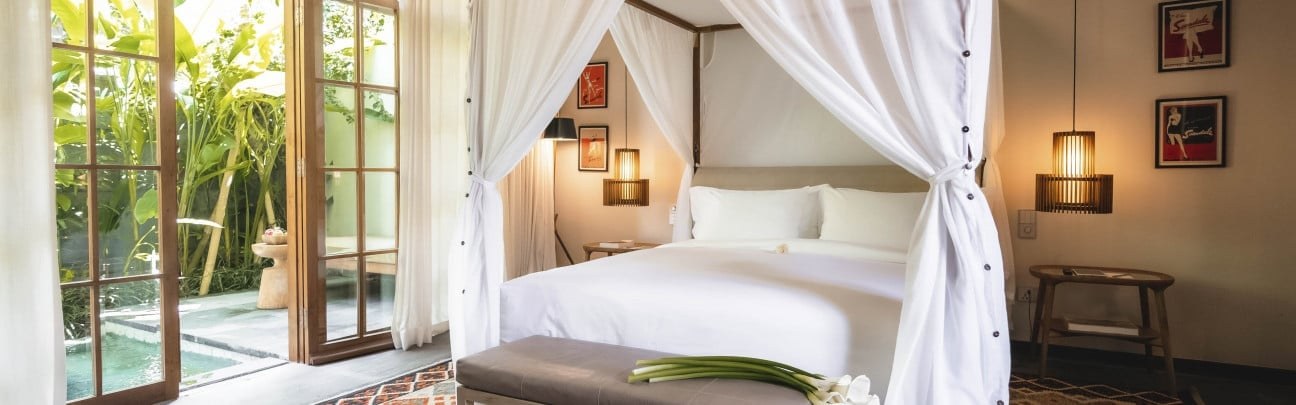
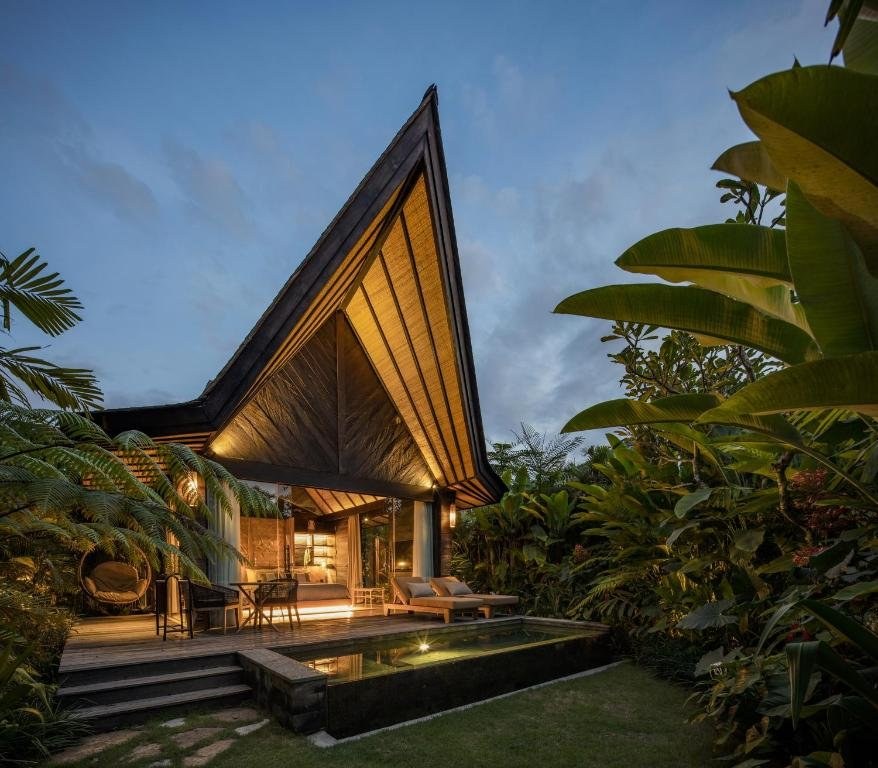
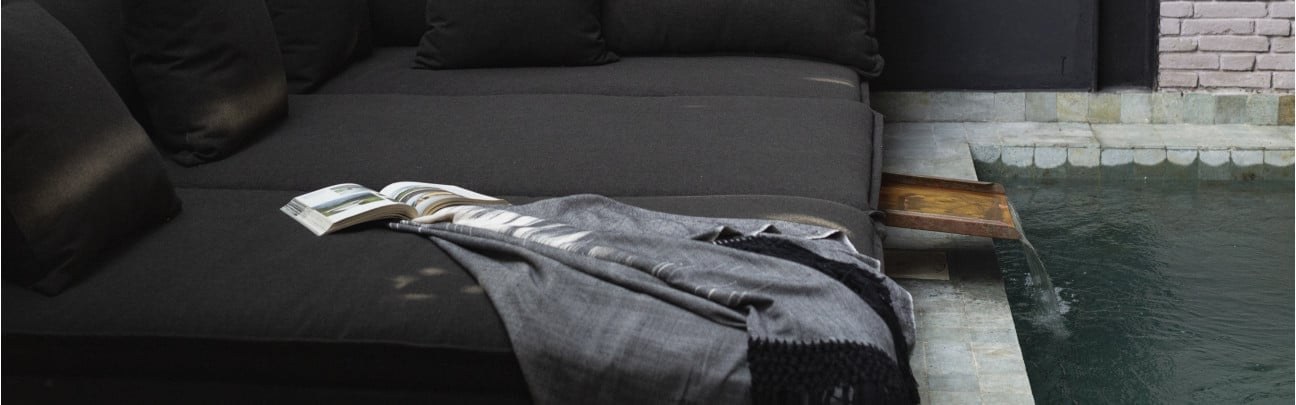
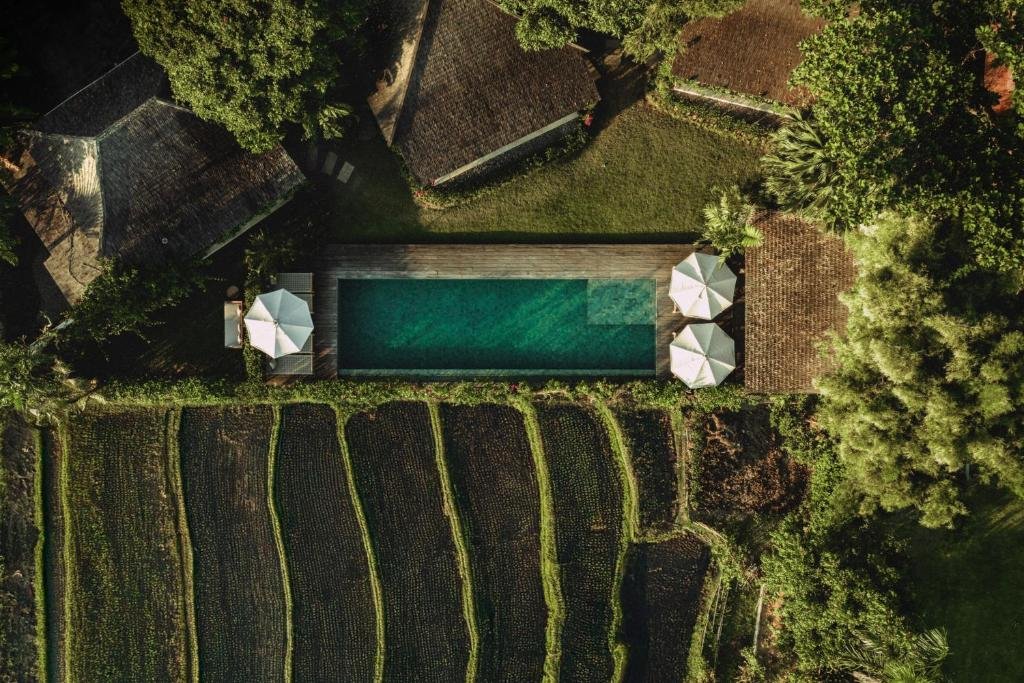
Magia De Uma presents as a quiet, gardened estate that prioritises inward-facing rest over Canggu’s busier edges. The hotel reads like a family compound — a homage to Indonesian heritage where the design vocabulary of the private home shapes the guest experience. That compound-style framing and a stated "private park setting" give the property a serene, charming tone: it feels cultivated and intimate rather than performative. Rather than leaning on the neighbourhood’s surf-and-cafe energy, the property treats environment and heritage as active elements of recovery, producing a calm, restorative atmosphere for guests who want to slow down.
Best For
This property is best for travellers seeking a wellness-focused, restorative stay in Canggu rather than the area’s louder, party-oriented offerings. Its explicit positioning as a "space of healing" and a retreat-minded approach make it suitable for wellness retreats and short restorative getaways where the grounds and design play a central role. It also appeals to those who value a family-scaled, design-led boutique experience — people who prefer an inward-facing pace, cultural reference in the design, and landscaped estate grounds over a hotel that markets itself through nightlife or beach proximity.
Stay Tips
Approach a reservation with the property’s retreat mindset in mind: expect the environment and grounds to be central to the stay rather than a list of add-on amenities. The description highlights a private park setting and an estate framing, so request room positioning that faces the grounds if available. Be aware that the hotel treats wellness as an organising principle, so inquire ahead about any curated programming or restorative experiences offered during your dates. Use the hotel’s proximity to Seminyak and Denpasar as a logistical convenience rather than a reason to rely on outside activity.
Venue details
Ambiance
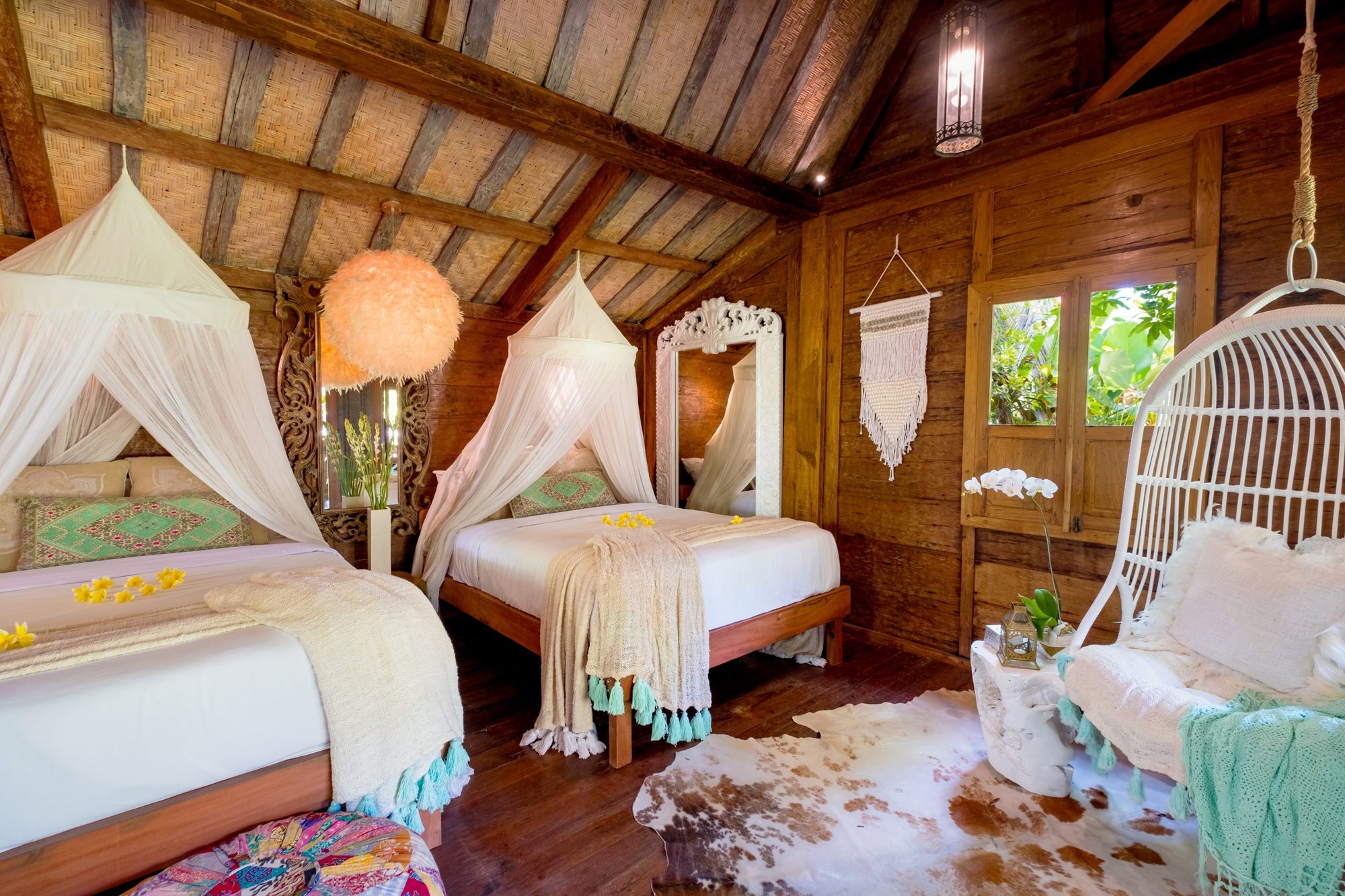
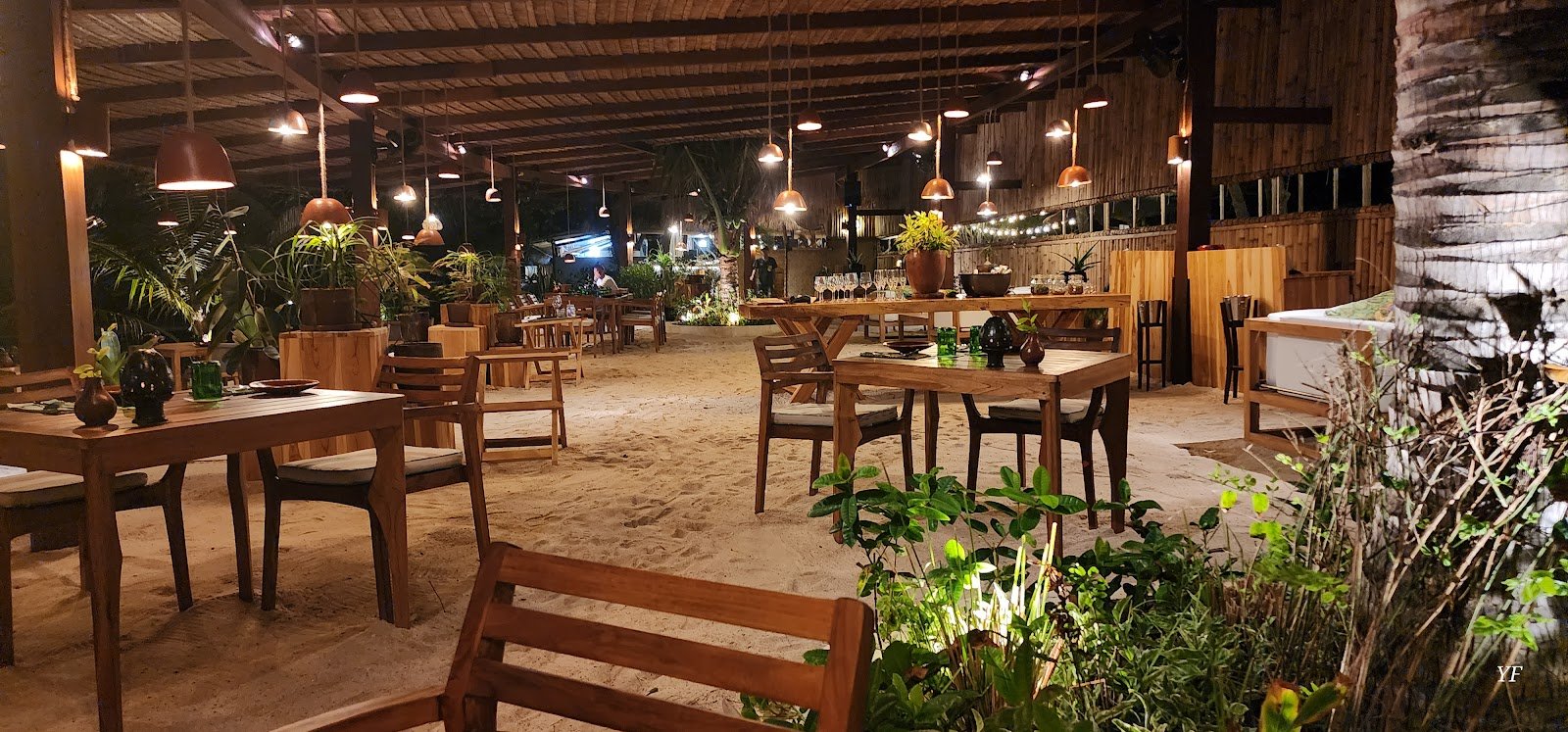
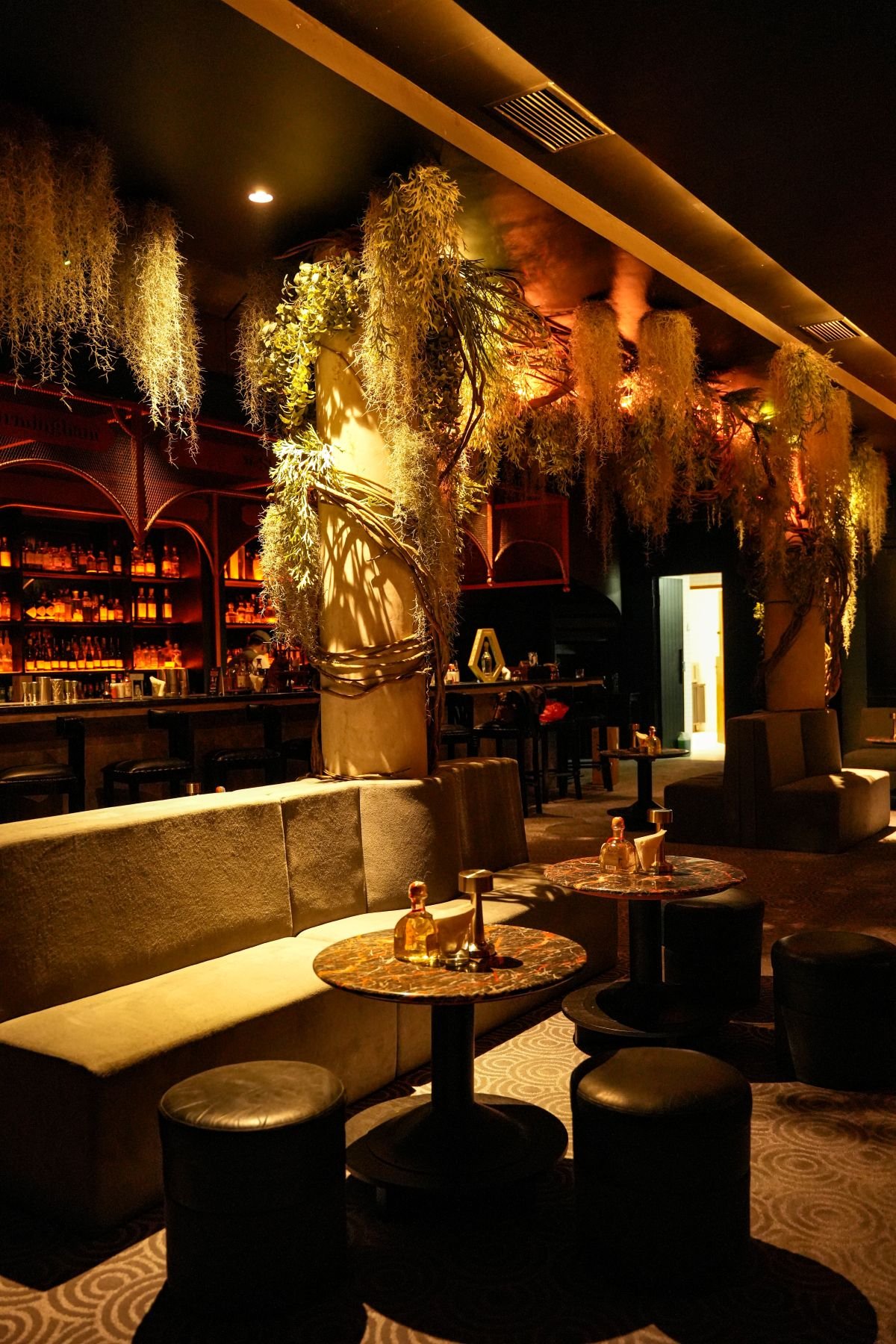
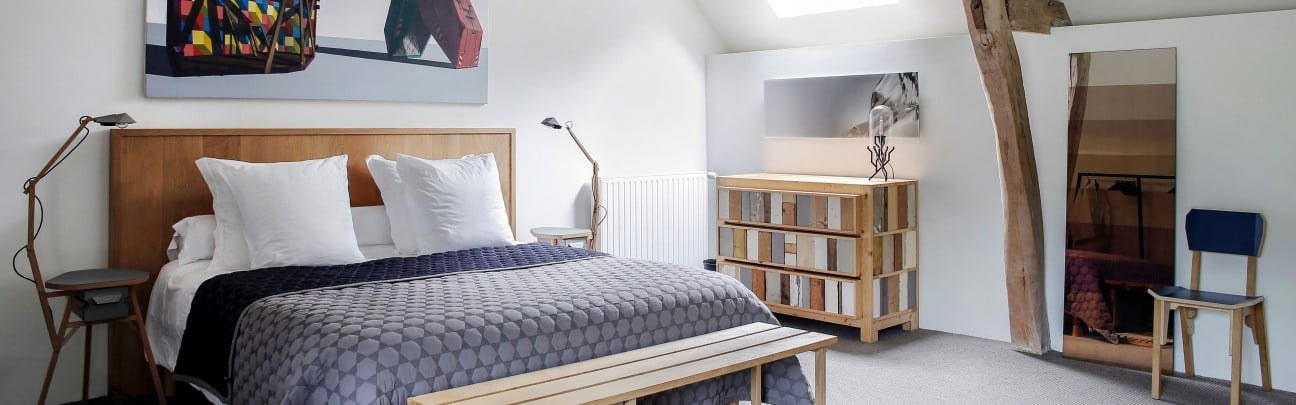
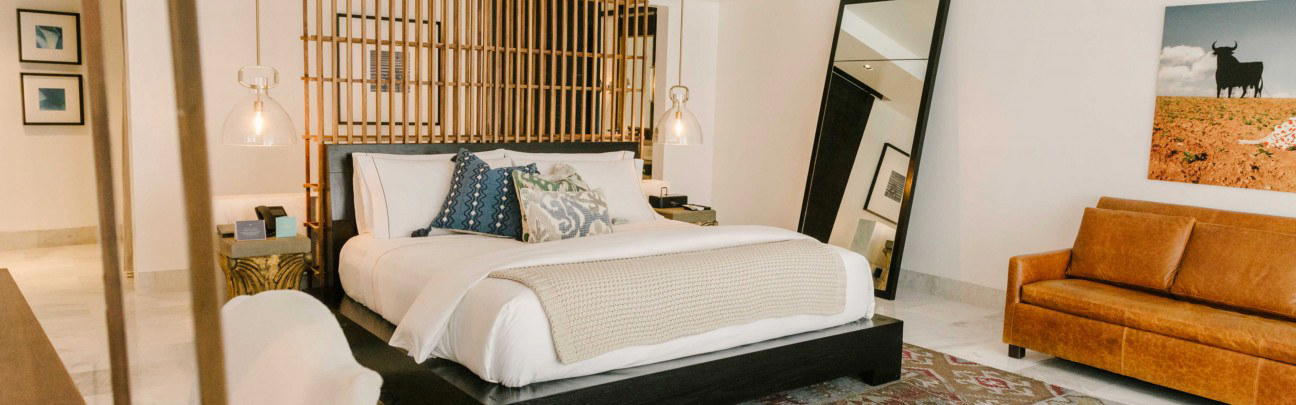
Earthy and muted tones with raw Balinese textures, wooden beams, handmade tiles, and warm authentic decor blending heritage and modern influences.
Tags
Vibe
Best For
Experience
Amenities
View
Accessibility
About the Stay
- Rooms
- 14
- Check-in
- 14:00
- Check-out
- 12:00
- Property Style
- Traditional Balinese Family Estate with Contemporary Touches
- Design Style
- Raw Balinese Textures Merged with European Elements, Earthy Muted Tones and Authentic Heritage
Know before you go
Know Before You Go
- Getting there
- Jl. Umalas Tunon No. 8A, Canggu 80361, Indonesia
Planning details
Location
Jl. Umalas Tunon No. 8A, Canggu 80361, Indonesia · Directions
marriott.com/en-us/hotels/dpsma-magia-de-uma-a-member-of-design-hotels/overview
Recognition and awards
Also consider
Also Consider
- Blue Karma Village, Notable alternative
- Je Ne Sais Quoi, Seminyak, Notable alternative
- Bliss Sanctuary for Women Canggu, Notable alternative
- Berawa Village, Notable alternative
- W Bali – Seminyak, Notable alternative
Hotel context
How it compares in Canggu and nearby Seminyak
Magia De Uma is the pick for travelers who want a design-forward Canggu base and do not need a large resort structure. Blue Karma Village and Berawa Village are better cross-shops if the deciding factor is a village-style or lower-key Bali mood, while Magia De Uma has the clearer design credential through its 2026 Design Hotels member status.
Bliss Sanctuary for Women Canggu is the more specific choice for a wellness-led stay, especially for travelers who want the hotel format to shape the trip. Magia De Uma is better for guests who want independence and will spend much of the day around Canggu. Booking difficulty is marked easy here, so it is a practical fallback when more structured retreats or larger-name resorts feel overcommitted.
For Seminyak, W Bali – Seminyak is the stronger option for full-service resort energy, while Je Ne Sais Quoi, Seminyak is the better comparison if the trip is leaning boutique but outside Canggu. Choose Magia De Uma when location in Canggu and design value matter more than resort breadth.
Explore Canggu
Around this place
Discover more on Pearl
Unlock the full Magia De Uma guide in Pearl, including awards, comparisons, FAQs, planning details, and nearby places.
Compare Magia De Uma
| Venue | Location | Awards |
|---|---|---|
| Magia De Uma | Canggu | 2026 Design Hotels Collection |
| Blue Karma Village | Badung | 2026 Michelin 1 Key2025 Michelin 1 Key |
| Je Ne Sais Quoi, Seminyak | Seminyak | No published awards |
| Bliss Sanctuary for Women Canggu | Canggu | World Luxury Hotel Awards 2025 |
| Berawa Village | Badung | No published awards |
| W Bali – Seminyak | Seminyak | 2026 Travel + Leisure 100 Favorite Hotels in the World · #862026 Virtuoso Luxury Hotel Collection2026 Forbes 4-StarWorld Travel Awards 20252025 Michelin Selected Hotels2025 Forbes 4-Star |








How Magia De Uma Canggu compares with similar nearby venues.
FAQ
Frequently Asked Questions
How does Magia De Uma compare to other venues?
Magia De Uma makes the most sense if you want a Canggu base with a confirmed 2026 Design Hotels member credential and a casual dress code. Blue Karma Village and Bliss Sanctuary for Women Canggu are comparison options, while W Bali – Seminyak is a Seminyak comparison. Choose based on the current details available for your dates.
When is the best time to book Magia De Uma?
Book when your dates are firm and you have confirmed the details that matter to your trip. The main trust signal is the 2026 Design Hotels Member status, but current availability and inclusions should be checked directly before committing. For another comparison option, Berawa Village may be worth reviewing.
How is the location of Magia De Uma?
Magia De Uma is in Canggu. It suits travelers who want a Canggu base, but specific location advantages beyond that are not outlined. If you want to compare with a Seminyak option, Je Ne Sais Quoi, Seminyak is a more direct reference outside Canggu.