

Château de la Resle
Montigny-la-Resle
Hotel in Montigny-la-Resle, France
 Book with Pearl
The Read
Contemporary Art Château
Why go
Château de la Resle is the design-led Burgundy country-house choice near Auxerre, better for slow weekends than sleep-only itineraries. Its Michelin 1 Key, Design Hotels membership, and Mr & Mrs Smith recognition justify a closer look, especially for couples and first-time visitors who want atmosphere over resort scale. Compare rates carefully in peak periods.
About Château de la Resle
Château de la Resle is a Montigny-la-Resle property with recognized status: Michelin awarded it 1 Key in 2025, and it is listed as a 2026 Design Hotels member with a 2026 Mr & Mrs Smith Seal of Approval. For travelers comparing premium stays, it is a recognized property. Travelers should not assume specific facilities, dining formats, or services without checking.
The best reason to consider Château de la Resle is that the property itself is part of the appeal. Its credentials support a premium-hotel shortlist, but it is important to confirm details such as room categories, amenities, restaurant style, prices, or service inclusions. Before booking, confirm the practical points that matter for your trip directly with the property.
Book for a Montigny-la-Resle stay, not an assumed facilities list
The decision should be based on its profile rather than on unconfirmed expectations. Château de la Resle has a smart casual dress code and recognized hotel credentials, but specific facilities, room layouts, meal formats, or booking conditions should be checked directly. If those details are important, check them before committing.
For guests looking for recognition, the property offers strong assurances: Michelin awarded it 1 Key in 2025, and it is listed as a 2026 Design Hotels member with a 2026 Mr & Mrs Smith Seal of Approval. That combination supports its place on a premium shortlist, but practical booking questions should be confirmed directly.
Who should choose it over another premium property
Choose Château de la Resle if you want a recognized stay in Montigny-la-Resle and are comfortable confirming trip-specific details before booking. Choose another option if your decision depends on a particular spa setup, restaurant format, room configuration, or business-travel service that you need to be certain of before booking.
When comparing it with other premium properties, keep the comparison practical. Château de Vault-de-Lugny, La Côte Saint Jacques & Spa, La Borde, Hôtel de la Poste, and Epona can help set context, but do not assume they serve the same trip purpose. For Château de la Resle, the key characteristics are simple: Montigny-la-Resle location, smart casual dress code, and the listed hotel recognitions.
Planning details
- Location
- La Resle Lieu dit, 89230 Montigny-la-Resle
- Website
- chateaudelaresle.com
- Phone
- +33 6 86 11 29 22
The take
The Take
The Vibe
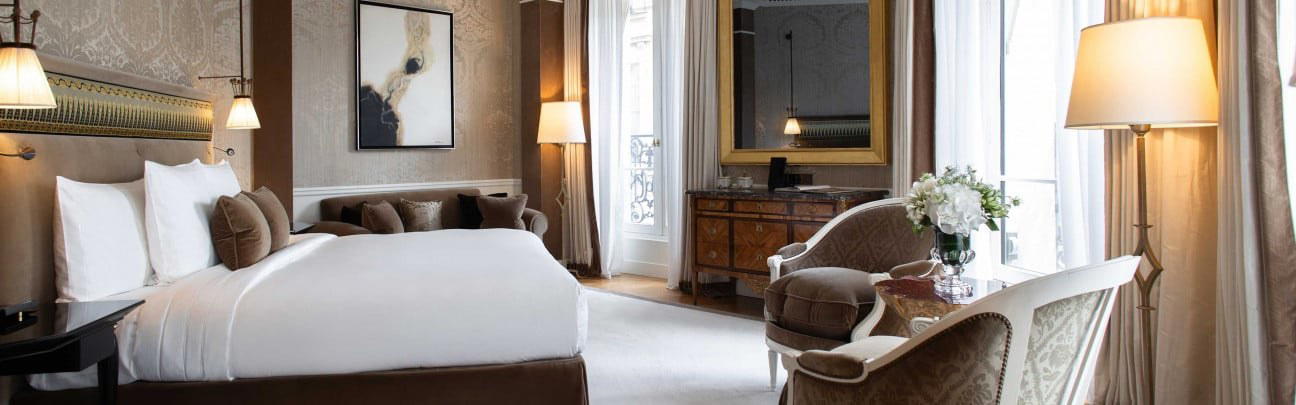
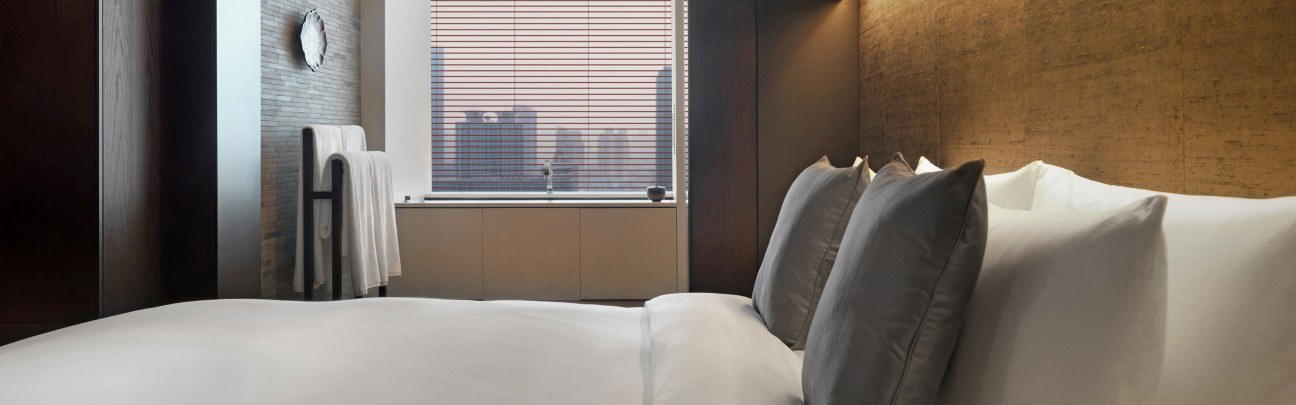
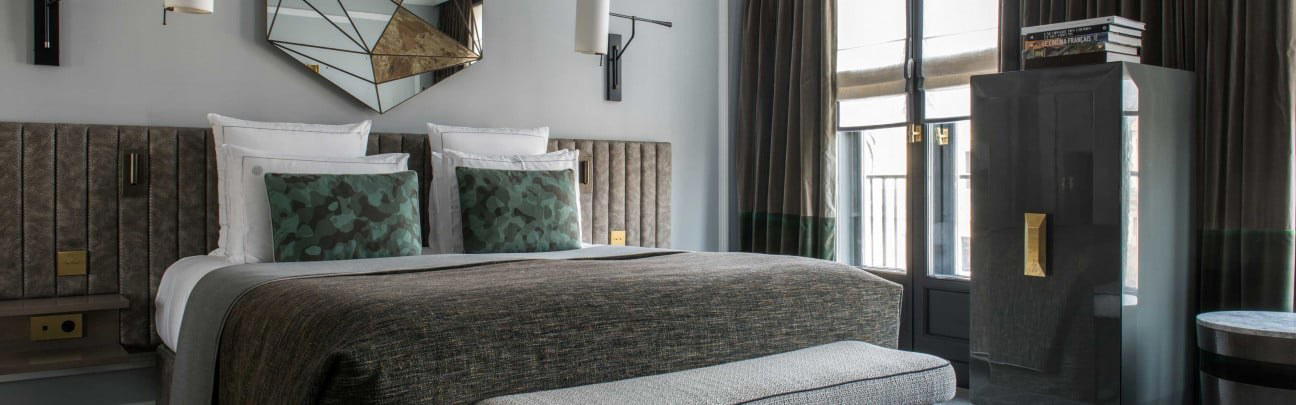
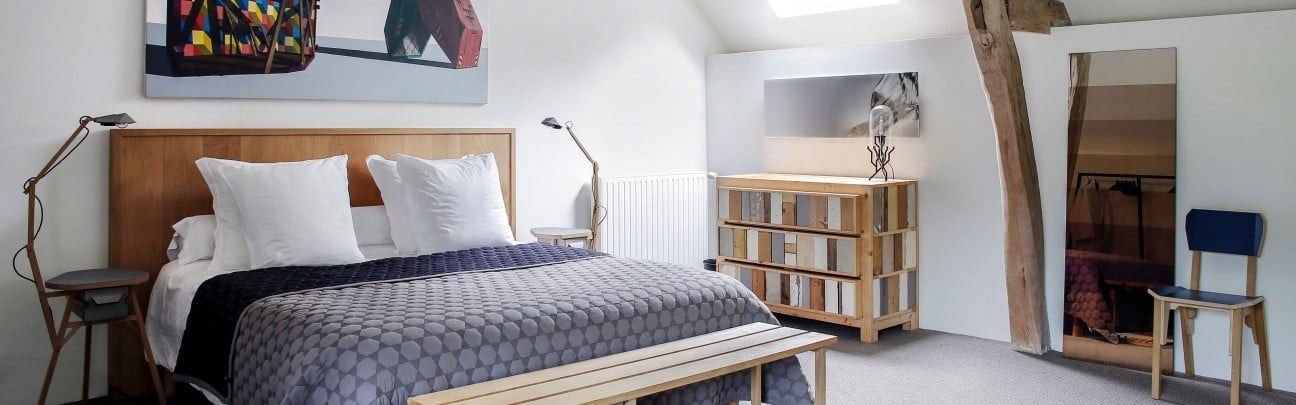
Château de la Resle plays a deliberate game of contrasts: a canonical Burgundy country‑house exterior gives way to an interior assembled like a private contemporary gallery. Exposed 17th‑century beams and pitched farmhouse rooflines anchor a classical shell, while bespoke Dutch furnishings and a collector’s array of contemporary art inject a modern, design-forward sensibility. The effect is sophisticated rather than sterile — the hotel repeatedly leans into warmth, natural light and human-scale objects so that rooms feel lived-in and welcoming. The result is an elegant, quietly scenic retreat where historic fabric and modern design coexist with an easy, approachable intimacy.
Best For
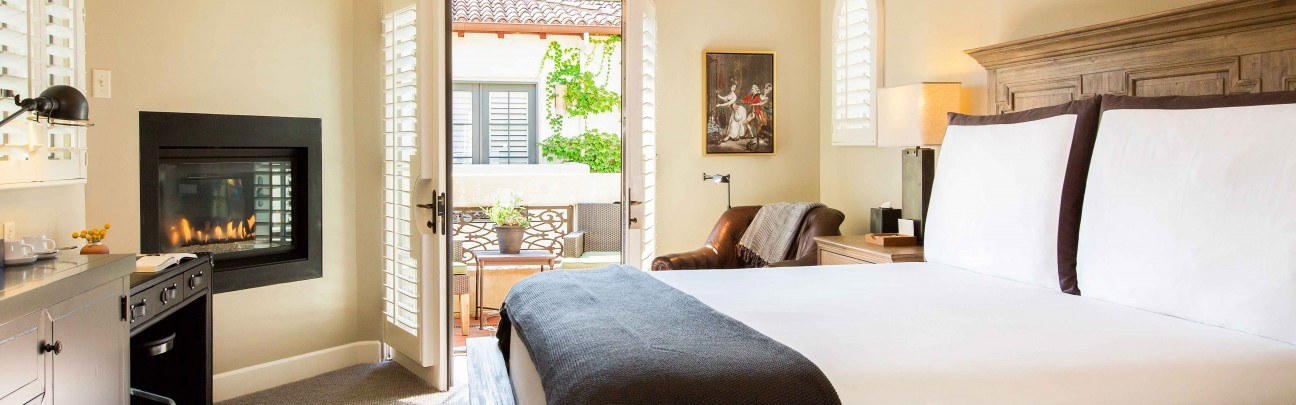
This is a hotel for travelers who want a quiet, scenic escape steeped in both history and modern design. It suits couples seeking a romantic getaway or honeymoon, design-minded visitors who appreciate gallery-quality art and curated furnishings, and anyone after a peaceful weekend escape in the Burgundy countryside. With ivy-covered stone, formal gardens and sunlit, south-facing rooms, the château offers a composed backdrop for anniversaries or slow, contemplative stays — especially for guests who value atmosphere, craftsmanship and thoughtfully layered interiors.
Venue details
Ambiance
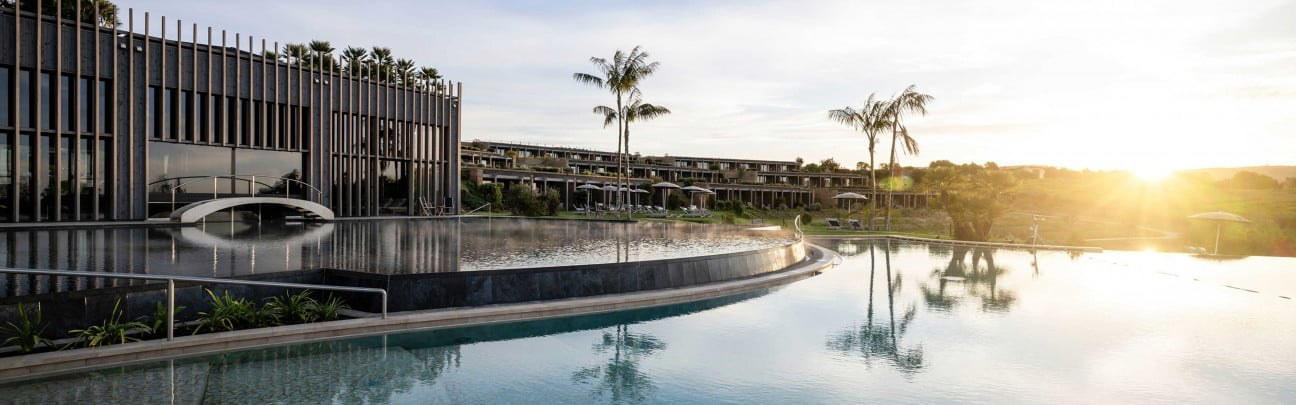
Peaceful and serene with tasteful modern decor, art-filled spaces, and relaxing poolside atmosphere praised for its calm and welcoming hospitality.
Tags
Vibe
Best For
Experience
Amenities
View
About the Stay
- Rooms
- 10
- Property Style
- Restored 19th Century Chateau with Modern Luxury Touches
- Design Style
- Contemporary with Art Curation and Uncluttered Elegance
Know before you go
Know Before You Go
- Getting there
- La Resle Lieu dit, 89230 Montigny-la-Resle
Planning details
Location
Recognition and awards
Also consider
Also Consider
- La Côte Saint Jacques & Spa, Notable alternative
- La Borde, Notable alternative
- Château de Vault-de-Lugny, Notable alternative
- Hôtel de la Poste, Notable alternative
- Epona, Notable alternative
Hotel context
How It Compares
Choose Château de la Resle if the priority is a design-led country-house stay near Montigny-la-Resle rather than a larger resort setup. La Côte Saint Jacques & Spa is the stronger fit for travelers who want a spa-led hotel experience, while La Borde is the better cross-shop for a more rural, estate-style stay.
Château de Vault-de-Lugny is the natural alternative for guests who want a classic château mood. Château de la Resle is the sharper choice for design credentials, supported by its Michelin 1 Key and Design Hotels membership, but it should be priced against how much time will be spent on property. If the hotel is just a base between stops, Hôtel de la Poste may be the more practical value play.
Epona belongs on the shortlist if dining identity matters more than the room setting. For fixed dates, compare availability early: booking difficulty is high here, and waiting can push travelers into less suitable choices. The decision is simple: book Château de la Resle for design, quiet, and Burgundy atmosphere; cross-shop the others for spa depth, château classicism, town convenience, or a more restaurant-driven stay.
Explore Montigny-la-Resle
Around this place
Discover more on Pearl
Unlock the full Château de la Resle guide in Pearl, including awards, comparisons, FAQs, planning details, and nearby places.
Compare Château de la Resle
| Venue | Location | Awards |
|---|---|---|
| Château de la Resle | Montigny-la-Resle | 2026 Design Hotels Collection2026 Mr & Mrs Smith Luxury HotelsMichelin 1 Key 20252025 Michelin 1 Key2024 Michelin 1 Key |
| La Côte Saint Jacques & Spa | Joigny | 2026 Relais Chateaux Hotels2025 Michelin Selected Hotels2025 Relais Chateaux Award |
| La Borde | Leugny | 2024 Michelin 1 Key |
| Château de Vault-de-Lugny | Vault-de-Lugny | Michelin 1 Key 20252025 Michelin 1 Key2024 Michelin 1 Key |
| Hôtel de la Poste | Avallon | No published awards |
| Epona | Sens | No published awards |


How Château de la Resle compares with similar nearby venues.
FAQ
Frequently Asked Questions
How is the location of Château de la Resle?
Is Château de la Resle good for business travel?
It may work for some business trips, but business-specific services or facilities should be confirmed directly with the property. The property is a Montigny-la-Resle property with Michelin 1 Key recognition in 2025, 2026 Design Hotels membership, and a 2026 Mr & Mrs Smith Seal of Approval.
Do loyalty programs work at Château de la Resle?
Loyalty-program participation or points benefits should be confirmed directly with the property. Key recognition includes Michelin 1 Key in 2025, 2026 Design Hotels Member status, and the 2026 Mr & Mrs Smith Seal of Approval.
Is Château de la Resle family-friendly?
Family-specific facilities, room configurations, or children's amenities should be confirmed directly with the property. Families should confirm the room setup and practical requirements directly before booking.
Which room category is best at Château de la Resle?
Specific room names, sizes, layouts, or views should be confirmed directly with the property. Choose only after confirming the category details, cancellation terms, and any needs specific to your stay.
How does Château de la Resle compare to other premium properties?
Château de la Resle is a recognized Montigny-la-Resle property with Michelin 1 Key recognition in 2025, 2026 Design Hotels membership, and a 2026 Mr & Mrs Smith Seal of Approval. For context, compare it with Château de Vault-de-Lugny, La Côte Saint Jacques & Spa, La Borde, Hôtel de la Poste, and Epona, while confirming each property's specific services directly.