

Torre de Palma Wine Hotel
Monforte
Hotel in Monforte, Portugal
 Book with Pearl
The Read
Estate-Rooted Wine Immersion
Why go
Torre de Palma Wine Hotel is worth prioritizing for a calm Alentejo stay with family or a design-minded countryside break. The Michelin 2 Keys recognition and Design Hotels membership make it a stronger choice than a generic rural hotel, but it works better with a car, flexible dates, and a slower schedule than with business-style logistics.
About Torre de Palma Wine Hotel
For a stay in Monforte, Torre de Palma Wine Hotel is a strong choice for travelers who value recognition markers and want to stay in Monforte. The hotel has Michelin 2 Keys recognition for 2025, is listed as a 2026 Design Hotels member, and has a Mr & Mrs Smith Seal of Approval for 2026.
The recommendation is cautiously positive for travelers who value those recognition markers and want to stay in Monforte. The safest planning approach is to confirm the practical details directly before booking. The dress code is smart casual.
Choose it for confirmed recognition, not assumed hotel features
Torre de Palma Wine Hotel has three recognition markers: Michelin 2 Keys in 2025, Design Hotels membership in 2026, and a Mr & Mrs Smith Seal of Approval in 2026. Those are the grounded reasons to put it on a Monforte shortlist.
Beyond those signals, avoid building the stay around assumptions. Specific claims about facilities, room layouts, dining, transfers, family services, or business conveniences should be confirmed through the venue's official channels before committing.
The value case is recognition plus Monforte, with details to verify
This is not a page where exact prices, packages, room inventory, or availability patterns can be stated as fact. If dates matter, treat confirmation as part of the booking process rather than relying on general expectations about the property.
The strongest buyer is someone who wants a recognized hotel in Monforte and is comfortable checking the operational details directly. If you are comparing options, consider Torre de Palma Wine Hotel alongside AP Lago Montargil, Alentejo Marmoris Hotel & Spa, Convento do Espinheiro Hotel, Octant Évora, and Villa Extramuros based on your route, dates, and confirmed requirements.
Planning details
- Location
- Herdade de Torre de Palma 7450 250, 7450-250 Vaiamonte
- Website
- torredepalma.com
- Phone
- +351 245 038 890
The take
The Take
The Vibe
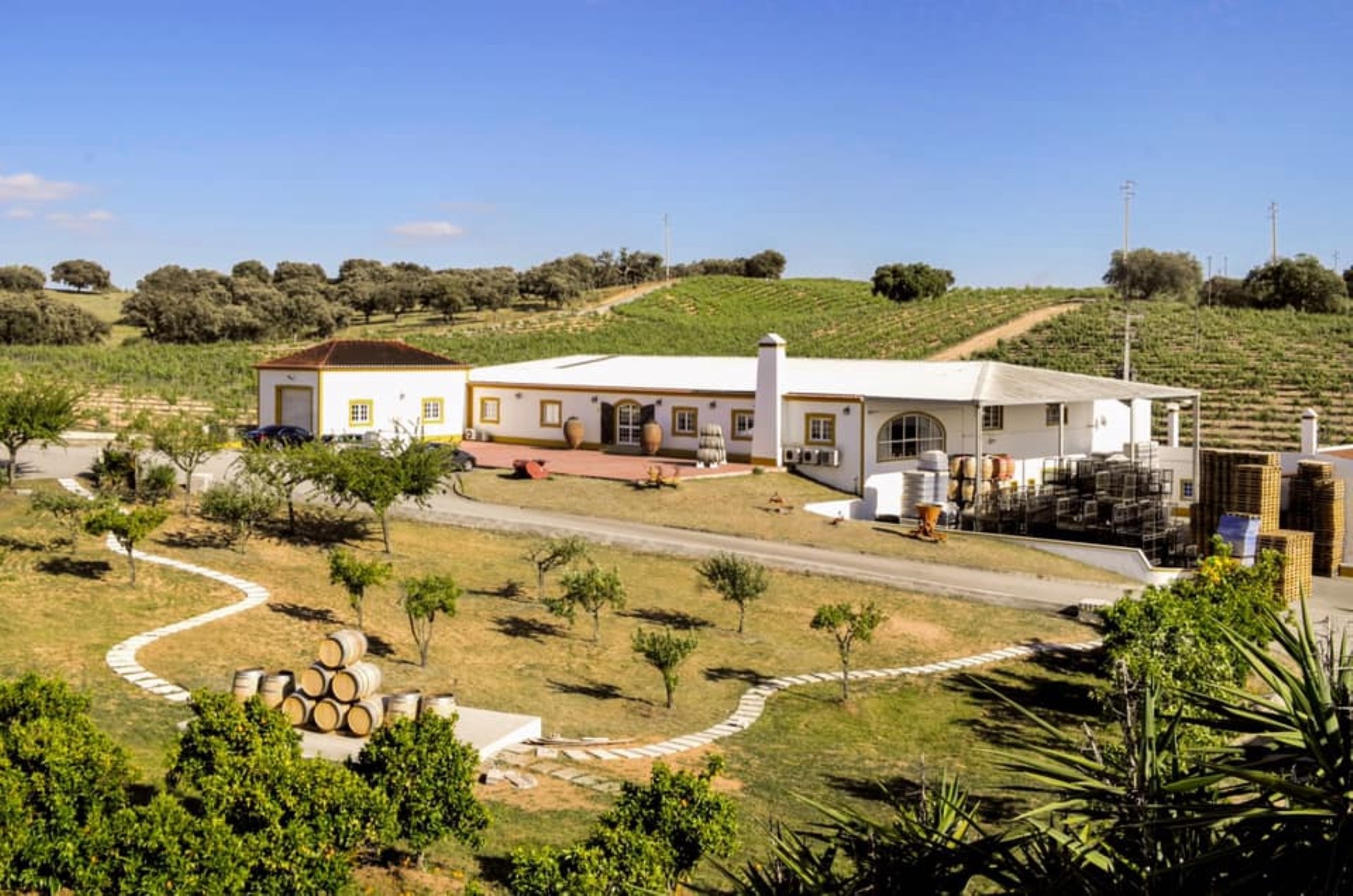
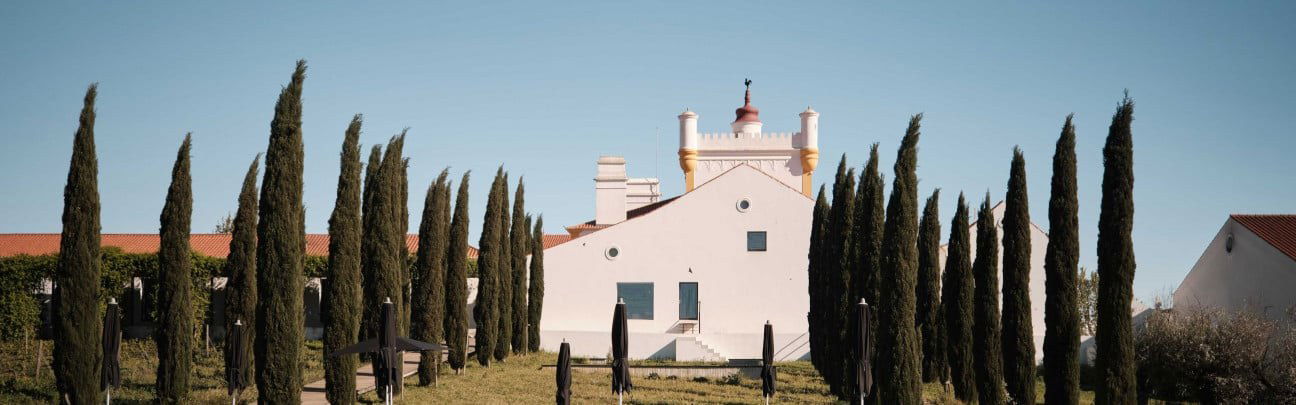
Torre de Palma Wine Hotel sits on a sun-drenched hilltop in Upper Alentejo, occupying a whitewashed manor whose foundations reach back to 1338. The property foregrounds layered history—Roman remains, medieval architecture and centuries of estate life—while presenting an agriculture-rooted form of luxury that feels restrained rather than ostentatious. Rolling vineyards, olive groves and horses frame long, slow afternoons, and the hotel’s compact, 19-room scale reinforces a measured, reflective pace. The overall effect is quietly historic and charming: a serene country escape where the landscape and the weight of time shape the guest experience.
Best For
This is a stay geared toward travelers who value slow travel, history and an immersive estate experience. The setting is ideal for romantic getaways, restorative weekend escapes and wellness-minded stays that favor unhurried days among vineyards and olive groves. With just 19 rooms and a focus on the broader agricultural life of the estate—wine, horses and long afternoons—Torre de Palma suits couples and small, intimate parties rather than bustling groups. It also appeals to history lovers and anyone seeking a scenic, contemplative retreat on a working wine property.
Stay Tips
Plan for an unhurried visit: allow time to arrive via the estate approach and to wander the vineyards and grounds, since the property’s chief pleasures are atmospheric rather than itinerary-driven. Book in advance—the hotel’s 19-room scale suggests limited availability during peak seasons—and reserve multiple nights to soak in the hilltop light and slow pace. Ask the staff on arrival about how the estate structures guest activities around wine, horses and the grounds so you can tailor your stay to the rhythms of the property.
Venue details
Ambiance
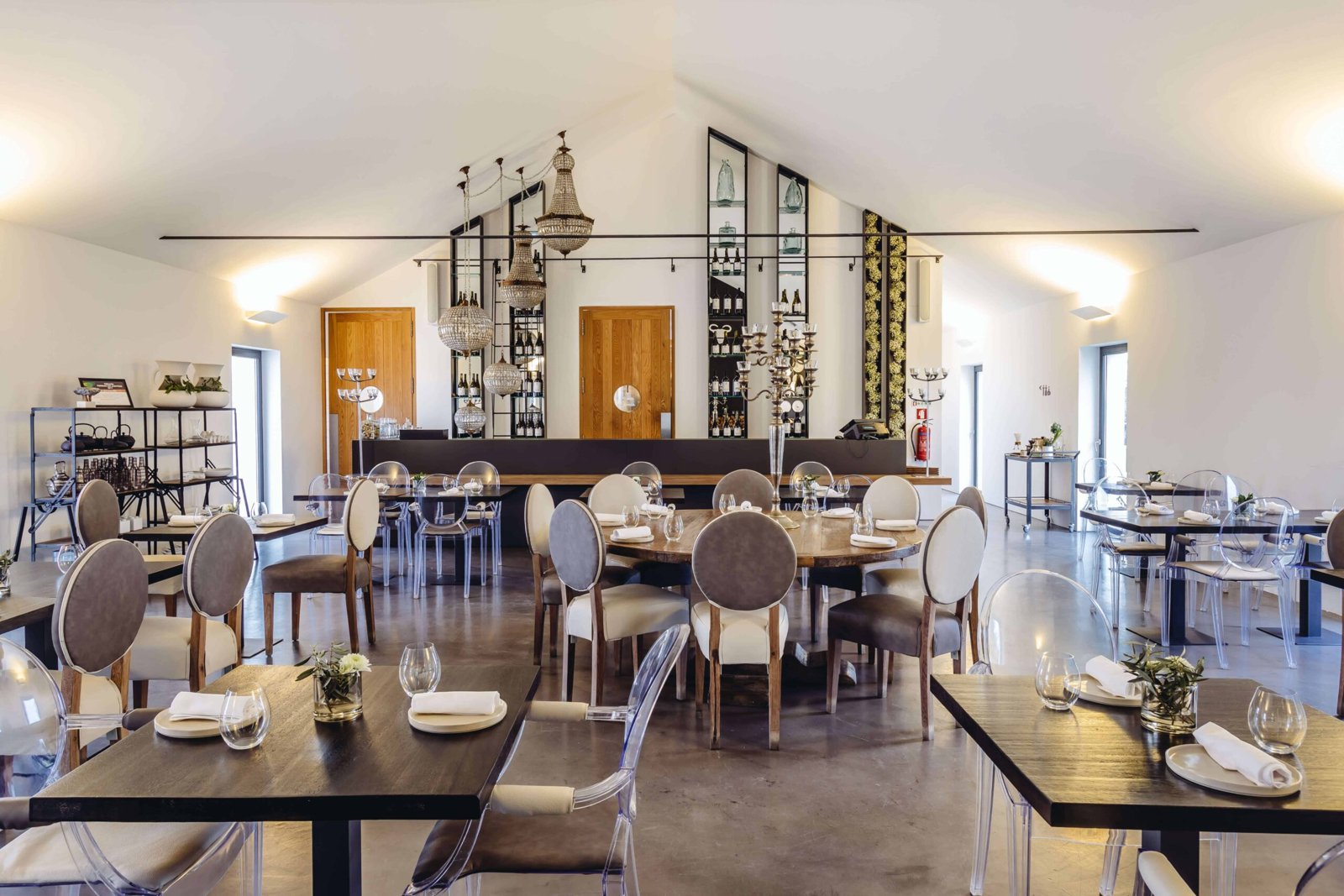
Peaceful and elegant with warm lighting, serene vineyard surroundings, and a refined historic atmosphere praised for tranquility and comfort.
Tags
Vibe
Best For
Experience
Amenities
View
Accessibility
About the Stay
- Rooms
- 19
- Property Style
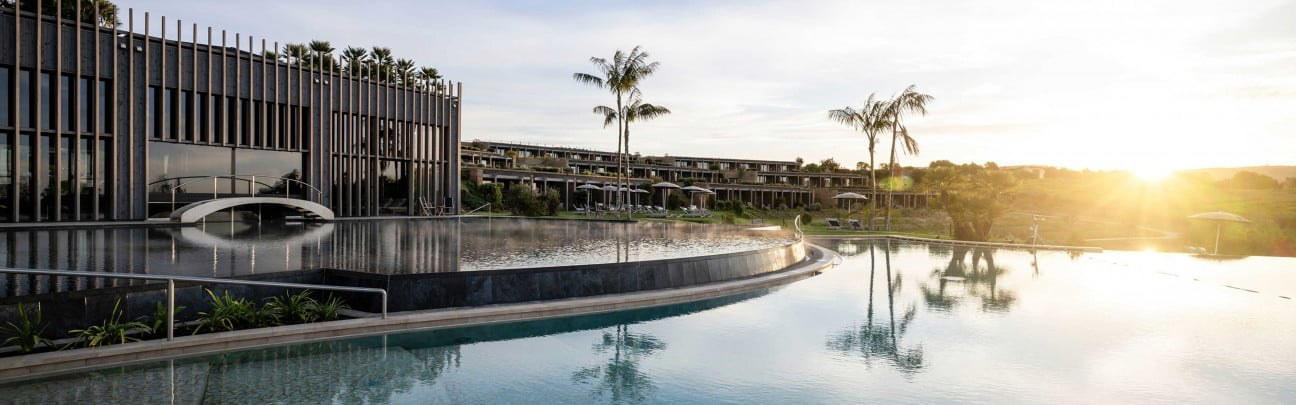
- Contemporary Luxury in a Refurbished 14th Century Manor with Modern Design Harmonizing with Alentejo Traditions.
- Design Style
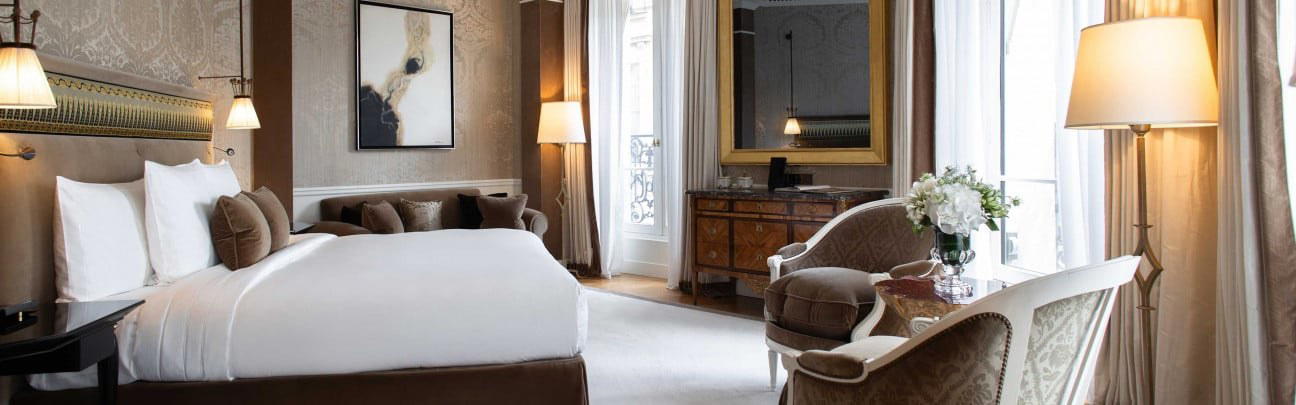
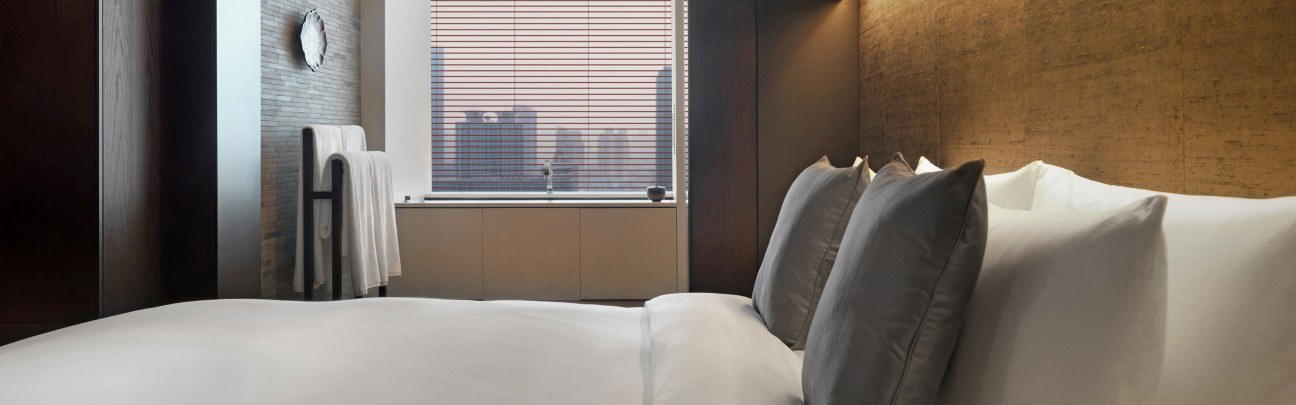
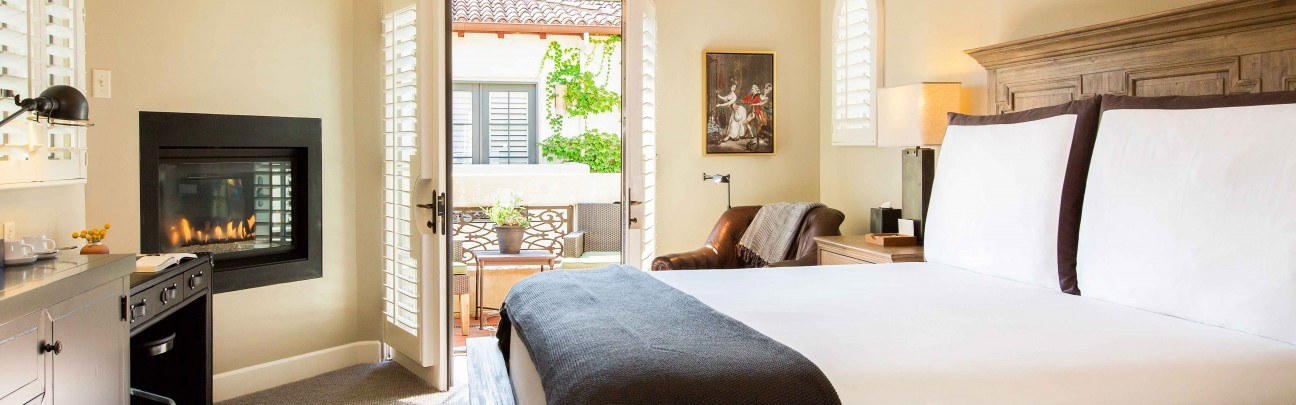
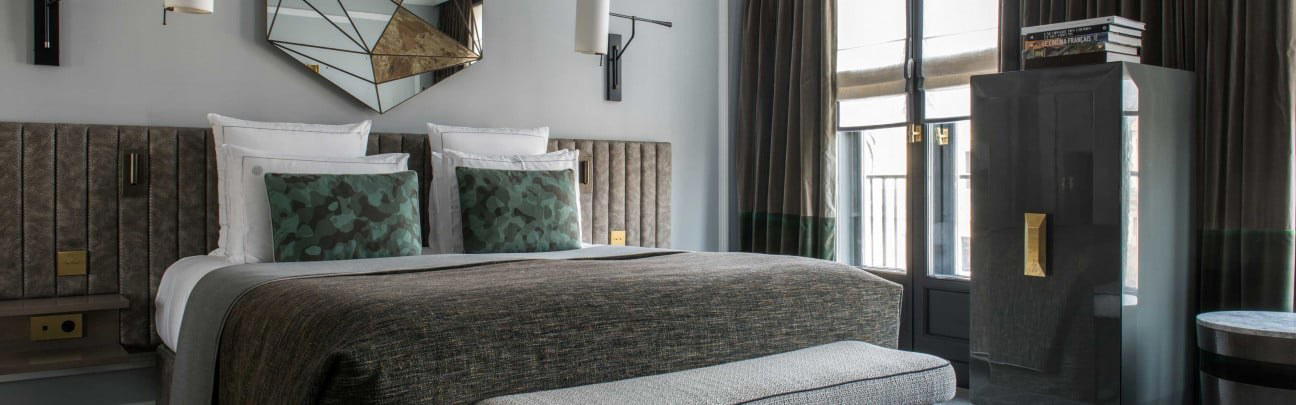
- Elegant Blend of Contemporary and Rustic Elements with Individually Decorated Rooms Featuring Natural Tones and Historic Charm.
Know before you go
Know Before You Go
- Getting there
- Herdade de Torre de Palma 7450 250, 7450-250 Vaiamonte
Planning details
Location
Recognition and awards
Also consider
Also Consider
- Alentejo Marmoris Hotel & Spa, Notable alternative
- AP Lago Montargil, Notable alternative
- Villa Extramuros, Notable alternative
- Octant Évora, Notable alternative
- Convento do Espinheiro Hotel, Notable alternative
Hotel context
How It Compares
Torre de Palma Wine Hotel is the pick when the priority is a quieter, design-led Alentejo base with stronger recognition signals. Compared with Alentejo Marmoris Hotel & Spa, it reads less like a classic spa-hotel choice and more like a countryside wine stay. Choose Torre de Palma for atmosphere and a slower family rhythm; look at Alentejo Marmoris if spa positioning is the main reason for the trip.
AP Lago Montargil is the better cross-shop for travelers who want a broader leisure-hotel feel, especially if water-side downtime matters more than wine-country character. Villa Extramuros is the sharper comparison for design-focused guests who prefer a smaller, more architectural stay; Torre de Palma has the advantage if the wine-hotel identity is central to the decision.
For travelers who want a more established heritage-hotel frame, compare against Convento do Espinheiro Hotel. For a broader contemporary Alentejo resort option, Octant Évora is the safer alternative when families want more resort-style flexibility. Torre de Palma is the harder booking, but also the more focused choice for a calm Monforte stay.
Explore Monforte
Around this place
Discover more on Pearl
Unlock the full Torre de Palma Wine Hotel guide in Pearl, including awards, comparisons, FAQs, planning details, and nearby places.
Compare Torre de Palma Wine Hotel
| Venue | Location | Awards |
|---|---|---|
| Torre de Palma Wine Hotel | Monforte | 2026 Design Hotels Collection2026 Mr & Mrs Smith Luxury Hotels2025 Michelin 2 KeysMichelin 2 Keys 2025 |
| Alentejo Marmoris Hotel & Spa | Vila Vicosa | No published awards |
| AP Lago Montargil | Montargil | No published awards |
| Villa Extramuros | Évora | 2025 Michelin 1 Key |
| Octant Évora | Évora | No published awards |
| Convento do Espinheiro Hotel | Évora | No published awards |

How Torre de Palma Wine Hotel compares with similar nearby venues.
FAQ
Frequently Asked Questions
Is Torre de Palma Wine Hotel good for business travel?
Torre de Palma Wine Hotel is in Monforte, but details such as meeting facilities, transfer convenience, work spaces, and check-in timing should be confirmed directly before planning a business stay.
Which room category is best at Torre de Palma Wine Hotel?
The safest move is to compare the current room descriptions through the venue's official channels and choose based on confirmed space, layout, and booking conditions.
How does Torre de Palma Wine Hotel compare to other hotels?
Torre de Palma Wine Hotel is a Monforte option with confirmed Michelin 2 Keys recognition in 2025, 2026 Design Hotels membership, and a 2026 Mr & Mrs Smith Seal of Approval. For broader trip planning, compare it with AP Lago Montargil, Alentejo Marmoris Hotel & Spa, Convento do Espinheiro Hotel, Octant Évora, and Villa Extramuros based on confirmed location, dates, and amenities.