
Atrio Cáceres
Historic Center, Cáceres
Hotel in Cáceres, Spain
 Book with Pearl
The Read
Price
$300–500per night
Why go
Atrio Cáceres is worth booking for a special-occasion stay in Cáceres' historic center, especially if dinner and atmosphere matter more than resort facilities. The old-town address and Relais & Châteaux plus MICHELIN hotel recognition make it a strong fit for couples; business travelers should book only when the central location helps the schedule.
About Atrio Cáceres
Atrio Cáceres is best approached as a Cáceres venue with a smart-casual dress code, daily opening windows, and recognition that includes a Relais Chateaux Award for 2026 plus a MICHELIN Guide Hotels Selected listing for 2025. It is in Cáceres, and decisions that depend on specific street address, neighborhood, room count, amenity list, cuisine, menu format, prices, or service features should be checked directly before booking.
Book for a Cáceres stay with confirmed recognition
Atrio Cáceres is in Cáceres, has a smart-casual dress code, lists daily hours of 1:30–3 PM and 8:30–10 PM, and carries Relais Chateaux Award recognition for 2026 plus a MICHELIN Guide Hotels Selected listing for 2025. Those are useful signals for planning a stay.
Planning should be conservative unless you have confirmed the details that matter to your trip.
Who should book, and who should look elsewhere
Atrio Cáceres makes the most sense for travelers who specifically want to be in Cáceres and are comfortable planning around the daily hours and smart-casual setting. It is less clear for trips that depend on particular facilities, room categories, dining formats, dietary accommodations, or other service details.
If the goal is a broader Iberian hotel itinerary, compare Atrio Cáceres with other options by confirming each property's location, facilities, and services directly. Torre de Palma Wine Hotel, Alentejo Marmoris Hotel & Spa, Convento do Seixo Boutique Hotel & Spa, and TheVagar may suit different trip plans.
For planning around the city, use Our full Cáceres restaurants guide before locking the stay. For anything beyond the facts above, confirm details directly before booking, especially if your decision depends on a specific amenity, room category, menu format, price, or service feature.
Inside Atrio Cáceres
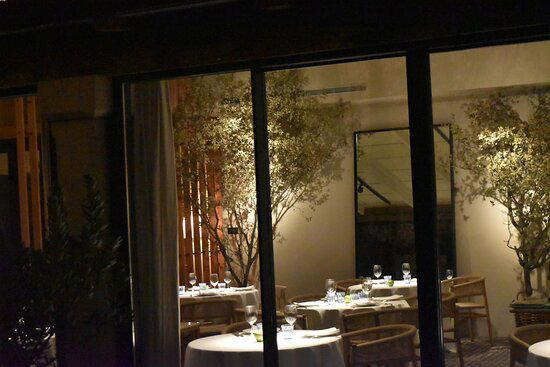 restaurantTorre de SandeInside a 15th-century mansion in Cáceres' UNESCO-listed old quarter, Torre de Sande occupies the accessible end of the Atrio culinary orbit, the same kitchen philosophy, applied to Extremaduran tradition. The à la carte and tasting menu format delivers Iberian sausage, regional cheeses, slow-cooked stews, and grilled meats in a setting where the terrace alone justifies the booking. Michelin Plate recognition in both 2024 and 2025 anchors it in the city's serious mid-range tier.
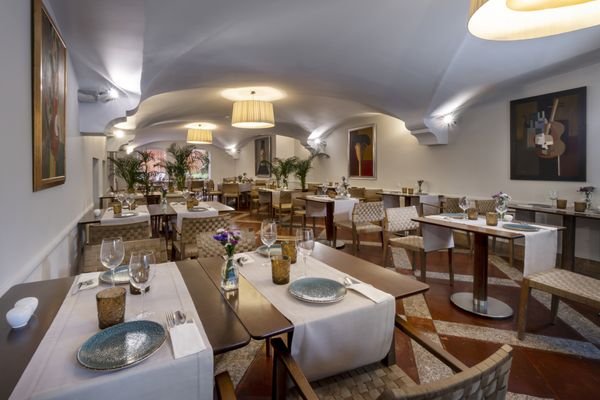
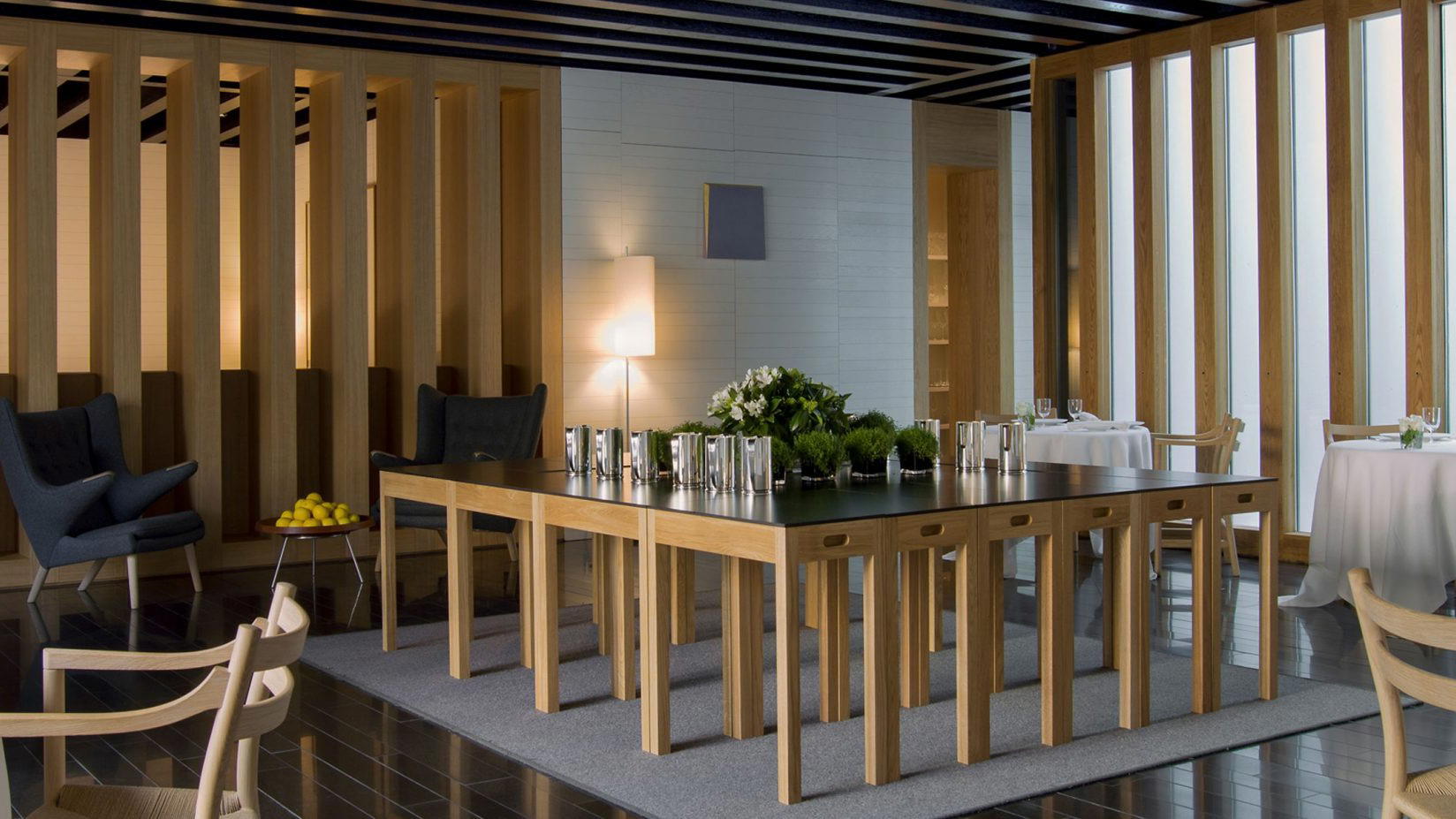 restaurantAtrioAtrio brings Cáceres' Extremaduran pantry into the formal tasting-menu register, with Toño Pérez using contemporary technique to reframe local tradition rather than escape it. The draw is not only the cooking: the restaurant's deep wine program, 2026 Guía Repsol 3 Soles recognition, La Liste score, and hotel-restaurant setting place it in Spain's serious destination-dining tier.
Planning details
- Hours
- Monday: 1:30–3 PM, 8:30–10 PM · Tuesday: 1:30–3 PM, 8:30–10 PM
- Location
- Pl. San Mateo, 1, Centro-Casco Antiguo, 10003 Cáceres, Spain
- Website
- atriocaceres.com
- Phone
- +34 927 24 29 28
The take
The Take
The Vibe
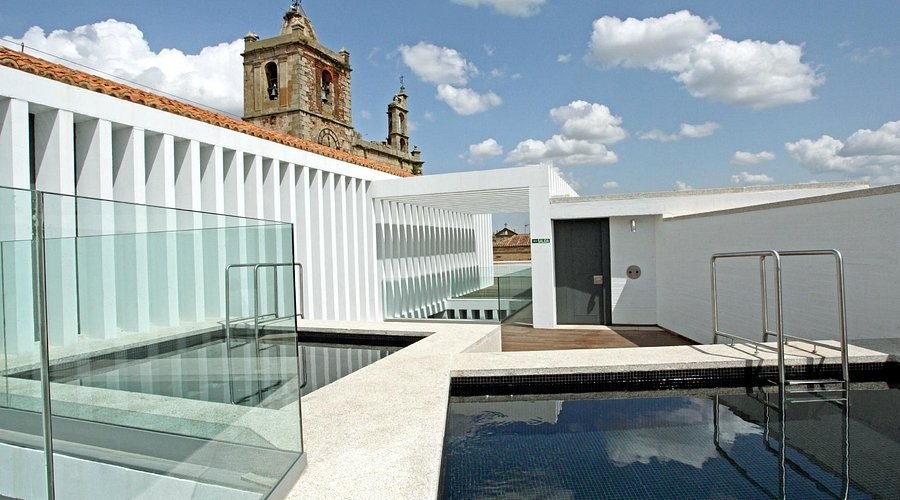
Atrio Cáceres reads as a deliberate collision of eras: a historic palacio shell is interrogated by a spare, contemporary interior. Exposed stone, floor-to-ceiling glass and raw structural elements sit alongside refined finishes, producing an architectural tension that the hotel treats as its principal appeal. The setting on Plaza de San Mateo, ringed by palaces and Romanesque towers, further amplifies the contrast between medieval fabric and modern intervention. The result is a serene, sophisticated atmosphere tailored to travelers who appreciate quiet, design-forward luxury rather than pastiche restoration.
Best For
This is a stay for design-minded and culturally curious travelers who want to be immersed in Cáceres’ monumental core while residing in a clearly contemporary hotel. Guests who value architecture, both preserved historic structure and incisive modern interventions, find Atrio particularly rewarding. Its placement on a quiet, coherent plaza makes it well suited to those seeking contemplative downtown strolls, museum and monument access, and a refined overnight experience. The hotel’s restaurant identity also signals appeal for guests looking to pair a high-design stay with notable dining without leaving the property.
Venue details
Ambiance
Elegant minimalist interiors blending contemporary design with historic surroundings, offering a serene and sophisticated atmosphere.
Tags
Vibe
Best For
Experience
Amenities
View
Accessibility
About the Stay
- Rooms
- 14
- Check-in
- 15:00
- Check-out
- 12:00
- Property Type
- Design hotel
- Property Style
- Contemporary Architectural Refurbishment in Historic Building
- Design Style
- Minimalist Modern
- Airport Transfer
- Available
- Pool
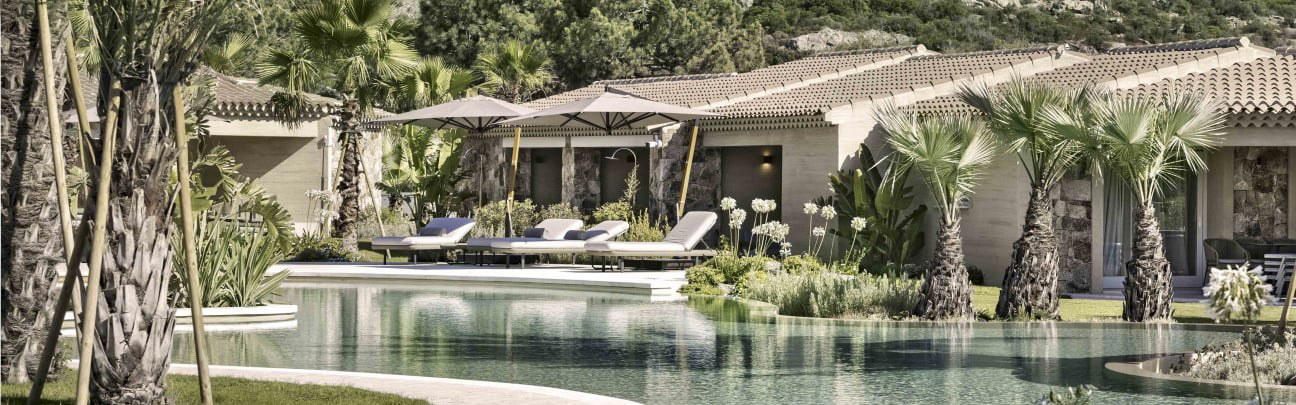
- Yes
- Pets
- Allowed
- Cancellation
- Strict
Know before you go
Know Before You Go
- Getting there
- Pl. San Mateo, 1, Centro-Casco Antiguo, 10003 Cáceres, Spain
Planning details
Hours
- Monday
- 1:30–3 PM, 8:30–10 PM
- Tuesday
- 1:30–3 PM, 8:30–10 PM
- Wednesday
- 1:30–3 PM, 8:30–10 PM
- Thursday
- 1:30–3 PM, 8:30–10 PM
- Friday
- 1:30–3 PM, 8:30–10 PM
- Saturday
- 1:30–3 PM, 8:30–10 PM
- Sunday
- 1:30–3 PM, 8:30–10 PM
Location
Pl. San Mateo, 1, Centro-Casco Antiguo, 10003 Cáceres, Spain · Directions
Recognition and awards

Also consider
Also Consider
- Atrio Restaurante Hotel, Notable alternative
- Torre de Palma Wine Hotel, Notable alternative
- Alentejo Marmoris Hotel & Spa, Notable alternative
- Convento do Seixo Boutique Hotel & Spa, Notable alternative
- TheVagar, Notable alternative
Hotel context
How it compares in and around Cáceres
Atrio Restaurante Hotel is the closest comparison and the one to choose if the trip is built around Cáceres itself. Booking difficulty is easy, which makes it less stressful than a high-demand city hotel, and the old-town setting gives it a stronger special-occasion feel than the out-of-metro peers.
Torre de Palma Wine Hotel is the better fit for travelers who want wine-country pace and rural space rather than a historic-center base. Alentejo Marmoris Hotel & Spa and Convento do Seixo Boutique Hotel & Spa make more sense when spa time and slower hotel days are the point of the trip.
TheVagar is the cross-shop for a quieter design-led escape. Choose Atrio Cáceres when the priority is a walkable Cáceres stay with recognized hospitality credentials; choose the out-of-metro options when the hotel itself needs to carry more of the day.
Explore Cáceres
Around this place
Discover more on Pearl
Unlock the full Atrio Cáceres guide in Pearl, including awards, comparisons, FAQs, planning details, and nearby places.
Compare Atrio Cáceres
| Venue | Location | Awards |
|---|---|---|
| Atrio Cáceres | Cáceres | 2026 Relais Chateaux Hotels2026 Michelin 3 Keys2025 Michelin 3 Keys2025 Michelin Selected Hotels |
| Atrio Restaurante Hotel | Cáceres | Star Wine Lists 20262025 Relais Chateaux Award2024 Michelin 3 Keys |
| Torre de Palma Wine Hotel | Monforte | 2026 Design Hotels Collection2026 Mr & Mrs Smith Luxury Hotels2026 Michelin 2 Keys2025 Michelin 2 Keys |
| Alentejo Marmoris Hotel & Spa | Vila Vicosa | No published awards |
| Convento do Seixo Boutique Hotel & Spa | Fundao | No published awards |
| TheVagar | Belmonte | No published awards |





How Atrio Cáceres compares with similar nearby venues.
FAQ
Frequently Asked Questions
Is Atrio Cáceres good for business travel?
It may work for a Cáceres stay if the schedule fits the daily hours and the smart-casual setting.
Do loyalty programs work at Atrio Cáceres?
The confirmed information covers hours, smart-casual dress code, Relais Chateaux Award recognition for 2026, and a MICHELIN Guide Hotels Selected listing for 2025, not a published loyalty program.
How does Atrio Cáceres compare to other hotels?
Atrio Cáceres is the relevant choice if you specifically want to be in Cáceres and value its recognition and defined daily hours. Torre de Palma Wine Hotel, Alentejo Marmoris Hotel & Spa, Convento do Seixo Boutique Hotel & Spa, and TheVagar should be compared by checking their own locations, facilities, and services directly.
How is the dining at Atrio Cáceres?
The details confirm daily hours of 1:30–3 PM and 8:30–10 PM, a smart-casual dress code, Relais Chateaux Award recognition for 2026, and a MICHELIN Guide Hotels Selected listing for 2025.
When is the best time to book Atrio Cáceres?
Book when the daily hours fit your Cáceres plan, especially if timing is important.