


Atrio Restaurante Hotel
Cáceres Old Town, Cáceres
Hotel in Cáceres, Spain
 Book with Pearl
The Read
Art-Integrated Fine Dining
Price
$300–500per night
Why go
A serious Cáceres choice for travelers who want the hotel and dining decision bundled into one high-commitment stay. The strongest case is for food and wine depth in the historic center; if the trip is mainly about spa time, countryside quiet, or resort facilities, cross-shop before paying for the full experience.
About Atrio Restaurante Hotel
In Cáceres, Atrio Restaurante Hotel is best approached as a restaurant-hotel decision rather than a generic city stay. It features a smart casual dress code, Michelin 3 Keys (2025), a Relais Chateaux Award (2025), and Star Wine List recognition (2026).
The practical verdict is simple: consider it if the stay is meant to anchor a Cáceres trip around the property itself. If the room is only a place to sleep between plans elsewhere in the city, compare it carefully with other options before booking.
Choose this for the restaurant-hotel experience, not just a room upgrade
The room-choice question depends on how much time you expect to spend at the property. For a short stop, the most sensible choice is the room that fits your schedule and budget. For a longer or more occasion-led stay, it may be worth weighing comfort and time on property, though no specific room recommendation is provided.
For travelers comparing premium stays, the natural reference point is Atrio Restaurante Hotel itself as a Cáceres restaurant-hotel. Other possible comparisons include Atrio Cáceres, Alentejo Marmoris Hotel & Spa, Convento do Seixo Boutique Hotel & Spa, TheVagar, and Torre de Palma Wine Hotel, depending on the kind of trip being planned. For a broader scan before committing, use Our full Cáceres hotels guide alongside Our full Cáceres restaurants guide.
Who should book, and who should cross-shop
This is a strong fit for travelers who want a Cáceres stay with hotel recognition and a restaurant-hotel identity. The smart casual dress code also makes sense for guests expecting a polished setting rather than a purely casual stop.
If the trip is more Cáceres-wide than hotel-specific, build the plan around the city guides first: Our full Cáceres bars guide, Our full Cáceres wineries guide, and Our full Cáceres experiences guide. If the broader hotel comparison matters, cross-shop with Alentejo Marmoris Hotel & Spa, Convento do Seixo Boutique Hotel & Spa, TheVagar, or Torre de Palma Wine Hotel according to whether the priority is the destination, the setting, or the overall style of stay.
Inside Atrio Restaurante Hotel
Planning details
- Location
- Pl. San Mateo, 1, Centro-Casco Antiguo, 10003 Cáceres
- Website
- atriocaceres.com
- Phone
- +34 927 24 29 28
The take
The Take
The Vibe
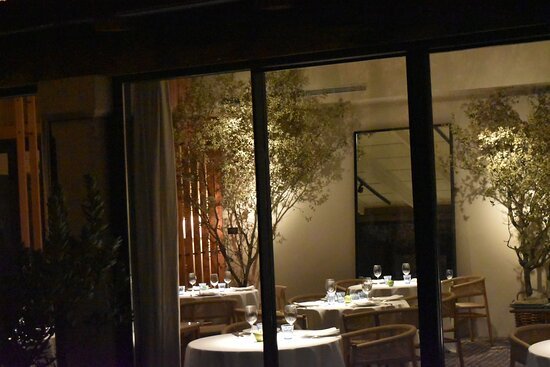
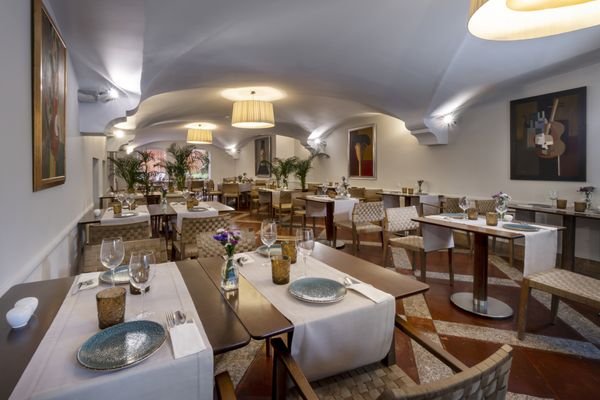
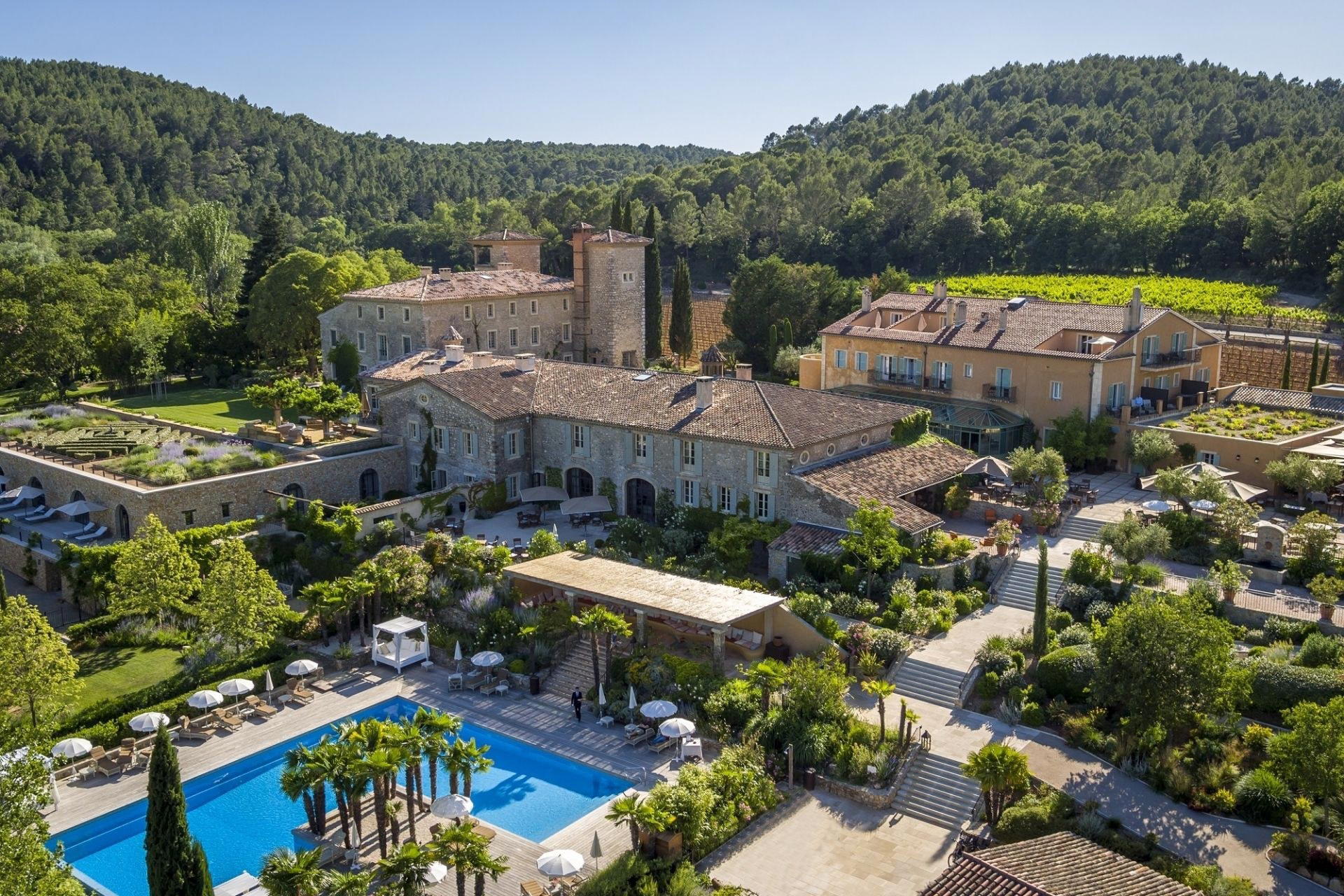
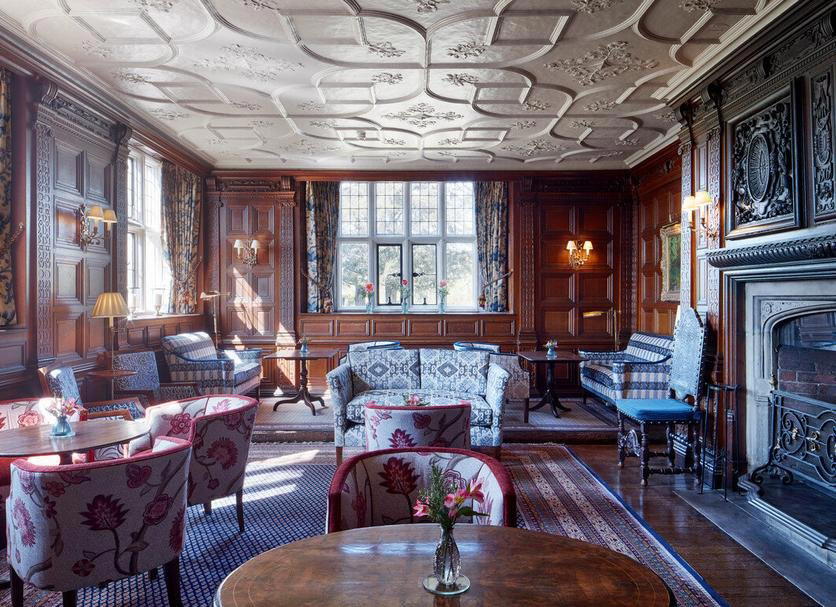
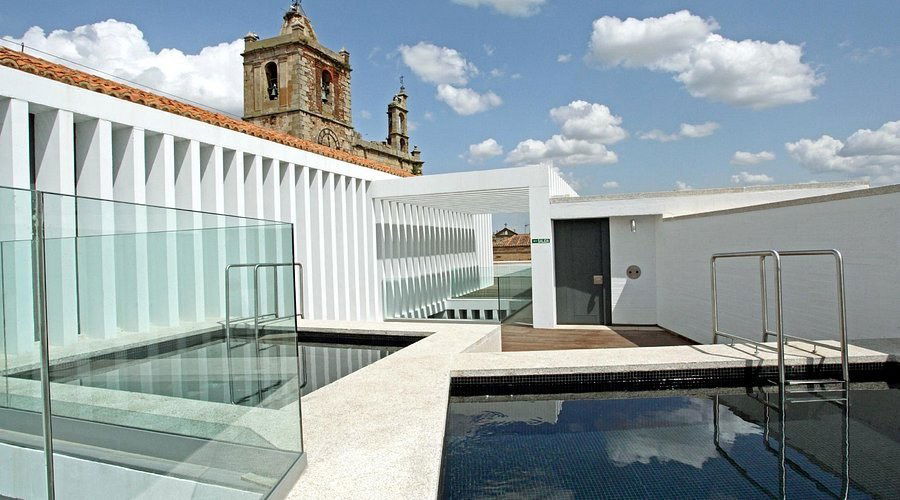
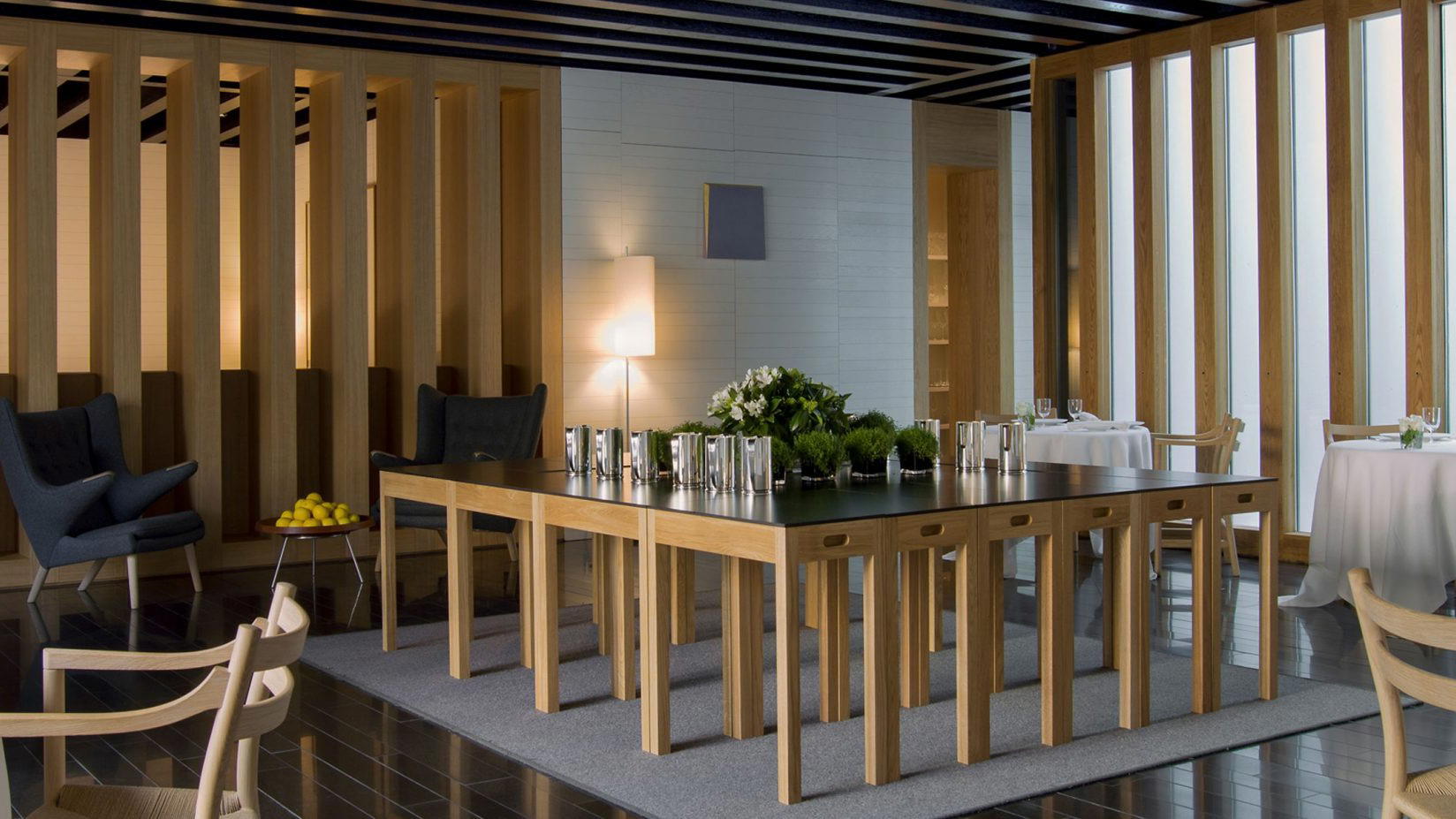
Atrio stages a striking architectural dialogue: an uncompromising medieval exterior gives way to interiors defined by deliberate minimalism and bright white surfaces. Rooms are pared back to essentials, with original works by artists such as Andy Warhol and Georg Baselitz serving as focal anchors rather than decorative flourish. The result is a composed, restrained atmosphere where historic stone and contemporary clarity coexist rather than collide. That careful tension—heritage fabric softened by a tight, modern design language—makes the property feel like a quietly curated retreat in the heart of Cáceres' walled old city.
Best For
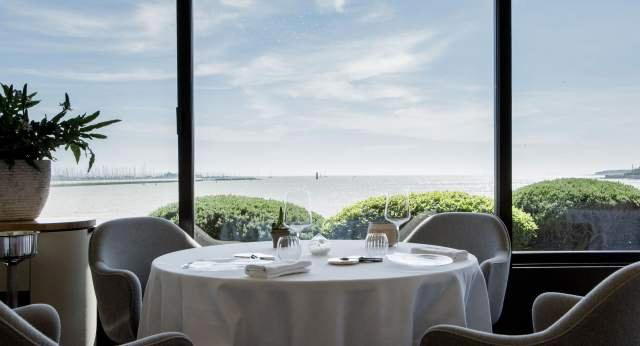
This is a destination for serious diners and design-minded travelers who place as much value on the restaurant as on the rooms. The hotel’s three-Michelin-star restaurant and a wine program that attracts collectors make it especially appealing for travellers marking a special occasion or seeking a refined gastronomic escape. Couples and small groups focused on food and wine will find the setting particularly rewarding: the property pairs quiet, minimal interiors with a heavyweight culinary program, so stays tend to centre on tasting the restaurant and engaging with the cellar rather than on high-energy nightlife or family-oriented amenities.
Stay Tips
Treat the restaurant as the primary reason to visit: plan and book dining well in advance, since the three-Michelin-star status makes reservations in high demand. When you call or book, flag any interest in the hotel’s wine program—the description notes a serious offering that draws collectors—so staff can orient you to cellar highlights or sommelier options. Allow ample time for the meal and the overall experience; Atrio is presented as a carefully composed, design-forward place where the dining and wine program are integral to the stay.
Venue details
Ambiance
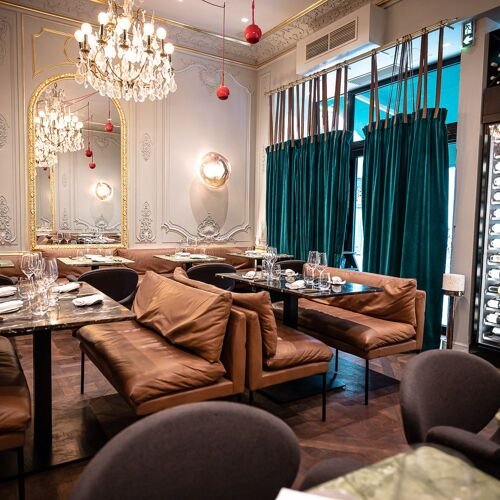
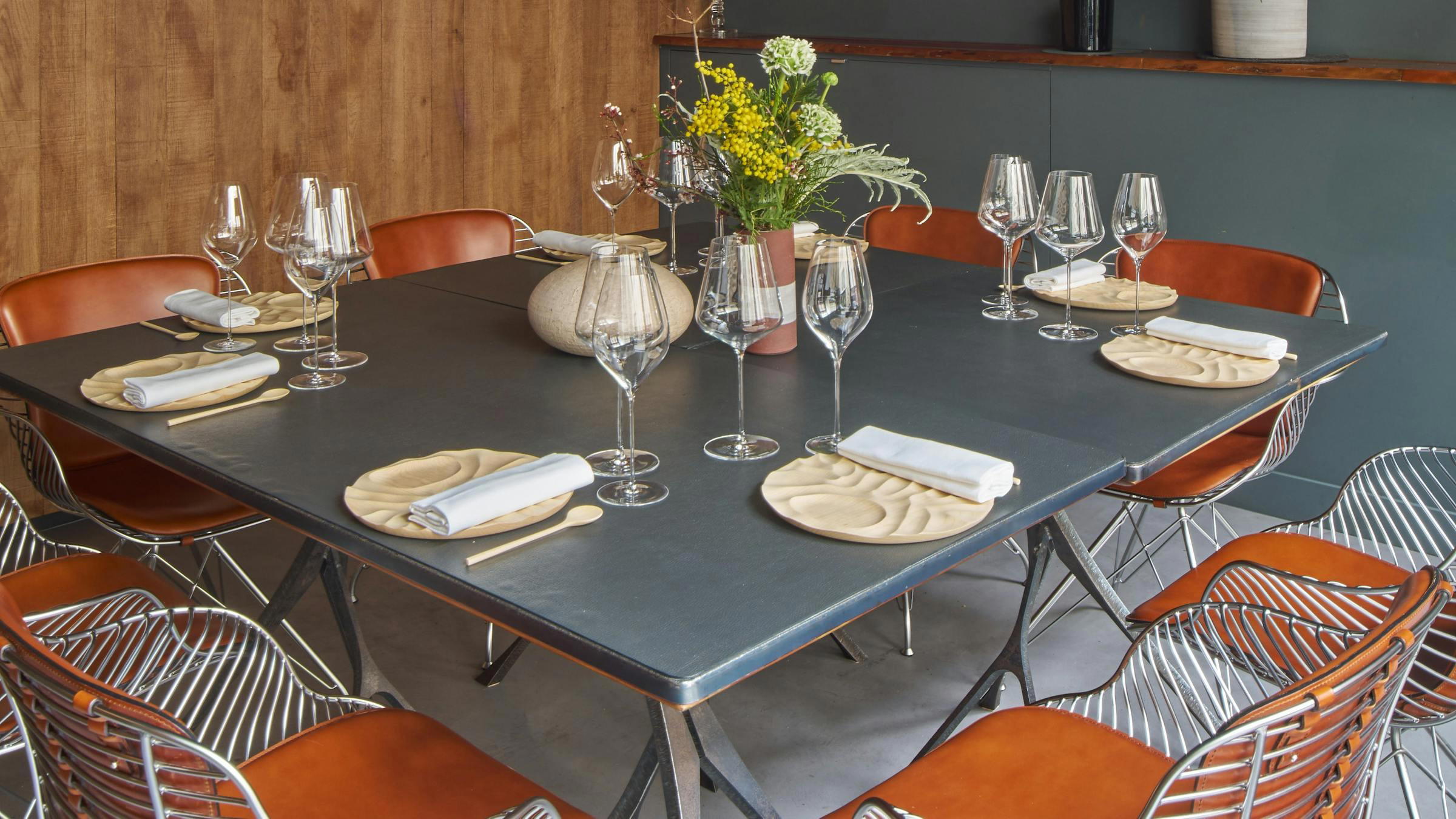
Chic and calming with abundant natural light, minimalist modern design integrated into historic architecture, and a relaxing rooftop terrace atmosphere.
Tags
Vibe
Best For
Experience
Amenities
View
About the Stay
- Rooms
- 14
- Property Type
- Boutique hotel
- Property Style
- Contemporary Design Seamlessly Blended with Historic Stone Architecture in the Walled Old Town.
- Design Style
- Minimalist Modern with Clean Lines and Abundant Light.
- Airport Transfer
- Available
- Pool
- Yes
- Spa
- Yes
- Pets
- Allowed
Know before you go
Know Before You Go
- Getting there
- Pl. San Mateo, 1, Centro-Casco Antiguo, 10003 Cáceres
Planning details
Location
Recognition and awards


Also consider
Also Consider
- Atrio Cáceres, Notable alternative
- Torre de Palma Wine Hotel, Notable alternative
- Alentejo Marmoris Hotel & Spa, Notable alternative
- Convento do Seixo Boutique Hotel & Spa, Notable alternative
- TheVagar, Notable alternative
Hotel context
How It Compares
Atrio Cáceres is the cleanest comparison because it keeps the decision inside Cáceres: choose Atrio Restaurante Hotel when the priority is a tightly integrated restaurant-hotel stay in the historic center. It is the splurge-oriented pick for travelers who want the evening to revolve around dining and wine rather than broader resort amenities.
Torre de Palma Wine Hotel and Alentejo Marmoris Hotel & Spa make more sense for travelers who want a slower out-of-metro stay, especially if wine-country pacing or spa time matters more than being in Cáceres. They are better cross-shops for a multi-day retreat; Atrio is better when the city and the table are the point.
Convento do Seixo Boutique Hotel & Spa and TheVagar are stronger alternatives for travelers prioritizing calm, design-led downtime, or an easier-feeling escape outside the city. If the main goal is food-and-wine intensity with Cáceres at the center, stay with Atrio; if the goal is a softer retreat, cross-shop those first.
Explore Cáceres
Around this place
Discover more on Pearl
Unlock the full Atrio Restaurante Hotel guide in Pearl, including awards, comparisons, FAQs, planning details, and nearby places.
Compare Atrio Restaurante Hotel
| Venue | Location | Awards |
|---|---|---|
| Atrio Restaurante Hotel | Cáceres | Star Wine Lists 20262025 Michelin Selected Hotels2025 Michelin 3 KeysMichelin 3 Keys 20252025 Relais Chateaux Award2024 Michelin 3 Keys |
| Atrio Cáceres | Cáceres | 2026 Relais Chateaux Hotels2026 Michelin 3 Keys2025 Michelin 3 Keys |
| Torre de Palma Wine Hotel | Monforte | 2026 Design Hotels Collection2026 Mr & Mrs Smith Luxury Hotels2026 Michelin 2 Keys2025 Michelin 2 Keys |
| Alentejo Marmoris Hotel & Spa | Vila Vicosa | No published awards |
| Convento do Seixo Boutique Hotel & Spa | Fundao | No published awards |
| TheVagar | Belmonte | No published awards |




How Atrio Restaurante Hotel Cáceres compares with similar nearby venues.
FAQ
Frequently Asked Questions
How is the dining at Atrio Restaurante Hotel?
Atrio Restaurante Hotel is a restaurant-hotel in Cáceres, featuring Michelin 3 Keys (2025), a Relais Chateaux Award (2025), and Star Wine List recognition (2026). The dress code is smart casual.
How is the location of Atrio Restaurante Hotel?
Atrio Restaurante Hotel is in Cáceres. For a different style of stay, Torre de Palma Wine Hotel may be worth comparing.
Which room category is best at Atrio Restaurante Hotel?
A best room category is not identified. Choose based on your budget, length of stay, and whether the property itself is a major part of the trip.
What is check-in like at Atrio Restaurante Hotel?
Specific check-in details are not included. Plan directly with the hotel for arrival timing, luggage needs, and any restaurant-related scheduling. Convento do Seixo Boutique Hotel & Spa is another option to compare if you are considering a different type of stay.
How does Atrio Restaurante Hotel compare to other hotels?
Atrio Restaurante Hotel is the clearest fit when you want a Cáceres restaurant-hotel featuring Michelin 3 Keys, Relais Chateaux Award, and Star Wine List recognition. Compared with Alentejo Marmoris Hotel & Spa, TheVagar, or Torre de Palma Wine Hotel, choose based on the destination and style of stay you want rather than assuming they serve the same trip purpose.