
Biohotel Schwanen
Bizau
Hotel in Bizau, Austria
 Book with Pearl
The Read
Certified Alpine Organics
Why go
Biohotel Schwanen is the better Bizau choice if the trip is about a quieter Bregenzerwald base rather than a large resort stay. Its La Liste Top Hotels 2026 score gives it a credible quality signal, but the smarter booking case is value discipline: choose it when regional access and village atmosphere matter more than extensive hotel facilities.
About Biohotel Schwanen
Biohotel Schwanen is a hotel in Bizau. It holds La Liste Top Hotels recognition for 2026, listed at 93pts. Details beyond this are limited, so the hotel name, location, dress code, and recognition are the key planning facts. Avoid assuming a particular resort format, dining style, amenity set, or service model.
For travellers comparing stays, Biohotel Schwanen should be assessed on its core attributes: it is in Bizau, has a smart casual dress code, and holds La Liste Top Hotels 2026 recognition at 93pts. Any decision about room type, meals, arrival logistics, facilities, or special services should be checked directly with the property before booking.
Choose it with the core attributes in mind
Bizau is the relevant location for planning. Biohotel Schwanen may be a fit if you are specifically looking at a stay in Bizau and want a hotel with a La Liste Top Hotels 2026 listing. Room categories, facilities, service format, dining arrangements, or business amenities are not detailed, so avoid building the trip around unconfirmed assumptions.
The practical value test is direct: compare Biohotel Schwanen against the kind of stay you actually need, then confirm the details directly before committing. The dress code is smart casual, which is useful for packing and expectation-setting, but it does not by itself confirm the formality of the full stay.
For planning around the area, start with Bizau hotel research. If dining is part of the trip, use the Bizau restaurants guide alongside the hotel search rather than assuming any meal format or restaurant offering. Other relevant comparisons include Genießer - & Romantikhotel DAS SCHIFF, HUBERTUS Mountain Refugio Allgäu, Hotel Hirschen · Fine Hotel, Restaurant & Spa · Schwarzenberg, and Hotel Post Bezau, depending on the type of stay you are considering.
Where the value is strongest
The clearest case for Biohotel Schwanen is simple: it is a Bizau hotel with smart casual dress guidance and La Liste Top Hotels 2026 recognition at 93pts. That makes it worth shortlisting if those facts match the trip you are planning.
Before booking, confirm the details that matter most for your stay, including arrival timing, room setup, dining availability, accessibility needs, and any special requests. Information on those specifics is not provided, so direct confirmation is essential.
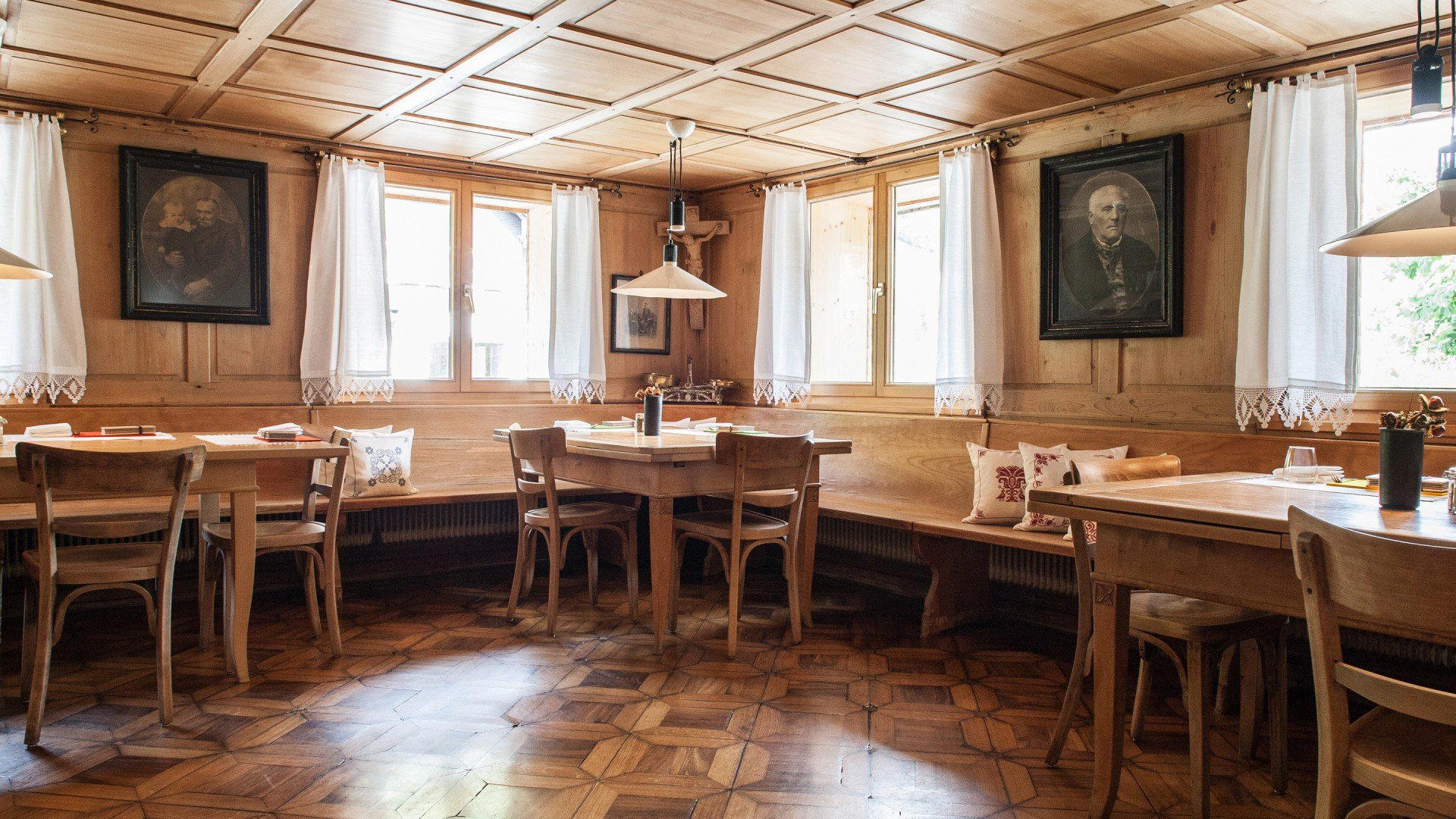
Inside Biohotel Schwanen
Planning details
- Location
- Kirchdorf 77, 6874 Bizau
- Website
- biohotel-schwanen.com
- Phone
- +43 5514 2133
The take
The Take
The Vibe
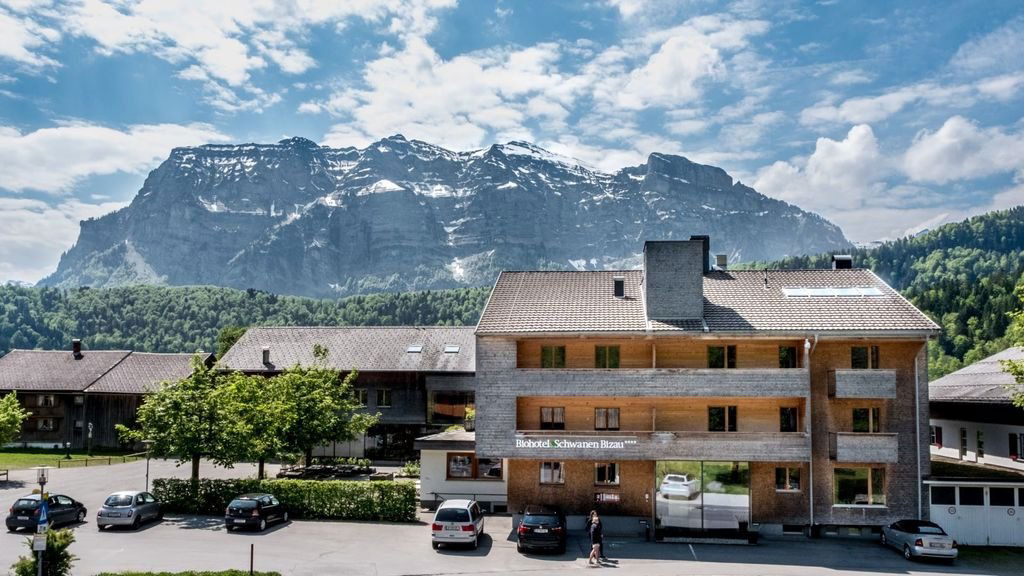
Biohotel Schwanen presents a quietly refined take on alpine lodging, where local timber craft and contemporary spatial thinking drive the aesthetic. The property reads as deeply local without feeling historicist: architecture and material choices reflect generations of workshop knowledge rather than decorative tourism tropes. Its biohotel certification signals that the design sensibility extends into operations, with ecological decisions woven into sourcing, cleaning, and construction. Guests encounter an understated, design‑minded atmosphere that privileges material honesty and regional craft over spectacle, making the hotel feel intentional, calm, and quietly elevated.
Best For
The hotel is best for travelers seeking a calm, design‑focused alpine stay grounded in sustainability. Its emphasis on local timber construction, quiet presentation, and certified organic operations suits those who value ecological credentials and considered architecture. Quiet mornings and relaxed afternoons are likely here rather than high‑energy resort programming; the property appeals to guests who want an uncluttered, authentic encounter with Bregenzerwald craft and landscape. It’s a good match for couples or solo travelers prioritizing restorative downtime and design integrity over conventional resort amenities.
Venue details
Ambiance
Cozy and relaxing with natural materials, fragrant pine beds, and a serene mountain setting.
Tags
Vibe
Best For
Experience
Amenities
View
Accessibility
About the Stay
- Rooms
- 20
- Check-in
- 14:00
- Check-out
- 11:00
- Property Style
- Modern Wooden Architecture Blending Tradition and Simplicity in Bregenzerwald.
- Design Style
- Minimalist with High Quality Natural Materials and Hand Carved Pine Elements.
Know before you go
Know Before You Go
- Getting there
- Kirchdorf 77, 6874 Bizau
Planning details
Location
Recognition and awards

Also consider
Also Consider
- Hotel Post Bezau, Notable alternative
- Hotel Hirschen · Fine Hotel, Restaurant & Spa · Schwarzenberg, Notable alternative
- Genießer - & Romantikhotel DAS SCHIFF, Notable alternative
- Genießer - & Romantikhotel DAS SCHIFF, Notable alternative
- HUBERTUS Mountain Refugio Allgäu, Notable alternative
Hotel context
How It Compares
Against Hotel Post Bezau, Biohotel Schwanen is the calmer Bizau-area pick for travellers who want a smaller-feeling base and easier booking conditions. Choose Hotel Post Bezau if the trip needs a more established destination-hotel feel; choose Biohotel Schwanen if the budget should go toward the region rather than a broader hotel program.
Hotel Hirschen · Fine Hotel, Restaurant & Spa · Schwarzenberg reads as the stronger cross-shop for travellers prioritising restaurant-and-spa structure. Biohotel Schwanen is more convincing when the plan is lighter: days out in the Bregenzerwald, a quieter return point, and less pressure to use every facility to justify the stay.
Genießer - & Romantikhotel DAS SCHIFF is the better comparison for couples who want a more explicitly romantic hotel framing, while HUBERTUS Mountain Refugio Allgäu is the one to consider if mountain-refugio atmosphere is the main brief. Biohotel Schwanen is the practical choice when easy booking and a quieter Bizau base carry more weight than a more packaged escape.
Explore Bizau
Around this place
Discover more on Pearl
Unlock the full Biohotel Schwanen guide in Pearl, including awards, comparisons, FAQs, planning details, and nearby places.
Compare Biohotel Schwanen
| Venue | Location | Awards |
|---|---|---|
| Biohotel Schwanen | Bizau | 2026 La Liste Top Hotels |
| Hotel Post Bezau | Bezau | No published awards |
| Hotel Hirschen · Fine Hotel, Restaurant & Spa · Schwarzenberg | Schwarzenberg | 2026 La Liste Top Hotels2025 Michelin Selected Hotels |
| Genießer - & Romantikhotel DAS SCHIFF | Vorarlberg | Michelin 1 Key 20252025 Michelin 1 Key |
| Genießer - & Romantikhotel DAS SCHIFF | Hittisau | Michelin 1 Key 20252025 Michelin 1 Key |
| HUBERTUS Mountain Refugio Allgäu | Balderschwang | 2025 Michelin 1 KeySmall Luxury Hotels Member 2025 |



How Biohotel Schwanen Bizau compares with similar nearby venues.
FAQ
Frequently Asked Questions
Is Biohotel Schwanen good for business travel?
Biohotel Schwanen is in Bizau and has La Liste Top Hotels 2026 recognition at 93pts. Details on business facilities, meeting space, or corporate services are not provided, so business travellers should confirm the practical requirements directly with the hotel before booking.
How is the dining at Biohotel Schwanen?
Details on the dining format, cuisine, menus, or meal service at Biohotel Schwanen are not provided. The hotel is listed by La Liste Top Hotels for 2026 at 93pts, but dining plans should still be confirmed directly with the property. Hotel Post Bezau is another option to consider when comparing hotel stays.
Which room category is best at Biohotel Schwanen?
Room-category details for Biohotel Schwanen are not provided. Choose based on the room information provided by the hotel at booking, and confirm any needs around space, quiet, accessibility, or bedding directly with the property.
Do loyalty programs work at Biohotel Schwanen?
Information on loyalty-program participation at Biohotel Schwanen is not provided. If loyalty benefits matter, confirm directly before booking; Hotel Hirschen · Fine Hotel, Restaurant & Spa · Schwarzenberg is another hotel to compare when weighing different stay formats.
Is Biohotel Schwanen family-friendly?
Family-specific details for Biohotel Schwanen, such as child policies, room setups, or family services, are not provided. Families should confirm those points directly with the hotel. Hotel Post Bezau is another option to compare for a stay in the wider area.
What is check-in like at Biohotel Schwanen?
Check-in details for Biohotel Schwanen are not provided. The location to use for planning is Bizau, and guests should confirm arrival timing and any late-arrival needs directly with the hotel before travelling.